Top 5 Huts and Cabins around Grau/Grado
Best huts around Grau/Grado are found in a region known for its Adriatic beaches and the unique Grado Lagoon. This area features traditional fishing huts, called "casoni," which are emblematic of the local culture. The lagoon's intricate network of canals and islets provides a distinct natural landscape. These structures represent a tangible link to the region's fishing past and traditional way of life.
Best huts around Grau/Grado
- The most popular huts is Casa Generosa Mountain Inn, a hut that…
Last updated: July 4, 2026
Villa Paladín Albergue
Highlight • Mountain Hut
Translated by Google •
Tip by

Casa Generosa Mountain Inn
Highlight • Mountain Hut
Translated by Google •
Tip by

Sign up now to discover places like this
Get recommendations on the best single tracks, peaks, & plenty of other exciting outdoor places.
Sign up for free
San Juan de Villapañada Hostel
Highlight • Mountain Hut
5 EUR per person.
Translated by Google •
Tip by

La Posada de Proaza
Highlight • Restaurant
Tip by

Braña La Corra Traditional Thatched Huts
Highlight • Mountain Hut
Translated by Google •
Tip by

Sign up for free to discover even more huts and cabins around Grau/Grado.
Sign up for free
Already have an account?
Start today with a free account
Your next adventure awaits.
Login or Signup
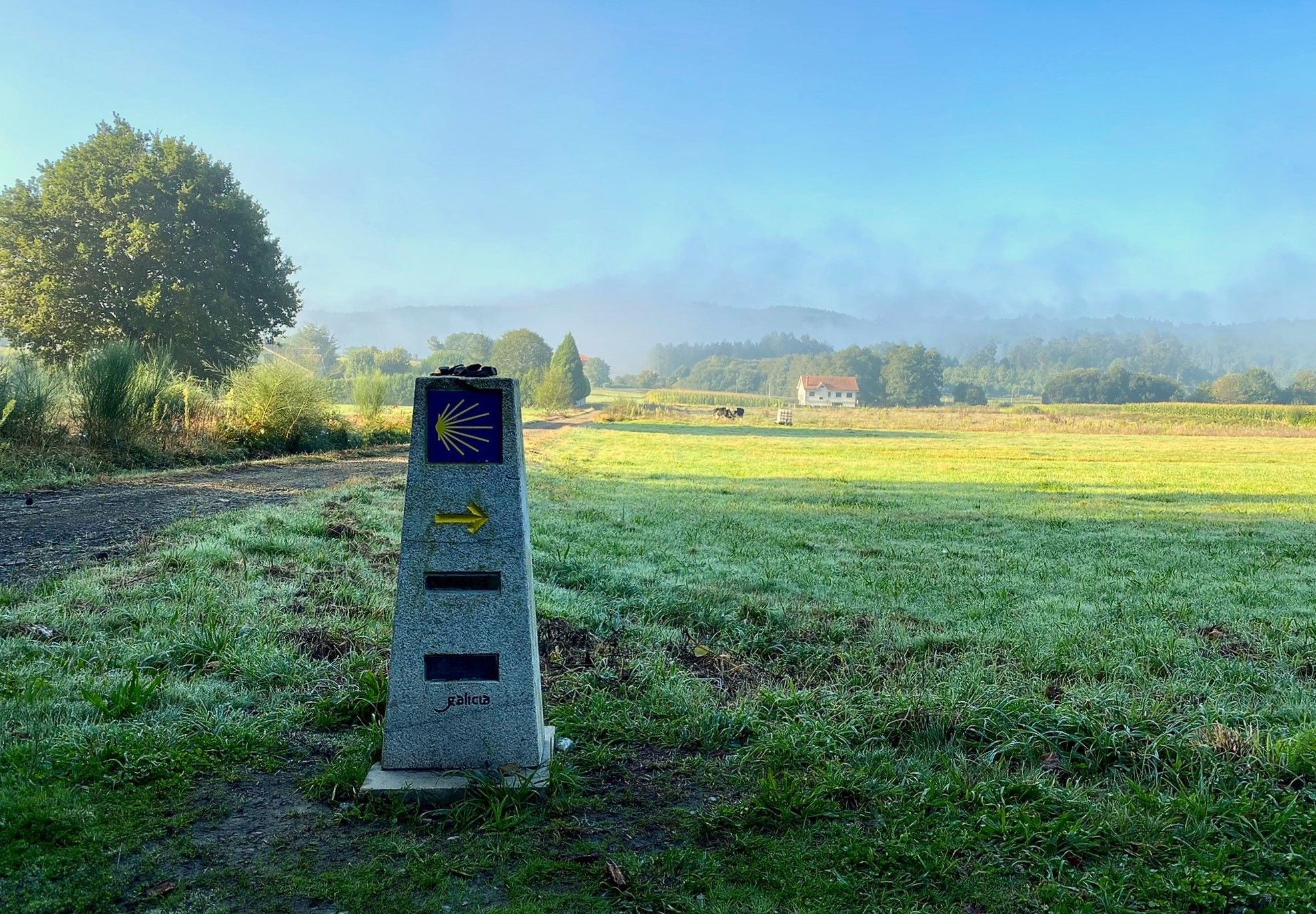
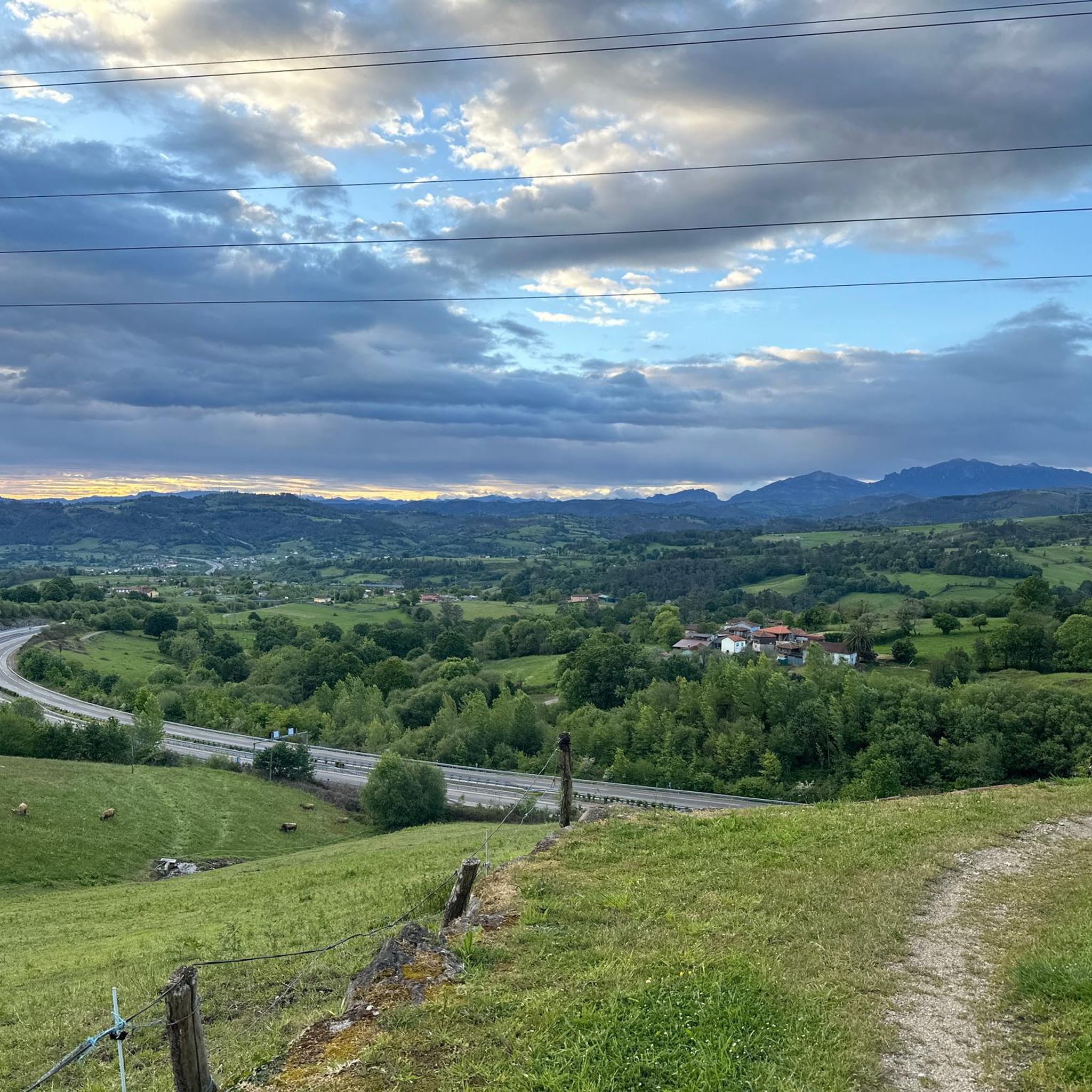
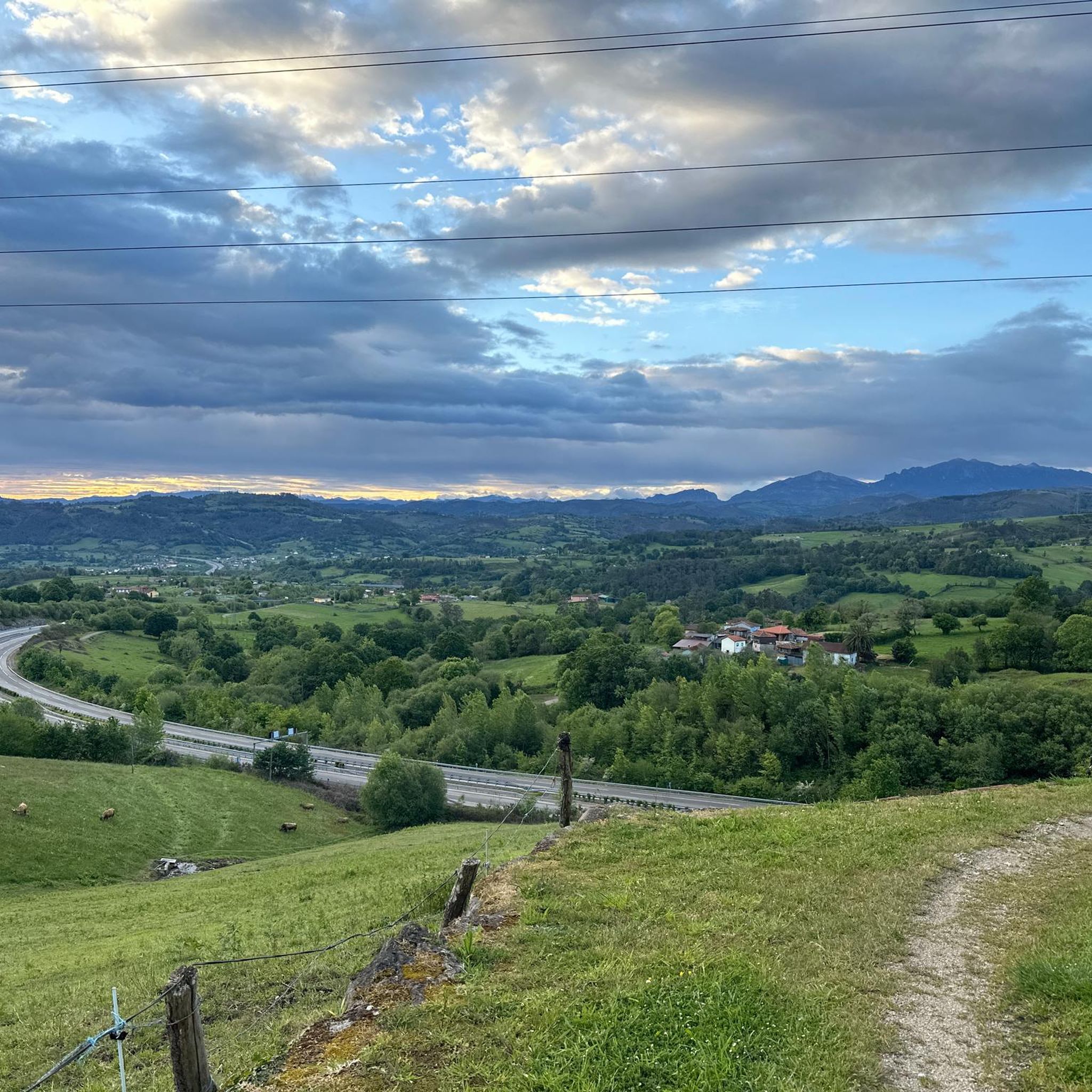
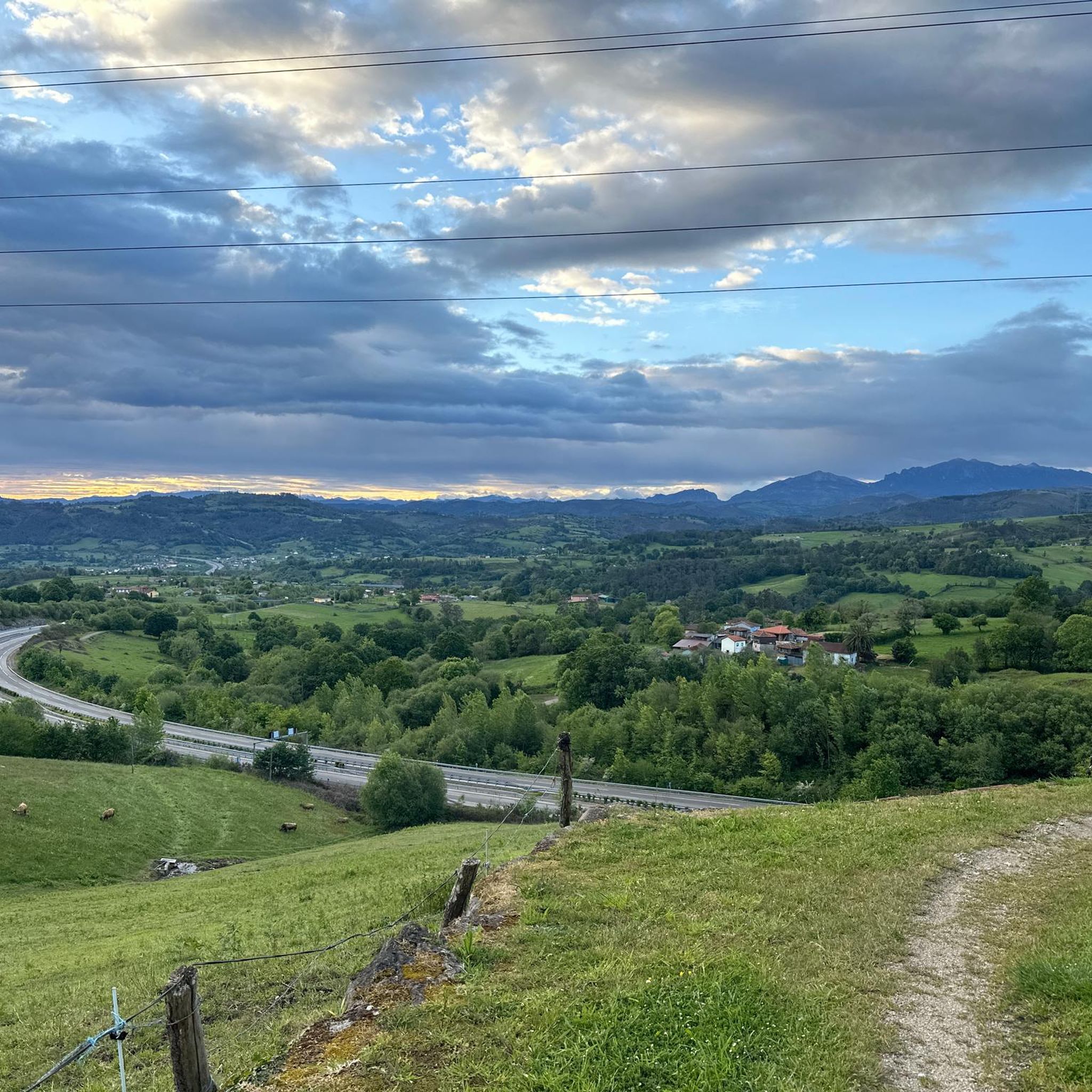

Other adventures around Grau/Grado

Tips from the Community

An iconic spot, perfect for a coffee ☕
0
0

Casa Generosa in Pedroveya is a rustic mountain inn where you can enjoy affordable local cuisine and cider. Closed on Wednesdays!
2
0

A nice, secluded hostel. The owner always has a joke on his lips. We laughed a lot.
0
0
The best bar with a funny owner. We had a lot of fun here and the food was delicious.
1
0

Nice hostel, but breakfast is only served very late.
0
0

In June 2024, the overnight stay cost 7.50 euros
2
0

It is a set of traditional shepherds' huts. In this particular case, the "teitos" stand out, which are the type of local construction with a thatched roof. Around there are corrals or "corros" where the cattle can be collected. Apart from its ethnographic value, the complex is located in an incredible Asturian mountain landscape.
0
0

One of the warmest and most attentive hostel operators on the Camino Primitivo. It's worth spending the first night here on the first day coming from Oviedo.
1
0
Frequently Asked Questions
What types of huts can I find around Grado?
Grado is renowned for its traditional fishing huts called "casoni." These are simple, thatched-roof structures historically used by fishermen in the Grado Lagoon. While some remain rustic, others have been restored and converted into unique accommodations or even rustic trattorias.
What is the historical significance of the casoni in Grado?
The "casoni" represent a tangible link to Grado's fishing past and the traditional way of life in the lagoon. They symbolize the deep connection between the local community and the unique natural environment, showcasing how fishermen lived for extended periods within the lagoon.
How can I access the casoni in the Grado Lagoon?
Many "casoni" are located on small, reed-covered islets ('mote') within the intricate network of canals and valleys of the Grado Lagoon. They are often isolated and primarily accessible by boat, typically using a flat-bottomed 'batèla' boat designed for the shallow waters.
Are there family-friendly options among the huts in Grado?
While the traditional "casoni" offer a unique cultural experience, some have been transformed into accommodations or rustic trattorias that can be enjoyed by families. For a more conventional family-friendly experience, places like Villa Paladín Albergue are known for their warm atmosphere and cafe services.
Can I find food and drink at the huts in Grado?
Yes, some of the traditional "casoni" have been converted into rustic trattorias, especially during warmer seasons. These often serve excellent local fish dishes, accompanied by polenta and wine, offering an authentic culinary experience. Additionally, places like Casa Generosa Mountain Inn offer affordable local cuisine and cider, and La Posada de Proaza is a restaurant and cafe perfect for a stopover.
What natural features can I expect to see around the huts in Grado?
The huts are primarily located within the Grado Lagoon, an area characterized by an intricate network of canals, shallow waters, and reed-covered islets. This unique environment offers a sense of timeless tranquility, surrounded by water, wind, and silence, providing an experience of untouched nature.
What is the best time to visit the huts in Grado?
The warmer seasons are generally ideal for visiting the Grado Lagoon and its "casoni." During this time, you can fully enjoy boat trips through the lagoon, and many of the converted trattorias within the huts are open, offering local culinary delights.
Are there any notable or famous casoni in Grado?
Yes, the "casone" of Vitige Gaddi on Mota dei Biviaqua is particularly well-known. Vitige Gaddi, a local figure, extensively documented his journeys through the Grado Lagoon from this very hut. The timeless atmosphere of the "casoni" also captivated artists like Pier Paolo Pasolini, who filmed scenes for his movie Medea in a "casone" on Mota Safon.
What kind of activities can I do near the huts in Grado?
Exploring the Grado Lagoon by boat is a primary activity, allowing you to discover the unique natural beauty and cultural heritage of the "casoni." You can also enjoy the Adriatic beaches of Grado. While specific hiking or cycling routes directly linked to the huts in Grado, Italy are not detailed, the region offers opportunities for gentle exploration of its coastal and lagoon landscapes.
What makes the traditional construction of the casoni unique?
The "casoni" are built using materials readily available in their surroundings, such as wooden posts, reeds, and straw for their distinctive thatched roofs. The interior typically features a single large room with a fireplace, and the entrance is often oriented to provide shelter from easterly winds, reflecting practical adaptations to the lagoon environment.
Are there any hostels or budget-friendly hut options in the broader Grado region?
For those seeking budget-friendly accommodation, places like San Juan de Villapañada Hostel offer well-maintained public hostel facilities with good kitchens, providing an affordable option for travelers.
Most popular routes around Grau/Grado
Most popular attractions around Grau/Grado

Get inspired with the komoot mobile app


