Top 5 Caves around Lliçà De Vall
Best caves around Lliçà De Vall are found within the broader region of Catalonia, offering a mix of natural formations and historical significance. Lliçà De Vall is a municipality located in a region known for its diverse natural landscapes, including areas with geological features suitable for cave formation. The surrounding terrain features natural monuments and historical sites often integrated with these underground spaces. This area provides opportunities to explore both natural cavities and those with archaeological importance.
Best caves around…
Last updated: August 27, 2026
The Swallows' Rock
Highlight • Natural Monument
Translated by Google •
Tip by

Font de la Tosca and Degotalls
Highlight • Waterfall
Translated by Google •
Tip by

Sign up now to discover places like this
Get recommendations on the best single tracks, peaks, & plenty of other exciting outdoor places.
Sign up for free
Roca Llobatera de Cabrils
Highlight • Cave
Translated by Google •
Tip by

Can Nadal Cave
Highlight • Cave
Introduction
The Can Nadal cave is a large monolithic block with a hollow interior that is protected to the east and at the top by a natural rock wall …
Translated by Google •
Tip by

Foradada Rock of Can Planes
Highlight • Natural Monument
Translated by Google •
Tip by

Sign up for free to discover even more caves around Lliçà De Vall.
Sign up for free
Already have an account?
Start today with a free account
Your next adventure awaits.
Login or Signup
Tips from the Community

Jaciment arqueològic amb pintures rupestres, declarat Patrimoni de la Humanitat.
0
0


It has an archaeological curiosity that is not always clearly explained, and I'm not making this up; it is documented as an artificially built granite block and is related to the Chalcolithic or Megalithic period between 2200 and 1800 BC, which suggests that it is not just a rock with a hole but could have been a prehistoric burial chamber where burials or funerary rituals were performed in prehistory.
0
0
A curious story circulates among the locals: during the post-war years, a man nicknamed "the Clockmaker" lived here for almost a decade, repairing clocks and small appliances in exchange for food. They say that at night a flickering light could be seen emerging from the cave, its ticking audible all the way to the Can Nadal road. Today, only the marks on the rock remain, along with a silence that seems to continue measuring time.
0
0

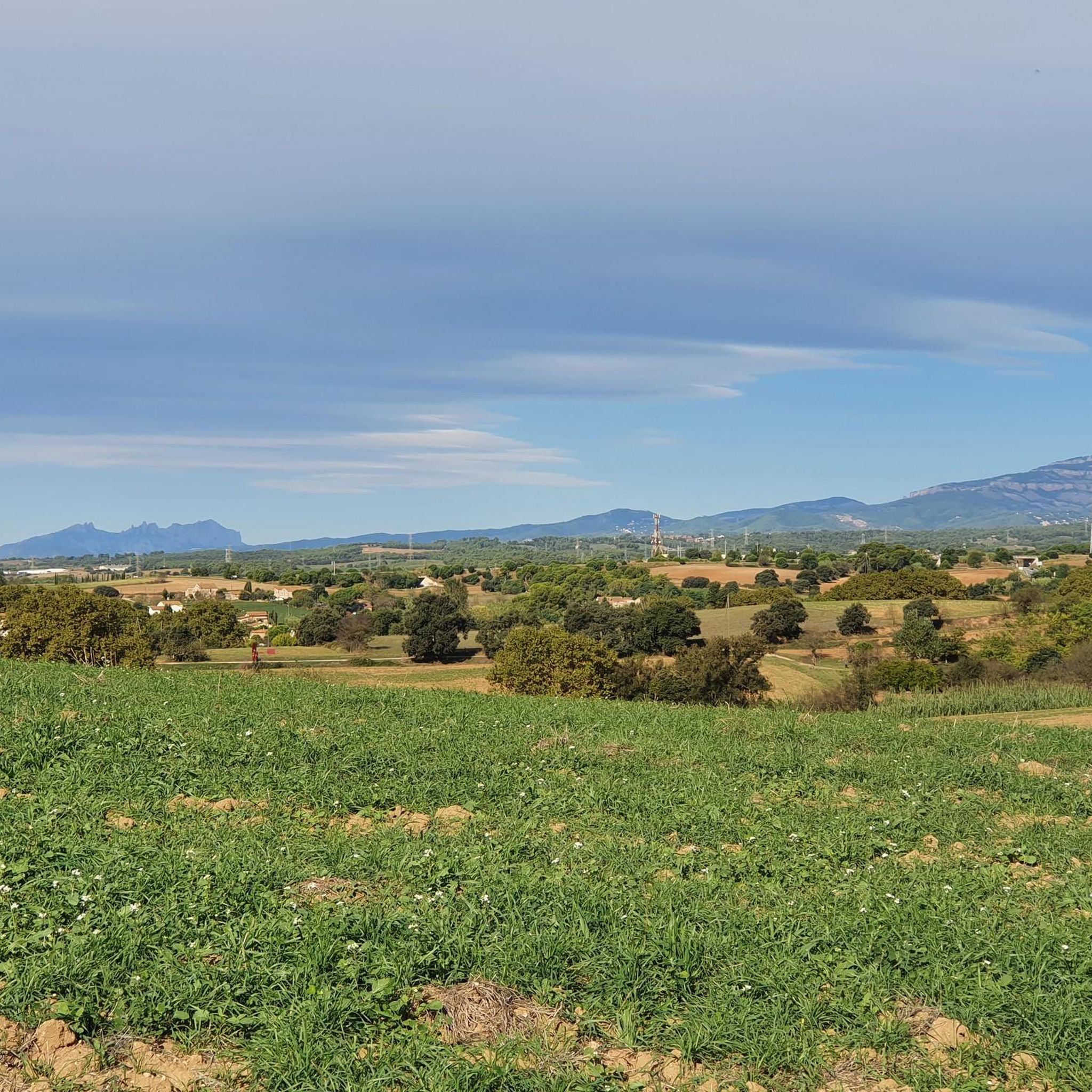
Lots of natural beauty and lush forest just a short distance from the city of Sabadell. Spectacular.
0
0
This cave, inhabited in prehistoric times, contains remains that demonstrate its use in the Neolithic or Bronze Age, such as stone tools, pottery fragments, and evidence of fire. Its strategic location, hidden but with good visibility of the surroundings, made it ideal as a refuge or stopover. Today, for cyclists like us, it's an excellent shelter in case of rain or to enjoy breakfast in the shade, thanks to its peaceful and protected location.
1
0

The "Pedra de Les Orenetes" (Swallows' Stone) is made up of a large granite block about 8 m long, 3 m wide and 3 m high, which has been heavily eroded. The basal part shows several cavities, one of which is a medium-sized shelter, which is the main area of the paintings. From this concavity, through which the block can be crossed from below, other concavities and eroded points with pictographic representations continue to the right. These correspond to curved, serpentine strokes, points, female figures, cruciform figures, bars, finger marks, anthropomorphic forms, quadrupeds, branch-shaped figures and human representations, as well as remains of pigment that are difficult to interpret. the schematic-semi-schematic to the stylized and naturalistic), chromatic (reddish, reddish-brown, reddish-orange and yellowish-orange) and techniques (fingering, simple stroke and flat ink) as well as a diverse degree of erosion that seems to indicate a process with superimpositions and diverse phases, some of which seem to be related to those of the Cogul shelter.
1
0

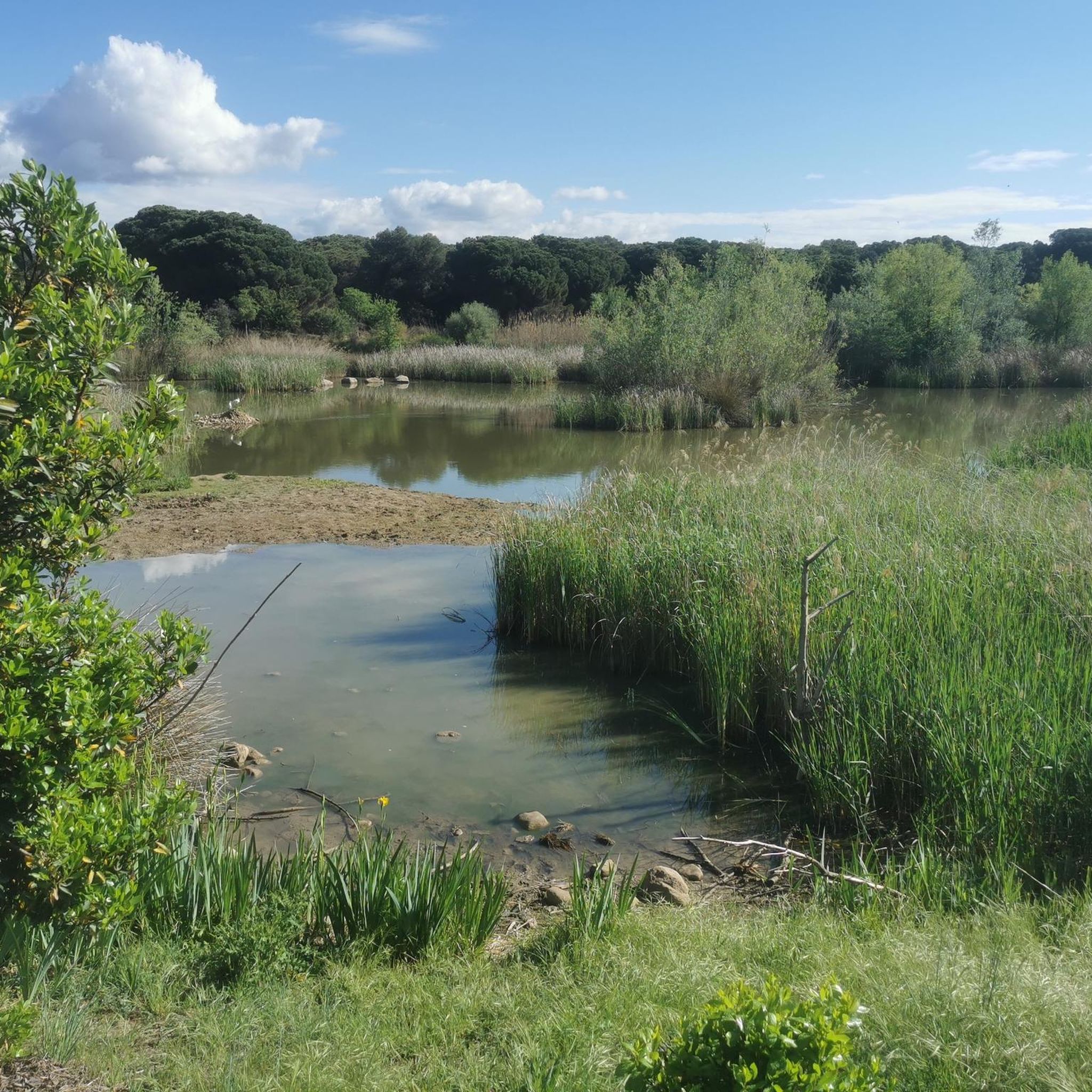
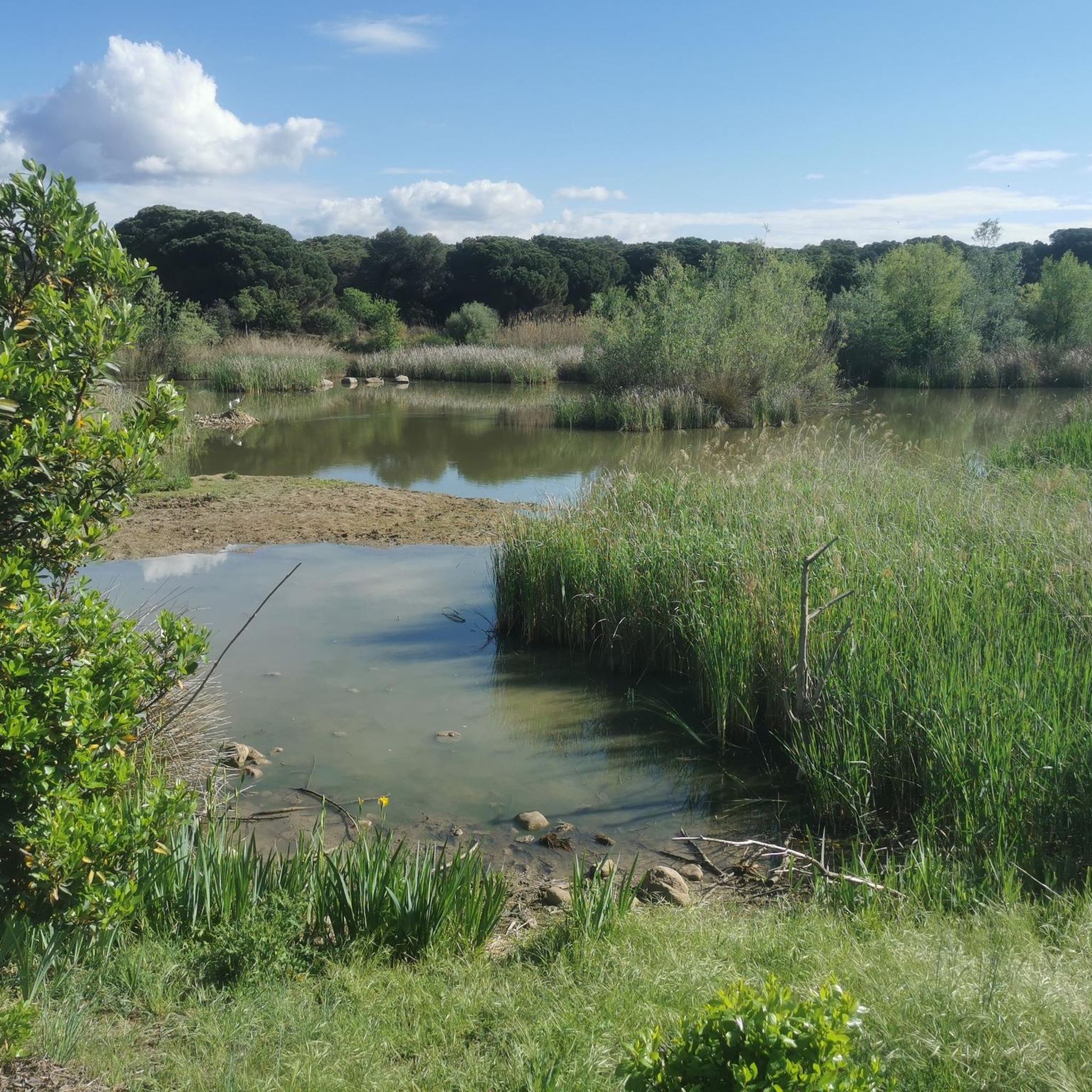
Spectacular rocks found in this area near the Bosc de Rsucalleda, with curious shapes.
6
0
Frequently Asked Questions
What caves can I visit near Lliçà De Vall?
While Lliçà De Vall itself features several interesting rock formations and historical shelters, the broader region of Catalonia offers significant cave systems. You can explore local sites like Font de la Tosca and Degotalls, The Swallows' Rock, and Can Nadal Cave. Further afield, consider the Caves of Sant Llorenç del Munt or the impressive Caves of Montserrat.
What kind of natural features can I expect to see in the caves around Lliçà De Vall?
The caves and rock formations in the Lliçà De Vall area showcase diverse natural features. You'll find eroded cavities, monolithic blocks, and natural shelters. For instance, Font de la Tosca and Degotalls features a waterfall emerging from a cave, surrounded by lush forest. The Swallows' Rock is a large granite block with unique eroded shapes.
Are there any historical or archaeological sites related to the caves in this region?
Yes, many caves and rock formations in the Lliçà De Vall area have significant historical and archaeological importance. The Swallows' Rock served as a prehistoric shelter with pictographic representations and archaeological remains. Can Nadal Cave, originally a prehistoric sepulchral cavity, was later enlarged and used as a medieval hermitage and vineyard hut. Pedra Foradada is also known as a prehistoric site with legends of initiation rituals.
Are the caves around Lliçà De Vall suitable for families?
Many of the natural rock formations and historical shelters around Lliçà De Vall are accessible and interesting for families, offering a blend of nature and history. Sites like The Swallows' Rock and Can Nadal Cave provide easy exploration opportunities. For a more structured cave experience, the Caves of Montserrat offer adapted tourist passages, though they do involve many steps.
When is the best time to visit the caves around Lliçà De Vall?
The caves and natural rock formations in the Lliçà De Vall region can be visited year-round. However, spring and autumn offer pleasant temperatures for exploring the surrounding natural environments and hiking trails. If visiting larger cave systems like Montserrat, note that their internal temperature is constant (around 14ºC), making them a good option even on hotter days.
What outdoor activities can I do near these caves?
The area around Lliçà De Vall is excellent for various outdoor activities. You can find numerous hiking trails, such as the PR-C 32 Lliçà d'Amunt Trail, and explore the Gallecs Rural Area. There are also many road cycling and general cycling routes available. For detailed routes and guides, visit the Hiking around Lliçà De Vall, Road Cycling Routes around Lliçà De Vall, and Cycling around Lliçà De Vall guides.
Do I need permits to visit the caves near Lliçà De Vall?
For the natural rock formations and historical shelters directly around Lliçà De Vall, such as The Swallows' Rock or Can Nadal Cave, specific permits are generally not required for casual visits. However, for larger, managed cave systems like the Caves of Montserrat, guided tours are mandatory, and tickets should be purchased in advance.
Are there any other notable cave systems in the broader Catalonia region?
Beyond the immediate vicinity of Lliçà De Vall, Catalonia boasts other significant cave systems. The **Caves of Sant Llorenç del Munt** in the Sant Llorenç del Munt i l'Obac Natural Park offer geological and historical insights, including cave-chapels and ancient dwellings. The **Caves of Montserrat (Coves de Montserrat / Saltpetre Caves)** are also a major attraction, featuring extensive underground passages with impressive speleothems. You can find more information about the Caves of Sant Llorenç del Munt on visitvalles.com.
What should I wear when visiting the caves?
For the outdoor rock formations around Lliçà De Vall, comfortable walking shoes and weather-appropriate clothing are recommended, as you'll likely be exploring natural trails. If you plan to visit larger cave systems like Montserrat, be aware that the internal temperature is consistently around 14ºC with high humidity, so warm clothing and sturdy, non-slip shoes are advisable.
What do visitors enjoy most about the caves and natural sites in the Lliçà De Vall area?
Visitors particularly appreciate the blend of natural beauty and rich history found in the Lliçà De Vall area. The unique geological formations, such as the eroded cavities of The Swallows' Rock, and the historical significance of sites like Can Nadal Cave, which served various purposes through different eras, are highly valued. The peaceful, protected locations also make them ideal spots for a break during outdoor activities.
Is there parking available near the cave sites?
Parking availability varies by specific site. For many of the natural rock formations and trailheads around Lliçà De Vall, you can often find informal parking areas. For more popular or managed attractions like the Caves of Montserrat, dedicated parking facilities are usually provided, though they may incur a fee.
Are the caves around Lliçà De Vall dog-friendly?
The natural outdoor rock formations and surrounding trails in the Lliçà De Vall area are generally dog-friendly, though leash rules should always be observed. For specific managed cave attractions, such as the Caves of Montserrat, it's best to check their individual pet policies as dogs are typically not allowed inside for safety and preservation reasons.
Most popular routes around Lliçà De Vall
Most popular attractions around Lliçà De Vall

Get inspired with the komoot mobile app


Explore more
Extend your search for the best caves by checking out these guides of the top ones around Lliçà De Vall:
