Top 8 Caves around Soba
Caves around Soba, located in Cantabria, Spain, is a region characterized by its karstic landscape and extensive underground systems. This geological setting has resulted in numerous caves, many of which are significant natural monuments. The area provides opportunities to explore diverse cave formations and sites of historical importance. It is a destination for those interested in geology and ancient human activity.
Best caves around Soba
- The most popular caves is Ramales de la Victoria, a settlement known for housing…
Last updated: August 13, 2026
Cullalvera Cave
Highlight • Cave
Translated by Google •
Tip by

Ramales de la Victoria
Highlight • Settlement
Translated by Google •
Tip by

Sign up now to discover places like this
Get recommendations on the best single tracks, peaks, & plenty of other exciting outdoor places.
Sign up for free
Cubera Cave
Highlight • Cave
Translated by Google •
Tip by

Cueva de la Colodra
Highlight • Cave
Translated by Google •
Tip by

Pozalagua Cave
Highlight • Cave
Translated by Google •
Tip by

Sign up for free to discover even more caves around Soba.
Sign up for free
Already have an account?
Start today with a free account
Your next adventure awaits.
Login or Signup
Tips from the Community

Today we made the official visit to the cave, it's a pity they didn't let us take photos inside.
2
0

The Pozalagua cave is known for housing the largest collection of eccentric stalacticts in the world. Observing this curious phenomenon of nature is well worth a visit to the cave, considered an "underground cathedral". It is necessary to buy tickets and the visit lasts about 50 minutes. Keep in mind that it is quite cold inside the cave.
1
0

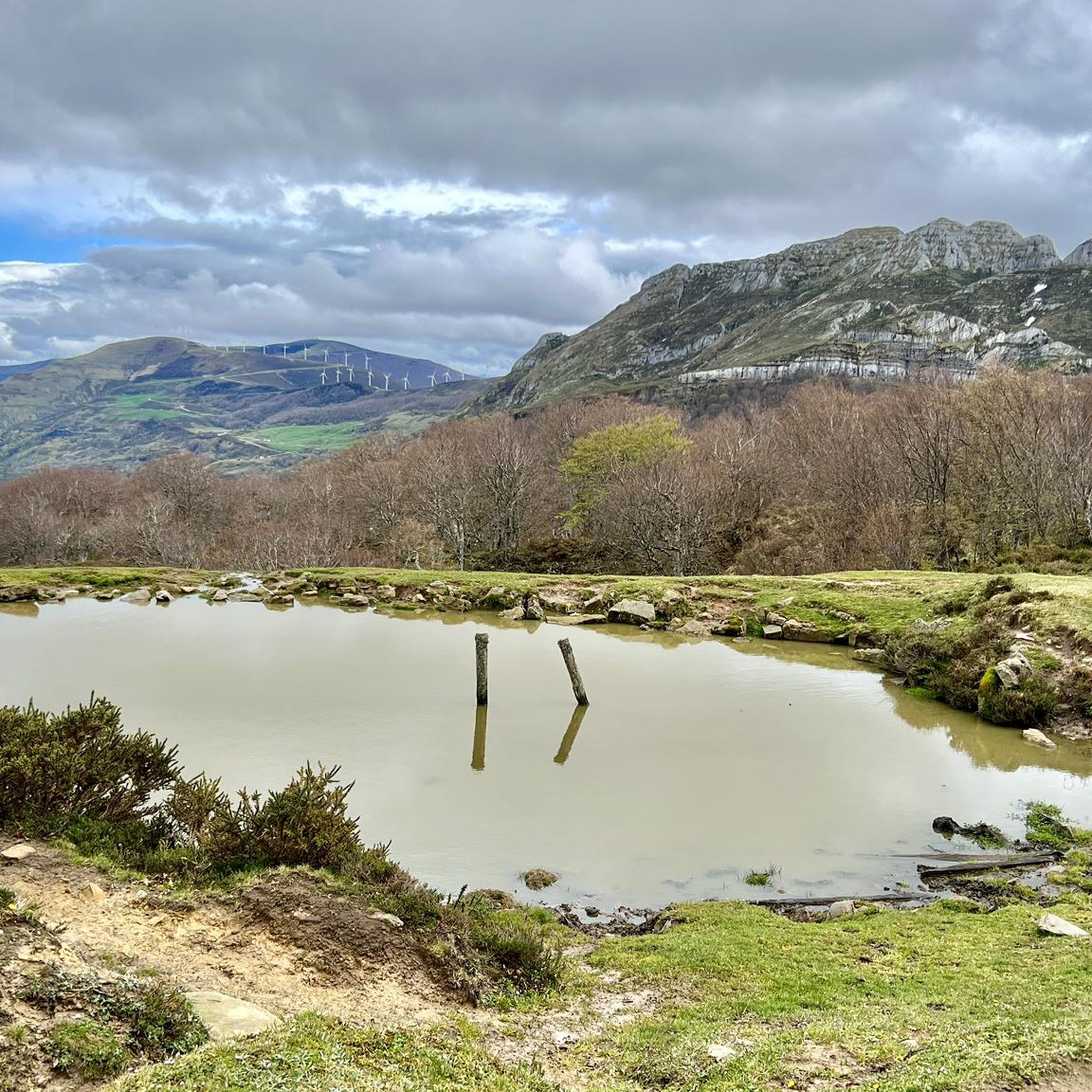
La Cueva de la Colodra is a curious cavity with the typical shape of a movie cave that you can enter its "portico" perfectly standing up but after a few steps inside you discover that it continues through a much smaller and narrower cavity in which You have to crouch down and have more trouble if you want to explore, yes, a flashlight and some basic precautions are necessary here with some more equipment in case it is necessary. It is found going up a few steps from the path that goes up to Alto de Brenas and also to Alto de los Escajos, it is a comfortable path to follow so it does not cost much to deviate and visit this cave, and just a few meters away the birth also begins from the stream of the same name. Of course, if you look calmly from inside it seems that you have a wonderful window to paradise and you breathe authentic peace and tranquility, it is a great place.
0
0

Ramales has well-preserved architecture, with some Indian mansions with beautiful gardens and gates. The Revillagigedo palace (18th century) stands out. However, its most valuable heritage is the group of caves located at the beginning of the century by Alcalde del Río: Covalanas, La Haza, Cullalvera and Sotarriza house magnificent cave paintings inside.
1
0

Just amazing and a ride for the whole family! It is a complex of karstic caves 12 km long with cavities of immense dimensions of up to 14 x 28 meters in some sectors. The water has been forming these incredible caves that fortunately today can be visited and explored. It is necessary to purchase tickets online, you can check here: https://cuevas.culturadecantabria.com/cullalvera-esp/
1
0
Magnificent cave with beautiful views that is worth visiting. It is a few meters away from the path up to Brenas and passing through the Peñal de Brenas.
0
0
In the middle of the Asón river path, on the way to Arredondo.
0
0
The Cubera cave is located at kilometer 2.8 of the road that goes from Arredondo to La Sia and its mouth is at the same level as the road and it has a spring that drains its waters from the currents of the system that predominates in the cave. zone. This cavity is divided into three zones according to its characteristics. Thus we have: The Fossil Network of the Sima de Cueto which is characterized by having huge corridors in which there is no water around it and the ground is made up of large stone blocks which makes it difficult to transit through this area. Another section is the Intermediate Network which is made up of a large number of caves and labyrinth-like paths, these suppose an excavation after the waters and has several levels, these connect the Sima del Cueto and La Coventosa. The third section in the Coventosa Gallery, which is located next to the previously described labyrinthine area, communicates with almost all the galleries as well as with the Cubera spring. Information taken from: https://www.viajarporcantabria.com/la-cueva-de-cubera/
3
0
Frequently Asked Questions
Which caves around Soba are known for prehistoric art?
The settlement of Ramales de la Victoria is a significant site, housing magnificent cave paintings in caves such as Covalanas, La Haza, Cullalvera, and Sotarriza. These offer a unique glimpse into ancient human life and culture.
Are there family-friendly caves to visit in the Soba region?
Yes, Cullalvera Cave is a family-friendly natural monument. It features extensive karstic caves with immense cavities formed by water, making for an engaging visit for all ages. It is recommended to purchase tickets online in advance.
What makes Pozalagua Cave unique?
Pozalagua Cave is renowned for housing the world's largest collection of eccentric stalactites. These rare geological formations, which defy gravity in their growth patterns, have earned it the title of an 'underground cathedral'. Visits typically last about 50 minutes, and it's advisable to buy tickets beforehand and dress warmly as it's cold inside.
What kind of experience does Cubera Cave offer?
Cubera Cave is known for its challenging and extensive labyrinthine network. It features a spring that drains water from its system and is divided into three zones: the Fossil Network, the Intermediate Network with multiple levels, and the Coventosa Gallery, offering a complex exploration for experienced cavers.
Can I explore Cueva de la Colodra, and what should I expect?
Cueva de la Colodra is a curious cavity offering beautiful views from its entrance. You can enter its portico standing up, but deeper exploration requires crouching through narrower sections. A flashlight and basic precautions are necessary for those wishing to venture further inside. It's located a short walk from the path up to Brenas.
What outdoor activities can I do near the Soba caves?
The Soba region offers a variety of outdoor activities. You can find numerous hiking trails, including moderate to difficult routes in the Parque Natural de los Collados del Asón. There are also road cycling routes and running trails available for different fitness levels.
What are the geological characteristics of the Soba region's caves?
The Soba region is characterized by a karstic landscape, which has led to the formation of extensive underground systems. These caves, like Cullalvera Cave, often feature immense cavities and unique formations such as the eccentric stalactites found in Pozalagua Cave, all shaped by significant underground water activity over time.
What should I wear when visiting caves in Soba?
Caves, such as Pozalagua Cave, maintain cooler temperatures year-round, regardless of the outside weather. It is always advisable to wear warm clothing, even during summer, and comfortable, sturdy shoes for walking on potentially uneven or damp surfaces.
Are there any specific tips for visiting Cullalvera Cave?
When visiting Cullalvera Cave, it's highly recommended to purchase your tickets online in advance to secure your entry. The cave is known for its immense cavities and is considered a family-friendly natural monument, offering an accessible and fascinating experience.
What kind of historical significance do the Soba caves hold?
Many caves in the Soba region, particularly those around Ramales de la Victoria like Covalanas and Cullalvera, are significant historical sites. They house prehistoric cave paintings, providing invaluable insights into the lives and cultures of early human inhabitants of the area.
Can I find challenging caving experiences in Soba?
Yes, the Soba region offers challenging cave systems for experienced cavers. Cubera Cave, for instance, is known for its complex and labyrinthine networks, including a Fossil Network with large stone blocks and an Intermediate Network with multiple levels, making it a demanding exploration.
What do visitors appreciate most about the caves around Soba?
Visitors frequently appreciate the diverse experiences offered by the Soba caves, from the ancient art in places like Ramales de la Victoria to the unique geological formations of Pozalagua Cave. The natural beauty and the opportunity to explore extensive karstic networks are highly valued, as evidenced by the numerous photos and upvotes from the komoot community.
Most popular attractions around Soba

Get inspired with the komoot mobile app


Explore more
Extend your search for the best caves by checking out these guides of the top ones around Soba:
