Top 4 Castles around Maià De Montcal
Castles around Maià De Montcal are found in a tranquil municipality within the Garrotxa region of Girona. The area is known for its historical remnants, offering a glimpse into the region's medieval past. The primary historical castle attraction in the immediate vicinity is the Castell de Dosquers, recognized as a cultural asset of national interest. This location provides a peaceful rural setting with views across the landscape.
Best castles around Maià De Montcal
- The most popular castles is Castell d'Esponellà…
Last updated: July 4, 2026
Espinavessa
Highlight • Settlement
Translated by Google •
Tip by

Castell d'Esponellà
Highlight • Castle
Translated by Google •
Tip by

Sign up now to discover places like this
Get recommendations on the best single tracks, peaks, & plenty of other exciting outdoor places.
Sign up for free
Navata (medieval town)
Highlight (Segment) • Historical Site
The urban center of Navata was born around the Old Hospital which was founded near a very busy medieval road, the one that …
Translated by Google •
Tip by
Santa Caterina d'Espasens and Espasens Castle Ruins
Highlight • Castle
Translated by Google •
Tip by
Roca Castle and Mill
Highlight • Castle
Translated by Google •
Tip by

Start today with a free account
Your next adventure awaits.
Login or Signup

Tips from the Community

Romanesque church from the end of the s. XII and early XIII. Right next to it you can visit the ruins of Castell d'Espasens, a 15th century fortification.
2
0
The reconstruction work seems to be finished, today I discovered a small underground entrance, but it leads nowhere.
0
0

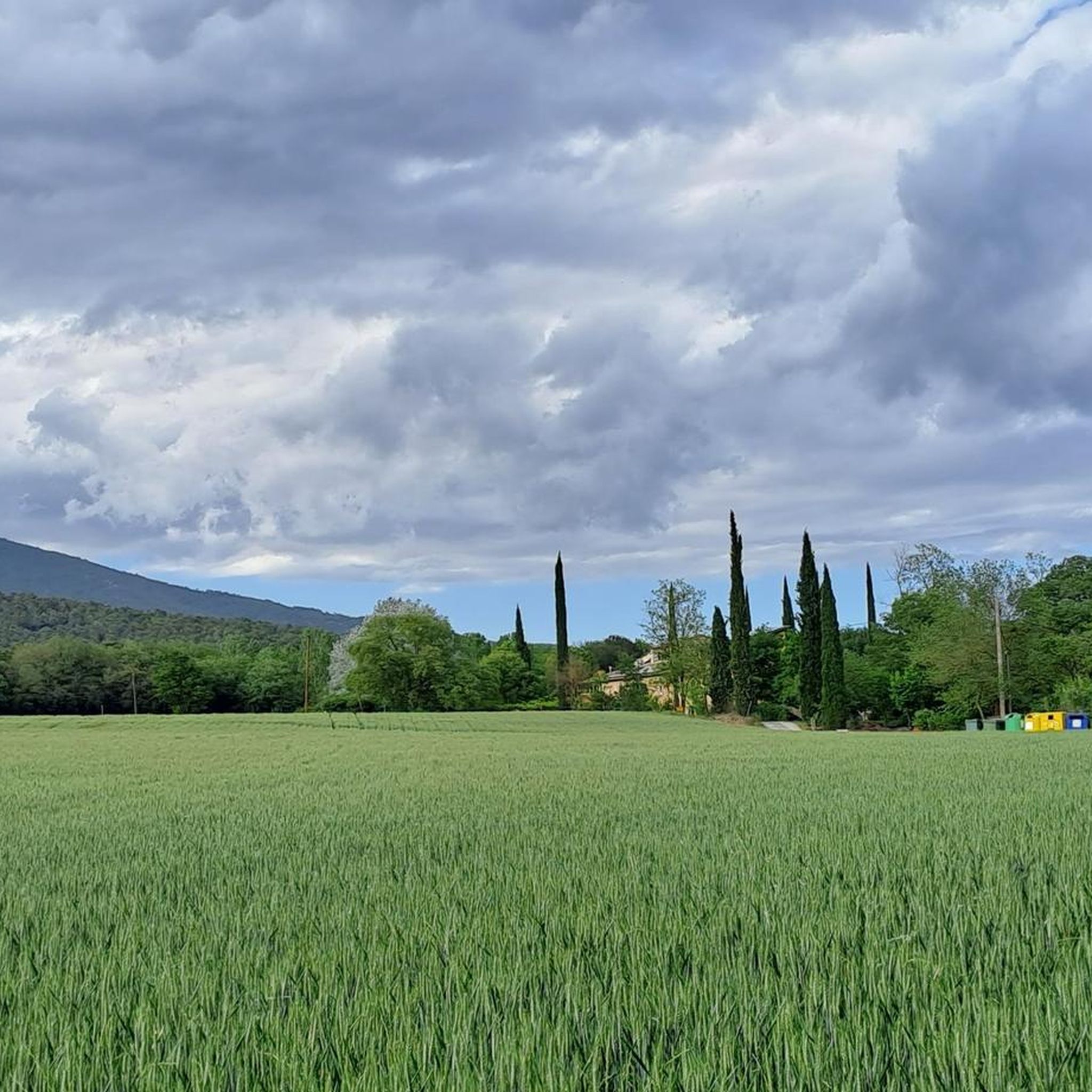
Espinavessa is part of the municipality of Cabanelles and, according to the 2011 census, it had 58 inhabitants. One of the most notable points of interest in Espinavessa is the Espinavessa Castle, a medieval fortification built by the Peralada lordship. This castle, which was erected to protect the area from attacks, especially from pirates, is today a historical and tourist monument of great value. From its rooms, you can see the Pyrenees mountains and the Mediterranean coast, which makes it a relevant tourist attraction in the region. The town of Espinavessa is located on the left bank of the Fluvià river, at its confluence with the Sant Jaume stream. Historically, the town was part of the Navata batllia until the 17th century. The population center is compact, with houses dating from the 17th and 18th centuries. Among the places of interest in Espinavessa is the parish church of Sant Llorenç, which dates from the late 18th century but contains earlier elements, such as a Romanesque-style carreu and a 14th-century Gothic tombstone. Another notable place is the Font d'Espinavessa, surrounded by vegetation and formerly used by the town's inhabitants to wash clothes.
2
0
Espinavessa is a small municipality located in the Alt Empordà region, in the province of Girona, Catalonia, Spain. It is part of the municipal area of Cabanelles and, according to the 2011 census, it had 58 inhabitants. One of the most notable points of interest in Espinavessa is the Espinavessa Castle, a medieval fortification built by the Peralada lordship. This castle, which was erected to protect the area from attacks, especially from pirates, is today a historical and tourist monument of great value. From its rooms, you can see the Pyrenees mountains and the Mediterranean coast, which makes it a relevant tourist attraction in the region. The town of Espinavessa is located on the left bank of the Fluvià river, at its confluence with the Sant Jaume stream. Historically, the town was part of the Navata batllia until the 17th century. The population center is compact, with houses dating from the 17th and 18th centuries. Among the places of interest in Espinavessa is the parish church of Sant Llorenç, which dates from the late 18th century but contains earlier elements, such as a Romanesque-style carreu and a 14th-century Gothic tombstone. Another notable place is the Font d'Espinavessa, surrounded by vegetation and formerly used by the town's inhabitants to wash clothes.
2
0
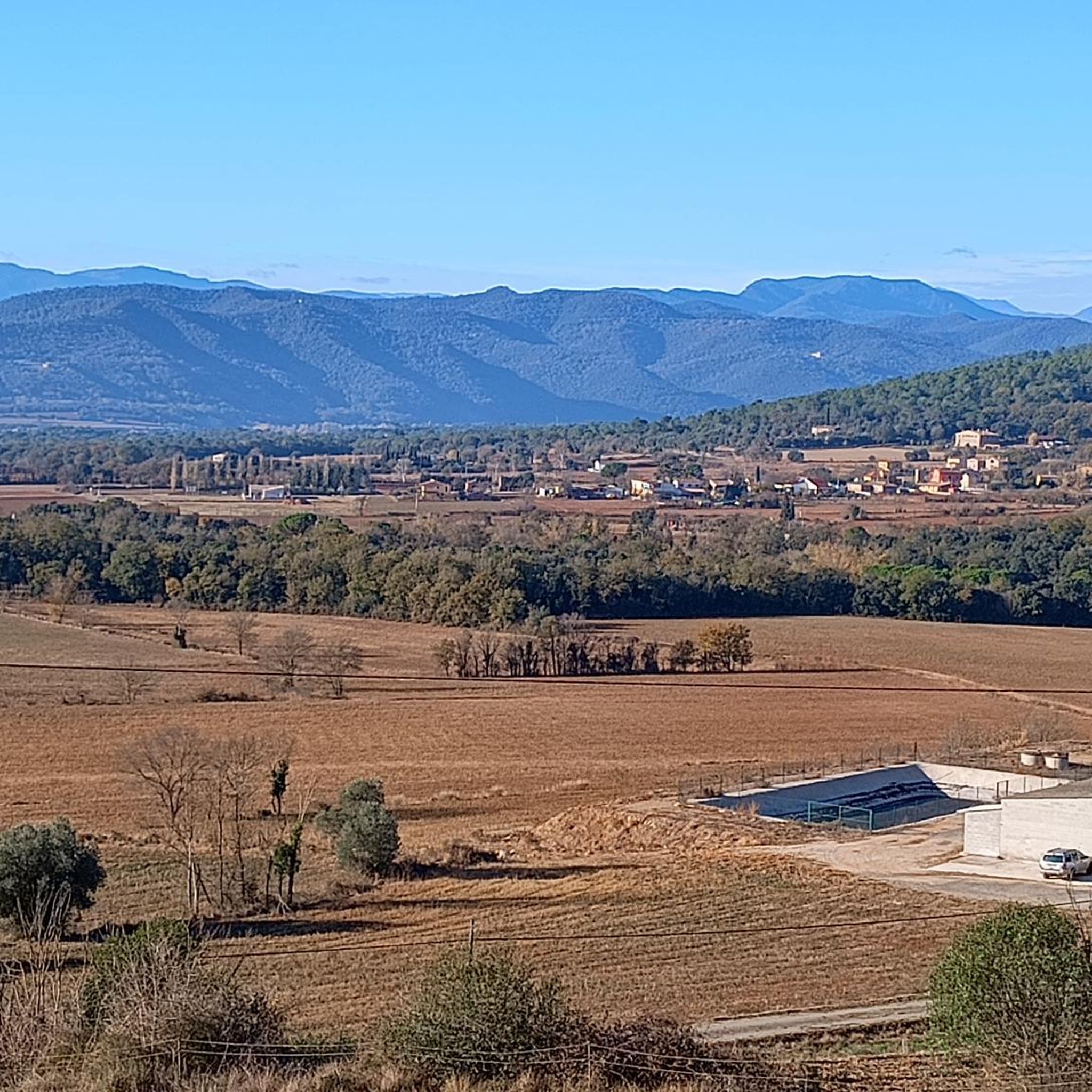
The medieval origins of Navata (14th-15th century) The urban center of Navata was born around the Old Hospital which was founded near a very busy medieval road, the one that went from Figueres to Besalú. The institution, which was also known as the hospital for the poor, was already in operation in 1283. The first homes and small industries were established around it very soon. In fact, this first urban grouping was called "Villa Hospitalis", the Villa de l'Hospital. From the 15th century onwards, the town council governed by juries, i.e. the town hall of the time, has been documented. Before the existence of the current urban center, and since 1051 Navata was already an important barony with the Navata castle as a political power and the church of Sant Pere Vell or Can Miró as a religious power and even today the shield of the town bears the baron's crown. Navata, walled town The title of town, which has been held by Navata since ancient times, indicates that it was a town that, without being a city, had some privileges that made it distance itself from being a town. Being a town was important because it represented the general recognition of Navata's pre-eminence over neighboring towns. The small medieval town was important as a strategic point, as a place of passage and defense against the penetration of possible invasions, south of the Pyrenees ridge. And that is why, probably in the 14th or 15th century, a wall was built to protect it. Few canvases remain of the old defensive construction, as a significant part of the stone was used to build new buildings or the current church and the other was demolished. There is also a part of the layout of the wall that is found in modern houses on top of each other. The Valls portal The wall had a trapezoidal plan and four portals. In this space was the portal of the northern part of the wall, the Valls portal. The valley or moat was the deep excavation that was made around the fortification to make it difficult for the enemy to pass from outside to the wall of the wall, like the Gorg square, since in the past it is believed that in the area there was a gorg or a pool that collected water, probably naturally, and that must have been used by the villagers. https://empordaturisme.com/es/event/visita-guiada-a-la-villa-medieval-de-navata/
1
0
It is in the process of archaeological research and reconstruction.
0
0

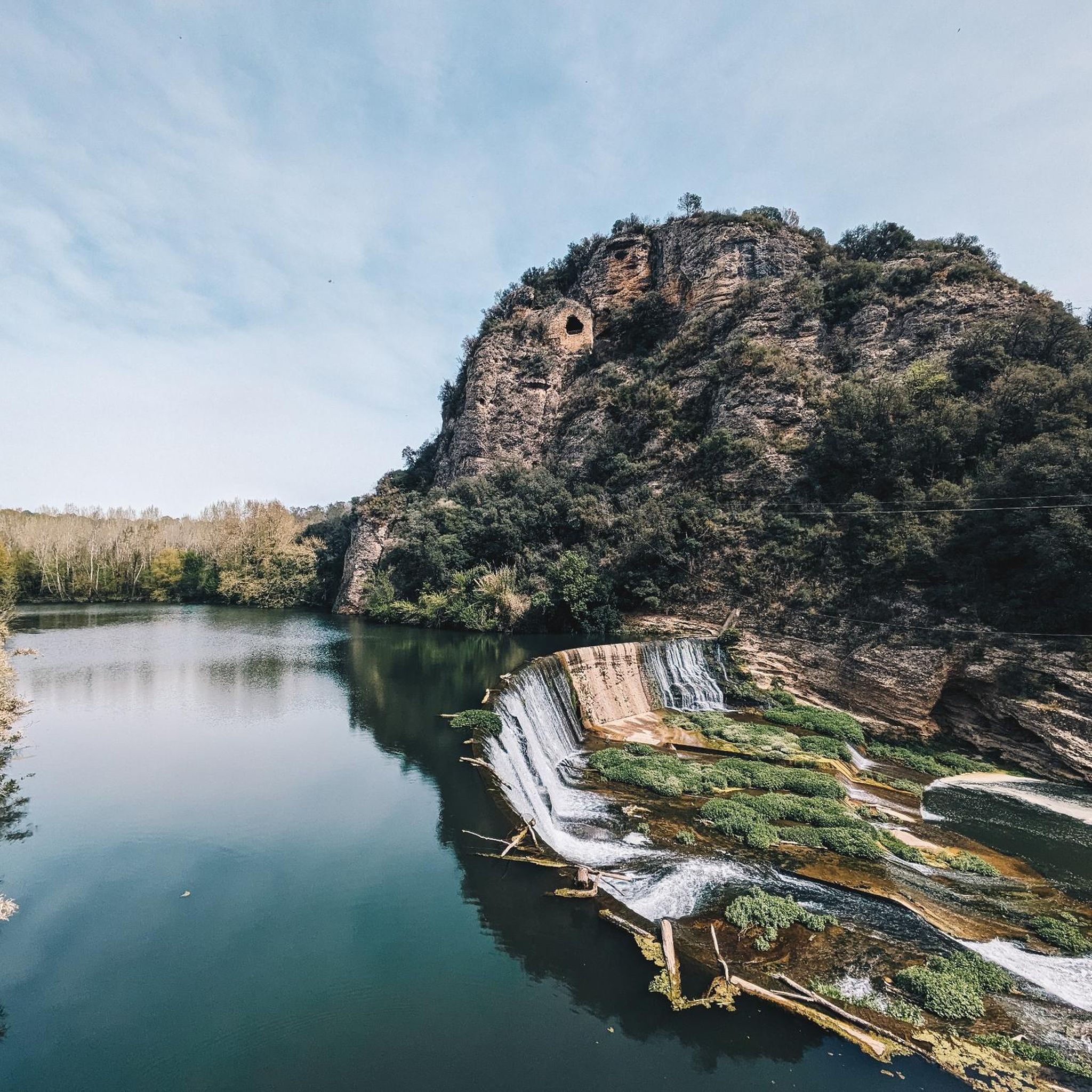
Castle of medieval construction that still maintains elements of Romanesque style. Next to the castle there is a mill that was powered by the waters of the River Ser, at a point where a waterfall forms.
2
0
Frequently Asked Questions
What is the primary historical castle in Maià De Montcal?
The most significant historical castle within Maià De Montcal itself is the **Castell de Dosquers**. Although it exists as ruins today, it is recognized as a cultural asset of national interest and offers a compelling glimpse into the region's medieval past.
What is the historical significance of Castell de Dosquers?
First documented in 1245, the Castell de Dosquers was crucial for the Bishops of Girona, controlling routes to Empordà and regulating passage across the Fluvià river to Besalú. It marked the boundary of the Bishopric's dominion and protected the fertile plains. Its ruins, built upon live rock, still show sections of walled enclosure and a moat, indicating its former defensive capabilities.
Are there other notable castles or historical sites to visit near Maià De Montcal?
Yes, beyond Castell de Dosquers, you can explore several other historical sites. These include Espinavessa, which features a medieval fortification built by the Peralada lordship, and Castell d'Esponellà, currently undergoing archaeological research and reconstruction. You can also visit the ruins of Santa Caterina d'Espasens and Espasens Castle Ruins, a 15th-century fortification, and the medieval town of Navata with its own castle history.
Are the castles around Maià De Montcal suitable for families?
Many of the historical sites and castles in the wider area, such as Espinavessa and the medieval town of Navata, are categorized as family-friendly. Exploring the ruins of Castell de Dosquers also offers an educational experience for children to imagine medieval life.
What kind of natural features or viewpoints can I expect near these castles?
The region around Maià De Montcal offers a peaceful rural setting with views across the landscape. From places like Espinavessa, you can see the Pyrenees mountains and the Mediterranean coast. Castell d'Esponellà is also noted as a viewpoint. Additionally, Roca Castle and Mill is located next to a waterfall on the River Ser.
What outdoor activities can I do near the castles of Maià De Montcal?
The area around Maià De Montcal is excellent for various outdoor activities. You can find numerous routes for cycling, gravel biking, and road cycling. For example, there are challenging gravel routes like the 'Lake Banyoles – Saint Mary of Porqueres loop from Besalú' or moderate cycling routes such as the 'Sant Feliu de Beuda Church – Besalu loop from Maià de Montcal'. You can find more details on these activities in the Gravel biking around Maià De Montcal, Cycling around Maià De Montcal, and Road Cycling Routes around Maià De Montcal guides.
Is there parking available when visiting the castles?
While specific parking details for each ruin are not always provided, the accessible nature of Castell de Dosquers, often reached by a short walk from the nearby Sant Martí de Dosquers church, suggests local parking options are available in the tranquil rural setting of Maià De Montcal. For other sites, it's advisable to check local information for nearby villages or designated parking areas.
What is the best time to visit the castles and surrounding area?
The region's peaceful rural setting and opportunities for outdoor activities suggest that spring and autumn offer pleasant weather for exploring the ruins and enjoying the landscape. These seasons typically provide comfortable temperatures for walking and cycling without the intense heat of summer or the chill of winter, though winter walks can also be appealing.
Can I visit the castles with my dog?
While specific dog policies for each site are not detailed, many outdoor historical ruins and trails in rural areas are generally dog-friendly, especially if dogs are kept on a leash. The peaceful rural setting of Maià De Montcal and its surrounding areas makes it suitable for walks with dogs, particularly around the ruins of Castell de Dosquers.
Are there any cafes or amenities near the castles?
Maià De Montcal is a tranquil municipality, and while specific cafes directly adjacent to the ruins are not mentioned, the nearby villages and towns like Espinavessa or Navata, which are also historical sites, would likely offer local amenities. It's recommended to check for options in the closest settlements before your visit.
How long should I allocate for visiting the castles around Maià De Montcal?
For the Castell de Dosquers ruins, a visit might take 1-2 hours to explore the remnants and appreciate the historical context. If you plan to visit multiple sites like Espinavessa, Castell d'Esponellà, and Santa Caterina d'Espasens, you could easily spend a full day or more, especially if combining with nearby cycling or walking routes.
What do visitors enjoy most about the castles around Maià De Montcal?
Visitors appreciate the opportunity to connect with medieval Catalonia through the historical importance of the ruins, such as Castell de Dosquers. The chance to explore remnants of ancient walls and imagine their strategic role, combined with the peaceful rural setting and scenic views, makes for a rewarding experience. The ongoing archaeological research at sites like Castell d'Esponellà also offers insights into historical preservation efforts.
Most popular routes around Maià De Montcal
Most popular attractions around Maià De Montcal

Get inspired with the komoot mobile app


Explore more
Looking for the best castles somewhere else? Discover other guides around Maià De Montcal:
