The best gravel rides around Maià De Montcal
4.6
(91)
2,435
riders
86
rides
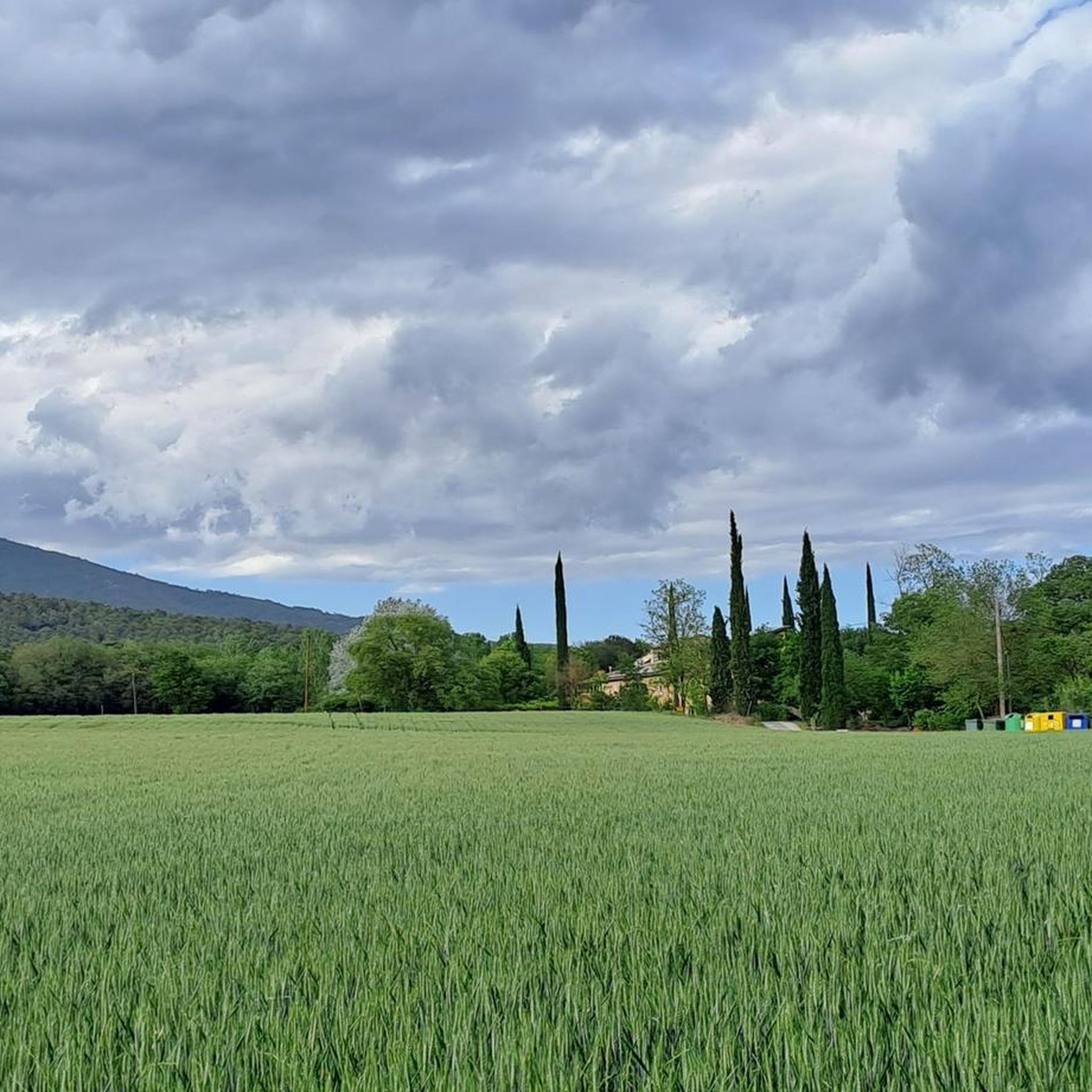
Gravel biking around Maià De Montcal is characterized by a diverse landscape, situated in the Garrotxa region of Girona. The terrain features a mix of oak and cork oak forests, riverine vegetation along the Fluvià river, and various mountains and hills. Riders encounter quiet forest roads, singletracks, and wider trails, often passing through medieval towns and offering varied surfaces. The area's topography ranges from challenging climbs to picturesque paths, including proximity to the Garrotxa Volcanic Zone Natural Park.
Best gravel bike trails around Maià De Montcal
- The most popular gravel bike trail is Gravel route from Besalù via the sanctuary of the Mother of God of the Mount, a 41.1 miles (66.2 km) trail that takes 6 hours 4 minutes to complete. This difficult route includes the significant ascent to Mare de Déu del Mont.
- Another top favourite among local gravel bikers is Lake Banyoles – Saint Mary of Porqueres loop from Besalú, a difficult 65.0 miles (104.6 km) path. This route explores the area around Lake Banyoles and passes through historical sites.
- Local gravel bikers also love the Lake Banyoles – Lake Banyoles loop from Maià de Montcal, a 31.0 miles (49.9 km) trail leading through varied terrain around the lake, often completed in about 3 hours 56 minutes.
- Gravel biking around Maià De Montcal is defined by oak and cork oak forests, the Fluvià river, and medieval towns. The network offers options for different ability levels, from moderate paths to difficult climbs.
- The routes in Maià De Montcal are highly rated by the komoot community with an average score of 4.8 stars from over 60 reviews. More than 2,000 gravel bikers have used komoot to explore Maià De Montcal's varied terrain.
Last updated: July 3, 2026
7
riders
66.2km
06:05
1,640m
1,640m
Hard gravel ride. Very good fitness required. You may need to push your bike for some segments of this route.
4.6
(7)
103
riders
49.9km
03:17
550m
550m
Hard gravel ride. Very good fitness required. Mostly paved surfaces. Suitable for all skill levels.

Sign up for free
21
riders
43.2km
03:00
590m
590m
Hard gravel ride. Very good fitness required. Mostly paved surfaces. Suitable for all skill levels.
4.0
(1)
18
riders
76.5km
05:17
1,130m
1,130m
Hard gravel ride. Very good fitness required. You may need to push your bike for some segments of this route.
17
riders
42.4km
03:24
590m
590m
Hard gravel ride. Very good fitness required. You may need to push your bike for some segments of this route.
Get access to more routes and recommendations from other explorers.
Sign up for free
Already have an account?
Our route recommendations are based on thousands of hikes, rides, and runs completed by other people on komoot.
Start today with a free account
Your next adventure awaits.
Login or Signup
Tips from the Community

Recommended to do a full lap around the lake, preferably by bicycle
0
0

En un paratge natural d’indescriptible bellesa, és un dels llacs més grans de la península Ibèrica. Fou la seu de les competicions de rem durant els Jocs Olímpics de Barcelona 1992. Per a més informació: https://costabrava.org/on-anar/comarques/pla-de-lestany/banyoles/
0
0

Small cut through a volcano. You can clearly see the masses of rock that have been moved.
1
0

The monastery of Sant Pere was founded in 977 by Bishop-Count Miró I and consecrated in 1003 by Count Bernhard I, also known as Taillefer. A Benedictine community of twelve monks lived there. However, with Count Taillefer's death in 1020, the decline of the count's rule began, culminating in its final demise in 1111. From then on, the abbot of the monastery became the highest authority over the population, which gave the Church considerable political influence in the 12th and 13th centuries.
5
0


The area east of the bridge is not particularly suitable for gravel bikes. The bridge is definitely worth a visit.
0
0

surprising and cool 👍
0
0
Frequently Asked Questions
How many gravel bike trails are available around Maià De Montcal?
Maià De Montcal offers a wide selection of gravel biking routes, with over 80 trails to explore. These range from moderate paths to more challenging climbs, ensuring options for various skill levels.
What is the best time of year for gravel biking in Maià De Montcal?
The region enjoys a favorable climate for gravel biking, with mild winters and warm summers. The ideal times to visit are generally from March to June and again from September to November, when the weather is most pleasant for riding.
Are there any easy or family-friendly gravel routes in the area?
While many routes in Maià De Montcal are rated as difficult, there are 22 moderate trails available, and 2 easy routes, which can be suitable for families or those looking for a less strenuous ride. These often feature picturesque paths through forests and along riversides.
What kind of landscapes can I expect to see on the gravel trails?
The gravel trails around Maià De Montcal traverse a diverse landscape. You'll ride through beautiful oak and cork oak forests, along the Fluvià river with its rich riverine vegetation, and encounter various mountains and hills. Many routes also pass through charming medieval towns, offering a blend of natural beauty and historical charm.
Are there any notable landmarks or viewpoints along the gravel routes?
Absolutely! Many routes offer stunning views and pass by historical sites. For panoramic vistas, consider routes that ascend to Mare de Déu del Mont Summit or the Sanctuary of Mare de Déu del Mont. You might also find routes that offer a View of Lake Banyoles from Puig Clarà. The region is also rich in Romanesque churches and the remains of Dosquers castle.
Can I find routes that include Lake Banyoles?
Yes, Lake Banyoles is a classic cycling destination in the area. You can explore routes like the Lake Banyoles – Lake Banyoles loop from Maià de Montcal, which takes you around the lake. Another option is the Lake Banyoles – Saint Mary of Porqueres loop from Serinyà, offering a moderate ride around the lake and through historical sites.
What do other gravel bikers say about the trails in Maià De Montcal?
The gravel biking experience in Maià De Montcal is highly regarded by the komoot community, with an average rating of 4.8 stars from over 60 reviews. Riders frequently praise the diverse terrain, the quiet forest roads, and the scenic beauty that often includes medieval towns and natural parks.
Are there any circular gravel routes available?
Yes, many of the gravel routes in Maià De Montcal are designed as loops, allowing you to start and finish in the same location. Examples include the Lake Banyoles – Lake Banyoles loop from Maià de Montcal and the Parc Barrell – Gravel Path to Parc Garrel loop from Maià de Montcal.
Where can I park my car when starting a gravel bike tour?
While specific parking locations aren't detailed for every route, Maià de Montcal and nearby towns like Besalú (a common starting point for tours like Gravel route from Besalù via the sanctuary of the Mother of God of the Mount) typically offer public parking facilities suitable for accessing the trail networks.
What kind of terrain should I expect on the more difficult routes?
The more difficult routes often feature challenging mountain climbs, such as the significant ascent to Mare de Déu del Mont. You can expect a mix of small roads, singletracks, and wider trails, with varied surfaces that contribute to the 'Gravel Walhalla' reputation of the wider Girona province.
Can I combine gravel biking with exploring historical sites?
Absolutely. The region is rich in history, and many gravel routes pass through or near medieval towns and historical landmarks. You can often find routes that incorporate visits to Romanesque churches like Sant Vicenç de Maià or Sant Martí de Dosquers, or even the impressive Besalú Bridge (Pont Vell) in the nearby town of Besalú.
Most popular routes around Maià De Montcal
Most popular attractions around Maià De Montcal

Get inspired with the komoot mobile app


Explore more
Browse the best Gravel rides in other regions.
