The 5 Most Amazing Peaks around Jumilla
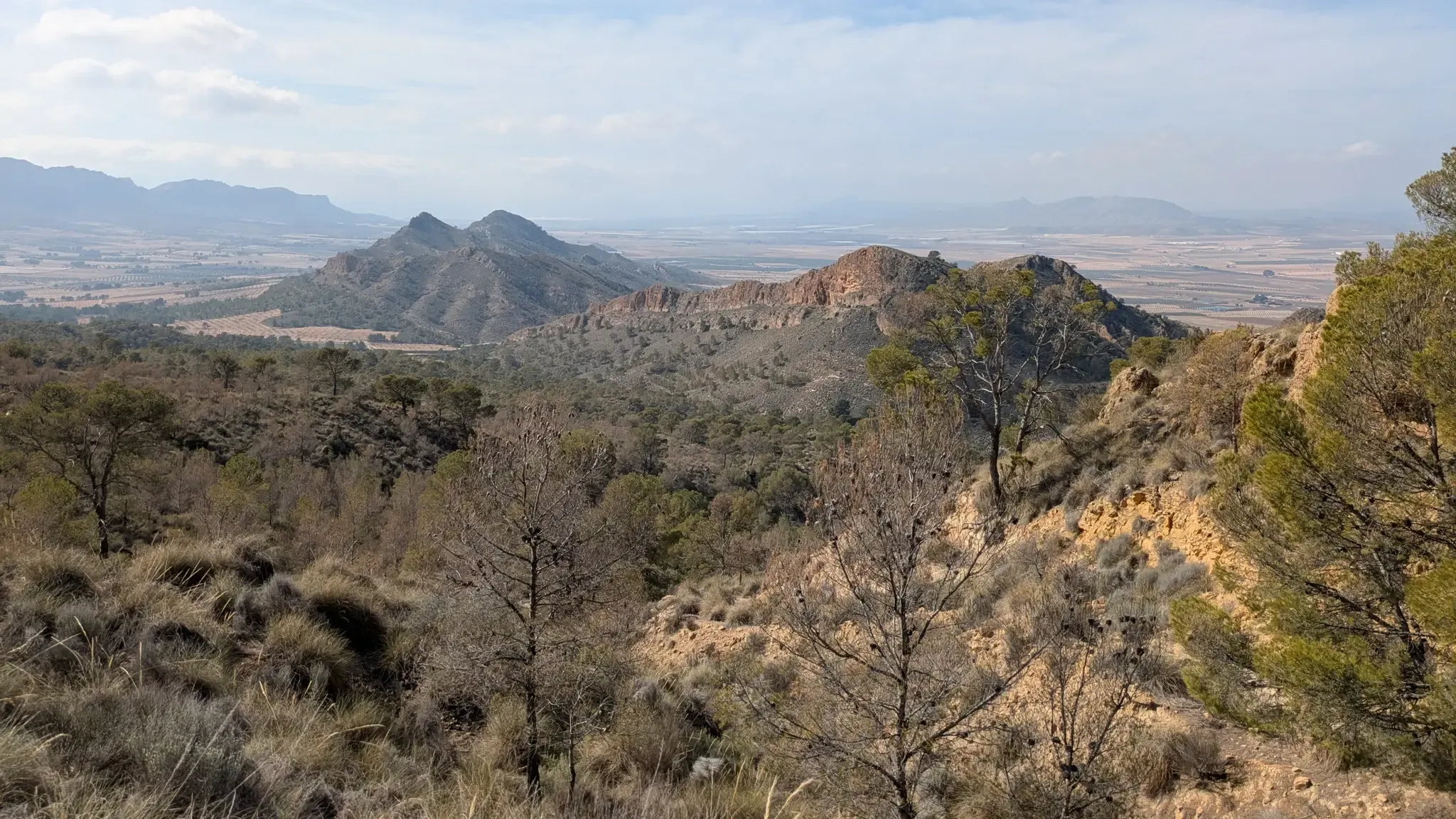
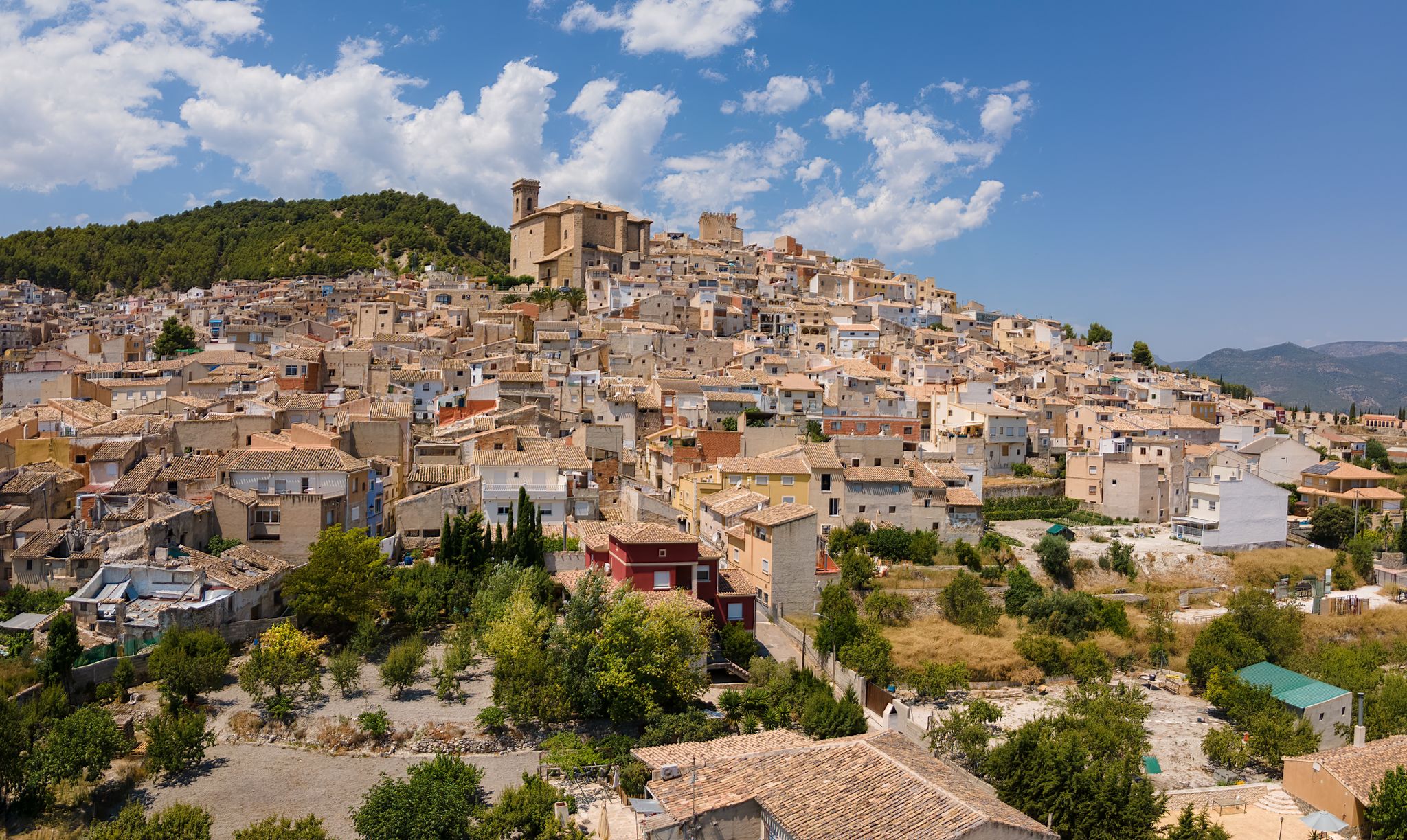
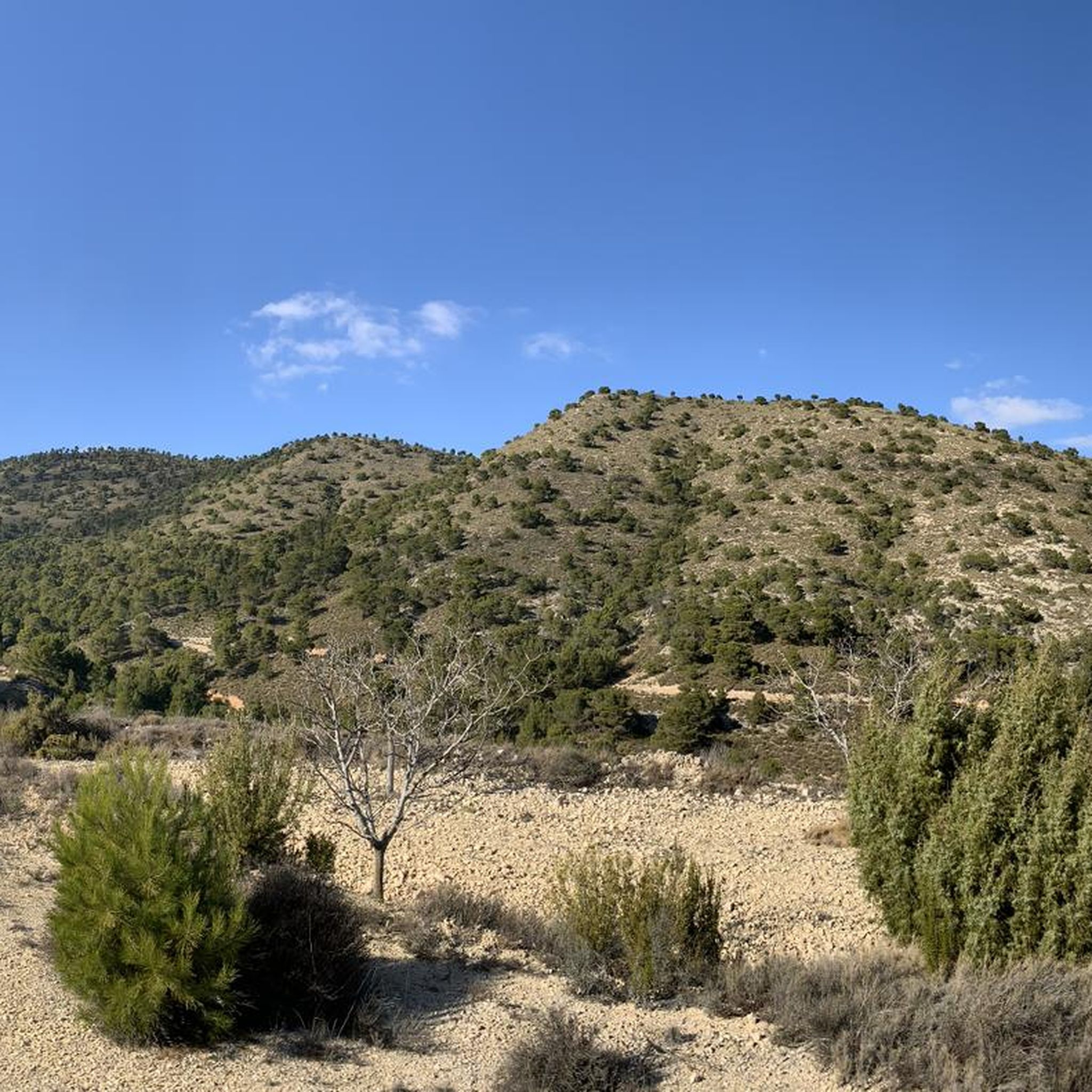
Best mountain peaks around Jumilla, a municipality in the north of the Region of Murcia, Spain, features a diverse landscape of plains and mountain ranges, part of the External Zones of the Betic Systems. These mountains offer natural beauty and varied ecosystems, with an average altitude of around 600 meters above sea level. The region provides opportunities for outdoor activities, making its mountain areas notable for exploration.
Best mountain peaks around Jumilla
- The most popular mountain peaks is El Carche…
Last updated: July 4, 2026
El Carche Summit and Mountain Refuge
Highlight • Summit
Translated by Google •
Tip by

Geodetic Vertex of La Capilla
Highlight • Summit
Translated by Google •
Tip by

Sign up now to discover places like this
Get recommendations on the best single tracks, peaks, & plenty of other exciting outdoor places.
Sign up for free
Pico de La Pila
Highlight • Summit
Translated by Google •
Tip by

Pico de la Madama del Carche (1372 m) and Refugio
Highlight • Summit
Tip by

View of Monte Arabí
Highlight • Viewpoint
Translated by Google •
Tip by
Sign up for free to discover even more peaks around Jumilla.
Sign up for free
Already have an account?
Start today with a free account
Your next adventure awaits.
Login or Signup
Popular around Jumilla
Path of the Cross of the Altiplano – GR 251
A ride through the "Huerta de Europa" – Transmurciana on MTB
Castles, plains and charming villages – Murcia on foot (GR 7)
Road Cycling Routes around Jumilla
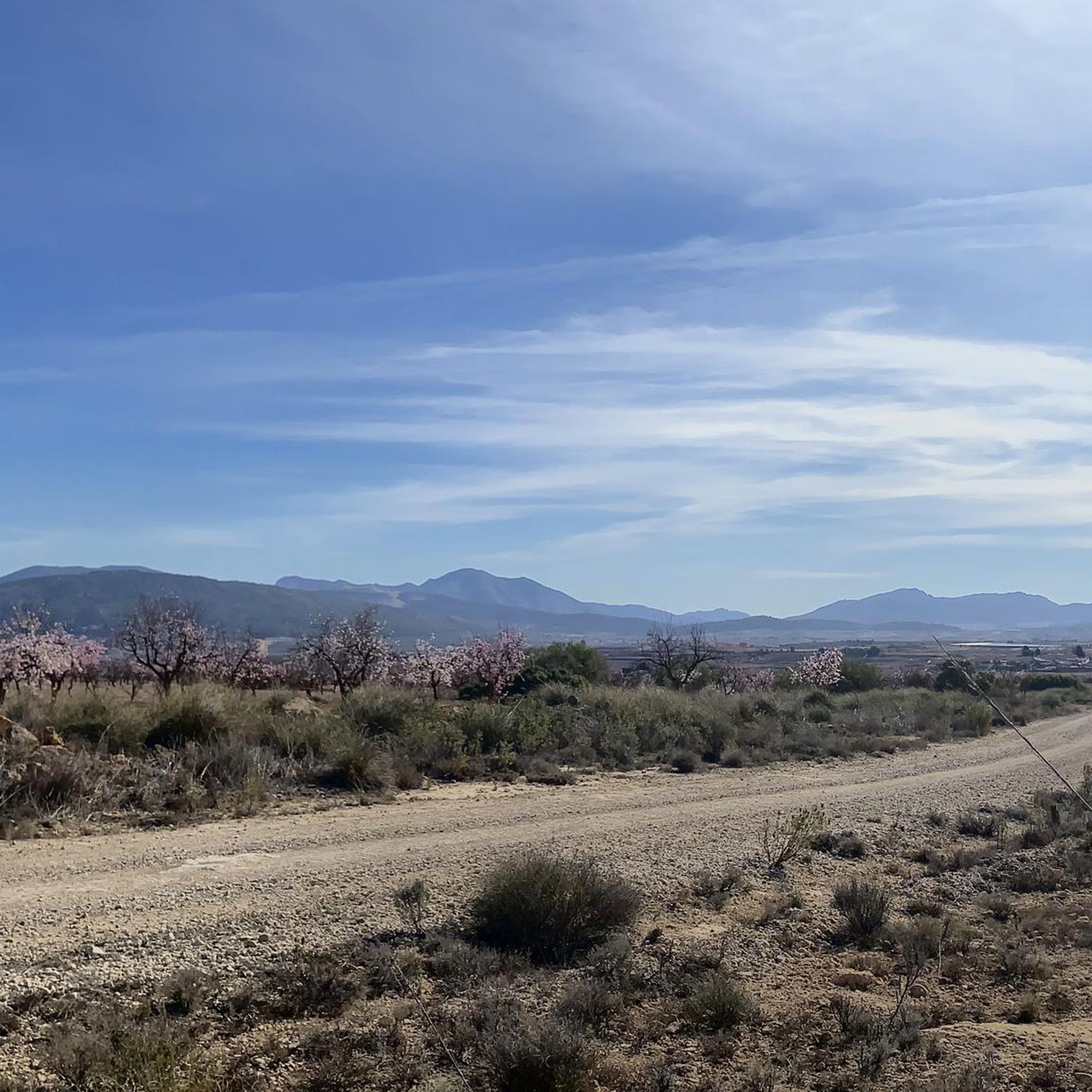
MTB Trails around Jumilla
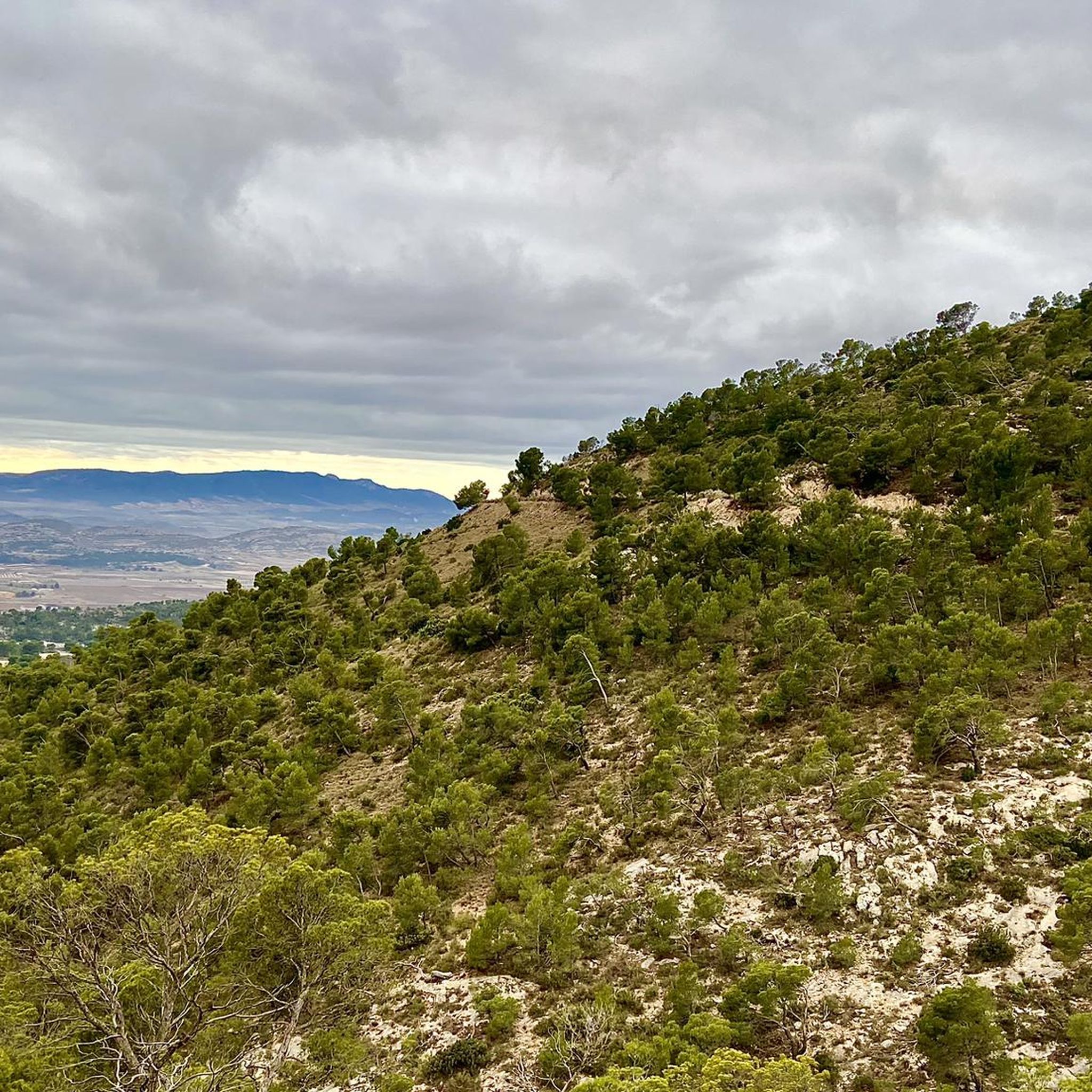
Cycling around Jumilla
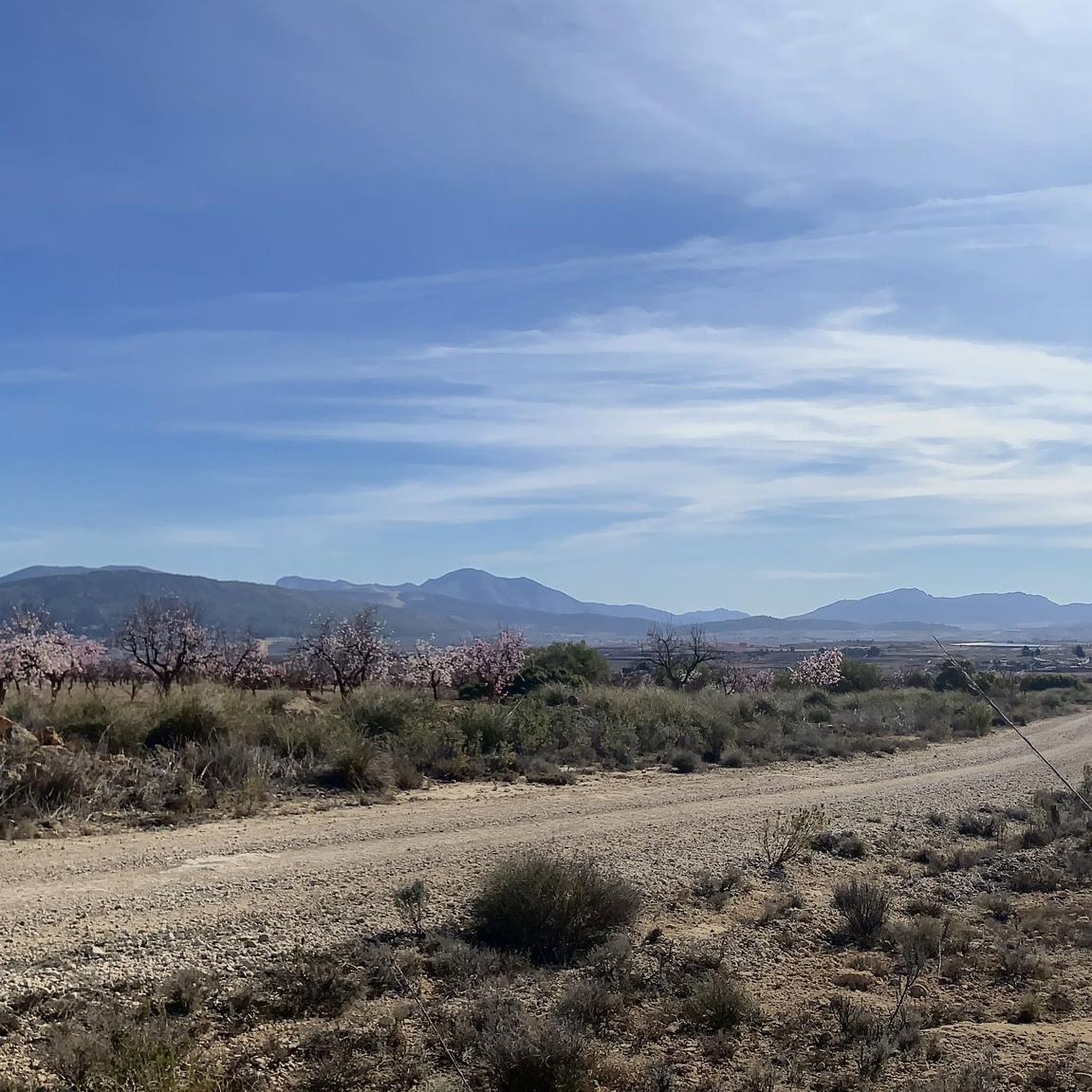
Hiking around Jumilla
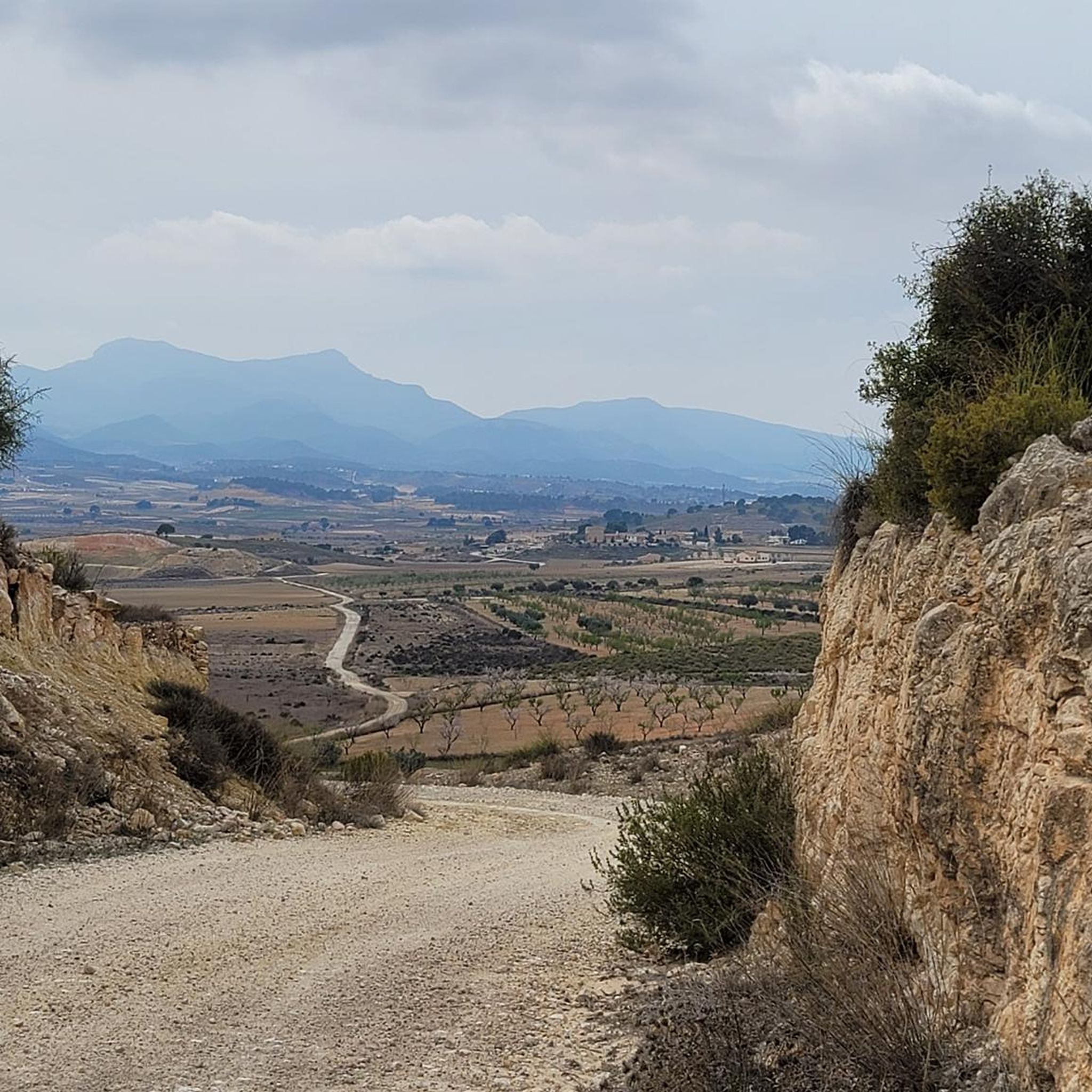
Running Trails around Jumilla

Gravel biking around Jumilla
Other adventures around Jumilla


Tips from the Community

Pico de la Madama is the highest peak in the Sierra del Carche mountain range in southeastern Spain, near the towns of Jumilla and Yecla in the Murcia region. The mountain reaches an altitude of approximately 1,371 meters and lies within the protected Sierra del Carche Regional Park. The summit is a popular destination for hikers and mountain bikers. Several forest roads and trails lead to the top. Near the summit, there is a viewpoint, a small bivouac shelter, and even a launch site for paragliders and hang gliders. From the top, there are sweeping views across the arid landscape of the Murcia region.
0
1

A very demanding climb, almost 400 meters of elevation gain in less than 3 kilometers, with gradients of up to 22%. With good gearing, you can reach the top without much trouble (as it's partially paved), but it will require a lot of effort. The views, as you might expect, are splendid.
0
0

Mount Arabí is a fascinating place for hiking and nature lovers. Located near Yecla, in the province of Murcia, this mountain is known for its impressive rock formations, caves and cave paintings.
4
0

Great views and when the wind blows, it really blows. It is worth the effort and the reward is a good lunch with great views.
1
0
The Geodetic Vertex of La Capilla is a geographical reference point that marks an exact position on the ground. These vertices are used to construct topographic maps and establish precise coordinates.
4
1

From La Madama del Carche and the Refugio, there are magnificent views of all the surrounding mountains like El Buey, La Pila etc
2
0
the highest point at 1065m with beautiful 360° views of the surrounding valley
1
0

beautiful 360° view
1
0
Frequently Asked Questions
What are the most prominent mountain peaks to explore in Jumilla?
Jumilla offers several notable mountain peaks. The highest is El Carche Summit and Mountain Refuge, reaching 1,370 meters, which provides amazing views and a mountain refuge. Other significant peaks include Pico de La Pila, known for its extensive views, and the Geodetic Vertex of La Capilla, offering a 360° panorama.
Are there any mountain ranges in Jumilla with historical or cultural significance?
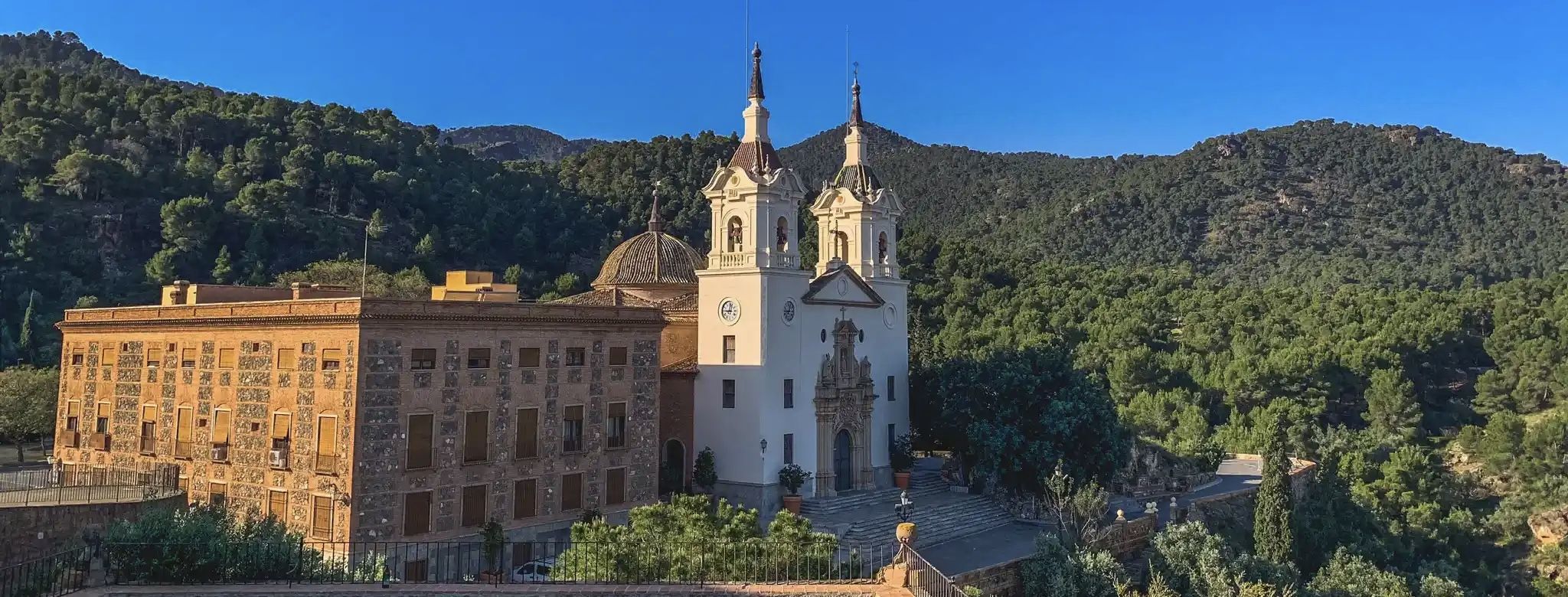
Yes, the Sierra de Santa Ana is home to the Convent of Santa Ana, offering a unique blend of monastic history and natural beauty. Visitors can explore the old refectory, orchard hermitage, ancient library, and a museum. Additionally, Sierra de la Cingla and Sierra de La Pedrera are known for cave paintings declared a World Heritage Site and fossil footprints estimated to be 7 million years old.
What kind of views can I expect from the mountain peaks in Jumilla?
From the highest points, such as El Carche Summit, you can expect amazing views of the Altiplano de Murcia and beyond. The Geodetic Vertex of La Capilla provides a beautiful 360° view of the surrounding area, while Pico de La Pila offers extensive and peaceful vistas.
What outdoor activities can I do near the mountain peaks in Jumilla?
The mountain areas around Jumilla are excellent for various outdoor activities. You can find numerous routes for cycling, running, and gravel biking. For example, there are challenging running routes like 'La Madama – Cerro del Quemado loop' near Sierra del Carche, and moderate cycling routes such as 'Monasterio de Santa Ana, Iglesia de Santiago y Castillo — circular from Jumilla'. You can explore more options on the Cycling around Jumilla, Running Trails around Jumilla, and Gravel biking around Jumilla guide pages.
Are there any mountain refuges or overnight stay options on the peaks?
Yes, at the top of El Carche Summit (Pico de la Madama), there is a mountain refuge available for overnight stays. This provides a unique opportunity to experience wonderful sunsets and sunrises from the peak.
What are the natural features and biodiversity like in Jumilla's mountain ranges?
Jumilla's mountains, particularly the Sierra del Carche Regional Park, boast rich biodiversity with over 250 species of vertebrates. The landscape features elongated mountainous alignments and diverse ecosystems. Sierra de la Cingla, for instance, shows a contrast between sun-drenched, sparsely vegetated slopes and steep, shaded areas with dense pine forests. These areas also support rich wild fauna due to low human population density.
Are there any challenging mountain trails in Jumilla?
Yes, some peaks like Pico de La Pila involve a steep paved road approach, making it a challenging ascent. The Sierra del Carche also offers multiple paths to its summit, catering to different difficulty levels. For runners, routes like 'La Madama – Cerro del Quemado loop' are rated as difficult.
What is the average altitude of the mountain peaks in Jumilla?
The average altitude of the territory in Jumilla is around 600 meters above sea level. However, the highest peak, Pico de la Madama in Sierra del Carche, reaches 1,372 meters, with other significant peaks like Sierra del Buey at 1,087 meters and Sierra de la Cingla at 1,079 meters.
What should I bring when hiking in the Jumilla mountains?
When hiking in the Jumilla mountains, it's recommended to bring plenty of water and suitable footwear. If you prefer, walking sticks can also be helpful. For higher summits like Pico de La Pila, it can get quite cold even in summer, so a windbreaker or warm coat is advisable.
Are there any easy mountain walks suitable for families in Jumilla?
While some routes can be challenging, there are also easier options. For example, hiking routes in Sierra de la Cingla, such as 'Ruta de la Sierra de La Cingla-A', are often rated as easy and take several hours to complete, making them suitable for active individuals seeking mountain experiences.
What do visitors particularly enjoy about the mountain peaks around Jumilla?
Visitors frequently highlight the amazing and magnificent views from the summits, such as those from El Carche Summit and Pico de la Madama del Carche. The peaceful serenity at the top of Pico de La Pila and the opportunity to stay overnight in a mountain refuge to enjoy sunsets and sunrises are also highly appreciated.
Can I find any unique geological features in the mountains of Jumilla?
Yes, the region is part of the External Zones of the Betic Systems, characterized by elongated mountainous alignments resulting from the Alpine orogeny. Sierra de la Cingla is particularly notable for fossil footprints estimated to be 7 million years old, found within its natural environments.
Most popular attractions around Jumilla

Get inspired with the komoot mobile app


