Top 8 Lakes around Capileira
Best lakes around Capileira are located in the Sierra Nevada, a region characterized by its high-mountain glacial lakes. Capileira serves as a base for exploring these lakes, which are accessible via various hiking routes. The area features diverse high-altitude ecosystems and unique geological formations. These lakes are notable for their glacial origins and clear waters.
Best lakes around Capileira
- The most popular lakes is Hondera Lagoon, a lake that is part of the Seven Lagoons area in the Sierra…
Last updated: August 13, 2026
Hondera Lagoon
Highlight • Lake
Translated by Google •
Tip by

Mares' Lagoon
Highlight • Lake
Translated by Google •
Tip by

Sign up now to discover places like this
Get recommendations on the best single tracks, peaks, & plenty of other exciting outdoor places.
Sign up for free
Little Lakes of the Virgin
Highlight • Lake
Translated by Google •
Tip by

Descent from Veleta to Capileria
Highlight (Segment) • Trail
Translated by Google •
Tip by

Bivouac Spot at Laguna de las Yeguas
Highlight • Lake
Translated by Google •
Tip by

Sign up for free to discover even more lakes around Capileira.
Sign up for free
Already have an account?
Start today with a free account
Your next adventure awaits.
Login or Signup
Popular around Capileira
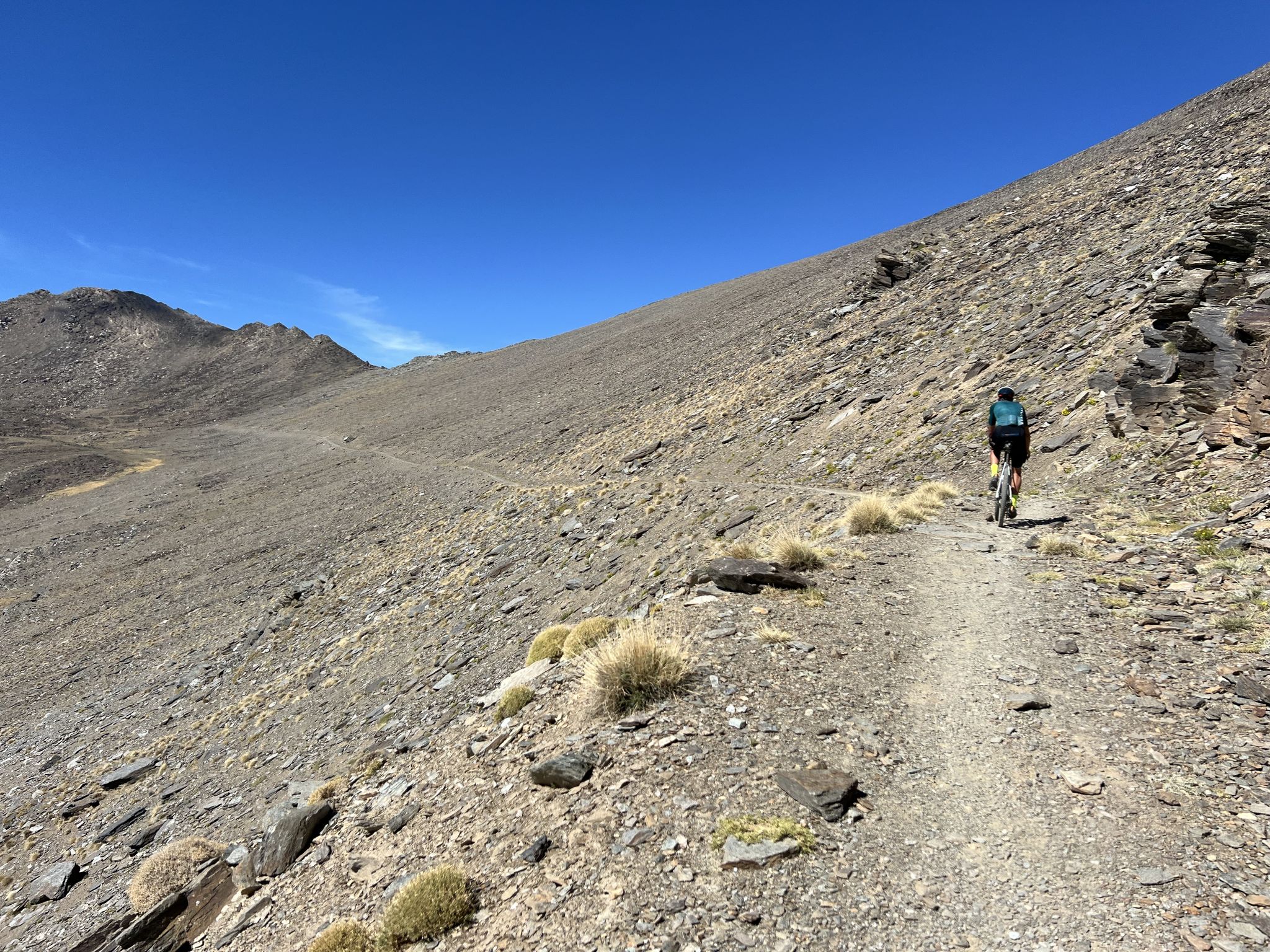
Badlands 2024 – extreme experiences and a sense of joy
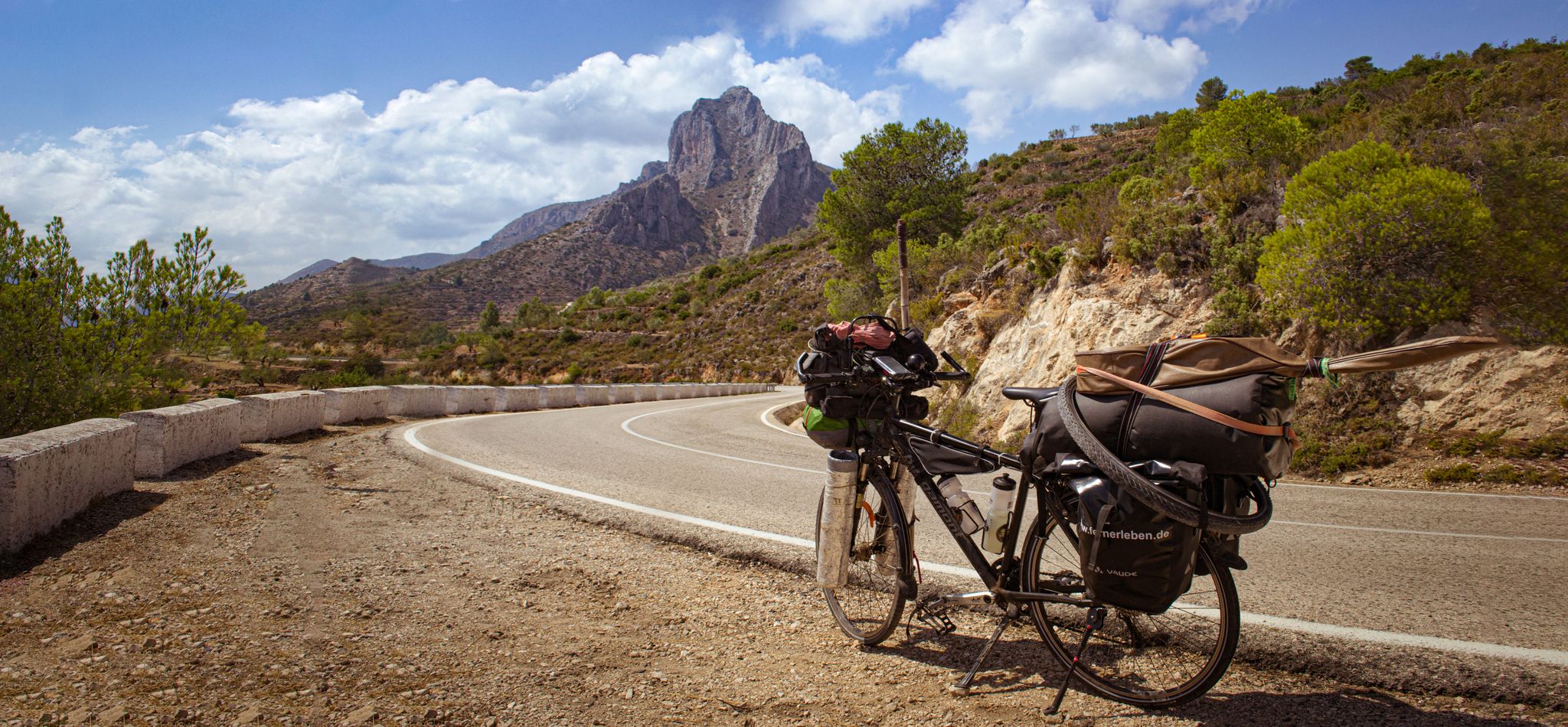
On the road to the sun — bikepacking to southeast Spain
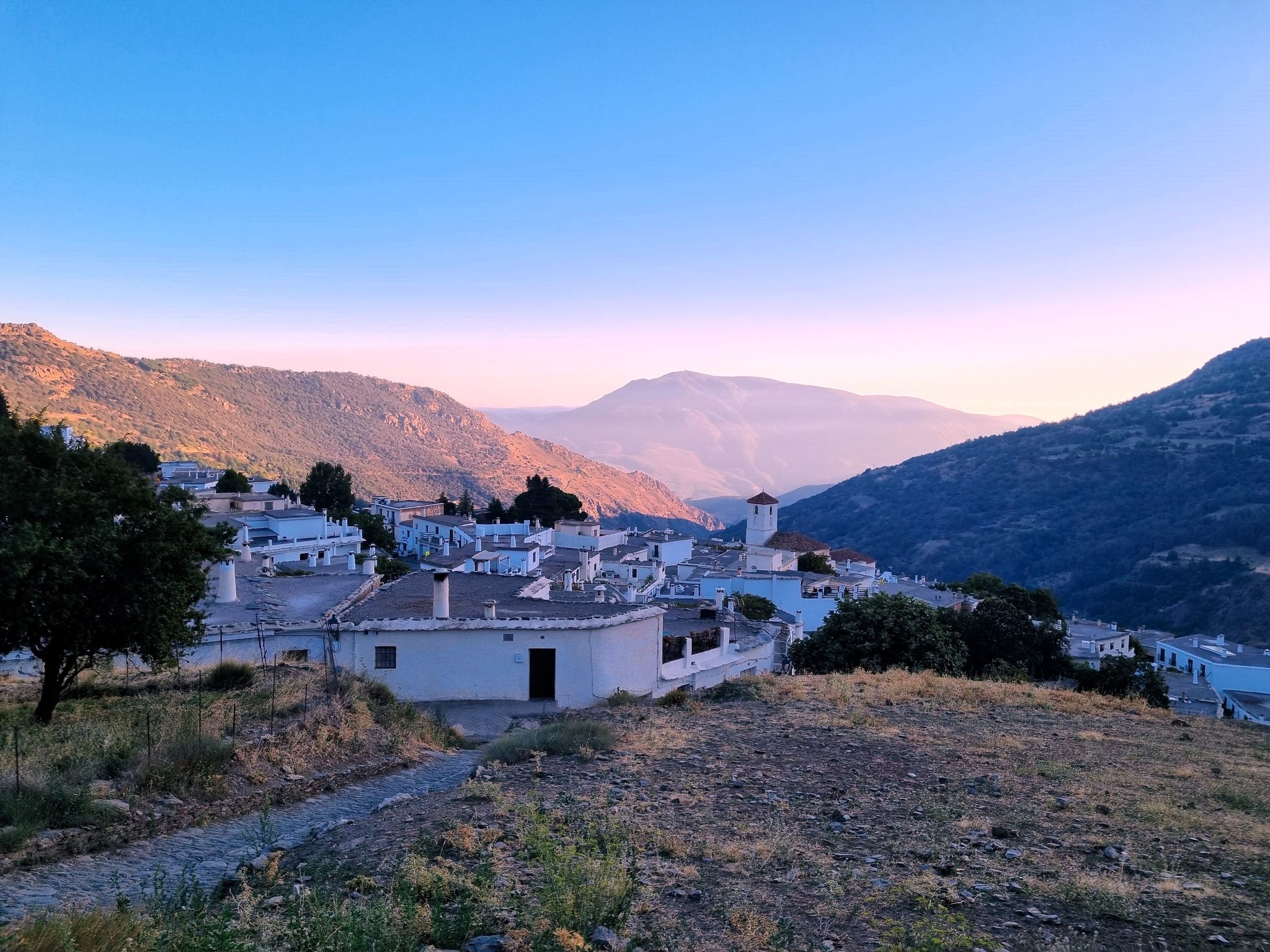
The Poqueira Gorge – two routes from Capileira in Spain
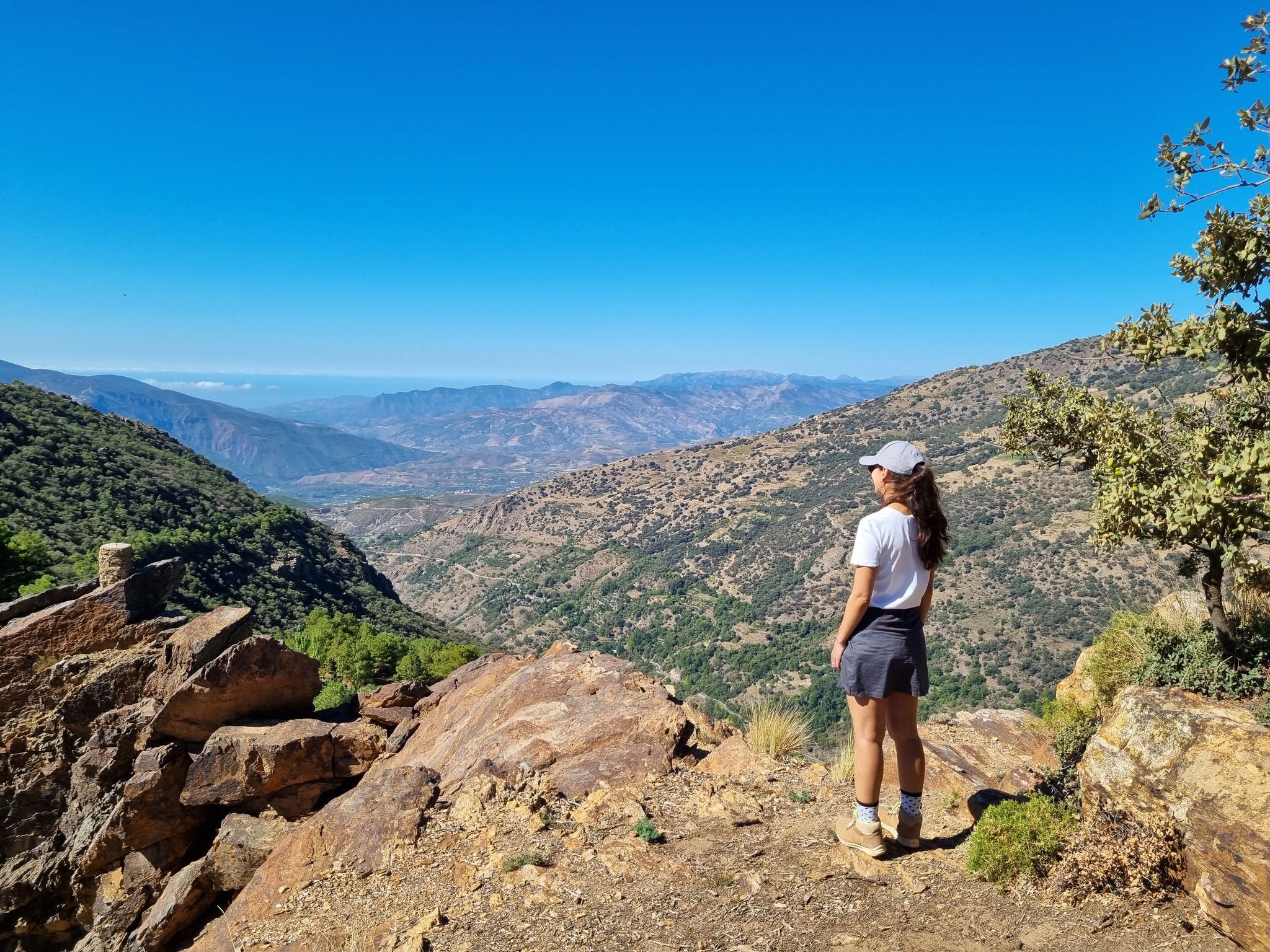
Lanjarón to Trevélez – five days in the Alpujarra of Granada
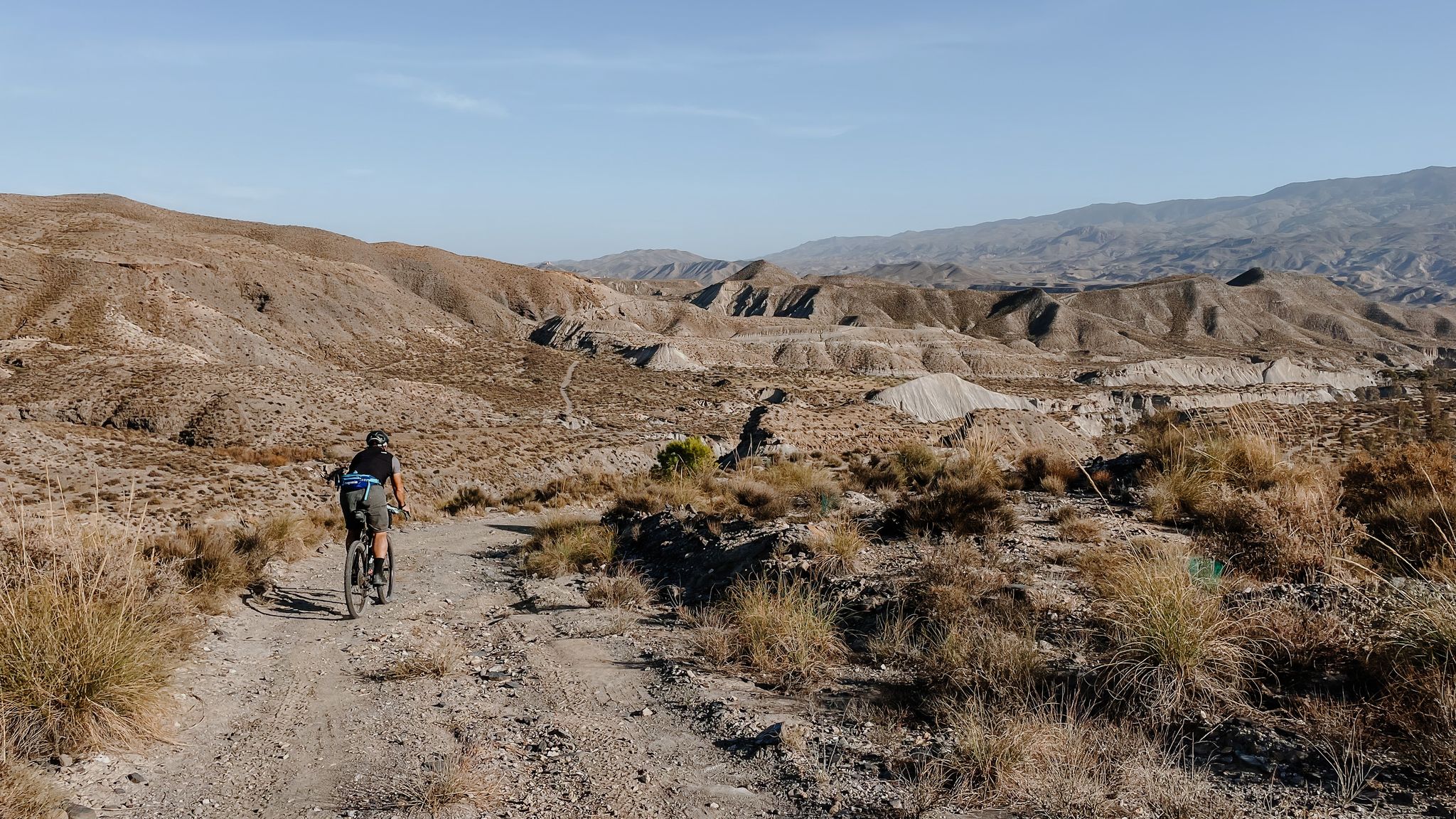
High mountains, desert and sea – an adventure of contrasts in Andalusia
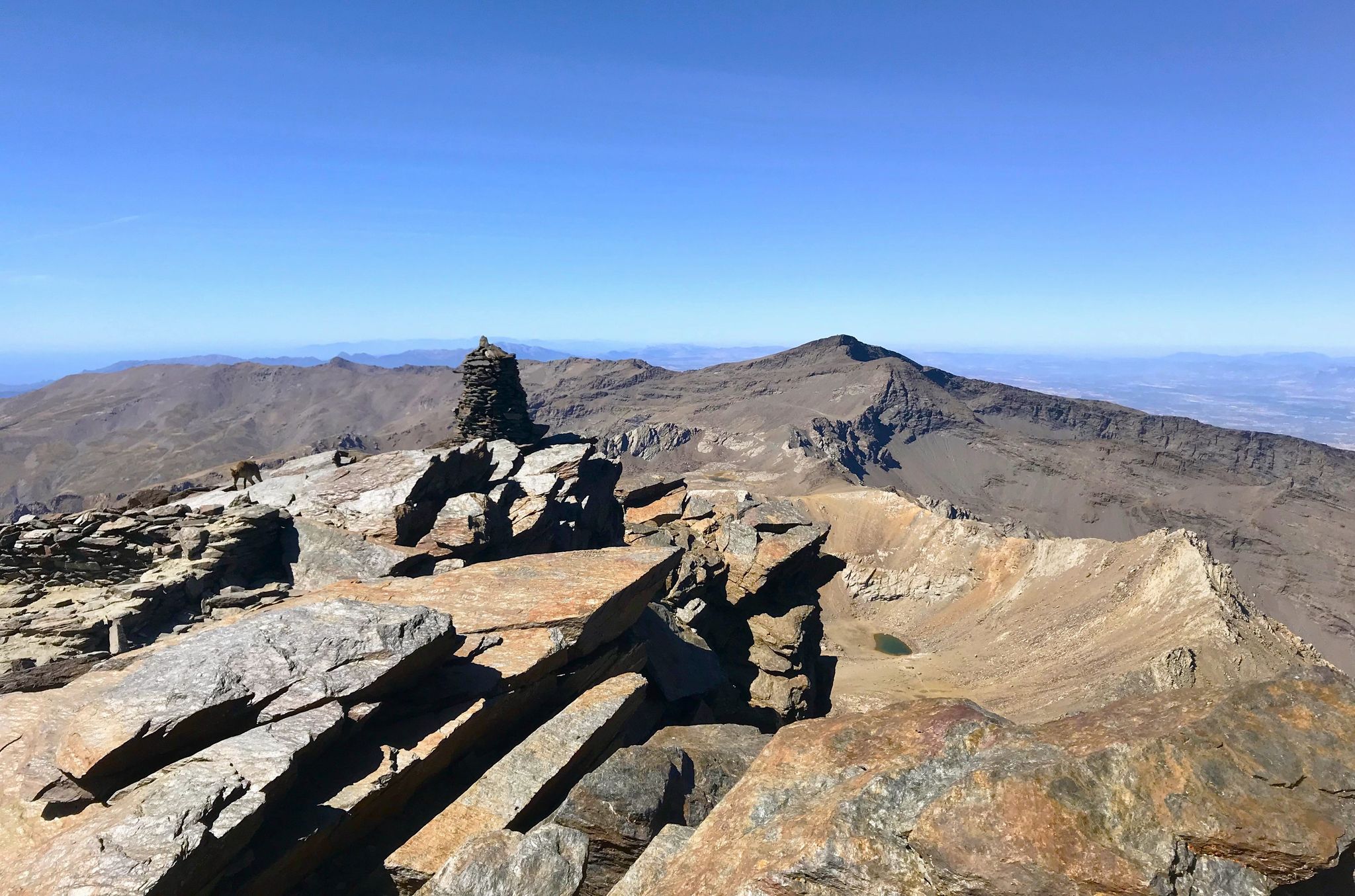
A night under the roof of the Iberian Peninsula – Mulhacén ascent
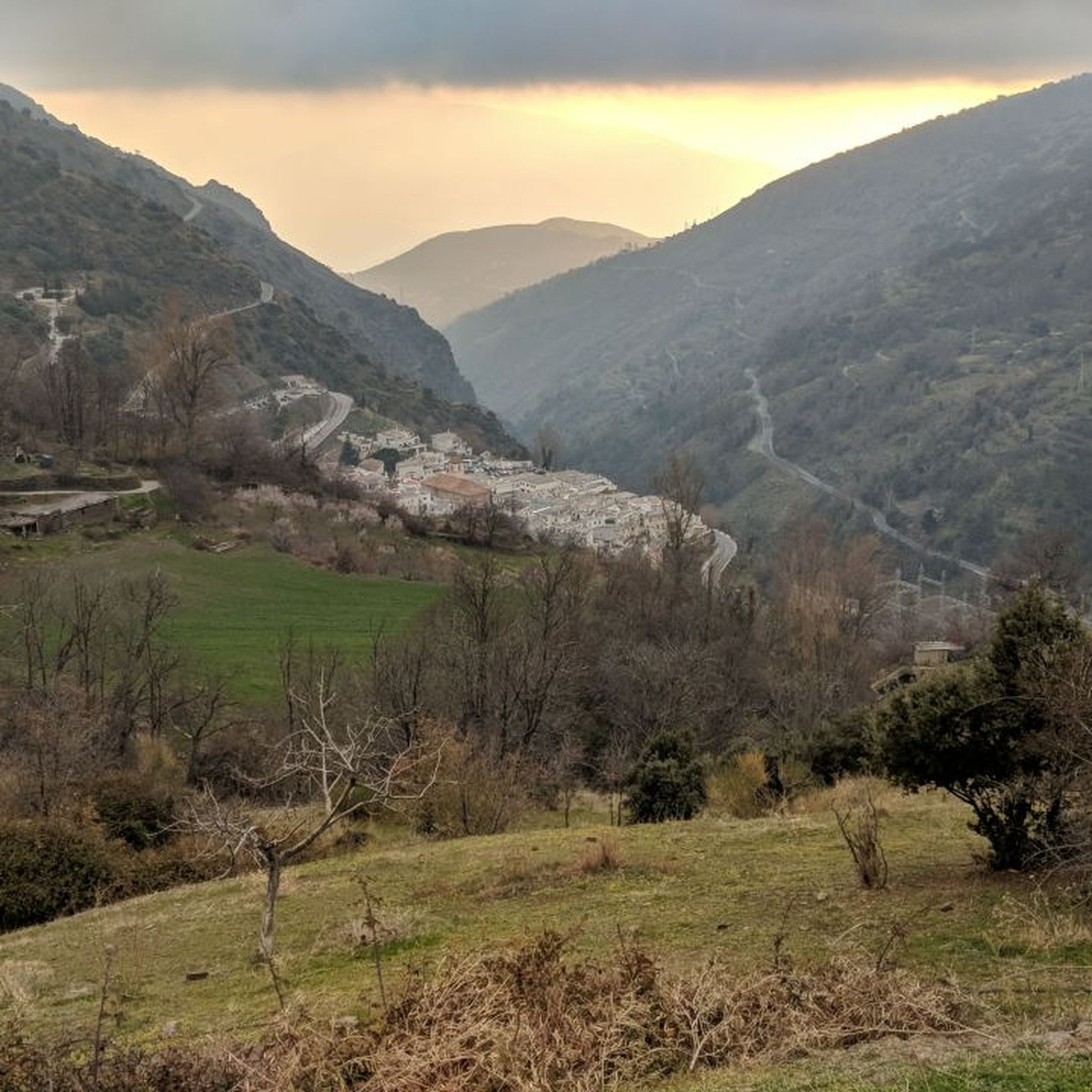
Hiking around Capileira
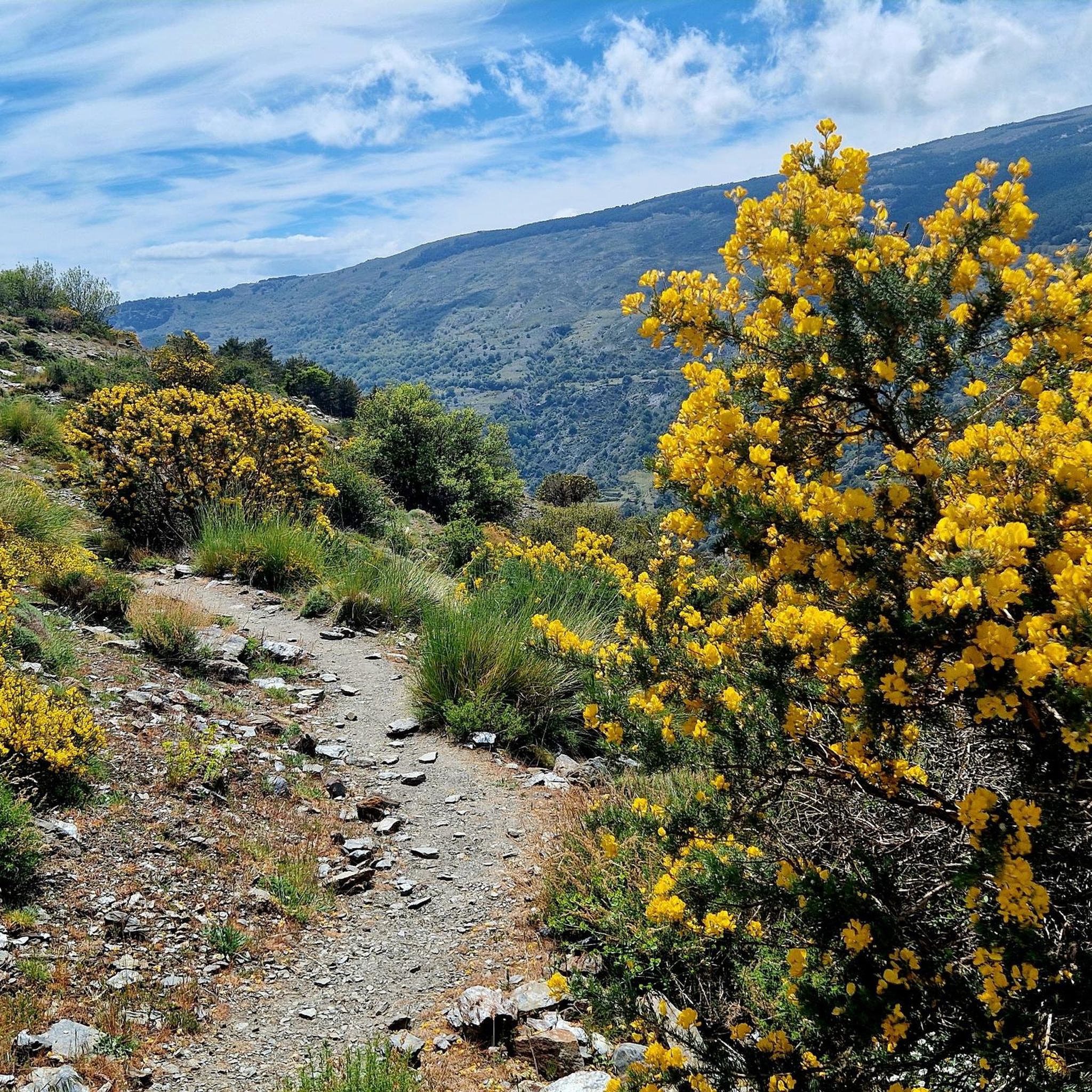
MTB Trails around Capileira
Road Cycling Routes around Capileira
Cycling around Capileira
Other adventures around Capileira


Tips from the Community

Beautiful little reservoir that is currently being filled by meltwater
0
0

The trail is pretty easy to find until you get to the waterfalls. To reach Laguna Hondera you must climb up beside the first waterfall. That is between the two waterfalls. There are cairns on the path but it’s quite easy to miss them amongst the other routes up there. It’s a beautiful location. We saw a few ibex but only 2 other hikers!
1
0

The area of the Seven Lagoons (and Laguna Hondera in particular) is one of the most beautiful places in the Sierra Nevada National Park. The climb up here next to the waterfall formed by the Chorreras Negras is demanding, but all the pain in your legs is forgotten as soon as you reach the top and see the beauty of the place. Important note: if you plan to spend the night here, do not pitch your tent in the borreguiles (the grasslands). They are home to several species of flora endemic to the Sierra Nevada and it is necessary to protect them.
4
0

Good place to bivouac or camp one night under the stars
0
0

This picturesque Sierra Nevada route runs from the starting point of Hoya de la Mora to Pico Veleta and down to the Alpujarras of Granada. Be careful if you go by bike according to the laws of the Sierra Nevada National Park, you cannot leave the tracks
0
0

Melting lagoon with a particular story about its name. Legend has it that a shepherd witnessed two magicians throw a net into the lagoon in search of a red horse that would make whoever had it almighty, but after throwing the net three times they brought out three mares of different colors and left upset, leaving here the mares.
2
1

As a base camp for several tours (Veleta, Alcazaba and other surrounding 3000m), the Laguna Hondera (Siete Lagunas), a natural "campground" located at approx. 3000m, is warmly recommended. Sunset and sunrise are a dream from here. Accessible from Trevelez or Pradollano. In the morning, however, cattle can also frolic there.
0
0

Nearby at the waterfall, there are natural refuges
3
0
Frequently Asked Questions
What kind of lakes can I expect to find around Capileira?
The lakes around Capileira are primarily high-mountain glacial lakes located within the Sierra Nevada Natural Park. They are known for their clear waters, unique glacial origins, and diverse high-altitude ecosystems. Many are fed by snowfields and offer stunning natural beauty.
Which lakes are popular for hiking from Capileira?
Several lakes are popular for hiking. Hondera Lagoon, part of the Seven Lagoons area, is a must-see, though the climb is demanding. The Little Lakes of the Virgin are another set of three lagoons located below the north face of the Tajos de la Virgen. The Laguna de la Caldera and Laguna de la Mosca are also highly regarded for their spectacular views and pristine waters, accessible via challenging routes.
What is the best time of year to visit the lakes around Capileira?
The best time to visit for hiking is generally outside of the snowy winter months. While some lakes are replenished by snowfields until mid-summer, the trails are most accessible and safe from late spring through early autumn. Always check current conditions before planning your trip, as high-altitude weather can be unpredictable.
Are there any family-friendly lake hikes near Capileira?
Most hikes to the high-mountain lakes around Capileira are considered challenging due to elevation and terrain, making them less suitable for young children or inexperienced hikers. The landscapes are often rocky and barren at high altitudes. For easier options, consider exploring lower-altitude trails around Capileira itself, which may offer views of the distant mountains and valleys.
What natural features can I see around these lakes?
You can observe significant glacial landscapes, including cirques and periglacial modeling. The lakes themselves are known for crystal-clear waters, and some, like Laguna de la Caldera, can even have icebergs floating on their surface in late July. The surrounding areas host unique endemic Sierra Nevada flora and are excellent for spotting wildlife like ibex (mountain goats).
What kind of outdoor activities can I do near the lakes?
The region offers a variety of outdoor activities, primarily focused on hiking and mountaineering. You can find challenging routes like the Mulhacén Summit – Mulhacén Peak loop from Capileira. There are also running trails and MTB trails available in the broader Capileira area, though routes directly to the high-altitude lakes are often very demanding.
Are there any hidden or less-known lakes worth exploring?
The Valley of Río Veleta, encompassing the Lagunas del Río Veleta, offers a more untouched and wild natural environment. A recently identified lake in the Corral del Veleta holds the record as the highest lake in the Iberian Peninsula at 3,086 meters, providing a unique sense of discovery for adventurous hikers seeking solitude.
Can I go wild swimming in the lakes?
While the lakes are known for their crystal-clear waters, they are high-altitude glacial lakes, meaning the water is extremely cold, even in summer. Wild swimming is generally not recommended due to the low temperatures and the fragile ecosystems. Always prioritize safety and respect the natural environment.
What are the accessibility and difficulty levels for reaching these lakes?
Accessing the lakes from Capileira typically involves challenging high-mountain hikes, often requiring good physical condition and appropriate gear. Routes like the Descent from Veleta to Capileria are suitable for experienced hikers. Some areas, like Siete Lagunas, are remote and offer a more secluded and challenging experience.
Are there any accommodations or shelters near the lakes?
Yes, for those undertaking multi-day hikes, a vivac (shelter) is located near Laguna de la Caldera at 3,080 meters, offering overnight accommodation. Additionally, the Refugio Poqueira is a well-known mountain hut in the Sierra Nevada, often used as a base for ascents to Mulhacén and other peaks, providing amenities for hikers.
Do I need any special permits to hike to the lakes in Sierra Nevada National Park?
While general access to the Sierra Nevada National Park for hiking typically does not require specific permits for day trips, certain areas or activities might have regulations. It's always advisable to check with the park authorities for the latest information on permits, especially if you plan to camp or access restricted zones.
What do visitors enjoy most about the lakes around Capileira?
Visitors frequently praise the breathtaking panoramic views, the pristine and transparent waters, and the unique high-mountain landscapes. The opportunity to spot wildlife like ibex and experience the tranquility of remote alpine meadows, such as those found in Siete Lagunas, are also highly valued. The challenging nature of the hikes adds to the sense of accomplishment.
Most popular routes around Capileira
Most popular attractions around Capileira

Get inspired with the komoot mobile app


Explore more
Still not found your perfect lake around Capileira? Check out the guides of these regions to see even more beautiful places.
