Top 6 Castles around Sant Joan De Vilatorrada
Best castles around Sant Joan De Vilatorrada are primarily located in the surrounding Bages region, an area known for its historical fortifications and natural landscapes. While Sant Joan de Vilatorrada itself features industrial heritage and traditional Catalan farmhouses, the nearby municipalities offer significant medieval structures. These sites provide insight into the region's defensive past and architectural evolution. The area combines historical exploration with tranquil natural settings.
Best castles around Sant Joan De Vilatorrada
- The most popular castles is Castellnou Castle…
Last updated: July 3, 2026
Castellnou Castle Tower
Highlight • Castle
Tip by

Rajadell Castle
Highlight (Segment) • Castle
Translated by Google •
Tip by

Sign up now to discover places like this
Get recommendations on the best single tracks, peaks, & plenty of other exciting outdoor places.
Sign up for free
Torres de Fals
Highlight • Castle
Translated by Google •
Tip by

Torre Sagimona (La Torra)
Highlight • Historical Site
Translated by Google •
Tip by

Sant Mateu de Bages
Highlight • Settlement
Tip by
Start today with a free account
Your next adventure awaits.
Login or Signup
Popular around Sant Joan De Vilatorrada
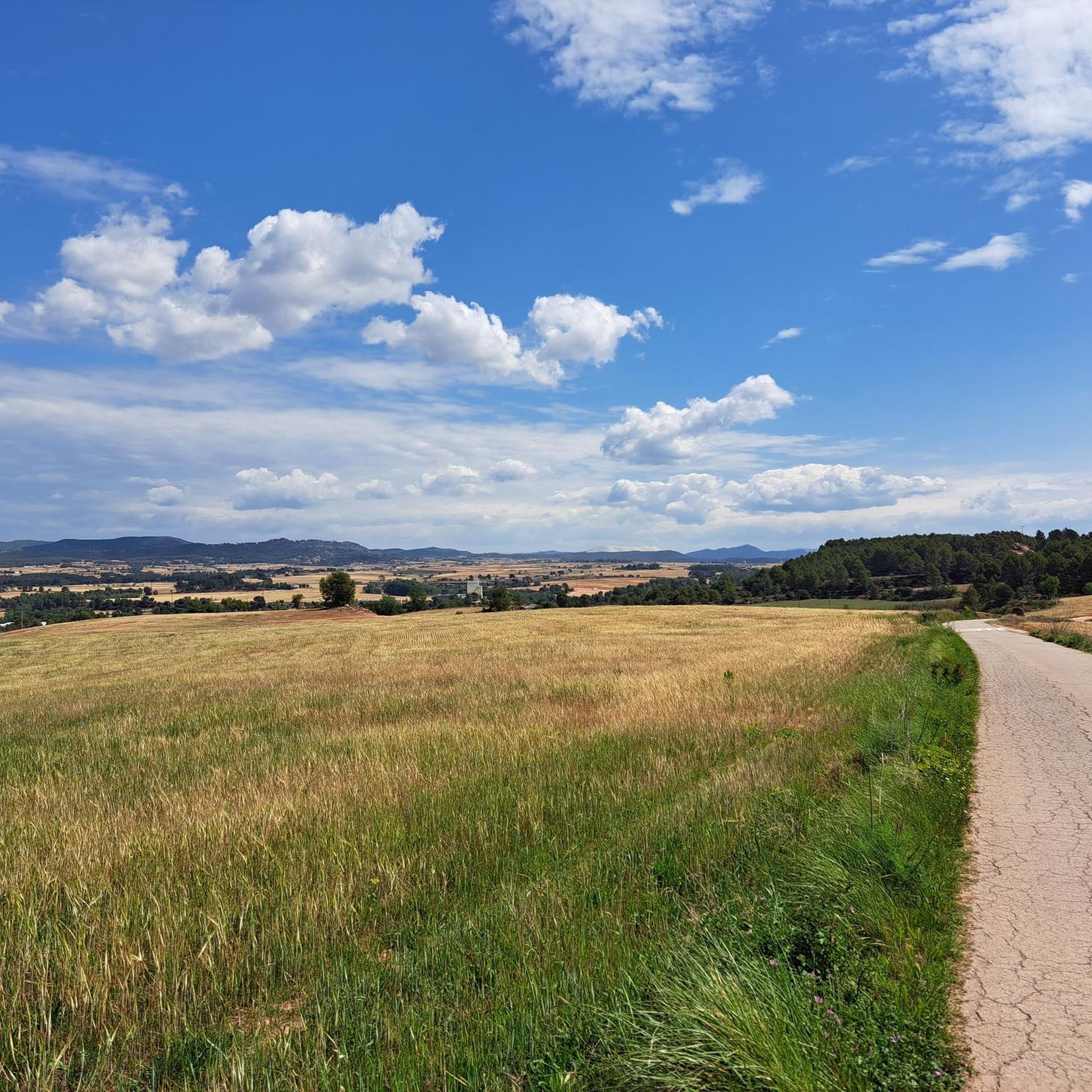
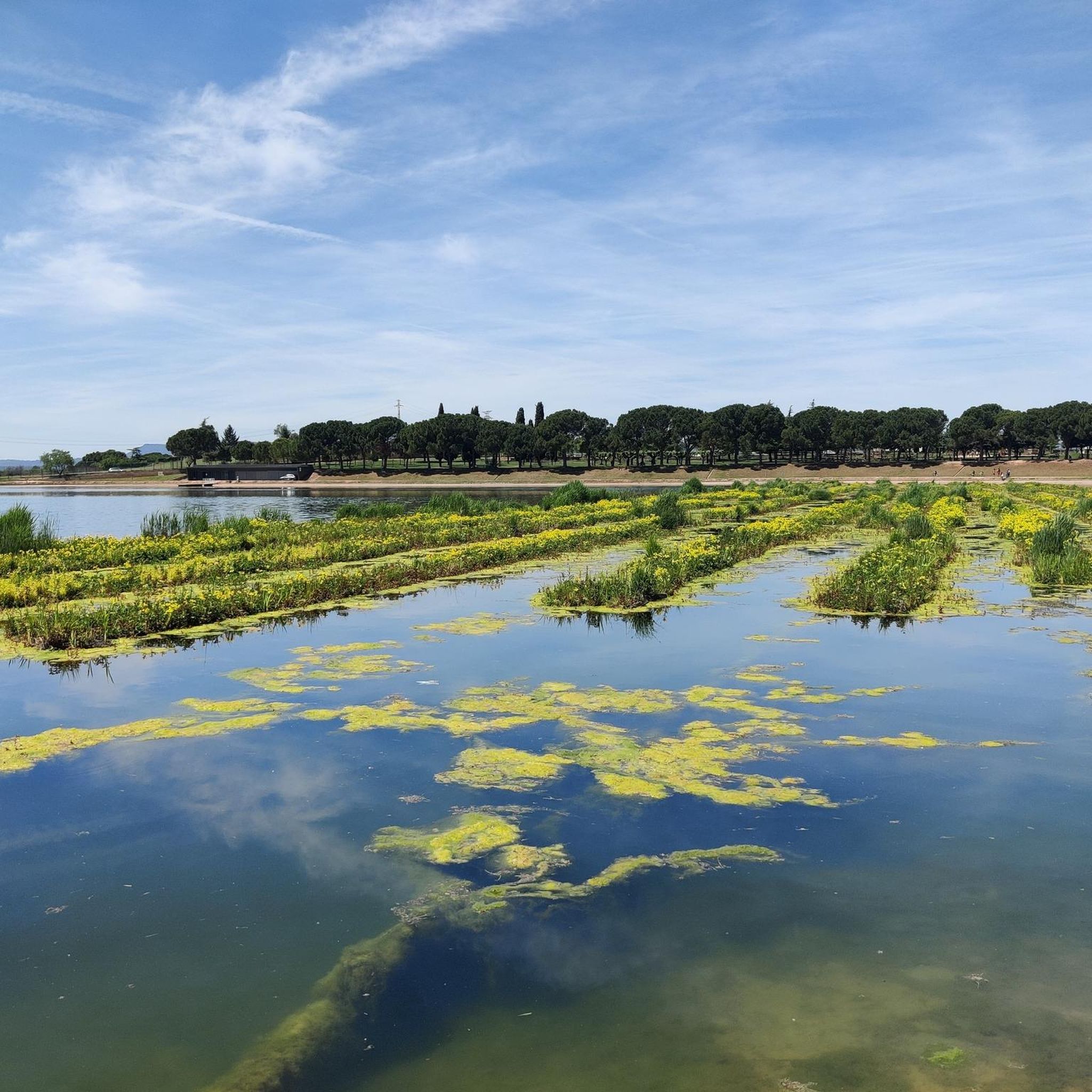
Tips from the Community

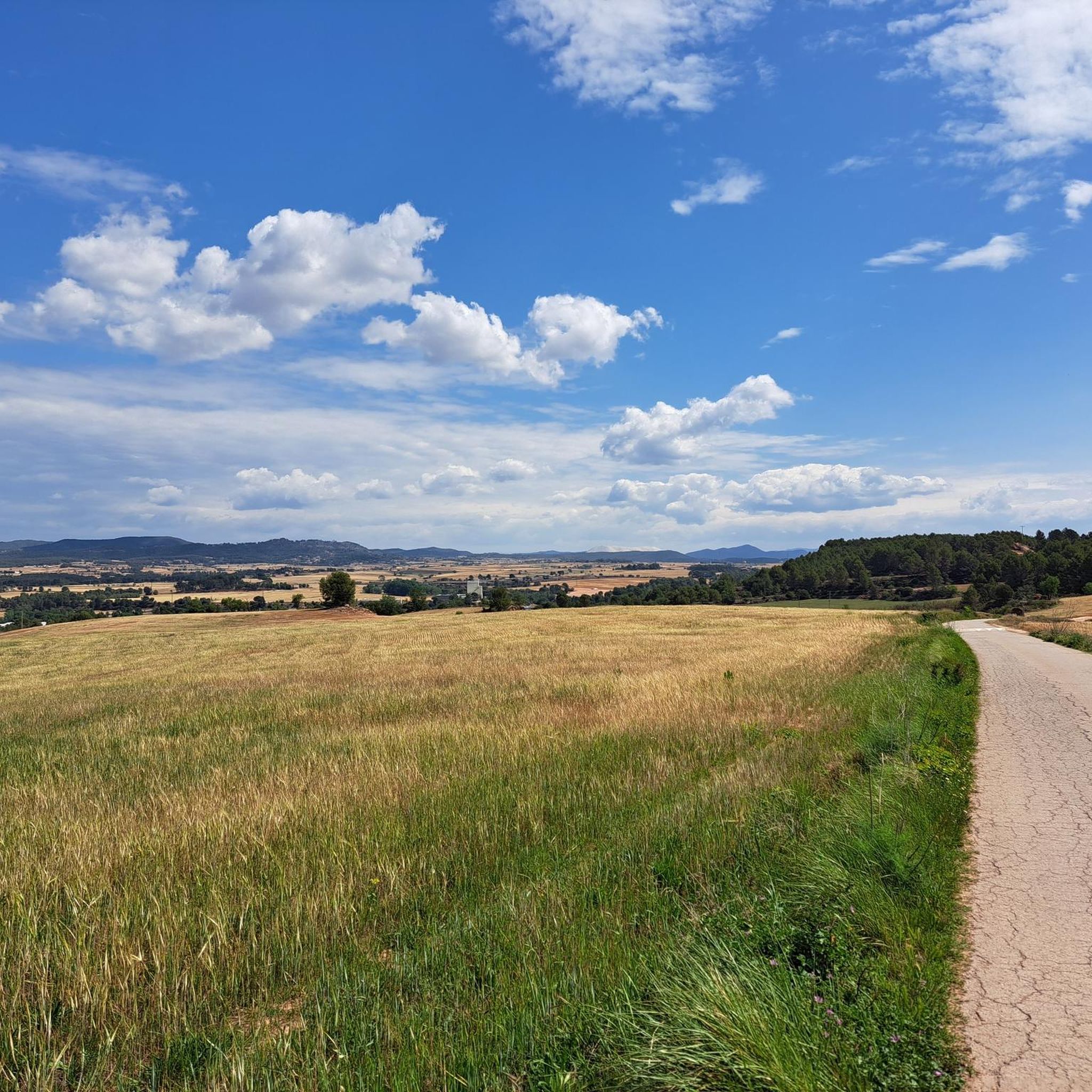
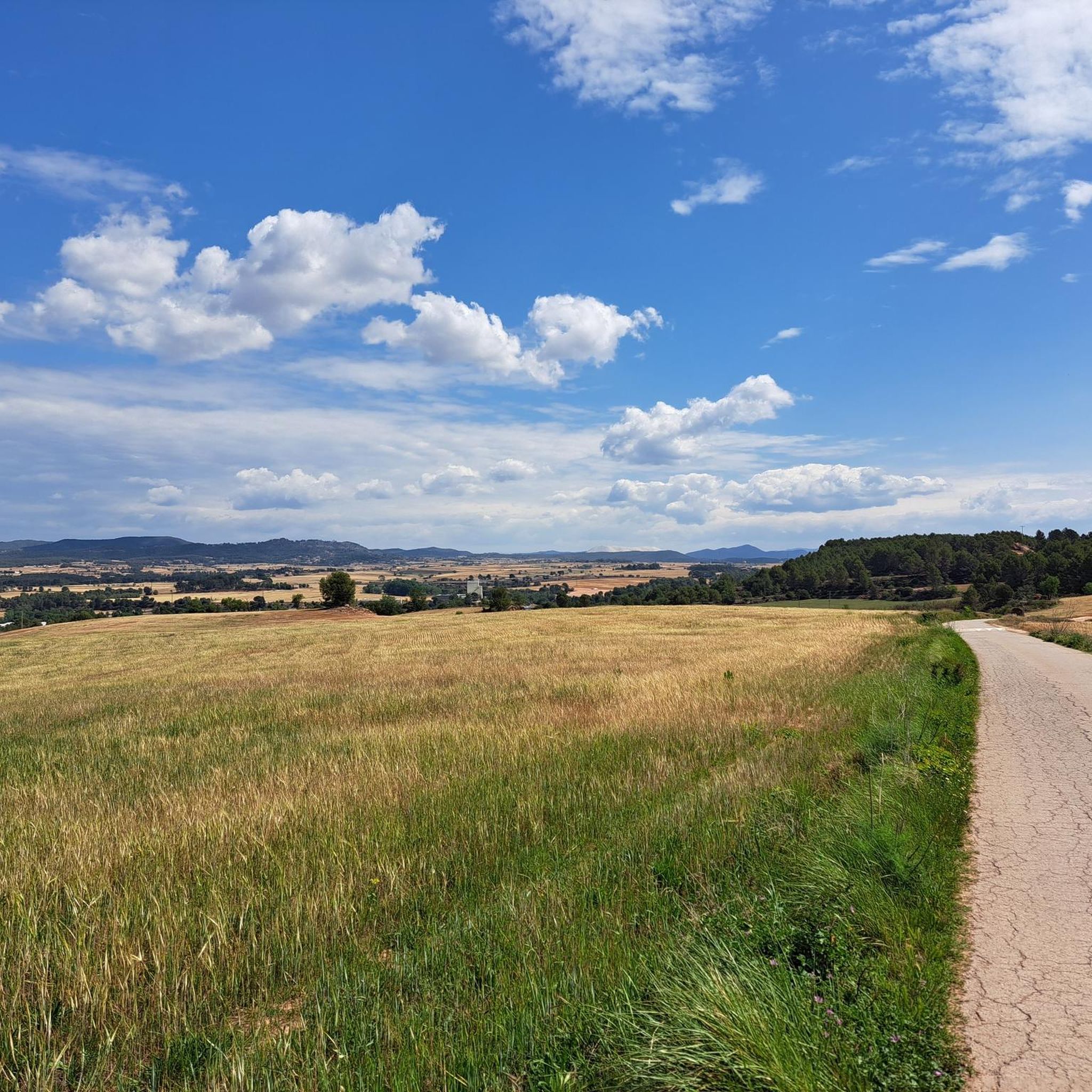
On January 22, 1939, Franco's troops occupied the summit of Cal Xamal, where General García Valiño installed the major plain, and deployed to the upper part of Pla de Fals. Some rudimentary coats that the soldiers made to spend the night can still be found. On the morning of the 23rd, the soldiers began to advance through the Plan, surrounding the group of houses in the Raval d'Oliveres. A republican machine gun, installed at the top of La Torra (see photo above), fired, while another fired from the corner of the boulder. Artillery responded and destroyed part of the construction. The machine gunners withdrew in the direction of Manresa. On the other side of Pla de Fals, on an elevated point in Les Costetes, another machine gun was placed there, which killed a non-commissioned officer of the nationals. In retaliation, the machine gun soldiers were shot. The next day, the owner of Grauet found the bodies of seven soldiers, and a patrol hung them all together. Because the grave was shallow, animals and rains soon uncovered some of the remains, and even today scattered bones of the soldiers are found. Since then, the place has been known as the "Plan of the Dead".
0
0
The Sagimona Tower, also known as "La Torra", is a square-plan farmhouse, covered on four sides and with ridges parallel to the facades. Although it is probably a work of the 17th century, much reformed in the 18th century, it was built next to an old medieval tower of the 11th century. This tower was probably a keep of the neighboring castle of Fals, built to control access through the corner of Pla de Fals and to protect the path from Fals to Rajadell. The tower is cylindrical, with an external diameter of 5.85m and a height of 14.25 metres. Surely, the people of Torreda should acquire rights over the land that surrounded it until it became a prosperous farm, which made the construction of the farmhouse possible. A set of 10 tubs are located on the west side of the building.
0
0

This section, which runs between Molins and Rajadell, parallel to the train track, is well known and frequented by local cyclists.
0
0

Town, head of the municipality of the same name, formed in 1840 from the grouping of Castelltallat, Coaner, Salo, Sant Mateu de Bages and Valls de Torroella, with a little over 600 inhabitants. With more than 100km2, it is the largest municipality in the province of Barcelona. The site of Sancto Matheo is documented since the 10th century. The castle is mentioned for the first time in 1018. During the Second Spanish Republic it adopted the name of Bages d'en Selves.
0
0

The Torres de Fals is a really interesting place. It is formed by the remains of the old castle of the town of Fals. There are two towers and a church separated from the town by a ravine.
0
0
Castellnou Castle was a fortification from the middle of the 10th century. In 1346, King Jaime I gave it to the bishopric of Vic, together with the castle and the town of Sallent. Only a cylindrical tower remains of the old castle, a high watchtower over the Llobregat valley, in the eastern part of the Castellnou term.
0
0

Frequently Asked Questions
What types of historical structures can I expect to see near Sant Joan de Vilatorrada?
While Sant Joan de Vilatorrada itself is known for its industrial heritage and traditional farmhouses, the surrounding Bages region features significant medieval structures. You'll primarily find remnants of 10th-century fortifications, such as watchtowers, castle ruins, and historical churches. These sites offer a glimpse into the region's defensive past and architectural evolution.
Which are some of the most notable castle sites to visit in the area?
You can explore several interesting sites. The Castellnou Castle Tower is a remnant of a 10th-century fortification, with only a cylindrical tower remaining. Torres de Fals features two towers and a church, uniquely separated from the town by a ravine. Additionally, Rajadell Castle offers architectural interest and a connection to the feudal history of the Bages region.
Do these castle sites offer scenic viewpoints?
Yes, many of these historical sites are strategically located and offer scenic views. For instance, the Castellnou Castle Tower served as a high watchtower overlooking the Llobregat valley, suggesting potentially scenic vistas. Other sites like Torres de Fals and Rajadell Castle are also noted as viewpoints.
Can I combine a castle visit with outdoor activities like hiking or cycling?
Absolutely. The Bages region is ideal for combining historical exploration with outdoor activities. There are numerous routes for running, gravel biking, and road cycling around Sant Joan de Vilatorrada. For example, you can find various running trails, gravel biking routes, and road cycling routes that pass through or near these historical areas.
Are there specific hiking routes that connect these historical sites?
While specific connecting hiking routes between all castles are not detailed, the region offers a network of trails. For instance, the Torre Sagimona (La Torra), an 11th-century medieval tower, was built to control access and protect the path from Fals to Rajadell, indicating historical pathways that might still be explorable as hiking routes. You can find various running trails in the area that could be adapted for hiking.
What is the best time of year to visit the castles and explore the surrounding area?
The Bages region generally experiences pleasant weather for outdoor activities. Spring and autumn typically offer mild temperatures, making them ideal for exploring the castle sites and engaging in hiking or cycling. Summers can be warm, while winters are generally mild but can be cooler, especially at higher elevations.
How can I reach the castles near Sant Joan de Vilatorrada?
Access to these historical sites often involves a combination of driving and short walks. While public transport options might be limited directly to some remote sites, driving to nearby towns and then hiking or cycling to the castles is a common approach. Parking availability varies by site, so it's advisable to check local information for each specific castle.
Are there any family-friendly options among the castles?
Many of the castle remains and historical sites, such as Sant Mateu de Bages, are suitable for family visits, offering an educational experience about the region's history. The open-air nature of many of these sites allows for exploration and imagination, making them engaging for children. Always check the accessibility and terrain for younger visitors.
Are dogs allowed at these historical sites?
Generally, outdoor historical sites and trails in the Bages region are dog-friendly, especially if they are open-air ruins or towers. However, it's always recommended to keep dogs on a leash and ensure you clean up after them. Specific rules might apply to interiors of any preserved structures or churches, so check local signage.
What do visitors enjoy most about the castles and historical sites in this region?
Visitors appreciate the blend of history and nature. The remnants of medieval fortifications like the Castellnou Castle Tower and Torres de Fals offer a tangible connection to the past. The strategic locations often provide stunning views, and the opportunity to explore these sites within tranquil natural settings is highly valued by the komoot community.
Is there a site that shows how medieval structures were adapted over time?
Yes, Torre Sagimona (La Torra) is an excellent example. It features a 17th-century square-plan farmhouse built alongside an 11th-century medieval cylindrical tower. This combination illustrates how defensive structures were integrated or adapted across centuries, providing a broader historical and architectural narrative.
Most popular routes around Sant Joan De Vilatorrada
Most popular attractions around Sant Joan De Vilatorrada

Get inspired with the komoot mobile app


Explore more
Looking for the best castles somewhere else? Discover other guides around Sant Joan De Vilatorrada:
