Top 5 Castles around Doña Mencía
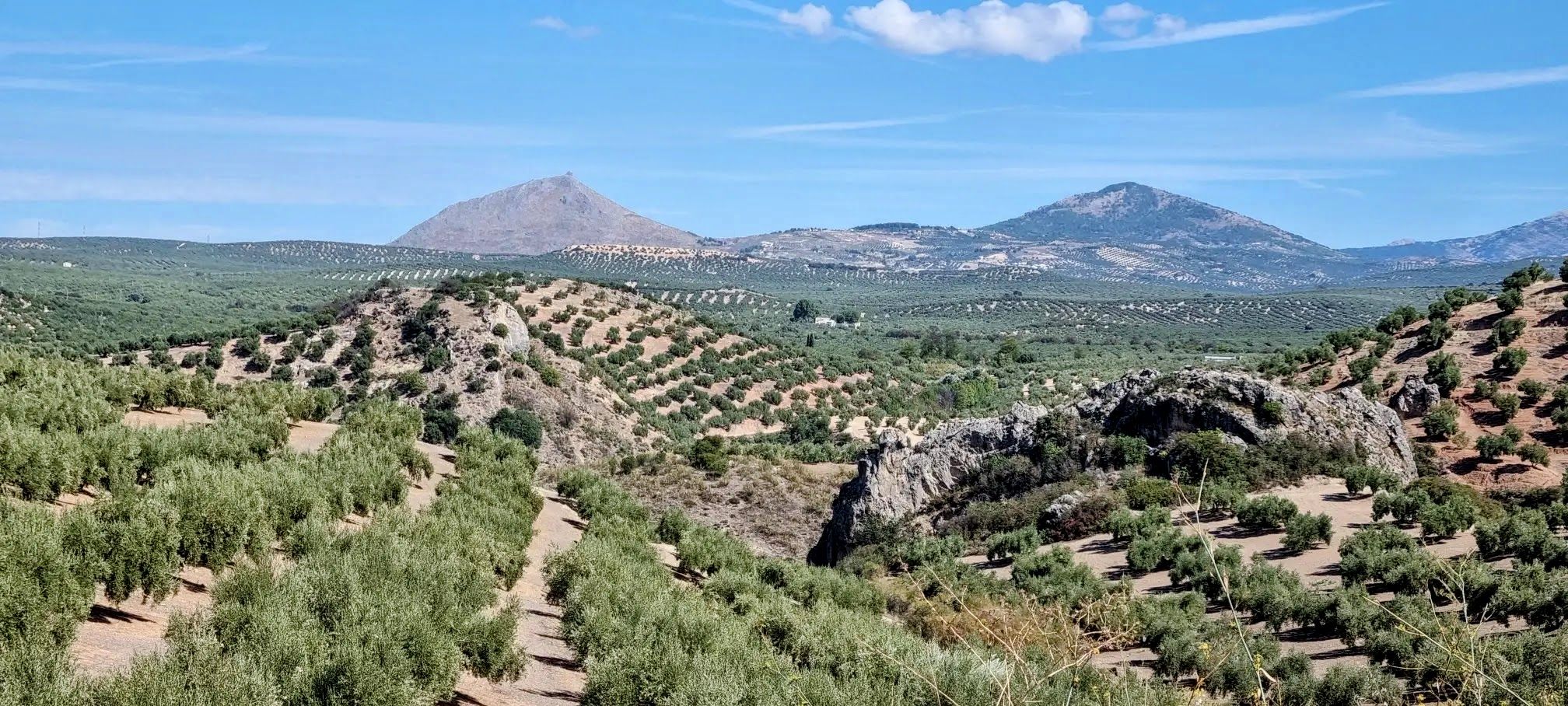
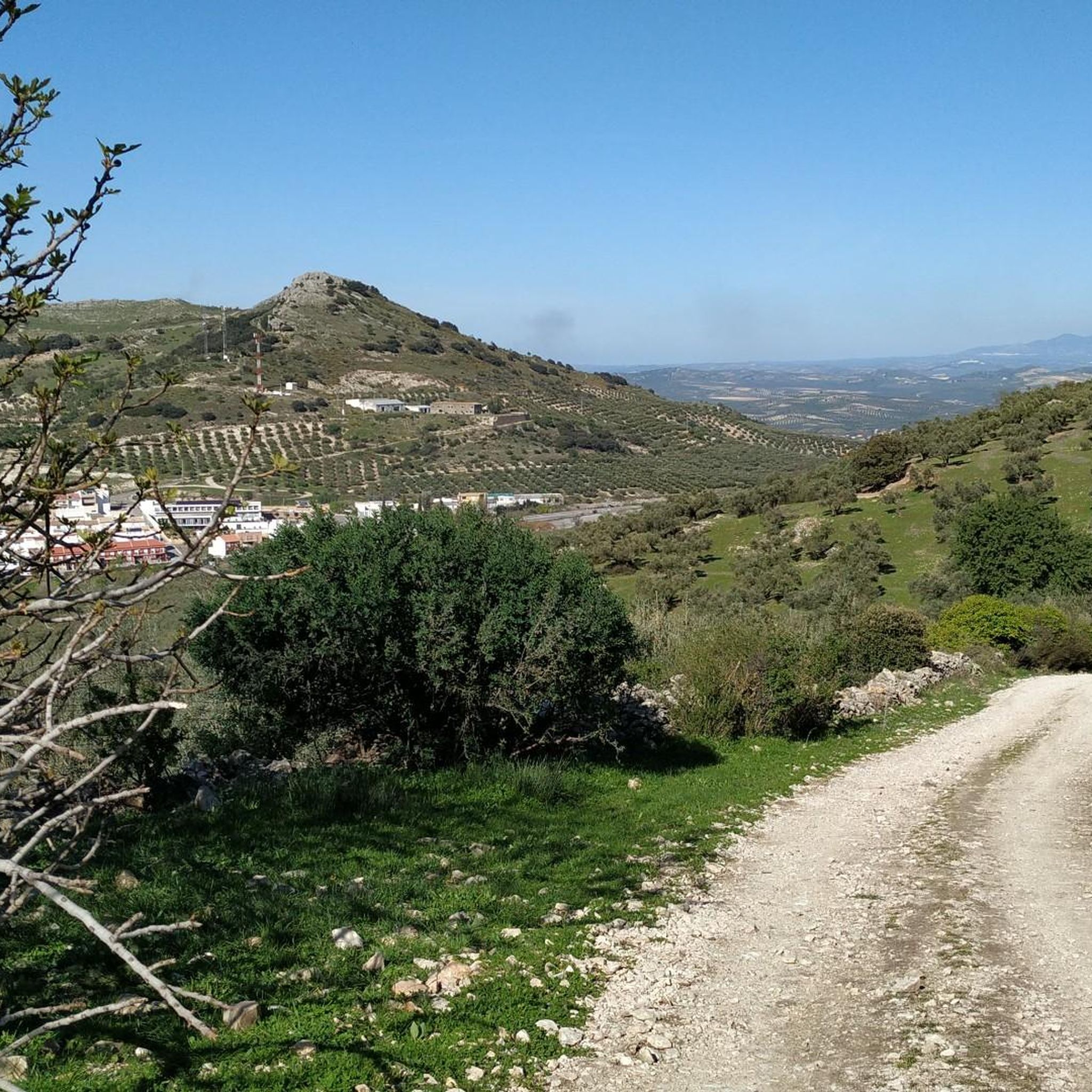
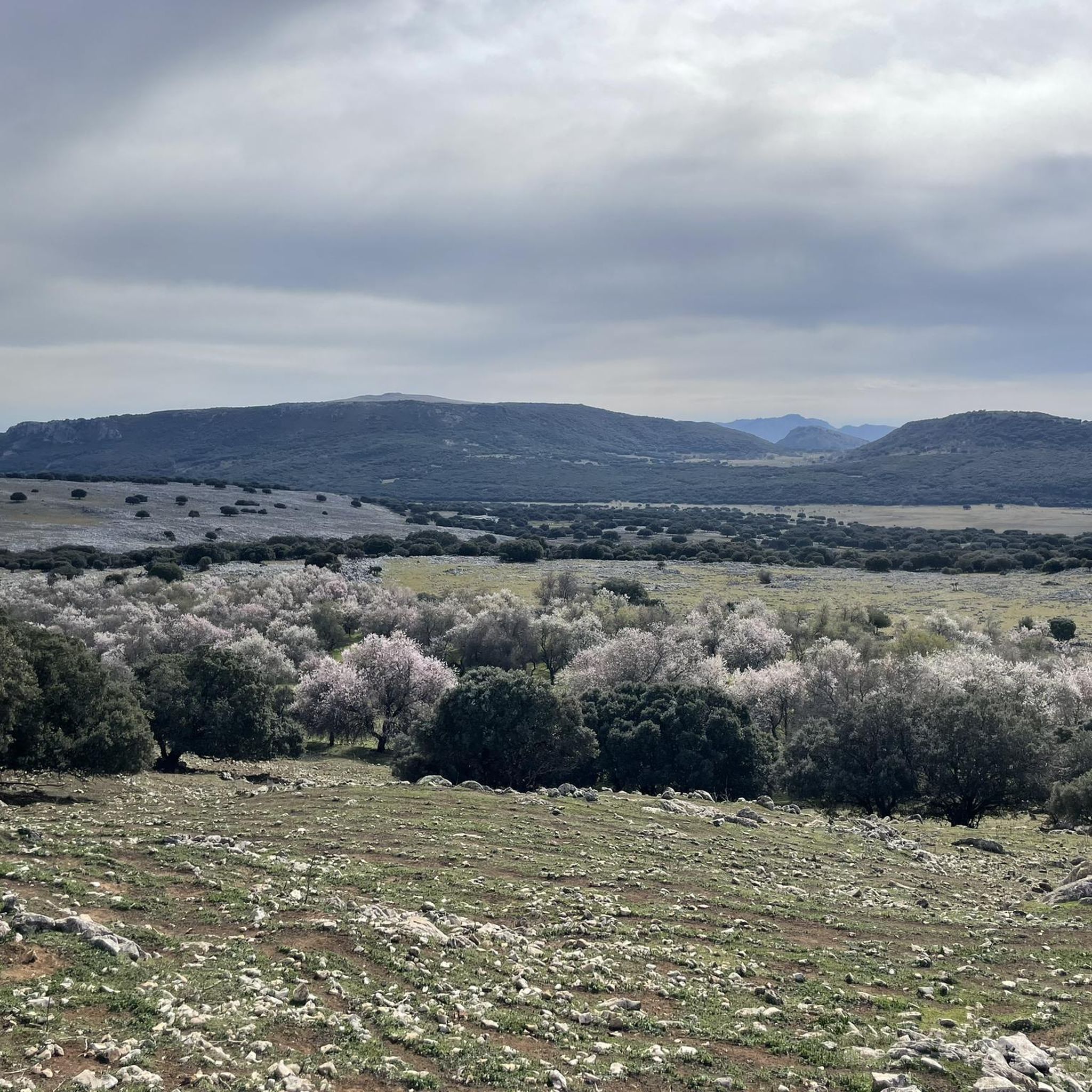
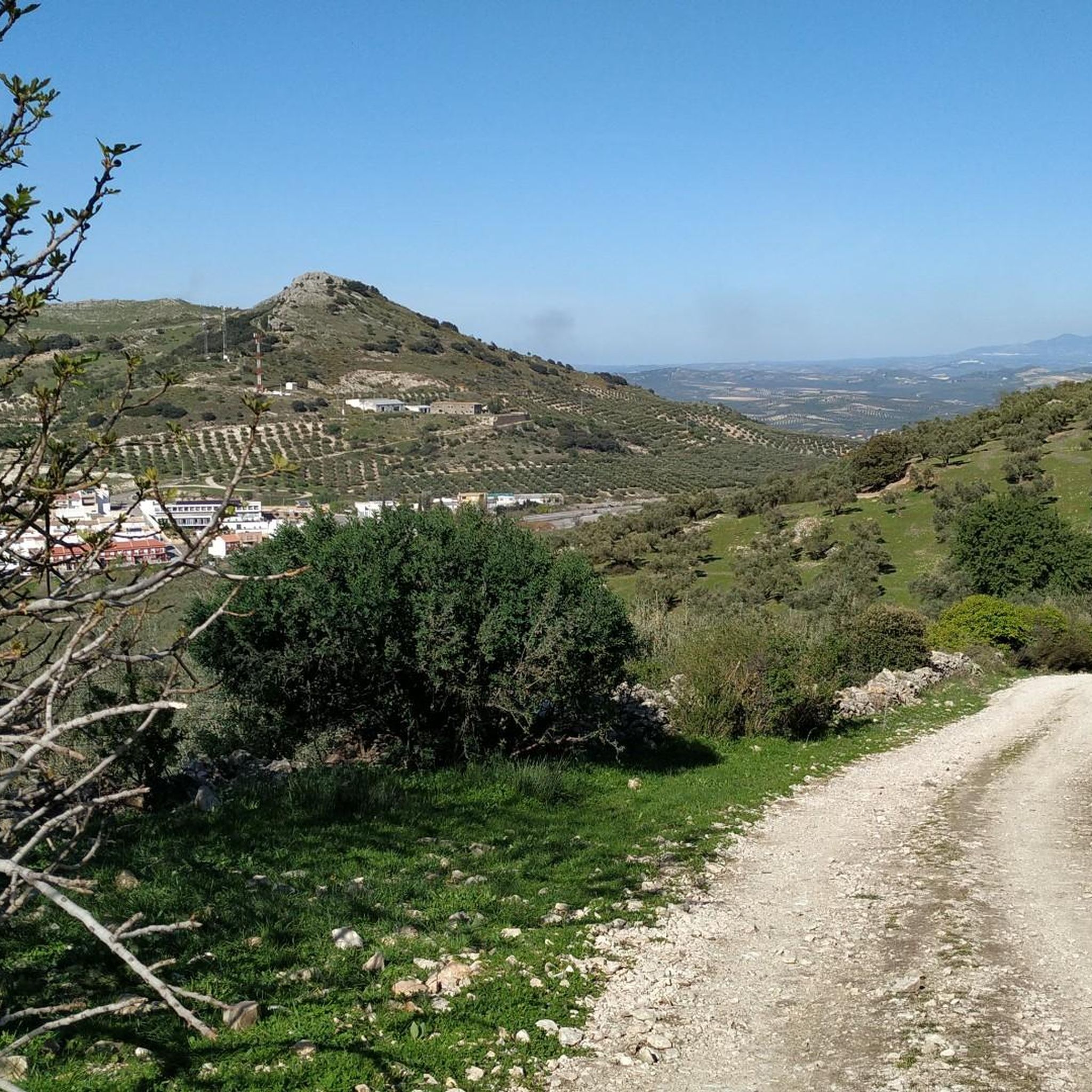
Best castles around Doña Mencía are found in the Parque Natural de las Sierras Subbéticas in Córdoba province, Andalusia. This region is characterized by its historical heritage, including fortified structures and ancient settlements. The landscape features olive groves and rugged mountains, providing a scenic backdrop for exploring its cultural landmarks. Doña Mencía itself is known for its historical castles and medieval watchtowers, offering a journey through various architectural styles and historical periods.
Best castles around Doña Mencía
- The most popular…
Last updated: July 3, 2026
Zuheros Castle
Highlight • Castle
Translated by Google •
Tip by

Views of Zuheros Castle from the viaduct
Highlight • Viewpoint
Translated by Google •
Tip by

Sign up now to discover places like this
Get recommendations on the best single tracks, peaks, & plenty of other exciting outdoor places.
Sign up for free
Zuheros is a beautiful place.
Highlight • Settlement
Translated by Google •
Tip by
Castillo de Doña Mencía
Highlight • Castle
Translated by Google •
Tip by
Baena Castle
Highlight • Castle
Translated by Google •
Tip by

Sign up for free to discover even more castles around Doña Mencía.
Sign up for free
Already have an account?
Start today with a free account
Your next adventure awaits.
Login or Signup
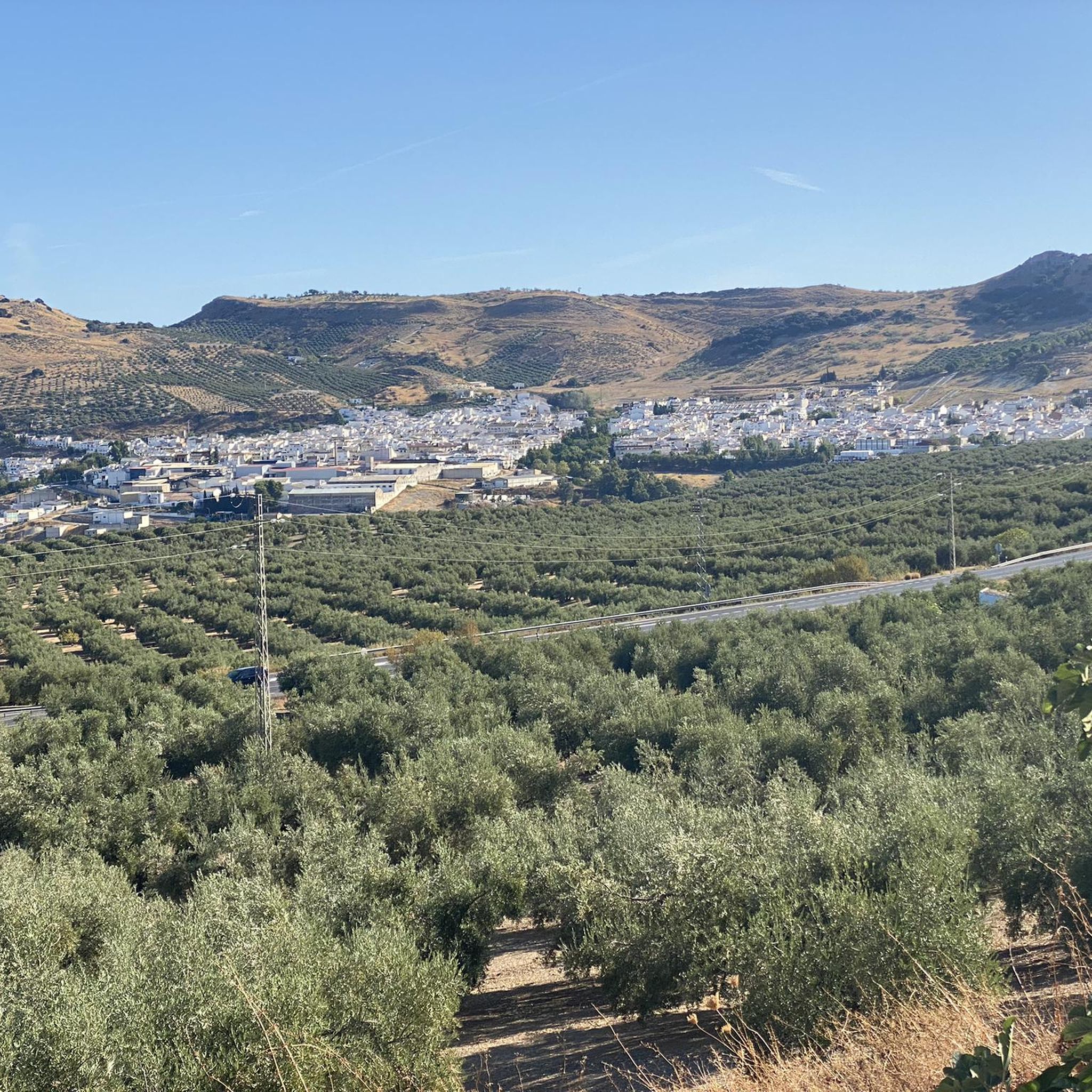

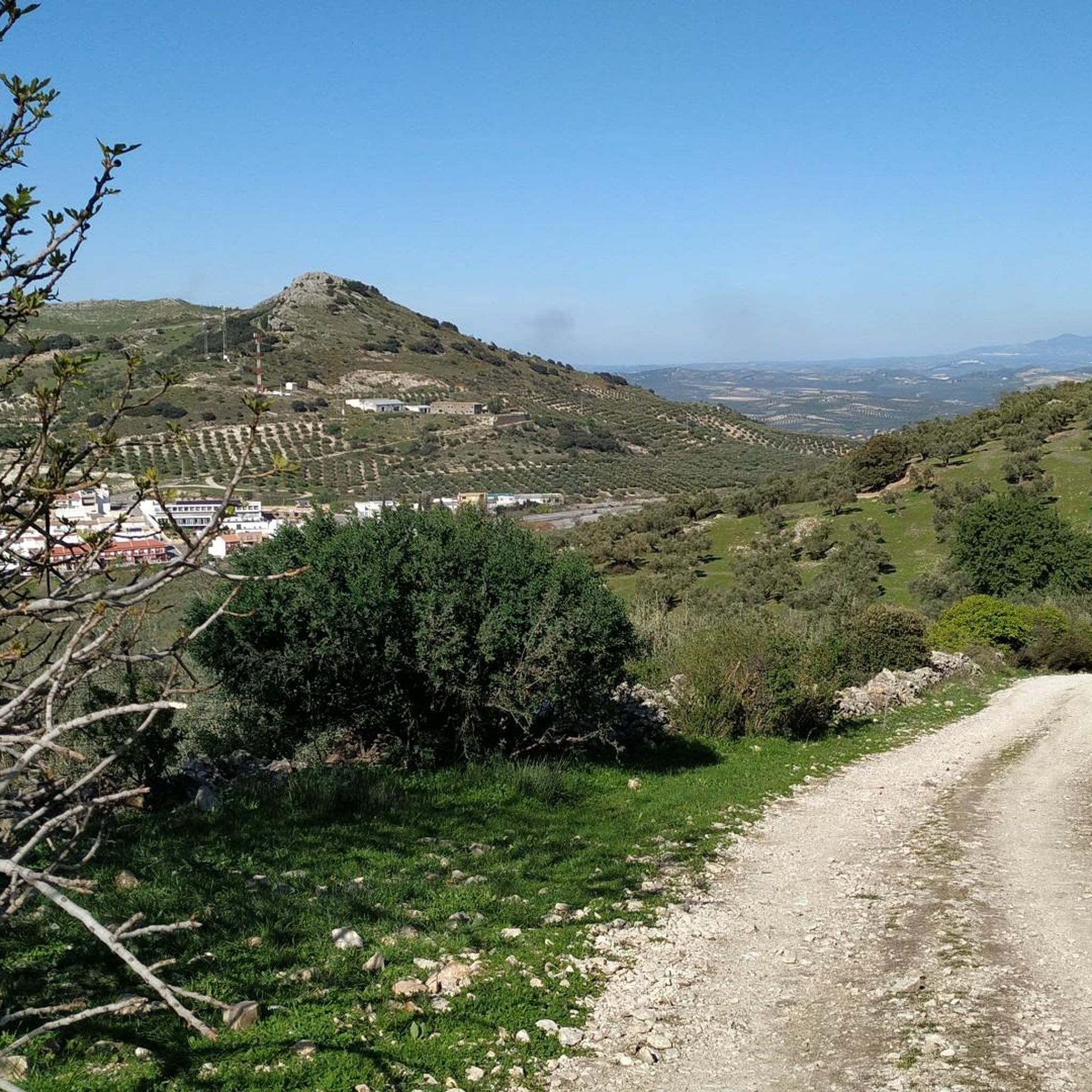
Other adventures around Doña Mencía

Tips from the Community

El Castillo de Zuheros is a historic fortress in the small municipality of Zuheros. The castle sits spectacularly on a rock and has become a landmark of the region. The castle's origins date back to the Moors in the 9th century. It was strategically built on a limestone cliff to control and defend the region. Its location made it almost impregnable.
0
0

The Castillo de Doña Mencía is a historic castle located in the heart of the village of Doña Mencía. The castle was built in 1415 by Diego Fernández de Córdoba and has had a rich history ever since. The castle has a trapezoidal plan and is largely built of masonry. The walls are decorated with circular towers in the northeastern and southeastern corners. The main tower is the Torre del Homenaje, which is 17 metres high and is the main architectural feature of the castle. Inside the castle you can visit the Patio de Armas, an internal space that offers impressive views of the surrounding landscapes. The castle is free to visit and offers a unique insight into the medieval architecture and history of the region.
8
0
The Zuheros Viaduct crosses the embedded bed of the Bailón River. It has a length of 104 meters resolved into two lateral sections of 31.5 meters and a central section of 41.0 meters. Its structure is metallic and is very similar to that of the Guadajoz River Viaduct. It seems that both projects were drawn up by the same engineers, Alessandri and Delaperrière.
9
0
El Castillo de Zuheros stands spectacularly on a rock and offers impressive views of the Sierra Subbética. The castle is a major landmark in the region. The castle's origins date back to the Moors in the 9th century. It was strategically built on a limestone cliff to control and defend the region. Its location made it almost impregnable. It was part of a network of castles designed to secure Moorish influence in Andalusia. In 1240, Zuheros was conquered by the troops of Ferdinand III of Castile. The castle passed into Christian ownership and was integrated into the kingdom's defensive structure. With the end of its military importance in the region, after the conquest of Granada in 1492, the castle began to decline in importance. Parts of the complex were destroyed by earthquakes and neglect over the centuries. In 1964, the towers were reconstructed as they can be seen in their current form. The ruins of the castle are now one of the main attractions of Zuheros and can be visited.
9
0
El Castillo de Zuheros is a historic fortress in the small municipality of Zuheros. The castle sits spectacularly on a rock and has become a landmark in the region. The castle's origins date back to the Moors in the 9th century. It was strategically built on a limestone cliff to control and defend the region. Its location made it almost impregnable. The viaduct is a historic remnant of the old railway line and offers an elevated platform with unobstructed views of the surrounding landscapes. The section near Zuheros is particularly spectacular as the viaduct crosses a gorge through which the Bailón River flows. From here, Zuheros Castle rises majestically above the village, embedded in a rock. The castle seems to be one with the landscape as it is integrated directly into the limestone. The view of Zuheros Castle from the viaduct is a perfect example of the unique combination of nature and history that characterizes the Córdoba region. It is a moment that makes every bike ride along the Vía Verde unforgettable.
9
0
The Zuheros viaduct crosses the embedded bed of the Bailón River. It has a length of 104 metres. Its structure is made of metal and is very similar to that of the Guadajoz River viaduct. A few metres away is the old Zuheros stop, a small building, very sober and functional. This building, smaller than the station, allowed the entry and exit of goods and passengers. A cobblestone in front of the façade served as a platform. From here you have a good view of the castle.
10
0
The remains date from two different periods. The massive, crenellated square tower is of Moorish origin, while the remains of the Renaissance palace date from the 16th century. At the same time, the Plaza de la Paz offers a natural viewpoint (622m), with shooting views** over the hills with their carpet of olive groves and Baena in the background.
11
0
"Zuheros a beautiful place". Zuheros is an enchanting village in the province of Córdoba, Andalusia. Set against the dramatic backdrop of the Sierra Subbética, Zuheros offers breathtaking views and a rustic charm that is hard to match. The village is famous for its castle, Castillo de Zuheros, which sits dramatically on a clifftop overlooking the surrounding olive groves. The narrow streets lined with whitewashed houses, picturesque squares and historic buildings give Zuheros a timeless appeal.
8
0
Frequently Asked Questions
What is the historical significance of the castles in the Doña Mencía area?
The castles and fortified structures around Doña Mencía offer a deep dive into the region's history. The Doña Mencía Castle, for instance, was largely built in 1415 on foundations dating back to the late Roman period and even Neolithic times, serving as a crucial defense against Nasrid attacks. The medieval Zuheros Castle has Moorish origins from the 9th century, with later Renaissance additions. These sites reflect centuries of strategic importance and cultural evolution in Andalusia.
Are there any family-friendly castles or activities near Doña Mencía?
Yes, the area offers family-friendly options. The village of Zuheros Castle and Village is a picturesque spot that combines history with charming streets, suitable for families. Additionally, the Views of Zuheros Castle from the viaduct is an accessible viewpoint that provides impressive perspectives of the castle and surrounding landscape, enjoyable for all ages.
What kind of natural features or viewpoints can I find near the castles?
The castles are nestled within the Parque Natural de las Sierras Subbéticas, offering stunning natural scenery. From the Zuheros Castle, you can enjoy panoramic views over a carpet of olive groves. The Views of Zuheros Castle from the viaduct provides an elevated platform with unobstructed views of the castle dramatically integrated into the limestone cliffs and the Bailón River gorge. The Homage Tower of Doña Mencía Castle also offers wonderful views of the town.
What outdoor activities can I do near the castles around Doña Mencía?
The region is excellent for outdoor enthusiasts. You can explore various hiking trails, such as the moderate Río Bailón Canyon Trail or the Chorreras de la Fuenseca circular route. For cyclists, the Vía Verde del Aceite, a popular cycle route, passes nearby, offering routes like the Vadomojón Reservoir loop. You can find more details on these activities in the Hiking around Doña Mencía and Road Cycling Routes around Doña Mencía guides.
Is there public transport available to reach the castles?
While specific public transport routes directly to each castle entrance might be limited, Doña Mencía is a town with some transport connections. For detailed information on reaching specific castles like Zuheros Castle or the Doña Mencía Castle, it's advisable to check local bus schedules or consider taxi services from nearby larger towns.
What is the best time of year to visit the castles in Doña Mencía?
The best time to visit the castles and enjoy outdoor activities in Doña Mencía is typically during the spring (April-May) and autumn (September-October). During these seasons, the weather is milder and more pleasant for exploring historical sites and hiking in the Sierras Subbéticas Natural Park. Summers can be very hot, and winters can be cooler and sometimes rainy.
What makes Zuheros Castle unique?
Zuheros Castle is unique due to its dramatic location, perched on a cliff and integrated into the rock above the picturesque village. Its remains showcase a blend of Moorish origins from the 9th century, including a massive crenellated square tower, and later 16th-century Renaissance palace elements. The castle's cistern from its Muslim period is still preserved, offering a glimpse into its ancient past.
Can I visit the Torre de la Plata, and what is its significance?
Yes, the Torre de la Plata is a significant medieval watchtower in Doña Mencía, dating back to the mid-14th century. It's a square-plan tower strategically positioned within the Natural Park of the Subbéticas. Beneath it, a 7th-century AD necropolis was discovered, adding to its historical value. It has been declared an Asset of Cultural Interest, representing a preserved piece of the area's defensive past.
Are there any cafes or restaurants near the castles for visitors?
Yes, the villages surrounding the castles, such as Doña Mencía and Zuheros, offer various amenities. Zuheros Castle and Village, for example, is known for its charming, peaceful character and has bars and restaurants where you can recharge. Doña Mencía also provides local establishments for food and drink.
What do visitors enjoy most about the castles and surrounding area?
Visitors frequently praise the unique combination of history, nature, and traditional Andalusian charm. They particularly enjoy the stunning views from the castles and viewpoints, the picturesque whitewashed villages like Zuheros, and the opportunity to explore ancient fortifications. The integration of the castles with the dramatic landscape of the Sierras Subbéticas Natural Park is a major draw, as highlighted by the numerous photos and upvotes from the komoot community.
Are there any running trails near the castles?
Yes, the area around Doña Mencía offers several running trails. You can find routes like the Doña Mencía Station – Zuheros Castle loop, which is about 11 km, or longer options such as the Plantío Tunnel – Steam locomotive - Mikado loop. These trails often incorporate scenic views and historical points of interest. For more details, refer to the Running Trails around Doña Mencía guide.
Can I explore the interior of Doña Mencía Castle?
Yes, the interior of the Doña Mencía Castle is open for exploration. Visitors can walk through its parade ground (Patio de Armas), which features a well and an octagonal fountain with Mudejar influences. The castle's original walls are largely preserved, allowing for an immersive experience into its multi-layered history, from its military past to its later uses as a warehouse and convent school.
Most popular routes around Doña Mencía
Most popular attractions around Doña Mencía

Get inspired with the komoot mobile app


Explore more
Looking for the best castles somewhere else? Discover other guides around Doña Mencía:
