Top 5 Caves around Nueva Carteya
Best caves around Nueva Carteya are situated within the wider province of Córdoba, Spain, an area recognized for its geological and archaeological significance. The region is characterized by its limestone formations and features several notable prehistoric caves. These natural landmarks offer insights into ancient history and the geological processes that shaped the landscape. The area is part of the Sierras Subbéticas Natural Park, known for its diverse natural features and historical routes.
Best caves around Nueva Carteya
- The most popular…
Last updated: July 3, 2026
Limestone formations and caves in the Bailón Canyon
Highlight • Canyon
Translated by Google •
Tip by

Bat Cave
Highlight • Cave
Translated by Google •
Tip by

Sign up now to discover places like this
Get recommendations on the best single tracks, peaks, & plenty of other exciting outdoor places.
Sign up for free
Cueva del Yeso
Highlight • Cave
Translated by Google •
Tip by

Sima de Cabra
Highlight • Cave
Translated by Google •
Tip by
Start today with a free account
Your next adventure awaits.
Login or Signup
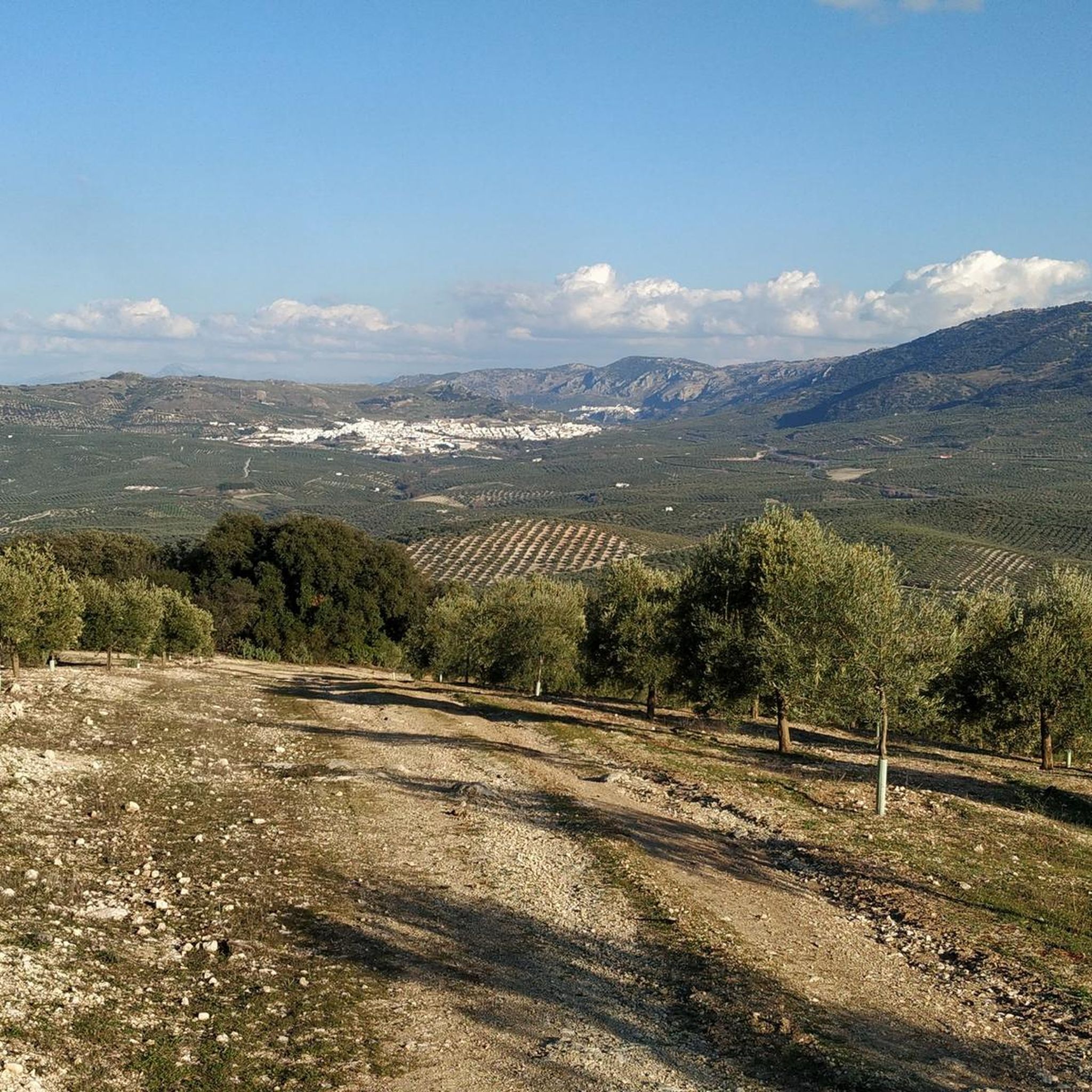
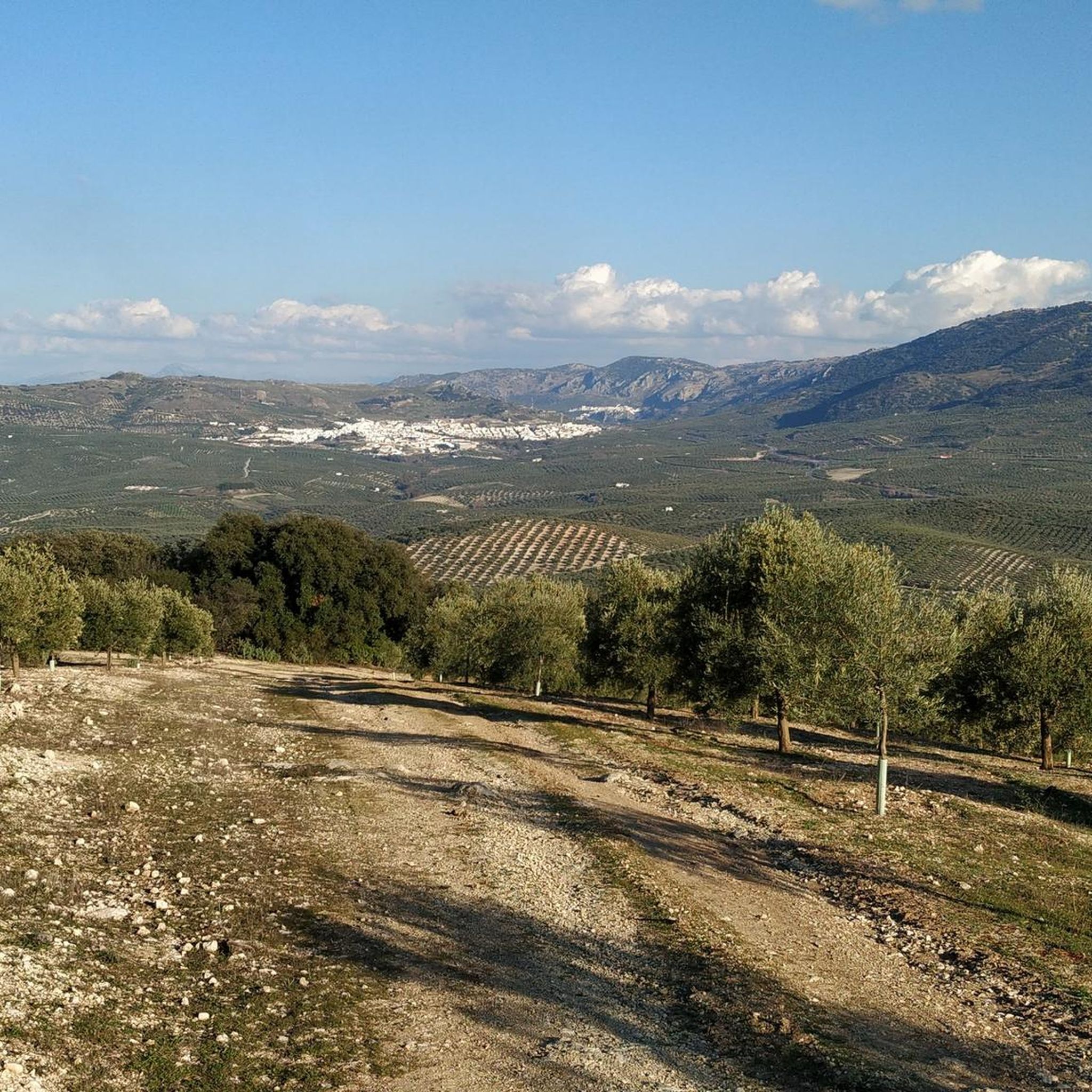
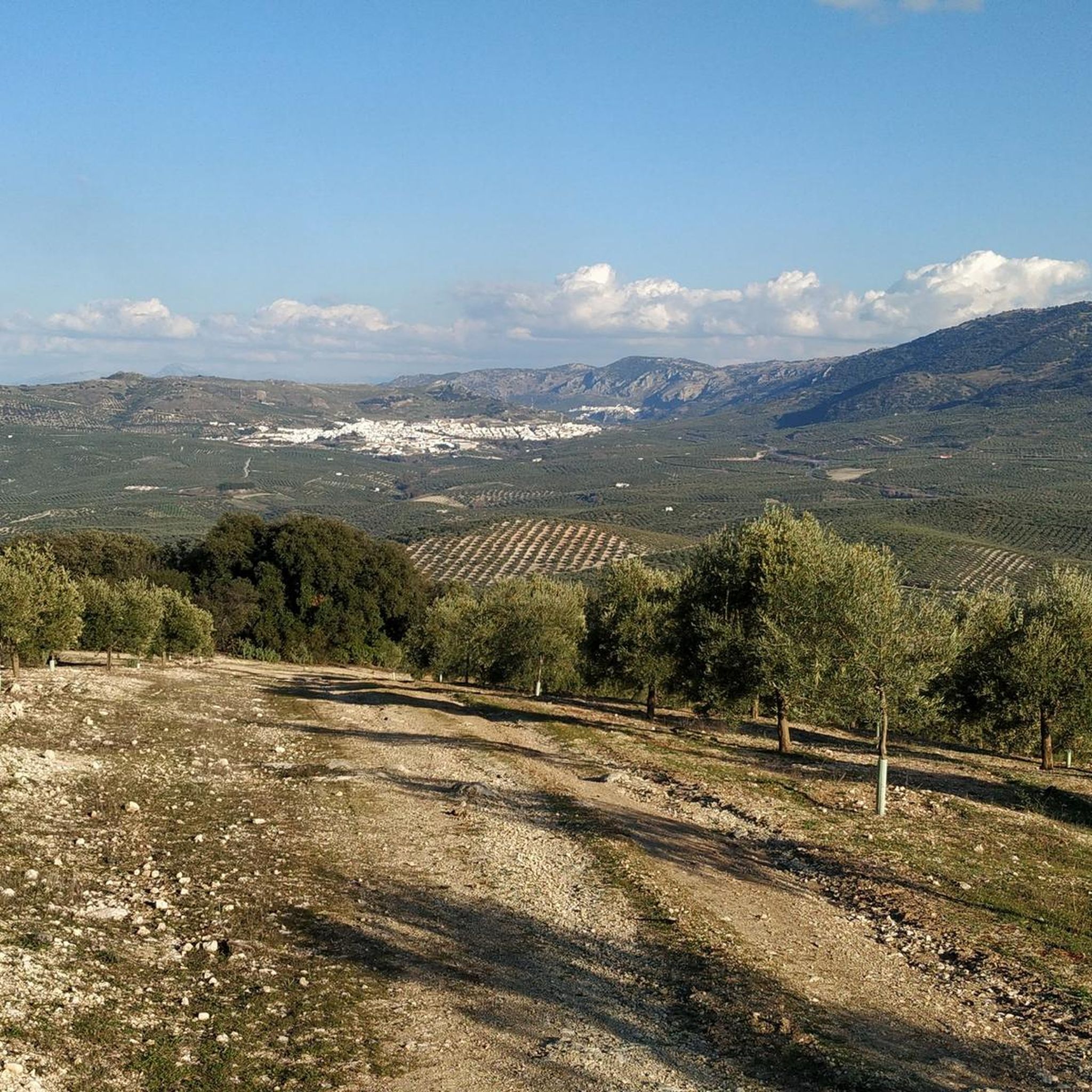
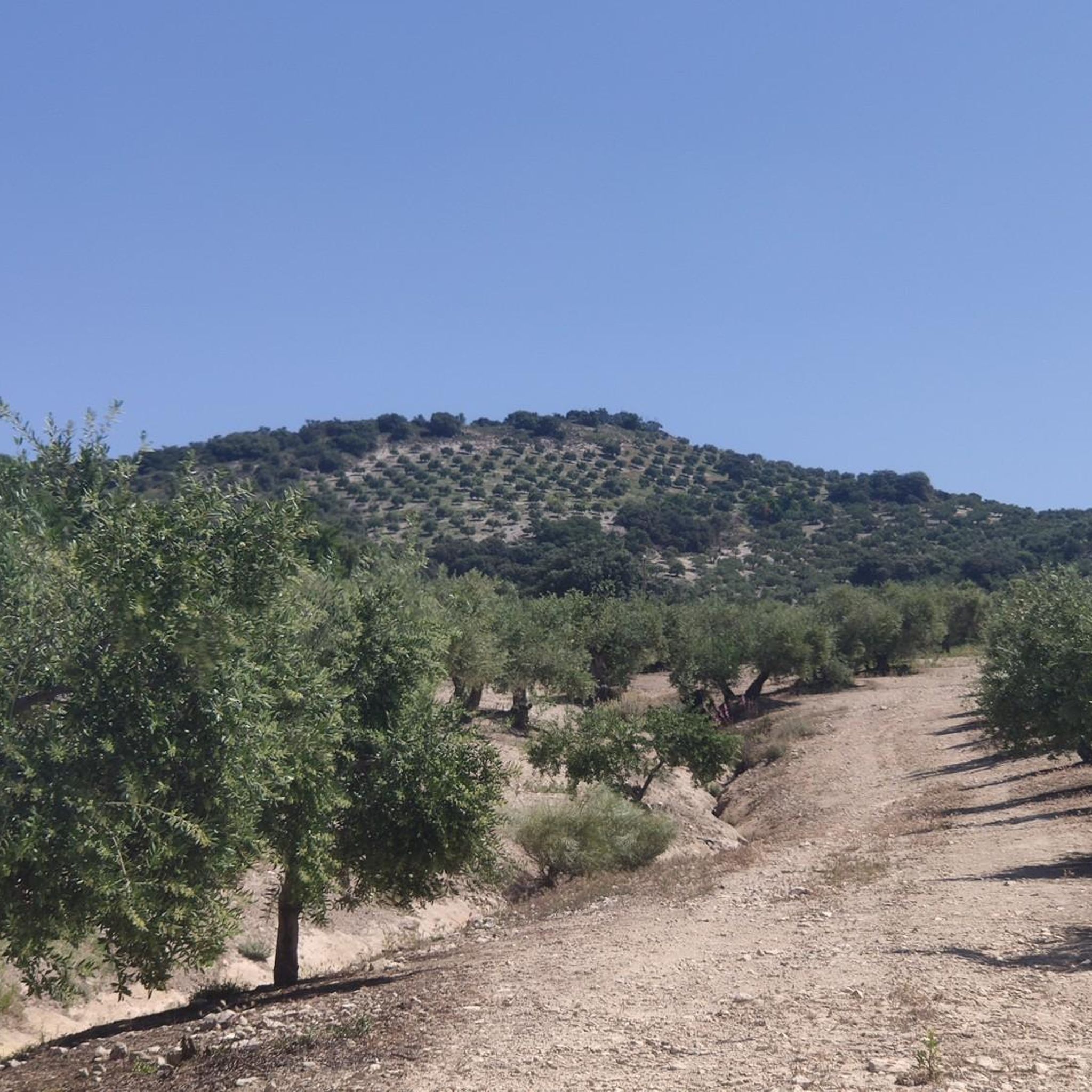

Tips from the Community


It is a prehistoric cave, the largest in the province of Córdoba, declared a Natural Monument in 2001. Its name comes from the bats, of different species, that inhabit this cave. In his tourist visit, a descent of up to 65 m deep is made.
3
0

This trail is full of impressive limestone rock walls, with a multitude of vegetation sprouting between its numerous pores. They have been formed over time by the force of the Bailón River. From some angles you can see Zuheros and its castle peeking out between the walls.
2
0
The first caving expedition in Spain was carried out in this vertical chasm in 1841. It is located on the slopes of the Picacho de la Sierra de Cabra. It appears mentioned in Don Quixote and in other works by Miguel de Cervantes, who lived in the town of Cabra. It has an average width of about 20 meters and a depth of -116 meters, up to its base, but it has an additional narrow gallery that leads to the Sarcophagus room, located at -131 meters.
2
0
This cave is a system of galleries typical of limestone formations, very porous. Its name is due to the fact that various species of bats inhabit it.
2
1

A beautiful place, even for short walks. You determine the level of difficulty yourself. A little fitness is useful because of the sometimes steep climbs.
1
1

The entire tour leads through interesting landscape with many plants and interesting views.
2
0
Frequently Asked Questions
What makes the caves around Nueva Carteya unique?
The caves in the Nueva Carteya area, particularly within the wider province of Córdoba, are notable for their significant geological and archaeological value. They feature impressive limestone formations, prehistoric sites with Neolithic findings, and are home to various bat species. Many are located within the Sierras Subbéticas Natural Park, offering a blend of natural beauty and historical importance.
Are there any prehistoric caves in the area?
Yes, the region is rich in prehistoric caves. The Bat Cave (Cueva de los Murciélagos) near Zuheros is a prime example, recognized as a Natural Monument and the largest cave in the province of Córdoba. It has yielded significant archaeological findings from the Neolithic period, including human remains and tools.
What kind of geological formations can I expect to see?
You can expect to see impressive limestone formations, including stalactites and stalagmites, which are characteristic of the region's karst landscape. The Limestone formations and caves in the Bailón Canyon are a great example, showcasing rock walls carved by the Bailón River. Cueva del Yeso also features extraordinary formations.
What wildlife might I encounter in the caves?
The most prominent wildlife you might encounter in the caves are bats. The Bat Cave is named for the various species of bats that inhabit it. Similarly, Cueva del Yeso is only open during winter months to protect a species of bats that breeds there.
Do I need to book visits to the caves in advance?
For some popular caves like the Bat Cave, it is necessary to book an appointment for your visit, especially given its status as a Natural Monument and the controlled descent into its depths.
When is the best time to visit the caves around Nueva Carteya?
The best time can vary by cave. For instance, Cueva del Yeso can only be visited during the winter months due to bat breeding seasons. Generally, the cooler months might be more comfortable for exploring caves, especially those with deeper descents.
Are there any caves with historical or archaeological significance?
Absolutely. The Bat Cave is a significant prehistoric site with archaeological findings from the Neolithic period. Additionally, Cueva del Yeso is noted as a rest area on the historic Camino Mozarabe, adding to its cultural context.
What outdoor activities can I do near these caves?
The area around Nueva Carteya offers various outdoor activities. You can find numerous hiking trails, including routes like the 'Mozarabic Trail: Baena to Cueva del Yeso'. There are also extensive options for mountain biking and gravel biking. For more details, explore the Hiking around Nueva Carteya, MTB Trails around Nueva Carteya, and Gravel biking around Nueva Carteya guides.
Are there hiking trails that pass by or through caves?
Yes, some hiking routes incorporate cave areas. For example, the 'Mozarabic Trail: Baena to Cueva del Yeso' passes by Cueva del Yeso, which serves as a rest stop. The Limestone formations and caves in the Bailón Canyon also offer a trail through an interesting landscape with many natural features.
What are the difficulty levels for exploring these caves?
Many of the cave experiences in the region are rated as 'intermediate' difficulty. For instance, the Bat Cave involves a descent of up to 65 meters, requiring a certain level of physical ability. Trails through canyons like the Bailón Canyon also involve varied terrain.
Are there any caves that are easily accessible or suitable for beginners?
While specific 'easy' ratings for individual caves are not always available, some areas like the Limestone formations and caves in the Bailón Canyon offer trails that allow for exploration of the natural landscape and formations without necessarily requiring deep cave penetration. Always check specific tour details for accessibility and difficulty.
What should I bring when visiting the caves?
When visiting caves, it's advisable to wear sturdy footwear suitable for uneven terrain. Depending on the cave, you might need a headlamp or flashlight, and a light jacket as cave temperatures can be cooler. For guided tours, specific equipment might be provided or recommended.
Most popular routes around Nueva Carteya
Most popular attractions around Nueva Carteya

Get inspired with the komoot mobile app


Explore more
Extend your search for the best caves by checking out these guides of the top ones around Nueva Carteya:
