Top 11 Castles around Otos
Best castles around Otos offers a selection of historical sites, primarily located in the Valencia region of Spain. The area features a landscape marked by hills and valleys, providing strategic locations for ancient fortifications. These castles reflect centuries of history, from Iberian and Roman origins to Muslim and Christian periods. Visitors can explore ruins and well-preserved structures that offer insights into the region's past.
Best castles around Otos
- The most popular castles is Castell de Xàtiva, a castle and…
Last updated: July 3, 2026
Castell de Xàtiva
Highlight • Castle
Translated by Google •
Tip by

Castle of Aielo de Rugat
Highlight • Castle
Unfortunately, it was destroyed during the War …
Translated by Google •
Tip by

Sign up now to discover places like this
Get recommendations on the best single tracks, peaks, & plenty of other exciting outdoor places.
Sign up for free
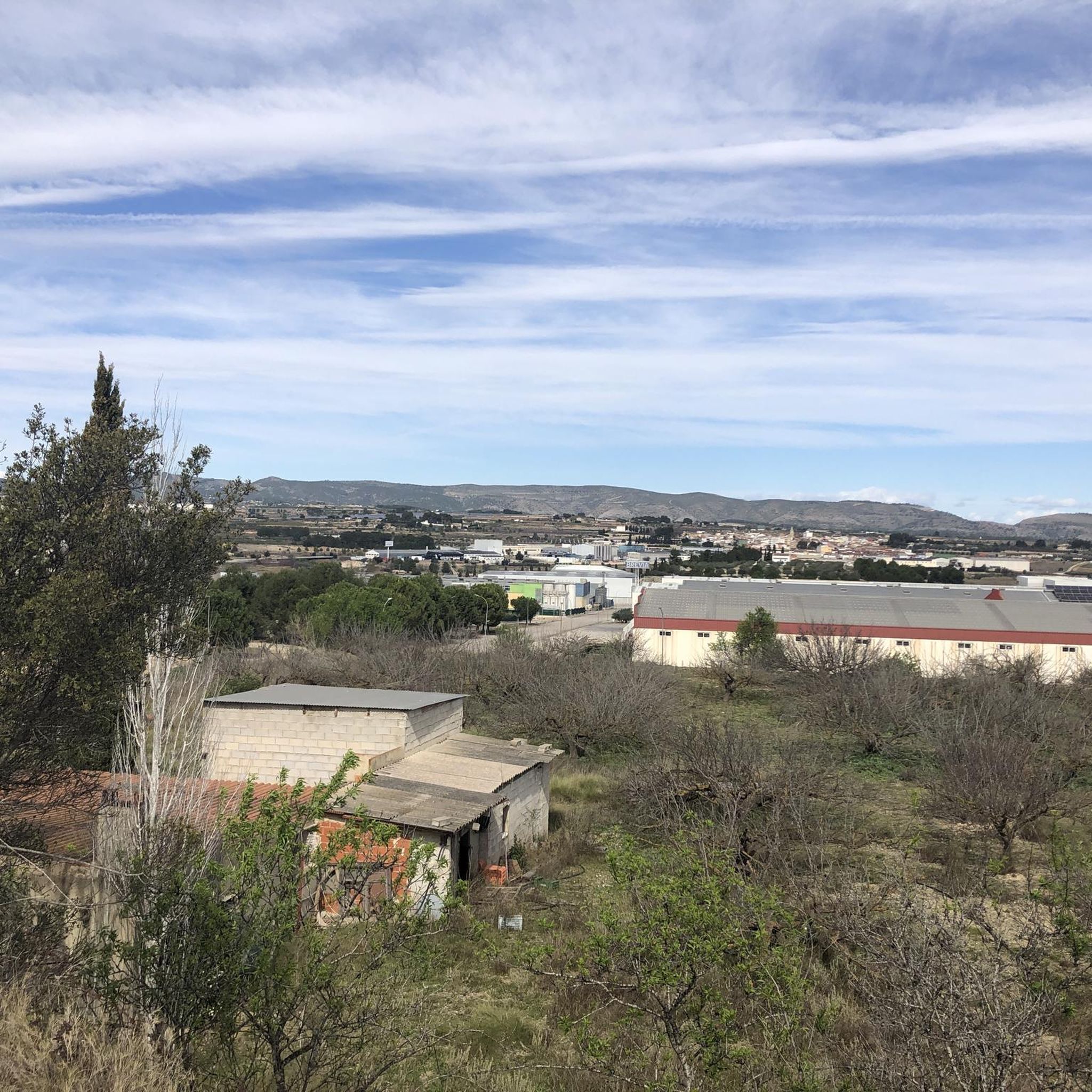
Views of Perputxent Castle
Highlight • Viewpoint
Translated by Google •
Tip by
Sun Tower of Xàtiva
Highlight • Castle
Translated by Google •
Tip by

View of Castell de Cocentaina
Highlight • Castle
Translated by Google •
Tip by

Sign up for free to discover even more castles around Otos.
Sign up for free
Already have an account?
Start today with a free account
Your next adventure awaits.
Login or Signup

Tips from the Community

The Castell de Carrícola, also known as Castellet, is a historic and natural gem located in the municipality of El Palomar, in the Vall d'Albaida region of Valencia. It is an ancient Islamic fortification built between the 10th and 12th centuries, although the current tower was erected after the Christian conquest, around the mid-13th century. It has been declared a Site of Cultural Interest and has been restored to allow visitors to visit it, including access to its terrace, from where you can enjoy spectacular views of the region and the Bellús reservoir.
3
0

The castle, which is not particularly worth seeing, dates back to the Almohad period and was built between the 10th and 12th centuries. But the view is very beautiful.
0
1

Viewpoint from where you can see the Castell de L'Orxa, a fortress of Muslim origin dating from the end of the 12th century. Before, a path climbed to the 380 meters of its summit in half a kilometer. Now, visiting the also known Castell de L'Orxa is prohibited. There is a risk of detachments and falls.
0
0

Impressive facility and fantastic views
1
0

Wear suitable footwear, as there are quite steep steps and loose ground.
2
0
The views from the castle are spectacular.
2
0

Beautiful old castle ruins.
1
0

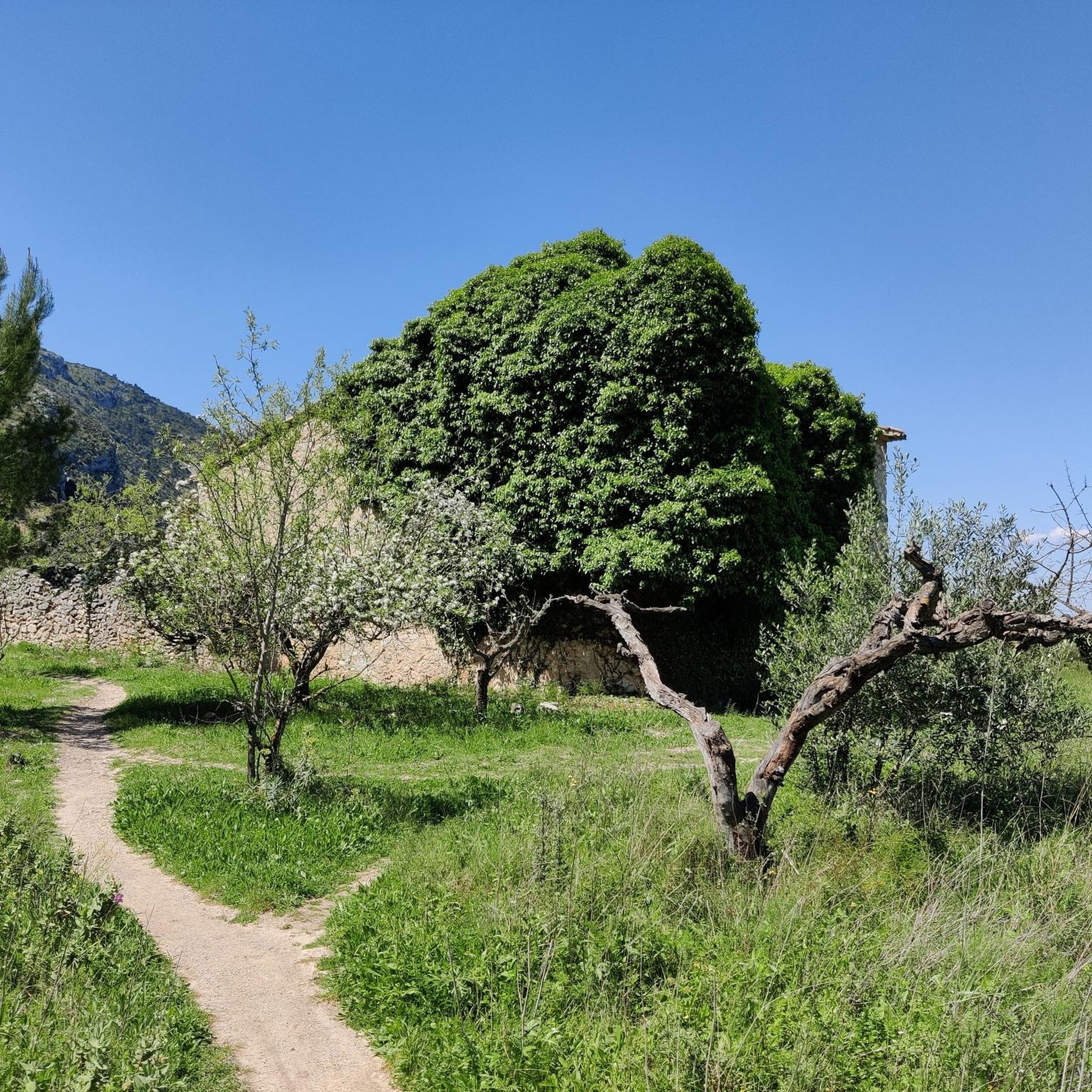
The 12th century castle crowns the mill from where you can get stunning views of the valley and the mountains that surround it. Unfortunately, it was destroyed during the War of Castile in the 14th century. At present, you can distinguish, in some of its walls, the arrow slits that were used to shoot with crossbows during the war. Inside what would be the castle, you can find a well-preserved cistern.
2
2
Frequently Asked Questions
What are the most popular castles to visit around Otos?
The most popular castle is Castell de Xàtiva, known for its strategic position and impressive double fortress structure. Other highly regarded sites include the Sun Tower of Xàtiva, an Almohad tower that was part of the castle's defense, and the ruins of the Castle of Aielo de Rugat, which offers stunning valley views.
Are there hiking trails near the castles around Otos?
Yes, many castles in the region are situated in areas with hiking opportunities. For instance, the Castell de Xàtiva is located in the Sierra del Castell, offering routes with historical significance. You can find various running, gravel biking, and road cycling routes in the broader Otos area, which often pass by or offer views of these historical sites. Explore options like the running trails around Otos at Running Trails around Otos.
What kind of historical significance do the castles around Otos hold?
The castles around Otos reflect centuries of history, from Iberian and Roman origins to Muslim and Christian periods. For example, Castell de Xàtiva sits on Iberian and Roman remains and played a crucial role in Hannibal's campaigns, the Al-Andalus period, and later conflicts in the Kingdom of Valencia. The Views of Perputxent Castle highlight a fortress of Muslim origin that was a strategic point during the revolts of Al-Azraq.
Are there any family-friendly castles or activities near Otos?
The Castell de Xàtiva is categorized as family-friendly, offering an engaging historical experience for all ages. Its extensive grounds and well-preserved structures provide ample space for exploration. While specific family activities within the castles are not detailed, the historical context and scenic views make for an educational and enjoyable outing.
What is the best time of year to visit the castles and go hiking around Otos?
While specific seasonal recommendations for Otos are not provided, generally, spring and autumn offer the most pleasant weather for exploring historical sites and hiking in the Valencia region of Spain. Temperatures are milder, making outdoor activities more comfortable than in the peak summer heat or potentially cooler winter months.
Can I find viewpoints with scenic views of the castles or the surrounding landscape?
Absolutely. Many castles in the region are strategically located on hills, offering excellent panoramic views. The Castle of Aielo de Rugat, though in ruins, provides stunning views of the valley and mountains. Similarly, the View of Carrícola Castle is noted as a great viewpoint overlooking the castle tower and the valley beyond.
Are there any castles that are less crowded or offer a more tranquil experience?
While Castell de Xàtiva is popular, exploring the ruins of lesser-known sites like the Castle of Aielo de Rugat or seeking out viewpoints like the Views of Perputxent Castle can offer a more tranquil experience, allowing for a deeper appreciation of the historical landscape without large crowds.
What kind of facilities can I expect at the castles around Otos?
The larger and more popular castles, such as Castell de Xàtiva, typically offer facilities for visitors. For smaller ruins or viewpoints like the Castle of Aielo de Rugat, amenities might be limited, so it's advisable to plan accordingly and bring any necessities.
What are some other outdoor activities I can do near the castles?
Beyond hiking, the Otos region offers various outdoor sports. You can find numerous gravel biking routes, such as those detailed in the Gravel biking around Otos guide, or explore road cycling options in the Road Cycling Routes around Otos guide. These routes often provide opportunities to see the castles and the beautiful surrounding landscape.
Are the castles around Otos accessible by public transport or do they have parking facilities?
While specific public transport routes to individual castles are not detailed, larger sites like Castell de Xàtiva, being a major attraction, typically have parking facilities nearby or are accessible from the town of Xàtiva. For more remote castle ruins, access might require a car and potentially a short walk.
What should I wear when visiting the castles and hiking in the area?
Given that many castles involve walking, often on uneven terrain or uphill paths, comfortable walking shoes are highly recommended. Layered clothing is also advisable, especially during spring and autumn, to adapt to changing temperatures throughout the day. Don't forget sun protection during warmer months.
Most popular attractions around Otos

Get inspired with the komoot mobile app


Explore more
Looking for the best castles somewhere else? Discover other guides around Otos:
