Top 5 Gorges around Villalcampo
Best canyons around Villalcampo are primarily formed by the Duero River, which carves deep gorges and steep cliffs within the Arribes del Duero Natural Park. This region, situated in the province of Zamora, Spain, is characterized by imposing granite and slate formations. The significant depth of these canyons creates a distinct microclimate, supporting Mediterranean vegetation unusual for the latitude. The area is also a protected natural space known for its rich biodiversity, including various raptor species.
Best canyons around Villalcampo
…Last updated: July 3, 2026
São João das Arribas Viewpoint
Highlight • Viewpoint
Translated by Google •
Tip by

Requejo Bridge
Highlight • Bridge
Translated by Google •
Tip by
Sign up now to discover places like this
Get recommendations on the best single tracks, peaks, & plenty of other exciting outdoor places.
Sign up for free
Mirador del Hullón
Highlight • Viewpoint
Translated by Google •
Tip by
Arribes del Duero
Highlight (Segment) • Gorge
The landscape changes …
Translated by Google •
Tip by

View of the Duero River from Mirador de Los Pueyos
Highlight • Viewpoint
Translated by Google •
Tip by
Start today with a free account
Your next adventure awaits.
Login or Signup

Tips from the Community

It's located in the heart of the Arribes del Duero Natural Park, an area of great scenic beauty and biodiversity. Things to do nearby: Viewpoints: The viewpoint at the bridge itself and others nearby, such as the one in Villadepera. Hiking trails: Paths through the Arribes, ideal for photography and birdwatching. Charming villages: Villadepera, Pino del Oro, and other towns in the area. From the bridge, you can admire the granite cliffs of the Duero River and the deep riverbed that marks the natural border with Portugal.
2
0
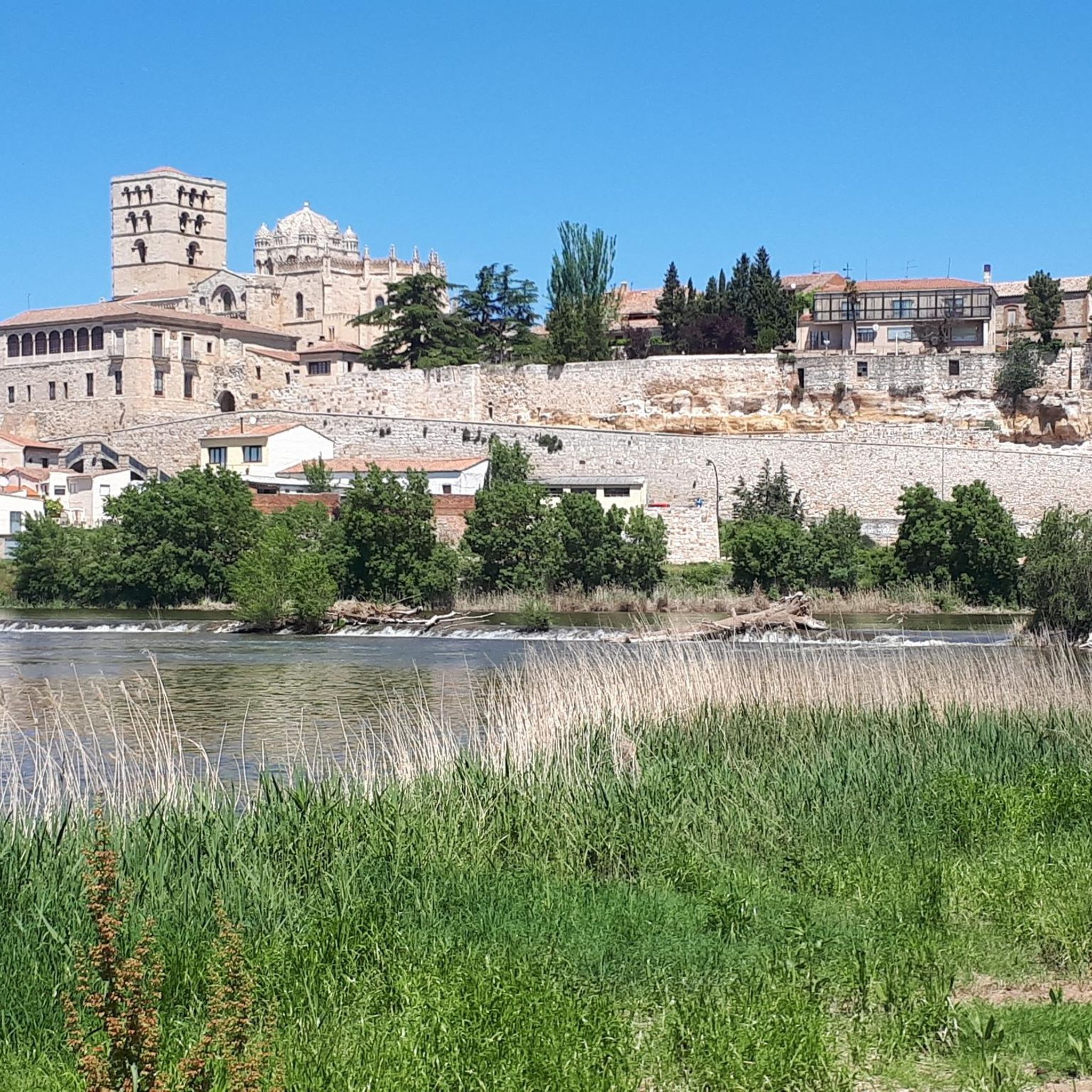
The Requejo Bridge, also known as the Pino Bridge, is a jewel of historical engineering located in Villadepera (Zamora) over the Duero River, within the Arribes del Duero Natural Park. Year of inauguration: 1914. Designed by the engineer José Eugenio Ribera, a pioneer in the use of reinforced concrete in Spain. It was built to connect the Aliste and Sayago regions, facilitating communication between Zamora and Portugal.
2
0

This viewpoint over the Duero and its cliffs is very close to the town of Aldeia Nova. From the centre of the town you have to descend about 2 km until you reach the hermitage and the viewpoint. If you arrive by car, you can leave it at the exit of the town and you will only have to walk 1 km to reach the viewpoint.
0
0
The Miradouro da Capela de São João das Arribas is located in the Douro International Natural Park, near the Aldeia Nova. This viewpoint offers stunning views of the Douro River and the rugged rock formations that surround it.
8
0
The Miradouro da Capela de São João das Arribas is located in the Douro International Natural Park, near the Aldeia Nova. This viewpoint offers stunning views of the Douro River and the rugged rock formations that surround it.
9
0

Steep gravel path but worth it
1
0
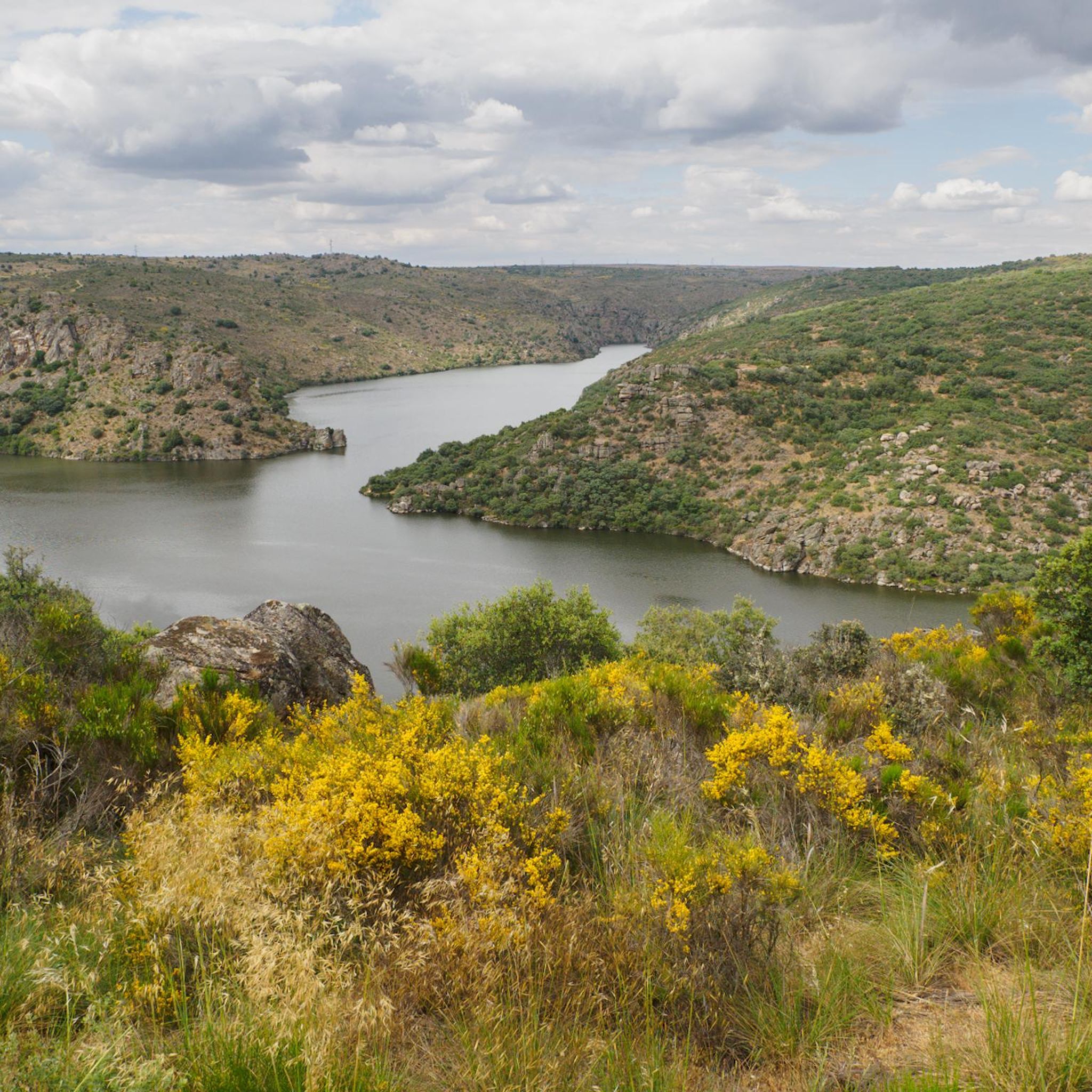
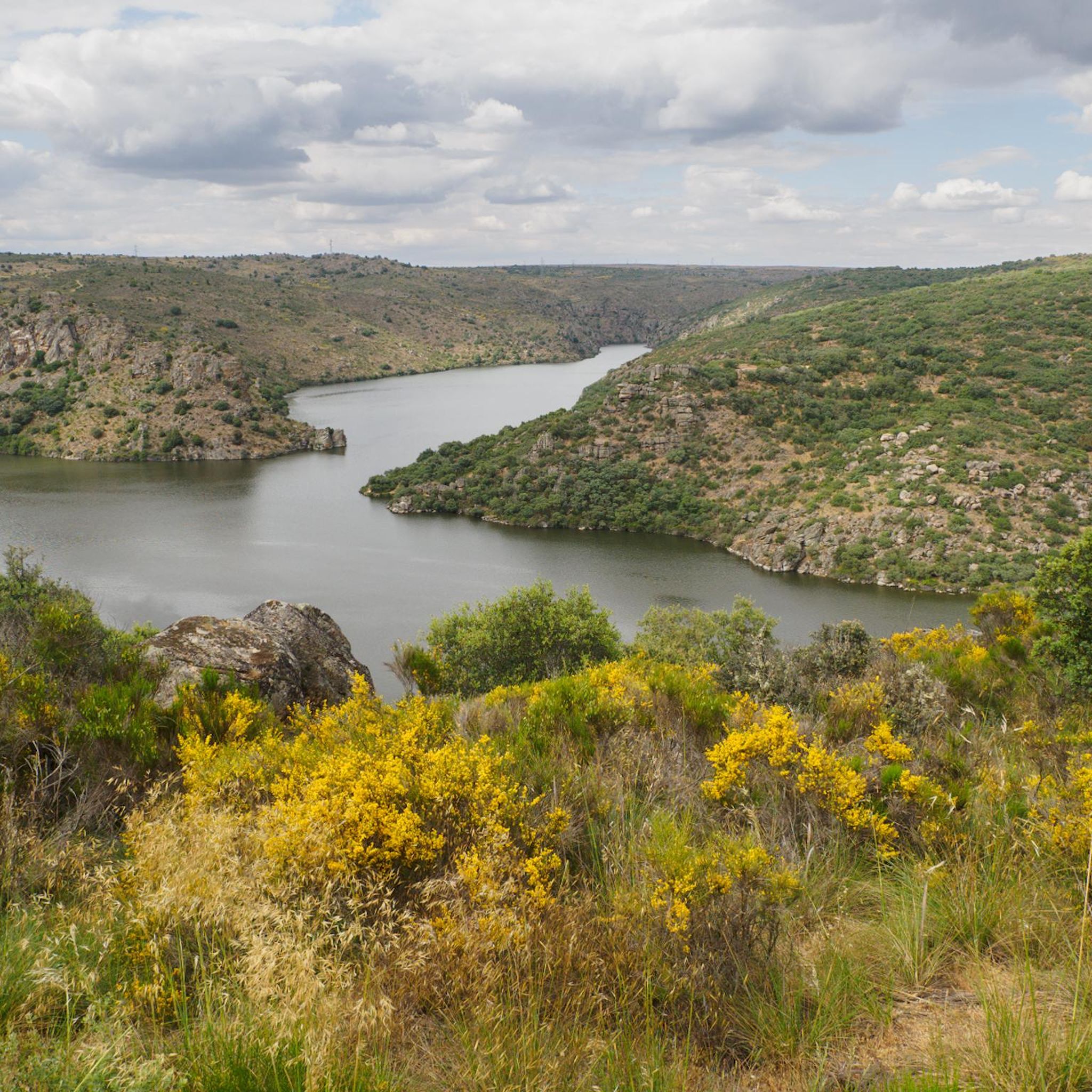
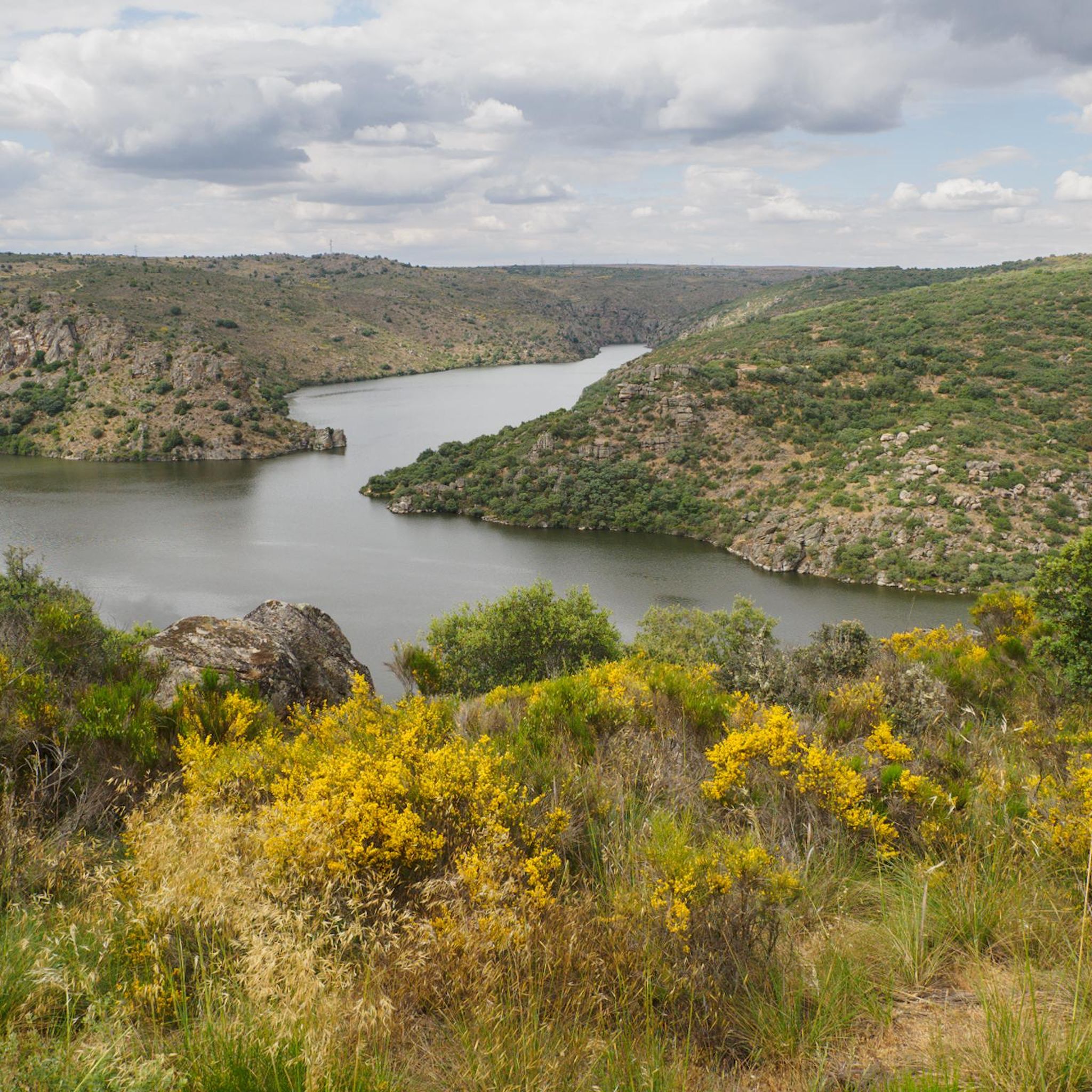
The Mirador del Hullón is one of the natural treasures found in the Sayago region, on the Zamora slope of the Arribes del Duero. This viewpoint, located in Villadepera, offers unparalleled panoramic views and is one of the most photographed places in the area.
3
0

The Hullón viewpoint has a wooden bench with a privileged view of the Duero River as it passes through the impressive Arribes de Duero Natural Park, where it flows through a spectacular gorge.
1
0
Frequently Asked Questions
What are the main natural features of the canyons around Villalcampo?
The canyons around Villalcampo are primarily the dramatic gorges carved by the Duero River, known locally as the 'Arribes'. These are characterized by imposing granite and slate cliffs that rise steeply from the riverbanks, reaching significant heights. The deep incision of the river creates a unique microclimate, allowing Mediterranean vegetation like olive and almond trees, and vineyards, to thrive. The area is also rich in biodiversity, serving as a crucial habitat for various raptors and other wildlife.
Which viewpoints offer the best panoramic views of the canyons?
Several viewpoints provide stunning vistas of the Duero River canyons. The São João das Arribas Viewpoint, located in the Douro International Natural Park, offers rugged rock formations and river views. Another highly regarded spot is the Mirador del Hullón in Villadepera, known for its panoramic views and a unique bench overlooking the calm Duero River near the Villalcampo dam. Additionally, the View of the Duero River from Mirador de Los Pueyos also provides a beautiful perspective.
Are there any historical or cultural landmarks within the canyon area?
Yes, the region combines natural beauty with historical engineering. The Requejo Bridge, also known as the Pino Bridge, is a notable historical engineering marvel over the Duero River. Built in 1914, it connects the Aliste and Sayago regions within the Arribes del Duero Natural Park and offers views of the granite cliffs. Beyond this, the area features charming traditional villages and ancient settlements.
What is the best time of year to visit the Villalcampo canyons?
The ideal times to visit the Villalcampo canyons are spring and autumn. In spring, the landscape is particularly vibrant with almond trees in blossom, and the weather is pleasant for outdoor activities. Autumn also offers beautiful scenery and comfortable temperatures for hiking and exploring the natural park.
What kind of wildlife can I expect to see in the Arribes del Duero Natural Park?
The Arribes del Duero Natural Park is a Special Protection Area for birds and boasts exceptional biodiversity. You can expect to see a variety of raptors, including griffon vultures, Egyptian vultures, golden eagles, Bonelli's eagles, and black storks nesting in the canyon walls. Mammals such as otters, martens, foxes, and wild boars also inhabit the area.
Are there hiking trails suitable for families or beginners near Villalcampo?
While specific family-friendly trails are not detailed, the Arribes del Duero area, including the general Arribes del Duero gorge, is suitable for hiking. Many routes within the park, including sections of the GR-14 (Douro Trail) and smaller paths, allow visitors to explore. For easy running routes, you can explore options like the Molinos de la Rivera de los Arroyos — running circular from Moral de Sayago, which is rated as easy.
What outdoor activities can I do near these canyons besides hiking?
Beyond hiking, the region offers a variety of outdoor activities. You can enjoy mountain biking on trails like those found in the MTB Trails around Villalcampo guide, which includes routes such as 'Moral de Sayago and Molino de La Viñuela from Salto de Villalcampo'. Road cycling is also popular, with routes like 'Villadepera – tour around Miranda do Duoro' available in the Road Cycling Routes around Villalcampo guide. Birdwatching is a major draw, and boat trips on the Duero River provide a unique perspective of the towering cliffs.
Is it possible to explore the canyons by boat?
Yes, exploring the canyons from the river level via boat trips is a popular and immersive way to experience the towering cliffs and natural beauty of the Arribes del Duero. This offers a unique perspective of the deeply incised valleys.
Are there any specific permits required for hiking or canyoning in the Arribes del Duero Natural Park?
The provided information does not specify permits for general hiking. However, for certain specialized activities like canyoning, or access to very sensitive areas, it's always advisable to check with the park authorities directly. For general information about the park, you can refer to resources like Wikipedia's page on Arribes del Duero Natural Park.
What is the significance of the Villalcampo Dam in the canyon area?
The Villalcampo Dam and reservoir, also known as 'Salto de Villalcampo', is a significant hydroelectric engineering work located on the Duero River, about 6 kilometers from the town of Villalcampo. It is one of several 'Saltos del Duero' that utilize the river's flow for hydroelectric purposes within the canyon system. The dam contributes to the regulated flow of the Duero, which can be observed from viewpoints like the Mirador del Hullón.
What do visitors enjoy most about the canyons around Villalcampo?
Visitors particularly appreciate the spectacular landscapes and panoramic views from the various viewpoints. The tranquility and natural beauty of the Arribes del Duero offer an ideal escape. Many also enjoy the rich biodiversity, especially for birdwatching, and the diverse opportunities for outdoor activities like hiking and mountain biking. The unique microclimate and the charming traditional villages also add to the overall appeal.
Most popular attractions around Villalcampo

Get inspired with the komoot mobile app


Explore more
Already discovered everything in this region? See additional gorges around Villalcampo for your next adventure:
