Top 5 Caves around Ramales De La Victoria
Best caves around Ramales De La Victoria are found in a region known for its significant prehistoric cave art and geological formations. This municipality in Cantabria, Spain, offers a rich underground heritage, particularly with its Paleolithic sites. The area is characterized by karst landscapes, providing a diverse range of cave experiences for visitors.
Best caves around Ramales De La Victoria
- The most popular caves is Cullalvera Cave, a cave that is part of a 12-kilometer karst complex with immense…
Last updated: August 13, 2026
Cullalvera Cave
Highlight • Cave
Translated by Google •
Tip by

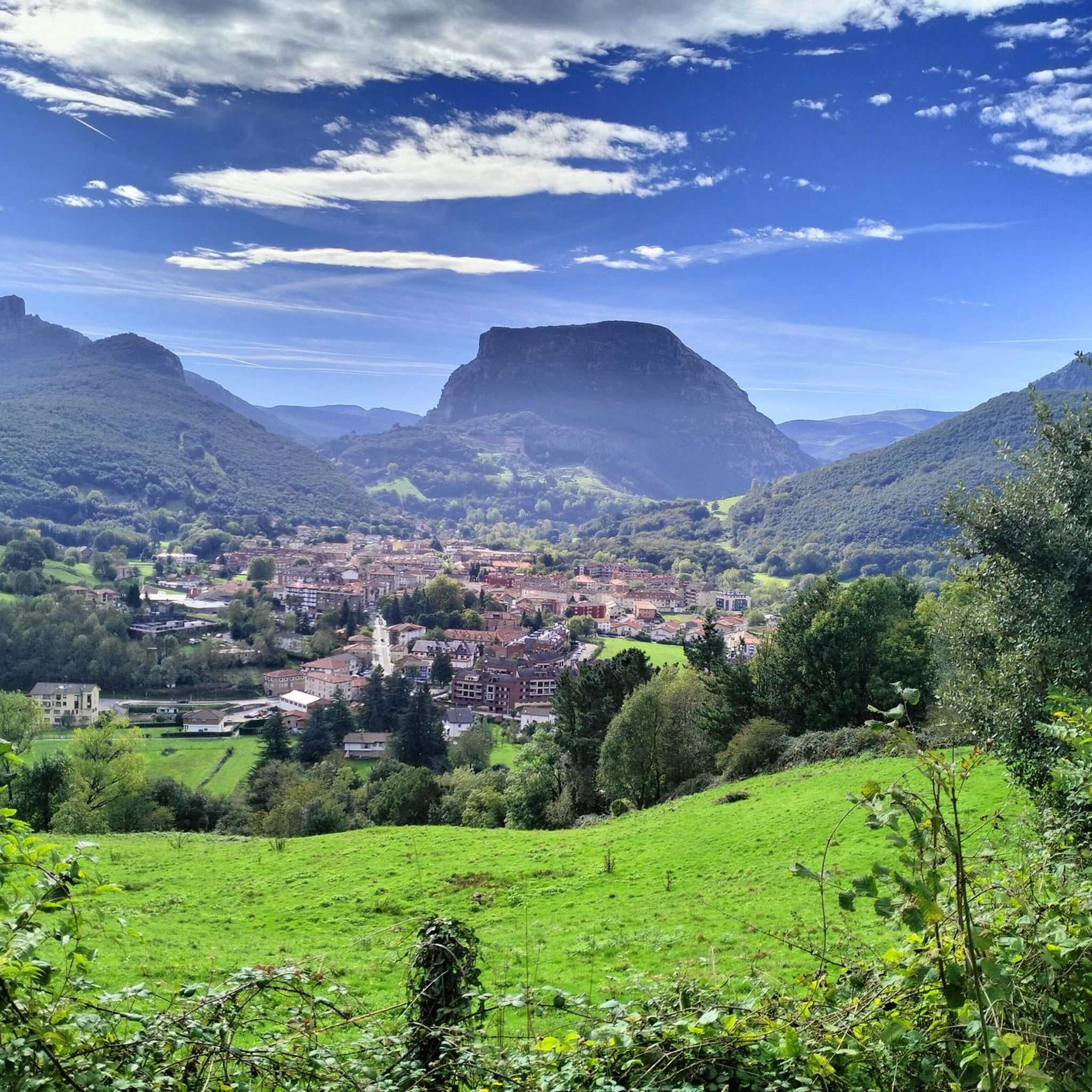
Ramales de la Victoria
Highlight • Settlement
Translated by Google •
Tip by

Sign up now to discover places like this
Get recommendations on the best single tracks, peaks, & plenty of other exciting outdoor places.
Sign up for free
Menhir Yelso de Hayas
Highlight • Monument
Translated by Google •
Tip by

Cubera Cave
Highlight • Cave
Translated by Google •
Tip by

Pozalagua Cave
Highlight • Cave
Translated by Google •
Tip by

Sign up for free to discover even more caves around Ramales De La Victoria.
Sign up for free
Already have an account?
Start today with a free account
Your next adventure awaits.
Login or Signup
Tips from the Community

Today we made the official visit to the cave, it's a pity they didn't let us take photos inside.
2
0

The Pozalagua cave is known for housing the largest collection of eccentric stalacticts in the world. Observing this curious phenomenon of nature is well worth a visit to the cave, considered an "underground cathedral". It is necessary to buy tickets and the visit lasts about 50 minutes. Keep in mind that it is quite cold inside the cave.
1
0

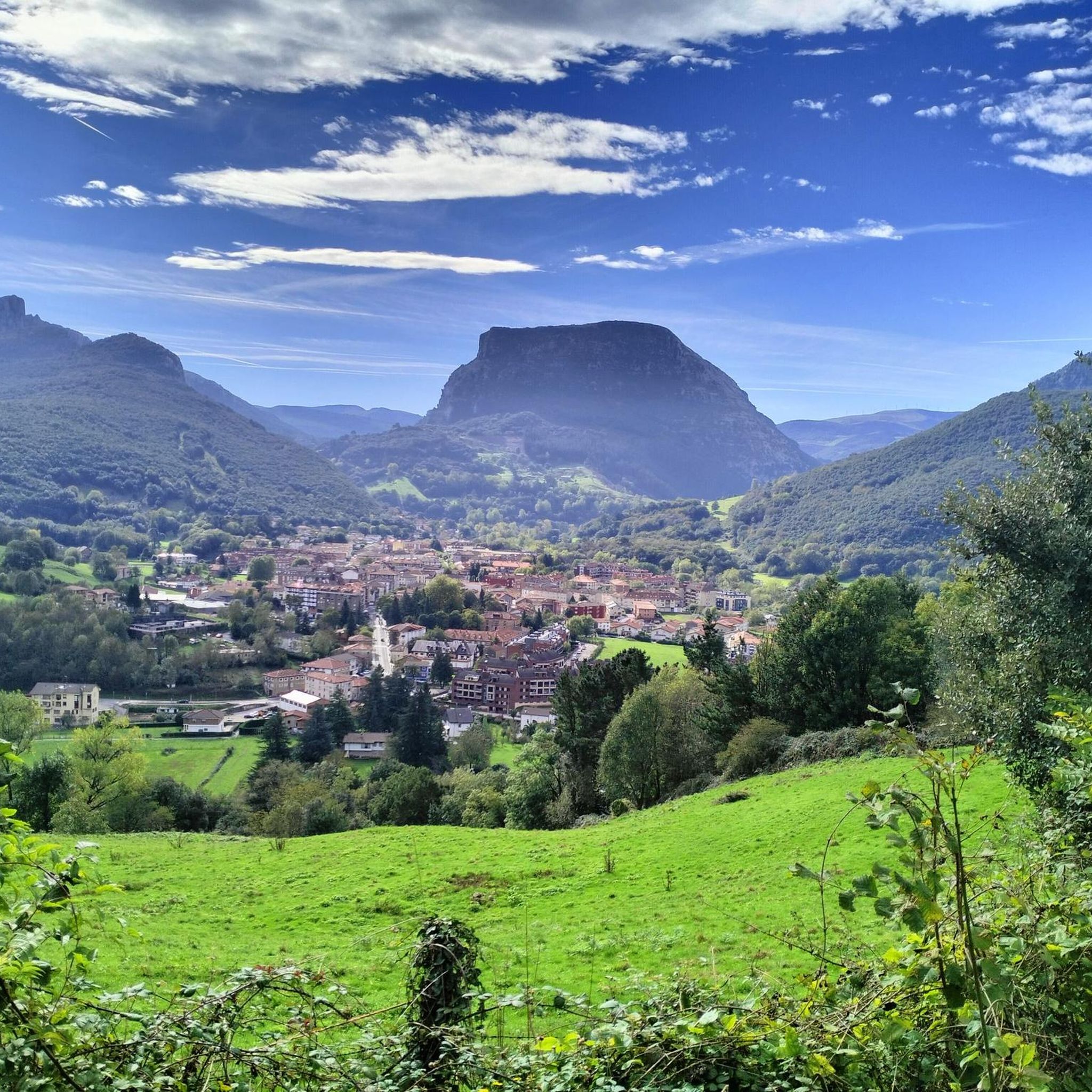
Ramales has well-preserved architecture, with some Indian mansions with beautiful gardens and gates. The Revillagigedo palace (18th century) stands out. However, its most valuable heritage is the group of caves located at the beginning of the century by Alcalde del Río: Covalanas, La Haza, Cullalvera and Sotarriza house magnificent cave paintings inside.
1
0

Just amazing and a ride for the whole family! It is a complex of karstic caves 12 km long with cavities of immense dimensions of up to 14 x 28 meters in some sectors. The water has been forming these incredible caves that fortunately today can be visited and explored. It is necessary to purchase tickets online, you can check here: https://cuevas.culturadecantabria.com/cullalvera-esp/
1
0
Also known as "high cairn", the menhir is approximately 3 meters high and is made of sandstone. It is estimated that it was buried by the inhabitants of the area more than 5,000 years ago.
2
0
In the middle of the Asón river path, on the way to Arredondo.
0
0

The Cubera cave is located at kilometer 2.8 of the road that goes from Arredondo to La Sia and its mouth is at the same level as the road and it has a spring that drains its waters from the currents of the system that predominates in the cave. zone. This cavity is divided into three zones according to its characteristics. Thus we have: The Fossil Network of the Sima de Cueto which is characterized by having huge corridors in which there is no water around it and the ground is made up of large stone blocks which makes it difficult to transit through this area. Another section is the Intermediate Network which is made up of a large number of caves and labyrinth-like paths, these suppose an excavation after the waters and has several levels, these connect the Sima del Cueto and La Coventosa. The third section in the Coventosa Gallery, which is located next to the previously described labyrinthine area, communicates with almost all the galleries as well as with the Cubera spring. Information taken from: https://www.viajarporcantabria.com/la-cueva-de-cubera/
3
0
In an exit of the town, totally accessible and in a fantastic environment.
2
0
Frequently Asked Questions
What makes the caves around Ramales De La Victoria unique?
The caves in Ramales De La Victoria are renowned for their exceptional prehistoric art, particularly Paleolithic paintings, and impressive geological formations. The region is part of a significant karst landscape, offering a diverse range of underground experiences from ancient art sites to vast cave systems.
Which caves in Ramales De La Victoria feature prehistoric art?
The Ramales de la Victoria area is home to several caves with prehistoric art. Notably, Covalanas Cave (mentioned in region research) is celebrated for its well-preserved rock paintings, primarily red deer, dating back to the Solutrean period. Cullalvera Cave also contains prehistoric paintings, though these are typically viewed via an audiovisual presentation.
Are there family-friendly caves to visit in Ramales De La Victoria?
Yes, Cullalvera Cave is an excellent option for families. It features a developed walkway, making it accessible for people with reduced mobility, and offers a dramatic experience with its immense size and an immersive audiovisual show detailing its history and prehistoric art.
Do I need to book tickets in advance for cave visits in Ramales De La Victoria?
Yes, it is highly recommended to book tickets in advance for popular caves like Covalanas and Cullalvera to ensure entry, especially since Covalanas has restricted access for small groups to preserve its delicate paintings. For Cullalvera Cave, tickets can be purchased online.
What are the geological highlights of the caves in this region?
The caves around Ramales De La Victoria offer spectacular geological features. Cullalvera Cave is known for its massive dimensions and impressive stalactites and columns. Pozalagua Cave is particularly famous for housing one of the world's largest collections of eccentric stalactites, a unique natural phenomenon.
What should I wear when visiting the caves?
Caves maintain a consistently cool temperature regardless of the outside weather. It is advisable to wear warm clothing, even during summer, as mentioned for Covalanas and Pozalagua Cave. Comfortable, closed-toe shoes are also recommended for walking on potentially uneven or damp surfaces.
Are there guided tours available for the caves?
Yes, guided tours are available for several caves. Covalanas Cave requires visitors to be accompanied by a guide due to its restricted access. Pozalagua Cave also offers a guided tour lasting approximately 50 minutes.
What outdoor activities can I do near the caves in Ramales De La Victoria?
The area around Ramales De La Victoria offers various outdoor activities. You can find numerous routes for hiking, such as the Senda de la Dama Roja Trail or a circular route from Camping La Barguilla to Cullalvera Cave. There are also options for cycling and running, with routes like the La Sía Pass loop for cyclists.
How long does it typically take to explore the caves?
The duration of a cave visit varies. For instance, the guided tour at Pozalagua Cave lasts about 50 minutes. Covalanas Cave, with its intimate guided experience, also has a specific duration for its small groups. For larger caves like Cullalvera Cave, the experience including the audiovisual presentation can take longer.
Are there any challenging cave systems for experienced cavers?
Yes, the region offers more challenging cave systems. Cubera Cave, for example, is described as having a complex network of galleries, including a fossil network with large stone blocks that make transit difficult, and an intermediate network with labyrinth-like paths. These areas are suitable for more experienced explorers.
What is the best time of year to visit the caves in Ramales De La Victoria?
Caves maintain a stable internal temperature year-round, making them a suitable destination in any season. However, visiting during spring or autumn might offer more comfortable weather for outdoor activities before or after your cave exploration. It's always wise to check opening hours and book in advance, especially during peak tourist seasons.
What historical significance do the caves hold beyond prehistoric art?
Beyond their Paleolithic art, some caves have other historical relevance. Cullalvera Cave, for instance, was known since ancient times due to its large size and was even used during the Spanish Civil War as a vehicle park, adding another layer to its rich history.
Most popular routes around Ramales De La Victoria
Most popular attractions around Ramales De La Victoria

Get inspired with the komoot mobile app


Explore more
Extend your search for the best caves by checking out these guides of the top ones around Ramales De La Victoria:
