Top 6 Caves around Gallinero De Cameros
Caves near Gallinero de Cameros are primarily found in the wider Cameros region of La Rioja, a picturesque area known for its traditional architecture and natural landscapes. Gallinero de Cameros itself is a municipality situated within this region, characterized by its mountainous terrain and scenic beauty. The area's geological features include karstic processes that have formed various chasms and caves. While specific notable caves are not directly within Gallinero de Cameros, the nearby town of Ortigosa de Cameros offers accessible…
Last updated: July 3, 2026
Ortigosa de Cameros
Highlight • Settlement
Translated by Google •
Tip by

CuevaMesa
Highlight • Cave
Translated by Google •
Tip by

Sign up now to discover places like this
Get recommendations on the best single tracks, peaks, & plenty of other exciting outdoor places.
Sign up for free
CuevaLobrega-I
Highlight • Cave
Translated by Google •
Tip by
Cueva Ventana
Highlight • Cave
Translated by Google •
Tip by

Start today with a free account
Your next adventure awaits.
Login or Signup
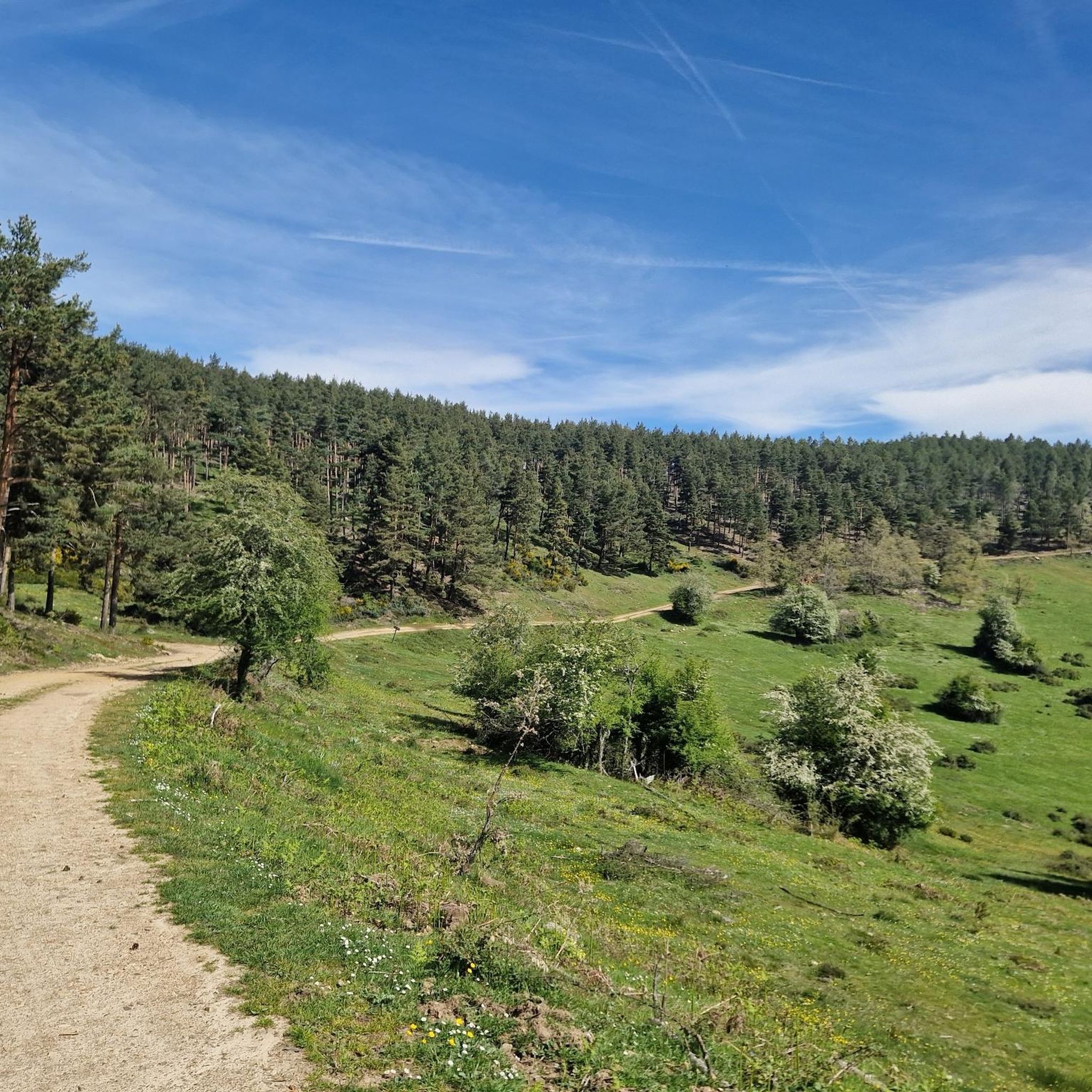

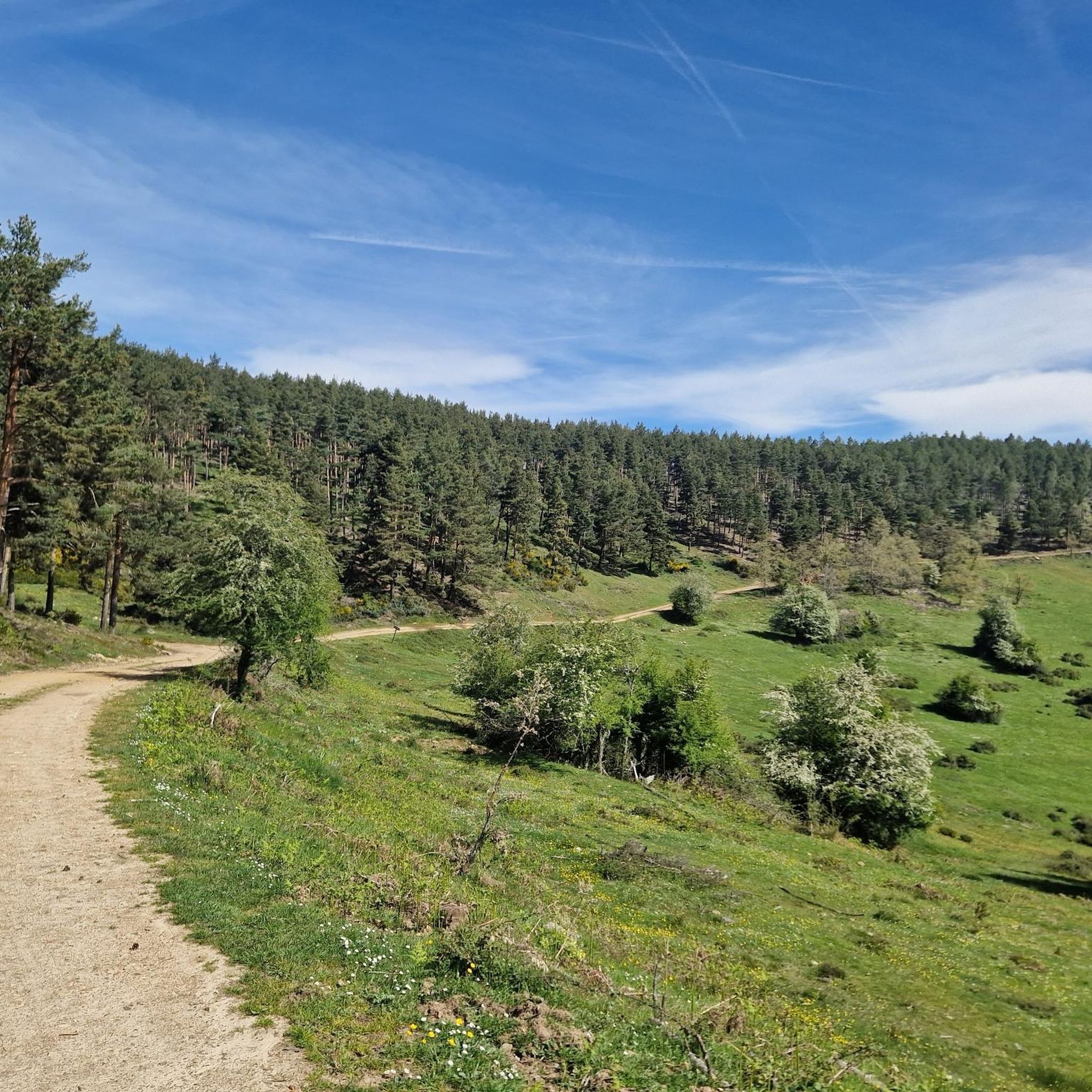
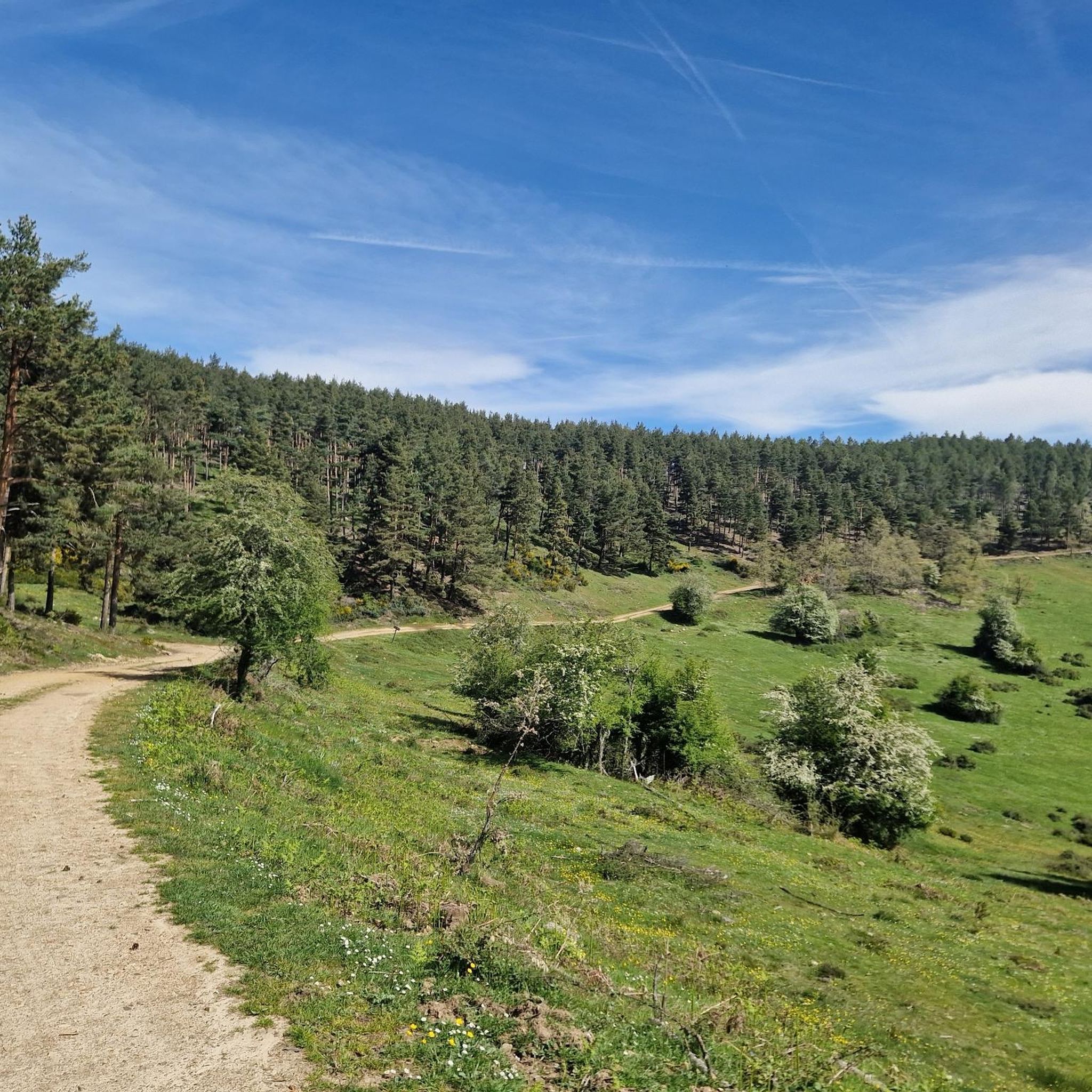
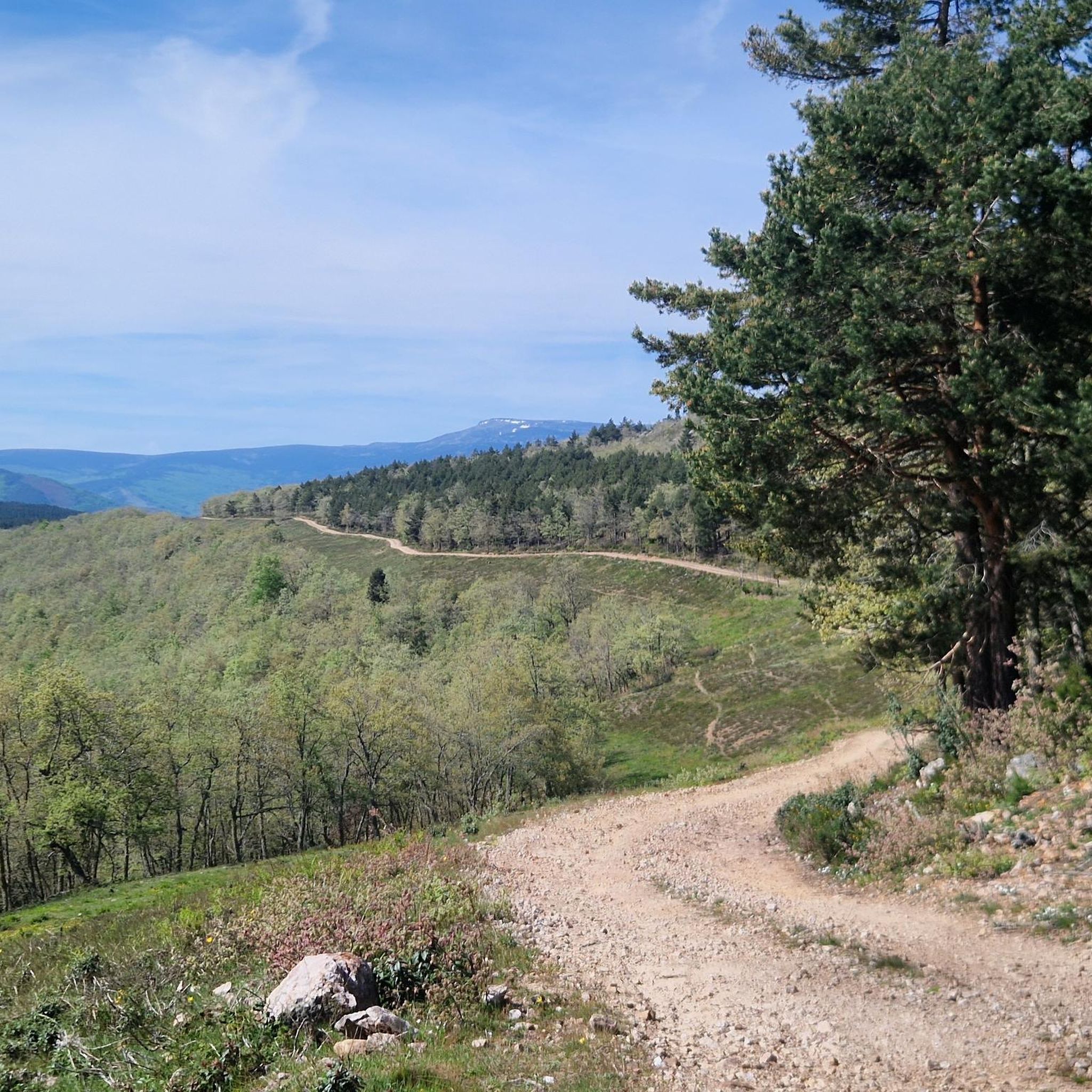
Tips from the Community

One of the most beautiful mountain villages in the Cameros region. Filled with stone houses, it is located on the slopes of a natural canyon, the Encinedo massif. This ravine was formed through a karstic process that gave rise to several chasms and caves. Two of them can be visited, the one in La Paz and the one in La Villa.
1
0

Important town of the region of Cameros.
1
0

Curiously, it is just 50 meters from Cueva Mesa and Cueva Silla, no joke. Nearby there is a sign that says Cueva Lóbrega.
0
0
Curiously, it is just 50 meters from Cueva Mesa and Cueva Silla. Nearby there is a sign that says Cueva Lóbrega.
1
0

I have to admit that I didn't find any cave there, the most I did was peek at some area that could have a hole, but getting as far as I got was a real ordeal of spikes and boxwoods. I don't recommend trying it.
1
0
The cavity is nice, but the effort to get up ... whew, it was full of spikes and stuff. I do not recommend going up.
1
0
Small hole that is awfully hard to get to, due to the weeds and the spikes. In my opinion it is not worth the effort.
1
0
Second entrance to the cave, this is the most impressive, I have heard that it has more than 400 meters to go, although I do not think I walked more than 50-100 meters, just until I reached a rope/ladder, and that already It was scary, because he was alone. the cave is impressive
1
0
Frequently Asked Questions
What are the main accessible caves near Gallinero de Cameros?
The most notable accessible caves in the wider Cameros region are the Caves of Ortigosa, located in the nearby town of Ortigosa de Cameros. These consist of two main caves, the Cueva de la Paz and the Cueva de la Viña, both open to the public.
What makes the Cueva de la Paz unique?
The Cueva de la Paz offers a well-conditioned and illuminated itinerary, showcasing beautiful stalactite formations, columns, stalagmites, and flags. The varying mineral content in the water creates a multicolored effect, with browns from clay, orange and yellow from iron oxide, and intense white from pure calcium carbonate.
What can I expect to see in Cueva de la Viña?
Cueva de la Viña is known for the whiteness and amplitude of its stalactites, many of which merge with stalagmites to form impressive columns. Archaeological remains from the Bronze Age have also been discovered within this cave, suggesting ancient habitation.
Are there more challenging or undeveloped caves for experienced explorers?
Yes, beyond the publicly accessible caves, the region offers more challenging natural caves. For instance, CuevaLobrega-I serves as an entrance to a larger system with sections extending over 400 meters. Other challenging spots include Cueva Ventana and CuevaMesa, though access to these can be difficult due to vegetation.
Are the caves near Gallinero de Cameros suitable for families?
The Caves of Ortigosa (Cueva de la Paz and Cueva de la Viña) are generally family-friendly, offering guided tours in well-conditioned and illuminated environments. They provide an educational and engaging experience for visitors of all ages.
Can I bring my dog to the caves or nearby trails?
While specific rules for dogs inside the Caves of Ortigosa are not detailed, it's generally advisable to check directly with the cave management. However, the wider Cameros region offers numerous dog-friendly hiking trails where you can enjoy the natural landscapes with your pet. Always keep dogs on a leash and clean up after them.
How do I get to the Caves of Ortigosa?
To reach the Caves of Ortigosa, you can cross the Puente de Hierro (Iron Bridge) from the Santa Lucía hermitage or follow the Escalerones path from the main square in Ortigosa de Cameros. The town itself is accessible by road.
Is there parking available near the caves?
Yes, parking is available in Ortigosa de Cameros, the town where the main accessible caves are located. From there, you can walk to the cave entrances.
Do I need a guide to visit the caves?
For the accessible Caves of Ortigosa, guided tours are available and recommended to fully appreciate their geological history and unique formations. For more challenging, undeveloped caves like CuevaLobrega-I, a local guide or experienced speleologist is essential for safety.
What should I wear when visiting the caves?
Inside the caves, temperatures are consistently cool, so it's advisable to wear layers, even in summer. Comfortable, sturdy shoes with good grip are essential due to potentially uneven and damp surfaces. For challenging, undeveloped caves, specialized caving gear is required.
What is the best time of year to visit the caves and the surrounding area?
The caves can generally be visited year-round, but the surrounding natural landscapes of the Cameros region are particularly pleasant during spring and autumn for outdoor activities like hiking, when the weather is mild. Summer offers warmer temperatures for exploring the villages and trails, while winter can bring snow to higher elevations.
What other outdoor activities can I do near the caves around Gallinero de Cameros?
The Cameros region offers a variety of outdoor activities. You can explore numerous hiking trails, ranging from easy to difficult, such as the GR 190: Altos Valles Ibéricos Loop or the Laguna de La Nava loop. There are also extensive MTB trails and road cycling routes, including challenging climbs and scenic loops through the valleys. For more hiking options, see the Hiking around Gallinero De Cameros guide.
Are there any historical or archaeological points of interest in the caves?
Yes, the Cueva de la Viña in Ortigosa de Cameros has archaeological significance, with remains from the Bronze Age discovered within its chambers, indicating its use by ancient inhabitants.
Most popular attractions around Gallinero De Cameros

Get inspired with the komoot mobile app


Explore more
Extend your search for the best caves by checking out these guides of the top ones around Gallinero De Cameros:
