Top 7 Gorges around Talveila
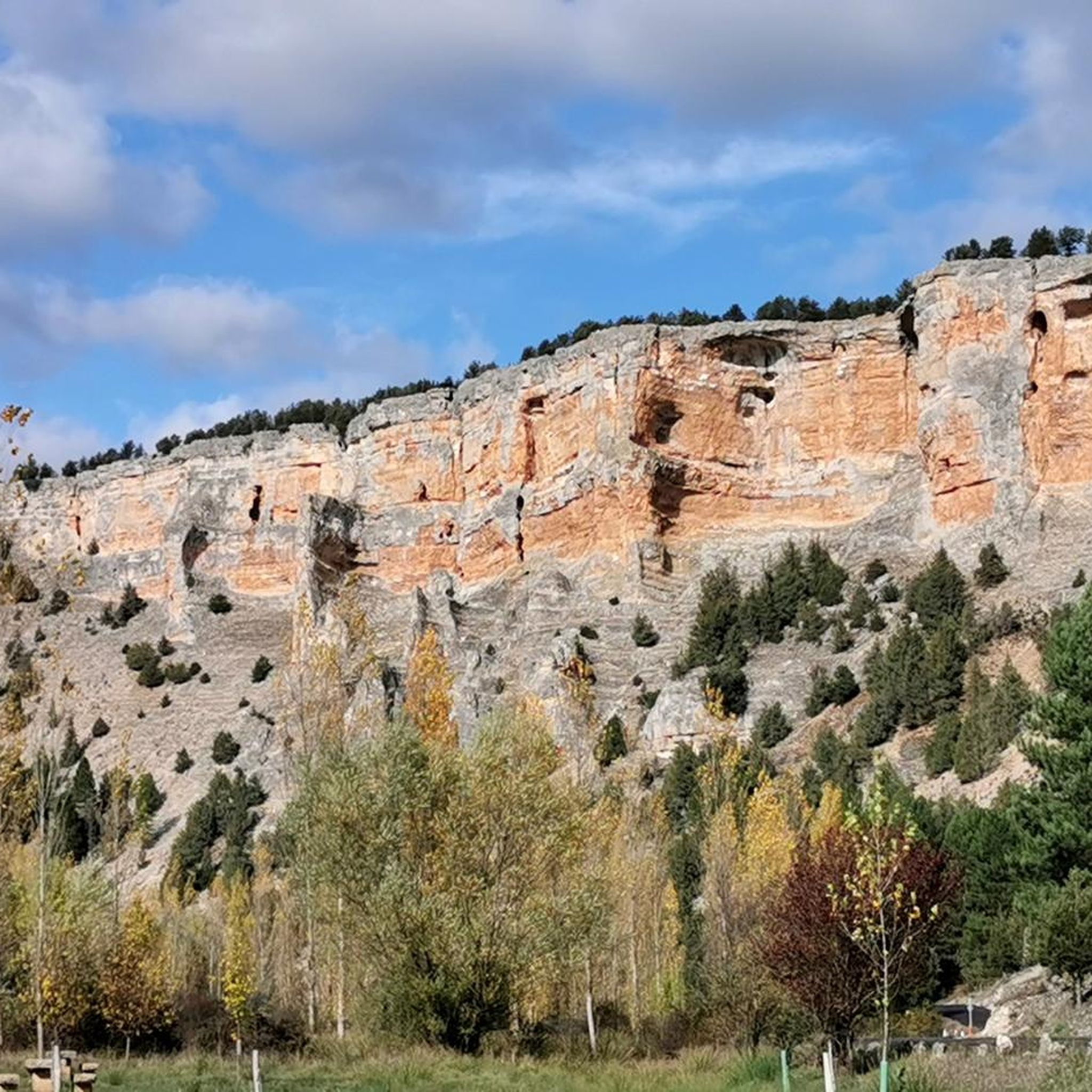
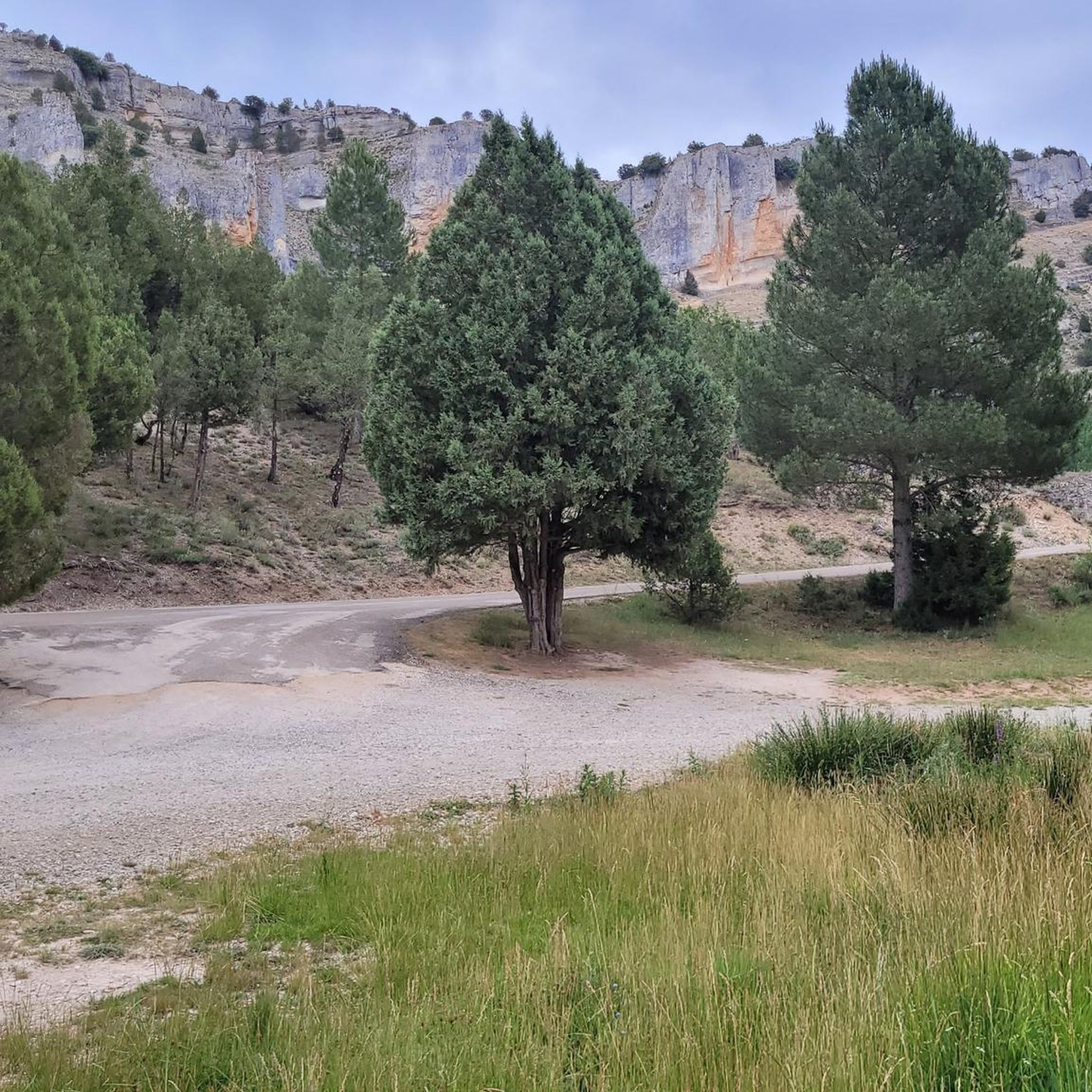
Canyons around Talveila are primarily defined by the Cañón del Río Lobos Natural Park, a significant natural attraction in the province of Soria. This area features a deep, winding canyon carved by the Lobos River, characterized by towering limestone cliffs and diverse geological formations. The region also includes La Fuentona de Muriel, a notable karstic spring and cave system. These natural sites offer a blend of impressive landscapes and ecological value, making the area a destination for outdoor exploration.
Best…
Last updated: July 3, 2026
Hermitage of Saint Bartholomew
Highlight • Religious Site
Translated by Google •
Tip by

Gullurías Viewpoint
Highlight • Viewpoint
Translated by Google •
Tip by
Sign up now to discover places like this
Get recommendations on the best single tracks, peaks, & plenty of other exciting outdoor places.
Sign up for free
Cueva Grande (Río Lobos Canyon)
Highlight • Cave
Translated by Google •
Tip by

Devil's Eye (Natural Rock Arch)
Highlight • Natural Monument
Translated by Google •
Tip by
Boca del Ocejo
Highlight • Gorge
Translated by Google •
Tip by

Sign up for free to discover even more gorges around Talveila.
Sign up for free
Already have an account?
Start today with a free account
Your next adventure awaits.
Login or Signup

Tips from the Community

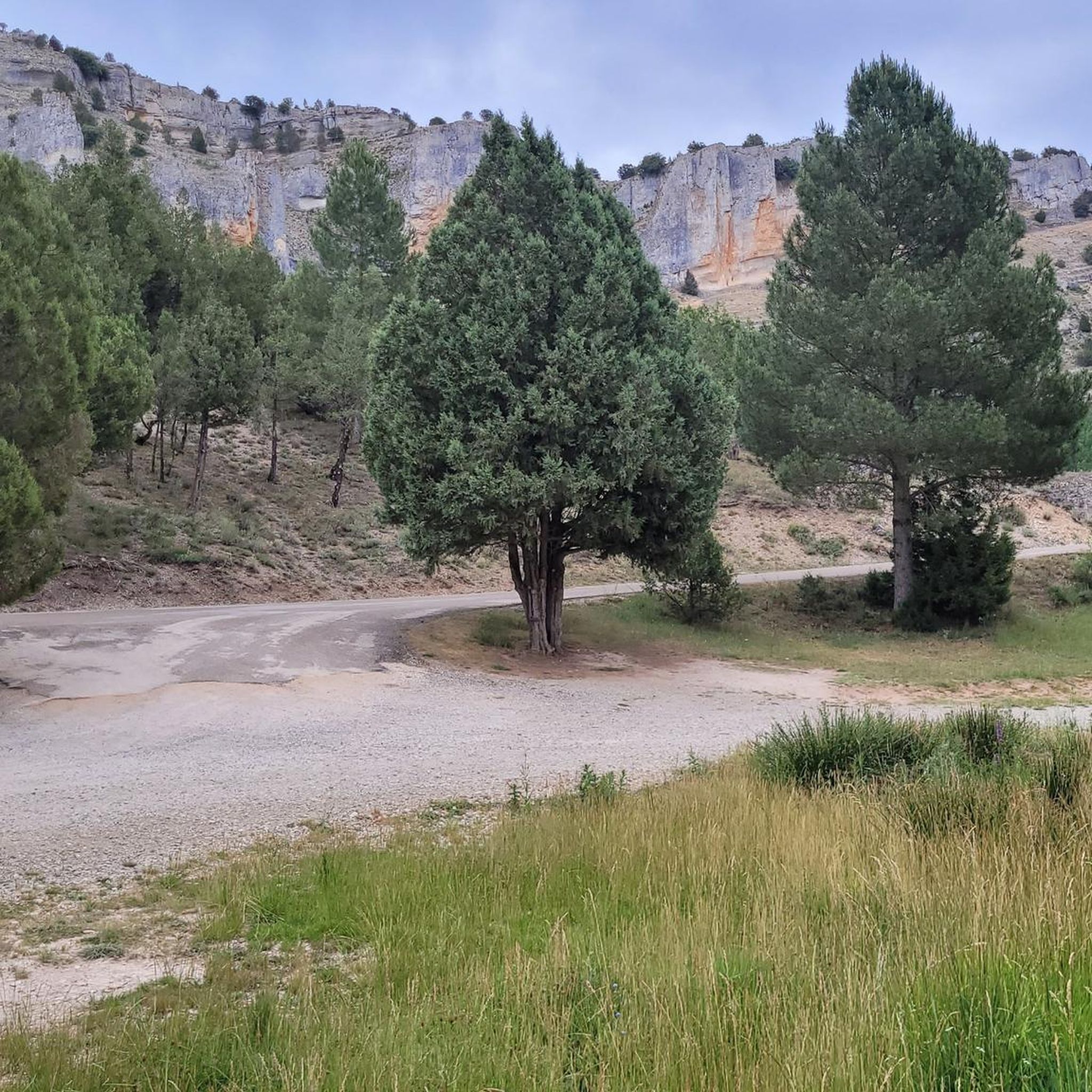
The Gullurías Viewpoint is a spectacular vantage point located in the Cañón del Río Lobos Natural Park. From the viewpoint, you can see the pine forests of Soria and Burgos, as well as the peaks of the Iberian System, including Urbión Peak.
4
0
The Hermitage of San Bartolomé is a fascinating church located in the Cañón del Río Lobos Natural Park, in the communities of Herrera de Soria, Nafría de Ucero, and Ucero. Built in the first quarter of the 13th century, in a style that transitions from Romanesque to Gothic.
4
0

Bullías trail, a very nice circular hiking route
0
0
The large cave, a large cavity in an idyllic landscape, which is the surroundings of the hermitage of San Bartolomé
0
1
The number of times I've climbed up there
0
0
Another beautiful trail runs through here, the PRC SO-49, the Cañada Real de las Merinas Trail.
1
0

Remarkable 13th-century hermitage with transitional Romanesque architecture and Arabic influences in its two rose windows. The best thing is its location, in a beautiful spot at the southern end of the Río Lobos Gorge. The parking lot is one kilometer away and the path to the hermitage is easy and pleasant, flat, along the Lobos River
1
0
Impressive cave created by nature over millions of years
1
0
Frequently Asked Questions
What are the main natural attractions in the canyons around Talveila?
The primary natural attraction is the Cañón del Río Lobos Natural Park, featuring deep, winding canyons carved by the Lobos River with towering limestone cliffs. You can also explore unique geological formations like the natural rock arch known as Devil's Eye. Nearby, La Fuentona de Muriel is a notable karstic spring and cave system, though not a canyon itself, known for its unique turquoise waters.
Are there any historical or cultural sites within the canyons near Talveila?
Yes, within the Cañón del Río Lobos, you can find the Hermitage of Saint Bartholomew, a Romanesque and proto-Gothic chapel from the 13th century with Templar origins. Near the hermitage is also Cueva Grande, a natural cave with legends and historical significance.
What kind of wildlife can I expect to see in the Cañón del Río Lobos Natural Park?
The Cañón del Río Lobos Natural Park is a Special Protection Area for birds. You can often spot griffon vultures, golden eagles, Egyptian vultures, and falcons nesting in the cliffs. Mammals such as roe deer, wild boars, foxes, and otters also inhabit the park.
What are the best viewpoints to experience the canyons around Talveila?
For a different perspective of the natural park, consider visiting the Gullurías Viewpoint. From here, you can see the pine forests of Soria and Burgos, as well as peaks of the Iberian System. The area around the Devil's Eye (Natural Rock Arch) also offers beautiful views into the canyon.
Are there family-friendly activities or trails in the canyons near Talveila?
Yes, several areas are suitable for families. The Hermitage of Saint Bartholomew is considered family-friendly, and the paths around La Fuentona de Muriel offer an easy and pleasant walk. The Boca del Ocejo also features a beautiful, well-signposted trail suitable for families.
What is the best time of year to visit the canyons around Talveila?
The canyons are beautiful year-round, but spring and autumn offer pleasant temperatures for hiking and enjoying the changing foliage. Summer can be warm, while winter provides a quieter, often snow-dusted landscape, though some trails might be more challenging.
Are there hiking trails near the canyons around Talveila?
Absolutely. The Cañón del Río Lobos Natural Park is ideal for hiking, with various marked trails. You can find routes like 'Cañón del Río Lobos, Senda de las Gullurías y Ermita de San Bartolomé' or 'Valdecea Pond and Cliffs – Hermitage of Saint Bartholomew loop from Ucero'. For more options, explore the hiking guide for Talveila.
What other outdoor activities can I do near these canyons?
Beyond hiking, the region offers opportunities for cycling. You can find gravel biking routes such as 'Ucero – Río Lobos loop from Valdelinares' in the gravel biking guide, or road cycling routes like 'Cañón del Río Lobos and Calatañazor Loop' in the road cycling guide for Talveila.
Is wild swimming permitted in the canyons or at La Fuentona de Muriel?
While the waters are inviting, wild swimming is generally prohibited in protected areas like La Fuentona de Muriel due to its ecological value and the dangers of its complex underwater cave system. It's best to enjoy the natural beauty from the accessible paths.
What do visitors enjoy most about the canyons around Talveila?
Visitors frequently praise the impressive landscapes, the serene atmosphere, and the blend of natural beauty with historical intrigue. The unique setting of the Hermitage of Saint Bartholomew and the dramatic geological formations like the Devil's Eye are particularly popular.
Are there any specific permits required to visit the Cañón del Río Lobos Natural Park?
Generally, no specific permits are required for general access to the Cañón del Río Lobos Natural Park for hiking or sightseeing. However, certain activities like speleodiving in La Fuentona's underwater caves require special authorization due to safety and conservation concerns.
Can I bring my dog to the canyons near Talveila?
Many natural parks in Spain, including Cañón del Río Lobos, allow dogs on trails, usually on a leash. It's always recommended to check specific park regulations or signage upon arrival, especially concerning protected wildlife areas, to ensure a pleasant visit for everyone.
Most popular routes around Talveila
Most popular attractions around Talveila

Get inspired with the komoot mobile app


Explore more
Already discovered everything in this region? See additional gorges around Talveila for your next adventure:
