Top 5 Gorges around Espeja De San Marcelino
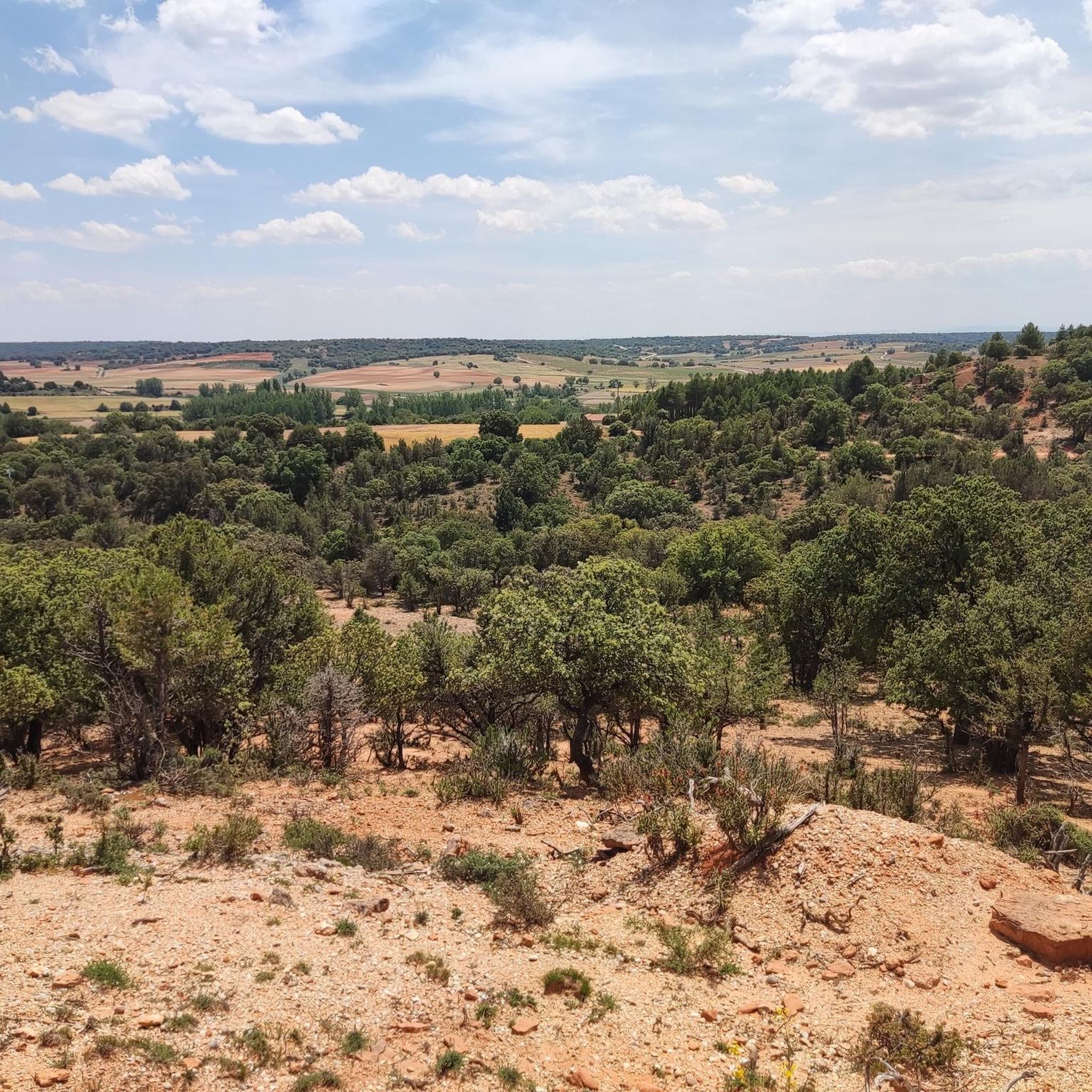
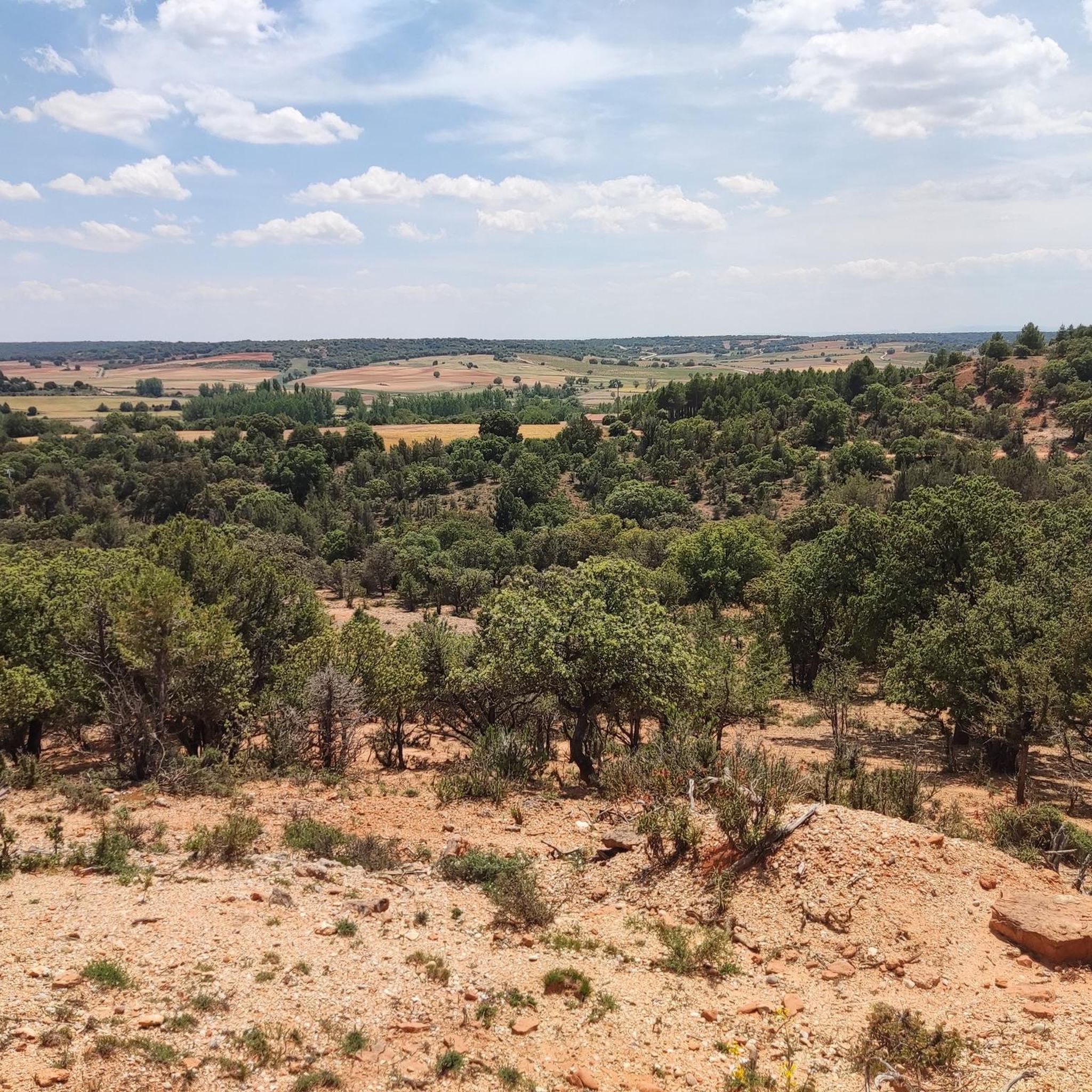
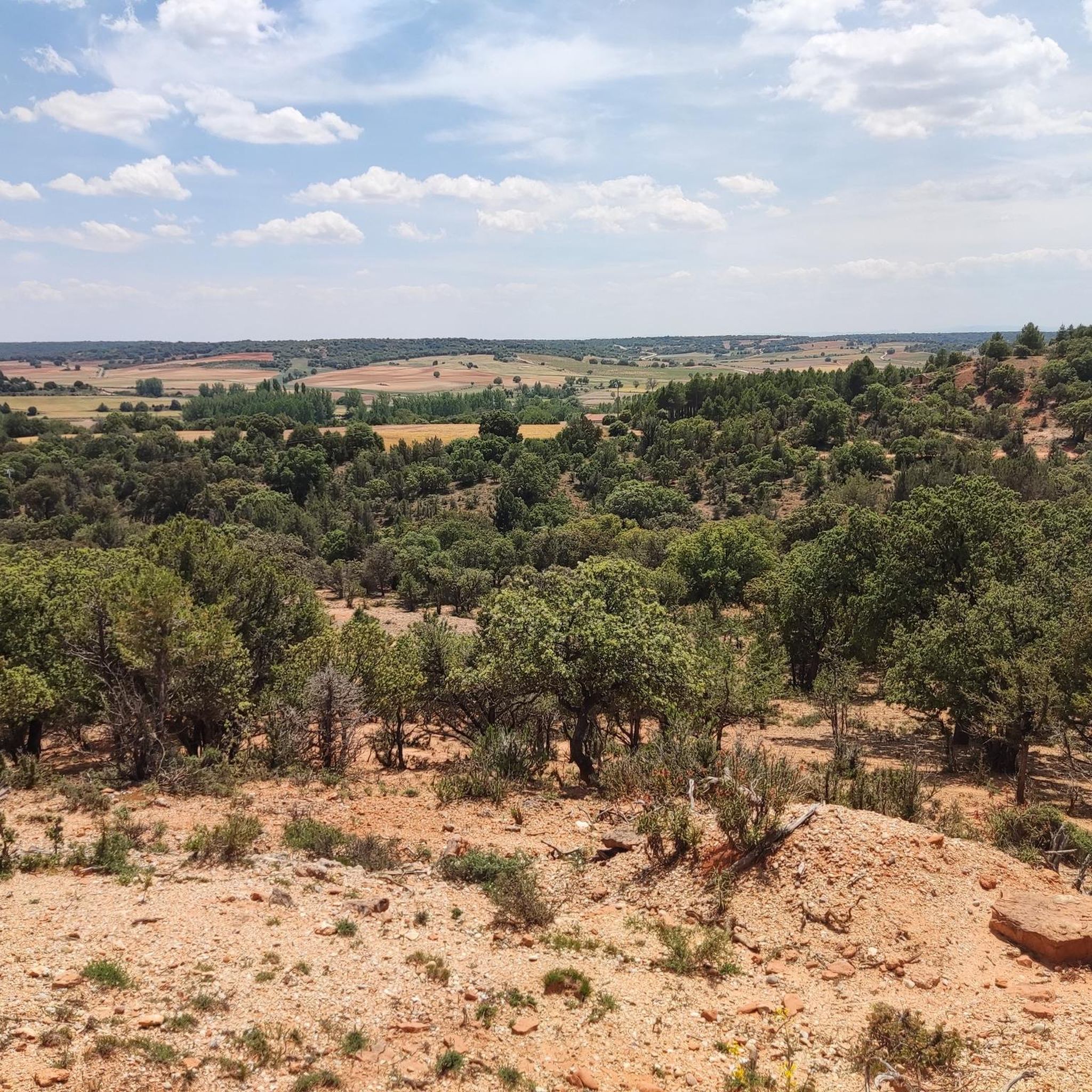
Best canyons around Espeja de San Marcelino are found in a region rich with natural geological formations, notably near the Cañón del Río Lobos Natural Park. This area in Soria, Spain, features dramatic limestone canyons, gorges carved by local rivers, and karstic cave systems. The landscape offers diverse terrain, from towering cliffs to smaller ravines with varied geological colors. It is characterized by its natural beauty and geological history.
Best canyons around Espeja De San Marcelino
- The most popular canyons…
Last updated: July 3, 2026
Devil's Eye (Natural Rock Arch)
Highlight • Natural Monument
Translated by Google •
Tip by

Boca del Ocejo
Highlight • Gorge
Translated by Google •
Tip by

Sign up now to discover places like this
Get recommendations on the best single tracks, peaks, & plenty of other exciting outdoor places.
Sign up for free
Hoz de Orillares Gorge and Caves
Highlight • Gorge
Translated by Google •
Tip by

Start today with a free account
Your next adventure awaits.
Login or Signup

Tips from the Community

The number of times I've climbed up there
0
0
Another beautiful trail runs through here, the PRC SO-49, the Cañada Real de las Merinas Trail.
1
0

La Hoz de Orillares is an incredible landscape. The Pilde River has pierced the rocks and created a small gorge with several picturesque caves and a tunnel through which the river flows. In the upper part of the gorge, a large colony of griffon vultures can be observed nesting on the rock walls.
0
0

Near the Hermitage of San Bartolomé, it is worth going to the Devil's Eye or Balcony, a natural window nestled in a beautiful setting such as the Lobos River Canyon.
1
0
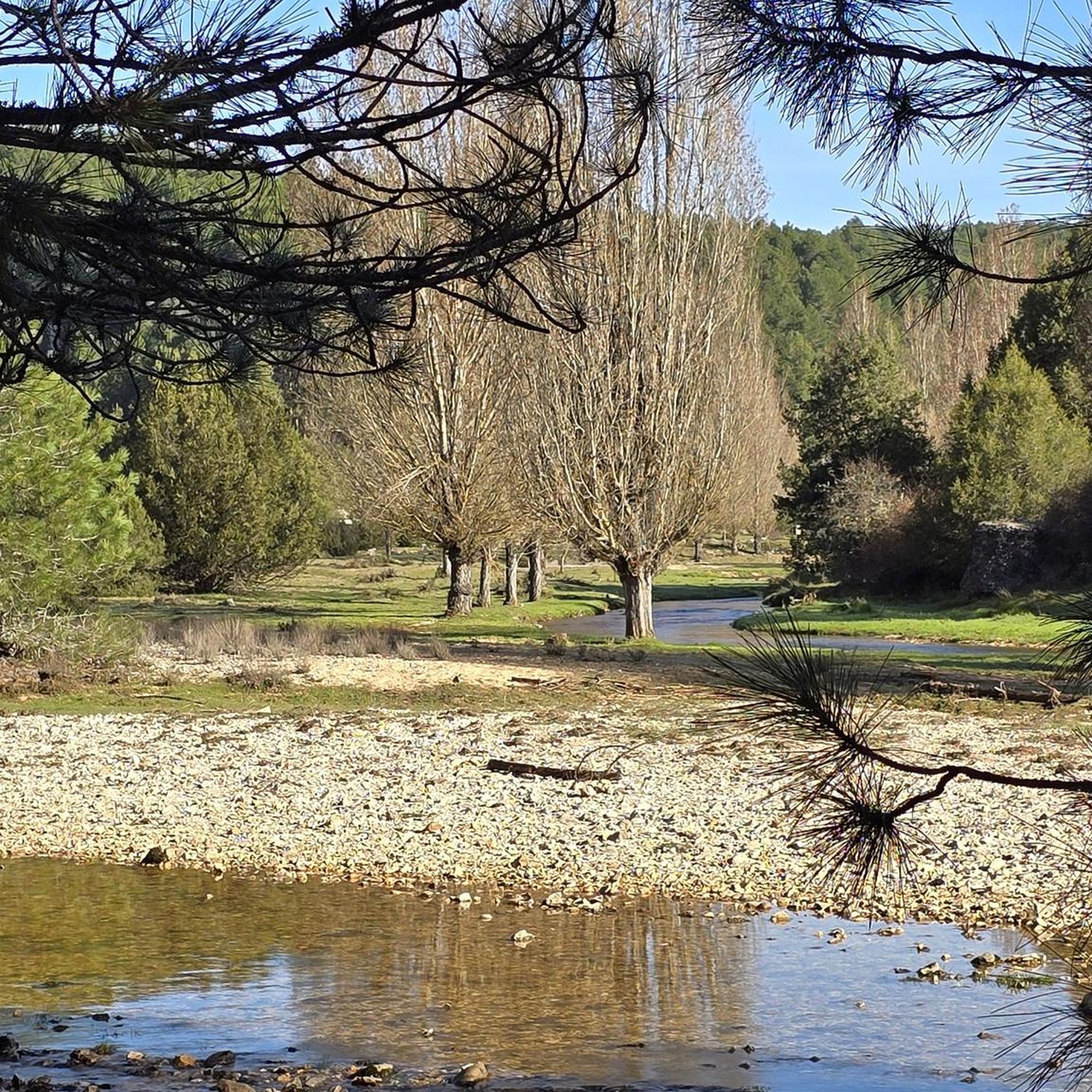
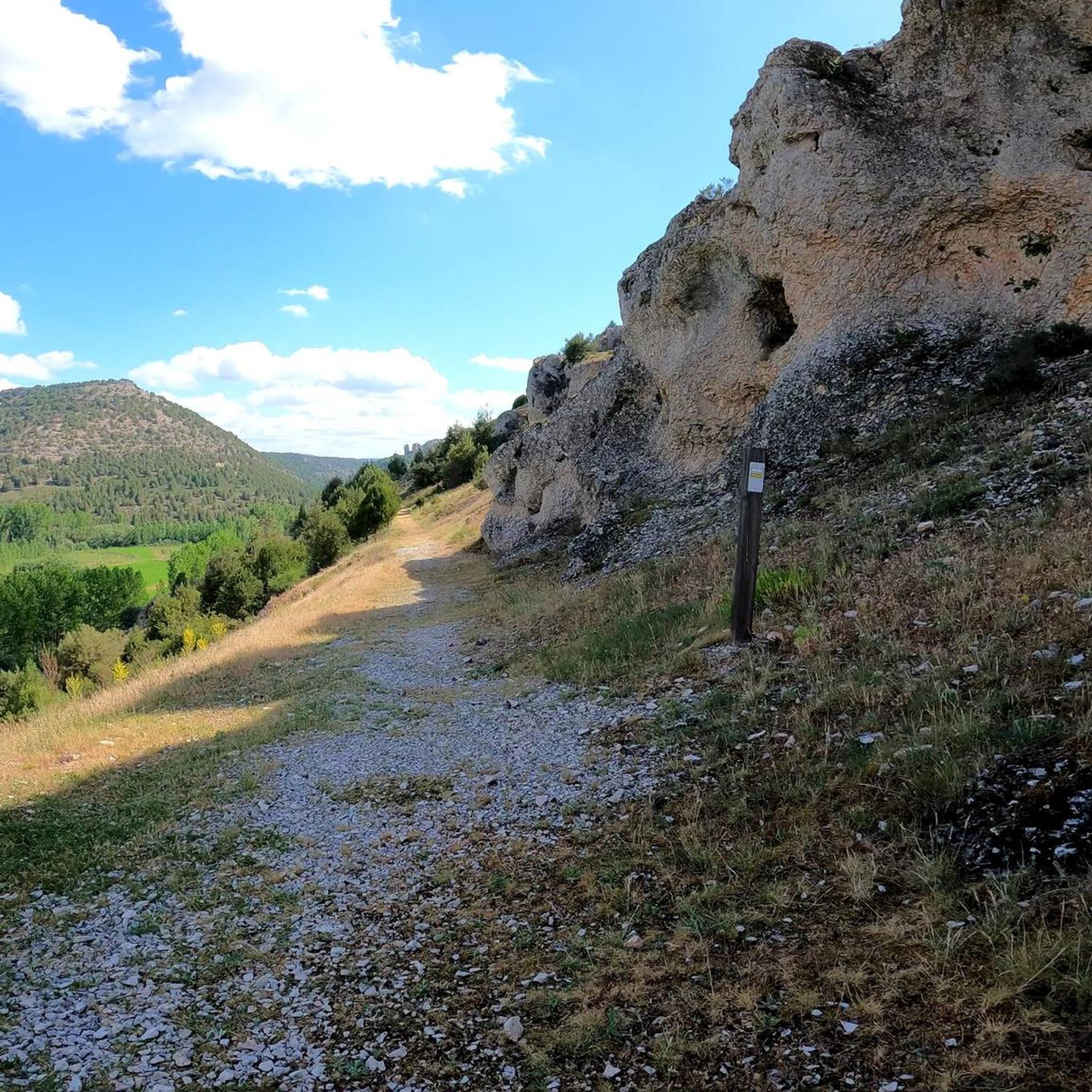
Beautiful meadow that we found rolling through the Lobos River Canyon. Without any loss and well signposted with signposts.
1
0

Beautiful natural window about 140 meters from the Templar Hermitage of San Bartolomé.
14
0

It is a natural window carved into the rock in a magical setting such as the Lobos River Canyon.
8
1
Frequently Asked Questions
What are the most popular canyons and natural features around Espeja de San Marcelino?
The region is renowned for the Cañón del Río Lobos Natural Park. Within this park, visitors frequently explore the Devil's Eye (Natural Rock Arch), a natural window carved into the rock, and the Río Lobos Sinkhole, where the river disappears underground. Another popular spot is Boca del Ocejo, a gorge featuring a beautiful meadow.
What historical and cultural sites can I find within the canyons?
The Cañón del Río Lobos Natural Park is home to the 13th-century Romanesque chapel, Ermita de San Bartolomé, which has Templar connections and features a distinctive rose window. Near the Desfiladero de la Torca, you can also find an ancient bridge and the ruins of the hermitage of San Roque.
What kind of wildlife can I observe in the canyons?
The Cañón del Río Lobos Natural Park is a Special Protection Area for Birds (ZEPA), particularly known for large birds of prey. You can often spot Eurasian eagle-owls and various species of vultures soaring above the cliffs. Vultures also frequently nest in the heights around the Desfiladero de la Torca.
Are there family-friendly trails or activities in the canyons?
Yes, some areas are suitable for families. For instance, Boca del Ocejo is categorized as family-friendly. The 'Senda del Río' (River Trail) in Cañón del Río Lobos offers accessible sections, and the Cuevas de Alcalá provide an intriguing exploration for older children.
What are the Cuevas de Alcalá and what can I expect there?
The Cuevas de Alcalá are a group of karstic caves near Espeja de San Marcelino, formed by the Espeja River. They feature curious rock formations, and some can be traversed. The area is also known for a local legend of an eremite named Alcalá and offers a geocaching opportunity.
What is the best time of year to visit the canyons around Espeja de San Marcelino?
Spring and autumn are generally the best times to visit. The weather is milder, making hiking more comfortable, and the natural landscapes are vibrant. During rainy seasons, the Espeja River, which carves the Desfiladero de la Torca and Cuevas de Alcalá, flows more prominently, creating small waterfalls and adding to the scenic beauty.
What outdoor activities can I do near these canyons?
Beyond hiking, the region offers diverse outdoor activities. You can explore various MTB trails, including challenging routes around the Cañón del Río Lobos. There are also numerous road cycling routes that traverse the scenic landscapes.
Are there hiking trails near the canyons, and what are their difficulty levels?
Yes, there are many hiking opportunities. The Cañón del Río Lobos features the 'Senda del Río,' a prominent trail up to 25 kilometers long. Other trails, like the Gullurías Trail, offer panoramic views. You can find a range of hiking routes, from easy walks like the 'Footbridge over the Río Lobos – Fuente de los Agualinos loop' to more difficult options such as the 'Río Lobos – Fuente de los Agualinos loop from Espeja de San Marcelino'.
Is there a via ferrata in the area?
Yes, the Desfiladero de la Torca, located directly within the municipality of Espeja de San Marcelino, features the Vía Ferrata de Espeja. This equipped vertical and horizontal route provides an adventurous way to experience the gorge.
What are the smaller ravines around Espeja de San Marcelino like?
The hill upon which Espeja de San Marcelino sits is broken by several smaller ravines, such as Barranco de San Roque, Barranco de Las Erillas, and Barranco de la Fuente Vieja. These ravines are formed in gravel, sand, and white sandstone, showcasing vibrant contrasts of red, brown, and white colors with green vegetation. They offer picturesque scenery and geological interest.
Are permits required to visit the canyons or specific areas?
Generally, permits are not required for basic visitation and hiking in the Cañón del Río Lobos Natural Park or other public access areas. However, for specific activities like canyoning or large group visits, it's always advisable to check with local park authorities for any regulations or permit requirements.
Is parking available at the canyon sites?
Parking facilities are typically available at the main access points for popular areas like the Cañón del Río Lobos Natural Park. For smaller, less-visited ravines or gorges, parking might be more limited, often requiring roadside parking or designated areas in nearby villages.
Are the canyons around Espeja de San Marcelino dog-friendly?
Many natural areas and trails in the region are dog-friendly, especially in the Cañón del Río Lobos Natural Park, provided dogs are kept on a leash to protect wildlife and ensure the safety of other visitors. Always check specific trail regulations or park rules before bringing your dog.
Most popular routes around Espeja De San Marcelino
Most popular attractions around Espeja De San Marcelino

Get inspired with the komoot mobile app


Explore more
Already discovered everything in this region? See additional gorges around Espeja De San Marcelino for your next adventure:
