Top 20 Caves around Bilzen
Best caves around Bilzen are primarily located in the wider region, offering unique historical and geological experiences. This area, situated near the borders of Belgium and the Netherlands, features underground sites often linked to ancient quarrying activities. The landscape is characterized by limestone formations and historical structures, providing diverse opportunities for exploration. These sites offer insight into the region's geological past and industrial heritage.
Best caves around Bilzen
- The most popular caves is Château Neercanne, a castle with caves…
Last updated: August 10, 2026
Château Neercanne
Highlight • Castle
Translated by Google •
Tip by

Thier des Vignes Flint Caves
Highlight • Cave
Source: mini-ardenne.be/poi.card.php?id=6036&language=fr
Translated by Google •
Tip by

Sign up now to discover places like this
Get recommendations on the best single tracks, peaks, & plenty of other exciting outdoor places.
Sign up for free
Castle cave
Highlight • Cave
Translated by Google •
Tip by

Wijngaardgroeve (Devil's Cave)
Highlight • Cave
Hung there roses, farewell letter to mom and a fence .. + info enter is a crime ..
Translated by Google •
Tip by

Heyoule Nature Reserve
Highlight • Natural
Translated by Google •
Tip by
Sign up for free to discover even more caves around Bilzen.
Sign up for free
Already have an account?
Start today with a free account
Your next adventure awaits.
Login or Signup



Tips from the Community

The Neercanne castle is built on the original site of Roman fortifications whose caves still exist and are used as a wine cellar. In the hall, the original staircase with a railing on wide columns is still present. Weapon trophies are depicted in relief on the ceiling. Currently, the castle is used as a hotel and restaurant. The restaurant has been awarded one star by the Michelin Guide.
5
0

The Castle Cave is a unique place where history, architecture, and nature converge. Often located near or beneath a castle, such as in South Limburg or other historic regions, a castle cave served various purposes: from storing wine or provisions to sheltering or serving as a decorative garden feature within the castle grounds' landscaping. The cave is usually situated in a wooded area or on a slope, where natural rock formations and limestone structures create an impressive backdrop. Winding paths, hills, and viewpoints often surround the cave, making it a haven for hikers and a haven of discovery.
0
0

There are old flint quarries in this area: the “Carrières de silex du Thier des Vignes”.
1
0
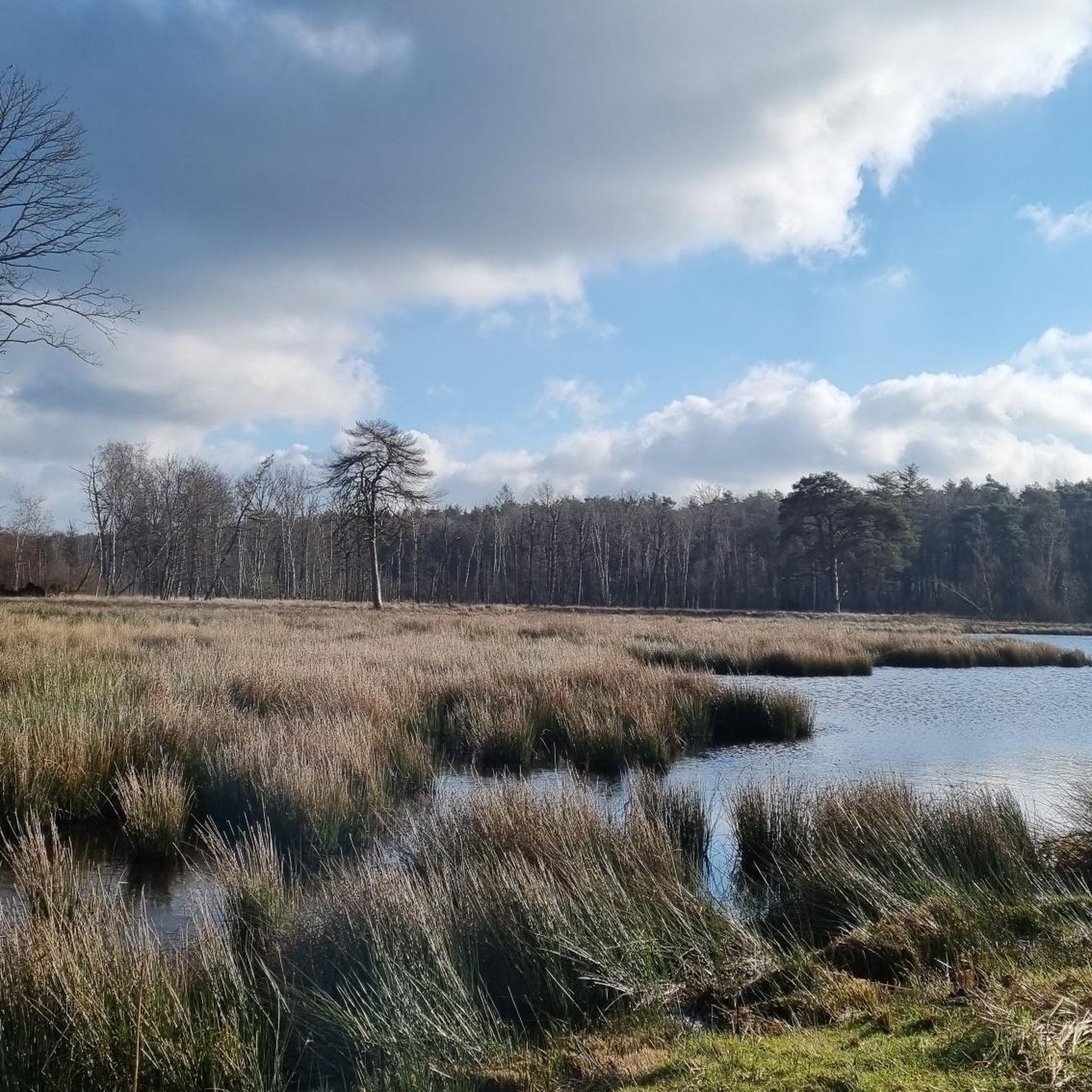
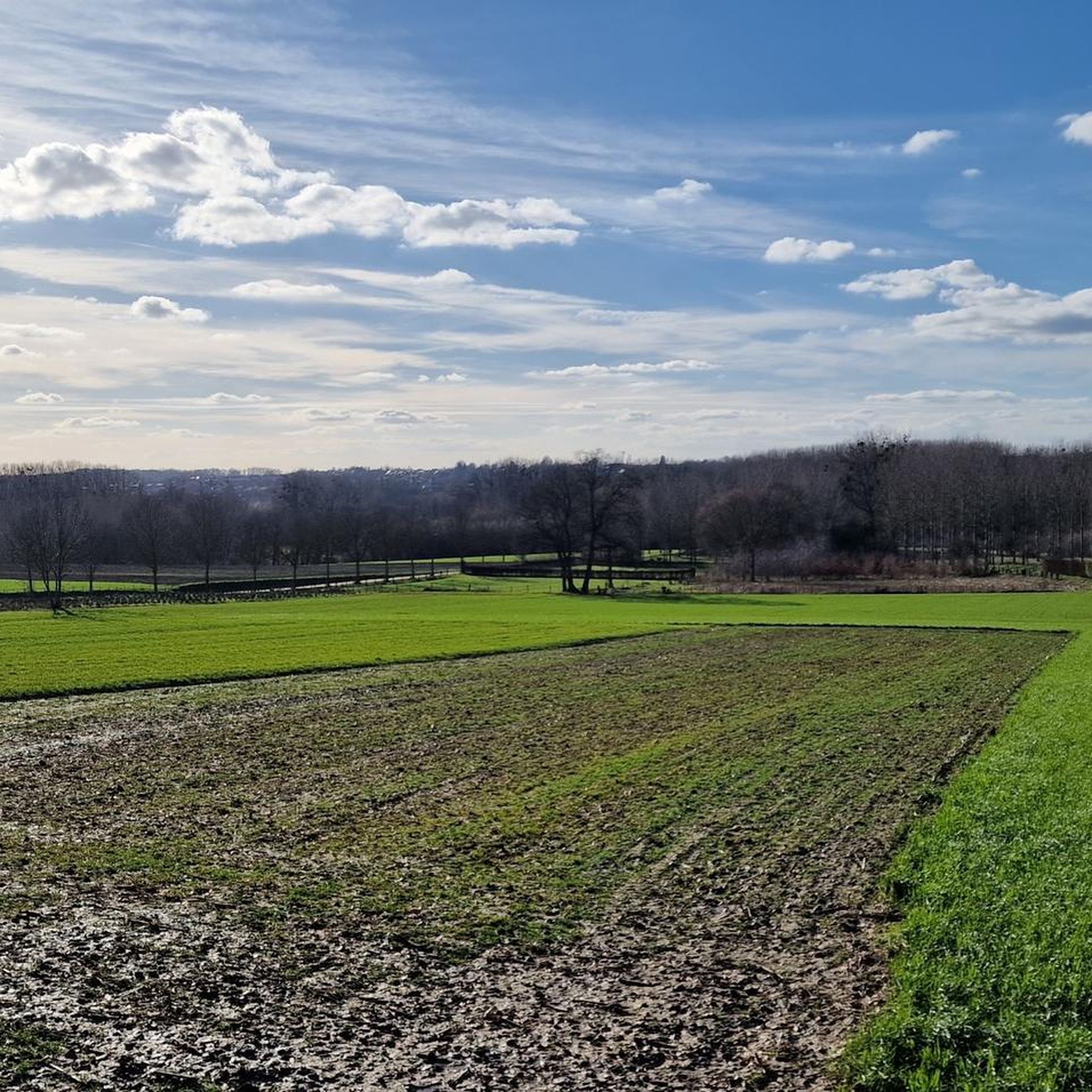
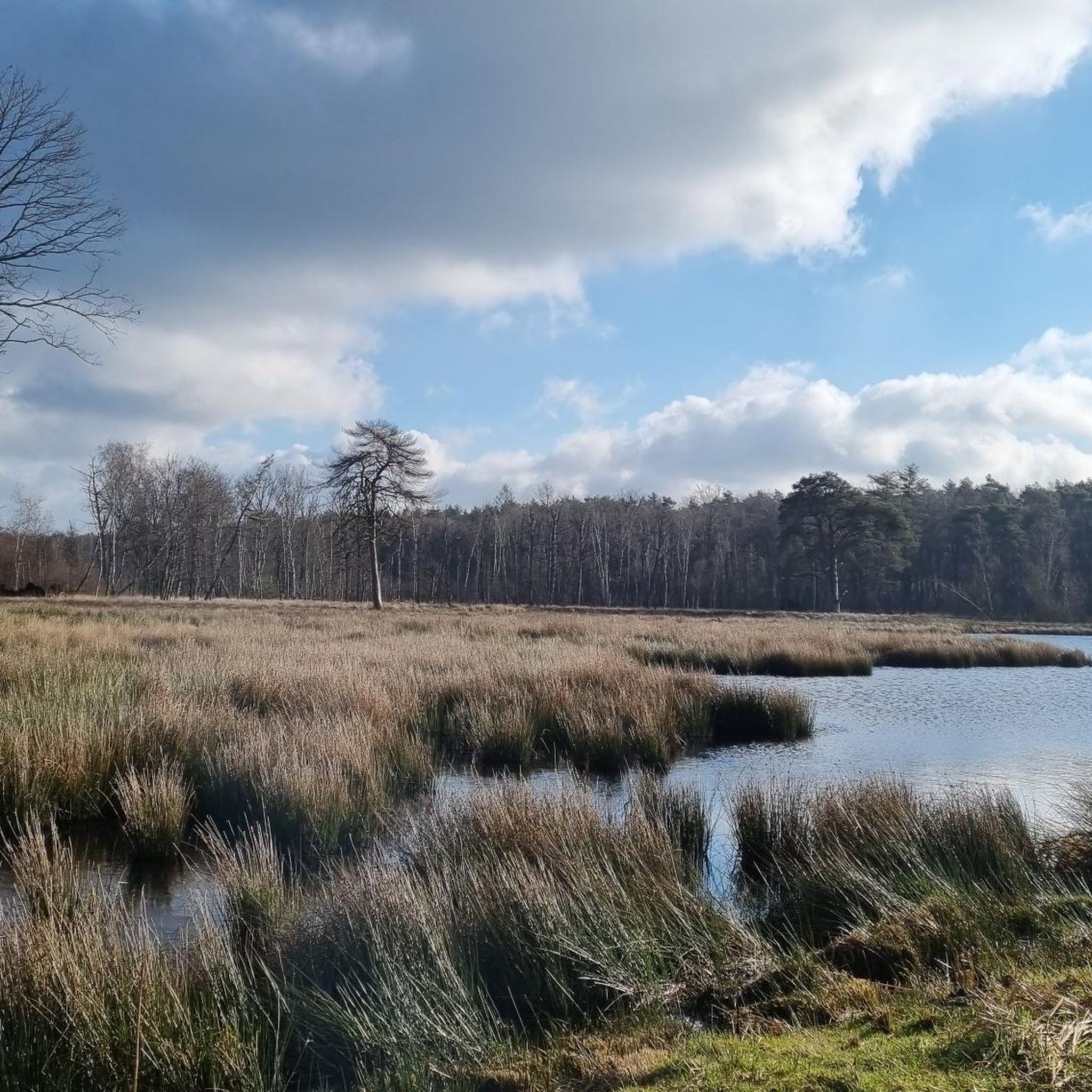
It's a small but valuable reserve consisting of calcareous grasslands, scrub, and former quarry and slope areas. Thanks to the calcareous soil, rare plants such as orchids and thyme thrive here, and butterflies and insects abound. It's a quiet, sunny spot where nature has slowly reclaimed the old quarry slopes.
1
0
A mysterious flint cave on the edge of the Albert Canal, near the locks at Klein Ternaaien. You reach the entrance via a steep path through the woods. The caves are dark, cool, and full of atmosphere—perfect for those who love hidden natural spaces. Bring a flashlight and good walking shoes!
2
0

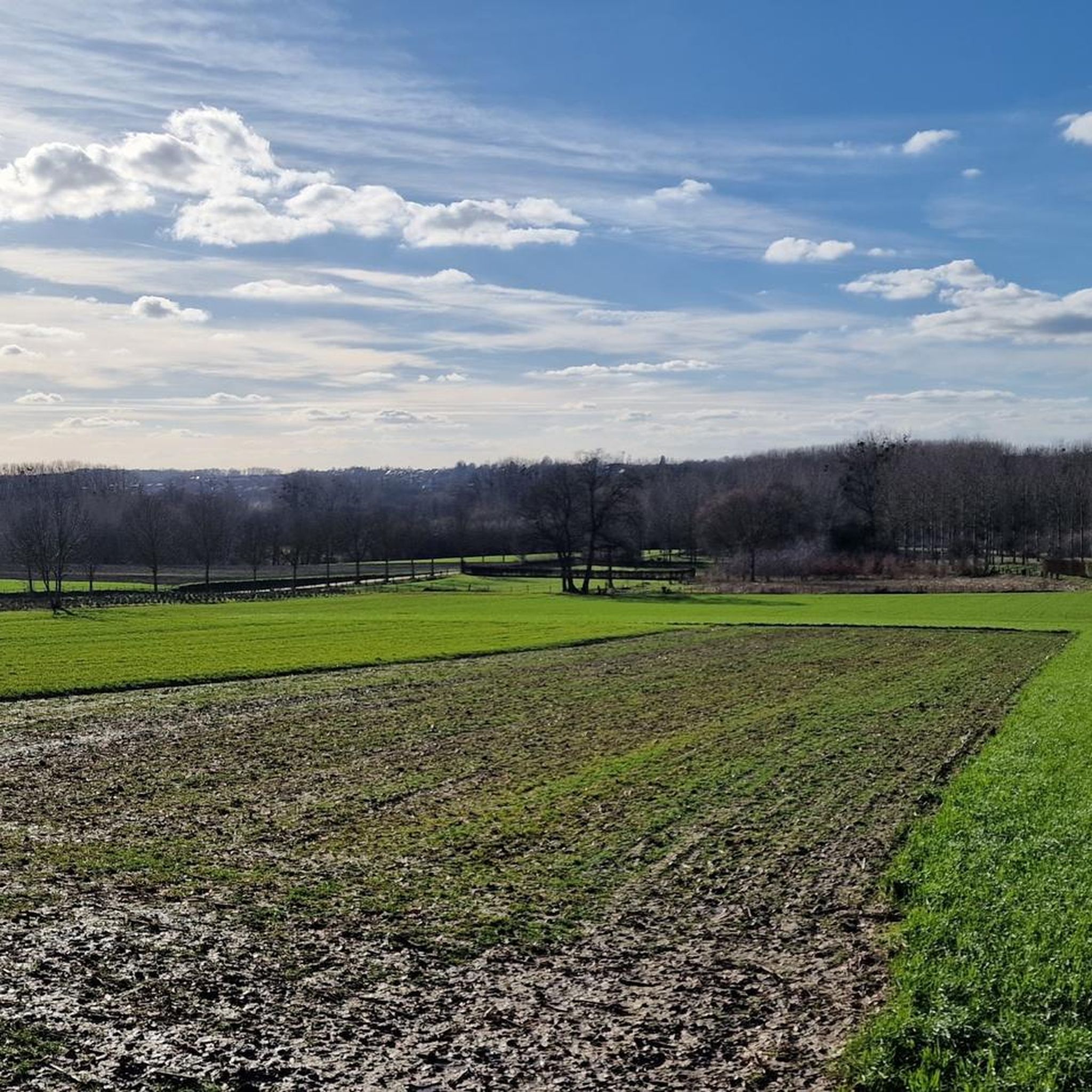
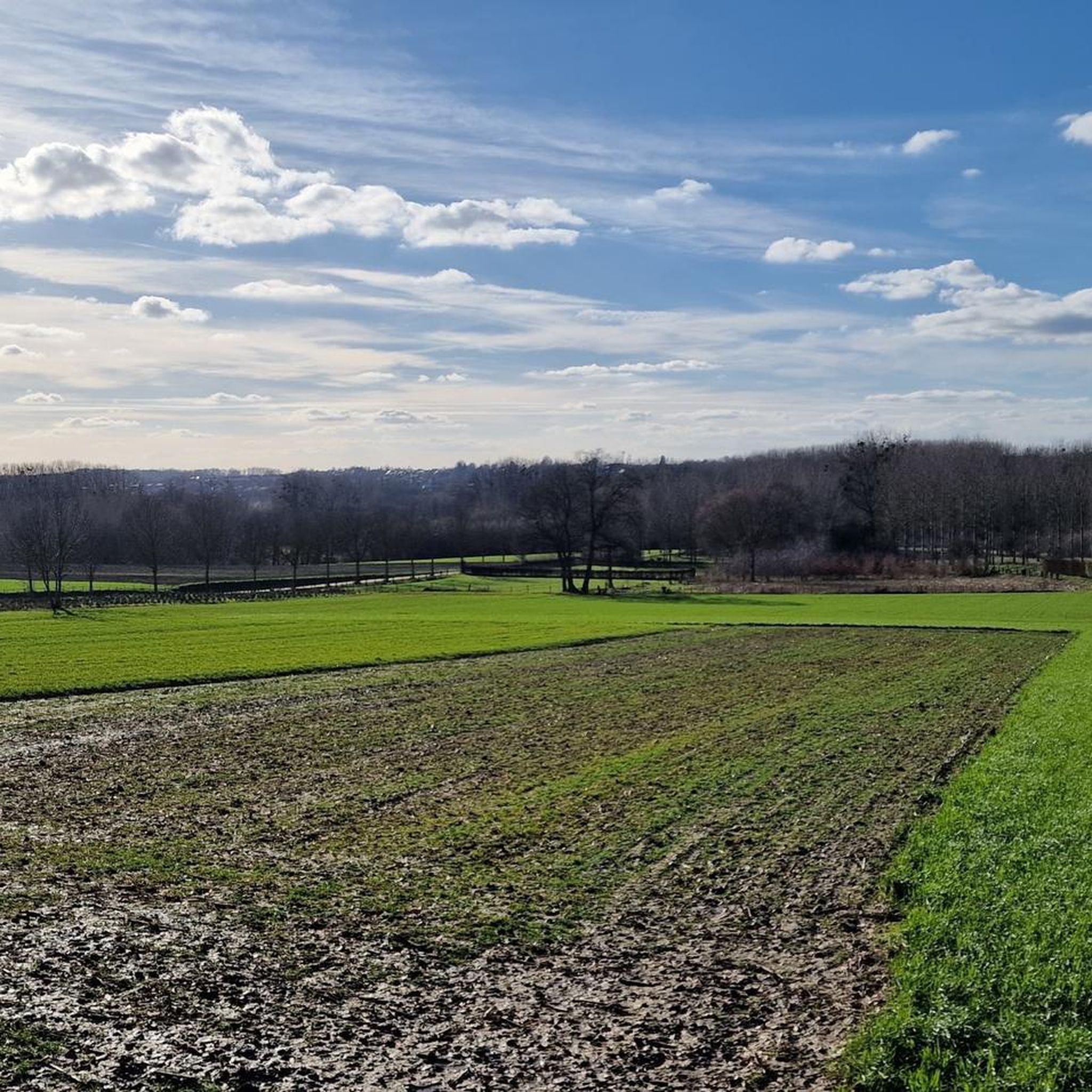
Very nice walking route along the chateau. Beautiful panorama. With a house in the valley below that used to be the border post.
4
0

Neercanne Castle was built on the original site of Roman fortifications, the caves of which still exist and are used as wine cellars. The original staircase with a banister on wide columns is still in the hall. The ceiling features relief depictions of weapon trophies. The castle is currently in use as a hotel and restaurant.
7
0
Impressive, you can see some caves.
1
0
Frequently Asked Questions
What kind of underground experiences can I find near Bilzen?
The region around Bilzen offers a variety of unique underground experiences, primarily featuring historical quarries and ancient flint mines. These include sites like Château Neercanne with its historic wine cellars, the Trichterberggroeve Limestone Quarry which is a geological monument, and the atmospheric Thier des Vignes Flint Caves.
Are there any family-friendly caves or underground sites to visit?
Yes, several sites are suitable for families. The Château Neercanne offers an engaging historical experience with its wine cellars. The Trichterberggroeve Limestone Quarry is also considered family-friendly, providing insight into geological history. Exploring the 13 entrances of the Thier des Vignes Flint Caves can also be an exciting adventure for children.
What historical significance do the caves and quarries near Bilzen hold?
The underground sites near Bilzen are rich in history. Château Neercanne is built on Roman fortifications, with its caves used as wine cellars for centuries. The Trichterberggroeve Limestone Quarry dates back to the mid-19th century, showcasing historical quarrying methods. The Thier des Vignes Flint Caves are ancient flint and chalk quarries, highlighting early human tool-making and resource extraction.
What geological features can be observed in the caves around Bilzen?
The region's geology is primarily characterized by limestone and marlstone. At the Trichterberggroeve Limestone Quarry, you can see steep limestone walls and unique 'geological organ pipes' formed by rainwater. The Thier des Vignes Flint Caves reveal ancient flint deposits, while the Thier de Lanaye Underground Quarries are known for their extensive marl galleries and fossil discoveries, including the famous mosasaur.
Are there hiking trails that incorporate these caves?
Yes, many of these sites are integrated into walking routes. For instance, the Thier des Vignes Flint Caves feature 13 cave entrances along a path, making them ideal for exploration during a hike. The area around Castle cave also offers winding paths and viewpoints. You can find various hiking options in the broader area by exploring hiking routes around Bilzen.
What should I wear or bring when visiting the caves?
For exploring the caves and quarries, it's advisable to wear sturdy walking shoes, as paths can be uneven. Some sites, like the Thier des Vignes Flint Caves, are described as dark and cool, so bringing a flashlight is recommended, even on a warm day. Layers of clothing are also a good idea to adapt to temperature changes underground.
Can I combine a cave visit with other outdoor activities near Bilzen?
Absolutely. The region around Bilzen offers diverse outdoor activities. You can find numerous hiking trails, MTB trails, and gravel biking routes that pass through scenic landscapes, often near these underground sites. Many routes offer opportunities to explore the natural beauty and historical landmarks of the area.
Are there any hidden gem caves or less-known underground sites worth exploring?
While not a 'hidden gem' in the sense of being undiscovered, the Thier de Lanaye Underground Quarries are a significant site, particularly for nature enthusiasts. They host an impressive network of galleries that serve as a crucial wintering center for thousands of bats from across Western Europe, offering a unique ecological perspective.
What is the best time of year to visit the caves around Bilzen?
The caves and quarries can generally be visited year-round. However, for sites like the Thier des Vignes Flint Caves, which are cool and dark, a visit on a hot day can be particularly refreshing. If you plan to combine your visit with hiking, spring and autumn offer pleasant temperatures and beautiful scenery.
Are dogs allowed in or near these cave sites?
Specific regulations for dogs vary by site. While some outdoor areas and trails around the caves might be dog-friendly, access to the interior of historical or protected underground sites like Château Neercanne or the bat-inhabited Thier de Lanaye Quarries may be restricted. It's best to check individual site policies beforehand.
Where can I find food or drinks near the caves?
For a culinary experience, Château Neercanne itself houses a restaurant and an auberge in its former stables. For other sites, you might find cafes or pubs in nearby towns and villages. It's always a good idea to plan your refreshment stops in advance, especially when exploring more remote quarry areas.
Most popular routes around Bilzen
Most popular attractions around Bilzen

Get inspired with the komoot mobile app


Explore more
Extend your search for the best caves by checking out these guides of the top ones around Bilzen:
