Top 13 Lakes around Liedekerke
Best lakes around Liedekerke are found within a region characterized by natural reserves, wetlands, and brooks, offering diverse natural landscapes. While Liedekerke itself focuses on ecologically valuable areas like De Valier and De Pamelse Meersen, the broader vicinity provides access to various lakes. These areas are known for their marsh landscapes, wet grasslands, and riverine environments. The region offers opportunities for nature observation and quiet walks, with several lakes providing historical and ecological interest.
Best lakes around Liedekerke
- The most…
Last updated: June 30, 2026
Pond of the Old Sandstone Quarry Kravaalbos
Highlight • Lake
Translated by Google •
Tip by

Paddebroeken Nature Reserve
Highlight • Natural
Translated by Google •
Tip by
Sign up now to discover places like this
Get recommendations on the best single tracks, peaks, & plenty of other exciting outdoor places.
Sign up for free
Aalst City Park 1915 - 1916
Highlight • Natural
Translated by Google •
Tip by

Reflecting Pond
Highlight • Lake
At the beginning of the Spiegelvijver in the Stadspark of Aalst …
Translated by Google •
Tip by
View of the Spiegelvijver pond
Highlight • Lake
Translated by Google •
Tip by
Sign up for free to discover even more lakes around Liedekerke.
Sign up for free
Already have an account?
Start today with a free account
Your next adventure awaits.
Login or Signup
Tips from the Community

Aalst City Park, also known as Park Schepen De Wolf, is a 15-hectare green oasis southeast of the city center. The park was created between 1915 and 1916 by landscape architect Louis-Julien Breydel, under the direction of Alderman Désiré De Wolf, to provide employment for residents during the First World War. You'll find charming water features such as the Balloon Pond and Mirror Pond, walking paths, playgrounds, and historic buildings like the garden, card, and milk houses. Since 1977, the park has been a protected cultural-historical landscape and offers a perfect blend of nature, history, and relaxation.
2
0
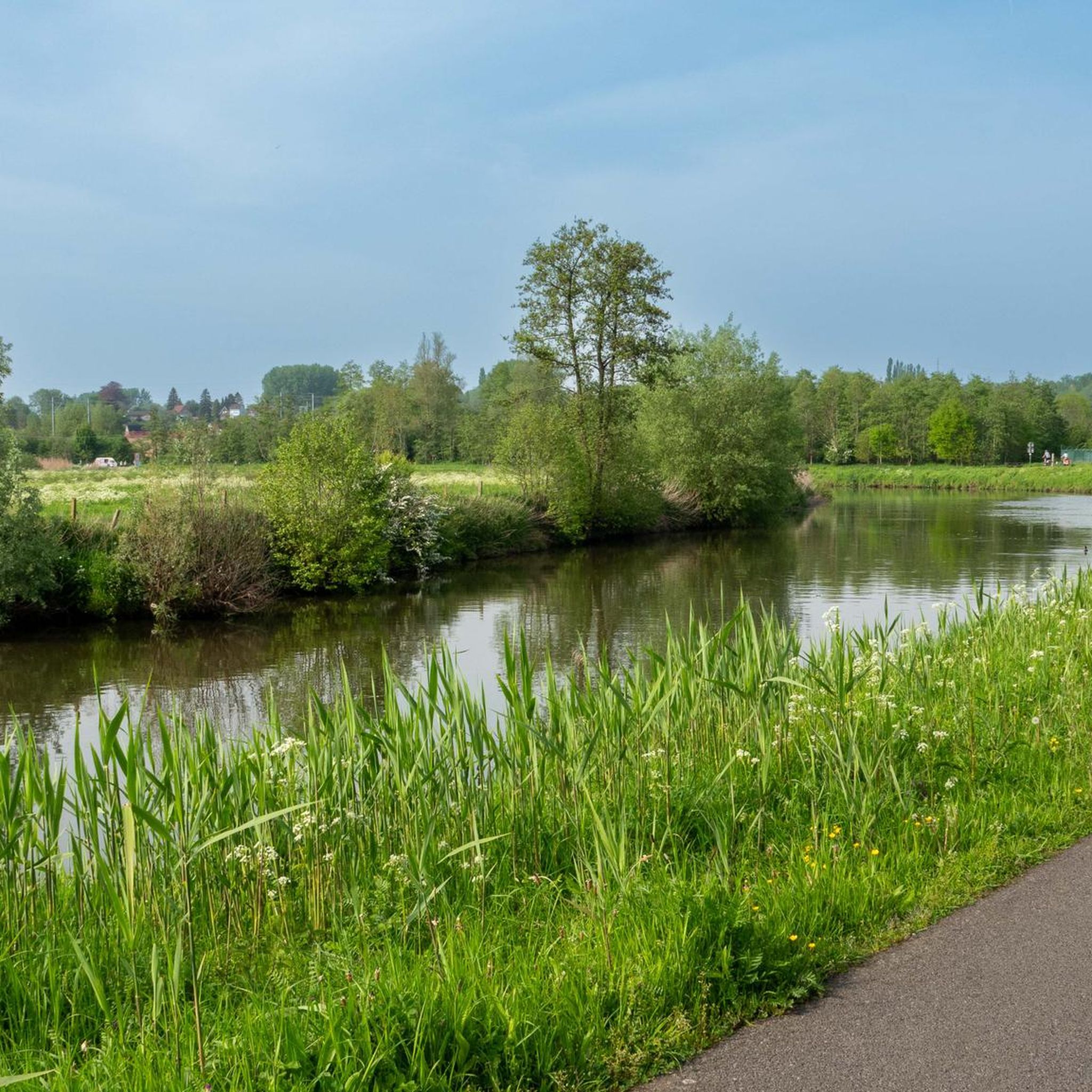
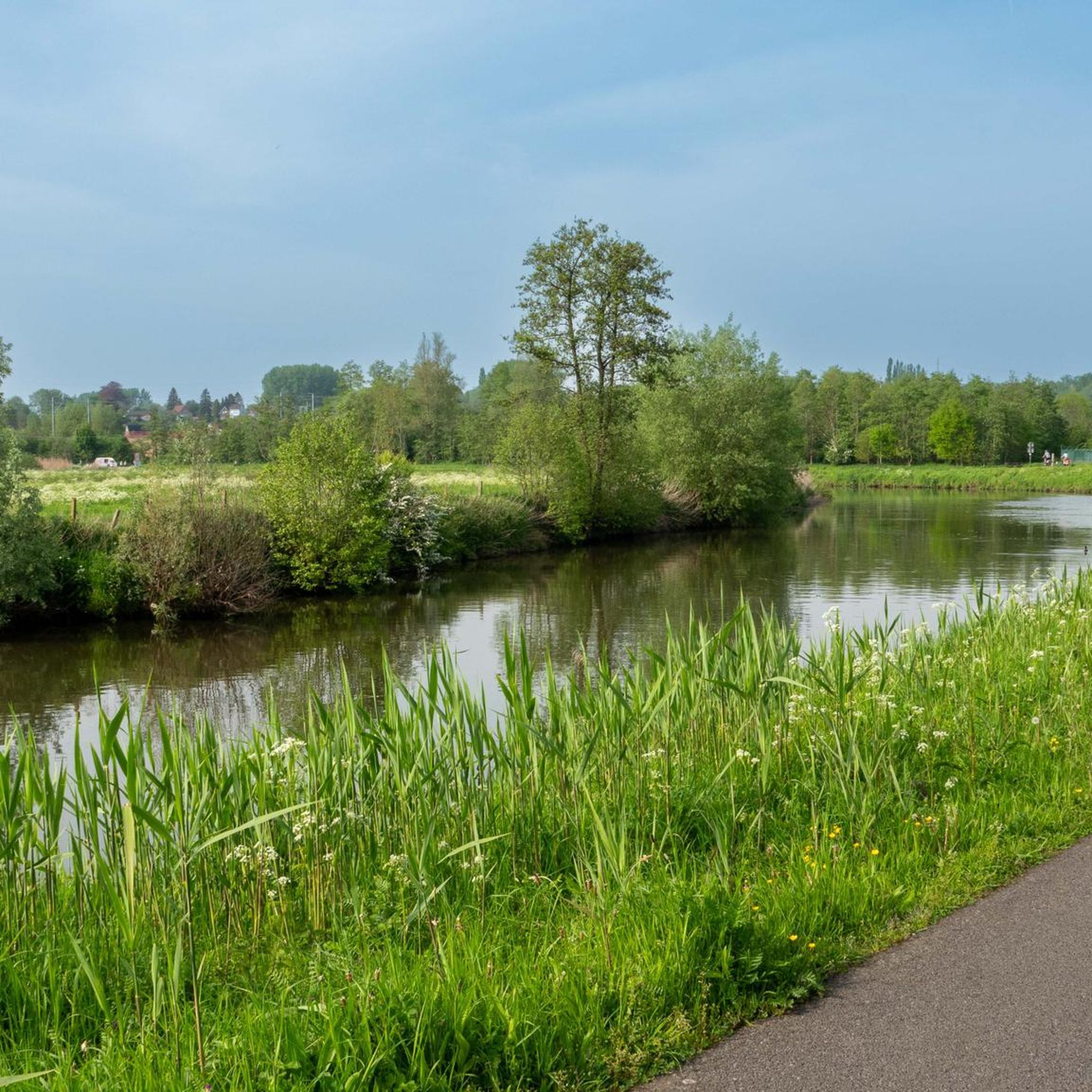
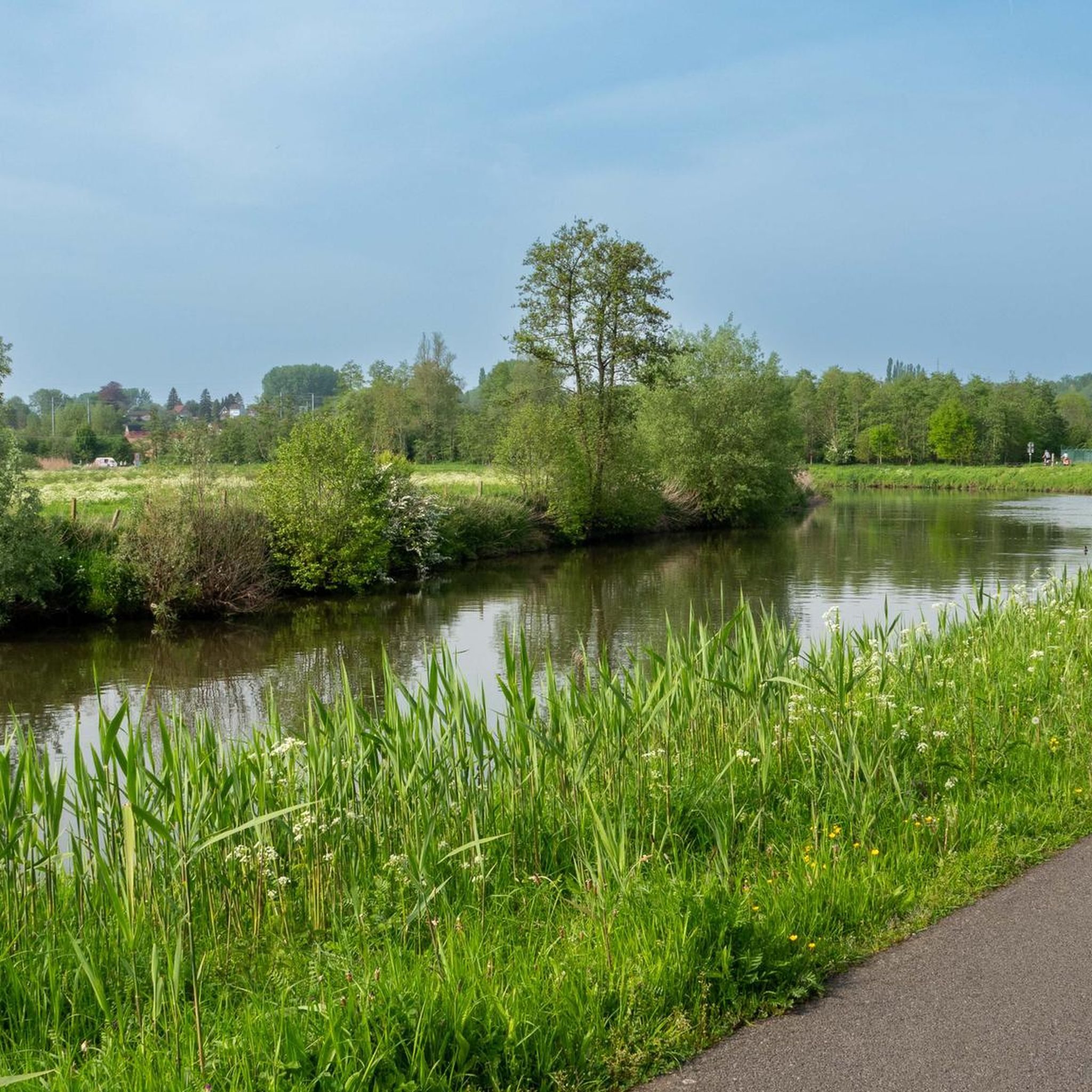
In Aalst City Park lies the rectangular Spiegelvijver (Mirror Pond), surrounded by wooded areas that connect to the Osbroek nature reserve. At the entrance to the pond stands a striking arched structure from 1758, originally part of the former Van der Haegen house. In 1964, the gate was rebuilt in its current location, giving the park an idyllic, historical accent for walkers and nature lovers.
2
0

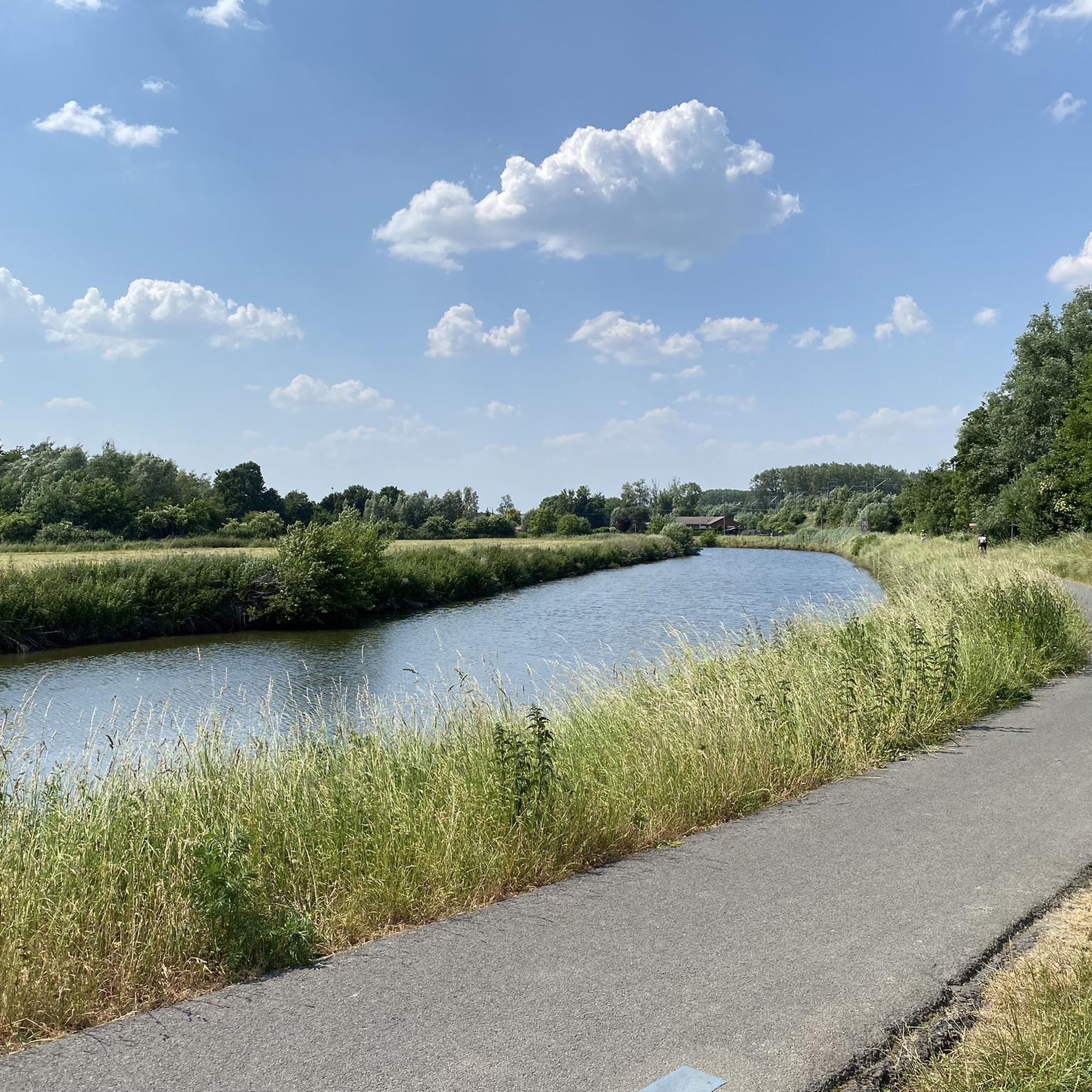
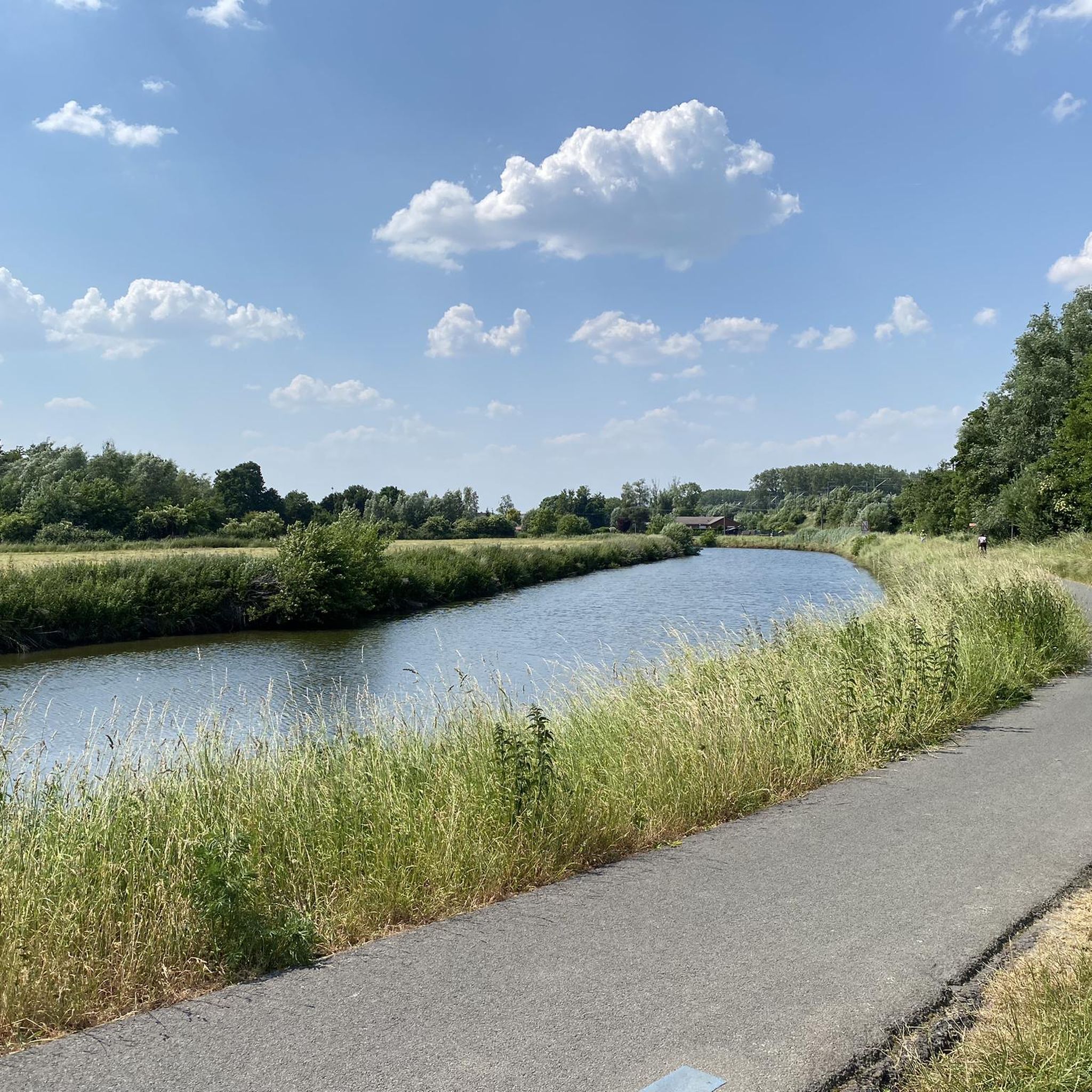
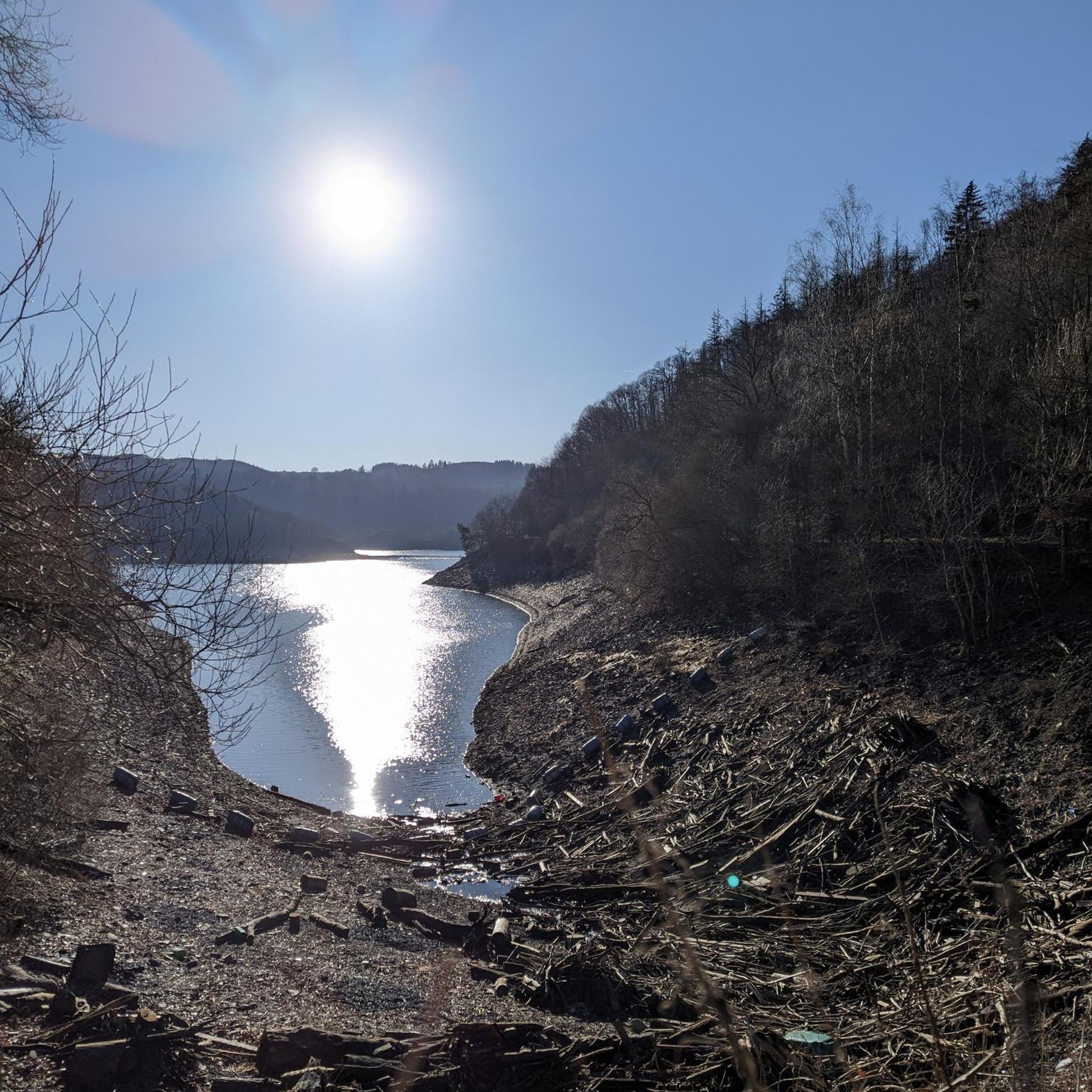
Where once one of Meldert's most important quarries lay, now the clear water of a large pond sparkles. At first this was a marshland, but in 1962 a stream was dammed and the quarry filled up.
7
0

The pond has a rectangular shape and is surrounded by forest plots that connect to the Osbroek nature reserve. At the beginning of the Spiegelvijver in the Stadspark of Aalst there is a striking arched construction. This gate was originally built in 1758 as part of the rear buildings of the old Van der Haegen house at Nieuwstraat 37. In 1964, when this house was demolished, the city council bought the row of arches and had them rebuilt at the beginning of the Spiegelvijver. This historic gate gives the corner of the city park a particularly idyllic character and is a beautiful addition to the landscape design of the park.
10
0
The Stadspark van Aalst, also known as the Groot Park or Park Schepen de Wolf, is a beautiful park located southeast of the city center of Aalst. The park covers an area of approximately 15 hectares. The history of the park begins in the period around the First World War. In 1910-1911, the Osbroek was purchased by alderman of finance Moyersoen for public use. Under the policy of alderman of public works Désiré De Wolf, the park was laid out between 1915 and 1916 by landscape architect Louis-Julien Breydel. The park was specially designed to provide work for the residents of Aalst and to remove them from the war conditions. The park consists of several water features, including the Ballonvijver and the Spiegelvijver, surrounded by lawns and groups of tall trees. There are also several walking paths and playgrounds, and some of the original structures, such as the garden, card and milk house, are still present. The park has also been a protected cultural-historical landscape since 1977.
13
1
Enjoy the beautiful view of the mirror pond. You can descend via the stairs for a picnic at the picnic tables with a view of the mirror pond
6
0

The Spiegelvijver and the middle pond - together about 1 hectare in size - were made fish-free and the banks were adapted for the midwife toad. The vulnerable larvae and young toads of the midwife toad are a delicacy for many fish species. (Nature and forest)
12
0
The large pond in the Kravaalbos forest is a remnant of a historic quarry. As early as the 12th century, a closed farmstead, once used for stone quarrying, stood on the site of Hof te Putte. Hof te Putte and Putstraat clearly refer to the quarries. The forest also owes its name to them. Kravaal comes from "car" and "vaal," meaning "stone" and "valley." (Kravaalbos Hiking Brochure)
18
0
Frequently Asked Questions
What types of lakes can I find around Liedekerke?
The region around Liedekerke features a diverse range of water bodies. Within Liedekerke itself, you'll find natural reserves with wetlands, brooks, and smaller natural ponds like those in Paddebroeken Nature Reserve. Further afield, there are historical quarry lakes such as the Pond of the Old Sandstone Quarry Kravaalbos, and larger recreational lakes like Lake Genval or the extensive Eau d'Heure Lakes.
Are there any nature reserves with lakes or ponds in Liedekerke?
Yes, Liedekerke is known for its natural, ecologically valuable areas.
De Valier is a recognized nature reserve with numerous invisible springs and natural floodplains, featuring an original marsh landscape. De Pamelse Meersen, partially in Roosdaal, is another natural flood plain with wet grasslands and reed beds. The Paddebroeken Nature Reserve in Merchtem also offers wet meadows and forests with six pools, home to various aquatic animals.
Which lakes are good for family activities near Liedekerke?
For family-friendly options, the Aalst City Park, which includes the View of the Spiegelvijver pond, offers walking paths and playgrounds. Further out, Lac de Bambois, about an hour from Brussels, is a green refuge with aquatic, floral, playful, and animal gardens, plus a sandy beach. The Eau d'Heure Lakes also provide a wide range of family activities and facilities.
Can I find historical sites near the lakes in the region?
Absolutely. The Pond of the Old Sandstone Quarry Kravaalbos is a significant historical site, formed from a 12th-century quarry that provided sandstone for notable buildings like St. Michael's Cathedral in Brussels. Additionally, Aalst City Park, with its ponds, was laid out between 1915 and 1916 and is a protected cultural-historical landscape.
What kind of outdoor activities can I do near these lakes?
The region offers various outdoor activities. You can enjoy hiking on trails like the 'Hertigembos boardwalk' or 'Ter Muilen Chapel – Kadospad - Valier' near Liedekerke. For running, there are routes like the 'Hertigembos Loop'. Gravel biking is also popular, with routes such as 'Cornet Gravel Ride' or 'Gravel section along Kravaalbos'. For more details, explore the Hiking around Liedekerke, Running Trails around Liedekerke, and Gravel biking around Liedekerke guides.
Are there any lakes suitable for water sports?
While Liedekerke's immediate vicinity focuses on nature observation, the Eau d'Heure Lakes, located further south, form Belgium's largest lake complex and are ideal for water sports. Here you can enjoy sailing, kayaking, diving, and jet skiing, especially at the Plate Taille lake. More information can be found on Visit Wallonia.
Where can I find scenic viewpoints around the lakes?
Several spots offer beautiful views. The View of the Spiegelvijver pond in Aalst City Park is a lovely place to observe the water and its surroundings. The Reflecting Pond, also in Aalst City Park, provides an idyllic setting, especially with its historic arched construction. Lake Genval is also known for its picturesque scenery, lined with Belle Époque buildings.
What is the best time of year to visit the lakes around Liedekerke?
Spring is an excellent time to visit, especially for nature observation. Areas like De Valier and The Palitsebeek Valley showcase vibrant spring flora, including abundant yellow buttercups, wood anemones, and wild garlic. The pleasant weather also makes it ideal for walking and other outdoor activities around the various lakes and nature reserves.
Are there any cafes or refreshments available near the lakes?
Yes, near the Reflecting Pond in Aalst City Park, you'll find the cozy Melkhuisje. It offers a pleasant terrace in the greenery, making it an ideal spot for a drink and a break during your walk.
Which lake is the largest in the broader Flanders region?
Schulens Lake, located about 50 minutes from Brussels, holds the distinction of being the largest lake in Flanders. Situated on the Demer River, it's a popular spot for running or hiking.
What makes the Palitsebeek Valley unique?
The Palitsebeek Valley is a green ribbon winding through agricultural land, recognized by the Flemish government for its natural value and included in the Flemish Ecological Network. It features invisible springs and wet swamp forests, boasting an impressive spring flora with abundant wood anemones and wild garlic, making it a beautiful sight for nature lovers.
Are there any lakes with unique ecological features?
Yes, the Spiegelvijver pond in Aalst City Park, along with the middle pond, has been specifically adapted to support local wildlife, including the vulnerable midwife toad. Their banks were modified, and the ponds were made fish-free to protect the toad's larvae and young.
Most popular routes around Liedekerke
Most popular attractions around Liedekerke

Get inspired with the komoot mobile app


Explore more
Still not found your perfect lake around Liedekerke? Check out the guides of these regions to see even more beautiful places.
