Top 10 Castles around Baarle-Hertog
Best castles around Baarle-Hertog are found in the surrounding region, as the municipality itself is primarily known for its unique geographical and political complexity of enclaves and exclaves. The area's historical significance centers on its intricate border situation rather than traditional, publicly accessible castles within its immediate boundaries. While no prominent castles are open for public visitation directly in Baarle-Hertog, nearby locations offer historical castle-like structures and former fortifications. These sites provide a glimpse into the region's past, often repurposed…
Last updated: June 30, 2026
Neo-Gothic Hunting Lodge Gorp & Roovert
Highlight • Monument
Landgoed Gorp & Roovert is a vast estate (1200ha) with old deciduous, coniferous and mixed forests, cultivated …
Translated by Google •
Tip by

Het Kasteeltje (Gorp & Roovert Estate)
Highlight • Castle
Translated by Google •
Tip by

Sign up now to discover places like this
Get recommendations on the best single tracks, peaks, & plenty of other exciting outdoor places.
Sign up for free
Castle of the Dukes of Brabant (Turnhout)
Highlight • Castle
Translated by Google •
Tip by

Hoogstraten Prison (Former Castle)
Highlight • Castle
Translated by Google •
Tip by

View of Gelmelslot – Castle of Hoogstraten
Highlight • Castle
Translated by Google •
Tip by

Sign up for free to discover even more castles around Baarle-Hertog.
Sign up for free
Already have an account?
Start today with a free account
Your next adventure awaits.
Login or Signup
Other adventures around Baarle-Hertog

Tips from the Community

The castle is surrounded by a moat and an estate of approximately 70 hectares, including meadows and farmland. The castle is not open to the public due to its function as a prison. In the past, the castle also played a role in the Eighty Years' War, where it played a significant role in the battle between Spanish and Dutch troops, according to BENEGO.
6
0
The former castle of Hoogstraten, also known as Gelmelslot, is a castle with a rich history dating back to the 16th century. Today, the castle serves as a Penitentiary School Center (PSC), a penitentiary where inmates receive vocational training. The castle has served various purposes over the years. Built in the 16th century by Rombout II Keldermans, a renowned architect, it originally served a defensive purpose. In the 18th century, the castle was damaged by fire and later looted. After a period of decline, the castle was used as a beggar's asylum, agricultural colony, and refuge in the 19th century. Since 1931, it has been used as a Penitentiary School Center, the only penitentiary in Flanders where inmates systematically receive vocational training.
6
0

Eugène, who also became rich on the backs of the colonies, had this eight-family house built near the warande around 1875; today it is known as Het Kasteeltje.
0
0
Landgoed Gorp en Roovert is a vast estate (1200 ha) with old deciduous, coniferous and mixed forests, cultivated lands, heathland, fens and over a length of five kilometres a still meandering Rovertse Leij. We can still enjoy the wealth that was earned in the colonies with their slavery.
1
0

The Penitentiary School Centre (PSC) - Hoogstraten is located in the Gelmelslot. This is an open institution. During the French Revolution, the Castle of the Lords of Hoogstraten served as a gendarmerie barracks and later as a beggar's den. In 1880 it became an agricultural colony and in 1931 the building was then set up as the current Penitentiary School Centre. The institution is only intended for convicts. They can work in workhouses and can follow a varied range of training courses. There is a strong community regime.
5
0
The origin of the castle is not clear. One of the great mysteries is the old name of the castle: Gelmel Castle. Who is Gelmel? Over the centuries, different answers have been given to this; According to some, Gelmel was a Hun, a Norman or the Vandal king Gilimer. In the 12th century, there was a Gelmele family in the Duchy of Brabant. Are they the first inhabitants of Gelmel Castle? You can find Hoogstraten Castle in Gelmelstraat. Today, however, it is a prison, so a visit is unfortunately not possible. (The attached aerial photo is from Wikipedia) Triggered? Click through to https://visithoogstraten.be/ontdekken/cultuur-en-erfgoed/gelmelslot/
5
0

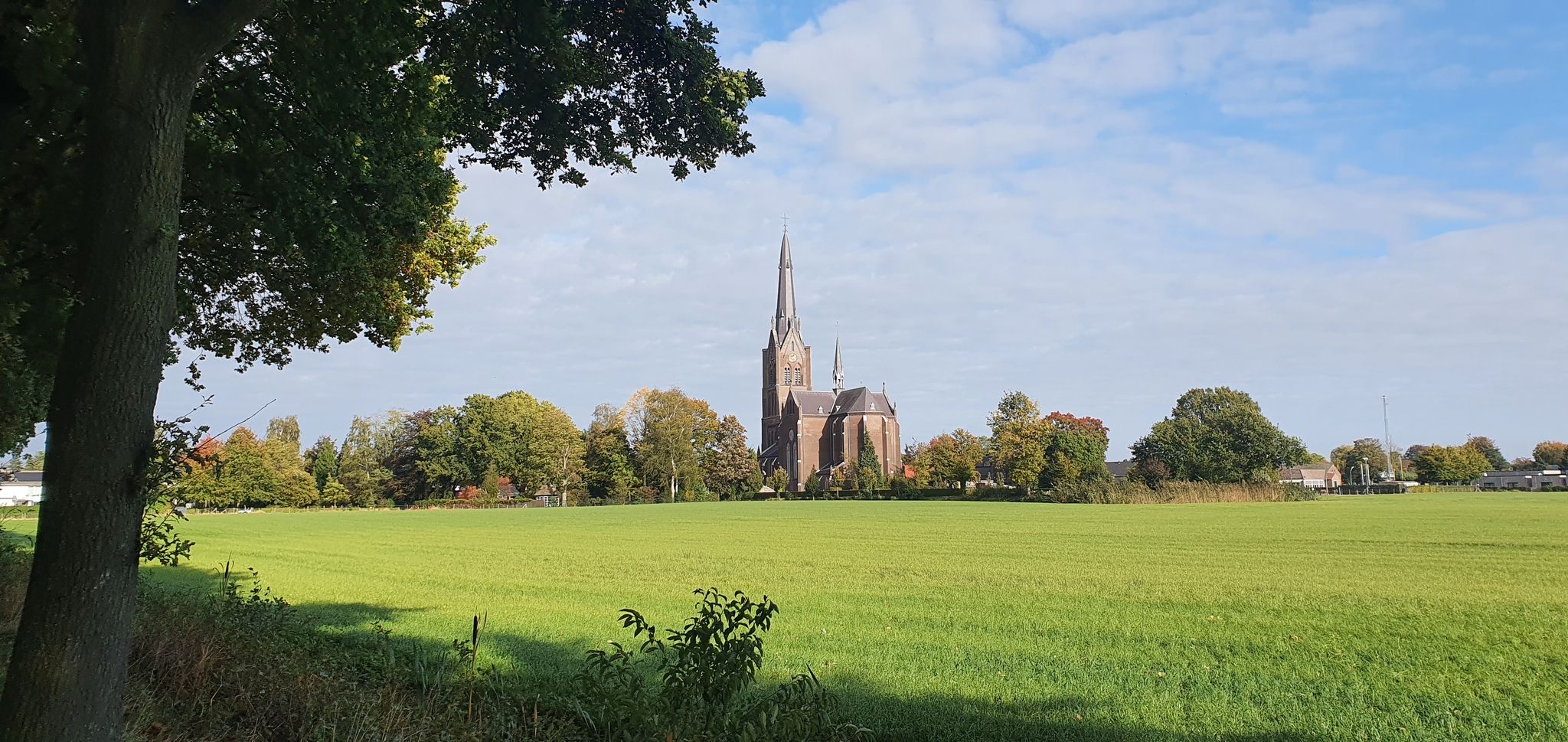
A beautiful neo-Gothic hunting lodge, also called 'The Castle'.
0
0

Neo-Gothic hunting lodge on the Gorp & Roovert estate, also called "The Castle".
0
0
Frequently Asked Questions
What kind of castles can I expect to find around Baarle-Hertog?
Baarle-Hertog is unique for its intricate border situation rather than traditional, publicly accessible castles within its immediate boundaries. You'll find historical castle-like structures, former fortifications, and repurposed buildings in the surrounding region. These sites offer a glimpse into the area's past, from aristocratic residences to defensive structures, often existing as ruins or serving new functions.
Are there any traditional castles open to the public directly within Baarle-Hertog?
No, Baarle-Hertog does not feature prominent, traditional castles open for public visitation. The municipality's historical significance lies more in its extraordinary geographical and political complexity, where the Belgian-Dutch border weaves through streets and buildings, rather than in fortified aristocratic residences.
Which castle-like sites are notable for their history or architecture near Baarle-Hertog?
The Neo-Gothic Hunting Lodge Gorp & Roovert is a man-made monument often referred to as 'the castle' within the vast Landgoed Gorp & Roovert estate. It's isolated in the forest, offering a unique architectural feature. Also, the Castle of the Dukes of Brabant (Turnhout), though now a court, dates back to the 12th century and showcases centuries of regional history through its multiple reconstructions.
Can I visit the Kasteel van Hoogstraten, also known as Gelmelslot?
The Hoogstraten Prison (Former Castle), or Gelmelslot, currently functions as a Penitentiary School Center. Due to its use as a prison, it is not open to the public for general visits. However, its impressive exterior and historical significance can be observed from outside.
Are there any family-friendly castle-like locations to visit near Baarle-Hertog?
While traditional castles with specific children's activities are rare, the Castle of the Dukes of Brabant (Turnhout) is categorized as family-friendly, offering historical interest. Exploring the grounds around the Neo-Gothic Hunting Lodge Gorp & Roovert within the Landgoed Gorp & Roovert estate can also be a pleasant family outing in nature.
What outdoor activities can I do near these castle sites?
The areas around these sites, such as Landgoed Gorp & Roovert, are excellent for outdoor activities. You can find numerous hiking and cycling routes. For example, there are popular hiking trails like the 'De Broskens - Valley of the Merkske Trail' and the 'Enclave Route'. For cycling, options include the 'Bels Lijntje loop' or the 'Aalsedijk Cycle Path – Gorp cycle path loop'. You can find more details on these routes in the Hiking around Baarle-Hertog and Cycling around Baarle-Hertog guides.
Are there any historical castle sites that are no longer standing but have historical significance?
Yes, the site of the former Kasteel Bruheze en Loveren once hosted a castle in the area. However, it was demolished in 1870, and its moats were filled in 1914. Today, only archaeological remains are likely present, meaning there is no standing castle to visit at this specific location.
What do visitors enjoy most about the castle-like sites around Baarle-Hertog?
Visitors appreciate the unique architectural features and the historical context these sites provide. For instance, the Neo-Gothic Hunting Lodge Gorp & Roovert is noted for its isolated beauty within the forest, making it a beautiful area for walking. The Castle of the Dukes of Brabant (Turnhout) is valued for its rich history and how it remains a vibrant part of the city despite its age.
Is there a good time of year to visit the castle-like sites and surrounding areas?
The natural settings around many of these sites, such as Landgoed Gorp & Roovert, are particularly beautiful for walking in spring. Generally, spring and summer offer pleasant weather for exploring the exteriors of these historical buildings and enjoying the nearby outdoor routes.
Are there any viewpoints to see these castle-like structures from a distance?
For the Hoogstraten Prison (Former Castle), there is a specific highlight called View of Gelmelslot – Castle of Hoogstraten, which indicates a good spot to observe the impressive exterior of the former castle, even though the site itself is not publicly accessible.
Are there any hidden gems or less-known castle-like structures to discover?
Beyond the more prominent mentions, the area features various historical sites, including smaller, unnamed castle-like buildings or former estates that contribute to the region's rich heritage. For example, there's a 'Small castle' highlight (Small castle) noted for its beautiful building in a beautiful location within an estate, offering a more intimate discovery.
Most popular routes around Baarle-Hertog
Most popular attractions around Baarle-Hertog

Get inspired with the komoot mobile app


Explore more
Looking for the best castles somewhere else? Discover other guides around Baarle-Hertog:
