The best cycling routes around Baarle-Hertog
4.5
(142)
1,388
riders
51
rides
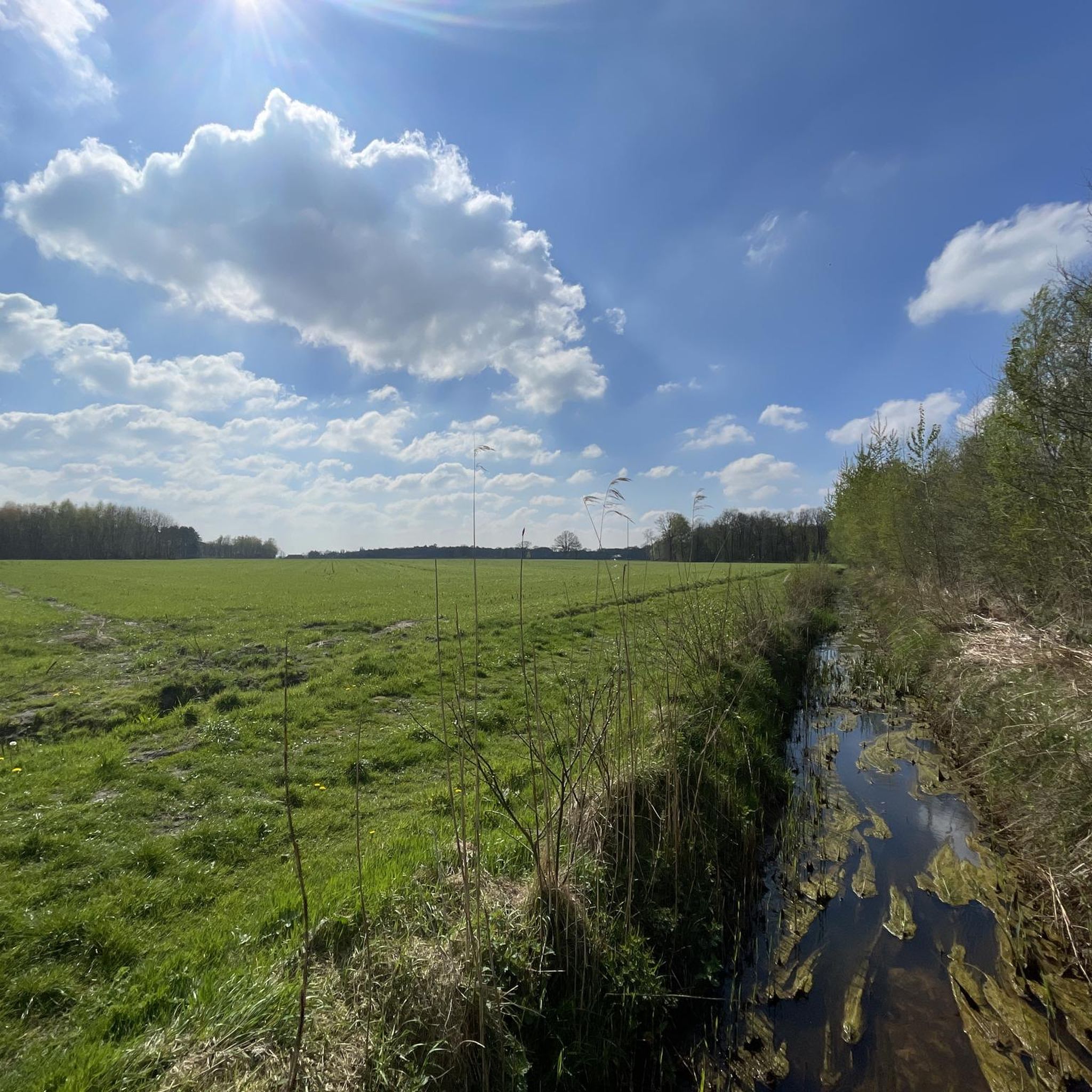
Touring cycling routes around Baarle-Hertog traverse a distinctive cross-border landscape, characterized by an intricate enclave system where Belgian and Dutch territories interweave. The region features wooded environments and picturesque countryside, offering varied terrain for cyclists. An extensive cycling network includes former railway lines transformed into smooth tracks, providing accessible routes across this unique geopolitical setting. The area's natural features include serene brooks and diverse natural settings suitable for different cycling abilities.
Best touring cycling routes around Baarle-Hertog
- The most popular…
Last updated: July 4, 2026
4.7
(36)
218
riders
36.4km
02:08
60m
60m
Moderate bike ride. Good fitness required. Mostly paved surfaces. Suitable for all skill levels.
4.0
(17)
233
riders
23.8km
01:20
20m
20m
Easy bike ride. Great for any fitness level. Mostly paved surfaces. Suitable for all skill levels.

Sign up for free
4.4
(18)
119
riders
45.1km
02:37
50m
50m
Moderate bike ride. Good fitness required. Mostly paved surfaces. Suitable for all skill levels.
4.6
(9)
113
riders
41.6km
02:26
50m
50m
Moderate bike ride. Good fitness required. Mostly paved surfaces. Suitable for all skill levels.
3.5
(4)
163
riders
Moderate bike ride. Good fitness required. Mostly paved surfaces. Suitable for all skill levels.
Get access to more routes and recommendations from other explorers.
Sign up for free
Already have an account?
Our route recommendations are based on thousands of hikes, rides, and runs completed by other people on komoot.
Start today with a free account
Your next adventure awaits.
Login or Signup
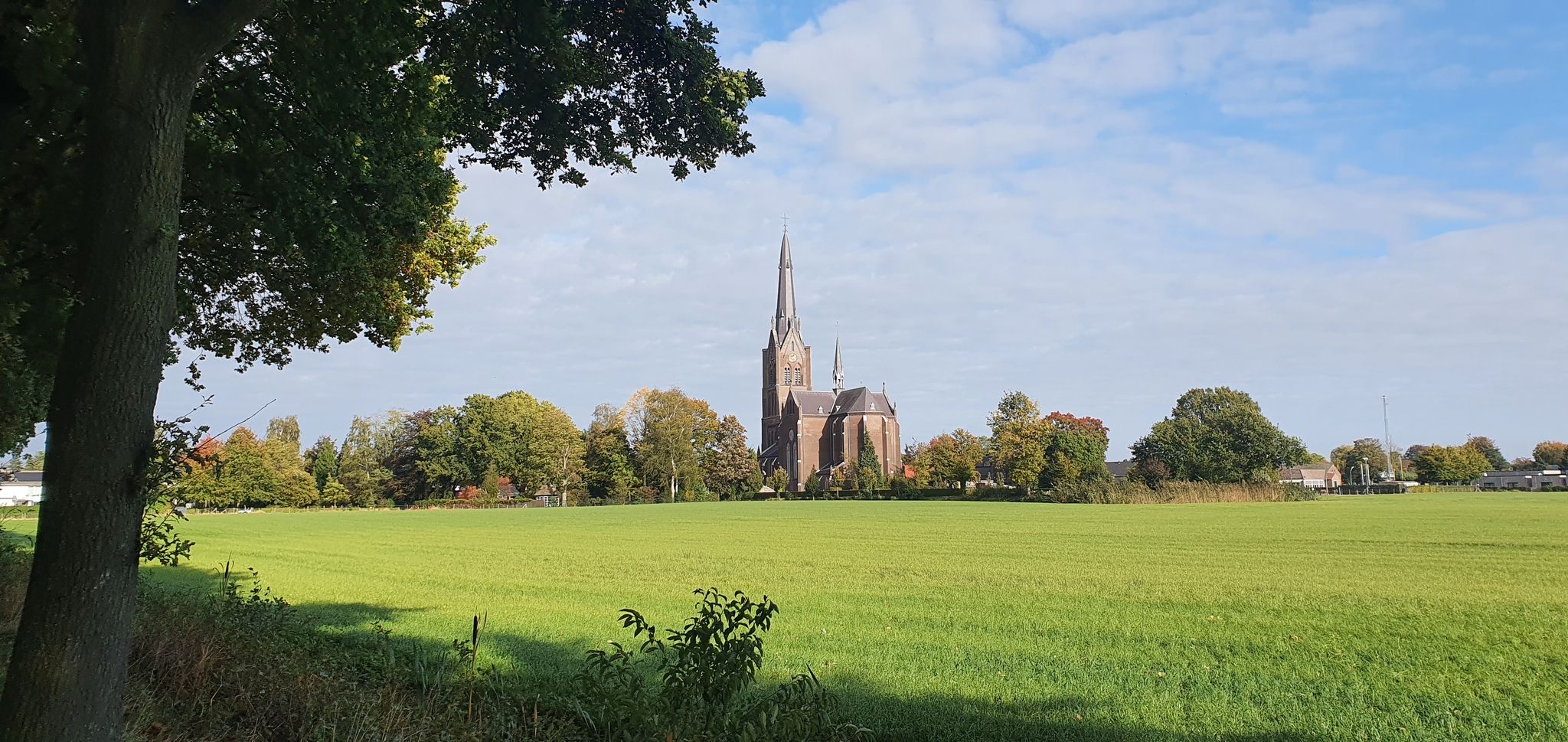
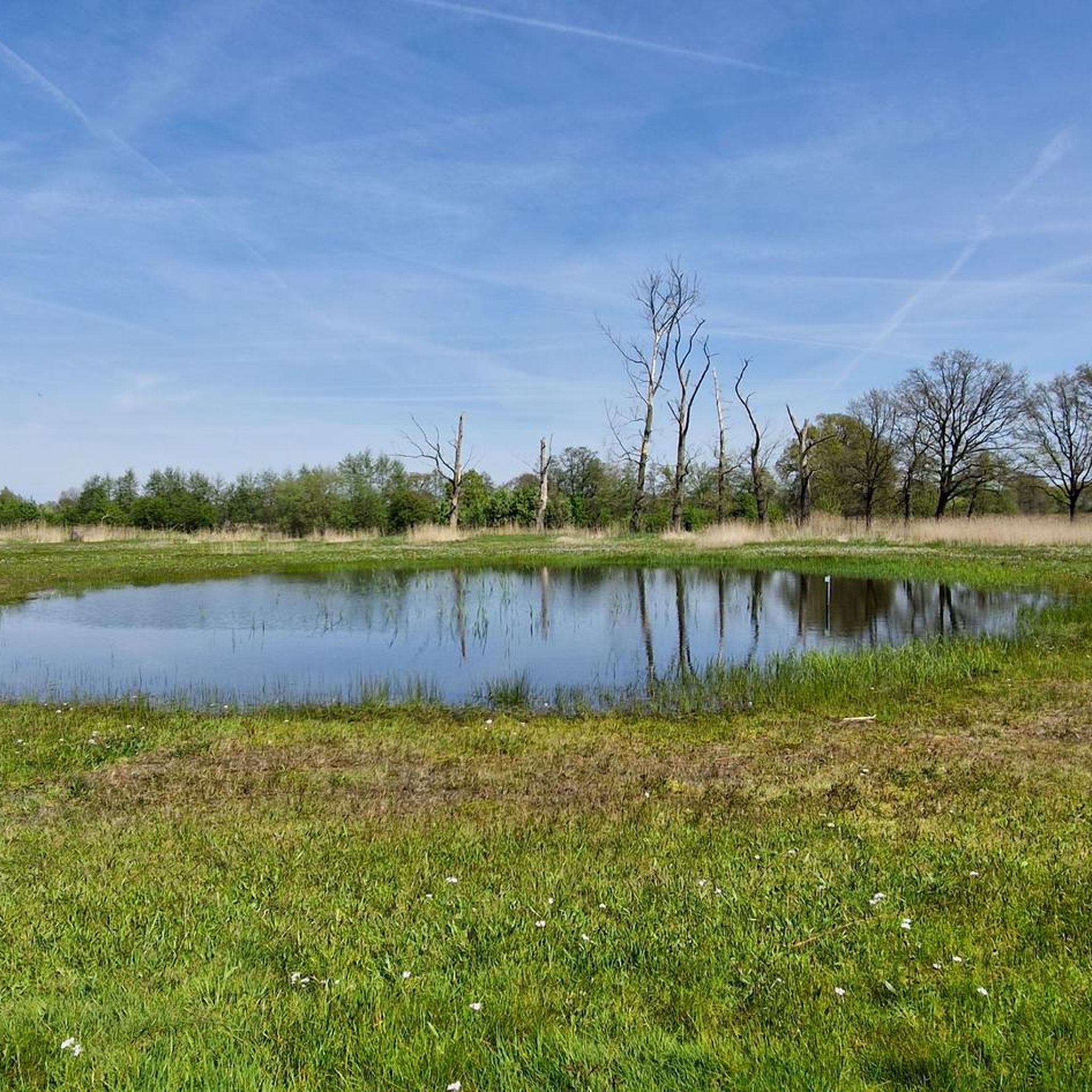
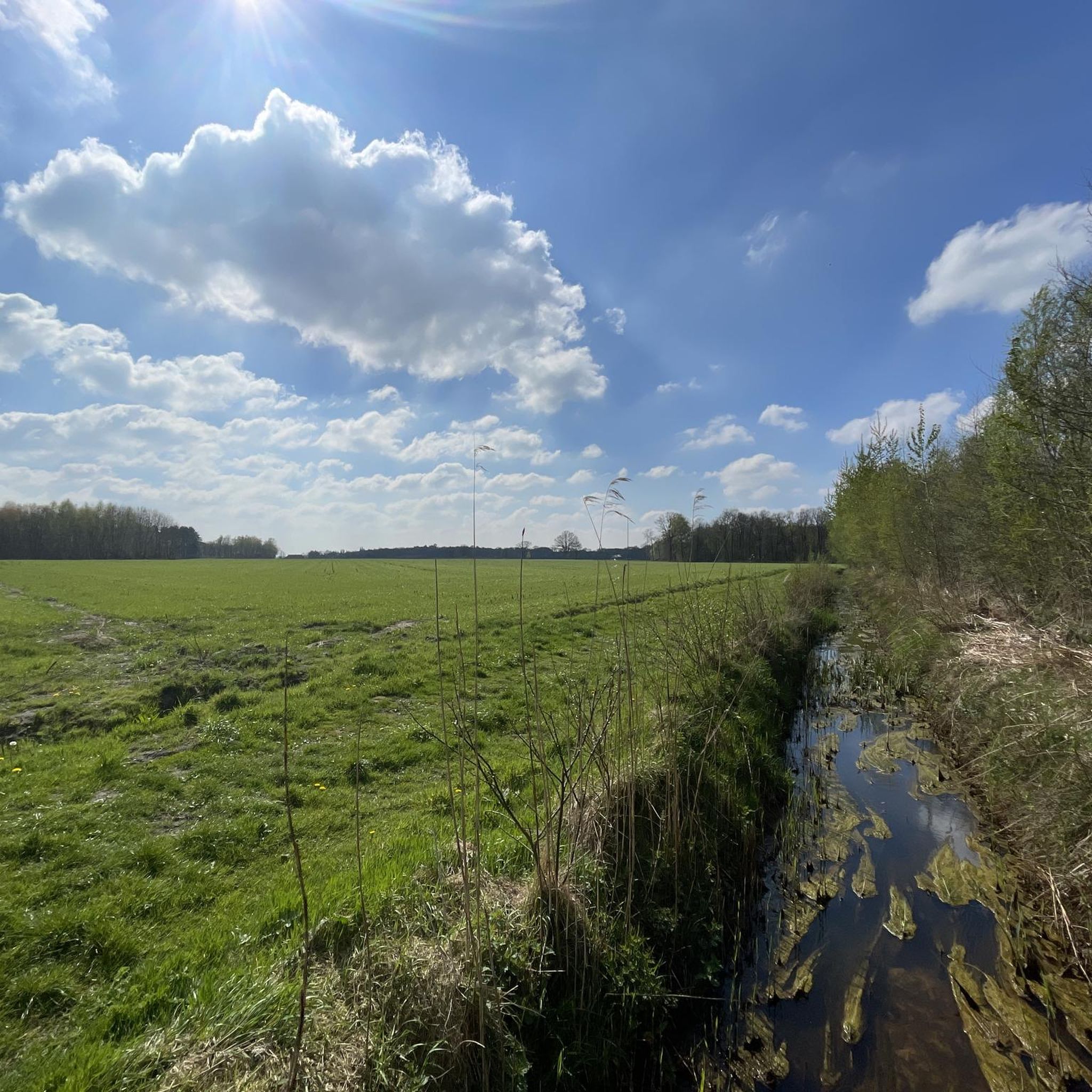
Other adventures around Baarle-Hertog

Tips from the Community

In the Netherlands, cycling is simply fun due to the excellent ground surface and the general 'cyclist nature'.
2
0

Exciting: which country am I in right now?
0
0

Nice little church. It was closed when we were there.
0
0

A nice path where you can choose between sand and asphalt! Don't forget to enjoy the scenery.
1
0

Wortel-Kolonie Vagrants' Cemetery This historic cemetery, nestled in the woods of Wortel-Kolonie, commemorates the vagrants who stayed here between 1890 and 1940. Approximately 170 graves are numbered, some with names, and tell the story of the former charitable colony. A quiet, impressive place steeped in history and remembrance.
9
0
The town hall is an example of civil, late Gothic architecture in brick and sandstone. When the withdrawing German troops dynamited St. Catherine's Tower on October 23, 1944, the town hall was also almost completely destroyed. After the war, this monument was meticulously rebuilt. In 1525, a meeting between Count Antoon de Lalaing and the residents of the Freedom of Hoogstraten decided to build a town hall. The count decided to finance the new town hall himself, as the city's citizens were already helping to bear the heavy burden of building a new choir. The late Gothic town hall was built between 1530 and 1534 to a design by Rombout II Keldermans. He was a master architect from Mechelen and a member of one of the most important master architect families of the Brabant Gothic period. Rombout II Keldermans, like his father, was Mechelen's city architect. Moreover, he rose to become master architect to the Dukes of Brabant and was even appointed personal architect to Emperor Charles V, who ennobled him in 1516. The master builder from Mechelen worked in Hoogstraten until his death in 1531. Afterward, work on the town hall continued under the direction of Hendrik Lambrechts and Antoon II Keldermans. The original town hall housed a concierge's lodge, a butcher's office, a secretariat, a council chamber, an archive storage room, and a two-part militia hall for the guilds. Today, the VisitHoogstraten office is located in the town hall. Source: www.visithoogstraten.be
6
0
This charming chapel in Minderhout was built in the mid-17th century by Pastor Waltman van Dyck, brother of the painter Anthony van Dyck. The name "Our Lady of the Field" refers to an old legend: a girl found a statue under a bush that kept returning to that spot, even when brought to the church. This was seen as a sign that Mary wanted to be venerated there, and so a chapel was built.
6
0
The Laermolen is an undershot watermill located on the Mark River on Molenstraat between Hoogstraten and Minderhout. The first mention of the mill dates back to 1405, but it is likely older. It was formerly a double mill: a corn mill, later a bark mill on the left bank, and an oil mill on the right bank. The oil mill was shut down in 1860, and the rest of the mill in 1913, because the owners had sold the dam rights. After 1918, the bark mill was demolished, leaving only the remains of the oil mill and the lock floor. Since 1995, the non-profit organization De Laermolen has campaigned for its restoration. In 2004, the oil mill was put back into operation. The municipality of Hoogstraten purchased the mill in 2005 and granted it a leasehold to the non-profit organization. The mill is now functioning again and is open to the public on the second and fourth Sundays of the month. Every year, "smoutebollen" (Dutch doughnuts) are served, fried in oil produced by the mill.
8
0
Frequently Asked Questions
How many touring cycling routes are available in Baarle-Hertog?
There are over 50 touring cycling routes around Baarle-Hertog. These routes cater to various skill levels, with 21 easy, 31 moderate, and 4 difficult options.
What kind of terrain can I expect on touring cycling routes in Baarle-Hertog?
The terrain in Baarle-Hertog is characterized by a distinctive cross-border landscape, wooded environments, and picturesque countryside. Many routes utilize former railway lines, like the Bels Lijntje, which offer smooth, dedicated cycling tracks. While generally flat, some routes may feature varied terrain within wooded sections.
Are there any family-friendly touring cycling routes in Baarle-Hertog?
Yes, Baarle-Hertog offers several easy touring cycling routes suitable for families. An excellent option is the Bels Lijntje loop from Baarle-Hertog, an easy 14.8 miles (23.8 km) path that provides a relaxed ride through the cross-border landscape.
Can I find circular touring cycling routes in the area?
Many of the touring cycling routes in Baarle-Hertog are circular, allowing you to start and end at the same point. For example, the The Laermolen Watermill – Bels Lijntje loop from Baarle-Nassau is a popular circular route that covers 22.6 miles (36.4 km).
What are some unique attractions or landmarks I can see while cycling in Baarle-Hertog?
While cycling, you can encounter various interesting spots. The region is famous for its intricate border system, which you'll frequently cross. You might also pass by natural features like Bootjesven or historical sites such as the Bronze Age Burial Mounds with Wooden Post Circle, Regte Heide. Some routes also feature unique highlights like the Smugglers' route border crossing.
Are there routes that highlight the unique cross-border nature of Baarle-Hertog?
Absolutely. The entire region is defined by its complex enclave system, meaning you'll naturally experience the cross-border landscape on most routes. There's even a specific 'Enclave Route' mentioned in regional research that allows cyclists to cross the border numerous times, directly engaging with Baarle's unique geopolitical situation.
What is the best time of year to go touring cycling in Baarle-Hertog?
The best time for touring cycling in Baarle-Hertog is generally during the spring, summer, and early autumn months when the weather is mild and the landscapes are most vibrant. These seasons offer comfortable temperatures for longer rides and allow you to fully appreciate the wooded environments and picturesque countryside.
Are there options for more challenging touring cycling routes?
While many routes are easy to moderate, there are a few more challenging options for experienced touring cyclists. The guide lists 4 difficult routes, which may include varied terrain or longer distances. For example, the Winding Forest Gravel Path – 't Zand Recreation Lake loop from Baarle-Nassau is a moderate route that covers 32.7 miles (52.7 km) and includes varied terrain.
Where can I park my car when starting a touring cycling route?
Baarle-Hertog and its surrounding areas typically offer various parking facilities, especially near popular starting points for cycling routes. It's advisable to check local signage or municipal websites for specific parking locations and any associated fees before your visit.
Is public transport available to reach the cycling routes in Baarle-Hertog?
Public transport options, such as bus services, connect Baarle-Hertog with larger towns in the region. While direct access to every trailhead might vary, you can often reach the general area by public transport and then cycle to your desired starting point. Check local transport schedules for the most up-to-date information.
Are there any historical themed cycling routes in the region?
Yes, the region offers historical routes such as the 'Dodendraadpad' (Dead Wire Route), a 38 km cycling route that explores sites associated with World War I. These routes provide a unique way to combine cycling with learning about the area's rich history.
What do other cyclists say about the touring routes in Baarle-Hertog?
The touring cycling routes in Baarle-Hertog are highly rated by the komoot community, with an average score of 4.5 stars from over 150 reviews. Cyclists often praise the well-maintained paths, the unique experience of cycling through the cross-border enclaves, and the scenic beauty of the wooded environments and picturesque countryside.
Can I find routes that pass by vineyards or other unique local spots?
Yes, you can. The region is home to unique local spots like the Hof van Baarle Vineyard, which is situated within the enclave system. The MTB route Alphen – Hof van Baarle Vineyard loop from Baarle-Nassau is an easy route that passes by this interesting vineyard, offering a chance to explore local agriculture.
Are there any routes that follow old railway lines?
Definitely. A significant feature of the cycling network in Baarle-Hertog is the 'Bels Lijntje,' a former railway line transformed into a 30 km cycling track. Routes like The Laermolen Watermill – Bels Lijntje loop from Baarle-Nassau incorporate sections of this smooth and enjoyable track.
Most popular routes around Baarle-Hertog
Most popular attractions around Baarle-Hertog

Get inspired with the komoot mobile app


Explore more
Browse the best Cycling routes in other regions.
