Top 15 Caves around Trooz
Best caves around Trooz are primarily recognized for their scientific and archaeological significance, offering insights into prehistoric life and geology. The region, situated near the Vesdre river and southeast of Liège, features a landscape shaped by karst formations. While many local caves hold immense historical and natural importance, public accessibility for tourism is limited. Trooz is home to several notable cave systems, including those with significant paleontological and stratigraphic records.
Best caves around Trooz
- The most popular caves is Chawresse…
Last updated: May 19, 2026
Chawresse Trail
Highlight • Trail
Translated by Google •
Tip by

Remouchamps Caves
Highlight • Cave
Translated by Google •
Tip by

Sign up now to discover places like this
Get recommendations on the best single tracks, peaks, & plenty of other exciting outdoor places.
Sign up for free
Casino Grotto, Parc de la Chartreuse
Highlight • Cave
Translated by Google •
Tip by

Sainte-Anne Cave and Rocks
Highlight • Cave
The cave is located on the Esneux-Tilff road, on the right bank of the Ourthe River, 1 kilometer before entering Tilff. The large entrance is approximately 20 meters …
Translated by Google •
Tip by
Sinkhole of Olne (Chantoir de Olne)
Highlight • Cave
Translated by Google •
Tip by
Sign up for free to discover even more caves around Trooz.
Sign up for free
Already have an account?
Start today with a free account
Your next adventure awaits.
Login or Signup
Popular around Trooz
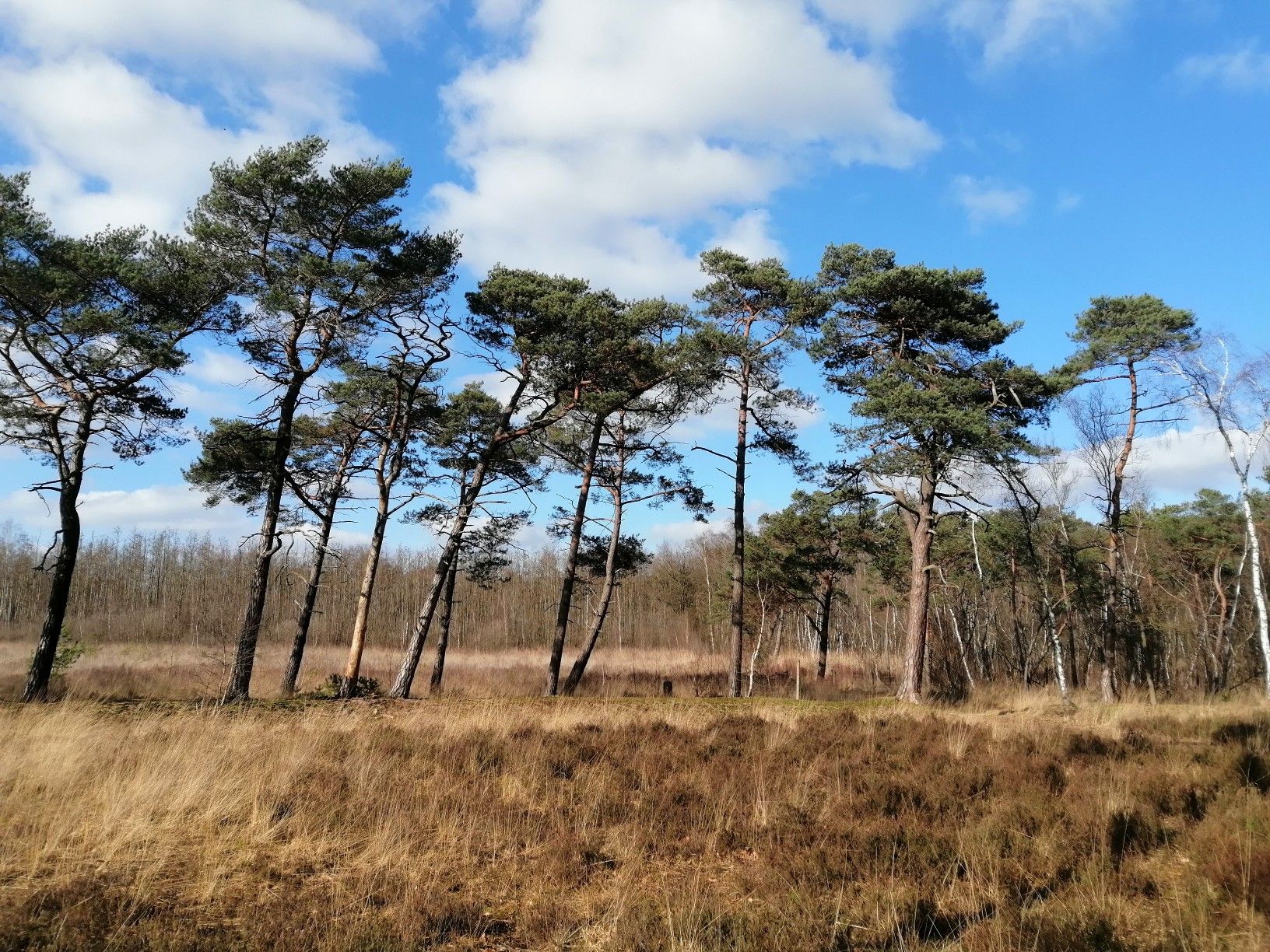
From Flanders to the Ardennes — GR 5 in Belgium
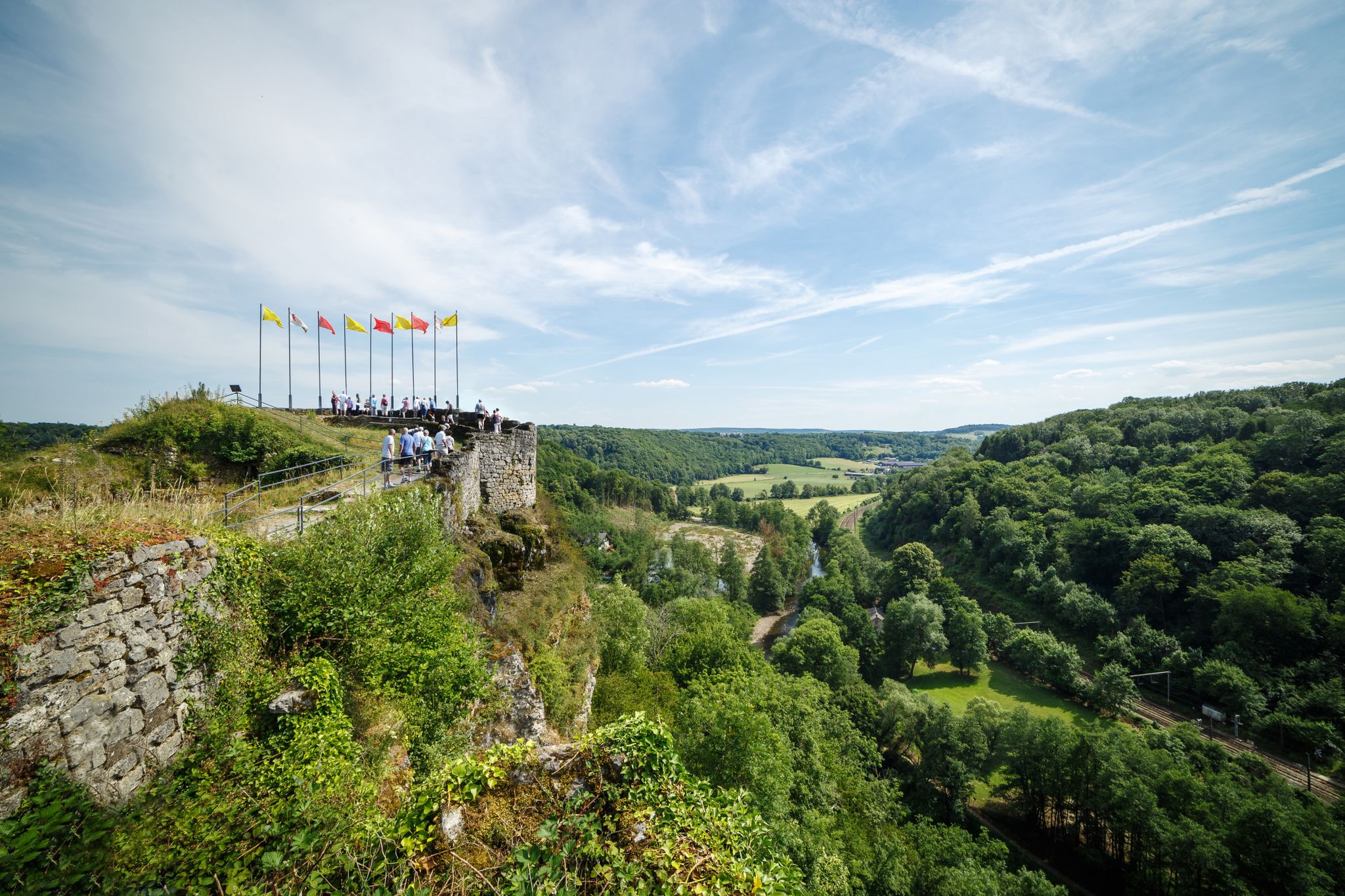
The wild rivers Ourthe, Vesdre and Amblève in the Belgian Ardennes
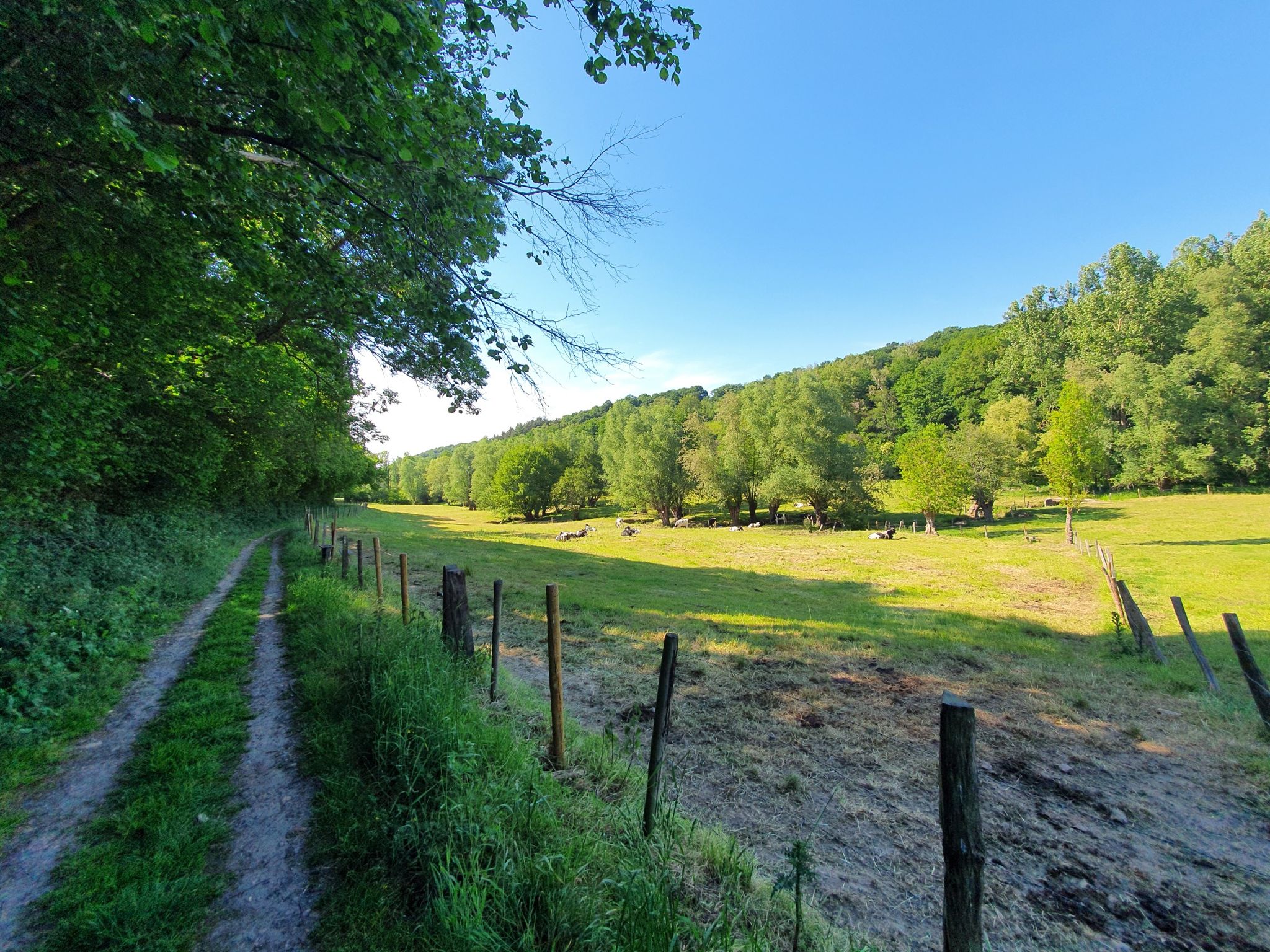
Hike between orchards and hedgerows – Belgium’s Tour du Pays de Herve
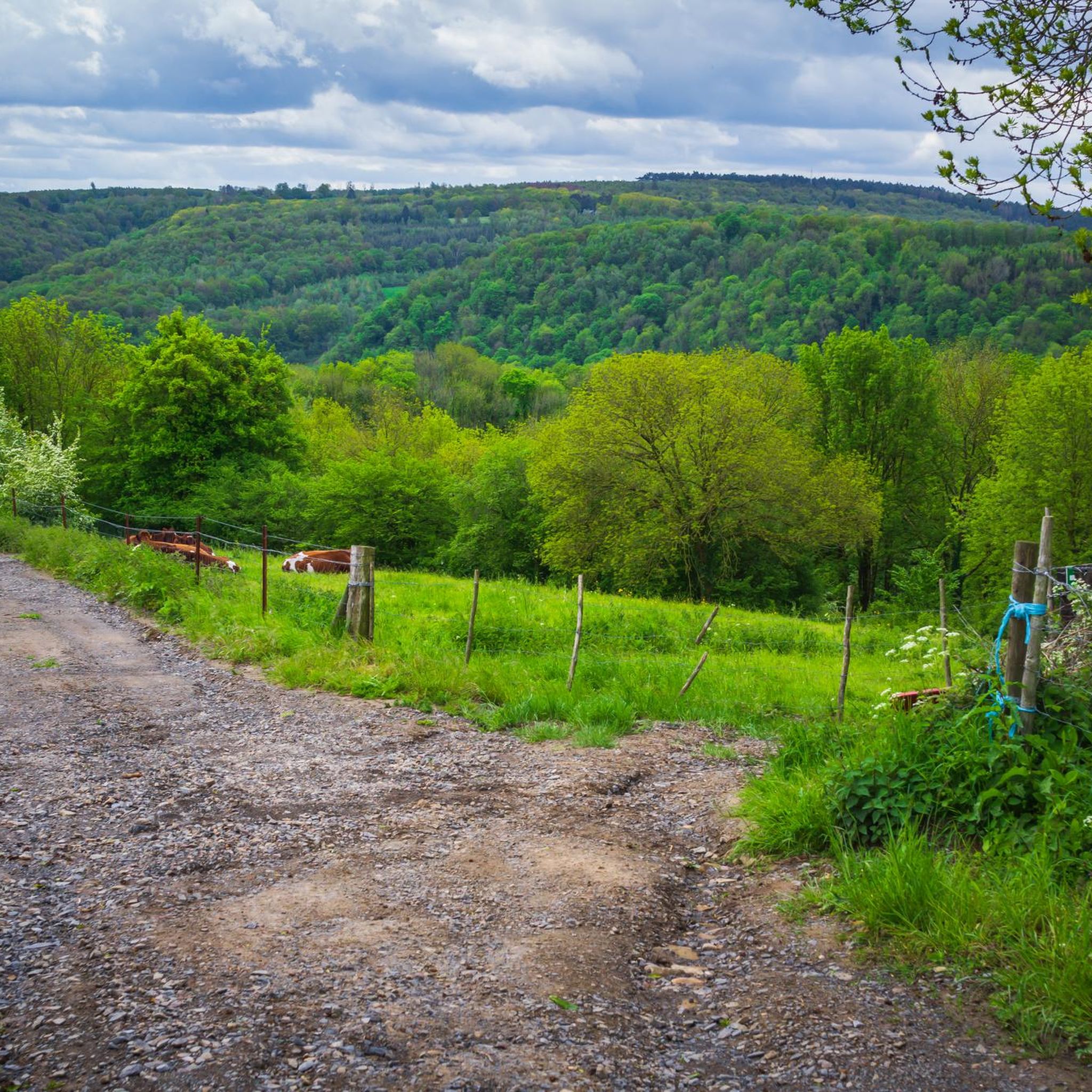
Hiking around Trooz
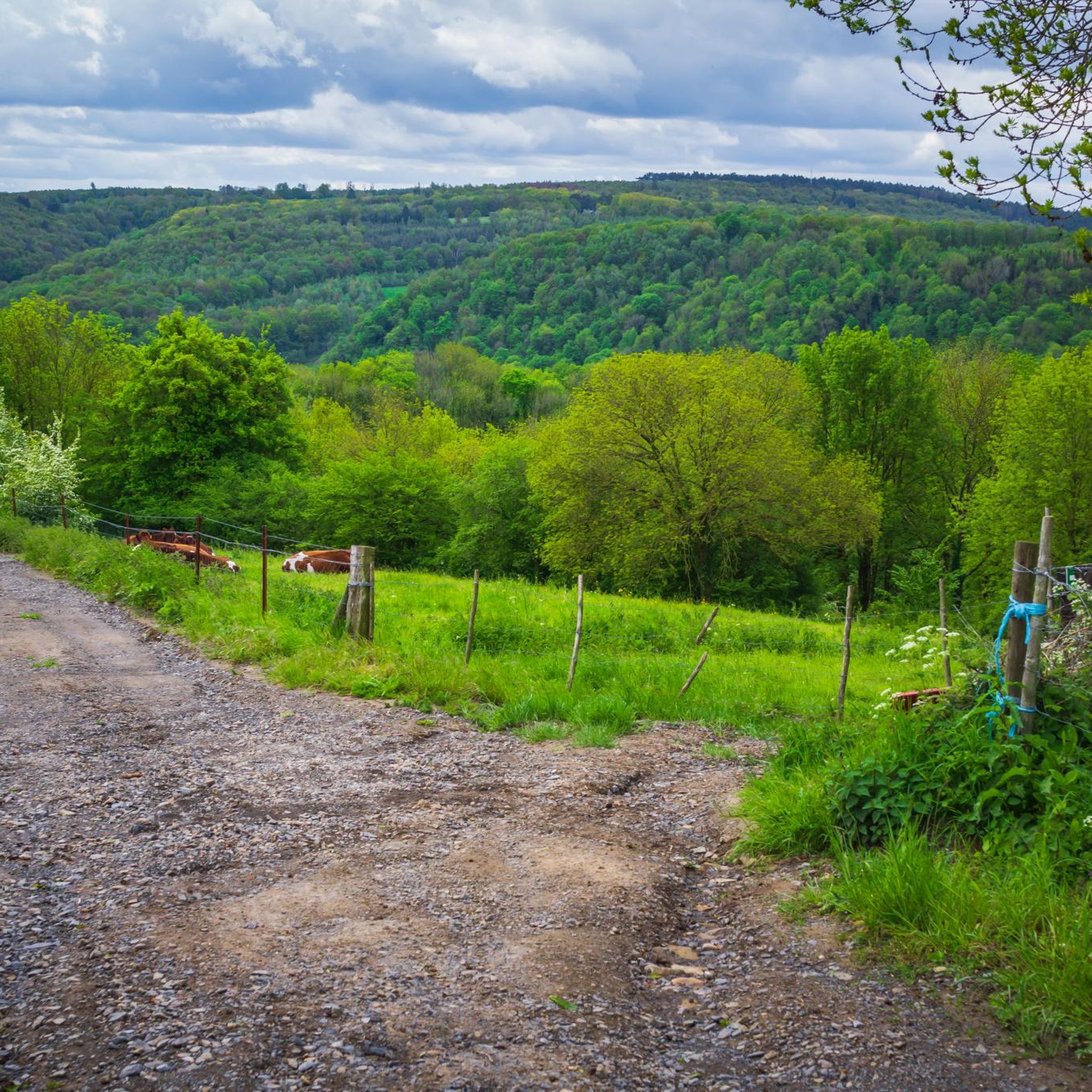
Road Cycling Routes around Trooz
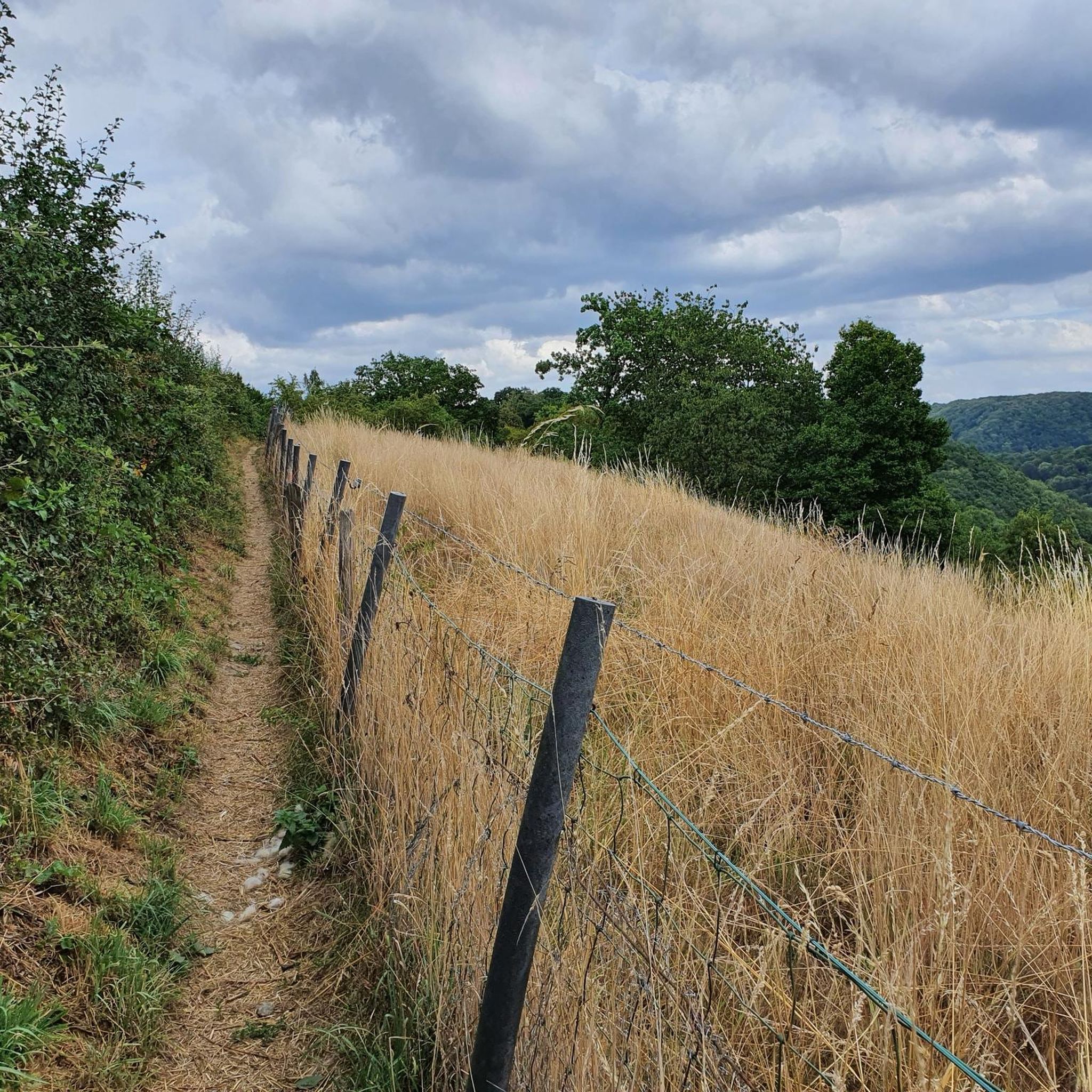
Cycling around Trooz
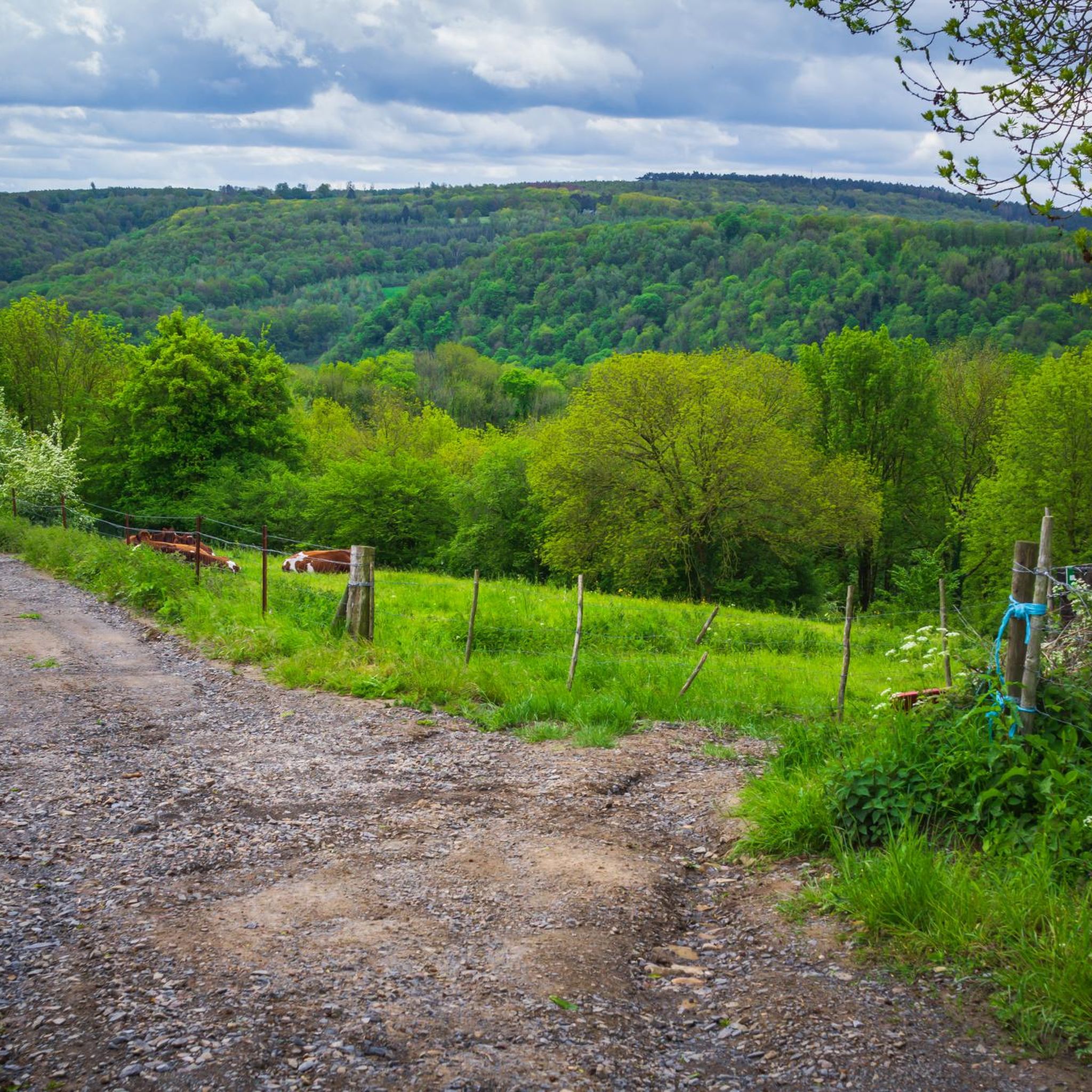
MTB Trails around Trooz
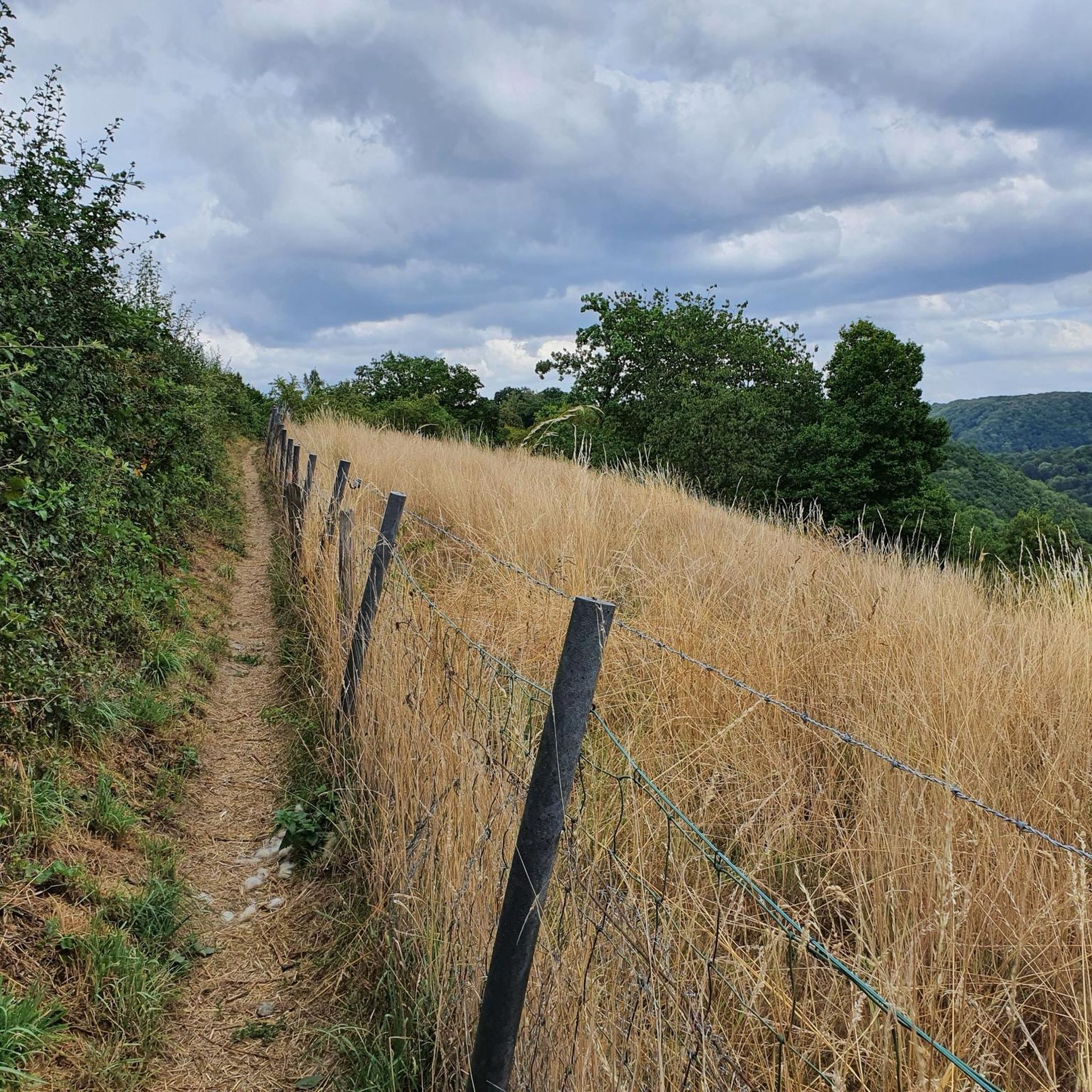
Running Trails around Trooz

Gravel biking around Trooz
Other adventures around Trooz


Tips from the Community

Entrance fees (including the underground boat tour) may vary depending on the season. Children aged 3–11 pay €14, teenagers €17, adults €20, and seniors aged 60 and over €16. Reduced rates are available for people with reduced mobility. The caves are open daily from 9:30 a.m. to 5:00 p.m. Payment can be made in cash or by credit card. Reservations can be made online or by phone. A special tour for people with reduced mobility is available—please contact us in advance if you require one.
46
0

This region is home to numerous sinkholes, where flowing surface water from streams disappears into cracks in the chalky subsoil, emerging much lower down in the landscape. The most famous is the Chantoir in Olne. The Ry de Vaux stream disappears into the subsoil here, flowing through an underground cave system and reservoir. It is fed by other surrounding water and re-emerges in several karst springs in Vaux-sous-Olne, 760 meters further and 60 meters lower!
0
0
Also called Château Chrouet, after Dr. Warnier Chrouet, who had it built around 1700. Its facade was kept simple. At the rear, large windows overlooked the green Vesdre valley from the hill. A striking feature of the facade is the 17th-century entrance portal in carved limestone with a canopy (canopy) above it. This was typical of many buildings of that period in Olne and was locally called a "teutê." We also see some on the cemetery portal and the municipal garden, but most have been lost over time. The castle's teutë was embellished with a charming turret.
0
0
The Olne sinkhole, where the Ry de Vaux stream plunges into the subsurface, emerging 60 meters lower in Vaux, at various points, and then reemerging nine days later. It flows through an underground cave system, flowing through other water bodies and a reservoir.
0
0

is currently dry, unfortunately
1
0

Unexpected spot in the middle of the park, next to a viewpoint over the city (let's see if we can still see that far when the trees have turned green...), a reminder of a time when the walking routes were punctuated by https://www.dogwhistlings.com
0
0
Approach (Parking) 50.556177, 5.579821 This massif consists of various climbing routes with varying degrees of difficulty. 1) La Dalle → The Slab 2) Porche de la Grotte → Portal of the Grotto or Entrance to the Cave 3) Porche Triangulaire / The Anticlinal → Triangular Portal / The Anticlinal 4) Dalle Supérieure → Upper Slab 5) Les Bombés → The Overhangs
50
0
Coordinates: 235.87/139.12/85 The cave is located on the Esneux-Tilff road, on the right bank of the Ourthe River, 1 kilometer before entering Tilff. The large entrance is approximately 20 meters above the road, at the foot of a very steep limestone cliff. This cave has been known for a long time: it was discovered during quarrying in 1837. In the 1960s, the "Réseau Lemaire" was discovered; an upper level with beautiful calcite pools and a lake. Source: https://www.scavalon.be/avalonnl/fiches/fich23.htm
52
0
Frequently Asked Questions
Are the caves directly in Trooz open to the public for visits?
The caves located directly within Trooz, such as Grottes de la Chantoire (Trou des Sottais), Grotte Walou, and Grottes des Fonds de Forêt, are primarily sites of scientific and archaeological importance. They are generally not open for public tours or regular tourist visits. Grottes des Fonds de Forêt, for example, is explicitly closed to the public.
Which caves near Trooz are accessible for tourists?
While caves within Trooz are mostly inaccessible, the Remouchamps Caves are a well-known show cave in Belgium, located a short distance from Trooz. They have been open to the public since 1828 and offer guided tours, including an underground boat tour.
What is the best time of year to visit caves near Trooz?
The Remouchamps Caves maintain a constant temperature of 8 to 10 degrees Celsius year-round, making them suitable for visits in any season. For outdoor activities like hiking around the region, spring and autumn generally offer pleasant weather.
Are there family-friendly activities related to caves near Trooz?
Yes, the Remouchamps Caves are considered family-friendly, offering an engaging experience for children and adults with their guided tours and underground boat ride. Children aged 3–11 have reduced entrance fees.
Are there hiking trails that incorporate cave features around Trooz?
Yes, the Chawresse Trail forms a beautiful valley with interesting rocks and caves, and the stream disappears underground into cavities. Another option is the Sainte-Anne Cave and Rocks, which features a cave and climbing routes, though only the beginning of the cave is viewable for non-cavers.
What kind of historical or archaeological significance do the caves in Trooz hold?
The caves in Trooz are highly significant for their historical and archaeological value. Grotte Walou, for instance, is an extremely important archaeological site for the Belgian Paleolithic, revealing numerous prehistoric occupations and even a Neanderthal tooth. Grottes de la Chantoire also holds significant archaeological and paleontological interest with prehistoric remains.
Can I find viewpoints or natural landmarks near the caves in Trooz?
Yes, the Casino Grotto, Parc de la Chartreuse offers both a cave and a viewpoint over the city. The Sainte-Anne Cave and Rocks are also part of a well-known massif with climbing routes and natural rock formations.
Are there any permits required for caving or exploring near Trooz?
For the scientifically important caves directly in Trooz, public access is restricted, and specialized permits would be required for scientific or speleological exploration. For publicly accessible show caves like Remouchamps Caves, no special permits are needed beyond the standard entrance ticket.
What are some other outdoor activities I can do near the caves around Trooz?
The region around Trooz offers various outdoor activities. You can find numerous road cycling routes, gravel biking trails, and running trails. Options range from challenging climbs like Côte de Stockeu to scenic routes along the Ourthe river.
Is there parking available at the accessible caves or nearby hiking areas?
For the Remouchamps Caves, parking is available on-site. For hiking areas like the Sainte-Anne Cave and Rocks, approach parking is typically available nearby, as indicated by coordinates for access points.
What kind of wildlife can be found in or around the caves near Trooz?
The caves in Trooz, particularly Grottes de la Chantoire, are known to host various troglophile invertebrates and several species of bats, though bat numbers have decreased in recent years. The surrounding natural areas also support diverse local wildlife.
Are there any unique natural phenomena associated with the caves in Trooz?
Yes, the Sinkhole of Olne (Chantoir de Olne) is a notable natural phenomenon where a stream disappears into an underground cavity and reappears 760 meters away and 60 meters lower, with the underground journey taking about 9 days. This doline has been the subject of speleological research.
Most popular attractions around Trooz

Get inspired with the komoot mobile app


Explore more
Extend your search for the best caves by checking out these guides of the top ones around Trooz:
