Top 19 Caves around Castrignano Del Capo
Best caves around Castrignano Del Capo are primarily sea caves, sculpted by natural forces along the coastline. This region, particularly around Santa Maria di Leuca, features numerous natural attractions with unique geological formations and historical significance. The area offers crystal-clear waters and intriguing rock structures, making it a notable destination for exploring coastal paths and natural wonders. Many caves are accessible by boat, with some offering opportunities for swimming.
Best caves around Castrignano Del Capo
- The most popular caves is…
Last updated: June 30, 2026
Ciolo Bridge
Highlight • Bridge
Translated by Google •
Tip by

Cipolliane Cave
Highlight • Cave
Translated by Google •
Tip by

Sign up now to discover places like this
Get recommendations on the best single tracks, peaks, & plenty of other exciting outdoor places.
Sign up for free
Cipolliane Trail
Highlight (Segment) • Trail
Translated by Google •
Tip by
Punta Ristola and Grotta del Diavolo
Highlight • Viewpoint
Translated by Google •
Tip by

Grotta delle Fate
Highlight • Cave
Translated by Google •
Tip by

Sign up for free to discover even more caves around Castrignano Del Capo.
Sign up for free
Already have an account?
Start today with a free account
Your next adventure awaits.
Login or Signup
Other adventures around Castrignano Del Capo

Tips from the Community

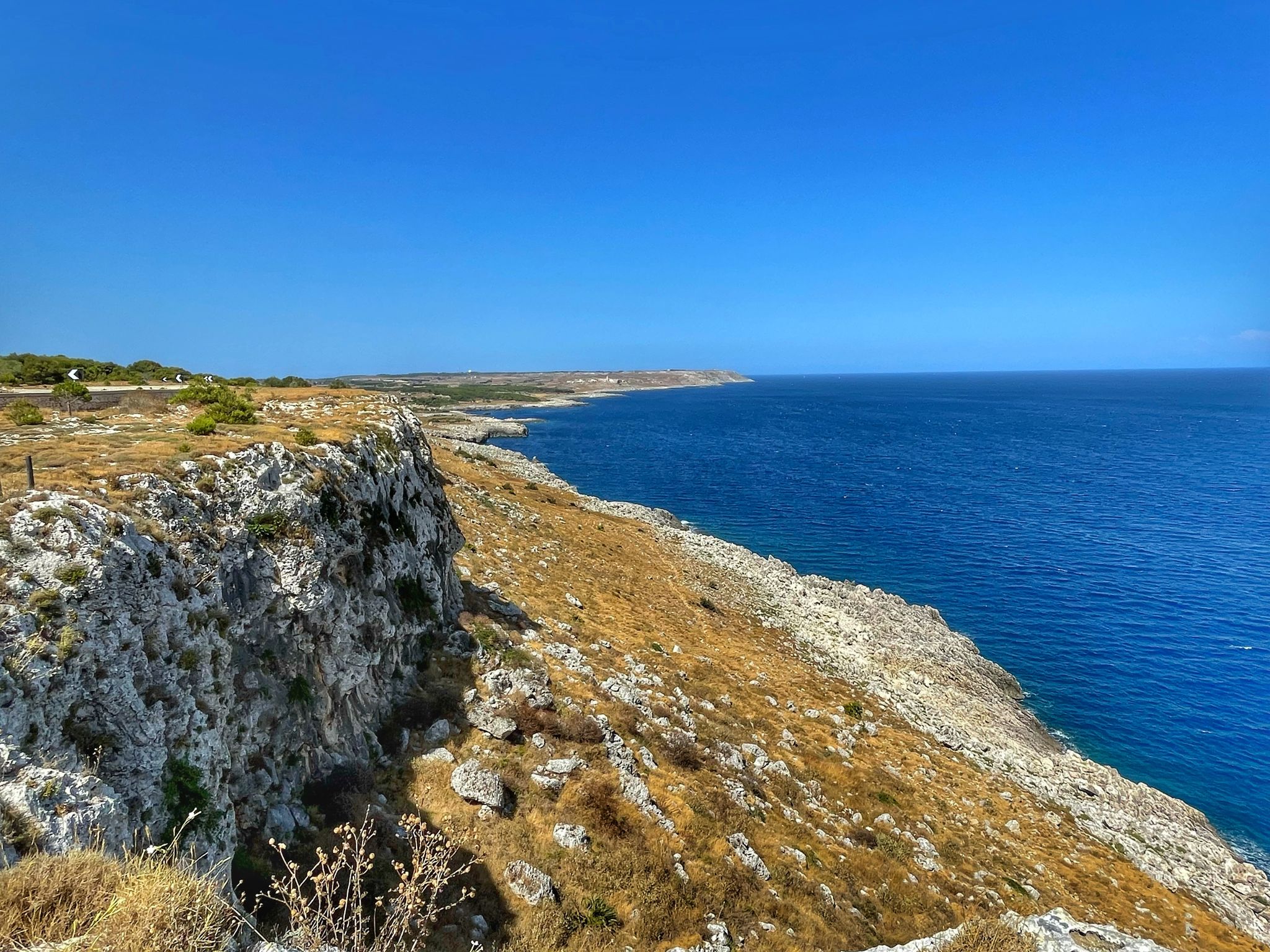
the point is magnificent, from here several single tracks wind down to the sea or into the countryside and you can enjoy a splendid view of the Ionian coast
0
0

Reopened on April 24, 2024, after renovations and refurbishments. There are now separate pedestrian lanes alongside the road. In the evening, the bridge is illuminated with rainbow colors—haha, just kidding 😅—thankfully, they're the colors of the Italian flag 🇮🇹.
1
0


The Ciolo bridge is the perfect destination for those who love diving from great heights. The bridge connects the canyon and below is a beach. 40 meters high, there is a breathtaking panorama occasionally interrupted by the "splash" of those who dive. Near the bridge there are many caves including the Ciolo cave. The name “Ciolo” derives from the Salento word “Ciole”, to indicate the numerous magpies that nested along the coast.
2
0

August 2023 unfortunately currently closed due to construction work.
0
0

Be careful when going down. the purple clay is very slippery in places!
1
0
Beautiful spot. I think it is also the starting point for a nice walk.
1
0
Frequently Asked Questions
What are the most notable caves to visit around Castrignano Del Capo?
The region offers a captivating array of sea caves. Among the most notable are the Grotta delle Tre Porte, known for its three impressive entrances and pristine waters, and the Grotta del Presepe, which features remarkable limestone sculptures resembling a nativity scene. You can also explore the historically significant Grotta del Diavolo, which holds archaeological importance from the Neolithic period.
Are there any caves with historical or archaeological significance in the area?
Yes, several caves in Castrignano Del Capo have significant historical and archaeological value. The Grotta del Diavolo on Punta Ristola is particularly notable for its Neolithic artifacts. Additionally, Grotta Porcinara is historically significant for its Greek and Latin inscriptions, suggesting it once served as an ancient temple. The Grotta del Bambino is also important for the discovery of a Neanderthal child's molar.
What is the best way to explore the caves around Castrignano Del Capo?
Many of the sea caves are best explored by boat, with guided tours often departing from Santa Maria di Leuca. This allows access to caves like Grotta delle Tre Porte and Caverna delle Ossa. Some caves, such as the Grotta del Diavolo, are accessible by both land and sea, offering different perspectives.
Are there opportunities for swimming or snorkeling in the caves?
Yes, many caves offer excellent opportunities for swimming and snorkeling. The Grotta delle Tre Porte and Caverna delle Ossa are known for their crystal-clear waters, making them ideal for snorkeling. The Grotta del Presepe is also highly recommended for exploring with a mask and fins when the sea is calm.
What kind of natural features can I expect to see in these caves?
The caves around Castrignano Del Capo showcase diverse natural features. You can find stunning rock formations, impressive stalactites, and crystal-clear waters. For instance, Grotta del Presepe is famous for its limestone sculptures, while Grotta del Drago features a unique stalactite resembling a dragon's head and mesmerizing green-blue water. The Grotta dei Gabbiani is characterized by numerous water infiltrations forming beautiful stalactites.
Are there any family-friendly caves or activities suitable for children?
While specific family-friendly designations for individual caves are not always clear, boat tours are generally a good option for families to see many caves from the sea. The clear waters and unique formations can be captivating for children. For land-based exploration, the Cipolliane Trail offers accessible paths to view some cave entrances, though some sections can be steep.
What outdoor activities can I do near the caves?
Beyond cave exploration, the area around Castrignano Del Capo offers various outdoor activities. You can find numerous hiking trails, such as those detailed in the Hiking around Castrignano Del Capo guide, including coastal paths. Cycling and running routes are also available, as highlighted in the Cycling around Castrignano Del Capo and Running Trails around Castrignano Del Capo guides.
Is it possible to access any caves by land?
Yes, some caves are accessible by land. The Grotta del Diavolo, located on Punta Ristola, can be reached by land. The Cipolliane Trail also leads to the entrances of the Cipolliane Cave, which are large natural cavities accessible via narrow branches from the main path.
What is the best time of year to visit the caves?
The best time to visit the sea caves is generally when the sea is calm, which is more common during the warmer months, typically from late spring to early autumn. This period allows for easier boat access and more pleasant conditions for swimming and snorkeling. However, some land-accessible caves can be visited year-round, weather permitting.
Are there any viewpoints near the caves offering scenic panoramas?
Yes, the coastal area around Castrignano Del Capo offers stunning viewpoints. Punta Ristola provides breathtaking panoramas where the Ionian and Adriatic seas are said to meet. The Ciolo Bridge also offers a spectacular view over a deep cove with clear, blue-green waters.
Where can I find accommodation or dining options near the caves?
Santa Maria di Leuca, being a central point for cave tours, offers various accommodation and dining options. You'll find cafes and restaurants near the port. For those exploring the Cipolliane area, there are also options in nearby towns and along the coastal routes.
Most popular routes around Castrignano Del Capo
Most popular attractions around Castrignano Del Capo

Get inspired with the komoot mobile app


Explore more
Extend your search for the best caves by checking out these guides of the top ones around Castrignano Del Capo:
