Top 7 Castles around Ponsacco
Castles around Ponsacco offer a glimpse into the region's rich history and strategic importance. While Ponsacco itself no longer retains its original fortifications, the surrounding area features notable historical sites. The landscape is characterized by rolling hills and agricultural lands, typical of the Valdera region in Tuscany. This area provides a blend of historical exploration and natural scenery.
Best castles around Ponsacco
- The most popular castles is View on Lari, a viewpoint that offers views of the Castello dei…
Last updated: June 30, 2026
The Castle of Lari (Lari Fortress, Pisa)
Highlight • Castle
Tip by

Brunelleschi’s Fortress of Vicopisano
Highlight • Castle
Translated by Google •
Tip by

Sign up now to discover places like this
Get recommendations on the best single tracks, peaks, & plenty of other exciting outdoor places.
Sign up for free
Palaia Historic Town Center
Highlight • Historical Site
Translated by Google •
Tip by

Caprona
Highlight • Castle
Translated by Google •
Tip by

Medieval Towers of Vicopisano
Highlight • Historical Site
Tip by

Sign up for free to discover even more castles around Ponsacco.
Sign up for free
Already have an account?
Start today with a free account
Your next adventure awaits.
Login or Signup
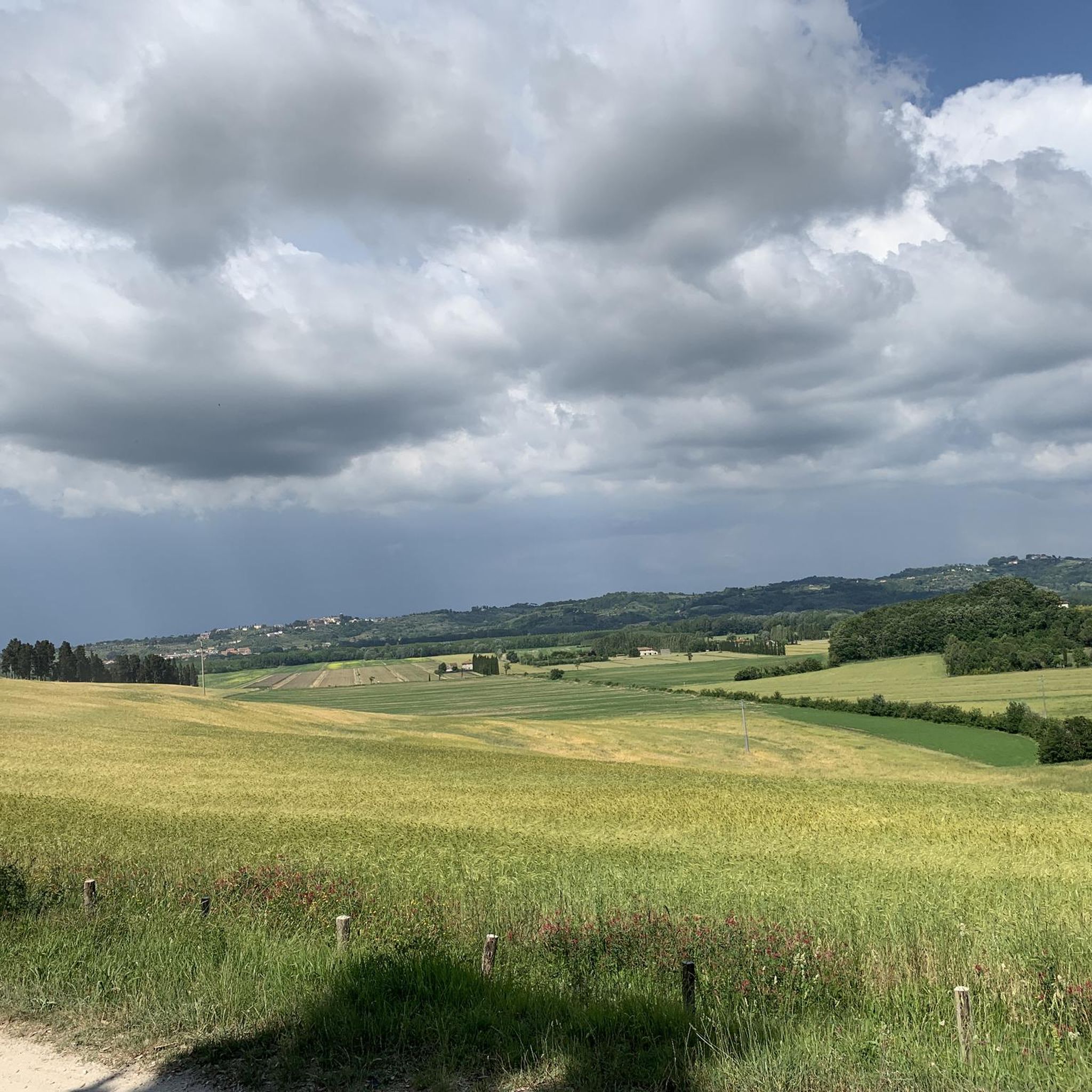
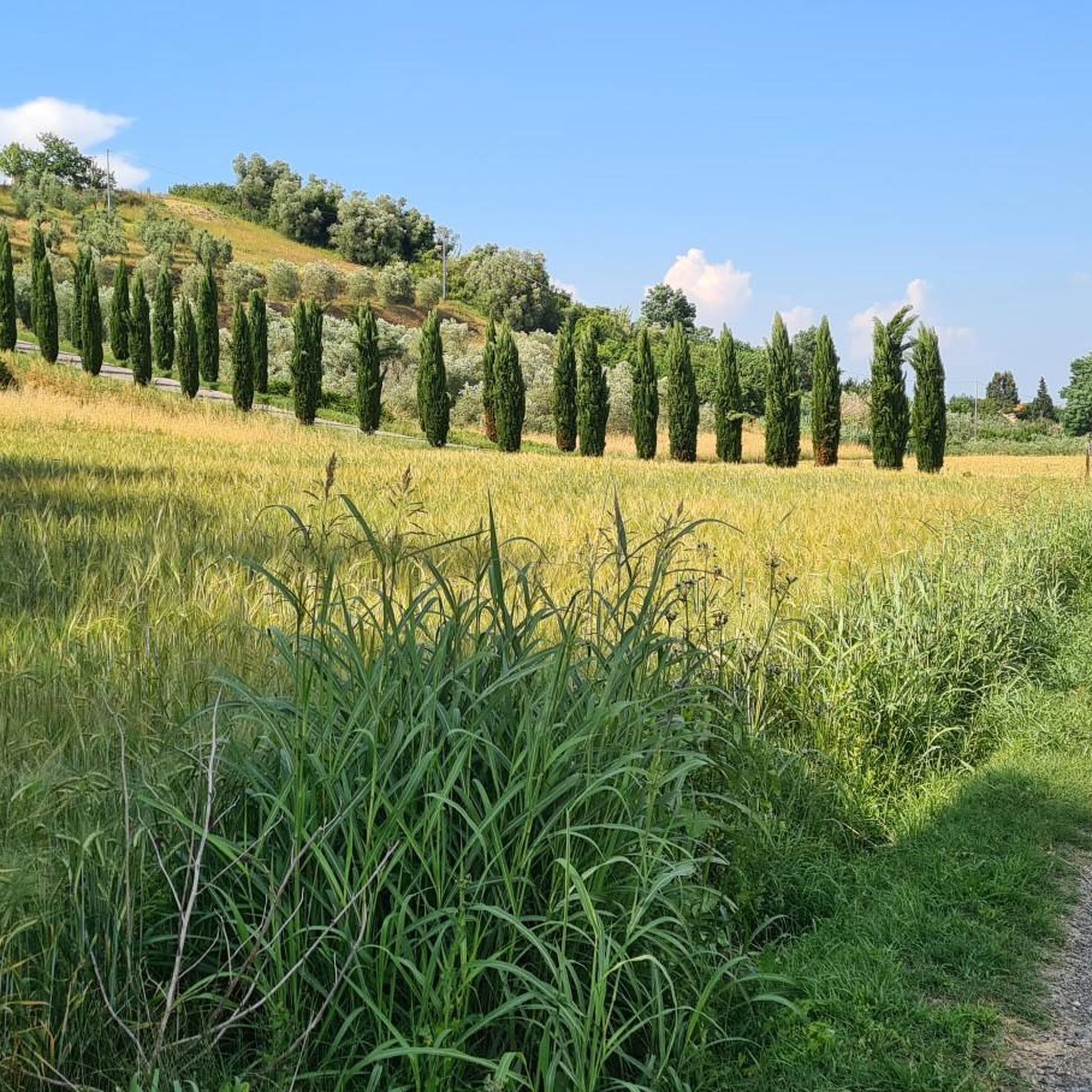
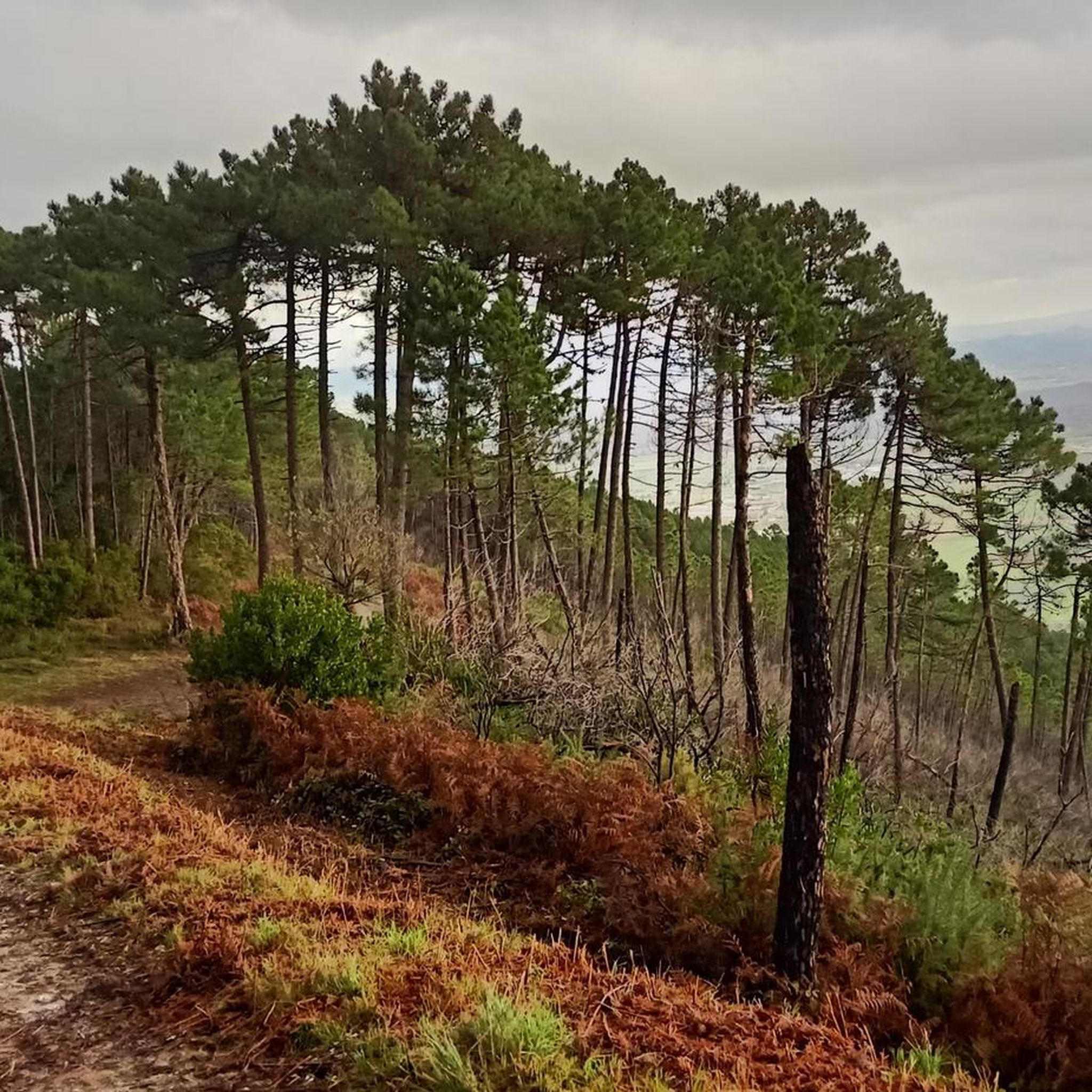
Tips from the Community

A medieval town with charming streets and climbs. Buildings full of history.
0
0

Palaia is an ancient agricultural center of Etruscan origins, known for its historic churches and agricultural traditions. Some notable landmarks are the parish church of San Martino and the church of Sant'Andrea. Surrounding areas such as Montefoscoli and San Gervasio are home to museums displaying vintage agricultural tools and tractors. Palaia is a starting point for scenic excursions to picturesque villages such as Colleoli, Villa Saletta and Toiano. Palaia is also known for the white truffle harvest.
2
0

The castle on the mountain overlooks the city of Caprona and the tower stands out at the top. The town of Caprona suffered an attack by the army of the Tuscan Guelph League, which included the young soldier Dante Alighieri. Dante mentions the place in the XXI Canto of the Inferno: “Thus I saw I already feared the infantry who issued under treaty from Caprona, seeing himself among constant enemies.”
5
0

Lari is famous for its Castello dei Vicari, located at the top of the hill and in the center of the city. This interesting fortress was started around the year 1000 in a strategic point of the Arno valley and grew in splendor until 1400, when it began to host the Vicars, i.e. the magistrates who had the task of administering a large part of the Pisan territory on behalf of the Grand Duke of Tuscany. Today, after being restored, it is open to the public and hosts conferences, meetings and exhibitions, as well as guided tours, entertainment, concerts, theater, wedding ceremonies and other initiatives for groups and school parties. Timetable: 01.01 — 31.03 and 01.11 — 31.12: Saturday and holidays from 10.30am to 12.30am and from 3pm to 6pm 01.04 — 31.05: Monday-friday from 3.30pm to 7pm. Saturday and holidays from 10.30am to 12.30am and from 3.30pm to 7pm 01.06 — 30.09: Every day from 10:30am to 13:00pm/3:00pm to 7:00pm 01.10 — 31.10 Monday-friday from 3pm to 6pm. Saturday and holidays from 10.30am to 12.30am and from 3pm to 6pm Full price ticket €4.00 Guided tour on booking €5.00 Reduced ticket and school parties €3.00 For reservations or other information, tel 0587 687116 or mail to info@castellodilari.it
2
0

This is the Rocca del Brunelleschi, commissioned to the architect Filippo Brunelleschi after the village besieged for eight months by the Florentines, had been definitively conquered by them against the city of Pisa. The victory for Florence had been very important and had to be maintained over time: Vicopisano covered a decidedly strategic area thanks to the confluence of the Arno river which connected it to Pisa and the Auser river which put it in communication with Lake Sextum and therefore with the Lucchesia. . In 1435 the project was entrusted to Filippo Brunelleschi who showed his idea to the government commission through a project made of wood and clay; the project gathered enthusiasm and work began immediately which drastically changed a large part of the town of Vicopisano. The existing tower was modified with the aim of being impregnable and autonomous in terms of water and food.
1
0

A small town placed on the foot of Mount Pisano, it's know for its fortress. The fortress built in the 1435 on a project of Filippo Brunelleschi at the behest of the Florentine goverment.
1
0
Frequently Asked Questions
What are the most historically significant castles or fortified sites near Ponsacco?
While Ponsacco itself no longer has its original fortifications, the surrounding area boasts several historically significant sites. The Castle of Lari, also known as Castello dei Vicari, dates back to around the year 1000 and served as a crucial seat of Florentine power for centuries. Another key site is Brunelleschi’s Fortress of Vicopisano, built in 1435 by the renowned architect Filippo Brunelleschi. Additionally, the Palaia Historic Town Center has Etruscan origins and features historic churches, while the Medieval Towers of Vicopisano are part of the town's rich defensive history.
Is there a 'villa-castle' near Ponsacco?
Yes, the Villa Medicea di Camugliano, also known as Villa Niccolini, is located a few kilometers from Ponsacco. This imposing building features four corner towers, giving it the appearance of a 'villa-castle'. It was constructed starting in 1533 and later modified, blending residential elegance with military architectural elements. The estate is also known for its beautiful cypress-lined avenue and historical significance.
What are the opening hours and ticket prices for the Castle of Lari?
The Castle of Lari has varying opening hours depending on the season. From January to March and November to December, it's open Saturdays and holidays from 10:30 AM to 12:30 PM and 3:00 PM to 6:00 PM. From April to May, it's open Monday-Friday from 3:30 PM to 7:00 PM, and Saturdays/holidays from 10:30 AM to 12:30 PM and 3:30 PM to 7:00 PM. From June to September, it's open daily from 10:30 AM to 1:00 PM and 3:00 PM to 7:00 PM. In October, it's open Monday-Friday from 3:00 PM to 6:00 PM, and Saturdays/holidays from 10:30 AM to 12:30 PM and 3:00 PM to 6:00 PM. A full-price ticket costs €4.00, and guided tours are €5.00 upon booking.
Are there family-friendly castle visits in the Ponsacco area?
Yes, several sites are considered family-friendly. The Castle of Lari offers guided tours and various initiatives suitable for groups and school parties. The Palaia Historic Town Center and the Medieval Towers of Vicopisano are also noted as family-friendly, offering engaging historical exploration.
What outdoor activities can I do near these castles?
The region around Ponsacco offers various outdoor activities. You can explore numerous cycling routes, including options for gravel biking and mountain biking. For instance, there are routes like the 'Castello dei Vicari – Fontana di Crespina loop' for cycling, or 'Colline di Lari – Casciana Alta Historic Center loop' for mountain biking. You can find more details and routes in the Gravel biking around Ponsacco, Cycling around Ponsacco, and MTB Trails around Ponsacco guides.
Can I find scenic viewpoints of the castles or surrounding countryside?
Absolutely. The View on Lari is a popular highlight offering beautiful vistas of the Castello dei Vicari di Lari and the picturesque surrounding countryside. Exploring the hilly terrain around towns like Palaia and Vicopisano will also reveal many scenic spots.
What is the best time of year to visit the castles around Ponsacco?
The Valdera region of Tuscany, where Ponsacco is located, is generally pleasant to visit in spring (April-May) and autumn (September-October) when the weather is mild and the landscapes are vibrant. Summer (June-August) can be hot, but it's also a popular time for tourism. Winter offers a quieter experience, though some attractions might have reduced hours.
Are there any dog-friendly walking routes near the castles?
While specific dog policies for individual castles vary, the general Valdera region offers many walking routes through its rolling hills and countryside that are suitable for walks with dogs. When visiting specific sites, it's advisable to check their individual pet policies beforehand. Many of the outdoor routes mentioned in the cycling and MTB guides can also be adapted for walking.
What kind of terrain can I expect when exploring the area around Ponsacco's castles?
The terrain around Ponsacco is characterized by rolling hills and agricultural lands, typical of the Valdera region in Tuscany. You can expect a mix of gentle slopes and more challenging ascents, especially when visiting castles situated on hilltops. The paths can range from paved roads in towns to unpaved country lanes and trails.
Are there any other historical fortified structures besides the main castles?
Yes, beyond the prominent castles, the region has other historical fortified structures. For example, the Castello Montebicchieri, dating back to the 13th century, is another historical site in the vicinity, which today houses a church with 14th-century decorative elements, hinting at its past significance as a fortified settlement.
What do visitors enjoy most about the castles around Ponsacco?
Visitors frequently appreciate the rich history and strategic importance of the castles, offering a glimpse into the region's past. The architectural diversity, from medieval fortresses to 'villa-castles,' is also a highlight. Many enjoy the scenic views from elevated castle locations, such as the View on Lari, and the opportunity to combine historical exploration with outdoor activities in the beautiful Tuscan landscape.
How long should I plan for a visit to a castle or historical town center?
The duration of your visit can vary. For a site like the Castle of Lari, a guided tour might take 1-2 hours. Exploring a historical town center like Palaia or Vicopisano, including its towers and fortress, could easily fill half a day, especially if you also enjoy a meal or coffee in the village.
Most popular routes around Ponsacco
Most popular attractions around Ponsacco

Get inspired with the komoot mobile app


Explore more
Looking for the best castles somewhere else? Discover other guides around Ponsacco:
