Top 9 Castles around Valdobbiadene
Best castles around Valdobbiadene are situated within the UNESCO World Heritage Prosecco Hills of Conegliano and Valdobbiadene. This region is characterized by scenic hills and vineyards, offering a rich historical landscape. Numerous fortified sites and castles in nearby towns provide insights into the area's past. These structures often feature panoramic views of the surrounding countryside.
Best castles around Valdobbiadene
- The most popular castles is Asolo, a settlement that features the castle of Queen Cornaro and the Rocca. It is…
Last updated: October 3, 2026
Asolo
Highlight • Settlement
Translated by Google •
Tip by

Villa Barbaro (Villa di Maser)
Highlight • Historical Site
Translated by Google •
Tip by

Sign up now to discover places like this
Get recommendations on the best single tracks, peaks, & plenty of other exciting outdoor places.
Castelbrando
Highlight • Castle
Translated by Google •
Tip by

Cison di Valmarino
Highlight • Settlement
Translated by Google •
Tip by

View of the Torri di Credazzo
Highlight • Viewpoint
Translated by Google •
Tip by

Sign up for free to discover even more castles around Valdobbiadene.
Already have an account?
Start today with a free account
Your next adventure awaits.
Popular around Valdobbiadene
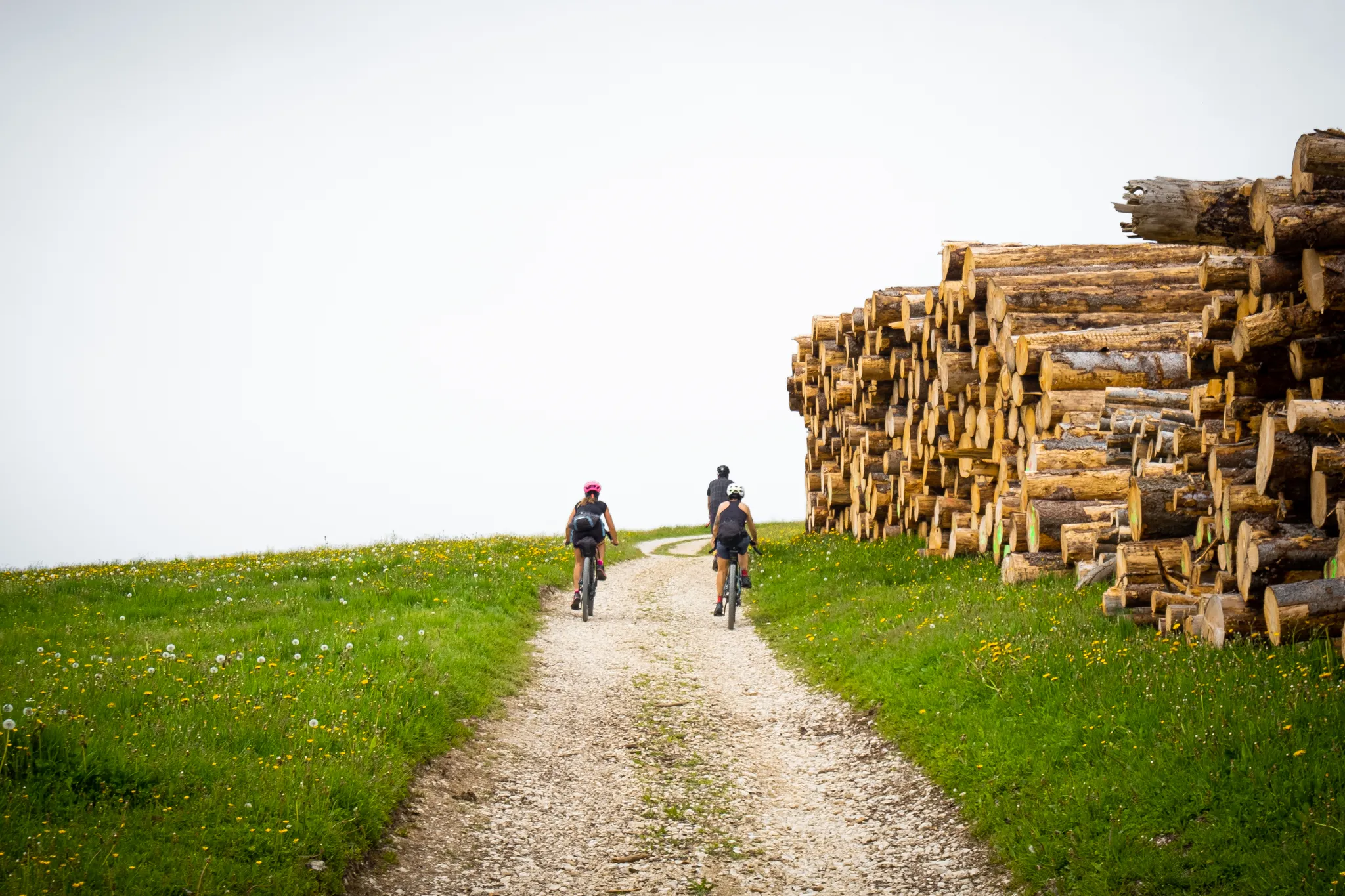
Via delle Prealpi – On the way with the MTB in the Venetian Prealps
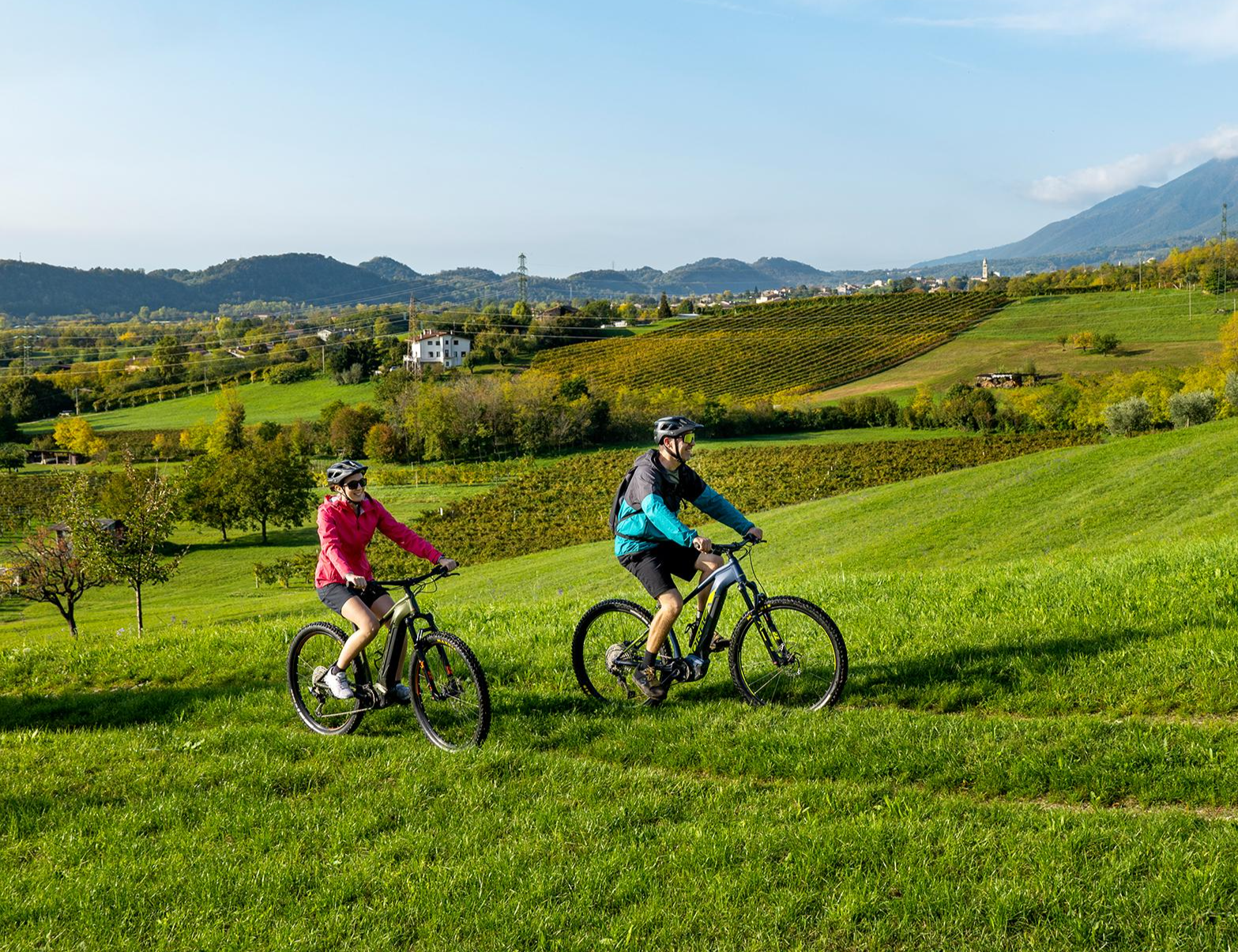
The Pedemontana del Grappa – between Prosecco hills and enchanting valleys
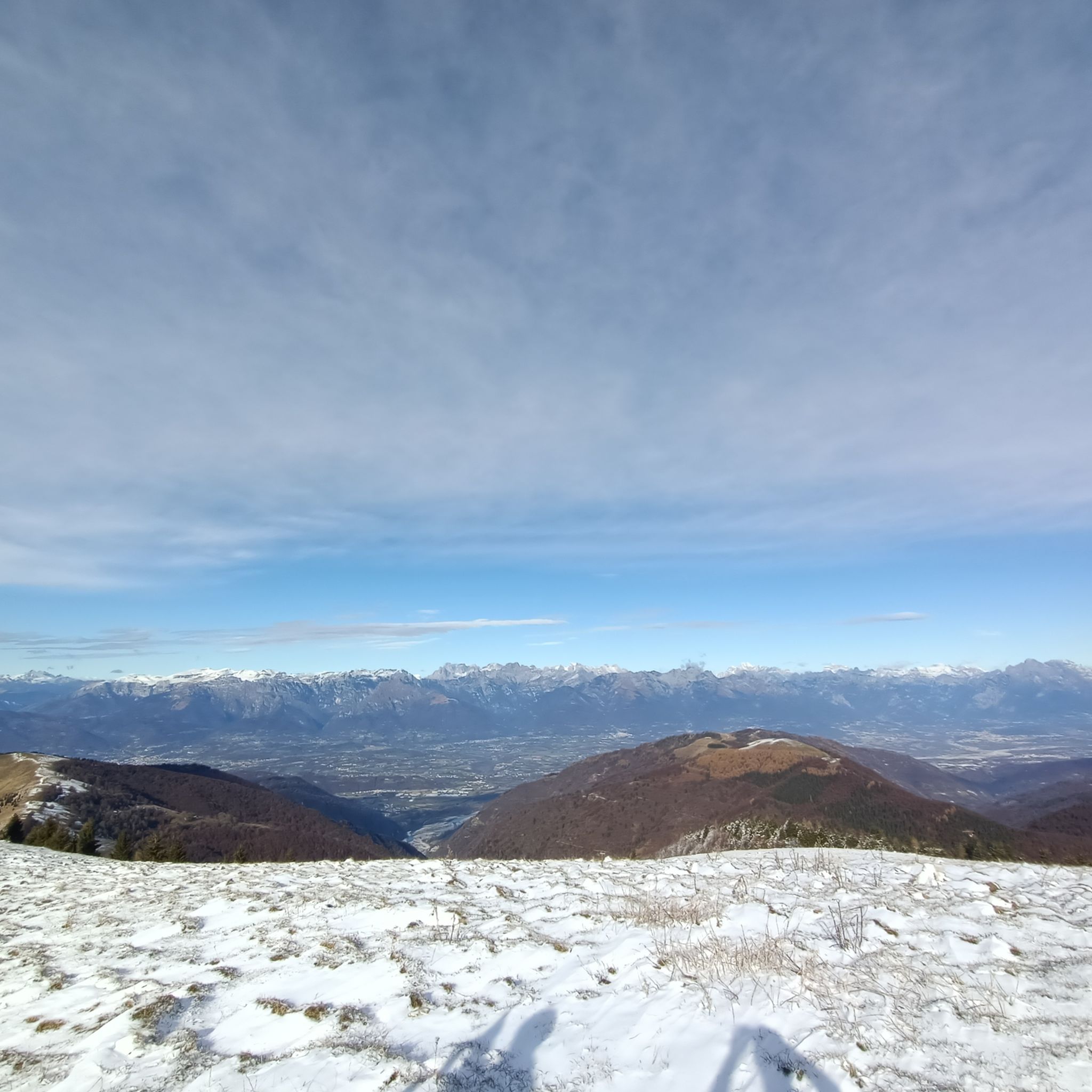
Hiking around Valdobbiadene
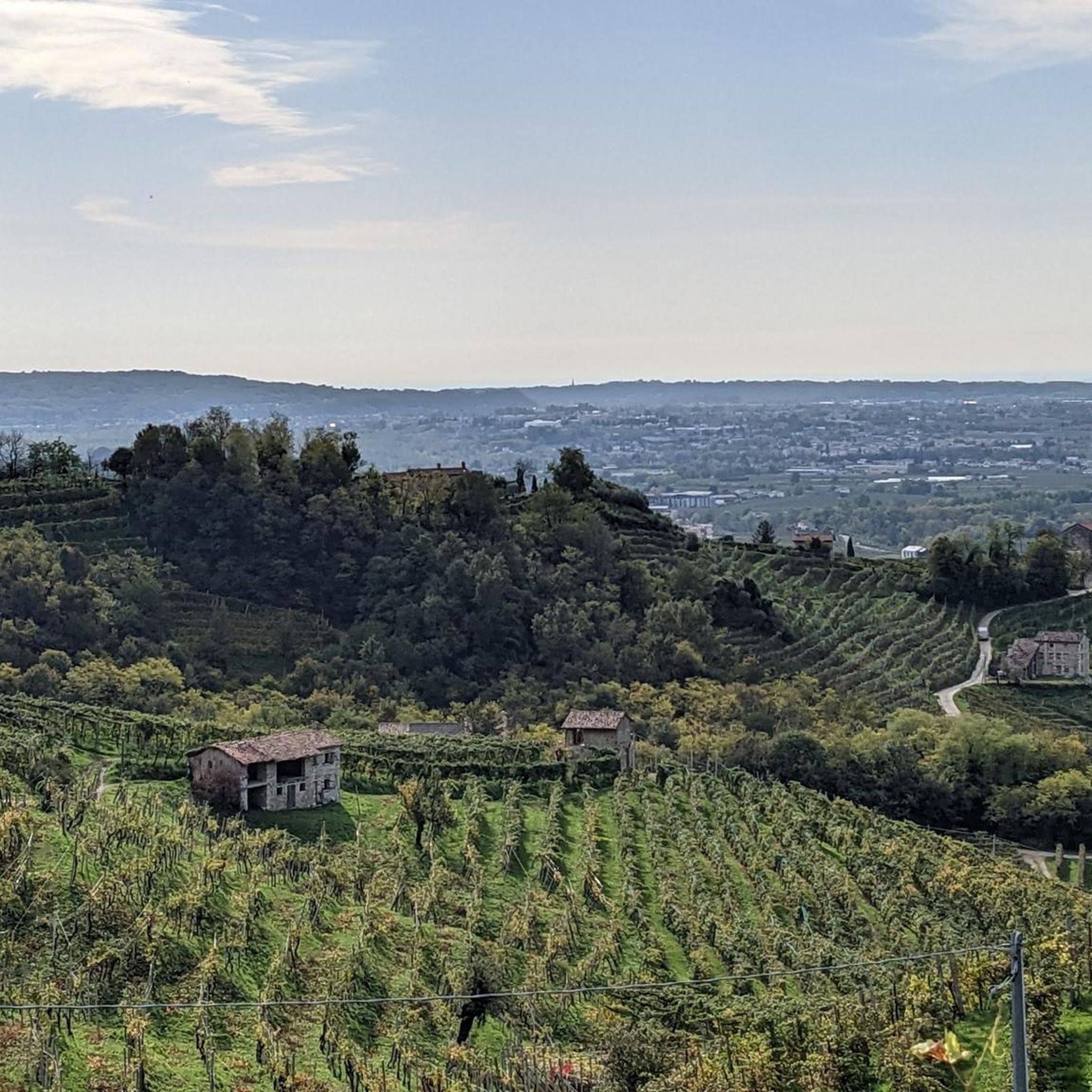
Road Cycling Routes around Valdobbiadene
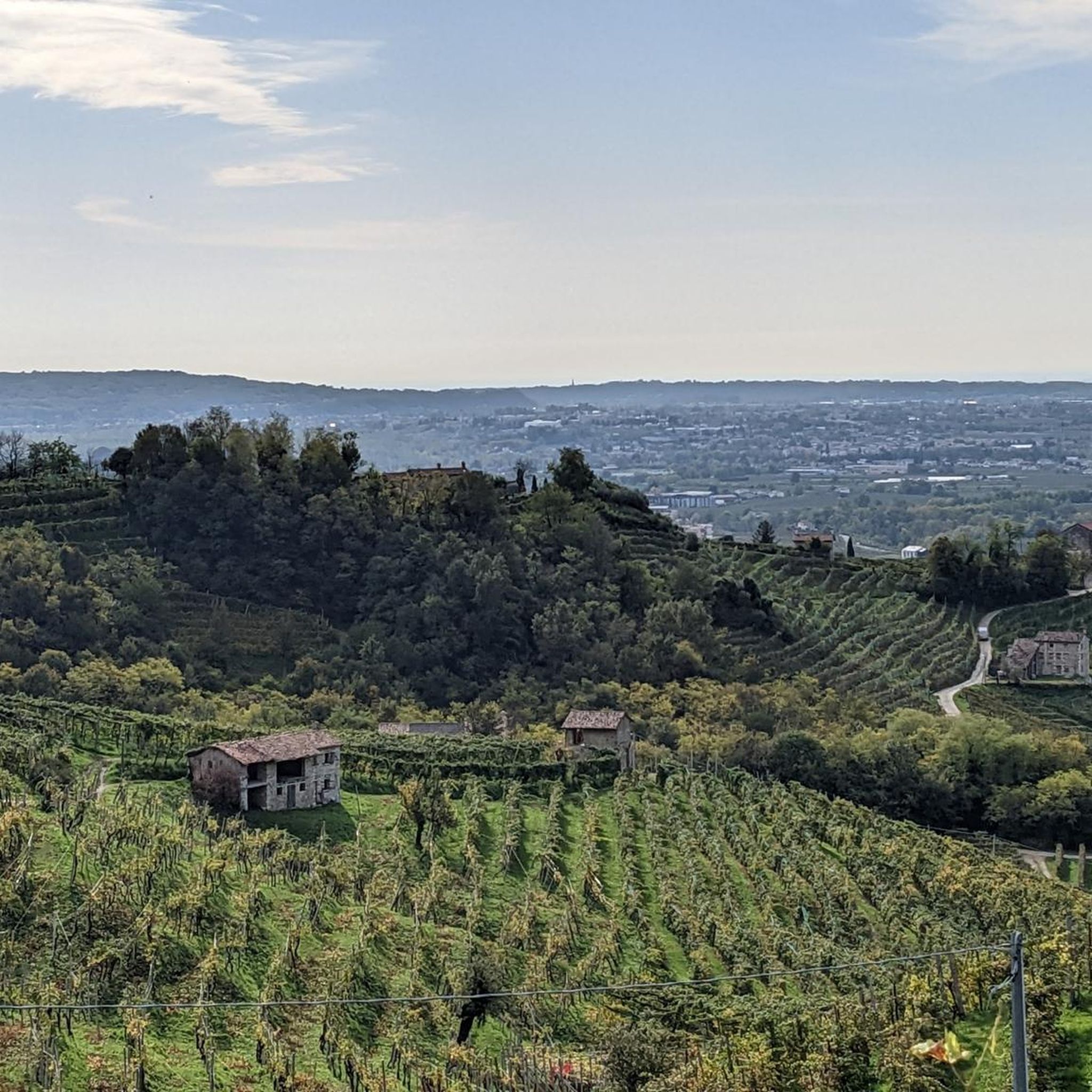
MTB Trails around Valdobbiadene
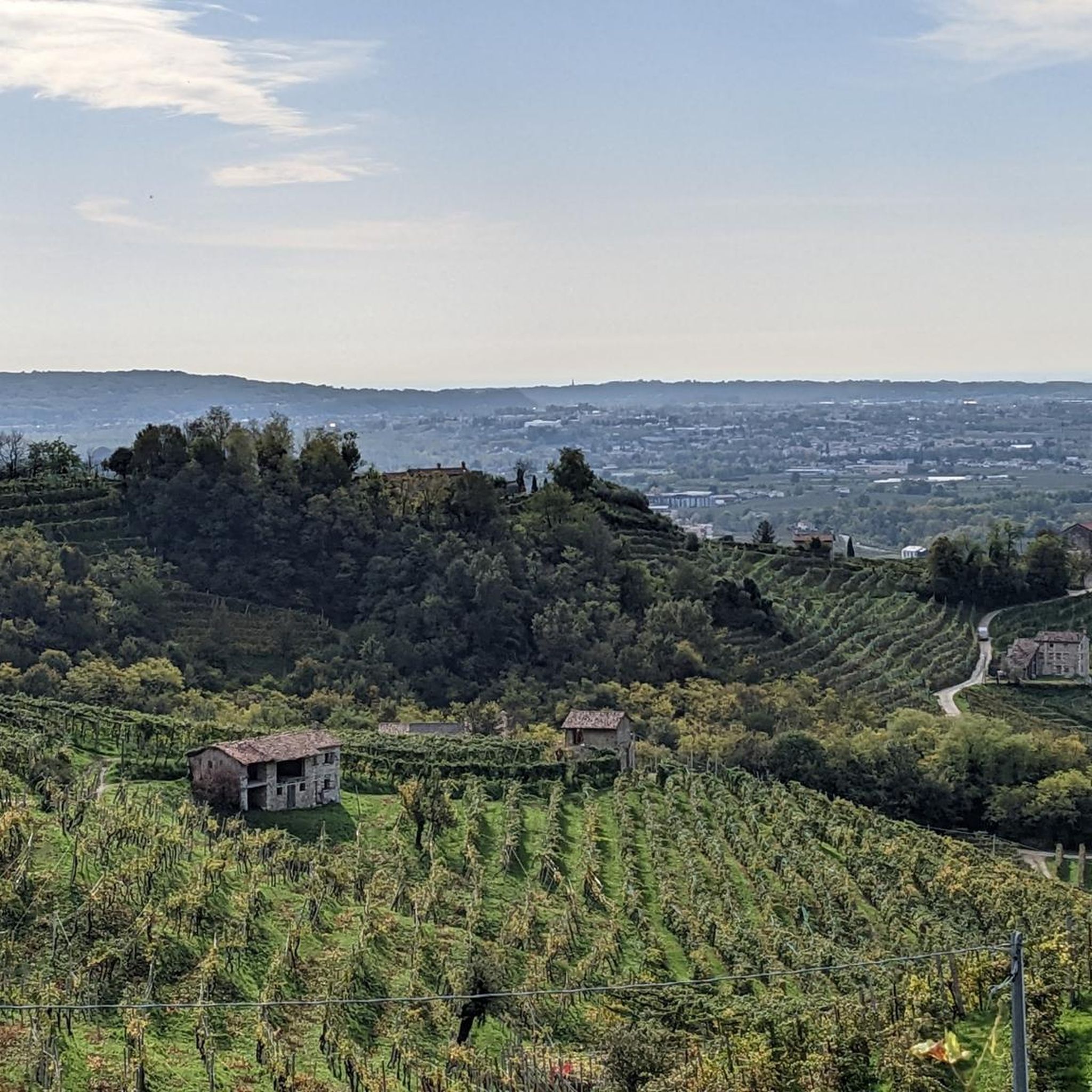
Cycling around Valdobbiadene
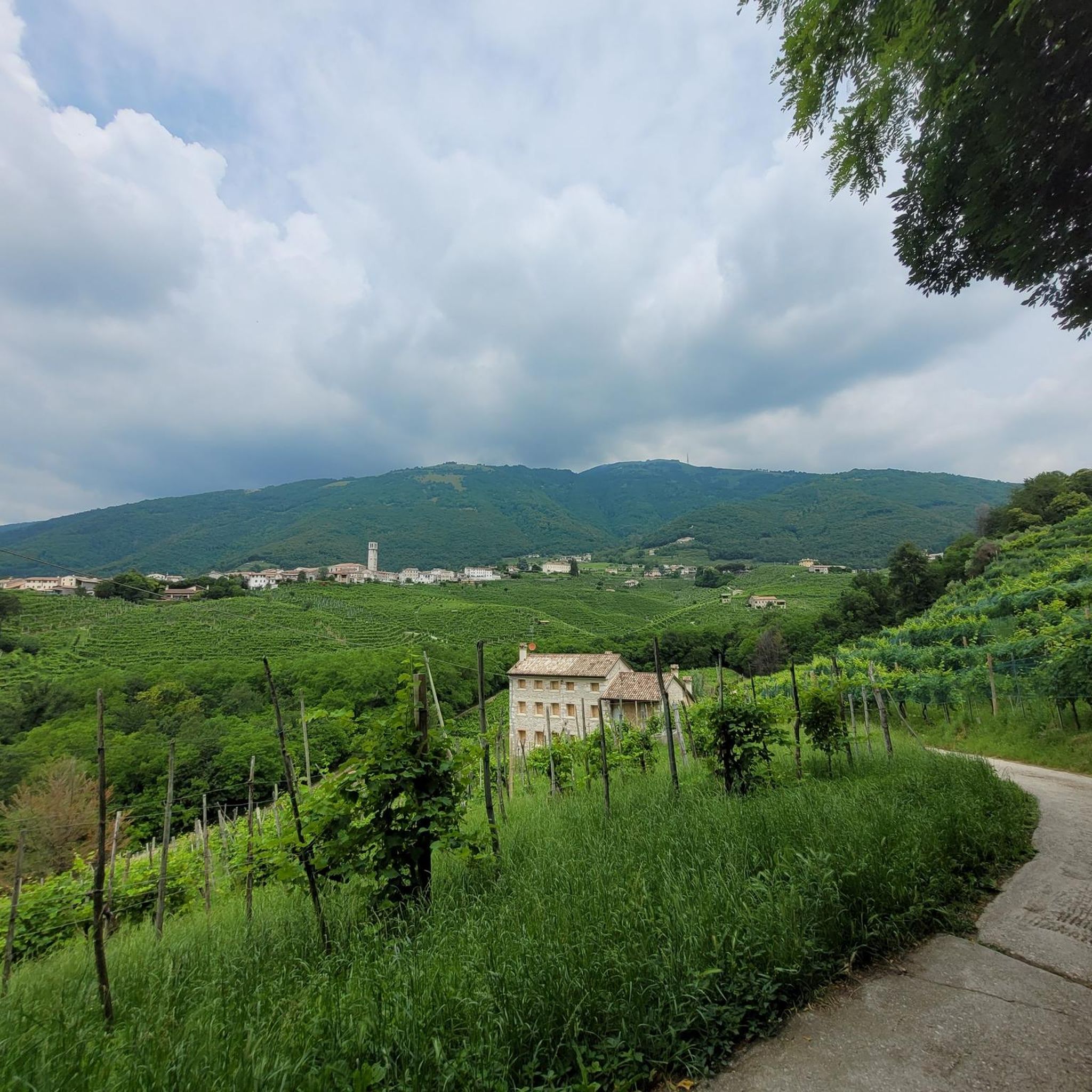
Running Trails around Valdobbiadene
Gravel biking around Valdobbiadene


Tips from the Community


Climbing up the steep path from the parking lot.
0
0

unique landscape to observe
1
0

The picturesque village of Cison di Valmarino, dominated by the imposing Castelbrando, is an excellent destination for mountain biking, with routes immersed in the Prosecco hills and lush woods. The itineraries offer challenging climbs and technical descents, with passages through ancient paths and historic mule tracks. The Via dell’Acqua route and the tracks towards Monte Cesen offer breathtaking views and complete immersion in nature.
0
0

Castelbrando, a grand medieval castle, sits on a dolomitic limestone rock at an altitude of 370m above sea level, overlooking the villages of Cison di Valmarino and Valmareno. The name is due to the Brandolini family from Forlì, who were the lords of the castle. The castle was originally built in Roman times to protect the Via Claudia Augusta, which connected the Po valley to Rhaetia (modern Austria). The original castrum from 46 AD is still visible. A recent archaeological dig has uncovered a bread oven and the original Roman baths, as well as the original pipes of the aqueduct that supplied water from three nearby natural springs. These springs still provide water for the castle. Later the fortress became an important defensive position against barbarian invasions. During the 13th century the castle was significantly enlarged and the imposing battlements and central tower were added. The castle was awarded by the Republic of Venice to the condottieri Giovanni Brandolino and Erasmo da Narni, better known as "Gattamelata". After the fall of the Venetian Republic it became the property of the Brandolini Counts. In 1700 the castle was expanded with the southern part and the castle chapel, the church of San Martino. During World War I, the castle was invaded by Imperial Austrian troops and used as a military hospital. After 10 years of restoration work, the castle was reopened as a residence in 1929. In 1959, the castle was sold by the Brandolini family to the Salesian Fathers, who used it as a monastery and as a center for spiritual studies. In 1997, CastelBrando was purchased by Quaternary Investments SpA, who transformed it into a 4-star hotel, museum and theater. Visitors can take the cable car to the castle from the village.
1
0

simple track between the castle and the town
0
0

Villa Barbaro di Maser The Villa di Maser was conceived around 1550 by the architect Andrea Palladio as a prestigious location for the agricultural estate of the Venetian noble brothers Daniele and Marcantonio Barbaro, who commissioned the painter Paolo Veronese and the sculptor Alessandro Vittoria to decorate the building. Text / Source: VILLA DI MASER (Villa Barbaro) - Patrimonio dell'Umanità UNESCO https://www.villadimaser.it/visit-the-villa/?lang=en
13
0
The Villa di Maser was conceived around 1550 by the architect Andrea Palladio as a prestigious location for the agricultural estate of the Venetian noble brothers Daniele and Marcantonio Barbaro, who commissioned the painter Paolo Veronese and the sculptor Alessandro Vittoria to decorate the building.
14
0
Frequently Asked Questions
What are some historically significant castles near Valdobbiadene?
The region boasts several castles with rich histories. CastelBrando, with Roman origins, has been a defensive fortress, a noble residence, and now a hotel and museum. The Castello di San Salvatore, dating back to the 13th century, was home to the Collalto family and has been restored after World War I. Though no longer standing, the site of Castello di Soligo holds significance from medieval conflicts.
Are there any family-friendly castles to visit around Valdobbiadene?
Yes, several castles offer experiences suitable for families. Asolo, with its historic center and the castle of Queen Cornaro, is considered family-friendly. Villa Barbaro (Villa di Maser), a Venetian villa designed by Andrea Palladio, also welcomes families to explore its architecture and grounds. CastelBrando, with its museum and guided tours, provides an engaging historical experience for all ages.
What kind of views can I expect from the castles in this region?
Many castles are strategically perched on hills, offering stunning panoramic views. From Rocca di Asolo, you can see from the Dolomites all the way to Venice. CastelBrando provides sweeping vistas of Follina and Cison di Valmarino. The Torri di Credazzo also offer panoramic views of the surrounding countryside, showcasing the beautiful Prosecco Hills.
What outdoor activities can I do near these castles?
The region around Valdobbiadene, known for its Prosecco Hills, offers various outdoor activities. You can find numerous running trails, such as the easy Prosecco Superiore Ring Trail, or more challenging routes like the View of the Vineyards loop. For cycling enthusiasts, there are gravel biking routes like the Molinetto della Croda loop, and road cycling options such as the Prosecco Hills loop. You can explore more routes on the running trails guide, gravel biking guide, and cycling guide for Valdobbiadene.
Are there any castles that are less well-known or considered 'hidden gems'?
While not entirely hidden, the Torri di Credazzo in Farra di Soligo are the remains of an ancient fortress, offering a unique glimpse into early medieval history with their three remaining towers. The site of Castello di Vidor, now a monument-ossuary, also provides a poignant historical experience away from the more prominent castle attractions.
What is the best time of year to visit the castles around Valdobbiadene?
The Prosecco Hills region is beautiful year-round. Spring and autumn offer pleasant weather for exploring, with vineyards in bloom or displaying vibrant fall colors. Summer is also popular, though it can be warmer. Some castles, like Rocca di Asolo, have extended opening hours in July and August. Always check specific castle opening times before your visit.
Can I take a tour of the castles in the Valdobbiadene area?
Yes, some castles offer guided tours. CastelBrando, for instance, functions as a museum and hotel, offering guided tours that delve into its history, weaponry, and costumes. For general information on tours in the region, you might find resources on the local tourism website, such as visitproseccohills.it.
Are there any castles near Valdobbiadene that are dog-friendly?
While many outdoor areas and trails around the castles are dog-friendly, specific policies for entering castle interiors or grounds can vary. It's best to check with individual castle administrations directly before planning your visit with a dog. Generally, outdoor walks around historical sites like the Torri di Credazzo or the grounds of Castello di San Salvatore are more accommodating.
What cultural or historical sites are nearby besides castles?
Beyond the castles, the region is rich in cultural and historical sites. Villa Barbaro (Villa di Maser) is a UNESCO World Heritage site and a prime example of a Venetian villa designed by Andrea Palladio. The Historic Center of Asolo is also a significant historical site, known for its medieval charm, cathedral, and Roman remains. The entire Prosecco Hills region is a UNESCO World Heritage site, recognized for its cultural landscape.
How can I get to the castles near Valdobbiadene?
Access to the castles typically involves driving, as they are often located in smaller towns or on hillsides. Public transport options might be limited, so a car is generally recommended for flexibility. Some castles, like CastelBrando, offer unique access, such as a cable car from the village below.
What makes the castles in this region unique?
The castles around Valdobbiadene are unique due to their integration into the UNESCO World Heritage Prosecco Hills landscape. They range from grand, well-preserved structures like CastelBrando, which now functions as a hotel and museum, to ancient ruins like the Torri di Credazzo, offering a tangible connection to the region's early medieval past. Their strategic locations often provide breathtaking views of the vineyards and surrounding countryside.
Most popular routes around Valdobbiadene
Most popular attractions around Valdobbiadene

Get inspired with the komoot mobile app


Explore more
Looking for the best castles somewhere else? Discover other guides around Valdobbiadene:
