Top 7 Caves around Botticino
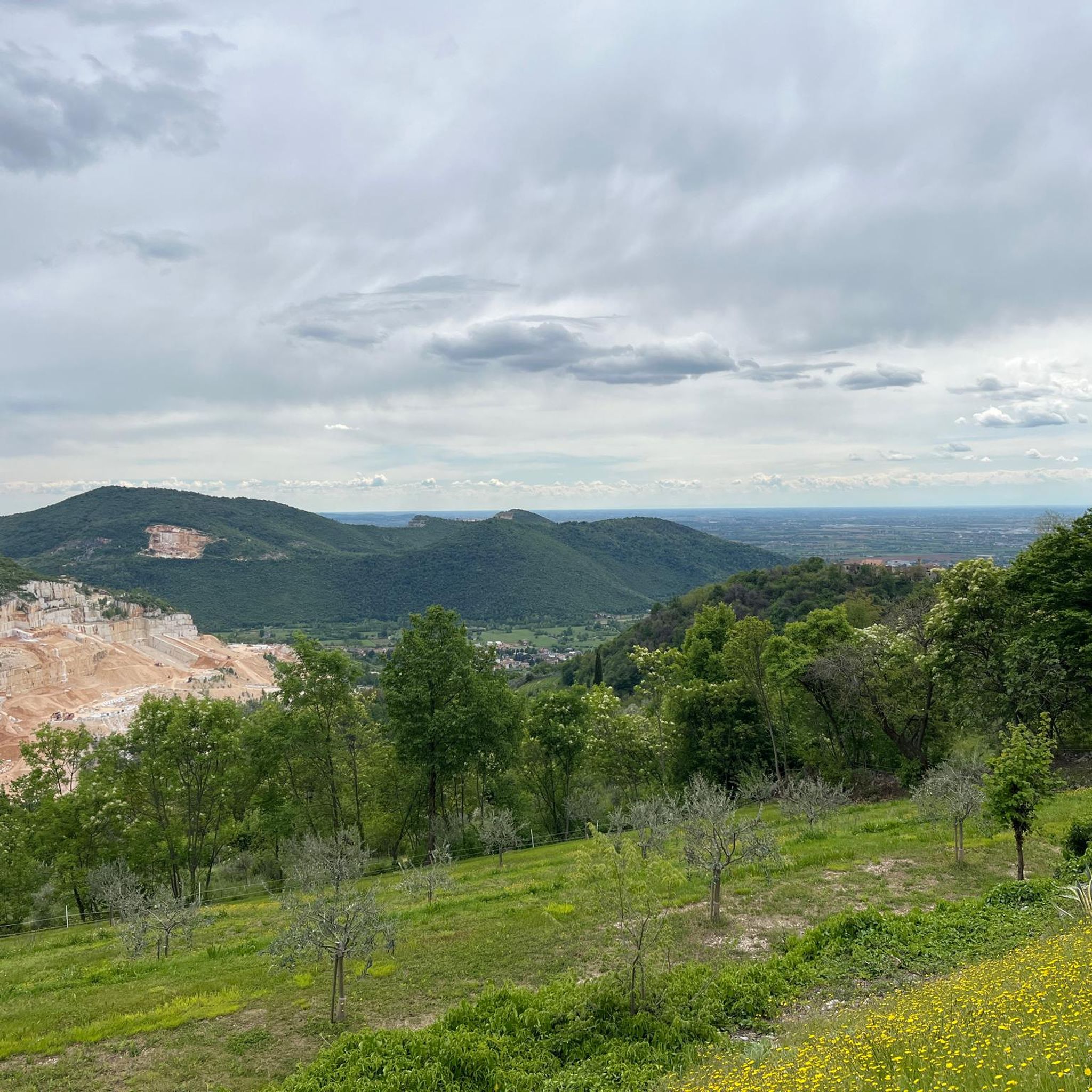
Best caves around Botticino are predominantly the region's renowned marble quarries, which hold significant historical, economic, and cultural value. These quarries, active since Roman times, offer a unique visiting experience focused on the extraction and history of Botticino Classico marble. The marble originates from a pure white limestone formation over 200 million years old, contributing to its extreme compactness and resistance. The area also features natural cave systems and historical underground structures.
Best caves around Botticino
- The most popular caves…
Last updated: June 30, 2026
Monte Budellone Quarry
Highlight • Structure
Translated by Google •
Tip by

War bunkers and tunnels in the Parco delle Colline di Brescia
Highlight • Historical Site
Translated by Google •
Tip by

Sign up now to discover places like this
Get recommendations on the best single tracks, peaks, & plenty of other exciting outdoor places.
Sign up for free
Büsa de la Piéf Cave
Highlight • Cave
Translated by Google •
Tip by

Grotta delle Sette Stanze (Grotta della Spolverina)
Highlight • Cave
The name, or rather nickname, derives from the fact that inside there are 7 rooms, considered rooms.
Translated by Google •
Tip by

La Tampa Cave of Caionvico
Highlight • Cave
Translated by Google •
Tip by

Sign up for free to discover even more caves around Botticino.
Sign up for free
Already have an account?
Start today with a free account
Your next adventure awaits.
Login or Signup
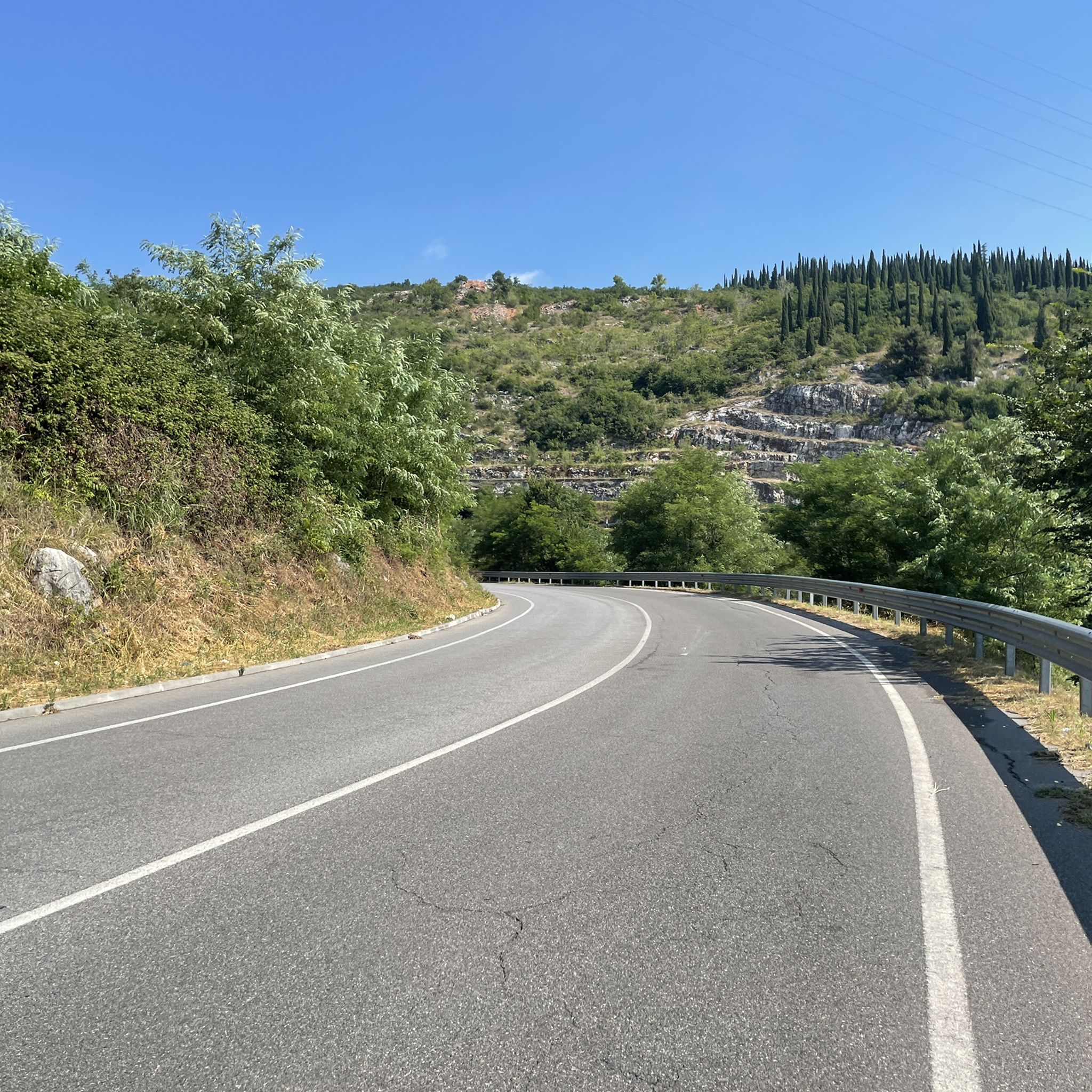
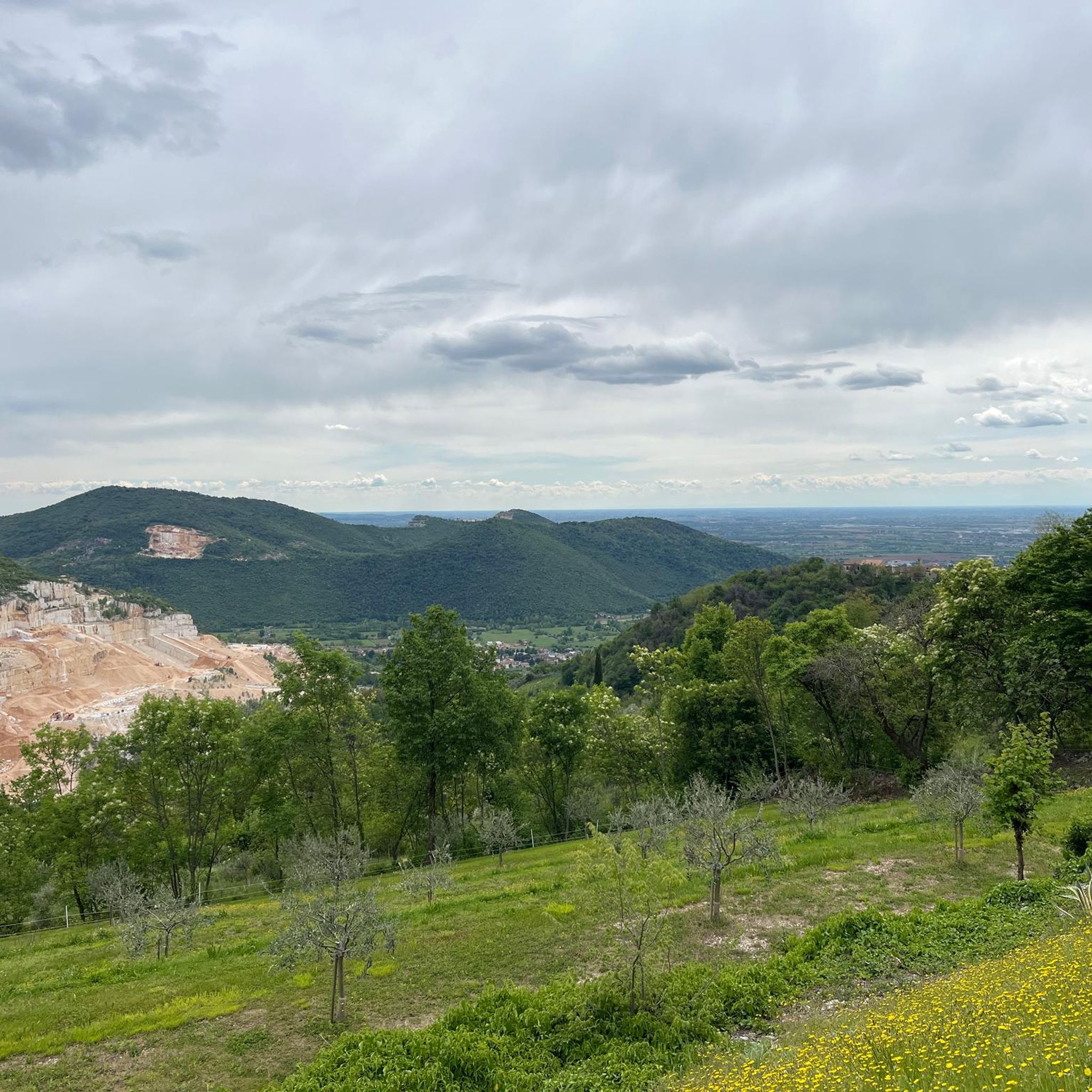
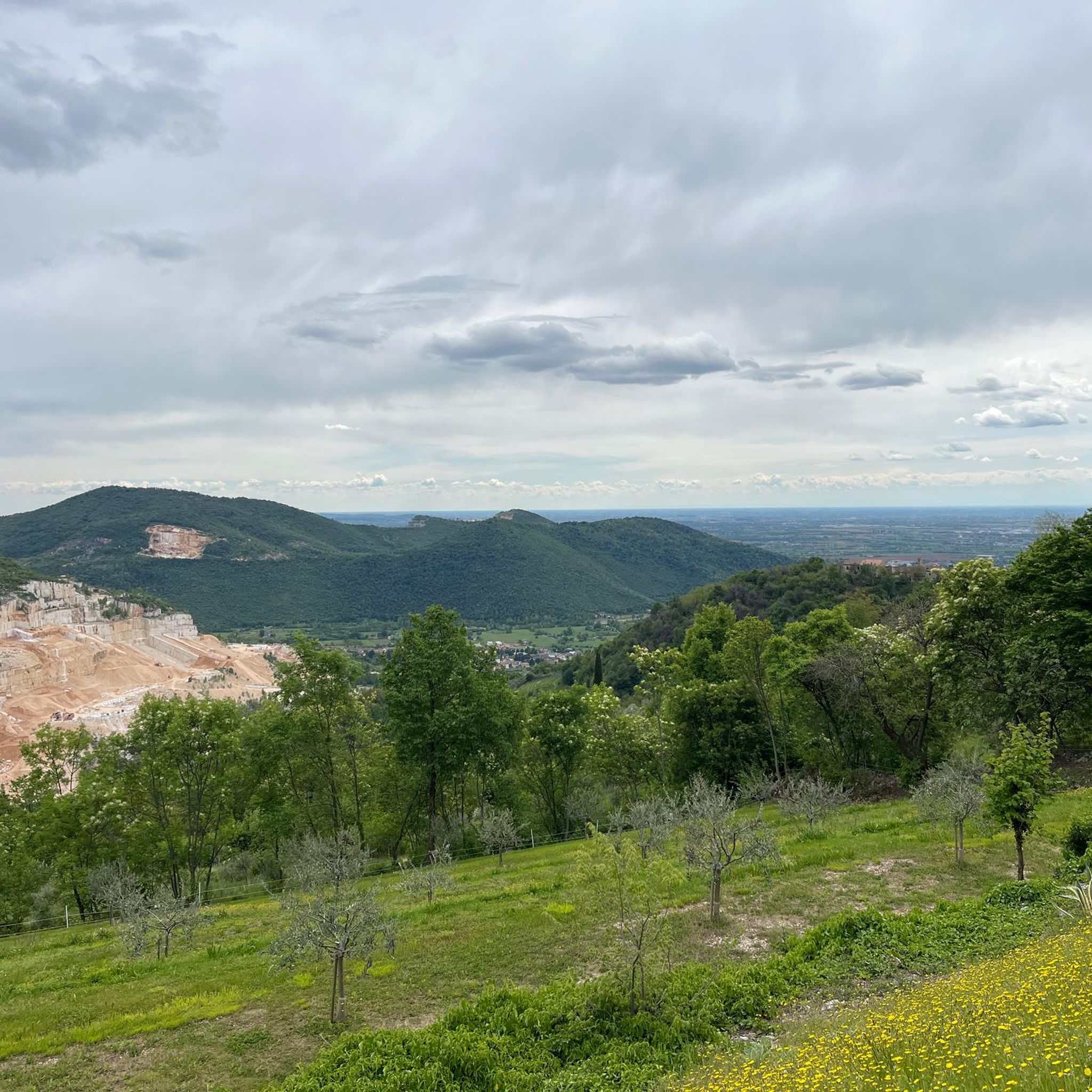
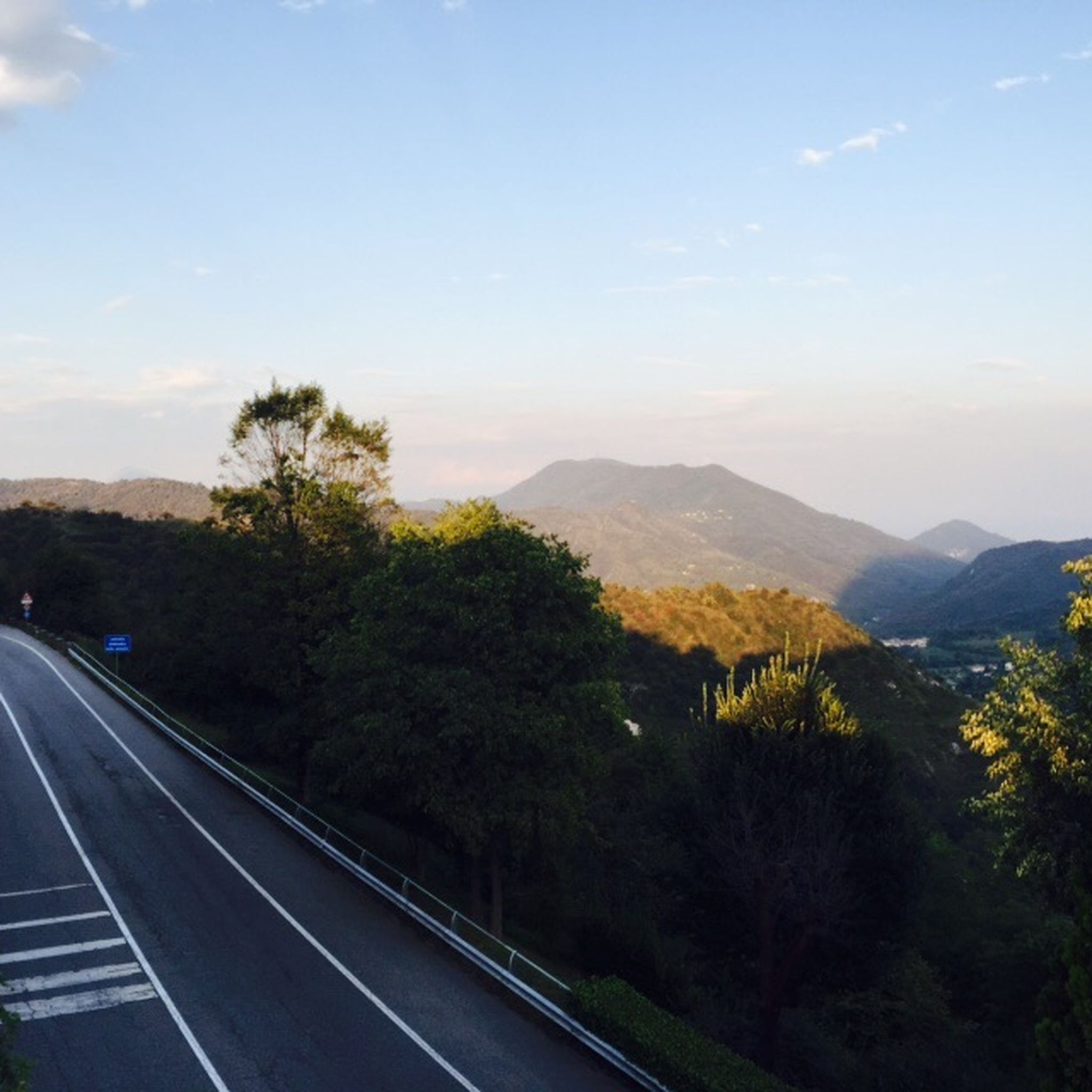

Tips from the Community

Marble Cathedral
1
1

"It consists of a single cavern supported by large pillars, with an overall development of about 50 meters. The spacious entrance, to the left of which there is a small "santella", leads into a first flat space, delimited by the pillars mentioned above which are notable for their intense pink colors that are very picturesque; the ground then gradually descends towards the bottom, 9 m lower than the entrance; it is almost detrital and dry; only here and there are very limited wet areas of dripping." from: https://www.maddala.it/monte-maddalena-la-tampa/
0
0

the "famous" cathedral, a little smaller than expected
1
0

Throughout the area south of the main path there are bunkers dating back to the war connected by underground tunnels that are largely accessible (with the necessary lighting and equipment)
0
0

The Grotta delle Sette Stanze, like many other caves in the area, is a cave of limestone origin The name, or rather nickname, derives from the fact that inside there are 7 rooms, considered rooms. Many also call it the "Grotta della Spolverina", this is because for many centuries the calcareous powder was recovered there, called precisely spolverina and used as an abrasive for pots. Although it is not a particularly demanding cave, a visit without equipment and above all an expert guide is not recommended.
1
0


Forgive the ignorance but I never understand the province and the place from which to start ... thanks
2
0

This gorgeous smooth marble wall looks just like the facade of a three-nave cathedral!
1
0
Frequently Asked Questions
What kind of "caves" can I expect to find in Botticino?
The "caves" in Botticino are primarily the renowned Botticino marble quarries, which are significant for their historical, economic, and cultural value. These quarries offer a unique experience focused on the extraction and history of the prized Botticino Classico marble. Additionally, the region features natural cave systems and historical underground structures like war bunkers.
What is the historical significance of Botticino's marble quarries?
Botticino's marble quarries have been active since Roman times. The marble extracted here has been used in ancient Brixia (modern-day Brescia) and in iconic structures worldwide, such as the Altare della Patria in Rome, the White House, the Statue of Liberty, and New York's Grand Central Station. This rich history highlights the enduring appeal and structural qualities of the marble.
Are there any historical sites or war bunkers to explore in the area?
Yes, you can explore historical sites like the War bunkers and tunnels in the Parco delle Colline di Brescia. These bunkers date back to the war and are connected by underground tunnels, many of which are accessible with appropriate lighting and equipment.
Are there any natural caves in the Botticino area?
Yes, the Botticino area is home to natural caves. One easily accessible natural cave is Büsa de la Piéf Cave, which is considered family-friendly and offers a natural monument and viewpoint. Another notable natural cave is La Tampa Cave of Caionvico, known for its single cavern supported by large pillars with intense pink colors.
Are there family-friendly caves or sites to visit in Botticino?
For families, Büsa de la Piéf Cave is a natural cave that is easily accessible and considered family-friendly. It also offers a natural monument and viewpoint. While the marble quarries are fascinating, some may require more supervision for younger children due to their industrial nature.
Do I need special equipment or permits to explore caves in Botticino?
For some natural caves and historical tunnels, such as the War bunkers and tunnels in the Parco delle Colline di Brescia, appropriate lighting and equipment are necessary. For caves like Grotta delle Sette Stanze (Grotta della Spolverina), a visit without equipment and an expert guide is not recommended, despite not being particularly demanding. Always check specific requirements for each site.
What is the best time to visit the caves and quarries in Botticino?
The best time to visit the caves and quarries around Botticino generally depends on the specific site. For outdoor quarries and natural caves, spring and autumn offer pleasant temperatures for exploration. During winter, some areas might have specific conditions to consider. Always check local weather and site-specific information before your visit.
What outdoor activities can I do near the caves and quarries?
The area around Botticino offers various outdoor activities. You can find numerous hiking routes, such as those detailed in the Hiking around Botticino guide, including trails on Monte Maddalena. There are also cycling routes, like those in the Cycling around Botticino guide, and MTB trails, which you can explore through the MTB Trails around Botticino guide.
Where can I learn more about Botticino marble?
To delve deeper into the history and geology of Botticino marble, you can visit the Museo del Marmo Botticino (Botticino Marble Museum). It offers itineraries to discover the quarries and extraction techniques, and houses collections of tools, historical images, fossils, and marble samples. You can also find general information on Wikipedia.
Are there any abandoned quarries to visit?
Yes, you can visit the Monte Budellone Quarry, an abandoned quarry accessible by mountain bike or gravel. It is characterized by a gothic aesthetic with a marble floor and a large marble front over 20 meters high, offering a unique visual experience.
What geological features are notable about Botticino marble?
Botticino marble originates from the "Corna" geological formation, a pure white limestone that formed over 200 million years ago from marine sedimentation. This geological characteristic contributes to the marble's extreme compactness, low absorption, and porosity, making it highly resistant and suitable for both interior and exterior applications.
What should I wear when visiting the quarries or caves?
When visiting the quarries or natural caves, it's advisable to wear sturdy, closed-toe shoes suitable for uneven terrain. Layers of clothing are also recommended, as temperatures inside caves can be cooler than outside. For specific cave explorations, additional gear like headlamps or helmets might be necessary.
Most popular routes around Botticino
Most popular attractions around Botticino

Get inspired with the komoot mobile app


Explore more
Extend your search for the best caves by checking out these guides of the top ones around Botticino:
