Top 6 Gorges around Garbagnate Monastero
Best canyons around Garbagnate Monastero are found within the wider Lecco region, a province in Italy known for its natural features. The area offers various gorges and ravines, including the notable Val Monastero, characterized by its gneiss geology and streambeds. This landscape provides opportunities for exploring natural formations and diverse terrain, with some areas featuring woods and cultivated fields.
Best canyons around Garbagnate Monastero
- The most popular canyons is Orrido del Caino, a gorge where a stream divides the…
Last updated: May 18, 2026
Canyon of the Central Horn
Highlight • Canyon
Translated by Google •
Tip by

Wooden Ladder of the Orrido di Caino
Highlight • Structure
Translated by Google •
Tip by

Sign up now to discover places like this
Get recommendations on the best single tracks, peaks, & plenty of other exciting outdoor places.
Sign up for free
Orrido del Caino
Highlight • Gorge
Translated by Google •
Tip by
Iron Staircase of Val Bova
Highlight • Structure
Translated by Google •
Tip by
Roggia Cavolto
Highlight • River
Translated by Google •
Tip by

Sign up for free to discover even more gorges around Garbagnate Monastero.
Sign up for free
Already have an account?
Start today with a free account
Your next adventure awaits.
Login or Signup
Popular around Garbagnate Monastero
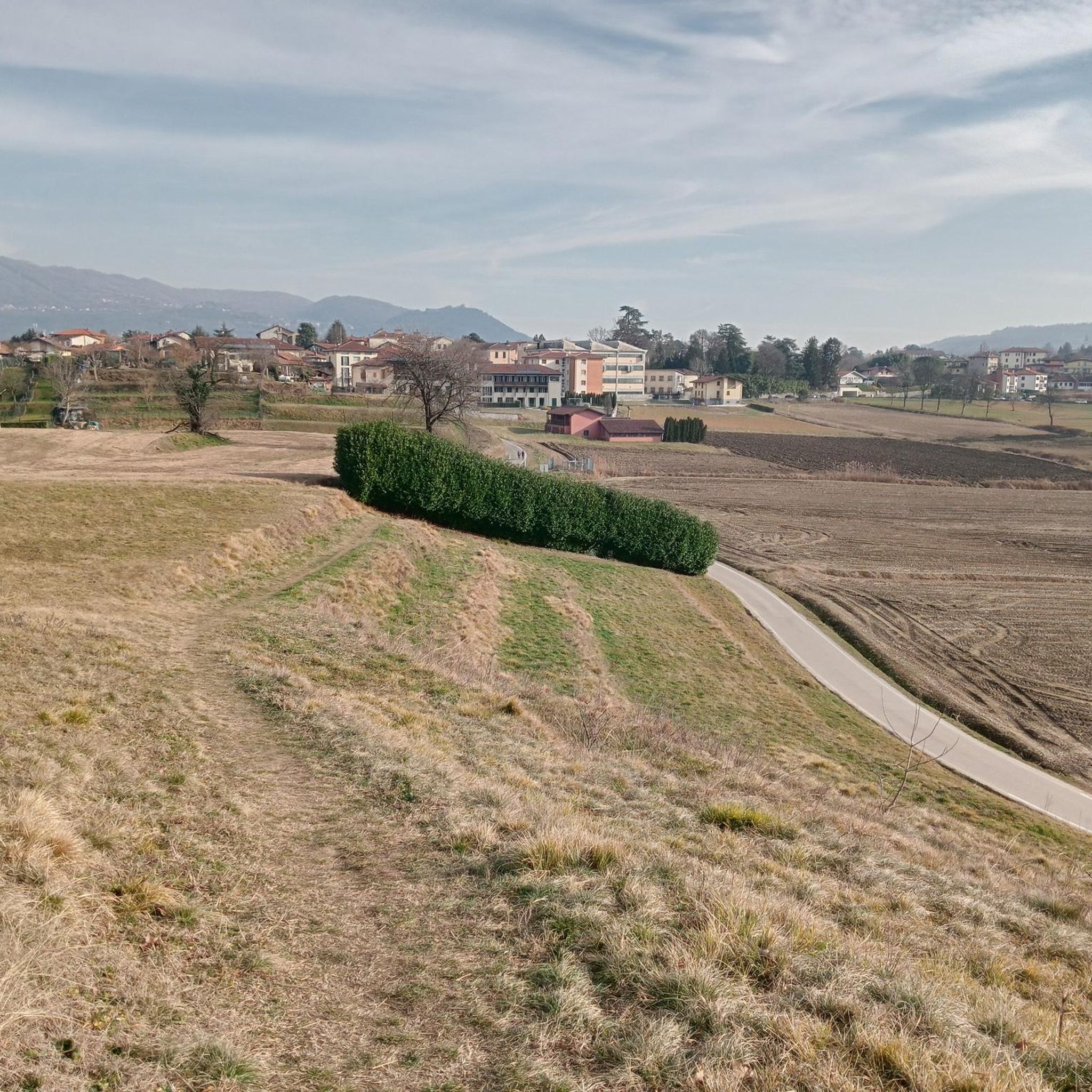


Tips from the Community

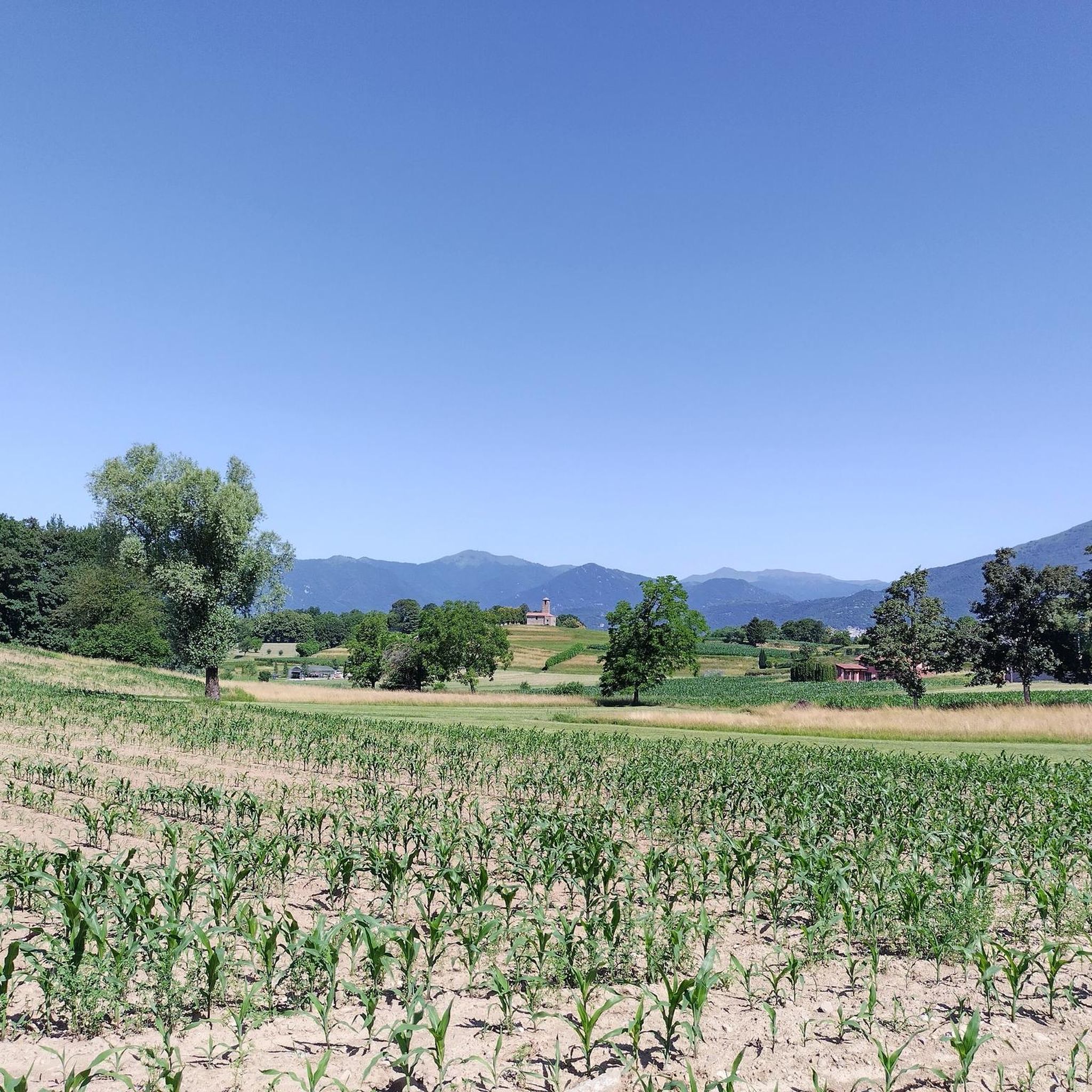
The Corno Centrale Canyon, located near Canzo, is a spectacular natural formation that develops within the suggestive mountain environment of the Lombard Prealps. This canyon is the result of the erosion of rocks by water over the millennia, creating deep gorges and rock formations of great charm. The path to reach the canyon is immersed in nature and passes through woods and paths that offer panoramic views of the valley below. The area is perfect for excursions and trekking, with itineraries suitable for different levels of experience. While exploring the canyon, you can admire waterfalls, pools of crystal clear water and a rich variety of flora and fauna typical of the area. The Corno Centrale Canyon is an ideal destination for those seeking an experience in contact with nature, far from the frenzy of the city. It is advisable to visit it in spring or autumn, when the climate is milder and the colors of the landscape are particularly vivid. The area is easily accessible from Canzo, which also offers starting points for other excursions in the area.
0
0

Large crack between two walls of the central horn, it is crossed on both sides by historic climbing routes, some dating back to 1950
0
0

Small canyon formed between the wall and pillars of the Corno Centrale of Canzo.
0
0

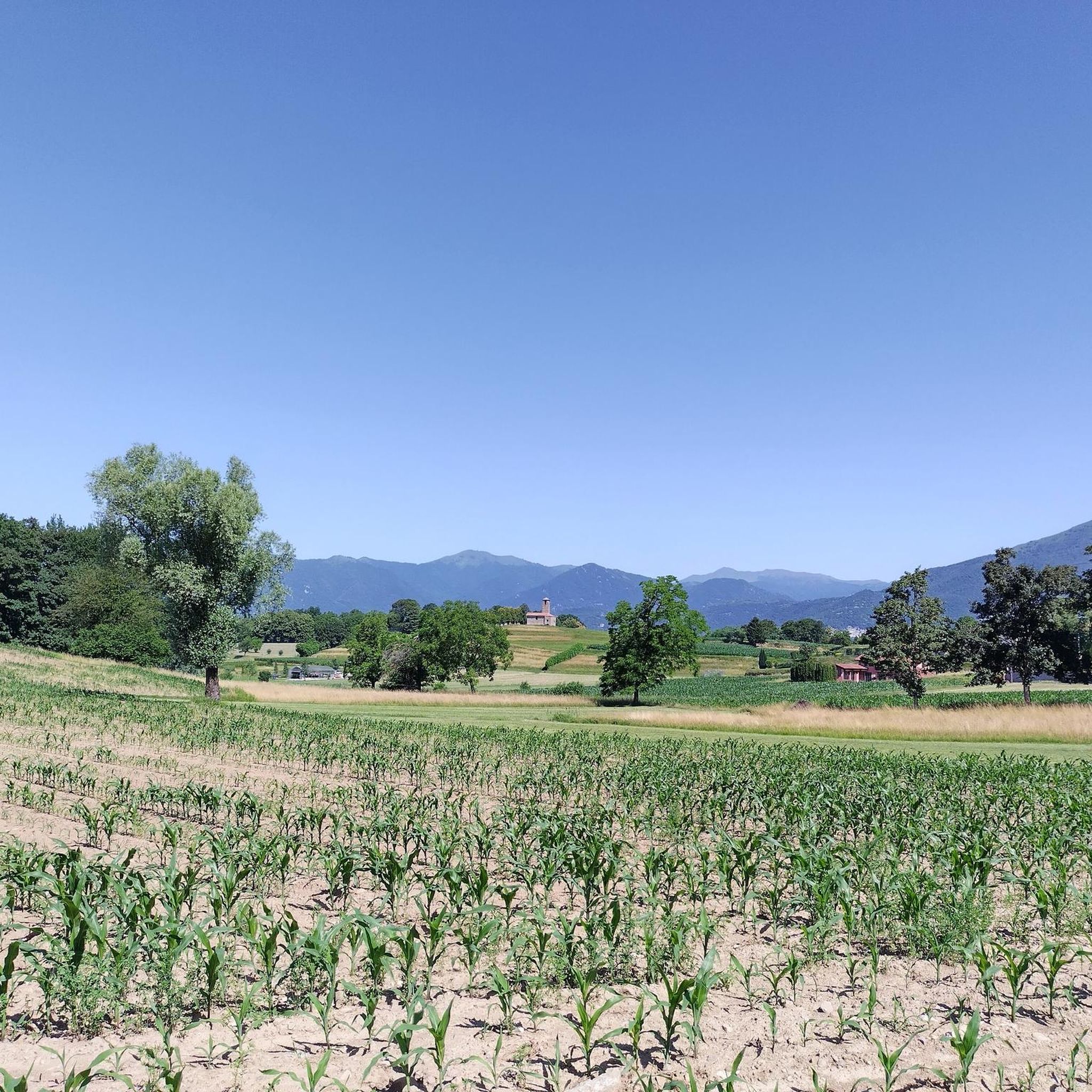
The stream divides the valley in two like a real canyon, creating a dense network of crevasses which over time have been connected by thick vegetation and, in the less accessible points, by man with wooden bridges. From the source flows the Bova torrent which, descending along the valley of the same name, flows into the Piana di Erba to then bend southwards and finally flows, as an tributary, into the Lambro river.
3
0
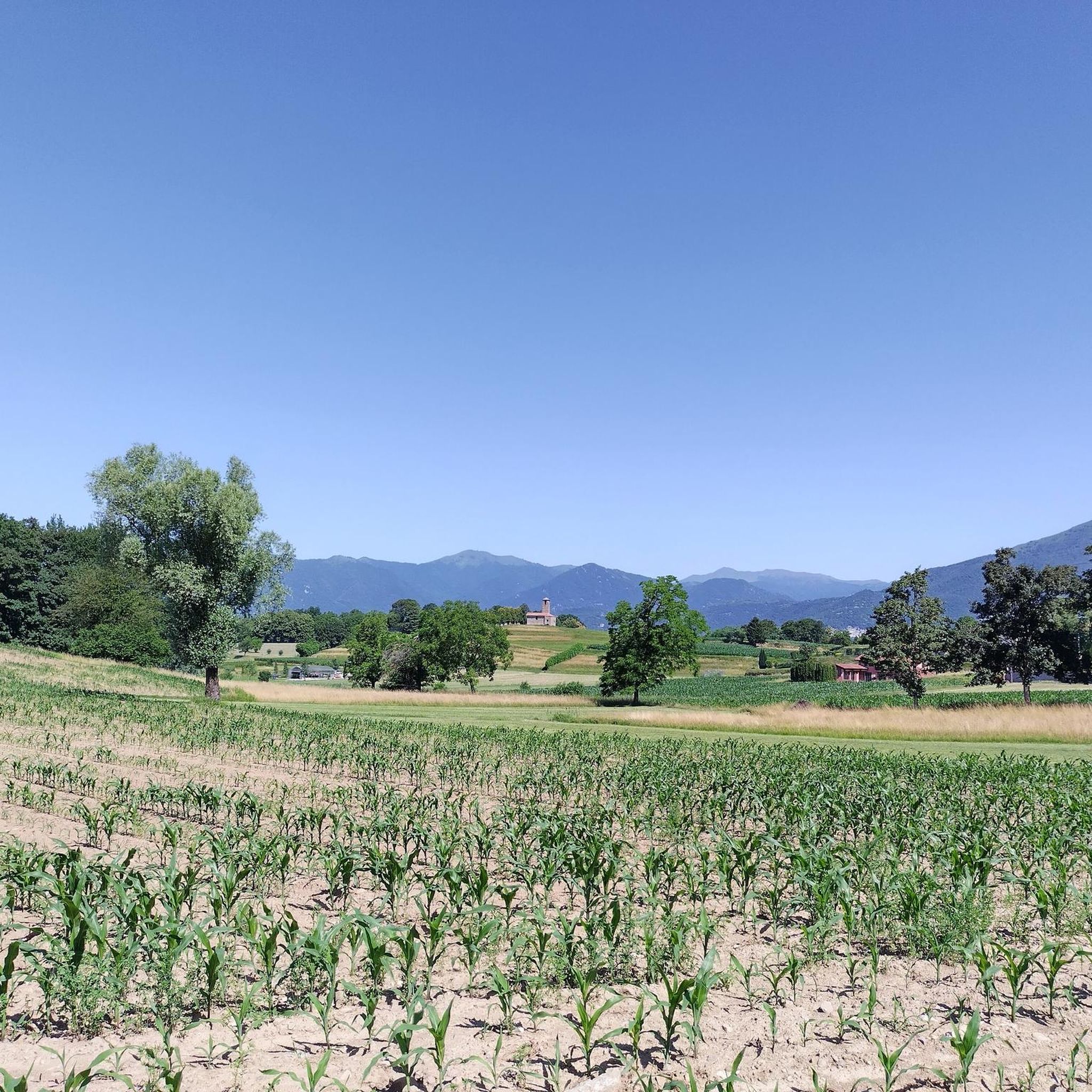
Wooden staircase that allows you to overcome the rocky overhang that from the bottom of the Bova valley rises above the ravine of Caino. Elevation of about fifteen meters. three ramps alternating with 2 landings. Possibility of securing to a fixed steel rope with harness. Access path protected by some chains, less demanding than the iron staircase opposite. Once you have passed the difference in level, you follow a path protected in the most exposed sections by a parapet. The path allows you to admire the gorge from above and join the path that arrives from the iron staircase. It is possible to descend from the iron staircase by completing a ring at the bottom of the valley or to climb further towards Mount Puscio or continue halfway up the slope towards the hermitage of San Salvatore
2
0
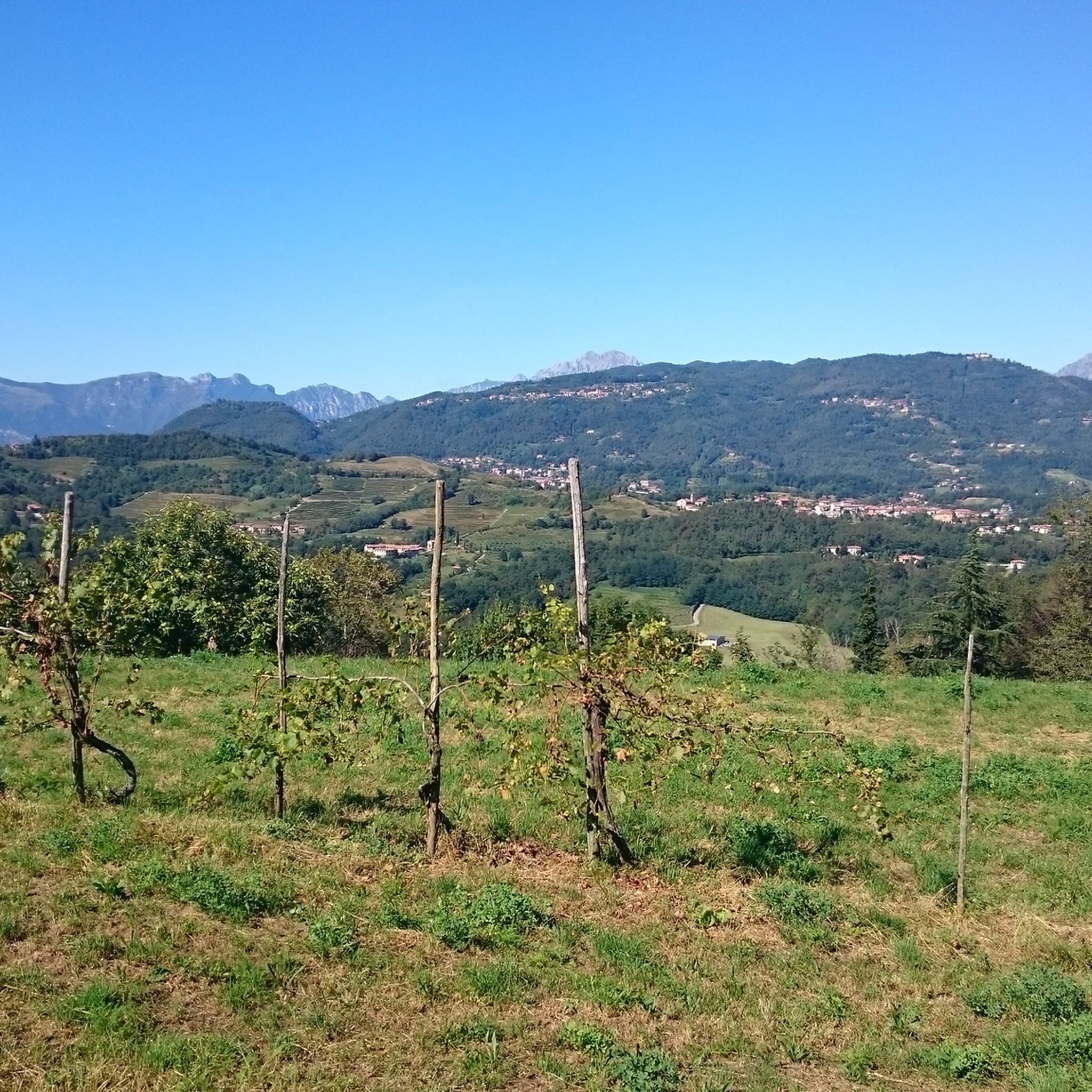
Staircase with two ramps built in iron. Once you have climbed and reached the top, following a path protected by a metal parapet, you arrive at the top of the Orrido di Caino. Access from the bottom of the valley to the stairway is along a steep and slippery path. The ascent is facilitated by the presence of steel chains.
0
0
The ravine of Cain is a gorge whose name derives from the fact that - a few centuries ago - brigands and criminals hid there
0
0

A small bridge crosses a stream carved into the rock, a suggestive corner that makes you forget that you are just a few meters from the city.
3
4
Frequently Asked Questions
What are the main natural features to explore in the canyons around Garbagnate Monastero?
The canyons in the wider Lecco region, including those near Garbagnate Monastero, are characterized by their gneiss geology and streambeds. You can find deep gorges, rock formations, and areas with woods and cultivated fields. Notable features include the Orrido del Caino, where a stream divides the valley like a canyon, and Roggia Cavolto, a river with a stream carved into the rock.
Are there any specific canyoning routes near Garbagnate Monastero?
While Garbagnate Monastero itself doesn't have canyons directly within its borders, the nearby Lecco region is home to the notable Monastero canyon, also known as Canyoning Zerbo / Valle del Monastero. This route offers a dynamic experience with walking, downclimbing, and a sequence of rappels, including a 53-meter rappel at the confluence with the Val di Ratti.
What is the difficulty level for canyoning in Val Monastero?
The Val Monastero canyon is rated with a difficulty of V5 A3 II, suggesting it's a moderately challenging route suitable for experienced canyoners. It features approximately 23 rappels, with the longest being 50 meters, and a total descent of 300 meters over a length of 1900 meters.
What is the best time of year to visit the canyons and for canyoning activities?
The ideal period for visiting the Monastero canyon and engaging in canyoning is from May to October, with June to September being particularly recommended. During these months, the climate is milder, and water levels are generally suitable for the activity.
Are there any man-made structures that help with exploring the canyons?
Yes, for exploring the Orrido del Caino, there are man-made structures to aid access. These include the Iron Staircase of Val Bova, which has two ramps to facilitate ascent along a steep path, and the Wooden Ladder of the Orrido di Caino, which helps overcome a rocky overhang.
What kind of hiking trails are available near the canyons around Garbagnate Monastero?
The region offers various hiking trails that allow visitors to immerse themselves in nature, passing through woods and cultivated fields. For more specific hiking routes, you can explore the Hiking around Garbagnate Monastero guide, which includes trails like the Brenno Park – Baggero Oasis Waterfall loop.
What other outdoor activities can I do near the canyons?
Beyond exploring the canyons, the area around Garbagnate Monastero offers opportunities for various outdoor activities. You can find MTB Trails, such as the Lake Pusiano – Lake del Segrino loop, and Cycling routes like the View of the Lambro Valley – Gravel Bike Path in the Woods loop.
Are there any permits required for canyoning in the Lecco province?
The region research does not specify permit requirements for canyoning in the Lecco province. It is advisable to check with local authorities or specialized canyoning tour operators for the most up-to-date information on permits and regulations before planning your trip.
What is the Canyon of the Central Horn?
The Canyon of the Central Horn is a small canyon formed between the wall and pillars of the Corno Centrale of Canzo. It features a large crack between two walls, crossed by historic climbing routes, and offers a spectacular natural formation within the Lombard Prealps, ideal for excursions and trekking.
What do visitors appreciate most about the canyons around Garbagnate Monastero?
Visitors appreciate the natural beauty and the opportunities for exploration. The Orrido del Caino is noted for its unique gorge formation and network of crevasses, while Roggia Cavolto offers a picturesque corner near the city. The area's diverse terrain, including woods and cultivated fields, also contributes to its appeal.
How can I access the Monastero canyon?
Access to the Monastero canyoning route typically involves starting from Piani Resinelli and proceeding downhill towards the streambed of the Zerbo. Specific parking and access points for this canyon are not detailed in the provided data, so it's recommended to consult local guides or canyoning operators for precise directions.
Is the Monastero canyon suitable for beginners?
The Monastero canyon is rated as moderately challenging (V5 A3 II) and is generally considered suitable for experienced canyoners due to its approximately 23 rappels and a 300-meter descent. Beginners should consider guided tours or easier routes if available in the region.
Most popular routes around Garbagnate Monastero
Most popular attractions around Garbagnate Monastero

Get inspired with the komoot mobile app


Explore more
Already discovered everything in this region? See additional gorges around Garbagnate Monastero for your next adventure:
