Top 9 Castles around Trichiana
Best castles around Trichiana are found within the Valbelluna region, an area characterized by its natural landscapes and historical significance. Trichiana, now part of Borgo Valbelluna, is situated where the Piave River flows, offering a blend of riverine and mountainous terrain. The region is known for its strategic historical locations, with ancient routes connecting the Po valley to Austria. These historical sites, including well-preserved castles and ruins, reflect centuries of defensive and cultural importance.
Best castles around Trichiana
- The most…
Last updated: May 18, 2026
Castelbrando
Highlight • Castle
Translated by Google •
Tip by

Castrum di Serravalle
Highlight • Castle
Translated by Google •
Tip by

Sign up now to discover places like this
Get recommendations on the best single tracks, peaks, & plenty of other exciting outdoor places.
Sign up for free
San Floriano Tower
Highlight • Castle
Translated by Google •
Tip by

Ruins of Turris Nigra (Black Tower)
Highlight • Historical Site
Translated by Google •
Tip by

View from the Arch of the Bishop's Castle
Highlight • Castle
Translated by Google •
Tip by

Sign up for free to discover even more castles around Trichiana.
Sign up for free
Already have an account?
Start today with a free account
Your next adventure awaits.
Login or Signup


Tips from the Community

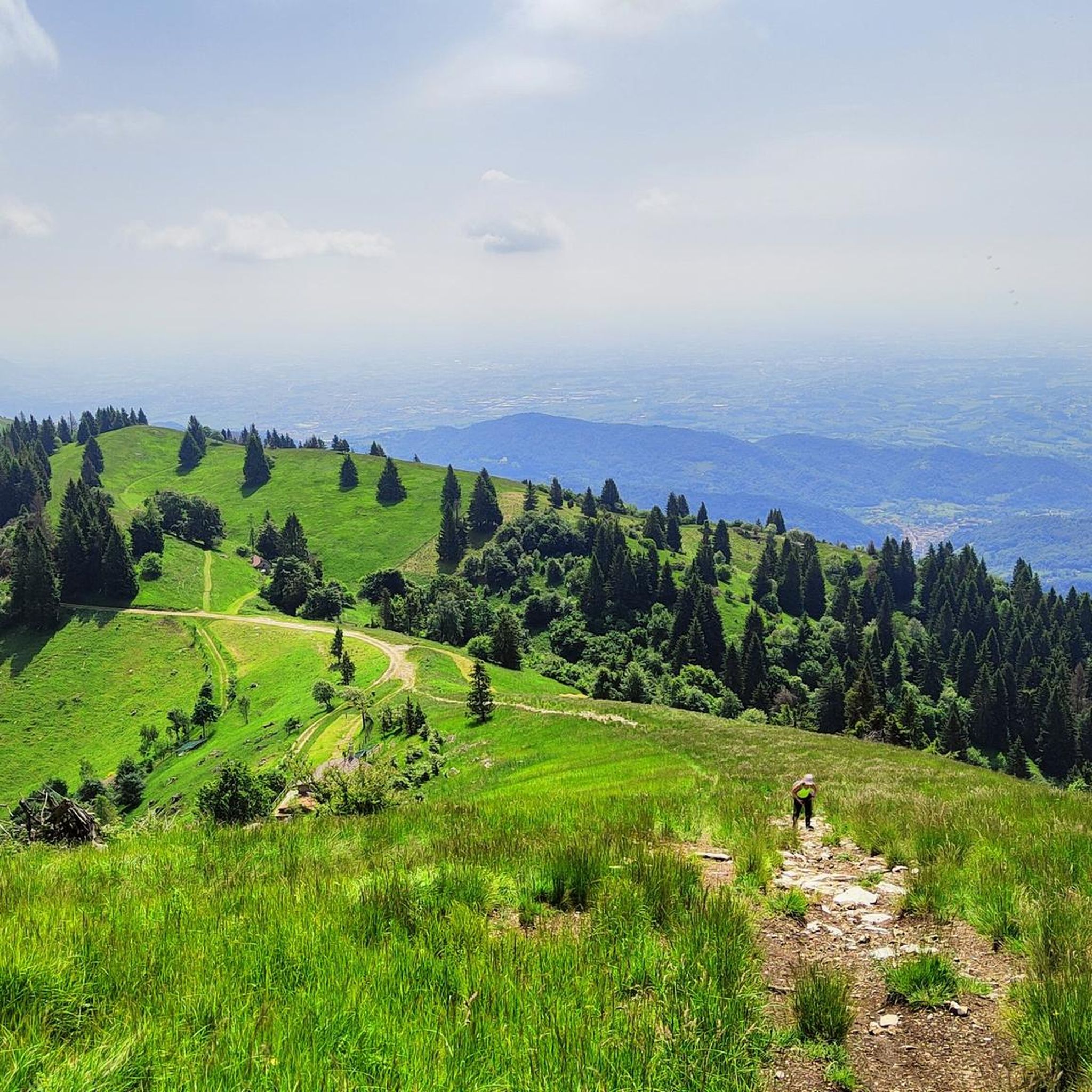
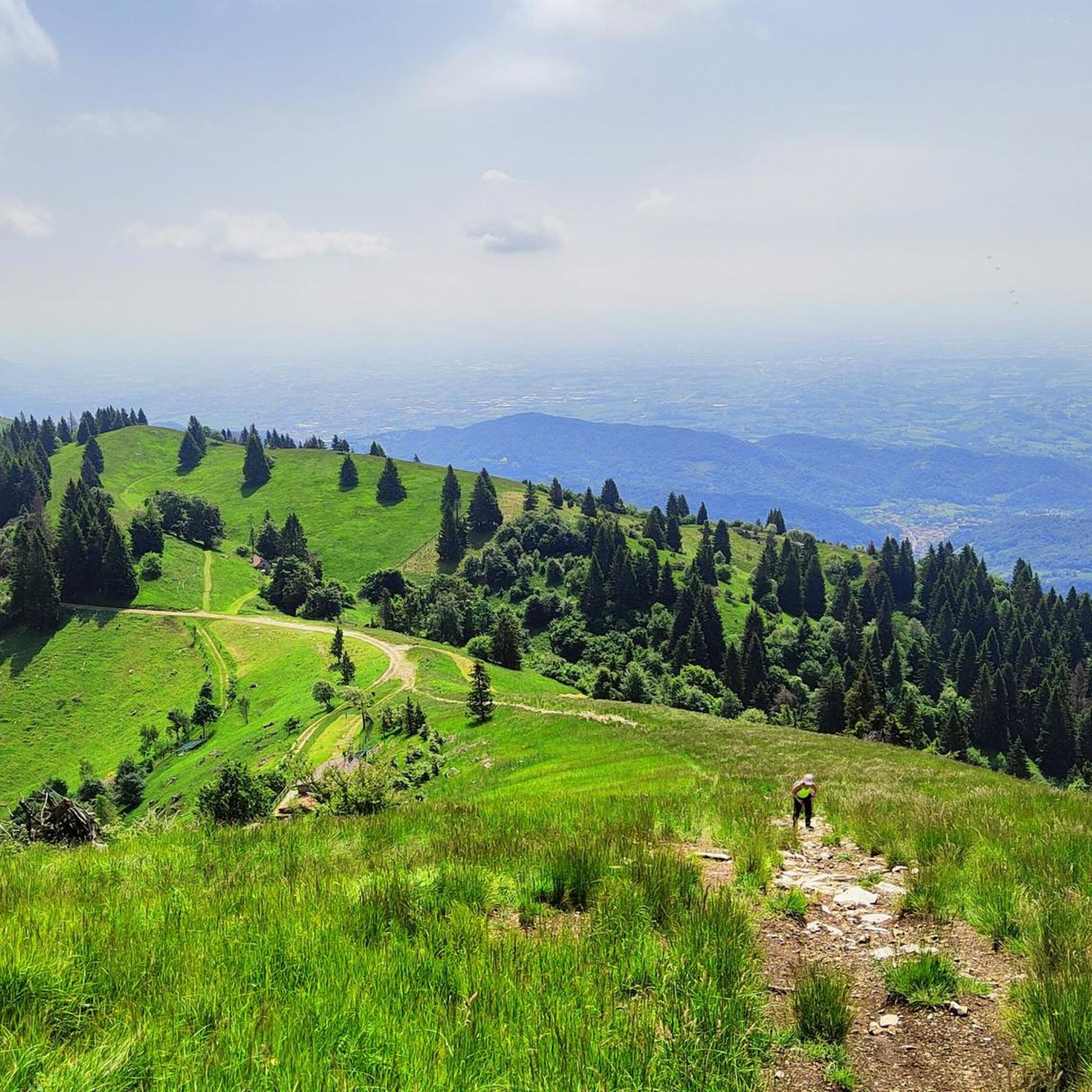
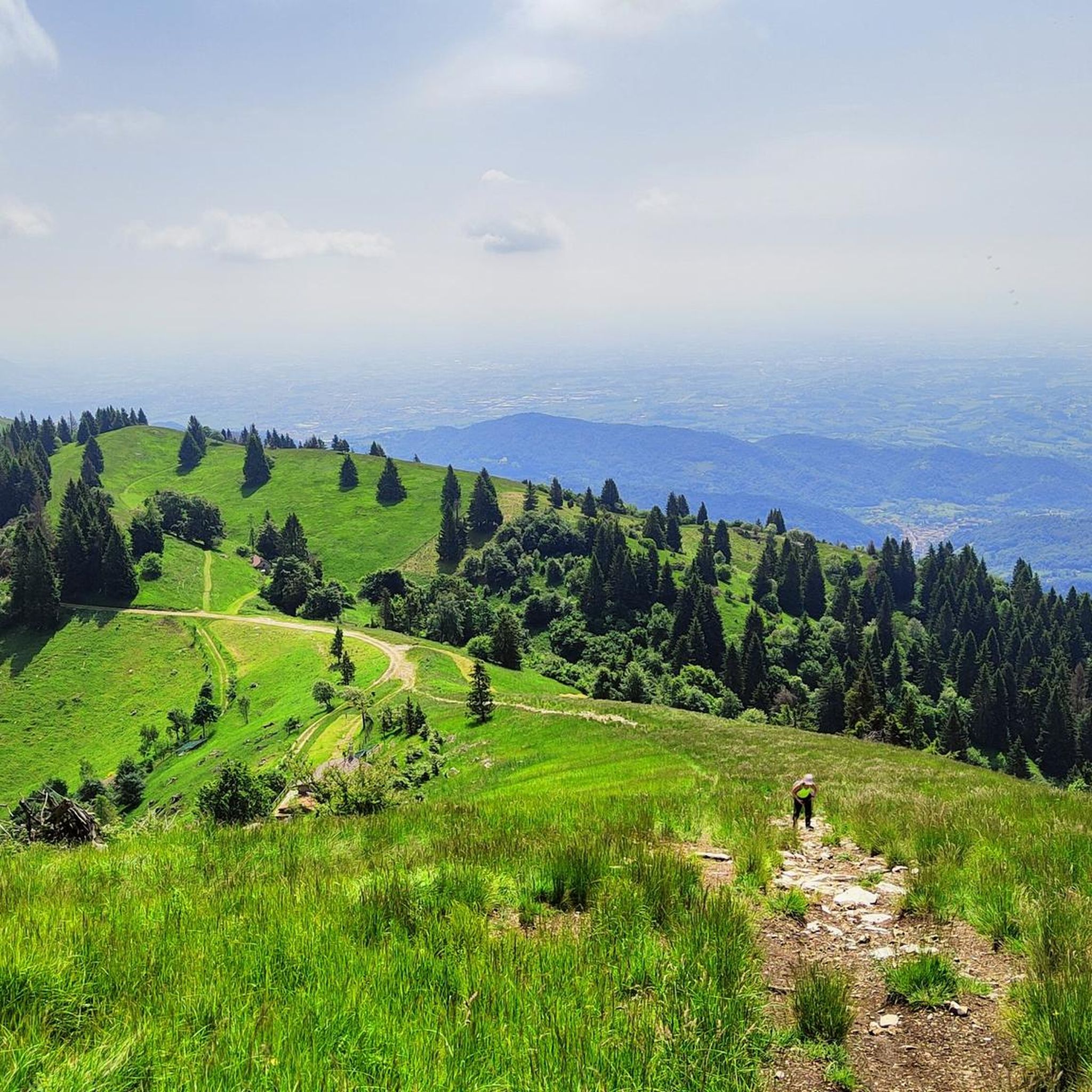
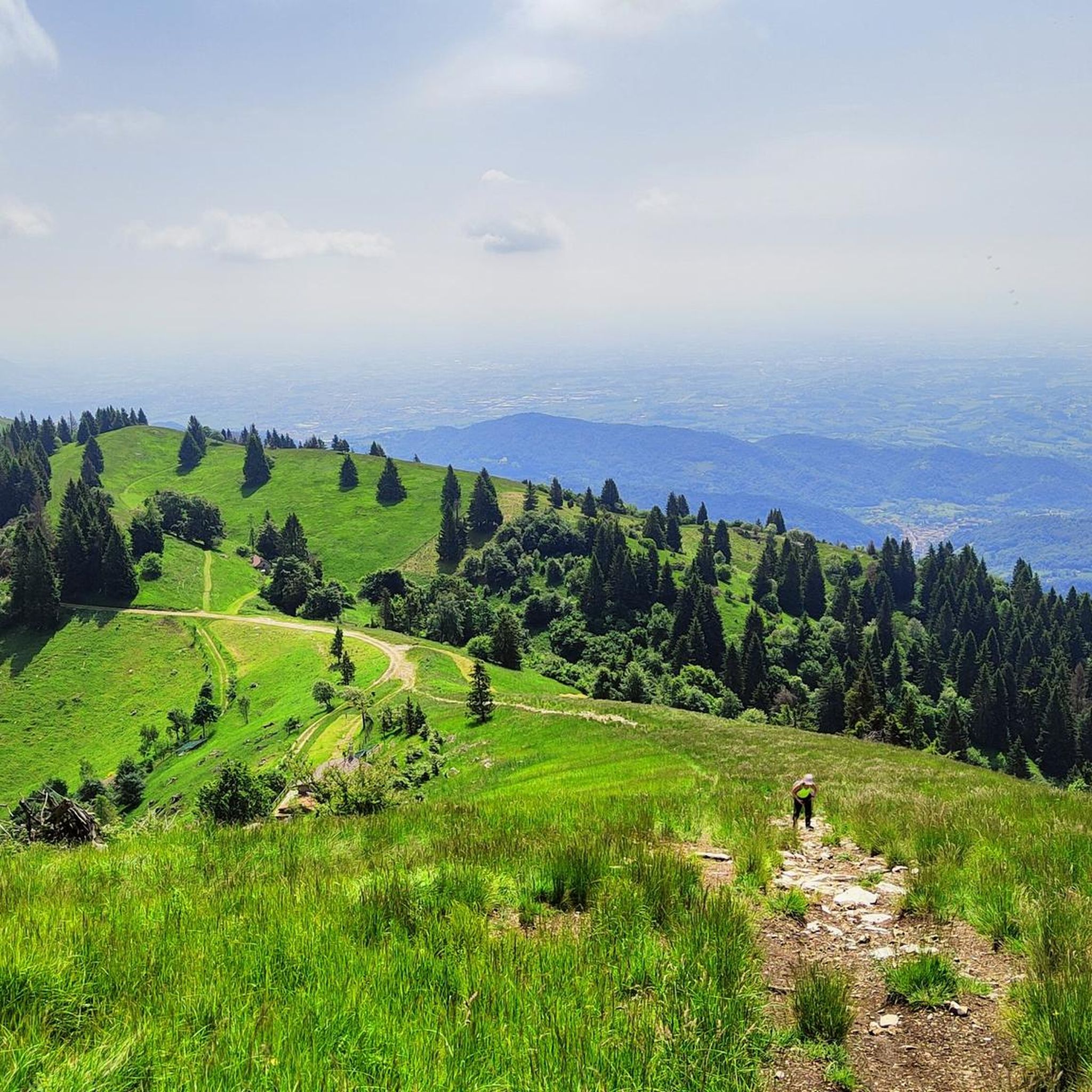
Climbing up the steep path from the parking lot.
0
0

The Castle of San Martino can be reached by a steep climb from Ceneda https://www.magicoveneto.it/trevisan/vittorioveneto/Ceneda_CastelloSanMartino.htm
0
0

This arch is part of the walls of the Castle of San Martino, also known as the "Bishop's Castle". Originally built for defensive purposes, the castle became over time the official residence of the bishops of Ceneda. Perched on a hill, it dominates the valley below with its tower and historic walls, offering a suggestive panoramic view of the surroundings.
0
0

The Tower of San Floriano is a military construction located in the homonymous hamlet of Vittorio Veneto, in the heart of Val Lapisina. It stands on a hill of artificial origin, on the southern shores of Lake Restello. Tradition dates it back to Roman times, but its appearance is undoubtedly medieval. It is a watchtower which had the task of monitoring the important road that led to Cadore and from there to Tyrol and Germany. It is likely that it also had customs functions.
0
0

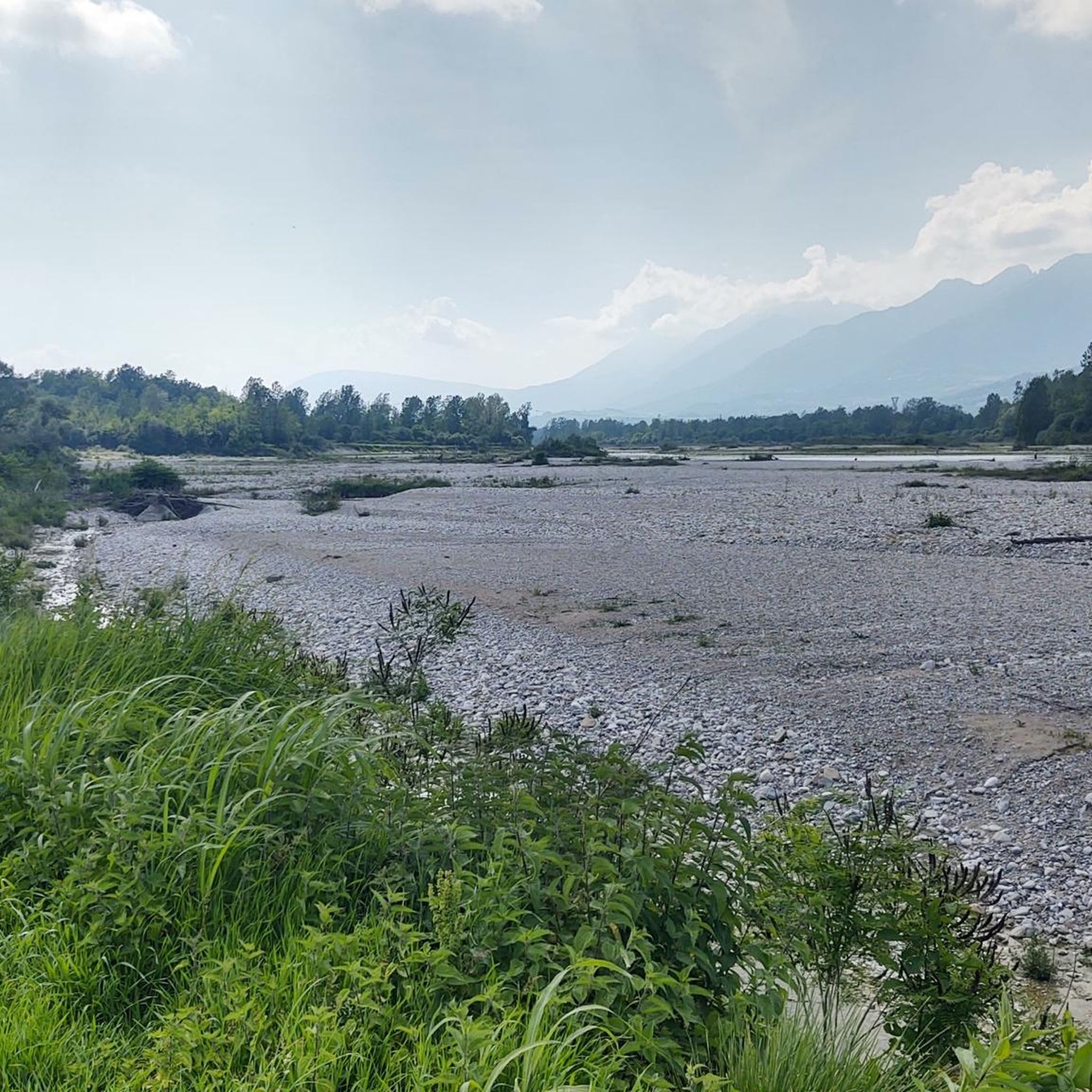
A particularly great lake. It rolled well on this section.
0
1

Castelbrando, a grand medieval castle, sits on a dolomitic limestone rock at an altitude of 370m above sea level, overlooking the villages of Cison di Valmarino and Valmareno. The name is due to the Brandolini family from Forlì, who were the lords of the castle. The castle was originally built in Roman times to protect the Via Claudia Augusta, which connected the Po valley to Rhaetia (modern Austria). The original castrum from 46 AD is still visible. A recent archaeological dig has uncovered a bread oven and the original Roman baths, as well as the original pipes of the aqueduct that supplied water from three nearby natural springs. These springs still provide water for the castle. Later the fortress became an important defensive position against barbarian invasions. During the 13th century the castle was significantly enlarged and the imposing battlements and central tower were added. The castle was awarded by the Republic of Venice to the condottieri Giovanni Brandolino and Erasmo da Narni, better known as "Gattamelata". After the fall of the Venetian Republic it became the property of the Brandolini Counts. In 1700 the castle was expanded with the southern part and the castle chapel, the church of San Martino. During World War I, the castle was invaded by Imperial Austrian troops and used as a military hospital. After 10 years of restoration work, the castle was reopened as a residence in 1929. In 1959, the castle was sold by the Brandolini family to the Salesian Fathers, who used it as a monastery and as a center for spiritual studies. In 1997, CastelBrando was purchased by Quaternary Investments SpA, who transformed it into a 4-star hotel, museum and theater. Visitors can take the cable car to the castle from the village.
1
0

Ruins of an ancient pentagonal tower from the 5th-6th centuries: the Turris Nigra (Black Tower) was the pinnacle of a fortification built on the slopes of Mercatone Hill to control and defend the strategic passage of Serravalle and the Lapisina Valley. Tradition attributes the foundation of the castle and tower to a Gothic tyrant, King Manducco or Matrucco. Manducco's daughter was the future Saint Augusta, martyred by her father when he discovered her conversion to Christianity, whom he persecuted. https://wiki.liceoflaminio.edu.it/index.php?title=Turris_nigra https://www.undicigradi.com/serravalle.htm
2
0

simple track between the castle and the town
0
0
Frequently Asked Questions
What is the most historically significant castle near Trichiana?
The **Castle of Zumelle**, located in Trichiana (now Borgo Valbelluna), is considered the best-preserved example in the Valbelluna region. Its history dates back to Roman times, with archaeological evidence from the 1st century AD. It played a crucial defensive role, particularly during barbarian invasions, guarding connections between Feltre and Ceneda. While only a small tower remains of **Castel d'Ardo (Casteldardo)**, it also held significant strategic importance from Roman times due to its position relative to Valbelluna and communication routes to Treviso.
Are there any well-preserved castles I can visit near Trichiana?
Yes, the **Castle of Zumelle** is remarkably well-preserved, thanks to extensive renovations in the 1960s. Visitors can explore its 36-meter tower, crenellated walls, moat, internal halls, and the ancient chapel of San Lorenzo. Another impressive site is Castelbrando, a grand medieval castle with Roman origins, which has been transformed into a hotel, museum, and theater.
What activities are available for families at castles near Trichiana?
The **Castle of Zumelle** offers a unique 'leap back in time' experience, making it a fantastic destination for all ages. At its gates, a reconstructed medieval village features artisan shops, a baker, and a blacksmith. The castle provides entertainment with shows featuring princesses, King Arthur, and superheroes, along with activities like archery, medieval games, and themed workshops on medieval life and history.
Can I explore the interior of the castles?
At the **Castle of Zumelle**, you can explore its central 36-meter tower with five storeys connected by a wooden staircase, internal halls, and the ancient chapel of San Lorenzo. It also houses an archaeological area within its dungeons and a scriptorium on the top floor. Castelbrando, now a hotel and museum, allows visitors to explore its historical rooms, original Roman castrum, and even a bread oven and Roman baths uncovered during archaeological digs.
Are there any castles with panoramic views?
Yes, the View from the Arch of the Bishop's Castle (part of the Castle of San Martino) is perched on a hill and offers a suggestive panoramic view of the surroundings. Similarly, Castelbrando sits at 370m above sea level, overlooking the villages of Cison di Valmarino and Valmareno, providing excellent vistas.
What are some other notable historical sites besides castles in the area?
Beyond the main castles, you can visit the Ruins of Turris Nigra (Black Tower), an ancient pentagonal tower from the 5th-6th centuries that was a pinnacle of fortification. The Castrum di Serravalle, dating back to Roman times, was vital for controlling trade routes and is now a charming B&B. The San Floriano Tower is another ancient military tower used to monitor traffic to Cadore.
Are there outdoor activities or routes near these castles?
Yes, the region around Trichiana offers various outdoor activities. You can find numerous MTB trails, such as the 'Il Portico (El Portego) – Torre di Casteldardo loop from Trichiana' or the 'Piave River – Certosa di Vedana loop from Trichiana'. For mountain hikes, options include the 'Monte Pizzocco summit loop from San Gregorio nelle Alpi'. Gravel biking is also popular, with routes like the 'Lake Vedana – Salce Cycle Path loop from Trichiana'. You can find more details on these and other routes in the MTB Trails around Trichiana, Mountain Hikes around Trichiana, and Gravel biking around Trichiana guides.
What is the best time of year to visit the castles around Trichiana?
The castles and historical sites around Trichiana are generally enjoyable throughout the year. Spring and autumn offer pleasant temperatures for exploring the outdoor areas and nearby trails. Summer can be warm but is ideal for family activities and events often hosted at places like the Castle of Zumelle. Winter visits can be charming, especially if you enjoy cooler weather and fewer crowds, though some outdoor activities might be limited by snow or ice.
Are the castle areas accessible for walking or hiking?
Many castle areas, particularly those on hills like the Castle of San Martino (Bishop's Castle), involve steep climbs to reach them. The Ruins of Turris Nigra are also described as challenging to reach. However, the surrounding region offers a variety of trails, from moderate to difficult, suitable for hiking and mountain biking, as detailed in the nearby route guides.
Are there options for food and drink near the castles?
Yes, at the foot of the **Castle of Zumelle**, there is a tavern that offers medieval cuisine, enhancing the historical atmosphere. Castelbrando, being a 4-star hotel, museum, and theater, also provides dining options for visitors. For other sites, it's advisable to check local amenities in nearby towns like Trichiana or Cison di Valmarino.
What do visitors enjoy most about the castles around Trichiana?
Visitors particularly appreciate the historical significance and the immersive experience offered by sites like the **Castle of Zumelle**, which allows a 'leap back in time' with its reconstructed medieval village and interactive activities. The panoramic views from castles like the Bishop's Castle and Castelbrando are also highly valued. The komoot community has upvoted over 40 highlights and shared more than 20 photos, indicating a strong appreciation for the region's blend of history and scenic beauty.
Is there public transport available to reach the castles?
While specific public transport routes directly to every castle might be limited, the region is generally accessible. For the **Castle of Zumelle**, it's located in Borgo Valbelluna, which has local bus services. For Castelbrando, visitors can take a cable car to the castle from the nearby village, which might be reachable by public transport. It's recommended to check local bus schedules or consider driving for more flexibility when visiting multiple sites.
Most popular routes around Trichiana
Most popular attractions around Trichiana

Get inspired with the komoot mobile app


Explore more
Looking for the best castles somewhere else? Discover other guides around Trichiana:
