Top 3 Castles around Villorba
Castles around Villorba are primarily found in the broader Treviso province, as Villorba itself is a subdivision of Sacile. The region, situated in the Veneto area, is characterized by its historical significance and proximity to the Prosecco hills. While no notable castles are directly within Villorba, the surrounding area offers several historical sites. This geographical context provides a setting for exploring various historical structures.
Best castles around Villorba
- The most popular castle is San Salvatore Castle, a castle that…
Last updated: June 30, 2026
Castello di San Salvatore (Susegana)
Highlight • Castle
Translated by Google •
Tip by

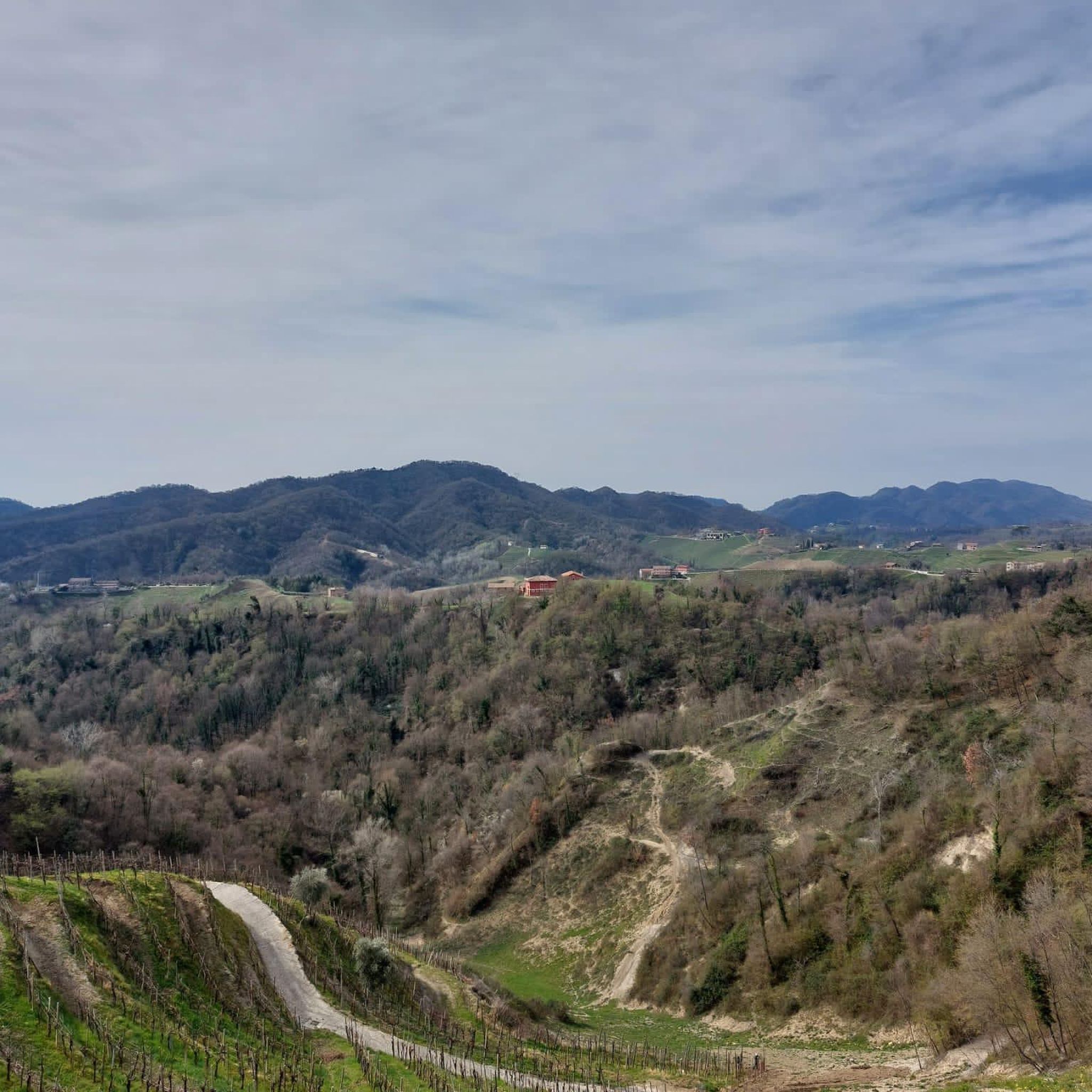
View of Susegana
Highlight • Viewpoint
Translated by Google •
Tip by

Sign up now to discover places like this
Get recommendations on the best single tracks, peaks, & plenty of other exciting outdoor places.
Sign up for free
San Salvatore-Collalto
Highlight (Segment) • Castle
Translated by Google •
Tip by
Bastione San Paolo
Highlight • Monument
Translated by Google •
Tip by

Castello on the Sile, Treviso
Highlight • Castle
Translated by Google •
Tip by

Sign up for free to discover even more castles around Villorba.
Sign up for free
Already have an account?
Start today with a free account
Your next adventure awaits.
Login or Signup

Tips from the Community

Il Bastione San Paolo constitutes a fundamental part of Treviso's 16th-century city walls, located in the north-eastern sector of the city. Designed as part of the defensive enhancement desired by the Serenissima, it presents itself as a massive earth and brick structure, engineered to withstand the modern artillery systems of the time. Currently, the area has lost its military function to become one of the most evocative green areas in the historic center. Its tree-lined avenues offer an elevated panoramic walk overlooking the canals below, once defensive moats. It is a perfect example of urban regeneration, where Renaissance engineering blends with the tranquility of the city's river landscape.
0
0
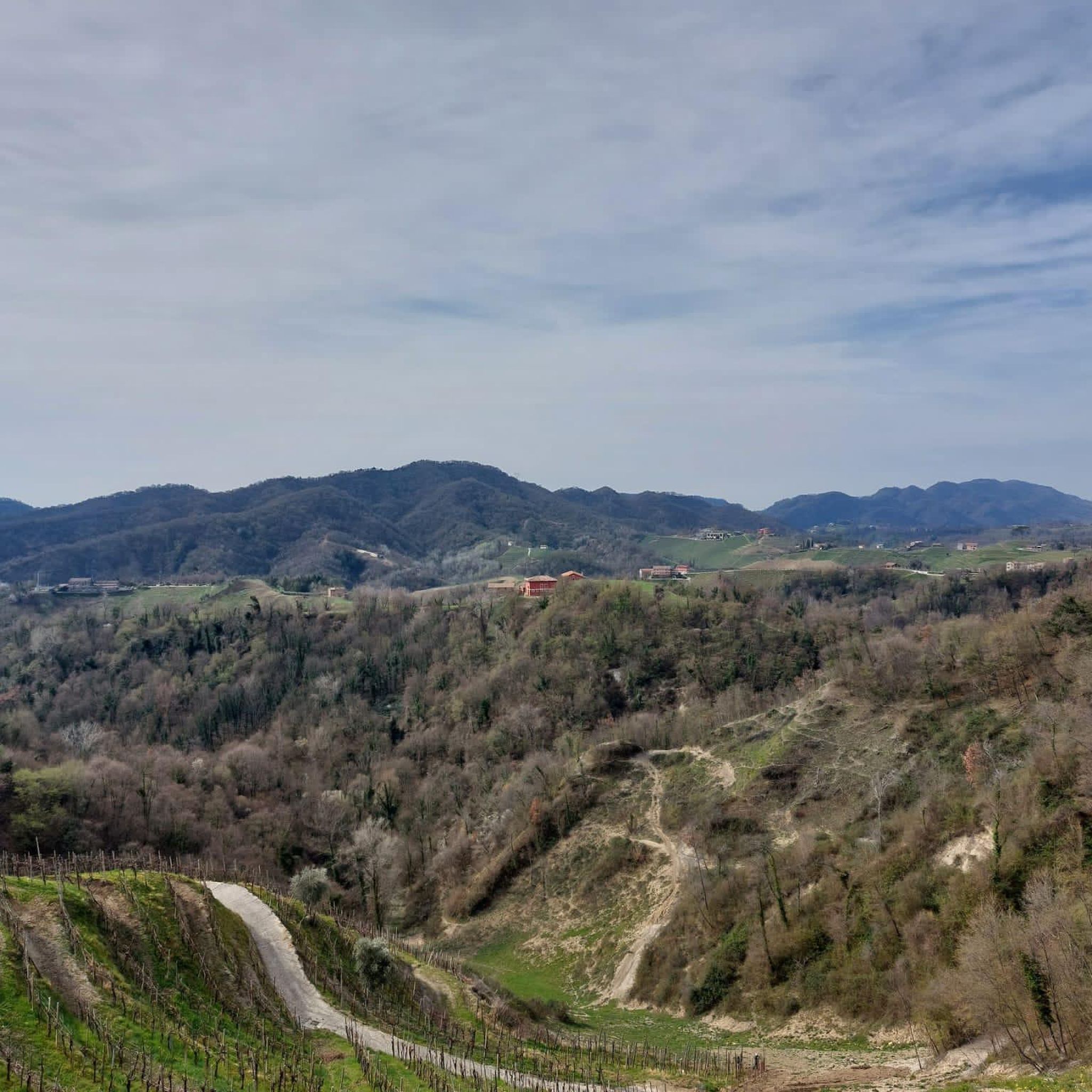
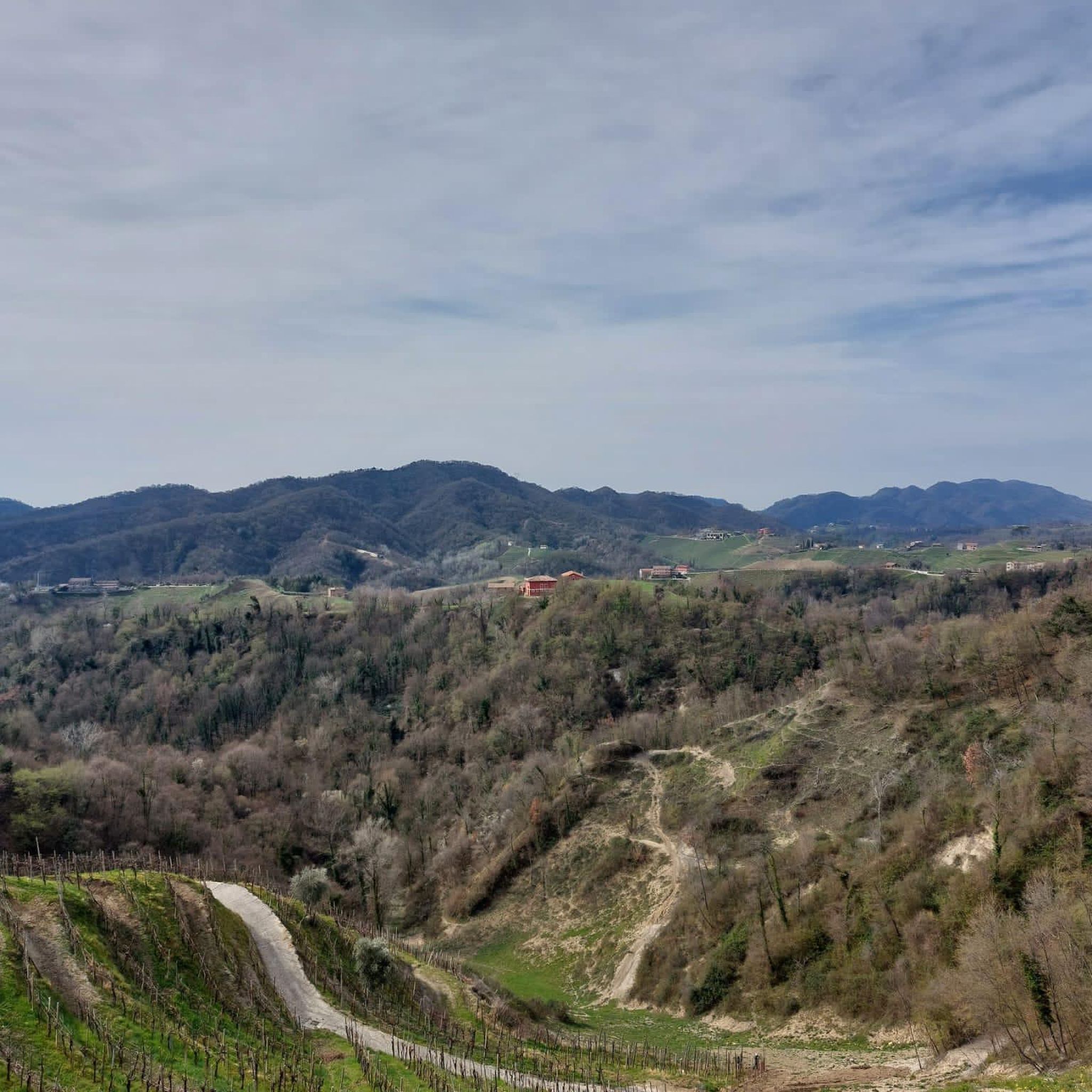
The Castello di San Salvatore, which dominates the town of Susegana, is one of the most imposing late medieval fortifications in Italy and the symbol of the power of the Counts of Collalto. Built starting from the 13th century, it transformed over time into a lavish Renaissance residence, becoming a cultural center of international importance. Despite the very serious damage suffered during the Great War, when it was on the Piave front line, the castle has been carefully restored by the Collalto family. Today, it welcomes visitors with its crenellated walls and splendid hanging garden, offering a breathtaking view of the Prosecco hills and testifying to eight centuries of aristocratic history amidst art, battles, and excellent wine-making traditions.
0
0
Although commonly called the "Castle" for its imposing appearance and dominant position over the Sile river, it was actually built as an ancient medieval hospital. Overlooking the Riviera Garibaldi, this historic building has been masterfully restored to house university campuses. Its red brick architecture, which is directly mirrored in the waters of the river, creates one of the most iconic views of the city. Today, it is no longer a defensive fortress, but a center of culture where the monumental structure blends with the liveliness of students, maintaining that solemn charm that makes it a visual reference point for anyone walking along the banks of the Sile in the historic center.
2
0

The castle can be visited! Every first Wednesday of the month with prior online registration.
0
0

Unfortunately it cannot be visited
0
0


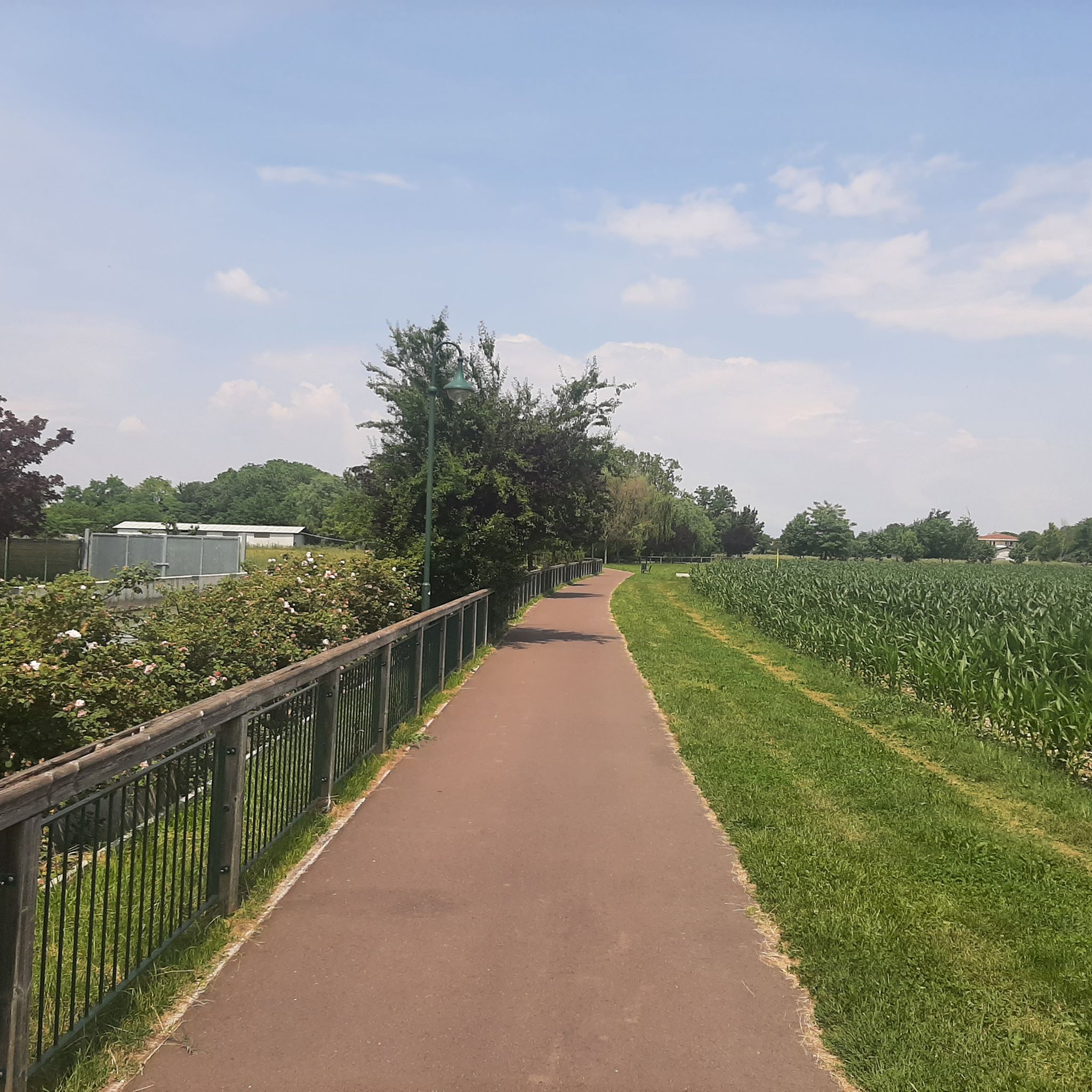
The cycle path directly along the Sile towards Mestre is a lovely place to ride. The scenery is beautiful.
1
0

Collalto Castle, a large architectural complex enclosed by a double wall with a drawbridge; inside part of the Mastio, the Palazzo Odoardo, the Cappella Vecchia, the church of Santa Croce with the Torre Grande, the Cavallerizza tower, various dwellings from different eras: rural annexes on the right, more imposing buildings on the left.
0
0
Frequently Asked Questions
Which castles are most popular to visit near Villorba?
The most popular castle in the vicinity is San Salvatore Castle in Susegana. This impressive fortress, built by the Collalto family, offers a blend of medieval history and Renaissance elegance, with stunning views over the Prosecco hills. Another significant site is Bastione San Paolo, a well-preserved part of Treviso's city walls.
Are there any family-friendly castles or historical sites near Villorba?
Yes, View of Susegana and Bastione San Paolo are categorized as family-friendly. While specific activities for children might vary, these sites offer historical exploration and scenic views that can be enjoyed by all ages.
What kind of historical significance do the castles near Villorba hold?
The castles in the broader Treviso province, such as Castello di San Salvatore, have immense historical significance. It served as an impregnable fortress in the Middle Ages and later an elegant stately home during the Renaissance, hosting artists and literary figures. It was heavily damaged in WWI and has undergone extensive restoration. Bastione San Paolo is a key part of Treviso's 16th-century defensive works.
What outdoor activities can I do near these castles?
The area around Villorba offers various cycling opportunities. You can find routes for touring bicycles, road cycling, and gravel biking. For example, the 'Gravel biking around Villorba' guide includes a 'Collalto Castle – San Salvatore Castle loop from Lancenigo'. Explore more options in the Gravel biking around Villorba, Cycling around Villorba, and Road Cycling Routes around Villorba guides.
Are there any castles with scenic views near Villorba?
Absolutely. San Salvatore Castle in Susegana is renowned for its spectacular position, offering breathtaking views over the surrounding vineyards and the plain below. The View of Susegana highlight also emphasizes the beautiful panoramas from this area.
What is the best time to visit the castles in the Villorba area?
While specific opening hours vary by castle, the Veneto region generally enjoys pleasant weather in spring (April-May) and autumn (September-October), making these ideal times for exploring historical sites and enjoying the scenic views without the intense summer heat or winter chill.
Are there any lesser-known or 'hidden gem' castles to explore?
While San Salvatore Castle is well-known, Castello Romano in Treviso offers a unique story. Built in the late 19th/early 20th century by the Romano family, it's not a medieval fortress but a private residence with a fascinating history, featuring early 20th-century furnishings and frescoes. It's not generally open to the public, but its unique origin makes it a local point of interest.
What do visitors enjoy most about the castles and historical sites in this region?
Visitors frequently praise the historical depth and architectural beauty of sites like Castello di San Salvatore, noting its role as an 'impregnable fortress' and 'elegant stately home.' The panoramic views from these elevated locations, especially over the vineyards, are also highly appreciated. The well-preserved nature of structures like Bastione San Paolo also draws interest.
Can I find walking or cycling routes that incorporate castle visits?
Yes, several routes are available. For example, the 'Gravel biking around Villorba' guide features a 'View of Susegana – San Salvatore Castle loop from Lancenigo' which is a moderate 57.8 km route. You can find more routes that pass by or near these historical sites in the Cycling around Villorba and Gravel biking around Villorba guides.
Are there any castles or historical sites accessible by public transport from Villorba?
Villorba is a subdivision of Sacile, and the broader Treviso province is where the main castles are located. While direct public transport to every castle entrance might be limited, Treviso city itself is well-connected. From Treviso, local buses or regional trains can take you closer to towns like Susegana (for San Salvatore Castle) or within Treviso for Bastione San Paolo and Castello Romano. It's advisable to check local bus schedules for specific routes to the castle locations.
How long does it typically take to visit a castle near Villorba?
The duration of a visit can vary. For a significant site like San Salvatore Castle, especially if it's open for guided tours or events, you might spend 1-2 hours exploring the grounds, village, and enjoying the views. Smaller sites or bastions like Bastione San Paolo might be part of a longer walk around Treviso's city walls, taking less time for the specific structure itself.
Most popular routes around Villorba
Most popular attractions around Villorba

Get inspired with the komoot mobile app


Explore more
Looking for the best castles somewhere else? Discover other guides around Villorba:
