Top 6 Castles around Quarto D'Altino
Best castles around Quarto D'Altino are found within a region rich in historical fortifications and archaeological sites. Quarto D'Altino, located in the Veneto region, is home to the National Archaeological Museum of Altino, which preserves artifacts from the ancient Roman city of Altinum. The surrounding area features various historical structures, including remnants of defensive forts and a restored castle tower. This region offers insights into both Roman history and 19th-century military architecture.
Best castles around Quarto D'Altino
- The most popular…
Last updated: June 30, 2026
Punta Sabbioni Ferry Terminal and Fort Treporti
Highlight (Segment) • Rest Area
Translated by Google •
Tip by

Tower of the Castello dei Carraresi in Casale sul Sile
Highlight • Castle
Translated by Google •
Tip by

Sign up now to discover places like this
Get recommendations on the best single tracks, peaks, & plenty of other exciting outdoor places.
Sign up for free
Fort Treporti
Highlight • Historical Site
Translated by Google •
Tip by

Forte Carpenedo
Highlight • Historical Site
Translated by Google •
Tip by

Start today with a free account
Your next adventure awaits.
Login or Signup

Tips from the Community

The Carraresi Tower is the last vestige of the ancient medieval castle of Casale sul Sile, located in a strategic position along the river bend. Built in the 14th century by the powerful Paduan family of the Carraresi, the structure was part of a defensive system aimed at controlling river traffic towards the Venice Lagoon. The tower, built of brick, has a massive structure that has withstood centuries and the transformations of the territory. Today it represents the historical symbol of the municipality and a fundamental testimony of the era when the Sile was one of the main commercial and military communication routes between the hinterland and the Serenissima, integrating perfectly into the protected river landscape of the Parco del Sile.
0
0

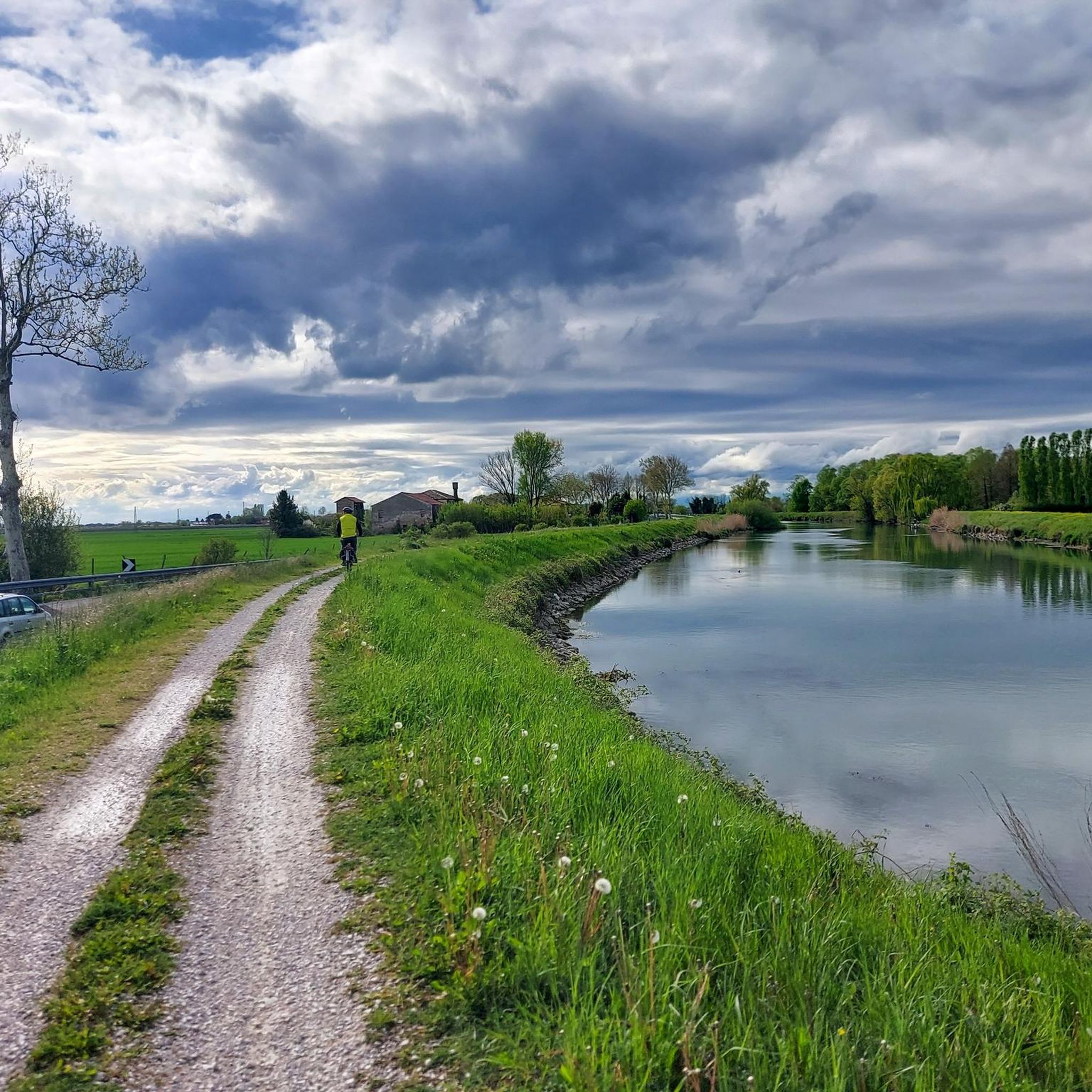
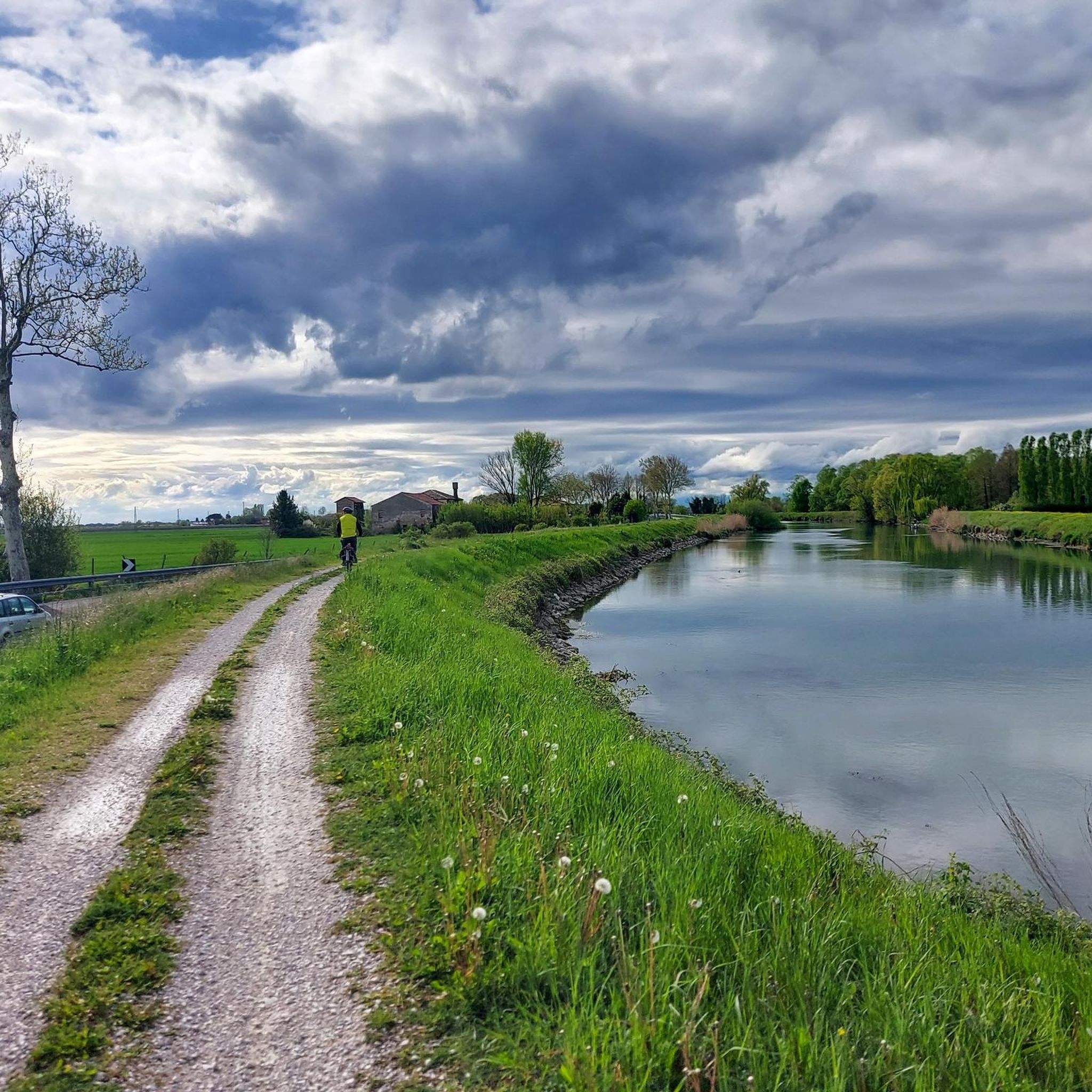
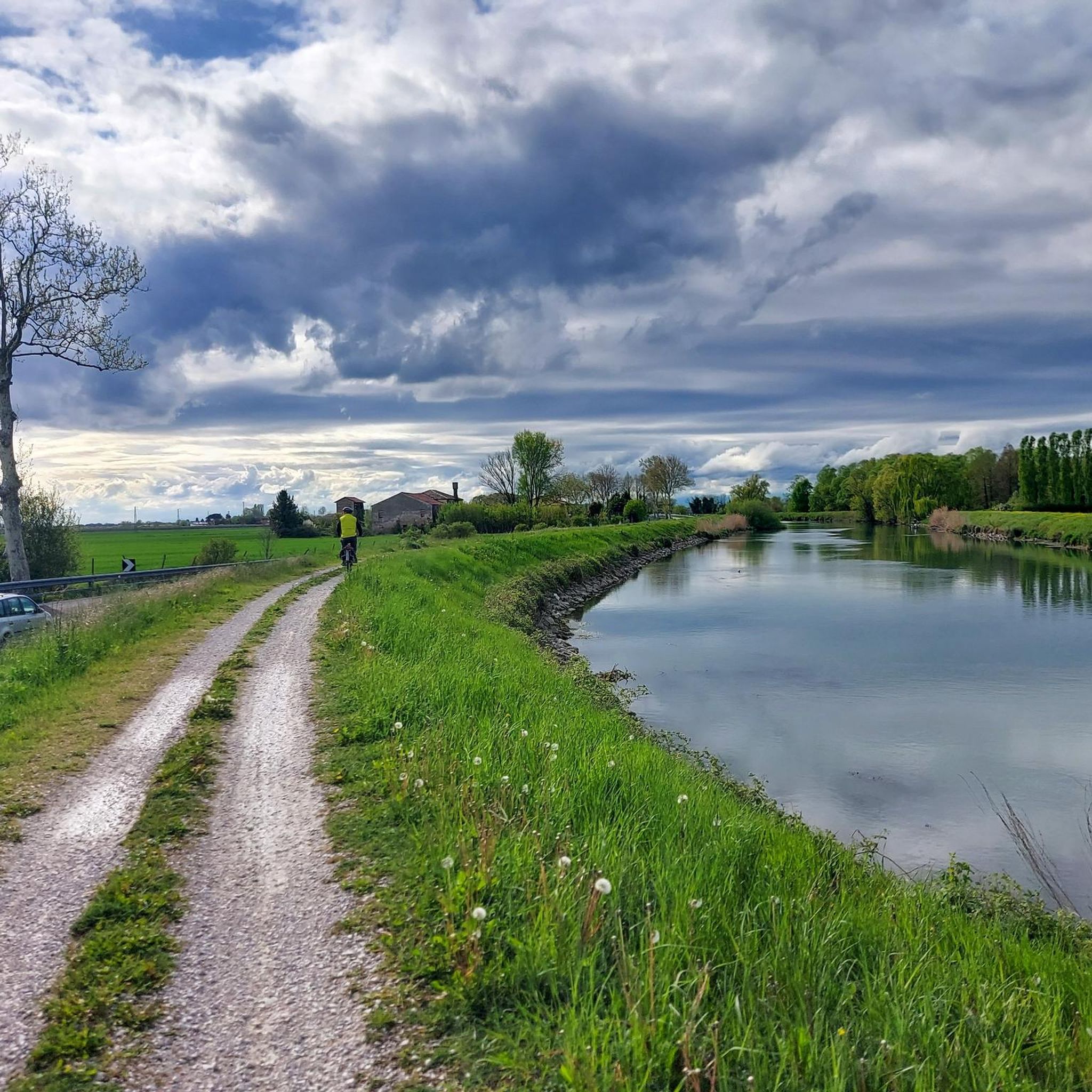
One of many perfect photo opportunities on the cycle path along the Sile.
2
0

Nice bike path. The tower of the Castello dei Carraresi is a beautiful photo motif.
7
0

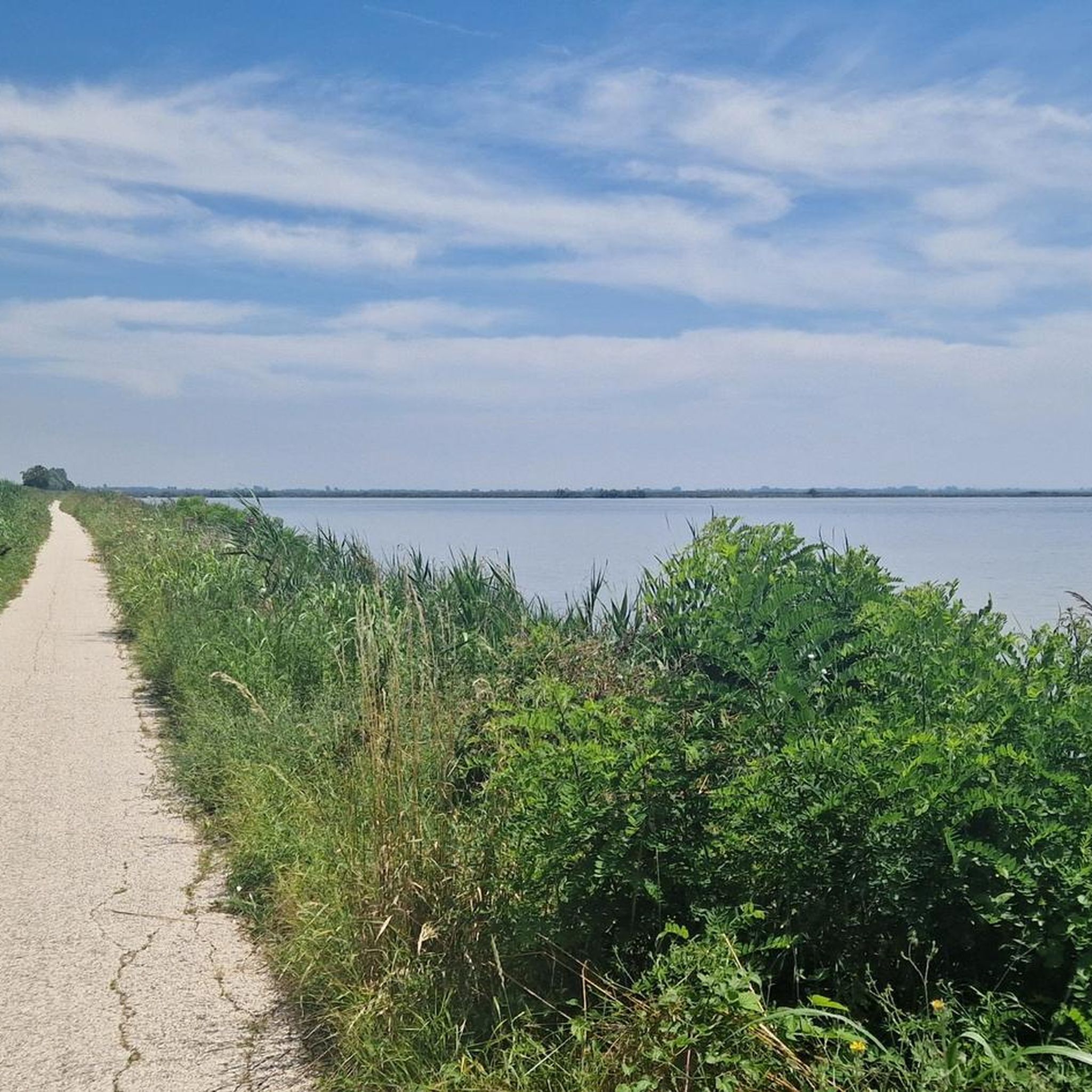
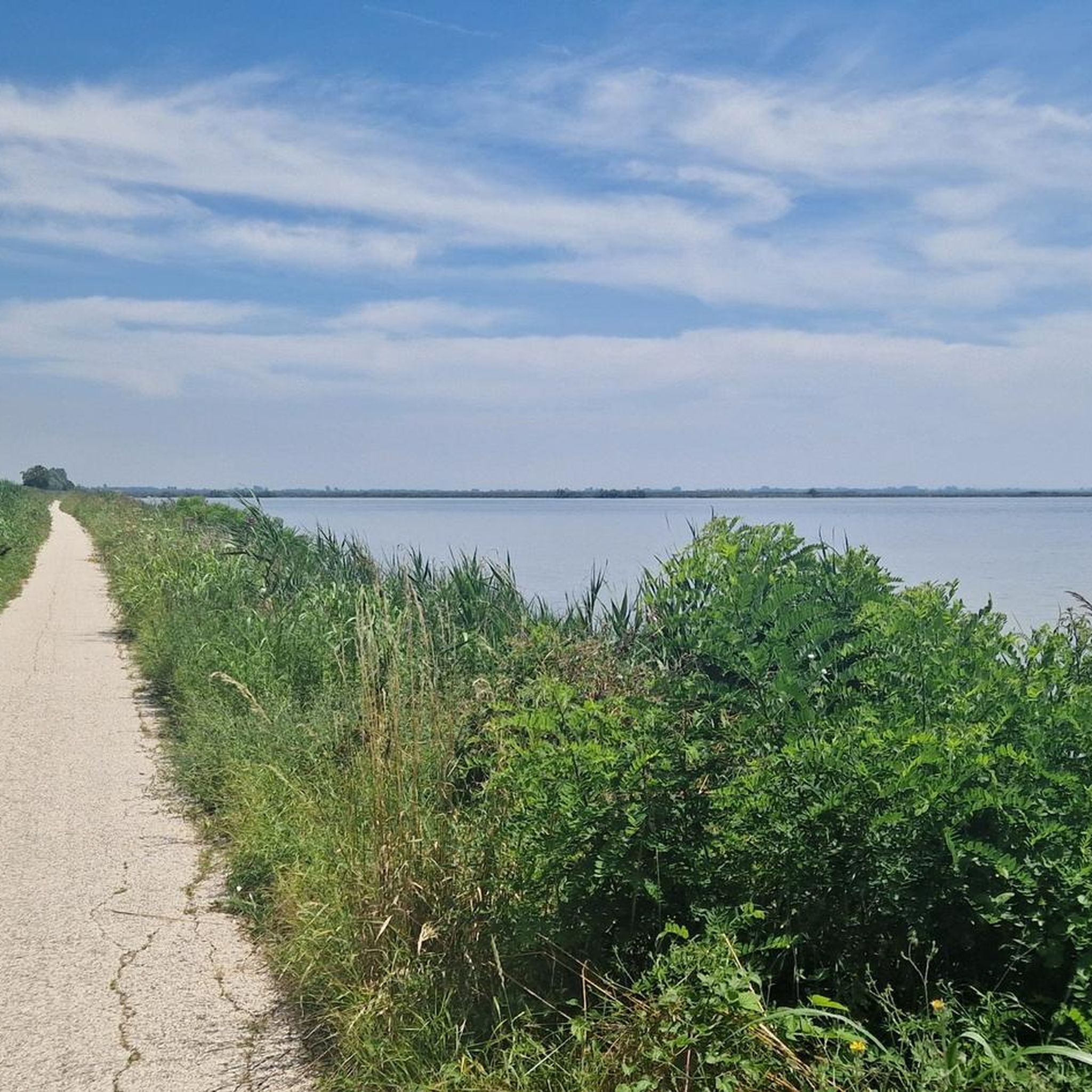
The beach of Punta Sabbioni The beach of Punta Sabbioni stretches for about 2 kilometers and, due to its width and the gentle slope into the sea, as well as the nature that characterizes the entire Cavallino coast, it is one of the favorite beaches of many families. This area, together with the pine forest behind it, hosts a protected biotope called “Dunes and Forests of Punta Sabbioni”. Here you will find the little ringed plover, an endangered small wading bird that has found its ideal habitat on the Cavallino-Treporti coast, and a dense and fragrant pine forest with tamarisk and various species of pine, an ideal place for a nature walk to everyone Season. Text / Source: ca‘savio.com https://www.casavio.com/de/blog/punta-sabbioni-strand-parking-and-ships-to-venice-and-the-islands/
21
0
Ships to Venice and the islands Punta Sabbioni offers many water connections to Venice, Lido di Venezia and the lagoon islands, available all year round. From the campsite you can easily reach the port of Punta Sabbioni by car (5 km), by bus (5 minutes) or by bike along the cycle path along Via Fausta. Once you reach the port of Punta Sabbioni, you'll be spoiled for choice: discover Venice and its museums on your own or join a fascinating guided tour, stroll to the quiet island of Lido and admire the typical Art Nouveau villas or visit the picturesque islands of Burano, Murano and Torcello. It's your choice! Text / Source: ca‘savio.com https://www.casavio.com/de/blog/punta-sabbioni-strand-parking-and-ships-to-venice-and-the-islands/
22
1
Punta Sabbioni - ships to Venice Punta Sabbioni: beach, parking and ships to Venice and the islands Text / Source: ca‘savio.com https://www.casavio.com/de/blog/punta-sabbioni-strand-parking-and-ships-to-venice-and-the-islands/
20
0
Treporti Fortress built between 1845 and 1851 In the direction of Lio Grando there is Fort Treporti, better known here as Fort Vecchio. Built on the remains of a small French fort, the structure was built by the Austrians in the second half of the 19th century. Century (1845 - 1851) built to monitor the lagoon area and the harbor mouth of Punta Sabbioni. Since it was located quite a distance from Venice, it was equipped with appropriate anti-landing protection directly on the sea front, but it also had passive defense artillery facing the Venice lagoon. The main front on the western side, facing the lagoon, has two entrances: one facing a rear area, while the larger and more significant entrance, which had a portal and originally a drawbridge, faces a courtyard. During the First World War, two telemetric towers were built, one cylindrical and one square, which were intended for sighting the enemy and calculating the direction of fire. Today Fort Treporti is partially inhabited and several sports and cultural associations have their headquarters in its premises. Text / Source: IAT Cavallino, Via Fausta, 406/a, Cavallino https://www.visitcavallino.com/deu/entdecken-sie-den-parco/arte/fort-treporti
24
0
Fort Treporti, built 1845–1851 Towards Lio Grando lies Fort Treporti, better known locally as Fort Vecchio. Built on the remains of a small French fort, it was constructed by the Austrians in the second half of the 19th century (1845–1851) to monitor the lagoon area and the harbor entrance of Punta Sabbioni. Given its considerable distance from Venice, it was equipped with appropriate anti-landing defenses directly on the seaward frontage, but it also possessed passive defensive artillery facing the Venetian Lagoon. The main western frontage, overlooking the lagoon, has two entrances: one opens onto a rear area, while the larger and more significant entrance, featuring a portal and originally a drawbridge, overlooks a courtyard. During the First World War, two telemetry towers were built, one cylindrical and one rectangular, designed for spotting the enemy and calculating firing directions. Today, Fort Treporti is partially inhabited and houses several sports and cultural associations.
18
0
Frequently Asked Questions
What kind of historical sites can I visit near Quarto D'Altino?
While Quarto D'Altino itself doesn't feature traditional castles, the area is rich in historical fortifications and archaeological sites. You can explore the Punta Sabbioni Ferry Terminal and Fort Treporti, a 19th-century Austrian fort, or the well-preserved Forte Carpenedo, part of Venice's defensive system. Don't miss the restored Tower of the Castello dei Carraresi in Casale sul Sile, a surviving medieval structure.
Are there any traditional castles in the immediate vicinity of Quarto D'Altino?
Quarto D'Altino is primarily known for its archaeological heritage and defensive forts rather than traditional castles. For classic castle experiences, you would need to venture further into the broader Veneto region, which boasts magnificent structures like Castello di Roncade or CastelBrando.
What historical attractions are available directly in Quarto D'Altino?
In Quarto D'Altino, the most significant historical attraction is the National Archaeological Museum of Altino (MANA). It houses about 40,000 artifacts from the ancient Roman city of Altinum, offering a deep dive into the region's Roman past. You can find more information about the museum on Wikipedia.
Are the historical sites near Quarto D'Altino suitable for families?
Yes, several sites are family-friendly. The Tower of the Castello dei Carraresi in Casale sul Sile and Forte Carpenedo are noted as family-friendly. Exploring these historical forts and the tower can be an engaging experience for all ages, combining history with outdoor exploration.
What outdoor activities can I do near these historical sites?
The area around Quarto D'Altino offers various outdoor activities. You can find numerous hiking trails, MTB trails, and running routes. For example, the Tower of the Castello dei Carraresi is part of the GiraSile route, which is excellent for cycling and walking along the Sile River.
What is the best time of year to visit the historical sites around Quarto D'Altino?
The best time to visit is generally during the spring (April-June) and autumn (September-October) when the weather is mild and pleasant for exploring outdoors. Summers can be hot, and winters can be chilly, though indoor attractions like the National Archaeological Museum of Altino are suitable year-round.
Can I find viewpoints or scenic spots near these historical sites?
Yes, several sites offer scenic views. The Tower of the Castello dei Carraresi in Casale sul Sile reflects beautifully in the Sile River, providing a picturesque scene. The National Archaeological Museum of Altino also features an observation tower overlooking the surrounding countryside and the Venetian lagoon.
What makes Forte Carpenedo a notable historical site?
Forte Carpenedo is significant as one of 12 fortifications built to protect the city of Venice. It is well-preserved and features a small museum, offering insights into 19th-century military architecture and the defensive strategies of the time.
What is the historical significance of Punta Sabbioni and Fort Treporti?
Punta Sabbioni Ferry Terminal and Fort Treporti was built by the Austrians between 1845 and 1851. Its primary purpose was to monitor the lagoon area and the harbor mouth of Punta Sabbioni, playing a crucial role in the region's defense. Today, it partially houses sports and cultural associations.
Are there any unique architectural styles to observe in the region?
Beyond the military architecture of the forts, the broader Veneto region is renowned for its Palladian villas. While not castles, these magnificent abodes, built for noble families, showcase a distinct Renaissance architectural style and offer a similar sense of historical grandeur. Some are open to the public as heritage monuments.
What do visitors particularly enjoy about the historical sites around Quarto D'Altino?
Visitors appreciate the blend of history and natural beauty. The restored Tower of the Castello dei Carraresi is loved for its reflection in the Sile River and its integration into the GiraSile route. The forts, like Forte Carpenedo, are valued for being well-preserved and offering a glimpse into past defenses.
How accessible are these historical sites from Quarto D'Altino?
The sites mentioned, such as the forts and the tower, are generally accessible by car or bicycle from Quarto D'Altino. The Tower of the Castello dei Carraresi is directly on a popular cycling route, making it easy to reach for those exploring by bike.
Most popular routes around Quarto D'Altino
Most popular attractions around Quarto D'Altino

Get inspired with the komoot mobile app


Explore more
Looking for the best castles somewhere else? Discover other guides around Quarto D'Altino:
