Top 3 Lakes around Massanzago
Best lakes around Massanzago are found in the Province of Padua, Italy, an area characterized by its flat plains and agricultural landscapes. While not known for large natural lakes, the region features several smaller oases and wetland areas. These spots offer natural environments with diverse flora and fauna, providing opportunities for quiet walks and wildlife observation. The terrain around Massanzago lakes is generally flat, making for accessible walking routes.
Best lakes around Massanzago
- The most popular lakes is Lycaena Oasis…
Last updated: June 30, 2026
Lycaena Oasis
Highlight • Natural
Translated by Google •
Tip by

WWF Cave di Noale Oasis
Highlight • Natural Monument
Translated by Google •
Tip by

Sign up now to discover places like this
Get recommendations on the best single tracks, peaks, & plenty of other exciting outdoor places.
Sign up for free
View of the Small Lake
Highlight • Lake
Translated by Google •
Tip by

Small Lake with Wildlife
Highlight • Lake
Translated by Google •
Tip by
Start today with a free account
Your next adventure awaits.
Login or Signup

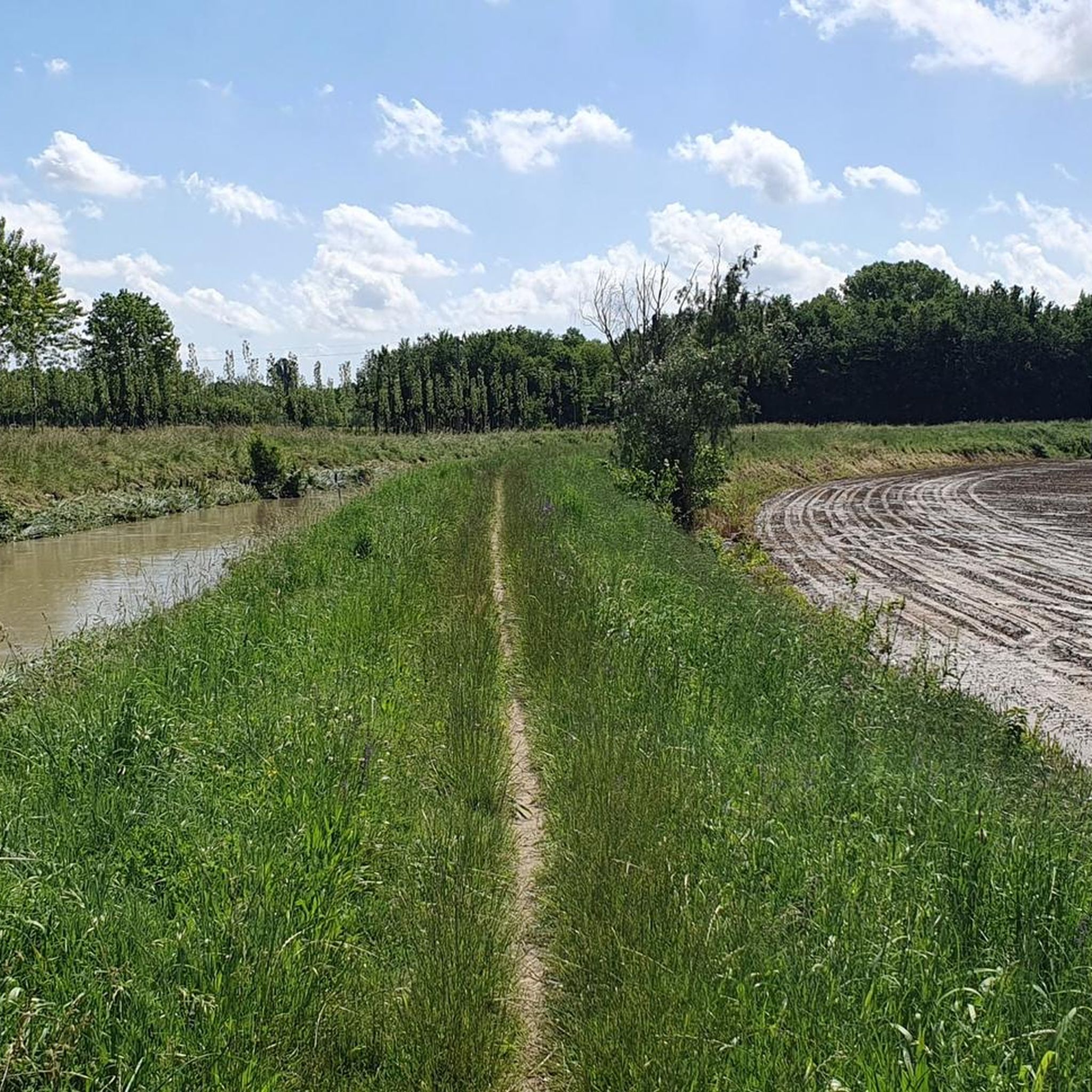
Tips from the Community

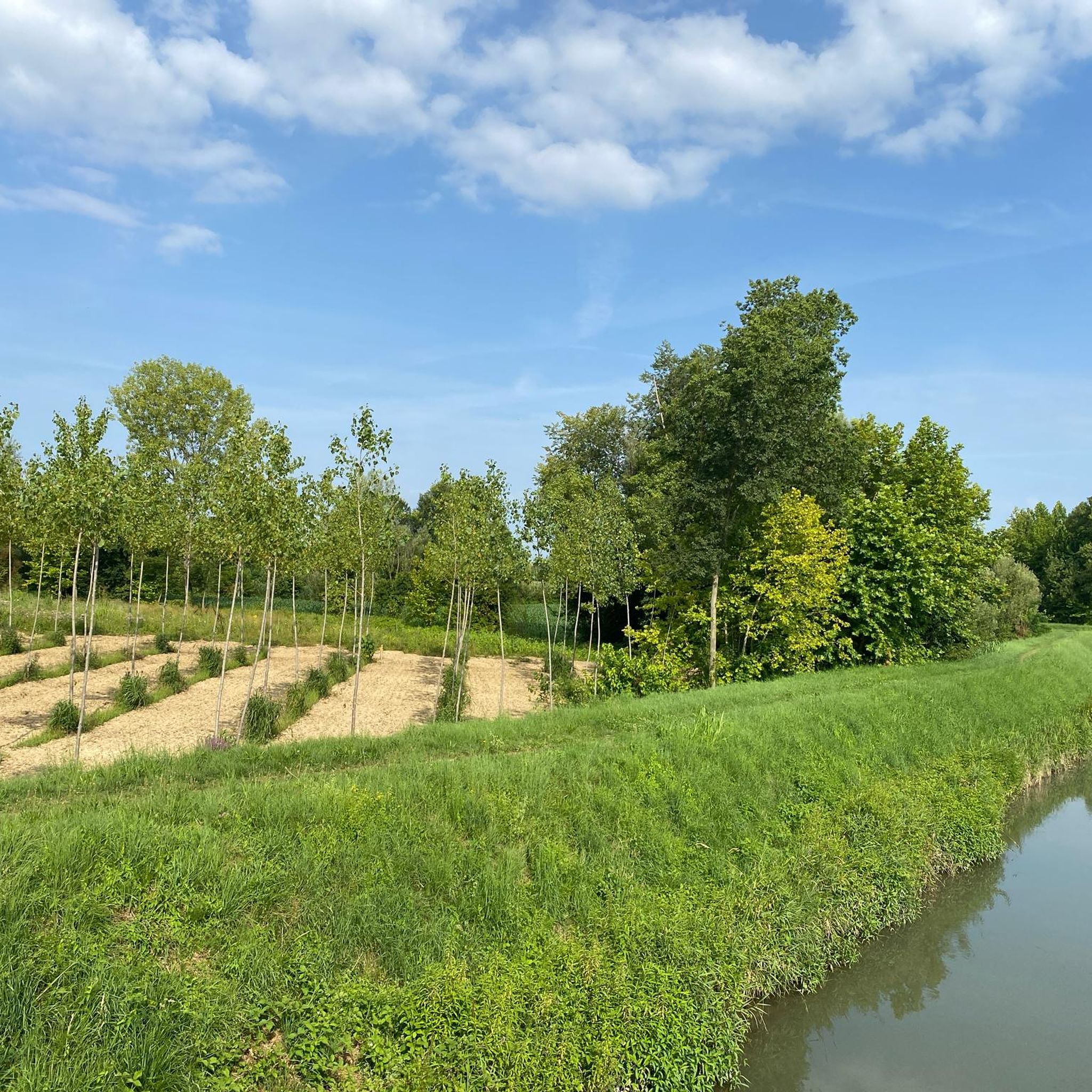
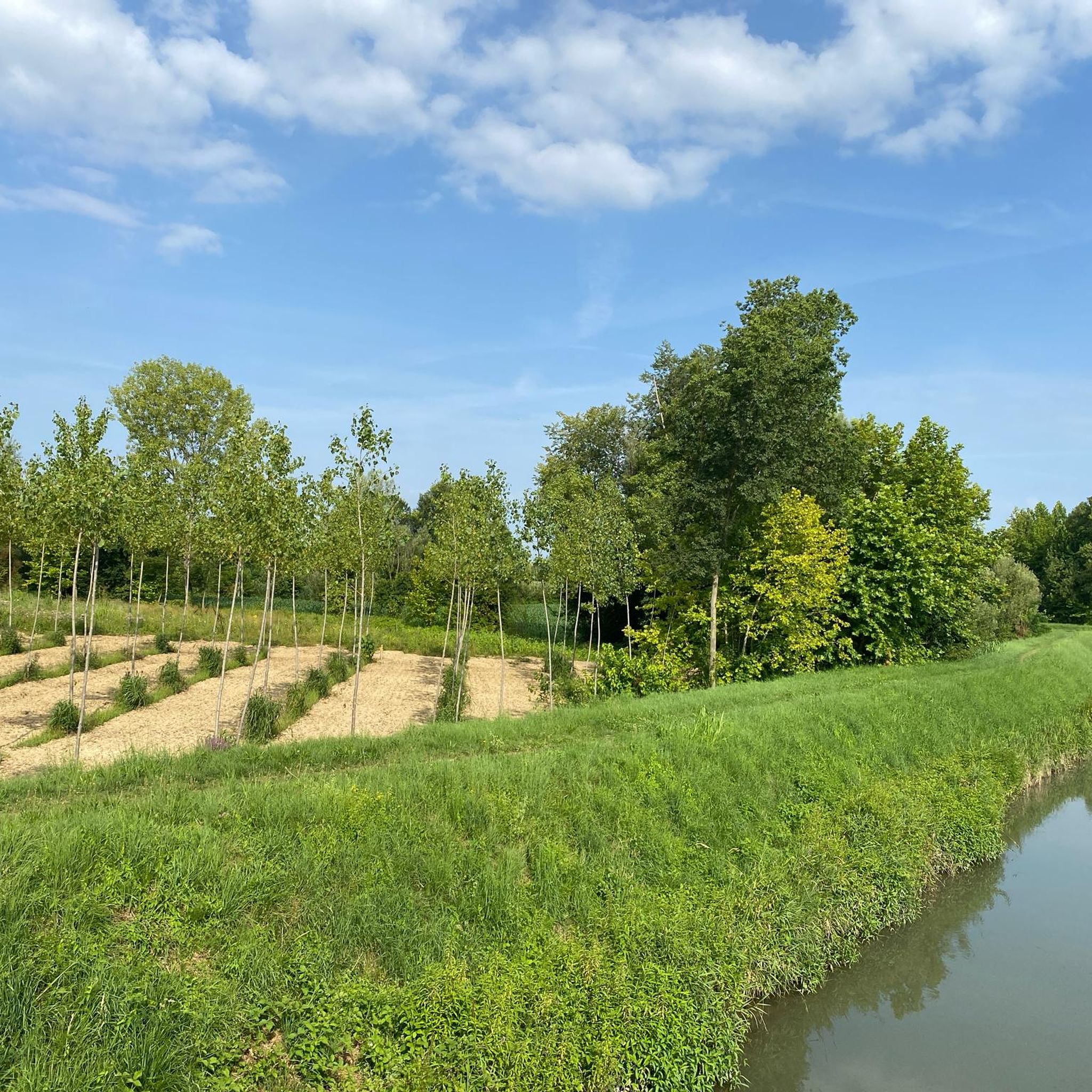
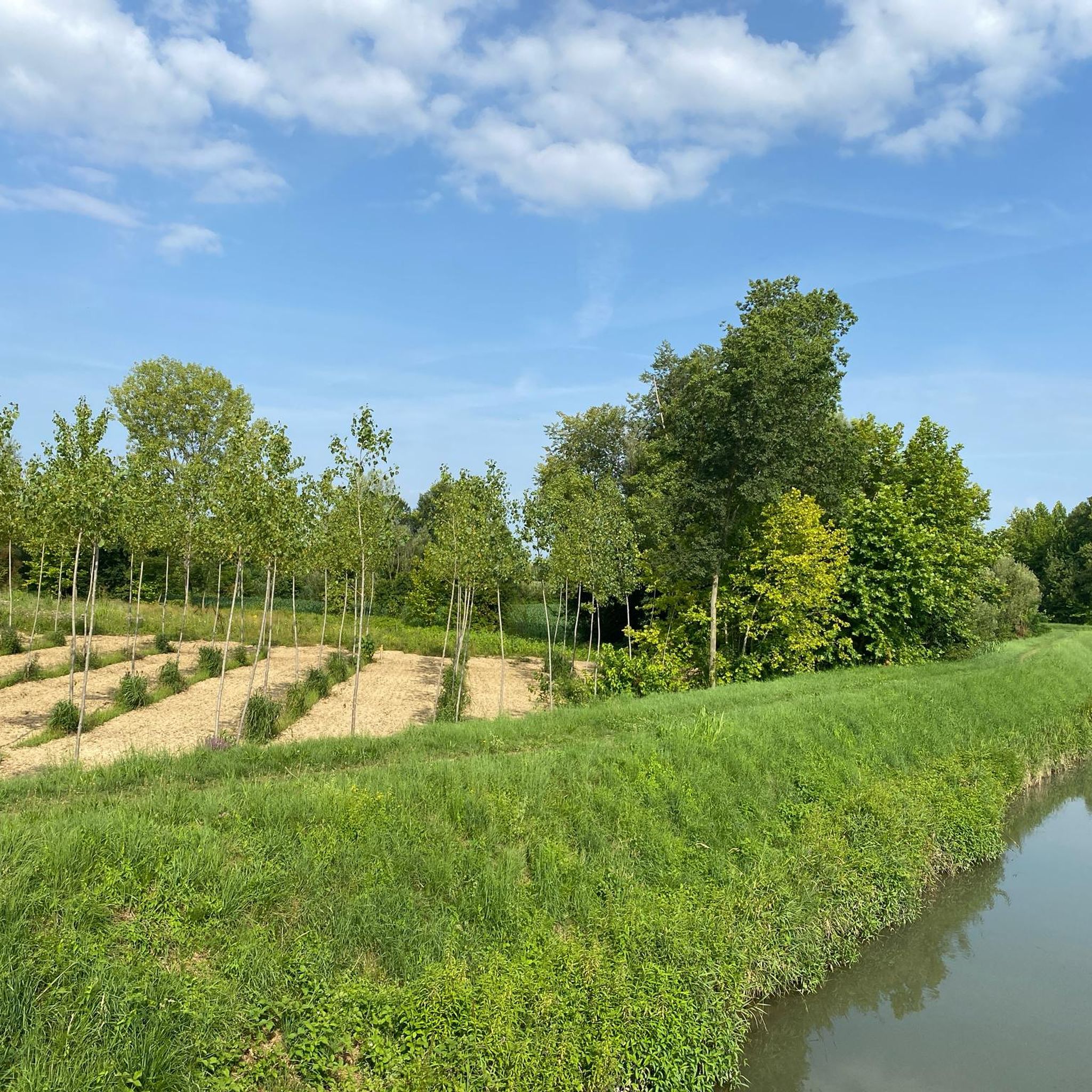
L'Oasi Lycaena rises between Robegano and Maerne, occupying an area of about 15 hectares created from the recovery of former clay pits. This environmental restoration site is a fundamental piece of the Venetian natural system, offering a safe haven to numerous aquatic and avian species. Its name honors the rare Lycaena dispar butterfly, which populates the wetlands and stable meadows preserved here. Characterized by deep ponds and dense riparian vegetation of willows and poplars, the oasis is crossed by paths that allow you to immerse yourself in the silence of nature. For those coming from the cycle path on Via Scaramuzza, it represents the ideal continuation of an itinerary in the green, connecting the military history of the forts to the biodiversity of the river reserves.
0
0

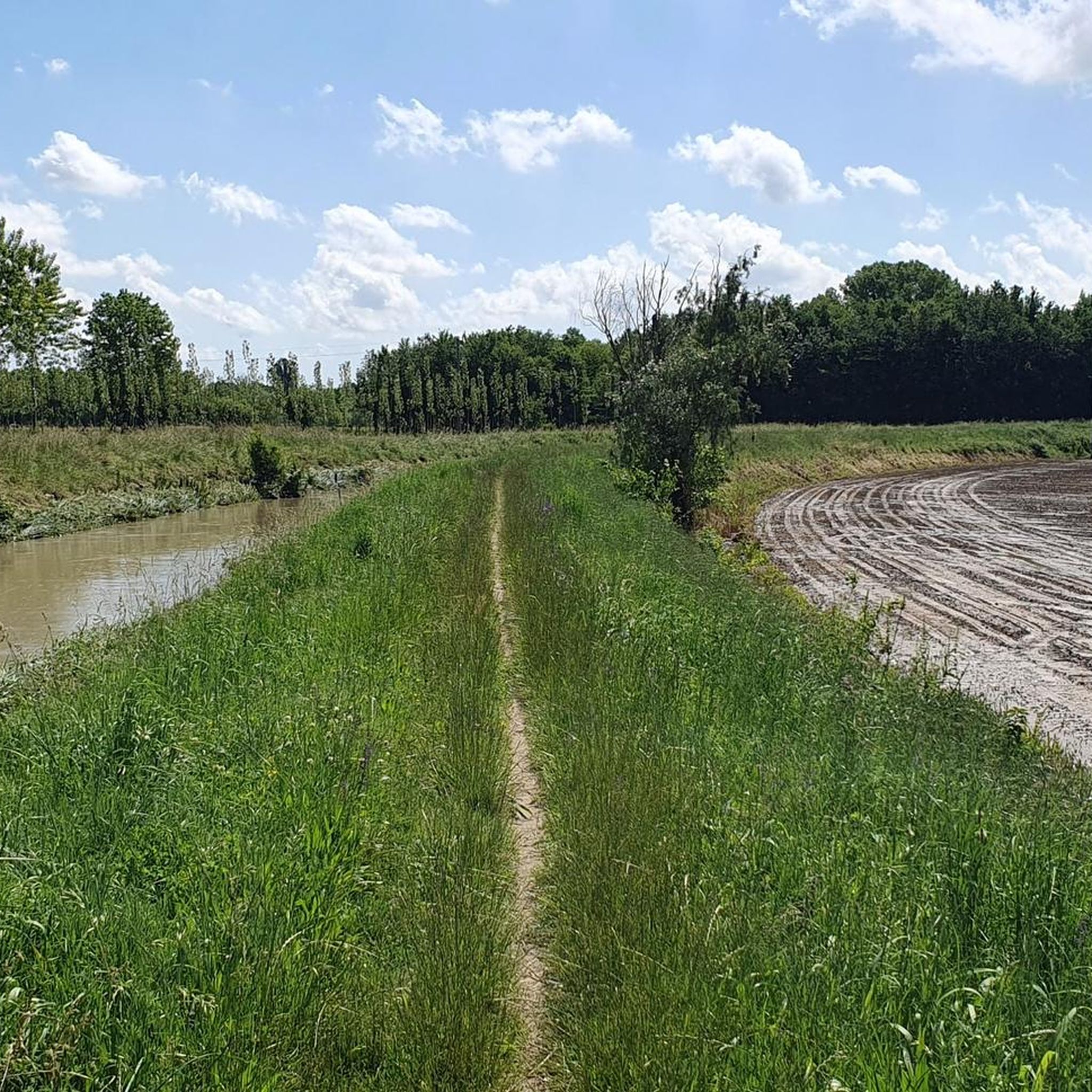
A small path branches off the path towards the lake, excellent for observing and taking photos from the shore
1
0
Excellent area for taking photos of the birds (herons, egrets and mallards) or the otters that populate the lake.
0
0

The Cave Oasis of Noale is located in the Municipality of the same name and is part of a Site of Community Importance (SIC IT3250017). These 18 hectares of land are now managed by the WWF under concession from the Municipality of Noale, which owns them. Due to the excavation activity, large depressions have been created in this place. After the abandonment of the activity, thanks to the action of rainwater, groundwater and Rio Draganziolo, these depressions filled up to form ponds of variable depth. The different depths between one pond and another have allowed the colonization of a great variety of animal and plant species. The initial pioneer vegetation then gave way to luxuriant marsh vegetation and shrubby trees. For the marshy environment, the flora includes species of Phragmites australis (marsh reed), Carex elata and Carex riparia (sedges), Typha latifolia and Typha angustifolia (cattails) and the increasingly rare Nymphaea alba. The most common tree species, on the other hand, are Salix alba, Salix cinrea, Populus nigra, Populus alba and Alnus glutinosa. Today this wetland is home to various species of birds, fish and amphibians, including the gray heron, the egret, the night heron, the bittern, the little bittern, the water rail, the reed bunting, the coot, the moorhen, the kingfisher, the little grebe; in the shallower ponds, various species of waders can be seen.
2
0
The WWF Cave Oasis of Noale is made up of a group of ponds with very variable depths and this has allowed the colonization of a great variety of animal and plant species. Rich in birdlife, every year the oasis hosts three nesting pairs of purple herons, an increasingly rare species in lowland environments; among the main species present in the oasis are: the gray heron, the little egret, the night heron, the bittern, the little bittern, the water rail, the marsh bunting, the coot, the moorhen, the kingfisher, the little grebe; in the shallower ponds, various species of waders (wood sandpiper, carrier) can be seen. Of note is the occasional presence of the marsh harrier and the knight of Italy. Noteworthy is the presence of the pond turtle (Emys orbicularis), now a rare and endangered species.
3
0

Attention the oasis is closed but at your own risk you pass to the right of the network
3
0
Frequently Asked Questions
What kind of lakes can I expect to find around Massanzago?
The lakes around Massanzago are primarily smaller, often man-made bodies of water, such as former quarries that have transformed into natural oases. They are not large natural lakes like those found in other parts of Italy, but rather serene spots rich in biodiversity, perfect for quiet walks and wildlife observation.
Are there family-friendly lakes to visit near Massanzago?
Yes, several lakes are suitable for families. The Lycaena Oasis, Cave di Noale, and the WWF Cave di Noale Oasis are all noted as family-friendly. These locations offer peaceful environments and opportunities to observe nature.
Where can I observe wildlife around the lakes?
The WWF Cave di Noale Oasis is particularly rich in birdlife, hosting species like gray herons, little egrets, night herons, and kingfishers. You might also spot the rare pond turtle. The Small Lake with Wildlife is also excellent for photographing birds such as herons, egrets, and mallards, and even otters.
Are there walking trails around these lakes?
Yes, you'll find pleasant walking paths. The Lycaena Oasis offers excellent walks on the plains, especially in spring and autumn. The Cave di Noale also features a beautiful path to follow, providing a peaceful escape just a few meters from the city center.
What is the best time of year to visit the lakes near Massanzago?
Spring and autumn are particularly recommended for visiting the lakes around Massanzago, especially for walks on the plains at places like the Lycaena Oasis. The weather is generally mild, making it comfortable for outdoor activities and wildlife observation.
What natural features can I expect to see at the WWF Cave di Noale Oasis?
The WWF Cave di Noale Oasis is characterized by a group of ponds with varying depths, supporting a diverse range of plant and animal species. You'll find luxuriant marsh vegetation, including reeds and cattails, and tree species like willows and poplars. It's a significant wetland habitat for numerous bird species and the pond turtle.
Can I find viewpoints for photography around the lakes?
Yes, there are several spots ideal for photography. The Lycaena Oasis has many observation points for animals. Additionally, the View of the Small Lake offers a small path branching off towards the shore, excellent for observing and taking photos. The Small Lake with Wildlife is also noted as an excellent area for capturing images of birds and otters.
What outdoor activities are available near the lakes around Massanzago?
Beyond walking around the lakes, the broader Massanzago area offers various outdoor activities. You can explore gravel biking routes, enjoy running trails, or tackle mountain biking trails. These guides provide options for different skill levels and distances.
Are there any hidden gems or less popular spots among the lakes?
The Lycaena Oasis is described as not very popular, offering a tranquil experience immersed in nature. It's an excellent choice if you're looking for a quieter spot away from crowds to enjoy plain walks and animal observation.
What makes the Cave di Noale unique?
The Cave di Noale is unique because it's a series of ponds formed from former quarries, which have allowed many species to colonize the area. It offers a peaceful retreat very close to the city center, providing a beautiful path for visitors to enjoy the natural surroundings and observe the local ecosystem.
Most popular routes around Massanzago
Most popular attractions around Massanzago

Get inspired with the komoot mobile app


Explore more
Still not found your perfect lake around Massanzago? Check out the guides of these regions to see even more beautiful places.
