Top 5 Caves around Valle Castellana
Best caves around Valle Castellana are found within the Gran Sasso and Monti della Laga National Park, a region known for its diverse karst landscapes and significant geological formations. This area offers a blend of natural beauty, historical sites, and spiritual sanctuaries within its subterranean environments. Visitors can explore ancient hermitages and natural cavities that have served various purposes throughout history. The caves provide insight into the region's natural and cultural heritage.
Best caves around Valle Castellana
- The most popular…
Last updated: June 30, 2026
San Marco Hermitage (Eremo di San Marco)
Highlight • Religious Site
Translated by Google •
Tip by

Sant'Angelo Cave
Highlight • Cave
The …
Translated by Google •
Tip by

Sign up now to discover places like this
Get recommendations on the best single tracks, peaks, & plenty of other exciting outdoor places.
Sign up for free
Sant'Emidio alle Grotte
Highlight • Religious Site
Translated by Google •
Tip by
Cave of Blessed Corrado
Highlight • Cave
Translated by Google •
Tip by

Start today with a free account
Your next adventure awaits.
Login or Signup

Tips from the Community

Il Tempietto di Sant’Emidio alle Grotte was built in a secluded, slightly hilly location, but still very close to the urban area of Ascoli Piceno. It was by popular demand that it was decided to entrust the project to the sculptor and architect Giuseppe Giosafatti, who convinced everyone with a very original design, definable in Baroque style, but which goes beyond canonical descriptions. Some define the work, completed and consecrated in 1720, as "little Petra", for the beautiful shape of the facade, but also and above all for its integration into the tuff wall, just as the rock-hewn facades that make up the archaeological site of Petra in Jordan are. The interior, substantially unchanged over the centuries, consists of ancient caves dug into the tuff rock. So, everything starts from the caves. What is known is that, as early as the year 250, there were interconnected caves. The story, partly with legendary aspects, has it that the remains of the current Patron Saint of Ascoli Piceno, Sant’Emidio, were kept in those caves for seven centuries (currently the saint's remains are in the crypt of the city's cathedral). It goes without saying that the place, as it was in its simplicity, with only the addition of a small altar in the main cave, became a place of pilgrimage and an oratory for worship and prayer. Then there was the great earthquake of L'Aquila in 1703, which produced seismic swarms for entire months that also troubled the citizens of Ascoli, albeit without victims. For this reason, due to the conviction that the saint had protected the city, the idea of creating an ex-voto in the burial place, in that tuff oratory, developed. The rest is history.
1
0
cave with a very small entrance, pretty, worth a visit.
1
0
Ancient 13th-century monastery built in travertine and embedded in the rock. It is located on Colle San Marco, a few kilometers from Ascoli Piceno, and is reachable via a stone staircase that acts as a bridge over a deep moat. Usually open on weekends and holidays during the spring and summer months. The path to get there is also suitable for families.
1
0

short but steep path
0
0

The evocative and unique Sanctuary Tempietto di Sant'Emidio alle Grotte represents a splendid example of Baroque religious art in the Marche. It is defined as "alle grotte" because it is built against the caves of the ancient Christian necropolis. It is secluded from the urban context, in a place rich in vegetation and silence. Here it is said that the decapitated Saint miraculously brought his own head to be buried. This place of Emidian worship was rediscovered in 1721 when the people of Ascoli wanted to thank their Patron Saint for the protection granted in the earthquake of 1703. The most renowned local architect of the time, Giuseppe Giosafatti, created his project for this purpose: he brought the early Christian caves to light by crumbling the rocky part which was then covered with a delicately sculpted travertine facade. (c) https://letsmarche.it/-/santuario-di-s.-emidio-alle-grotte-2
1
0
From the imposing chestnut forest, the main path leads to a clearing located on a huge travertine spur, overlooking the forest. On the rock face, you can see, at the top right, the fascinating structure of the Hermitage of San Marco, a natural cavity closed by a church-shaped building with a bell tower and connected to the path by a stone staircase. The wall, in Romanesque style, is made of ashlar stones and has a single-lancet window and five double-lancet windows. In ancient times, the building housed a convent founded by Cistercian monks at the beginning of the 13th century and consists of two overlapping rooms, connected by a staircase resting on the rock. It is a very “poor” construction, which recalls the Benedictine monastic rule. Inside the Hermitage, it is still possible to find traces of the primitive frescoes painted by the monks on the walls and on the vault of the lower room. On the ceiling of the cave, the splendid “tapestry” of maidenhair fern is noteworthy. The Hermitage of San Marco has been restored and brought back to its maximum splendor. It retains its evocative power that attracts tourists and travelers, lovers of history and nature. (c) https://visitascoli.it/esperienze/colle-san-marco-meta-di-eremiti-nel-corso-dei-secoli/
2
0

The evocative and unique Sanctuary Tempietto of Sant'Emidio alle Grotte represents a splendid example of Baroque religious art in the Marche.
0
0

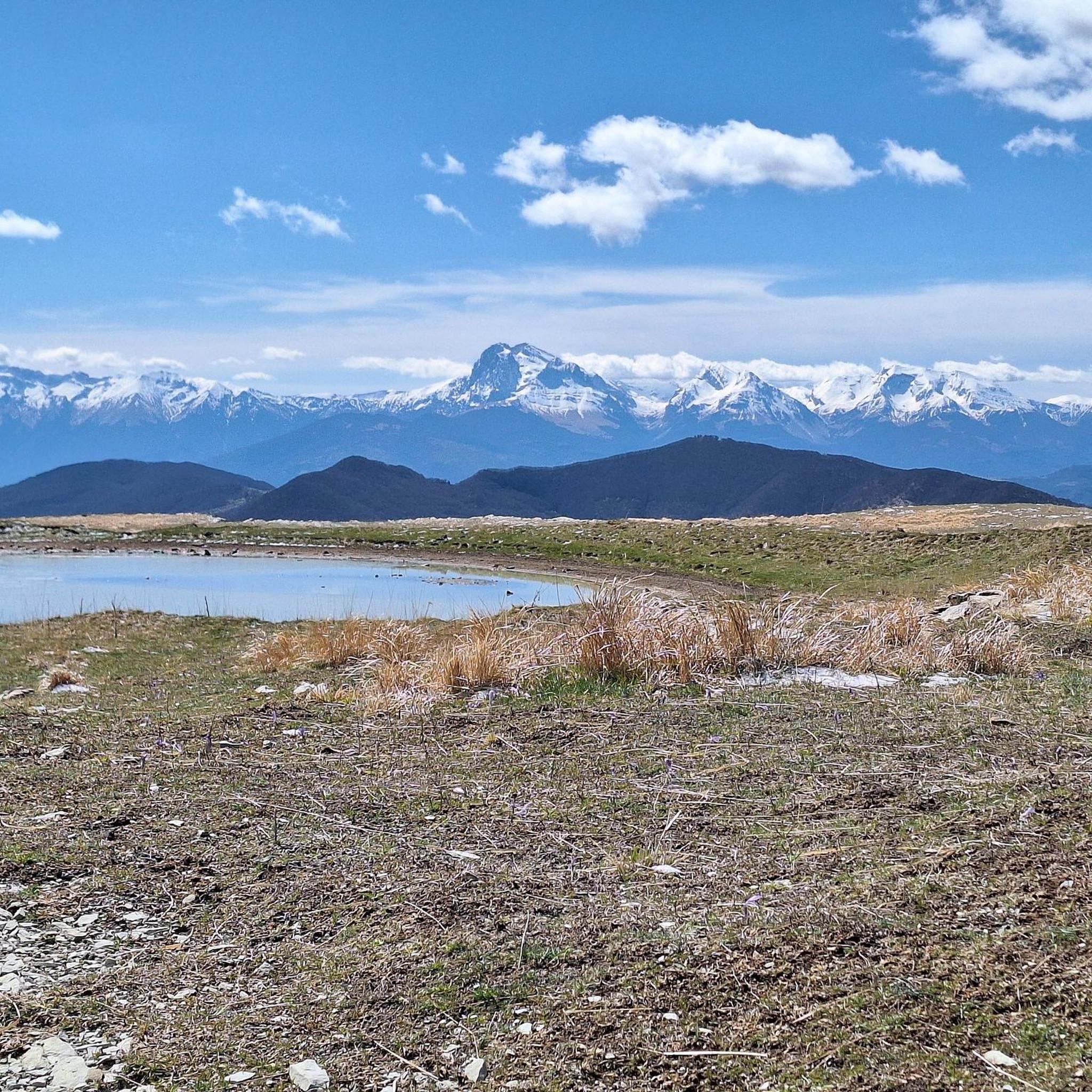
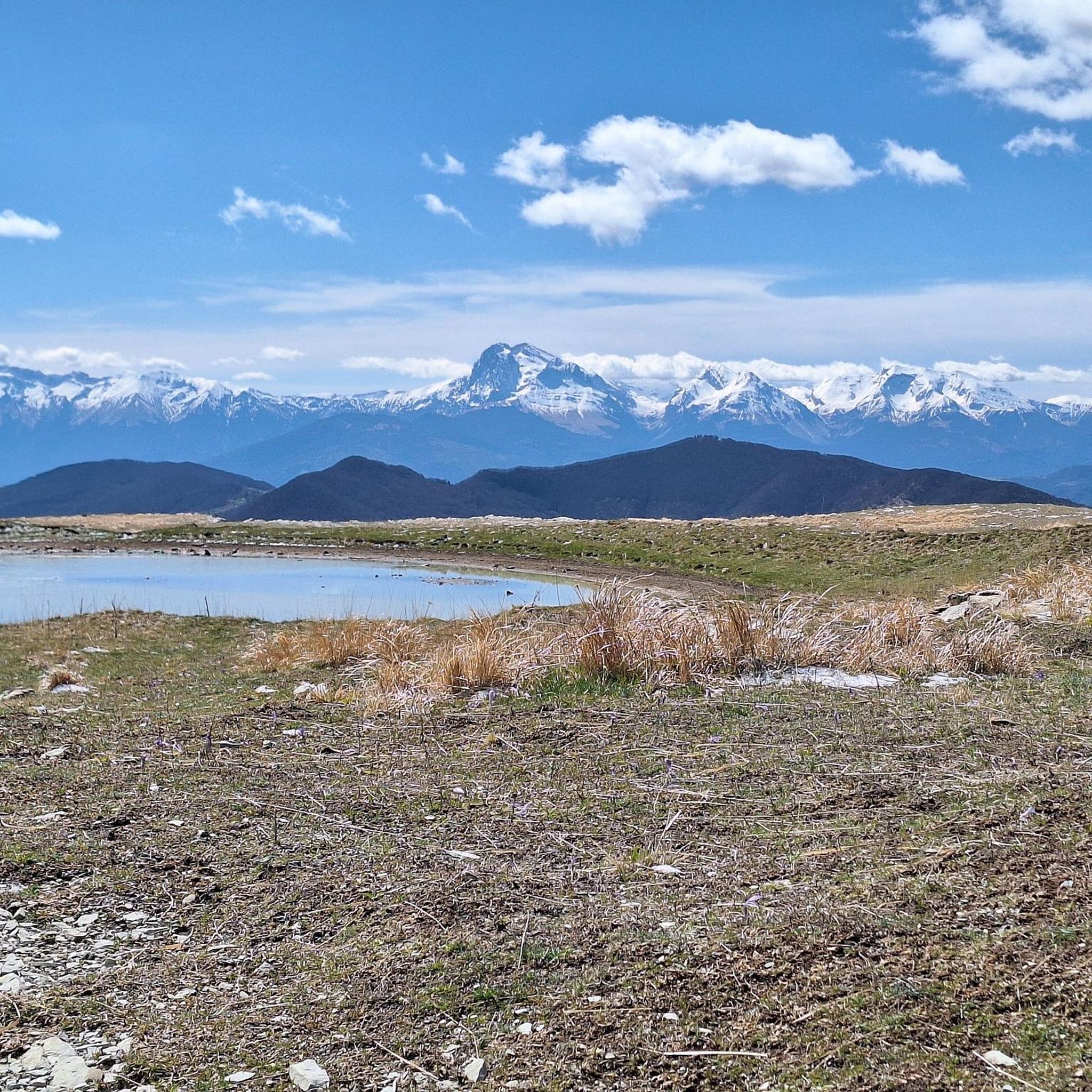
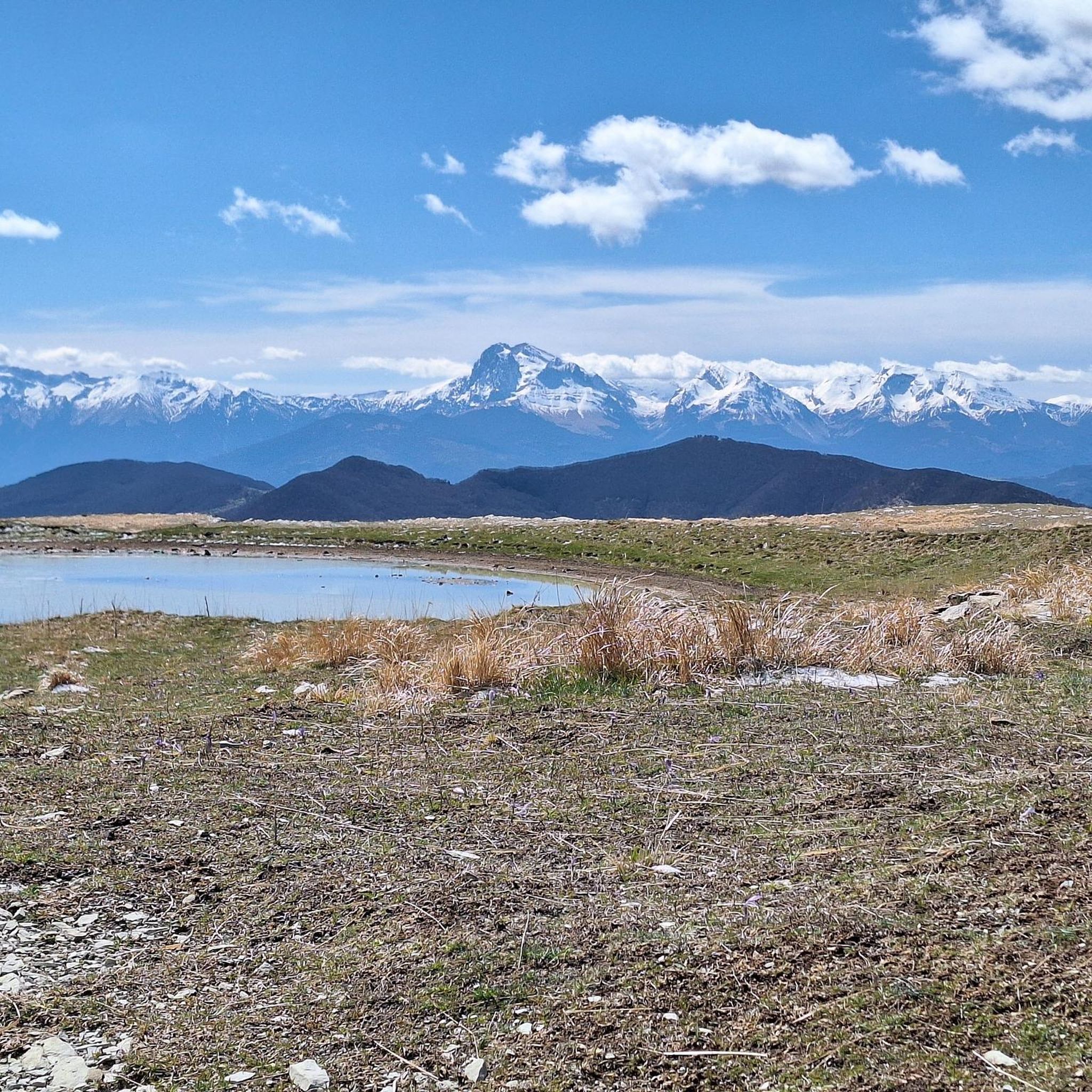
The Grotta di Sant'Angelo, in the heart of the Montagna dei Fiori, is one of the most interesting rock cavities of the Italian prehistory of the Monti della Laga. The hermitage cave opens at the beginning of the path that leads to the Salinello gorges.
2
0
Frequently Asked Questions
What are the most historically significant caves around Valle Castellana?
The region boasts several caves with rich historical and religious significance. The San Marco Hermitage (Eremo di San Marco), a 13th-century Cistercian foundation, is built within a natural cavity and features traces of primitive frescoes. The Sant'Angelo Cave is a prehistoric hermitage site with archaeological finds dating back to the Paleolithic period. Additionally, the Cave of Blessed Corrado served as a hermitage for the Franciscan Beato Corrado, and Sant'Emidio alle Grotte is a unique Baroque religious art example built against ancient Christian necropolis caves.
Are there any caves with unique geological formations near Valle Castellana?
Yes, the Grotta del Cervo (Deer Cave) in the Special Natural Reserve of 'Grotte di Pietrasecca' is renowned for its magnificent concretions. It features richly adorned halls with stalactites, stalagmites, 'leopard skins,' 'sails,' and eccentric formations, offering a pristine natural environment without artificial lighting or built pathways.
What kind of caving experiences are available for beginners or families?
For those seeking an authentic caving experience, the Grotta del Cervo offers three levels of guided tours. These range from basic tourist routes suitable for all ages to more adventurous, longer excursions that might involve navigating through water, making it adaptable for various skill levels and family groups. These tours are led by speleologists.
What is the best time of year to visit the caves in the Valle Castellana region?
The caves in the Valle Castellana region, particularly those within the Gran Sasso and Monti della Laga National Park, can be visited throughout much of the year. However, spring and autumn generally offer the most pleasant weather for exploring the surrounding natural landscapes and accessing cave entrances. Some caves might have specific seasonal opening hours or conditions, especially during winter, so it's advisable to check in advance.
What should I wear when visiting caves around Valle Castellana?
When visiting caves, it's generally recommended to wear comfortable clothing that you don't mind getting dirty, as well as sturdy, closed-toe shoes with good grip. For caves like Grotta del Cervo, which maintain a pristine natural state, you will be provided with helmets and headlamps for safety. Layers are often a good idea, as cave temperatures can be cooler than outside.
Are there any caves that are easily accessible?
While many caves in the region require some walking or hiking to reach, the accessibility varies. For instance, the San Marco Hermitage involves a short but steep path. The Grotta del Cervo offers different tour levels, some of which are more accessible than others, but generally involve an authentic caving experience without built pathways. It's best to inquire about specific accessibility details for each cave you plan to visit.
Can I visit caves around Valle Castellana during winter?
Visiting caves during winter is often possible, as internal cave temperatures tend to be more stable than external conditions. However, access to some cave entrances or the surrounding trails might be affected by snow or ice, especially in the mountainous Gran Sasso and Monti della Laga National Park. It's crucial to check local conditions and specific cave opening times or tour availability during the winter months.
What outdoor activities can I combine with a cave visit in Valle Castellana?
The Valle Castellana region, situated within a national park, offers numerous outdoor activities. You can explore MTB trails, go cycling, or enjoy running trails. The area is also excellent for hiking, with dramatic gorges like the Salinello Gorges near Sant'Angelo Cave, offering breathtaking views and diverse flora and fauna.
Where can I find ancient archaeological discoveries in the caves?
The Grotta del Cervo is significant for its paleontological and archaeological finds, including ancient Roman coins and Pleistocene-era animal bones in the 'Sala degli Antenati.' The Grotta di San Michele also holds evidence of human presence dating back to the Paleolithic period, with excavations revealing pottery, tools, and bone objects, alongside an altar consecrated in 1236.
Are there guided tours available for the caves?
Yes, guided tours are often required for access to preserve these delicate environments and ensure visitor safety. For example, the Grotta del Cervo offers guided tours led by speleologists, which are essential for exploring its pristine natural state. It is highly recommended to book tours in advance, especially for more adventurous caving experiences.
What makes the Sant'Angelo Cave particularly interesting?
The Sant'Angelo Cave is considered one of the most interesting rock cavities for Italian prehistory in the Monti della Laga. It served as a hermitage and place of worship for millennia, with continuous use from the Paleolithic through Roman and medieval times. Its location at the beginning of the path to the dramatic Salinello Gorges also adds to its scenic appeal.
Are there any resident wildlife in the caves?
Yes, some caves in the region are home to resident wildlife. The Grotta del Cervo, for instance, offers the chance to observe colonies of resident bats on its longer routes. Other species adapted to the dark environment, such as long-antennaed cave crickets and particular beetles, can also be found.
Most popular routes around Valle Castellana
Most popular attractions around Valle Castellana

Get inspired with the komoot mobile app


Explore more
Extend your search for the best caves by checking out these guides of the top ones around Valle Castellana:
