Top 2 Caves around Bionaz
Best caves around Bionaz are found in the Valpelline, a valley known for its natural features and rugged landscape in the Aosta Valley. This region offers a mix of natural geological formations and historical man-made tunnels. Visitors can explore various underground passages and ice formations, providing insight into the area's unique geology and history. The terrain around Bionaz presents opportunities for hiking and discovering these distinct natural landmarks.
Best caves around Bionaz
- The most popular caves is Tunnel 6,…
Last updated: October 3, 2026
Tunnel 6
Highlight • Structure
Translated by Google •
Tip by

Bridge to the Marmitte dei Giganti
Highlight • Bridge
Translated by Google •
Tip by

Sign up now to discover places like this
Get recommendations on the best single tracks, peaks, & plenty of other exciting outdoor places.
Busserailles Caves and Waterfall
Highlight • Cave
Translated by Google •
Tip by
Glacier Arches
Highlight • Cave
Translated by Google •
Tip by

Start today with a free account
Your next adventure awaits.
Popular around Bionaz
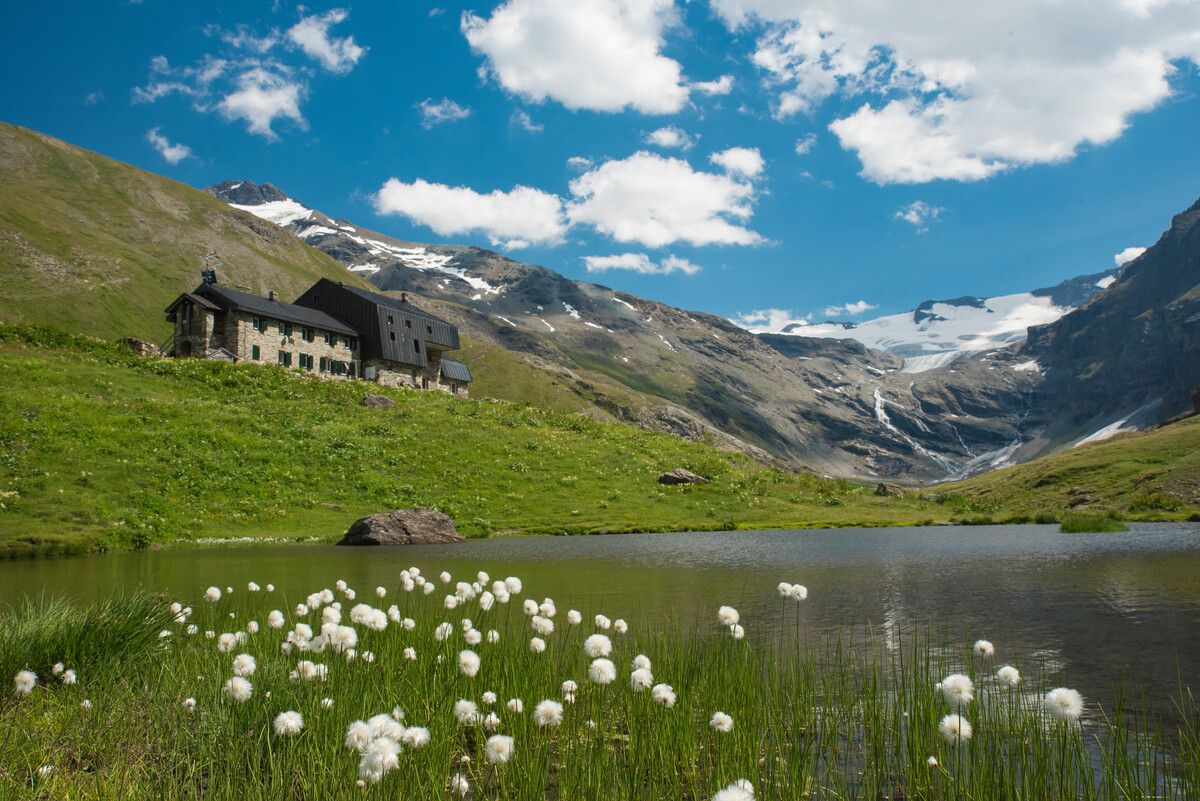
Hiking to the Aosta Valley’s mountain huts: 10 beautiful trails
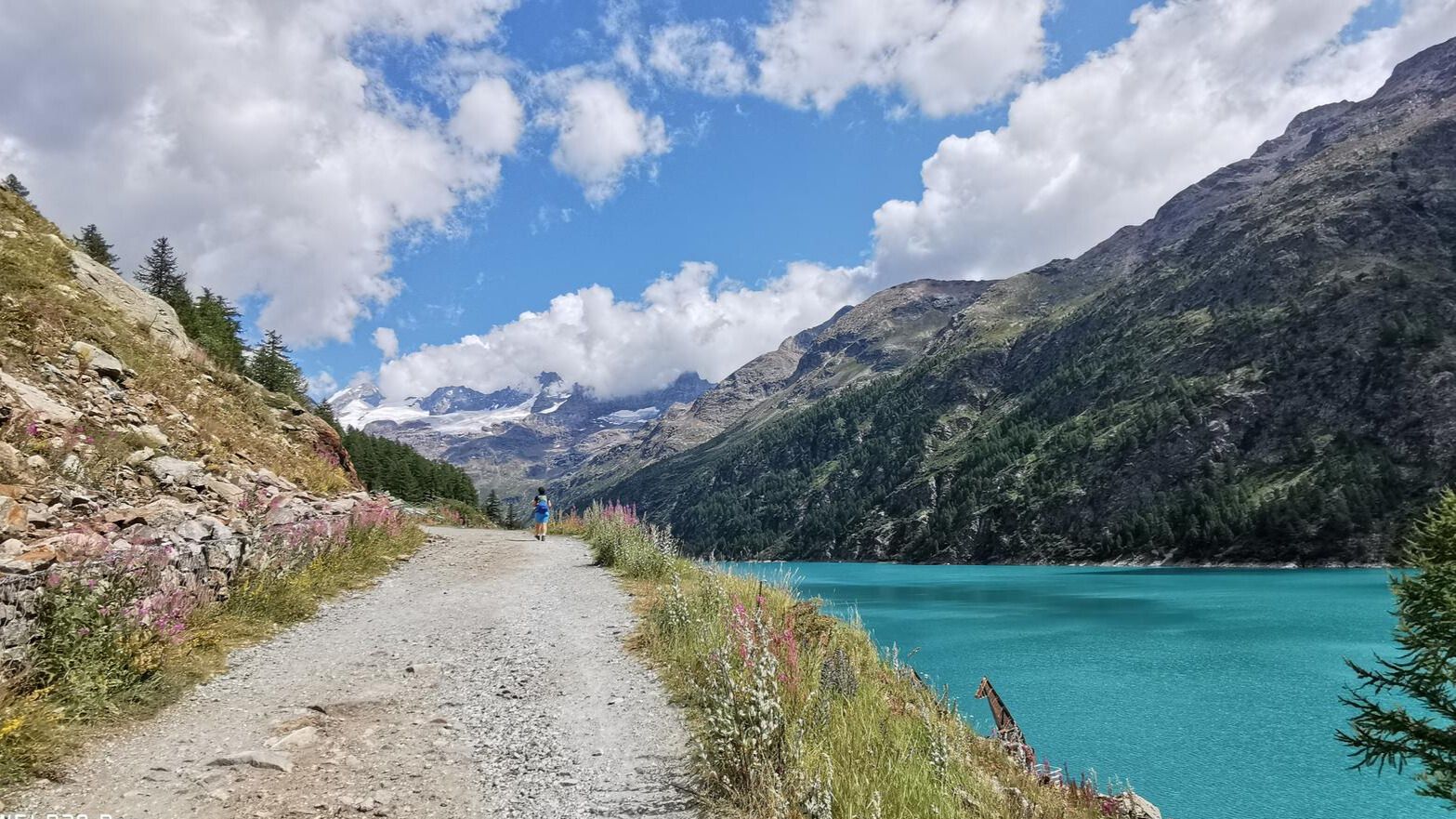
In the footsteps of the first mountaineers – Valpelline Trek
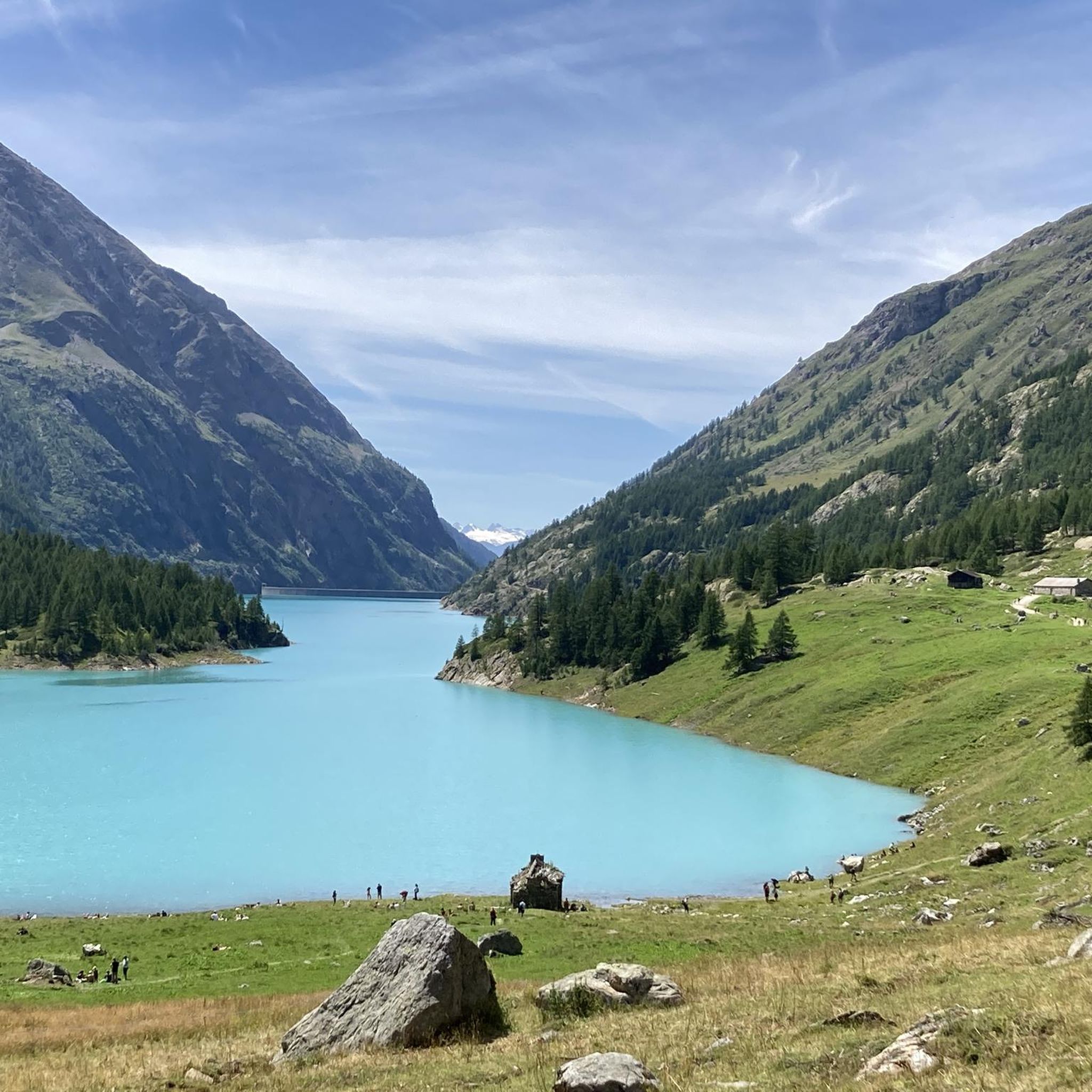
Hiking around Bionaz
MTB Trails around Bionaz
Cycling around Bionaz
Road Cycling Routes around Bionaz

Mountain Hikes around Bionaz

Gravel biking around Bionaz
Running Trails around Bionaz


Tips from the Community


Well, how much longer? In October there was only one bow left! The fifth picture (from Fatbikezermatt) from the beginning of July 2023 (!!) still had both sheets :-(
0
0

This gem is not easy to find as there is no beaten path leading to it, let alone a sign pointing it out. But it's worth it. Tip: just follow the sound of the water. Once there, you can watch climate change in real time. The ice is literally raining down and getting less and less. CAUTION: There are stones on the "roof" of the arcades, most of which are floating in the open and are only just held in place by the ice. If you're lucky, you'll see one coming loose. If you're unlucky, you're just below. So exercise caution and prudence. The spectacle is worth seeing. Who knows how long the ice cave will be around in this form.
1
0

Cute little bridge that crosses the river ... continuing to go up you have to buy the ticket to get to the marmot cave where we find the river waterfall
2
0
To visit the caves you have to buy the ticket in the restaurant you find in passing ... the cost of the ticket is € 2.50
5
0
Frequently Asked Questions
What unique natural cave formations can I explore around Bionaz?
The region offers several distinctive natural formations. You can visit the Glacier Arches, which are natural ice caves formed within a glacier, offering a unique perspective on glacial retreat. Another notable site is the Busserailles Caves and Waterfall, featuring a 104-meter-long opening carved into rock with dramatic natural beauty. Additionally, the area around the Bridge to the Marmitte dei Giganti offers a river waterfall and unique geological formations.
Are there any historical underground passages to visit near Bionaz?
Yes, the Doues Tunnel is a historic stream-carved passage, approximately 900 meters long. It offers an intriguing walk through a man-made yet naturally influenced passage, showcasing local engineering and natural water flow.
What are the accessibility considerations for visiting caves in the Bionaz area?
Accessibility varies. The Doues Tunnel is narrow and low, making it unsuitable for those who experience claustrophobia. For the Glacier Arches, finding them can be challenging as there isn't a marked path, and caution is advised due to potential falling ice and stones. The Busserailles Caves and Waterfall require a ticket for entry.
Are there family-friendly options for exploring caves or similar attractions?
The Busserailles Caves and Waterfall are a popular attraction that can be enjoyed by families, offering dramatic natural beauty and unique geological formations. The area around the Bridge to the Marmitte dei Giganti also provides an accessible natural experience with a river and waterfall.
What should I know about visiting the Glacier Arches?
The Glacier Arches are a natural wonder, but they are not easy to find as there's no marked path or signage. Following the sound of water is a good tip for locating them. It's crucial to exercise caution and prudence, as the environment is dynamic with ice and stones potentially falling. This site offers a unique opportunity to observe glacial retreat firsthand.
What should I bring when visiting the Doues Tunnel?
When exploring the Doues Tunnel, it is highly recommended to bring your own light source, such as a flashlight or even your mobile phone light. While it is sometimes lit, the lighting is often out of order, and the tunnel is approximately 900 meters long.
Is there an entrance fee for any of the cave attractions?
Yes, to visit the Busserailles Caves and Waterfall, you need to purchase a ticket. The cost is €2.50 and tickets can be bought at the restaurant located nearby.
What is the best time of year to visit the caves around Bionaz?
For the Glacier Arches, the experience is highly dependent on glacial conditions, which can change rapidly. For other natural and historical passages like the Doues Tunnel and the Busserailles Caves, late spring through early autumn generally offers the most favorable weather for outdoor exploration and access.
Are there hiking or cycling routes near these cave attractions?
Yes, the Bionaz area is rich with outdoor activities. You can find various cycling routes, including traffic-free bike rides and road cycling routes. For example, explore options like 'Traffic-free bike rides around Bionaz' or 'Road Cycling Routes around Bionaz' for routes that might pass near some of these natural features. You can find more details on these routes in the Traffic-free bike rides around Bionaz guide or the Road Cycling Routes around Bionaz guide.
What are some tips for exploring the Tunnel 6 highlight?
The Tunnel 6, part of the long Ru du Mont tunnel, is approximately 800 meters long. It is narrow, so if you are cycling, you will need to navigate with your bike at your side. The tunnel is also poorly lit, so bringing a flashlight is essential for a safe crossing.
What kind of geological features can I expect to see in the Bionaz area?
Beyond the caves, the Bionaz area is known for its dramatic natural landscapes. You can observe glacial formations at the Glacier Arches, and river-carved features like the Doues Tunnel and the Marmitte dei Giganti, which showcase the powerful effects of water erosion over time.
Most popular routes around Bionaz
Most popular attractions around Bionaz

Get inspired with the komoot mobile app


Explore more
Extend your search for the best caves by checking out these guides of the top ones around Bionaz:
