The 4 Most Amazing Peaks around Massa Marittima
Best mountain peaks around Massa Marittima are found within the Colline Metallifere, an area characterized by elevated points rather than towering mountains. Massa Marittima is a medieval hill town situated at approximately 400 meters above sea level. The region offers diverse opportunities for outdoor recreation, including hiking and mountain biking, amidst its unique geological and historical features. These elevated areas provide viewpoints and access to natural landmarks.
Best mountain peaks around Massa Marittima
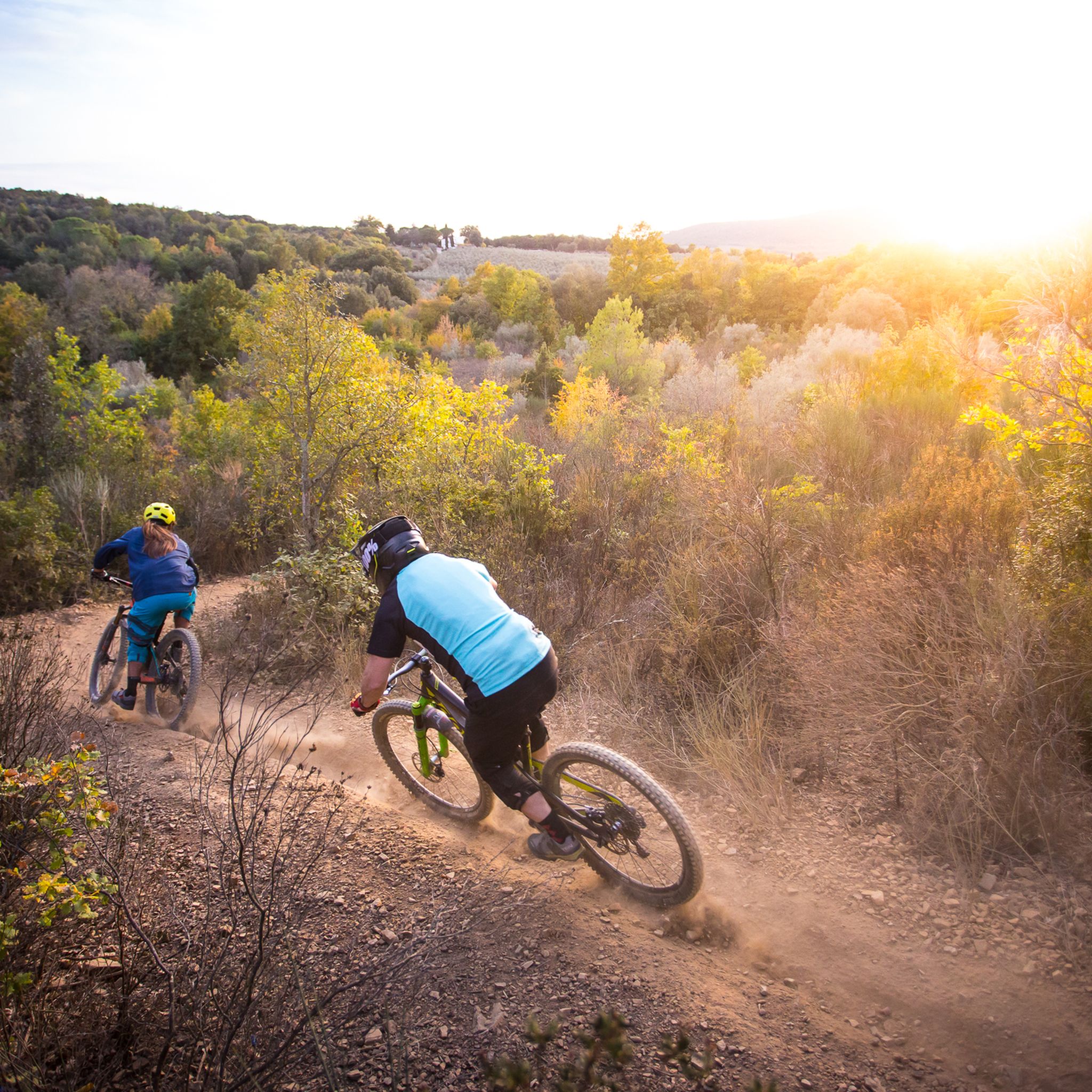
- The most popular mountain peaks is Monte Arsenti Trailhead and Viewpoint, a mtb_park that serves as the starting point for various mountain biking trails. The trails offer technical sections in the upper part, becoming more flowing after the first forest path.
- Another must-see spot is Trail to the Le Cornate summit, a trail leading to the highest peak of the Metalliferous Hills in Tuscany. Le Cornate di Gerfalco offers panoramic views extending from the Tuscan Archipelago to Corsica and the Apennines.
- Visitors also love Poggio di Montieri Summit and La Faggeta Trail, a summit that is the highest point in its immediate area. Reaching this summit rewards visitors with expansive views.
- Massa Marittima is known for summits, viewpoints, and trails. The area offers a variety of elevated points to explore, ranging from rocky peaks ideal for mountain biking to high points within nature reserves.
- The mountain peaks around Massa Marittima are appreciated by the komoot community, with 467 upvotes and 180 photos shared by visitors.
Last updated: August 23, 2026
Poggio di Montieri Summit and La Faggeta Trail
Highlight • Summit
Translated by Google •
Tip by

Trail to the Le Cornate summit
Highlight • Trail
Absolute peace. Surefootedness required.
Translated by Google •
Tip by

Sign up now to discover places like this
Get recommendations on the best single tracks, peaks, & plenty of other exciting outdoor places.
Sign up for free
Poggio Croce di Prata
Highlight • Summit
Showing Translation
Tip by

View of Massa Marittima and the sea from Monte Arsenti
Highlight • Viewpoint
Translated by Google •
Tip by

Start today with a free account
Your next adventure awaits.
Login or Signup
Popular around Massa Marittima
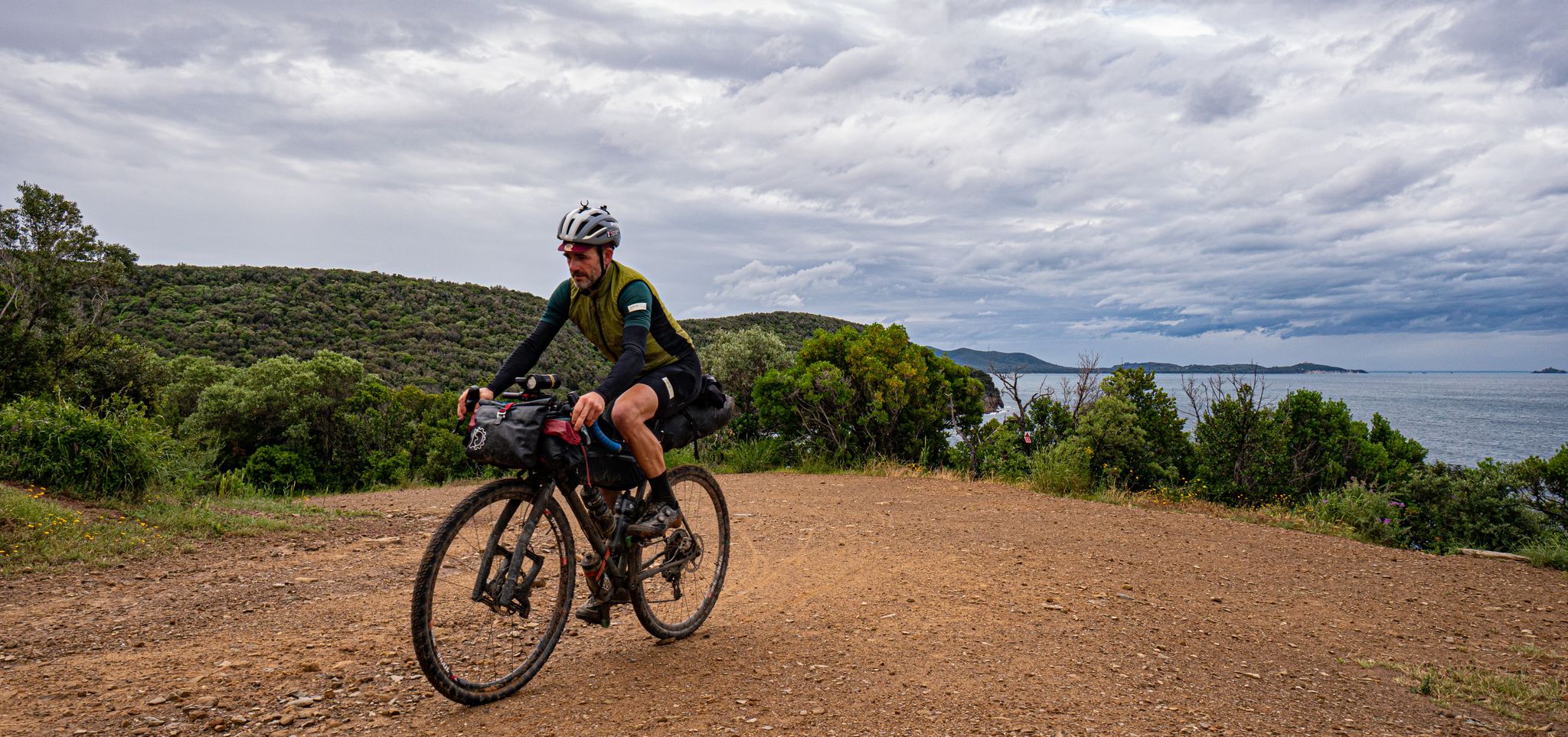
Maremma Challenge — A Tuscan, mixed terrain bikepacking loop
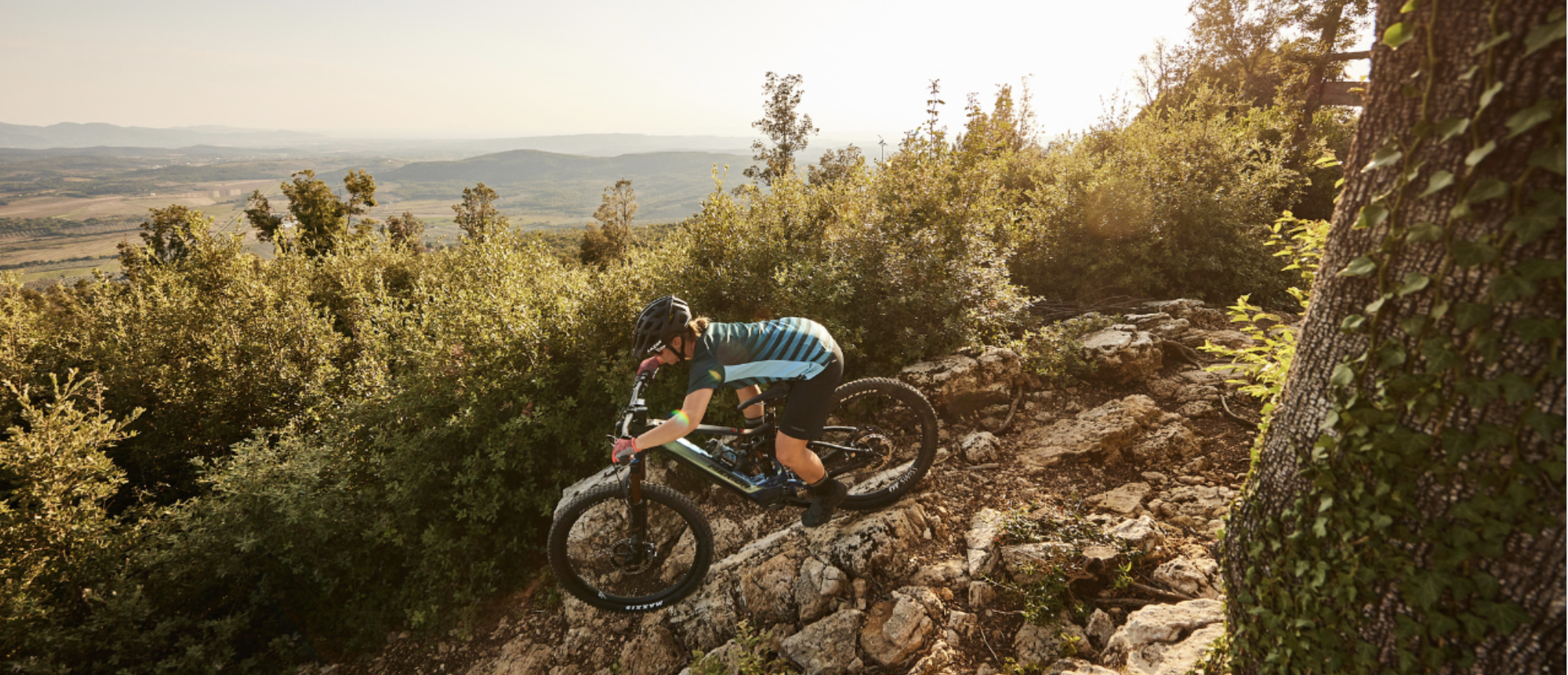
Cycling adventures in Tuscany from Pian dei Mucini Bike Resort
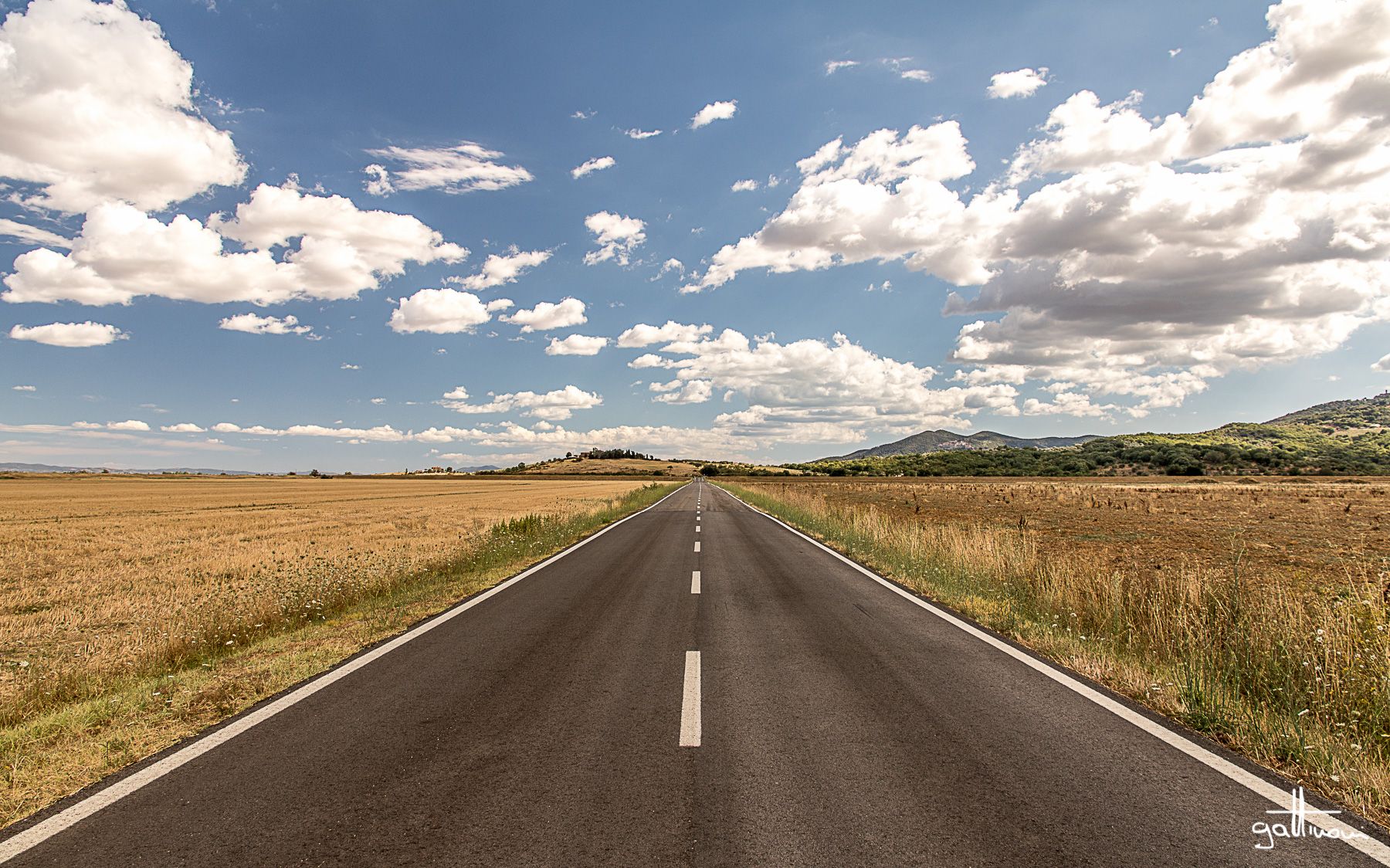
Discover a hidden side of Tuscany – Grand Tour of the Maremma
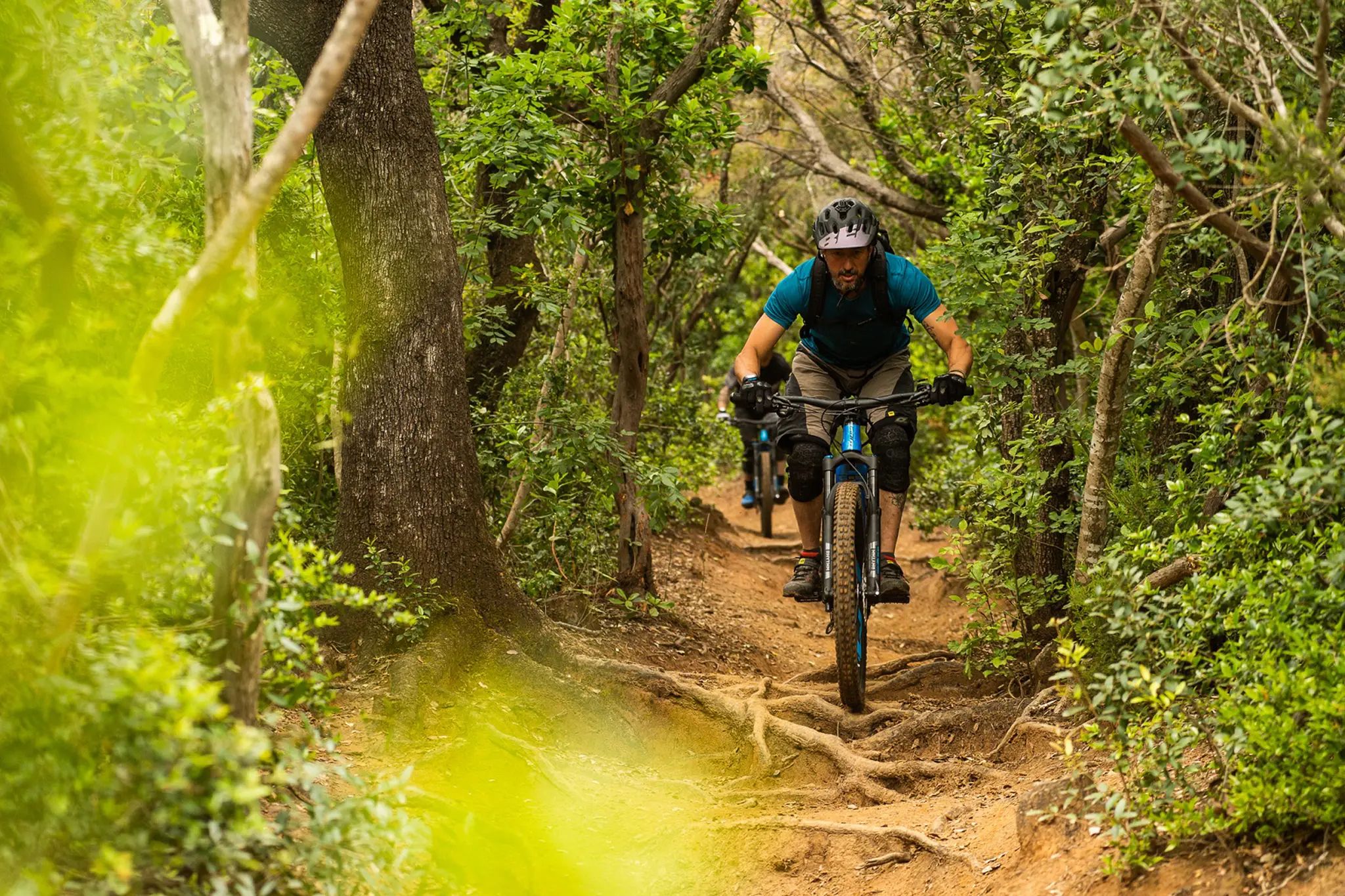
Sun, sea and adventure – MTB trails around Punta Ala
MTB Trails around Massa Marittima
Road Cycling Routes around Massa Marittima
Cycling around Massa Marittima
Hiking around Massa Marittima
Gravel biking around Massa Marittima
Running Trails around Massa Marittima
Other adventures around Massa Marittima


Tips from the Community

Itinerary for an excursion to the summit of Poggio di Montieri and the La Faggeta trail, a classic and evocative journey through a hilly landscape, located at an altitude of 1,051 metres. The excursion has a moderate difficulty level and is accessible to anyone with a minimum of mountain hiking experience. Total length: approximately 6.5 - 6.8 km. Positive elevation gain: approximately 370 - 400 metres. Walking time: between 2 and 3 hours. Starting point: the public car park located in the village of Montieri (GR)
0
0
Le Cornate di Gerfalco (1060-1081 m a.s.l.) represent the highest peak of the Metalliferous Hills in Tuscany, located between the provinces of Grosseto and Siena. They are part of the Cornate and Fosini Nature Reserve and offer a panorama that ranges from the Tuscan Archipelago to Corsica and the Apennines.
0
0
I Poggi di Prata are wide, rounded reliefs of limestone, with grassy summits and slopes largely covered by oak and chestnut woods. They take their name from the village of Prata, which stands on an elongated hill on the southeastern slopes of the hills themselves. There are two main peaks: Il Poggione, which is the highest and most prominent summit, and Poggio Croce di Prata, overlooking the village of the same name.
1
0

A great view towards the sea. Enjoy it once more before heading down.
2
0

Once you arrive at the entrance to the Monte Arsenti trails, it is worth going up to the top a few dozen meters away, from where you can admire a beautiful panorama of the coast.
1
0

Great view from Monte Arsenti towards the southwest. Great place for a rest or a great photo.
2
0

Departure of all Monte Arsenti trails
2
0
From the top of Mount Arsenti from where the trails start, the whole valley is dominated by a truly breathtaking panorama.
1
0
Frequently Asked Questions
What are the highest peaks around Massa Marittima?
The highest points in the region include Poggio di Montieri, reaching over 1,000 meters (1051m or 1052m), and Le Cornate di Gerfalco, which is the highest peak of the Metalliferous Hills at 1060-1081 meters above sea level. Both offer extensive panoramic views.
What kind of views can I expect from the mountain peaks?
From peaks like Poggio di Montieri Summit and Le Cornate summit, you can enjoy panoramic vistas that, on clear days, extend to Massa Marittima, Follonica, the Tyrrhenian Sea coast, and even the islands of Elba and Corsica, as well as the Apennines.
Are there hiking trails near these mountain peaks?
Yes, the region offers numerous hiking opportunities. For example, the Poggio di Montieri Loop Trail is a popular moderate route. You can find many more options, including trails around Lago dell'Accesa and the Bruna River Waterfalls, by exploring the Hiking around Massa Marittima guide.
What other outdoor activities can I do near the peaks?
Beyond hiking, the area is excellent for mountain biking. Monte Arsenti Trailhead and Viewpoint is a prime destination for mountain biking enthusiasts, with trails like 'Rock 'N' Roll Queen' and 'Benedetto'. You can discover more routes in the MTB Trails around Massa Marittima guide and the Cycling around Massa Marittima guide.
What natural features are unique to this region's peaks?
The Colline Metallifere (Metalliferous Hills) are geologically rich. You'll find unique formations like the Roste di Montieri, which are reddish gullies formed by mineral deposits, and the Buca delle Fate, a natural ravine. The area also features diverse flora, from Mediterranean species like holm oaks to submontane chestnut groves.
Are there any historical or archaeological sites to explore near the peaks?
Yes, the region has a rich history. On the ascent to Poggio di Montieri, hikers can explore historic mining sites. Monte Leoni also holds significant archaeological interest, with evidence of ancient fortified settlements from the Bronze Age and extensive pre-Roman dry-stone wall structures known as 'Murali'.
What is the best time of year to visit the mountain peaks around Massa Marittima?
The best time to visit is generally during spring (April-May) and autumn (September-October) when the weather is mild and pleasant for outdoor activities. Summer can be hot, especially at lower elevations, while winter offers a different, often quieter, experience, though some higher trails might be more challenging.
Are there family-friendly options for exploring the peaks?
While some trails can be challenging, there are moderate and easy options available. For example, the Lago dell'Accesa loop from La Pesta is an easy hike. When planning with family, look for trails with lower difficulty ratings and shorter durations. Always check specific trail details for suitability.
What should I know about trail difficulty around Massa Marittima's peaks?
Trails vary in difficulty. Some, like those on Monte Arsenti, can be technical and rocky, even if rated blue, often featuring steep sections or large steps. Others, such as the Poggio di Montieri Loop Trail, are considered moderate. Always check the trail descriptions and tips, as surefootedness may be required on some paths, like the Trail to the Le Cornate summit.
What do visitors enjoy most about the peaks in this region?
Visitors frequently highlight the stunning panoramic views, the absolute peace found on the trails, and the rewarding experience of reaching summits like Poggio di Montieri Summit. The combination of natural beauty, historical sites, and diverse outdoor activities, from challenging mountain biking to serene hikes, makes the region highly appealing.
Is it possible to hike with dogs on the trails?
Generally, many outdoor trails in the region are dog-friendly, but it's always advisable to check specific regulations for nature reserves or protected areas within the Colline Metallifere Grossetane National Park. Keep your dog on a leash and ensure they are well-behaved, especially around wildlife.
Most popular routes around Massa Marittima
Most popular attractions around Massa Marittima

Get inspired with the komoot mobile app


Explore more
See even more amazing summits around Massa Marittima with these guides:
