Top 14 Castles around Perosa Canavese
Castles around Perosa Canavese offer a journey into the region's rich history, marked by its past as a fortified center along an important Roman road. Situated in the Canavese area, the landscape features a blend of historical fortifications and natural beauty, including the Dora Baltea river. While some grand castles were destroyed over time, remnants and noble residences provide insight into medieval defenses and aristocratic life. The area is characterized by its historical significance and strategic location within the Metropolitan…
Last updated: October 3, 2026
Ivrea Historic Centre and the Dora Baltea Riverside
Highlight • Historical Site
Translated by Google •
Tip by

Agliè - the historic town center
Highlight • Historical Site
Translated by Google •
Tip by

Sign up now to discover places like this
Get recommendations on the best single tracks, peaks, & plenty of other exciting outdoor places.
Ivrea Castle
Highlight • Castle
Translated by Google •
Tip by

San Martino
Highlight • Settlement
Translated by Google •
Tip by
Castello di Masino
Highlight • Castle
Take a moment to visit its gardens and labyrinth.
Translated by Google •
Tip by

Sign up for free to discover even more castles around Perosa Canavese.
Already have an account?
Start today with a free account
Your next adventure awaits.

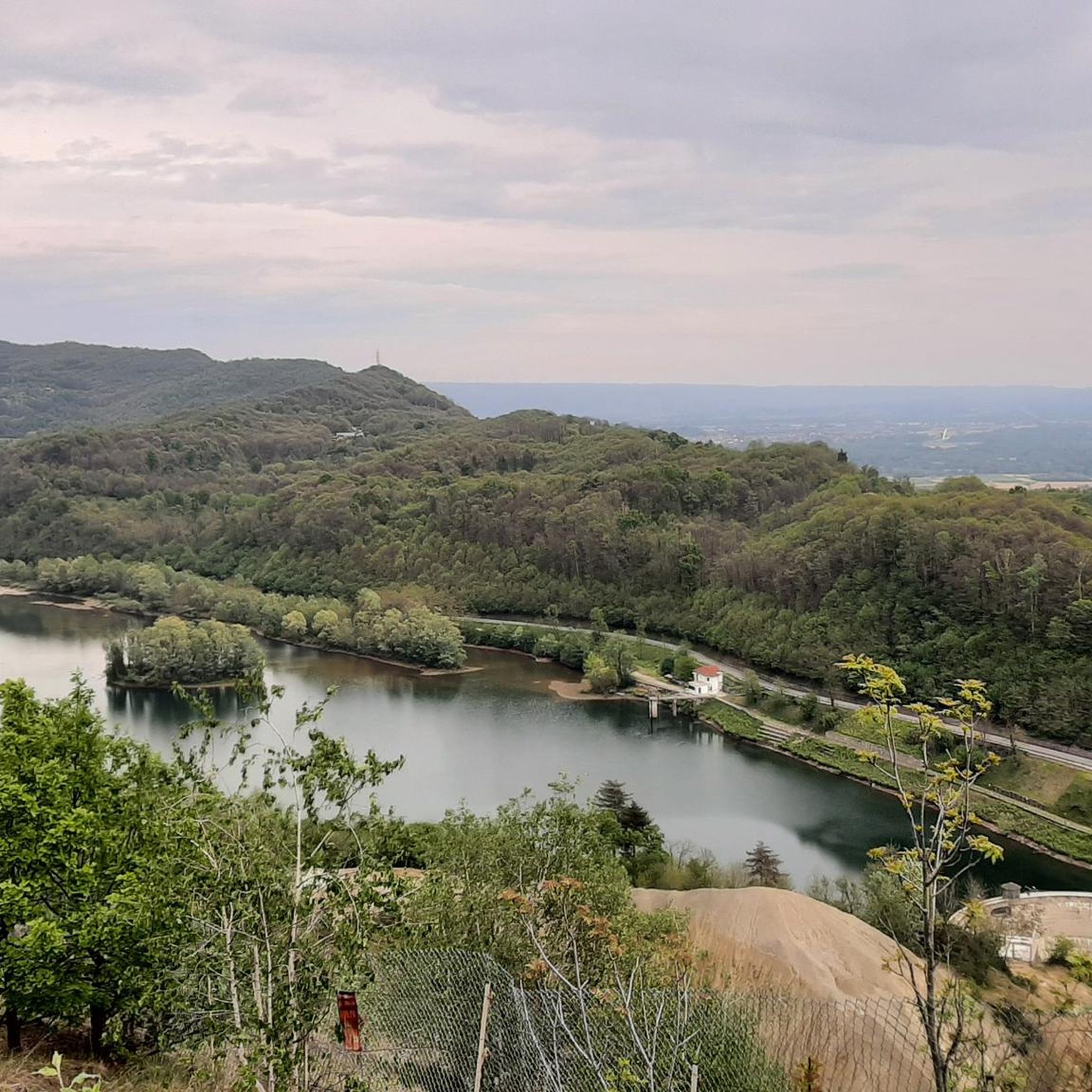
Tips from the Community

Beautiful old town with imposing buildings and views of the mountains.
0
0


Agliè, an enchanting village in the heart of Canavese, boasts a thousand-year history that has its roots in the Roman era. The original nucleus, probably located on the hills of the current hamlet of Santa Maria delle Grazie, was known as "Macunciacum" and depended on the Abbazia Fruttuaria di San Benigno. Agliè, as a fortified village, emerges in documents in 1141, when the feudal lords of Canavese divided the territory. The town became one of the lands of the San Martino di Rivarolo and Agliè, a family that would profoundly mark the history of the village. Despite the feudal struggles that raged in the region, Agliè maintained relative stability, even if it was not immune to looting and devastation. With the arrival of the Savoy, Agliè experienced a period of growth and development. In 1448, the village obtained municipal statutes, a sign of autonomy and recognition. The most emblematic figure of this period was Count Filippo San Martino di Agliè, a man of culture and prominent politician. Minister of Cristina of France, regent of the Duchy of Savoy, Filippo transformed the castle of Agliè into a sumptuous residence, enriching it with works of art and gardens. Today, Agliè is a village that preserves its historical and artistic charm intact. The Ducal Castle, with its gardens and richly decorated rooms, is an unmissable destination for visitors. The streets of the village, with their stone houses and noble palaces, tell the story of a place that has managed to preserve its identity over the centuries.
0
0
Nestled in the rolling hills of Morena Ovest, the village of San Martino enchants visitors with its ancient charm and evocative atmosphere. Its history has its roots in the distant 11th century, when the construction of the majestic Torre-porta maggiore marked the beginning of the settlement. It was a fortified village, surrounded by mighty walls and moats that guaranteed its defense. The walls, made with pebbles arranged in a herringbone pattern and reinforced by megaliths still visible on the north side, testify to the construction skill of the time. Along the perimeter of the walls, there were at least six tower-gates, smaller in size than the main tower, which allowed access to the village. The village of San Martino was long linked to the powerful family of the Counts of San Martino, who exercised control over it for centuries. Their presence is evidenced by numerous historic buildings, including the castle, now in ruins, which dominated the village from above.
0
0

Passage made during Erratico Gravel
1
0

The Castello di Ivrea, also known as the “Castello dalle rosse torri” (Castle of the Red Towers), is an impressive medieval castle that towers over the town of Ivrea in the Piedmont region. The castle was built in 1358 by order of Amedeo VI of Savoy, also known as the Conte Verde. It served as a symbol of Savoyard rule over Ivrea and Canavese, mainly for defensive purposes. It stands on a hill overlooking the town and the road to the Valle d’Aosta. The castle has four imposing round towers that characterize its structure. These towers, each 34 meters high, are located next to the cathedral and the bishop’s palace. The castle walls were once surrounded by a wide moat, and the only access was via a drawbridge. From the battlements, defenders could throw stones and boiling water at attackers. Unfortunately, the interior of the castle was completely dismantled and altered when it served as a political and criminal prison from 1700 to 1970. Once a stronghold of power and defense, the castle was transformed by time and the changing needs of society.
1
0
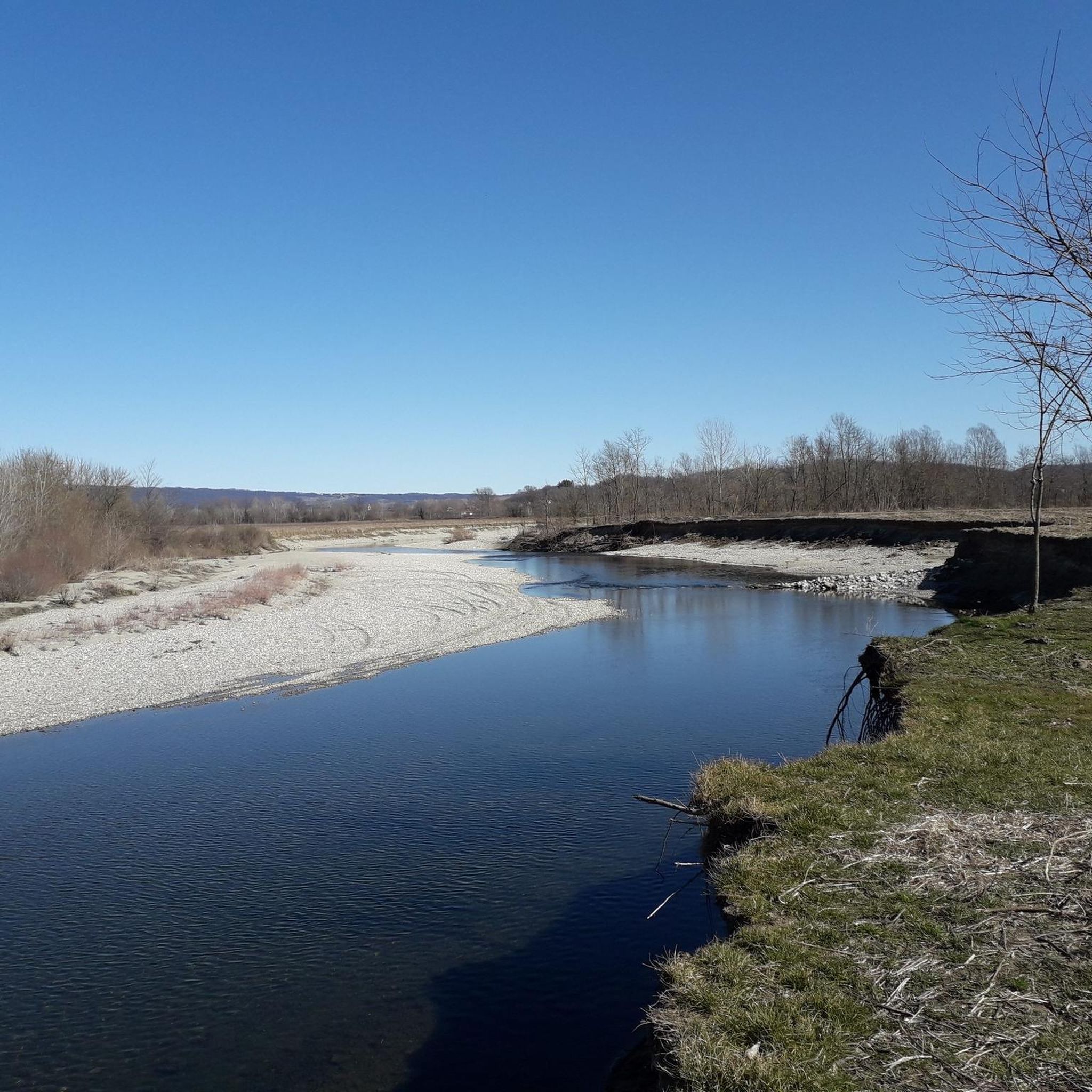
Ivrea, the cradle of the Olivetti company and its famous typewriters, is located on the right bank of the Dora Baltea, west of the Serra di Ivrea, the largest moraine wall in Europe. The silhouette of a 14th century castle rises above the city. In the upper town there is also the originally Romanesque Duomo, which was renovated in the 19th century. On the other bank of the Dora, near Via Jervis, the old Olivetti factories have been converted into Musea dell'Architecture Moderna.
10
0

So much history in just one castle. In the city of Ivrea the large Castle was once the residence of the Savoys, before becoming a military garrison. In addition to this, it was then transformed and used as a prison. The location is very strategic as is the very characteristic structure.
2
0
Frequently Asked Questions
What kind of historical fortifications can I explore directly in Perosa Canavese?
While Perosa Canavese doesn't feature grand, intact castles, you can explore significant remnants of its medieval past. The Torre Porta (Gate Tower) is a notable brick structure that served as an access point to the ancient 'ricetto,' a fortified collective defense. You can still see the cuts for its original drawbridge. Additionally, the Palazzo dei Conti Ferrone di San Martino, a 17th-century noble residence, offers a glimpse into aristocratic life and agricultural enterprises of the era, built on the site of an earlier, now-destroyed castle.
Which castles near Perosa Canavese are highly recommended for visitors?
Several impressive castles are located near Perosa Canavese. You can visit Ivrea Historic Centre and the Dora Baltea Riverside, which features the silhouette of a 14th-century castle and is recognized on the UNESCO World Heritage List. Another must-see is Castello di Masino, an 11th-century castle with beautiful gardens and a labyrinth. Also, consider Ivrea Castle, an imposing structure that served as a Savoy residence and later a prison.
Are there family-friendly castles or historical sites to visit around Perosa Canavese?
Yes, several sites are suitable for families. Ivrea Historic Centre and the Dora Baltea Riverside is family-friendly, offering a mix of history and scenic views. Castello di Masino is also family-friendly, with its expansive gardens and labyrinth providing an engaging experience for children. The historic town center of Agliè, with its Ducal Castle, offers a charming village atmosphere for exploration.
What outdoor activities can I do near the castles around Perosa Canavese?
The region offers various outdoor activities. For mountain biking, you can explore routes like the 'Naviglio di Ivrea – Mazzè Castle loop' or the 'Agliè Castle – Bealera Brissacca loop.' If you prefer hiking, consider the 'Alta Via dell'Anfiteatro Morenico di Ivrea' or the 'Western Moraine Loop.' There are also running trails available, such as the 'Castello di Pavone Canavese – Church of St Andrew the Apostle loop.' You can find more details on these and other routes in the MTB Trails around Perosa Canavese, Running Trails around Perosa Canavese, and Hiking around Perosa Canavese guides.
Are there hiking trails that incorporate castles in the Canavese region?
Yes, the Canavese region offers several hiking opportunities that allow you to explore historical sites. For instance, the 'Alta Via dell'Anfiteatro Morenico di Ivrea' and the 'Western Moraine Loop' are moderate hiking trails that traverse the scenic landscape, often bringing you close to historical points of interest. While not always directly to a castle entrance, these routes provide excellent views and access to the historical context of the area. You can find more hiking options in the Hiking around Perosa Canavese guide.
What natural features or viewpoints can I find near the castles?
The castles around Perosa Canavese are often set amidst beautiful natural landscapes. For example, Ivrea Historic Centre and the Dora Baltea Riverside offers picturesque views of the Dora Baltea river. Castello di Masino is situated on a hill overlooking the Morainic Amphitheater of Ivrea, providing stunning panoramic viewpoints. The region is characterized by its blend of historical fortifications and natural beauty, including the Dora Baltea river and the surrounding morainic hills.
What is the best time of year to visit the castles and historical sites in this region?
The best time to visit the castles and historical sites around Perosa Canavese is generally during the spring (April to June) and autumn (September to October) months. During these periods, the weather is typically mild and pleasant for exploring both indoor and outdoor attractions, including castle gardens and nearby hiking trails. Summer can be warm, while winter might offer a different, quieter charm, though some outdoor areas or specific castle opening hours might be limited.
What do visitors enjoy most about the castles and historical sites in the Perosa Canavese area?
Visitors frequently appreciate the rich history and architectural blend of the sites. For example, the silhouette of the 14th-century castle rising above Ivrea Historic Centre is a popular photo spot. The gardens and labyrinth at Castello di Masino are also highly enjoyed. Many are fascinated by the historical transformations of places like Ivrea Castle, which served as a refined residence, military garrison, and prison. The overall historical significance and strategic locations of these sites are often highlighted.
Is public transport available to reach castles near Perosa Canavese?
While specific public transport routes directly to every castle entrance can vary, major towns like Ivrea, which hosts Ivrea Castle and the Historic Centre, are generally well-connected by local bus services. For more remote castles like Castello di Masino, you might need to combine public transport with a short taxi ride or a walk. It's advisable to check local bus schedules and routes for the specific castle you plan to visit.
Are there any ruined castles or ancient fortifications to explore for a more rugged historical experience?
Yes, if you're interested in more rugged historical exploration, the village of San Martino features the ancient Torre-porta maggiore and remnants of a fortified village with walls made of pebbles and megaliths. The original castle of the Counts of San Martino in Perosa Canavese was largely destroyed, but its historical context and the remaining structures like the Torre Porta offer insight into past conflicts and defensive strategies.
How long should I plan for a visit to the castles around Perosa Canavese?
The duration of your visit depends on the specific castle and your interests. For a site like Castello di Masino with its gardens and labyrinth, you might want to allocate 2-3 hours. Exploring the Ivrea Historic Centre and the Dora Baltea Riverside, including its castle silhouette and other historical buildings, could easily take half a day. For smaller remnants like the Torre Porta in Perosa Canavese, a shorter visit of 30-60 minutes might suffice. If you plan to visit multiple sites, consider dedicating a full day or more.
Most popular routes around Perosa Canavese
Most popular attractions around Perosa Canavese

Get inspired with the komoot mobile app


Explore more
Looking for the best castles somewhere else? Discover other guides around Perosa Canavese:
