Top 6 Castles around San Sebastiano Curone
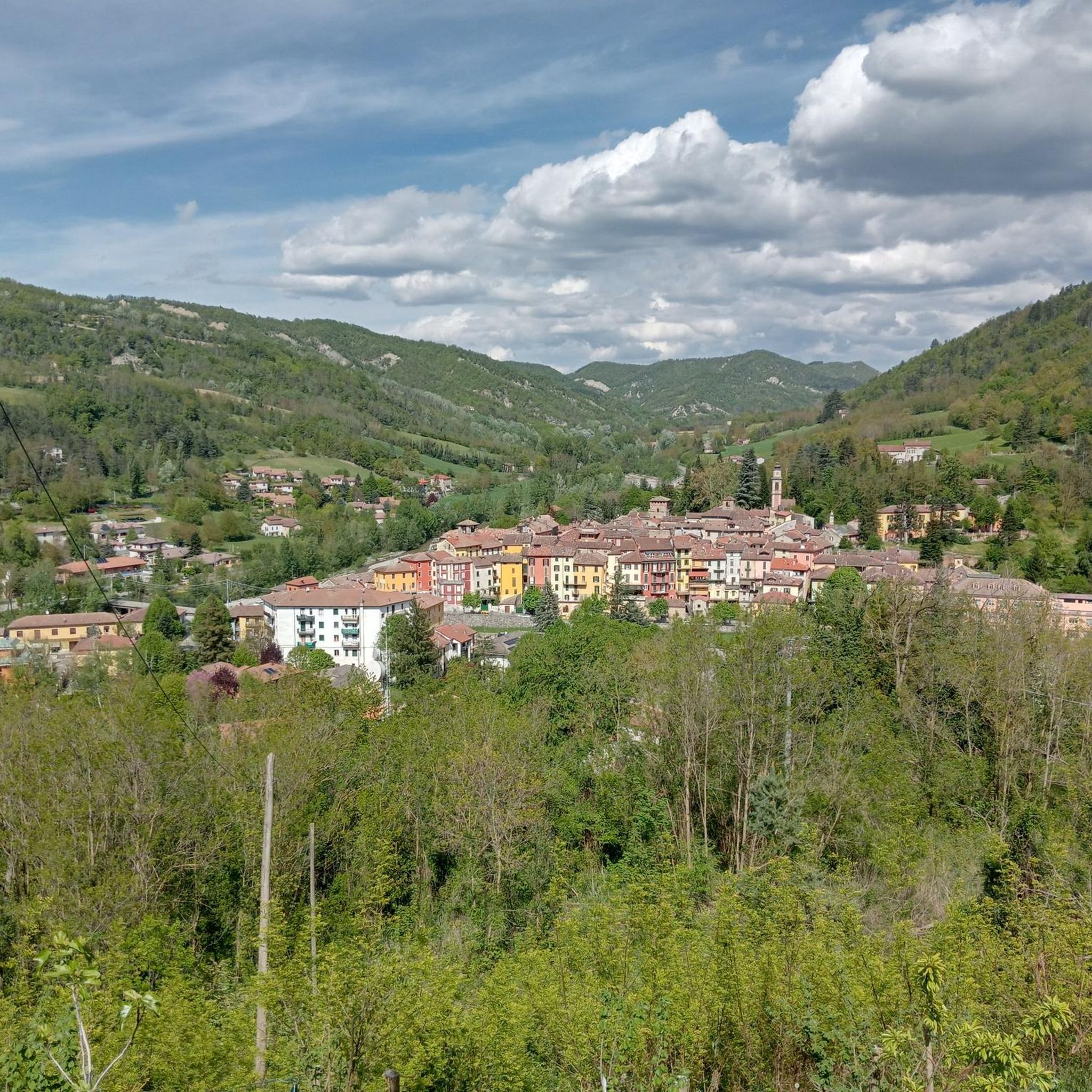
Best castles around San Sebastiano Curone are found in a charming Italian municipality in the province of Alessandria. This area is historically significant as a crucial stop on the "salt road," connecting the Ligurian Sea to the Po Valley. Its historical landscape features ancient fortified buildings and renovated structures, reflecting its past as a strategic point for trade routes. These sites offer insights into the region's architectural evolution and cultural context.
Best castles around San Sebastiano Curone
- The most popular…
Last updated: June 30, 2026
Sorli Castle
Highlight • Castle
Translated by Google •
Tip by

Adorno Castle and Village
Highlight • Castle
Translated by Google •
Tip by

Sign up now to discover places like this
Get recommendations on the best single tracks, peaks, & plenty of other exciting outdoor places.
Sign up for free
Brusamonica Castle_Ruins
Highlight (Segment) • Castle
The …
Translated by Google •
Tip by

Castello di Torre Ratti
Highlight • Castle
Translated by Google •
Tip by

MONTEGIOCO PALACE
Highlight • Castle
Showing Translation
Tip by
Sign up for free to discover even more castles around San Sebastiano Curone.
Sign up for free
Already have an account?
Start today with a free account
Your next adventure awaits.
Login or Signup

Tips from the Community

In Torre degli Alberi, a small panoramic hamlet of the municipality of Colli Verdi in Oltrepò Pavese, the main church is the Chiesa del Santissimo Nome di Maria.
2
0
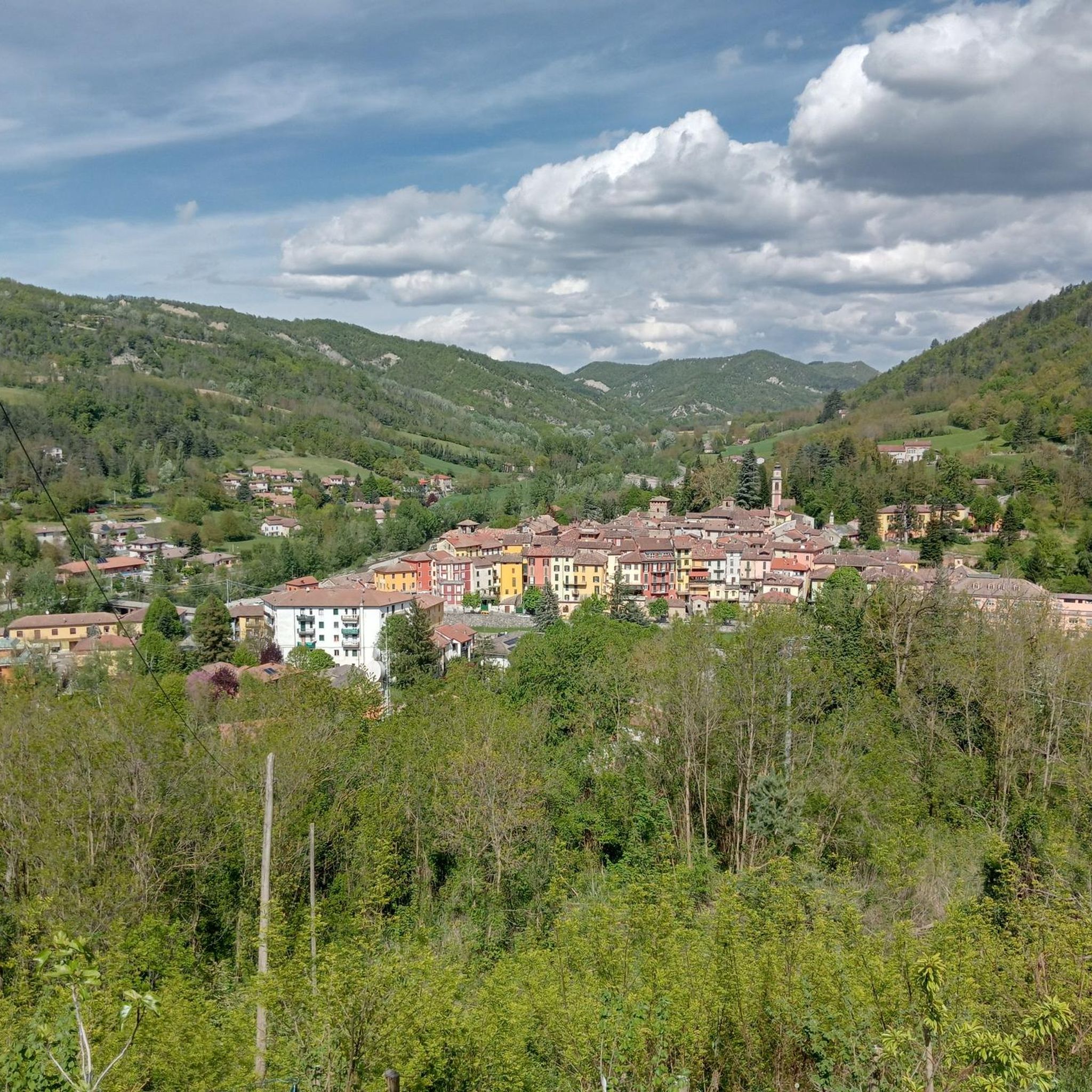
Montegioco is a small municipality in Piedmont, in the province of Alessandria, in the Val Grue. The hamlet of Palazzo is the municipal seat and is located in the valley floor, in a flatter area compared to the historic village of Montegioco.
20
0
The castle of Borgo Adorno was a fiefdom of the Genoese Spinola family until 1518, the year in which Tolomeo Spinola remained without legitimate children and appointed the children of his friend Agostino Adorno as his heirs.
15
0

An interesting route in the upper Curone Valley is the one that leads to the walled remains of the Brusamonica Castle, a small town about two kilometers from Caldirola. The castle, built on the crest of the mountains above Caldirola, dates back to the feudal era; although it has lost its ancient splendor over time, it still retains a certain charm, if only for its uncertain and mysterious origin. A legend tells that before the castle there was a convent in the same place, probably founded by the monastery of San Pietro in Ciel d'Oro of Pavia and destroyed during a night of battle and looting (perhaps by Saracen troops) in the 9th century. This, like any good legend, is not confirmed by historical documents, even if even today the inhabitants of Caldirola, referring to the town of Brusamonica, are accustomed to using the term "convent". Contradictions aside, this castle, with a slope that extended up to Val Borbera and now collapsed, represents an important and concrete historical monument that can today become a destination for pleasant walks.
3
0

it deserves a stop perhaps to refresh yourself; The castle is certainly interesting but also the parish church with the naïve images of saints in the lunettes of the three portals; in the center the Baptism of Christ
2
0

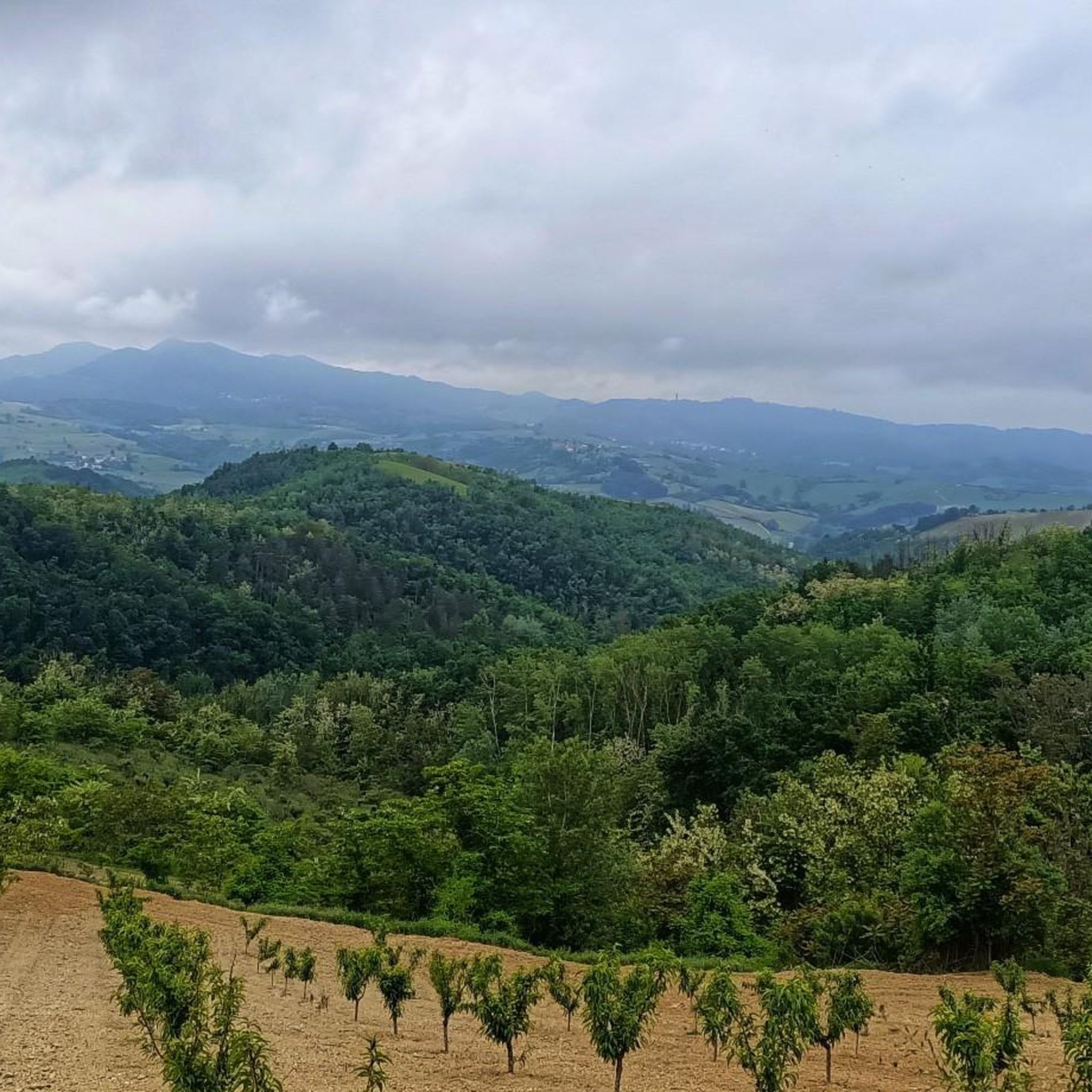
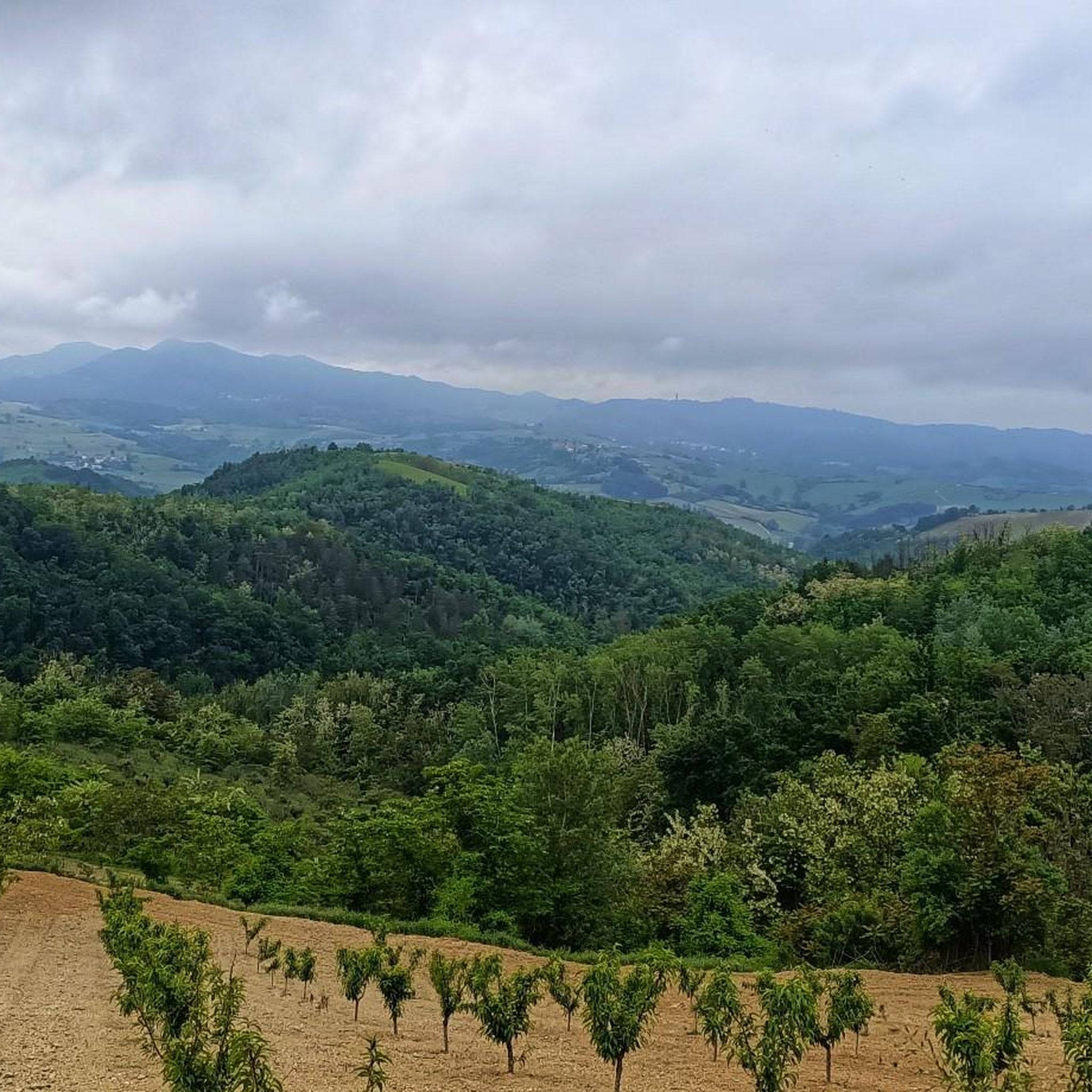
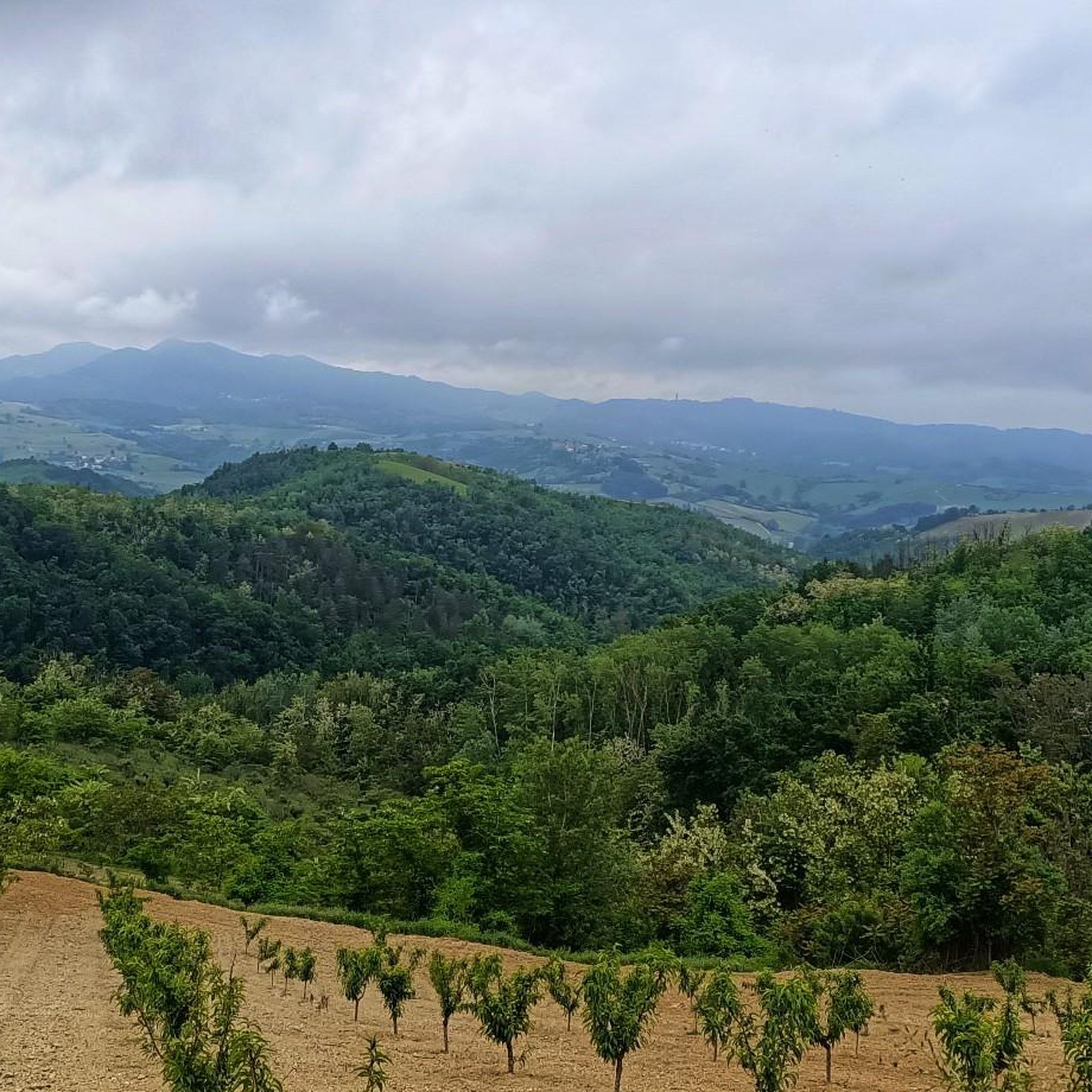
With the eMTB, it is difficult to reach the site of the remains of the Castle. The path is narrow, steep and in some places there are rocks that block pedaling. Better to go up from Mount Gropà with the eMTB.
0
0

The Torre Ratti castle is located in the hamlet of Torre Ratti in the municipality of Borghetto di Borbera, in the lower part of the Borbera valley, in the province of Alessandria. The lower Borbera valley was part of the Duchy of Milan for centuries and was enfeoffed by the Rati-Opizzoni family from Tortona.
0
0

In the late Middle Ages, the village was a fiefdom of the Genoese Spinola family until 1518, who built the castle in 1100. In 1518 Tolomeo Spinola was left without heirs and passed as an inheritance to his friend Agostino Adorno, of the Genoese Adorno family. In the 17th century the castle suffered serious damage following a landslide and shortly afterwards the current Botta Adorno castle and stately palace was built in its elegant style, still privately owned. The castle has an elegant Baroque style portal and a chapel dedicated to Saint Caterina Fieschi Adorno, great-granddaughter of Pope Innocent IV and wife of Giuliano Adorno, who lived between the 15th and 16th centuries.
6
0
Frequently Asked Questions
What kind of historical sites can I expect to find in San Sebastiano Curone?
San Sebastiano Curone is rich in history, featuring ancient fortified buildings and renovated historical residences. You'll find structures that once served as military garrisons, strategically positioned to protect trade routes, as well as buildings like Castello Giani, which is integrated into the historic village and showcases medieval forms with 20th-century renovations. These sites reflect the region's past as a crucial stop on the 'salt road' connecting the Ligurian Sea to the Po Valley.
Are there any ruined castles to explore near San Sebastiano Curone?
Yes, you can explore several ruined castles. For example, Sorli Castle is a ruined 12th-century castle offering panoramic views of the plain towards Alessandria and Tortona. Another option is Brusamonica Castle_Ruins, which consists of walled remains located on the crest of mountains above Caldirola, representing a significant feudal-era monument.
Which castles offer notable architectural features?
The Adorno Castle and Village features the current Botta Adorno castle, built after 17th-century damage, which boasts an elegant Baroque style portal. Additionally, Castello di Torre Ratti, with its square tower added in 1629, presents a rich fortified residence with late Renaissance and Baroque architectural elements, surrounded by an interesting Italian garden.
Can I find castles with good viewpoints in the area?
Absolutely. Sorli Castle, though ruined, is located at 661 meters and provides extensive views of the plain, including the Scrivia and Borbera Valleys. The Tower of the Malaspina Castle of Fabbrica Curone also offers a beautiful view of the Curone Valley from its top, accessible via an internal staircase.
What outdoor activities can I do near the castles in San Sebastiano Curone?
The area around San Sebastiano Curone offers various outdoor activities. You can find numerous MTB trails, including challenging routes like the Guardamonte Rock Outcrops loop. For runners, there are running trails such as the Monte San Vito Summit loop. If you prefer gravel biking, explore routes like the Varzi Historic Center loop, detailed in the gravel biking guide.
Are there hiking trails that lead to or near these castles?
Yes, many of the castles are accessible via trails. For instance, the walled remains of Brusamonica Castle_Ruins are reached via an interesting route in the upper Curone Valley. While some paths can be challenging, they offer pleasant walks and opportunities to explore the historical landscape. You can find more hiking options in the MTB trails guide, as many are multi-use.
What is the best time of year to visit the castles in San Sebastiano Curone?
The best time to visit the castles and explore the San Sebastiano Curone area is generally during spring and autumn. The weather is milder, making outdoor activities and walking around the historical sites more comfortable. Summer can be warm, while winter visits might be possible, but some trails leading to ruined castles could be more challenging due to weather conditions.
Are the castles in San Sebastiano Curone suitable for families?
While specific family-friendly amenities vary, exploring the historical sites and the charming village of San Sebastiano Curone can be an enriching experience for families. The integration of structures like Castello Giani within the ancient borough, with its cobblestone streets, offers a picturesque setting for a family stroll. Castello di Torre Ratti, with its Italian garden, could also be an enjoyable visit for families.
What is the historical significance of San Sebastiano Curone's castles?
The castles and fortified buildings in San Sebastiano Curone are historically significant as they mark the region's role as a crucial point on the ancient 'salt road.' This route connected the Ligurian Sea to the Po Valley, making these structures vital for overseeing and protecting trade traffic. They offer insights into the area's strategic importance, architectural evolution, and the changing lifestyles of its inhabitants over centuries.
What do visitors enjoy most about the castles and historical sites in this region?
Visitors particularly appreciate the historical significance and the unique atmosphere of the castles and fortified buildings. The panoramic views from sites like Sorli Castle are highly regarded. The blend of ancient ruins, like Brusamonica, with more preserved structures and their integration into the charming historic village, offers a deep dive into the region's past and cultural context.
Is it possible to visit the interior of these castles?
Access to the interior of the castles varies. Some, like the ancient fortified building in San Sebastiano Curone, have been converted into private residences, with interiors significantly altered to resemble 19th-century village houses. Others, such as Adorno Castle, remain privately owned. Ruined castles like Sorli and Brusamonica primarily offer exterior exploration of their remains. The Tower of the Malaspina Castle of Fabbrica Curone allows access to its top for views.
Most popular routes around San Sebastiano Curone
Most popular attractions around San Sebastiano Curone

Get inspired with the komoot mobile app


Explore more
Looking for the best castles somewhere else? Discover other guides around San Sebastiano Curone:
