Top 7 Castles around Dernice
Best castles around Dernice are found in the Piedmont region of Italy, an area known for its rich history and diverse landscapes. While Dernice itself is a small town, the surrounding region offers numerous historical sites. The area features a mix of medieval fortresses and fortified residences, providing insights into centuries of regional heritage. These castles around Dernice Piemonte offer a glimpse into the past.
Best castles around Dernice
- The most popular castles is Sorli Castle, a castle that…
Last updated: June 30, 2026
Sorli Castle
Highlight • Castle
Translated by Google •
Tip by

Adorno Castle and Village
Highlight • Castle
Translated by Google •
Tip by

Sign up now to discover places like this
Get recommendations on the best single tracks, peaks, & plenty of other exciting outdoor places.
Sign up for free
Brusamonica Castle_Ruins
Highlight (Segment) • Castle
The …
Translated by Google •
Tip by

Vargo Castle and Tower
Highlight • Castle
Translated by Google •
Tip by
Castello di Torre Ratti
Highlight • Castle
Translated by Google •
Tip by

Sign up for free to discover even more castles around Dernice.
Sign up for free
Already have an account?
Start today with a free account
Your next adventure awaits.
Login or Signup
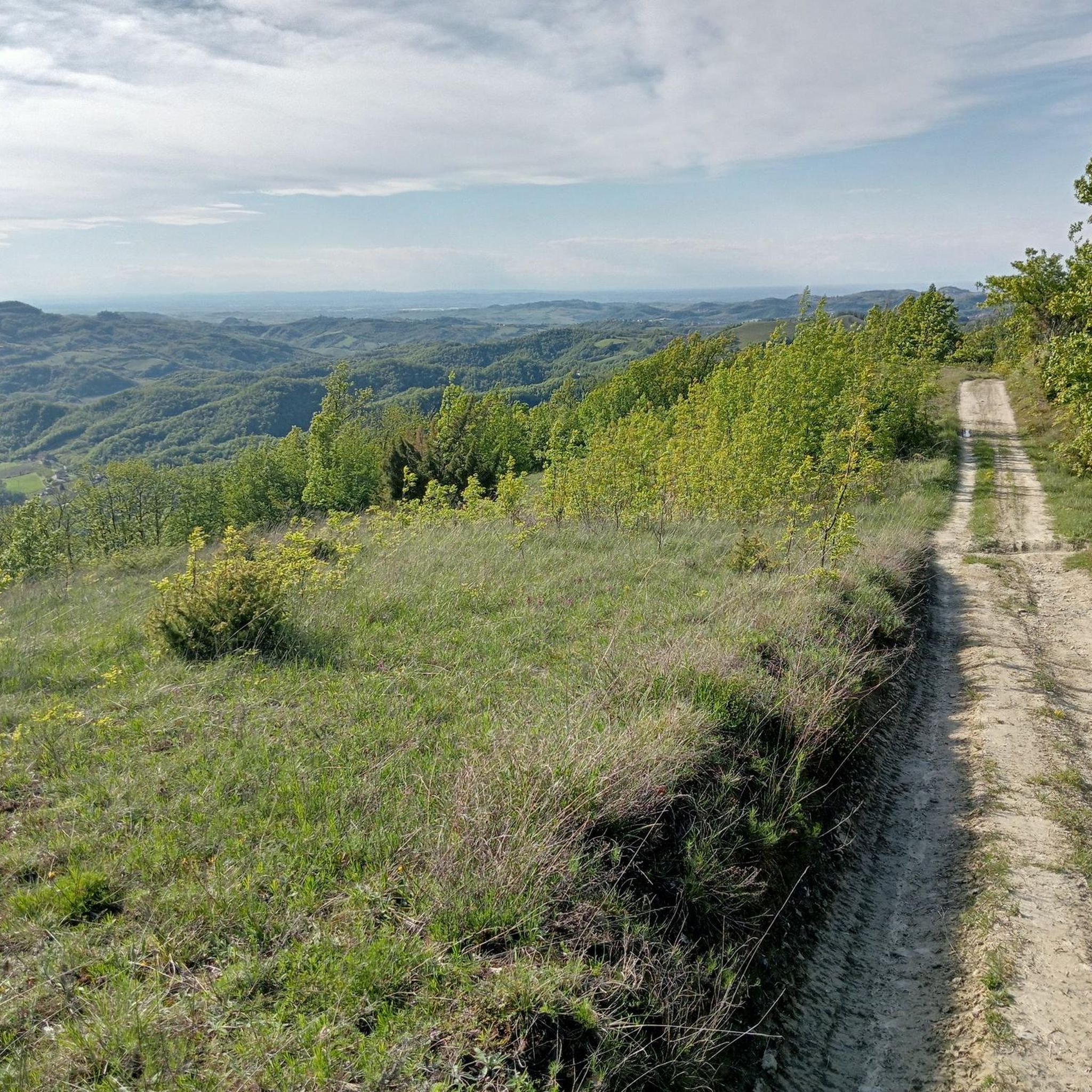
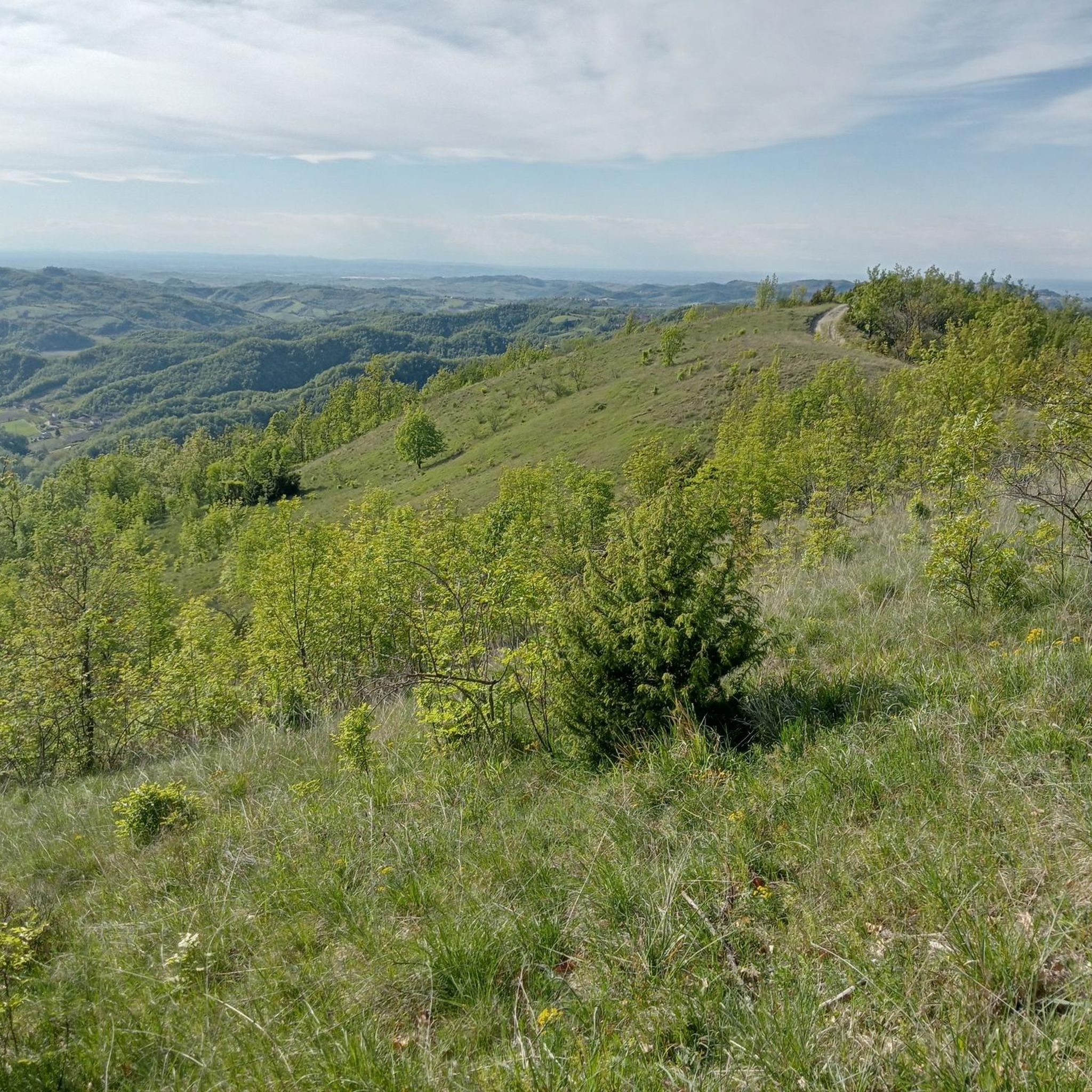
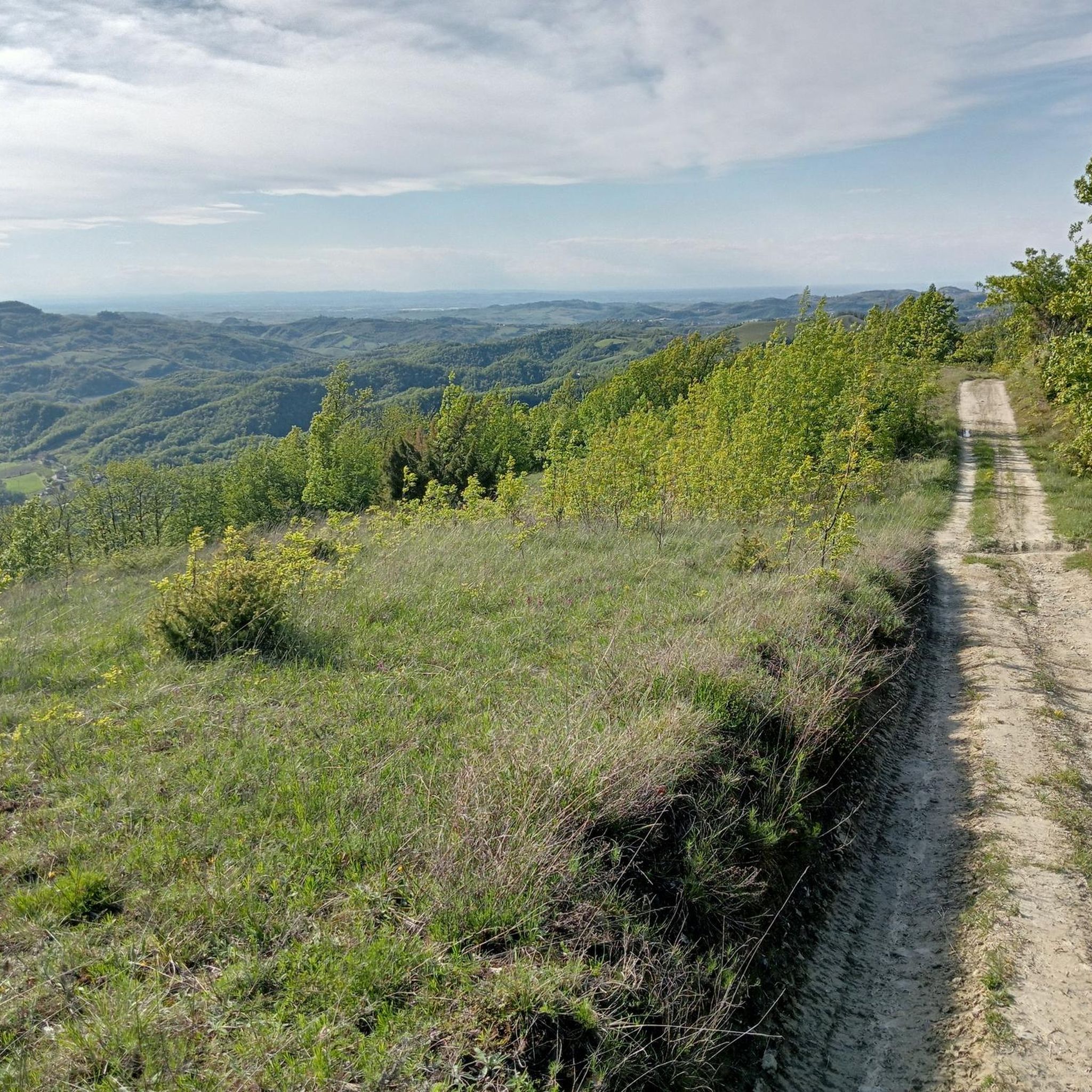
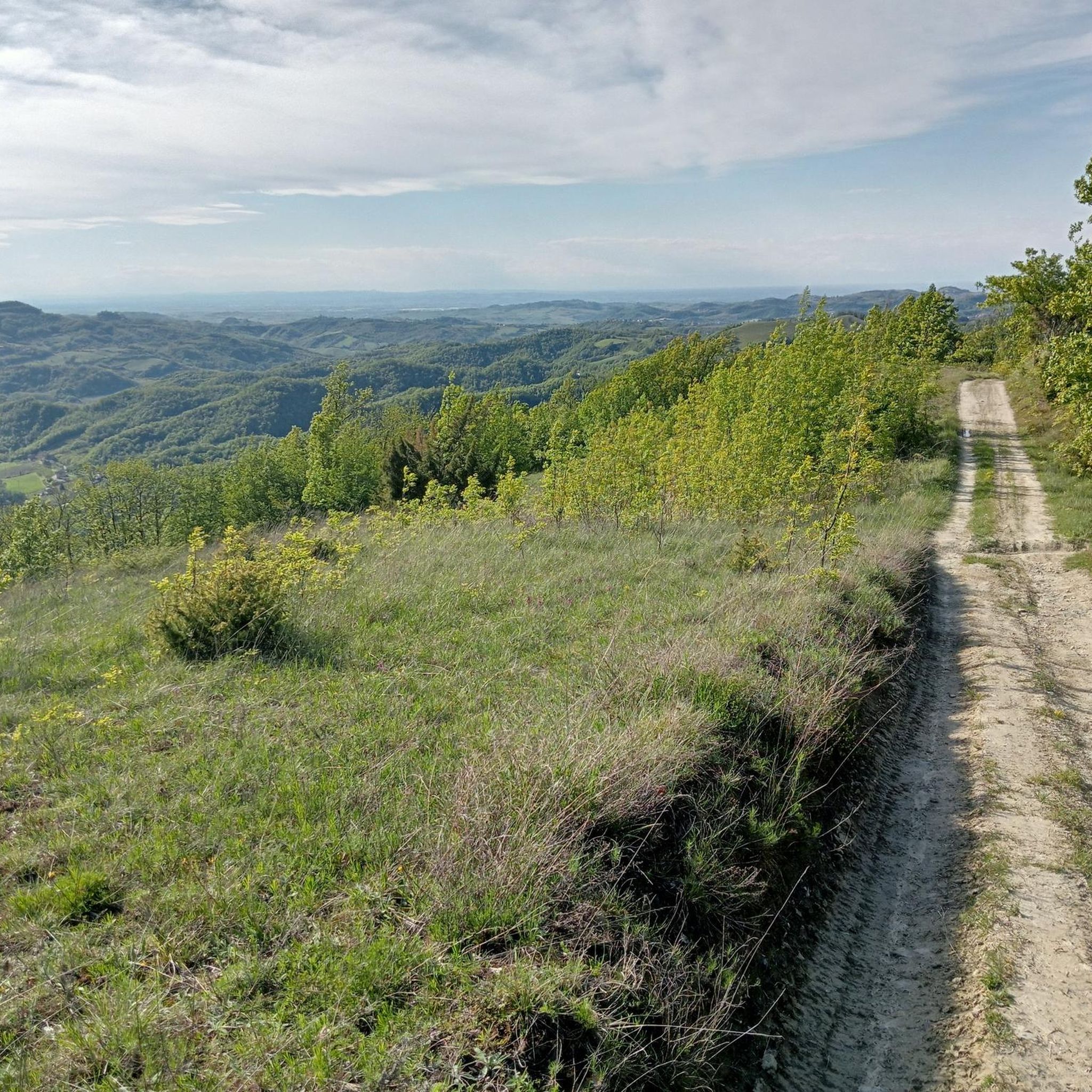

Tips from the Community

In Torre degli Alberi, a small panoramic hamlet of the municipality of Colli Verdi in Oltrepò Pavese, the main church is the Chiesa del Santissimo Nome di Maria.
2
0
Vargo has had a castle known since 1157, the year of the invasions of Barbarossa's troops, but this construction was actually built as a signal tower in the Lombard era and is part of the so-called line of castles documented by Pertica.
14
0
The castle of Borgo Adorno was a fiefdom of the Genoese Spinola family until 1518, the year in which Tolomeo Spinola remained without legitimate children and appointed the children of his friend Agostino Adorno as his heirs.
15
0

Vargo is a hamlet of the municipality of Stazzano (AL) at about 410 m above sea level. During the Middle Ages it was an imperial fiefdom under the Genoese families of Fieschi and then Doria. In 1797 it was annexed to the Ligurian Republic and after the fall of Napoleon it followed the fate of the province of Novi, becoming part of Piedmont in 1859 with the Rattazzi Decree. It was an independent municipality until 1928. Vargo has a castle known since 1157, the year of the invasions of the troops following Barbarossa, but this construction was actually born as a signal tower in the Lombard era and is part of the so-called line of castles. The town developed concentrically around the “castle”, rebuilt by the Fieschi family of Genoa, lords of Vargo since 1413: after the conspiracy against the said feudal lords, it was dismantled in 1442, and later passed to the Doria family in 1547. Next to what must have been the south-east walls, there is still an oratory dedicated to the Virgin of the Annunciation, while today the once fortified structure is partly used as a residence, and the very visible main tower, inside which are the living quarters of the last owner, has not been altered.
2
0

An interesting route in the upper Curone Valley is the one that leads to the walled remains of the Brusamonica Castle, a small town about two kilometers from Caldirola. The castle, built on the crest of the mountains above Caldirola, dates back to the feudal era; although it has lost its ancient splendor over time, it still retains a certain charm, if only for its uncertain and mysterious origin. A legend tells that before the castle there was a convent in the same place, probably founded by the monastery of San Pietro in Ciel d'Oro of Pavia and destroyed during a night of battle and looting (perhaps by Saracen troops) in the 9th century. This, like any good legend, is not confirmed by historical documents, even if even today the inhabitants of Caldirola, referring to the town of Brusamonica, are accustomed to using the term "convent". Contradictions aside, this castle, with a slope that extended up to Val Borbera and now collapsed, represents an important and concrete historical monument that can today become a destination for pleasant walks.
3
0

With the eMTB, it is difficult to reach the site of the remains of the Castle. The path is narrow, steep and in some places there are rocks that block pedaling. Better to go up from Mount Gropà with the eMTB.
0
0

The Torre Ratti castle is located in the hamlet of Torre Ratti in the municipality of Borghetto di Borbera, in the lower part of the Borbera valley, in the province of Alessandria. The lower Borbera valley was part of the Duchy of Milan for centuries and was enfeoffed by the Rati-Opizzoni family from Tortona.
0
0
In the late Middle Ages, the village was a fiefdom of the Genoese Spinola family until 1518, who built the castle in 1100. In 1518 Tolomeo Spinola was left without heirs and passed as an inheritance to his friend Agostino Adorno, of the Genoese Adorno family. In the 17th century the castle suffered serious damage following a landslide and shortly afterwards the current Botta Adorno castle and stately palace was built in its elegant style, still privately owned. The castle has an elegant Baroque style portal and a chapel dedicated to Saint Caterina Fieschi Adorno, great-granddaughter of Pope Innocent IV and wife of Giuliano Adorno, who lived between the 15th and 16th centuries.
6
0
Frequently Asked Questions
What types of castles can I expect to find around Dernice?
The area around Dernice, within the wider Piedmont region, offers a diverse range of historical fortifications. You'll find medieval fortresses, ruined castles like Sorli Castle and Brusamonica Castle_Ruins, and opulent royal residences such as the Stupinigi Hunting Lodge and Racconigi Castle. Some, like Castello di Torre Ratti, have been transformed into rich fortified residences with Baroque features.
Which castles near Dernice offer the best panoramic views?
Sorli Castle, though ruined, is located at 661 meters and provides extensive views of the plain from Alessandria to Tortona, including the Scrivia and Borbera Valleys. While not a traditional castle, the Sacra di San Michele, perched atop Mount Pirchiriano, also offers breathtaking scenic views of the valley.
Are there any family-friendly castles to visit near Dernice?
Many castles in the Piedmont region, including those near Dernice, can be enjoyable for families. Royal residences like Racconigi Castle often feature extensive gardens that children can explore. While specific 'family_friendly' categories are not universally applied, the historical context and outdoor exploration opportunities at sites like Castello di Torre Ratti with its Italian garden, or the general adventure of visiting a ruin like Sorli Castle, can be engaging for families.
What historical insights can I gain from visiting castles in the Dernice area?
Visiting castles around Dernice offers a deep dive into regional history. Adorno Castle and Village, for instance, showcases the transition from a fiefdom of the Spinola family to the Adorno family, with its elegant Baroque portal. Grinzane Cavour Castle provides insight into the life of Camillo Benso, Count of Cavour, a key figure in Italian unification. Vargo Castle and Tower reveals its origins as a Lombard-era signal tower and its later role under the Fieschi and Doria families.
Are there any ruined castles near Dernice for exploration?
Yes, the area is known for its ruined castles that offer a unique historical exploration. Sorli Castle is a 12th-century ruin providing panoramic views. Brusamonica Castle_Ruins, a feudal-era site, retains a mysterious charm and is a destination for walks. Avigliana Castle, one of Piedmont's oldest, is also a significant ruin overlooking the Avigliana lakes.
What outdoor activities can I combine with a castle visit near Dernice?
The region around Dernice is excellent for outdoor activities. You can combine castle visits with cycling, road cycling, or gravel biking. For example, the Vargo Castle and Tower loop is a moderate gravel biking route. There are also numerous hiking opportunities in Val Borbera. You can find more details on routes in the Cycling around Dernice, Road Cycling Routes around Dernice, and Gravel biking around Dernice guides.
What is the best time of year to visit castles near Dernice?
The Piedmont region generally enjoys pleasant weather from spring to early autumn (April to October), making these months ideal for visiting castles. Spring offers blooming gardens, while autumn provides comfortable temperatures and beautiful fall foliage, especially in areas like Langhe where Grinzane Cavour Castle is located. Winter visits are possible, but some sites might have reduced hours, and it's advisable to dress warmly.
Are there accessible castles near Dernice for visitors with mobility challenges?
While many medieval castles, especially ruins, may have limited accessibility due to their historical structure, some larger royal residences in the Piedmont region, such as the Stupinigi Hunting Lodge and Racconigi Castle, have made efforts to improve accessibility for visitors with mobility challenges, particularly in their ground floor areas and gardens. It is always recommended to check specific castle websites for detailed accessibility information before planning your visit.
Can I visit castles near Dernice with my dog?
Policies regarding dogs vary significantly between individual castles and their grounds. While some outdoor areas or parks might allow leashed dogs, indoor access to historical buildings is often restricted. For example, the extensive English garden at Racconigi Castle might have different rules than the interior of the castle itself. It's best to verify the specific dog policy for each castle you plan to visit directly with the site beforehand.
How long does it typically take to visit a castle in the Dernice area?
The duration of a visit can vary widely depending on the castle. For a ruined site like Sorli Castle or Brusamonica Castle_Ruins, the visit might involve a hike to the site and then 30 minutes to an hour exploring the remains and enjoying the views. Larger, well-preserved castles or royal residences like Racconigi Castle or Stupinigi Hunting Lodge, with extensive interiors and gardens, could easily take 2-3 hours or even half a day to fully appreciate.
Are there any 'hidden gem' castles near Dernice that are less known?
While the main highlights are well-documented, exploring the smaller, ruined castles like Brusamonica Castle_Ruins or Vargo Castle and Tower can feel like discovering hidden gems. These sites, often requiring a walk or hike to reach, offer a more secluded and adventurous historical experience away from the main tourist trails. The region's numerous fortified residences mean there are always less-publicized sites to explore for those willing to venture off the beaten path.
What do visitors enjoy most about the castles around Dernice?
Visitors appreciate the rich history and the opportunity to step back in time. The panoramic views from sites like Sorli Castle are highly valued, as are the unique architectural details, such as the elegant Baroque portal at Adorno Castle and Village. The blend of historical exploration with outdoor activities, like hiking to Brusamonica Castle_Ruins, also contributes to a memorable experience.
Most popular routes around Dernice
Most popular attractions around Dernice

Get inspired with the komoot mobile app


Explore more
Looking for the best castles somewhere else? Discover other guides around Dernice:
