Top 7 Castles around Carezzano
Best castles around Carezzano offer a journey through history in the province of Alessandria, Italy. This historic town is known for its medieval architecture, including the Antico Palazzo Vescovile, which served as an administrative and governmental seat. The region features well-preserved 15th and 16th-century buildings, providing a historical ambiance. The area provides a tangible connection to the region's rich heritage, with structures that once held significant power.
Best castles around Carezzano
- The most popular castles is Tower of the Castle…
Last updated: June 30, 2026
Dongione of Carbonara Scrivia
Highlight • Castle
Translated by Google •
Tip by

Tortona Castle Park
Highlight • Castle
Translated by Google •
Tip by
Sign up now to discover places like this
Get recommendations on the best single tracks, peaks, & plenty of other exciting outdoor places.
Sign up for free
Sorli Castle
Highlight • Castle
Translated by Google •
Tip by

Novi Ligure Castle
Highlight • Castle
Translated by Google •
Tip by

Vargo Castle and Tower
Highlight • Castle
Translated by Google •
Tip by

Sign up for free to discover even more castles around Carezzano.
Sign up for free
Already have an account?
Start today with a free account
Your next adventure awaits.
Login or Signup

Tips from the Community

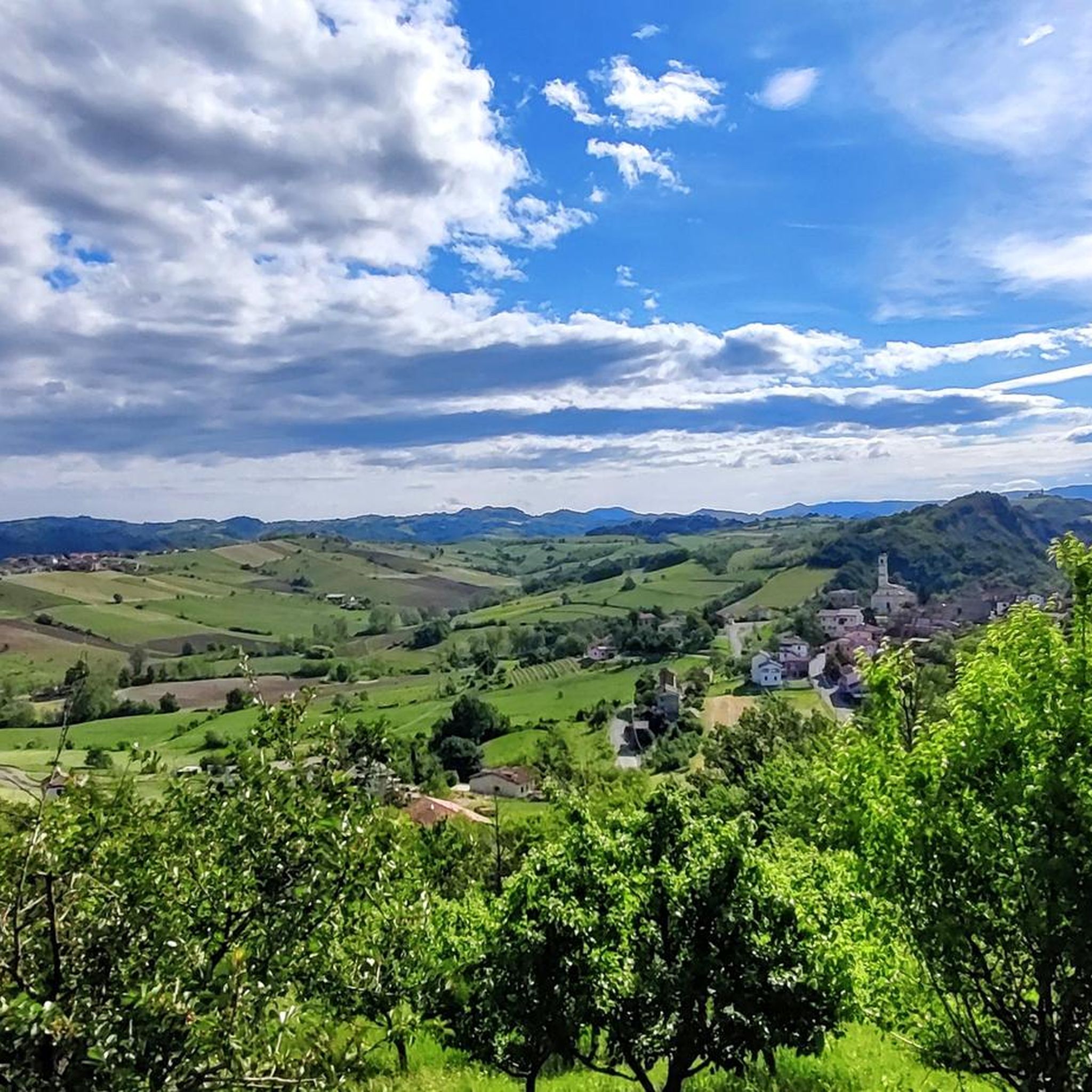
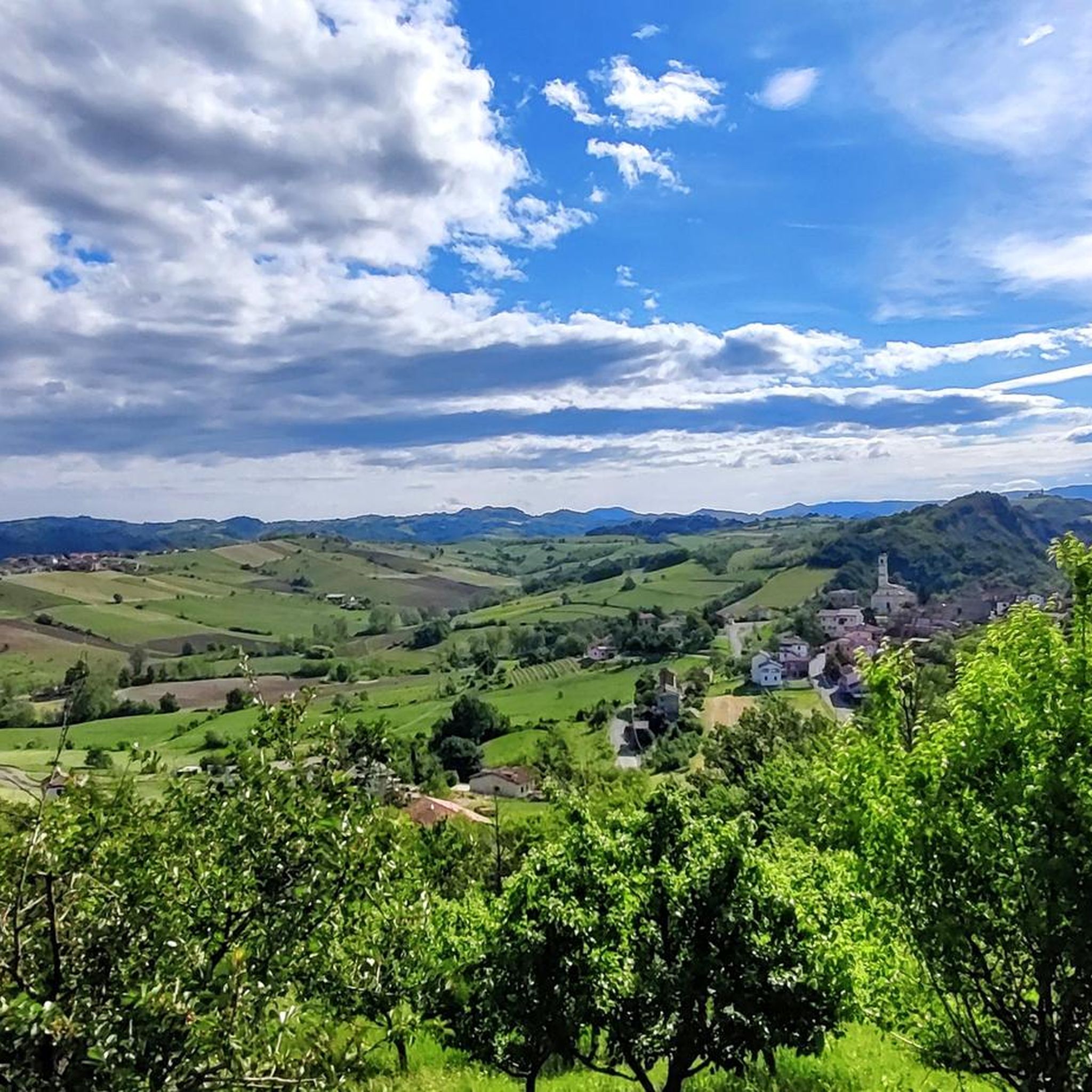
Vargo has had a castle known since 1157, the year of the invasions of Barbarossa's troops, but this construction was actually built as a signal tower in the Lombard era and is part of the so-called line of castles documented by Pertica.
14
0

Vargo is a hamlet of the municipality of Stazzano (AL) at about 410 m above sea level. During the Middle Ages it was an imperial fiefdom under the Genoese families of Fieschi and then Doria. In 1797 it was annexed to the Ligurian Republic and after the fall of Napoleon it followed the fate of the province of Novi, becoming part of Piedmont in 1859 with the Rattazzi Decree. It was an independent municipality until 1928. Vargo has a castle known since 1157, the year of the invasions of the troops following Barbarossa, but this construction was actually born as a signal tower in the Lombard era and is part of the so-called line of castles. The town developed concentrically around the “castle”, rebuilt by the Fieschi family of Genoa, lords of Vargo since 1413: after the conspiracy against the said feudal lords, it was dismantled in 1442, and later passed to the Doria family in 1547. Next to what must have been the south-east walls, there is still an oratory dedicated to the Virgin of the Annunciation, while today the once fortified structure is partly used as a residence, and the very visible main tower, inside which are the living quarters of the last owner, has not been altered.
2
0

The castle of Carbonara Scrivia dates back to the 14th century or early 15th century, according to some documents found. The typical construction called "dongione" was built by Pierino Cameri on a previous property owned by the Curolo family, lords of Carbonara, who declined starting from 1246.
0
0
The castle of Tortona was a castle that stood on the Savo hill, the most important of the seven on which, according to tradition, the city of Tortona was founded. The name refers to various defensive constructions that arose on the same site over the course of two millennia. Between the 8th and 5th centuries BC. archaeological investigations in fact place the foundation of a hillfort by the Ligurians.
1
0
The castle of Novi Ligure is located near the historic center of Novi Ligure and was for centuries the extreme northern border of the Republic of Genoa. It is part of the "Open Castles" circuit of Lower Piedmont. Only the tower and some sections of the surrounding walls remain of the castle, which today delimit part of the large park. It was crowned by a Ghibelline battlement which has been lost but is still perceptible, despite the current covering with a tile roof.
0
0
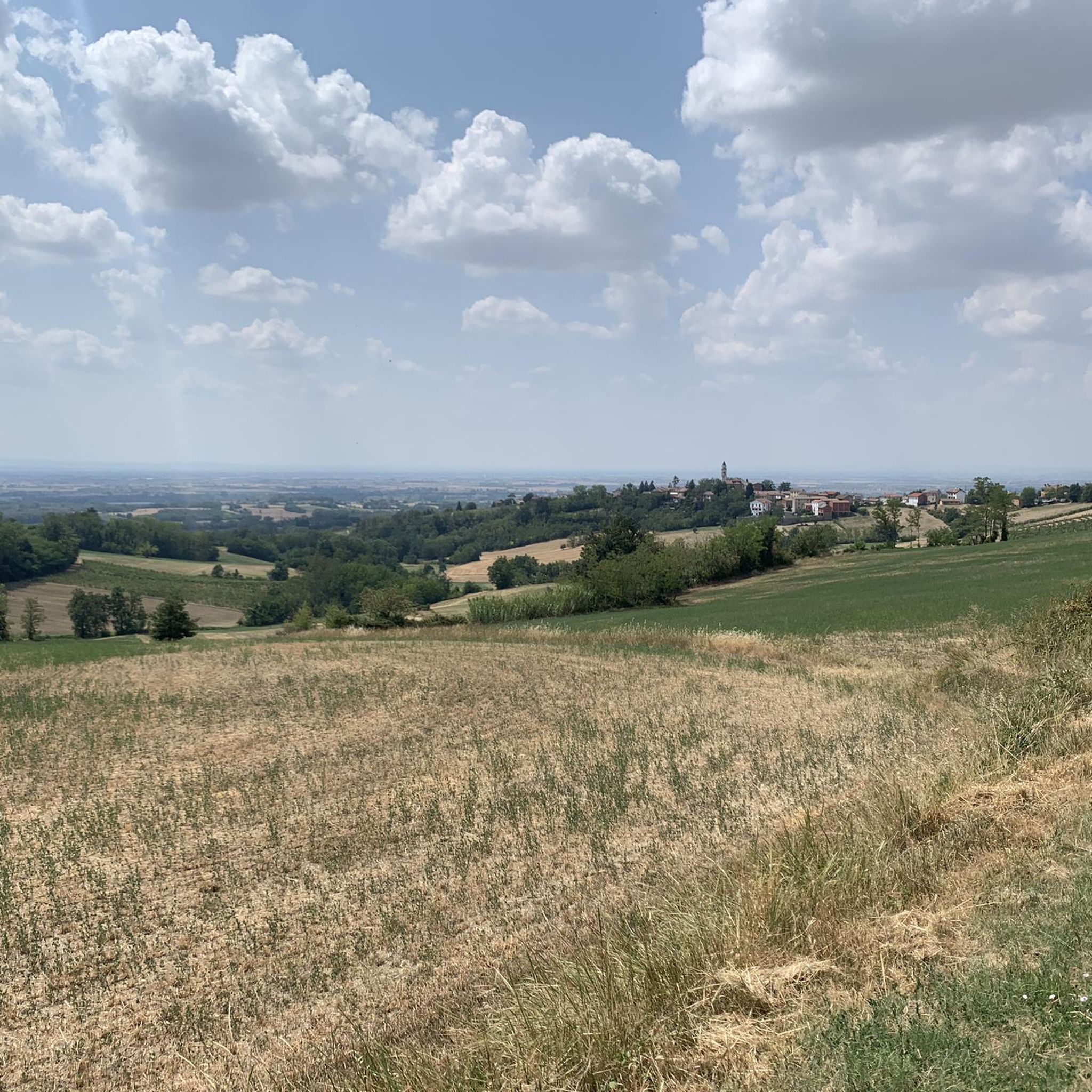
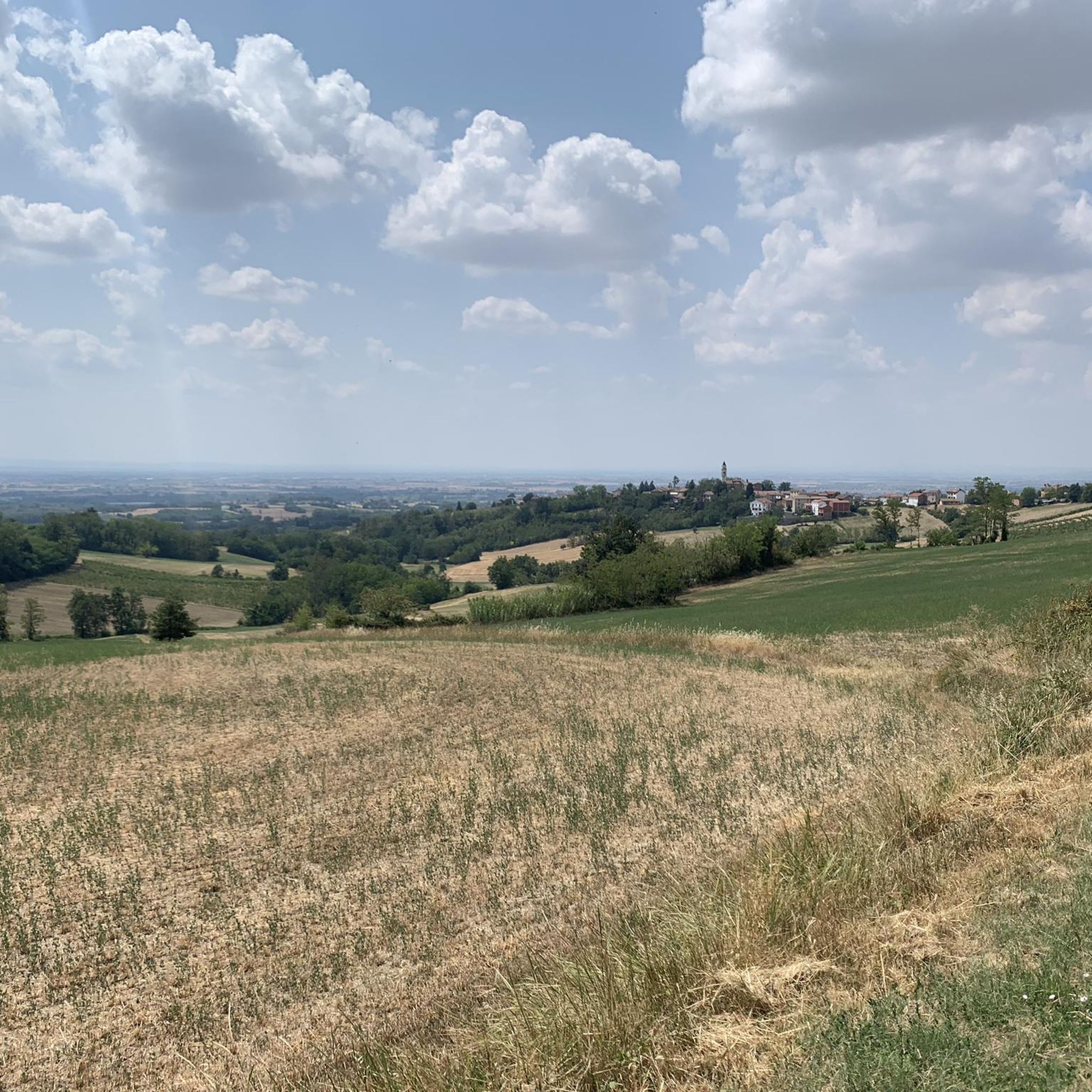
Path from the village of Sorli to the castle Not pedalable..very steep climb, large stones, wood and deep holes. The descent is also difficult...
0
0

The Castle park is a large green area located in the hilly area of Tortona close to the historic centre. It is a place of memory of the city, having been the scene of historical events such as the siege of Frederick Barbarossa. At the top of the park is the Tower, the city's symbol, which together with a few ruins is evidence of the ancient fortress that overlooked the town until its destruction by Napoleon in 1801.
1
0
The 14th century fortress of Carbonara Scrivia boasts the so-called "Dongione", built by Pierino Cameri. In addition to the dungeon, the defensive system of Carbonara Scrivia consisted of a fortified enclosure or castle, a moat and two access gates.
3
0
Frequently Asked Questions
What kind of castles can I expect to see around Carezzano?
The region around Carezzano offers a diverse range of historical structures, from medieval fortresses and ruined castles to administrative palaces. You'll find sites like the Dongione of Carbonara Scrivia, a well-preserved 14th-century fortress, and the ruins of Sorli Castle, dating back to the 12th century. The Tower of the Castle of Tortona stands as a symbol of an ancient fortress, while the Antico Palazzo Vescovile in Carezzano itself showcases medieval architecture from its time as an administrative seat.
Are there any castles with significant historical importance in the Carezzano area?
Yes, the Antico Palazzo Vescovile in Carezzano is historically significant, having served as the administrative and governmental seat of the Vescovado from the late 14th to the late 16th century. It housed important offices like the chancellery, audience hall, and tribunal. The Tower of the Castle of Tortona also marks the site of a fortress that witnessed historical events, including the siege of Frederick Barbarossa.
Which castles offer the best panoramic views?
For breathtaking panoramic views, Sorli Castle is an excellent choice. Located at a height of 661 meters, it offers extensive views of the plain from Alessandria to Tortona, including the Scrivia Valley and Borbera Valley. The Novi Ligure Castle, with its imposing tower in a park on a hilltop, also provides good viewpoints.
Are there family-friendly castles to visit near Carezzano?
Yes, several castles in the area are suitable for families. The Dongione of Carbonara Scrivia and the Castello di Pozzolo Formigaro are both listed as family-friendly. Exploring these historical sites can be an engaging experience for all ages, offering a glimpse into medieval life and architecture.
What outdoor activities can I do near these castles?
The region around Carezzano offers various outdoor activities. You can find numerous hiking, cycling, and running routes. For hiking, consider 'The Route of the Badlands and Vineyards' or the 'Piedmont vineyards trail'. Cyclists might enjoy the 'Passo Coppi – Coppi Climb Mural loop'. You can explore more options on the hiking guide, cycling guide, and running trails guide for Carezzano.
Are there hiking trails that lead to or near the castles?
Yes, many hiking trails in the Carezzano area can bring you close to these historical sites. For example, the area around Sorli Castle is known for its scenic routes. You can find detailed hiking routes, including those near historical landmarks, in the hiking guide for Carezzano.
What is the best time of year to visit the castles around Carezzano?
While specific seasonal information for each castle isn't always available, generally, spring and autumn offer pleasant weather for exploring the castles and their surroundings. These seasons provide comfortable temperatures for walking and enjoying the panoramic views without the intense heat of summer or the chill of winter. However, some sites like the Castello di Torre Ratti may offer guided visits during specific times of the year, so it's always good to check ahead.
What are some unique architectural features of the castles in this region?
The castles around Carezzano showcase distinct architectural elements. The Antico Palazzo Vescovile features medieval brick construction. The Dongione of Carbonara Scrivia is notable for its 'Dongione' – a multi-storey structure with strong vertical development, similar to a keep, and is exceptionally well-preserved. The Castello di Pozzolo Formigaro retains its Sforza-era entrance with grooves for a drawbridge, and its interior boasts 15th-century frescoes.
What do visitors particularly enjoy about the castles around Carezzano?
Visitors appreciate the journey through history offered by the castles, from well-preserved fortresses to atmospheric ruins. The region's rich heritage, evident in the medieval architecture and historical significance of sites like the Antico Palazzo Vescovile, is a major draw. Many also enjoy the panoramic views, especially from locations like Sorli Castle, and the opportunity to combine historical exploration with outdoor activities like hiking.
Are there any castles that are now used for other purposes?
Yes, the Castello di Pozzolo Formigaro, a 14th-century castle with medieval origins, now serves as the seat of the Municipality. This allows visitors to see historical frescoes and a statue of the Madonna with Child within its internal rooms, offering a unique blend of history and modern civic function.
Can I find any hidden gem castles or lesser-known historical sites?
While the main highlights are well-regarded, exploring the smaller towns and villages around Carezzano, such as Carezzano Maggiore and Carezzano Superiore, can reveal well-preserved 15th and 16th-century buildings that contribute to the historical ambiance. These areas offer a deeper dive into the local heritage beyond the most prominent castle ruins.
Is there public transportation available to reach the castles?
Information on specific public transport routes directly to each castle is limited. However, Carezzano itself is a town in the province of Alessandria, Italy. For detailed public transport options to the general area or specific sites, it is advisable to check local bus schedules or regional train services that connect to nearby towns, and then plan for local transport or a short walk.
Most popular routes around Carezzano
Most popular attractions around Carezzano

Get inspired with the komoot mobile app


Explore more
Looking for the best castles somewhere else? Discover other guides around Carezzano:
