Top 5 Castles around Fucecchio
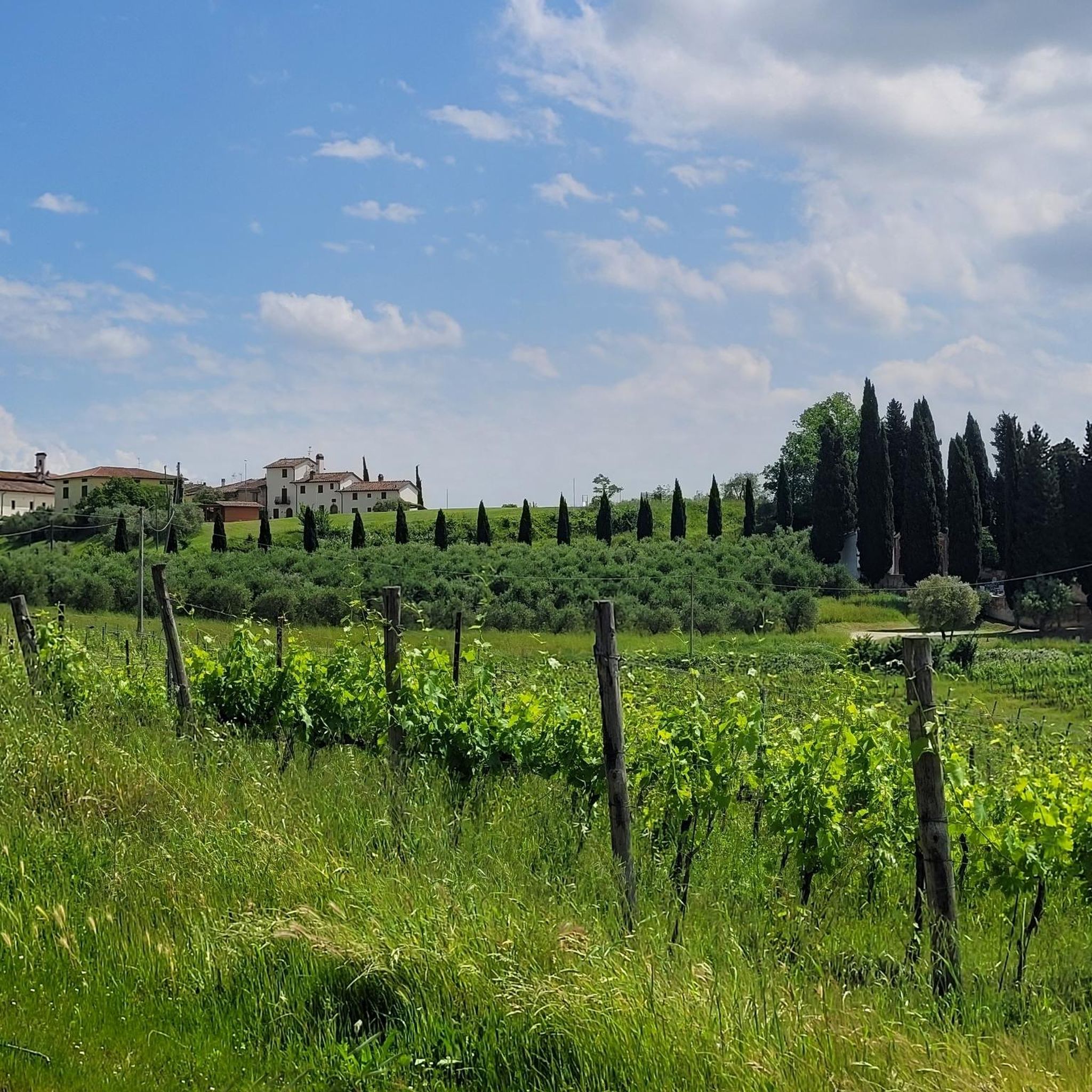
Best castles around Fucecchio are situated in a historic Tuscan town, strategically located along the Arno River and the ancient Via Francigena. The area features rolling hills and the expansive Fucecchio Marsh, Italy's largest inland wetland. This region offers a blend of medieval fortifications and cultural sites, reflecting centuries of historical significance. Visitors can explore architectural layers from early castles to later Florentine and Medici additions.
Best castles around Fucecchio
- The most popular castles is Larciano Castle Tower, a castle built on previous Roman settlements. It was a possession of the Guidi Counts from the mid-10th century and later became a headquarters for Pistoia's administration.
- Another must-see spot is San Miniato Cathedral and Clock Tower, a religious building and historical site. This location features monumental palaces and a square in front of the castle of Emperor Frederick II, offering views over the Arno plain.
- Visitors also love Rocca del Cerruglio, Montecarlo, a castle that dominates the medieval town of Montecarlo. This fortress, with a triangular plan, was established between the 12th and 14th centuries to defend against attacks.
- Fucecchio is known for its historical castles, fortified complexes, and medieval towers. These sites offer insights into the region's past, from strategic control points to later cultural hubs.
- The castles around Fucecchio are appreciated by the komoot community, with 39 upvotes and 27 photos shared by visitors.
Last updated: May 18, 2026
Rocca del Cerruglio, Montecarlo
Highlight • Castle
Translated by Google •
Tip by

San Miniato Cathedral and Clock Tower
Highlight • Religious Site
Translated by Google •
Tip by

Sign up now to discover places like this
Get recommendations on the best single tracks, peaks, & plenty of other exciting outdoor places.
Sign up for free
Larciano Castle Tower
Highlight • Castle
Translated by Google •
Tip by

Cecina village (Larciano)
Highlight • Settlement
Also known as Castello di Cecina, it is part of the municipality of Larciano and was the southern defensive bulwark of the city of Pistoia.
Translated by Google •
Tip by

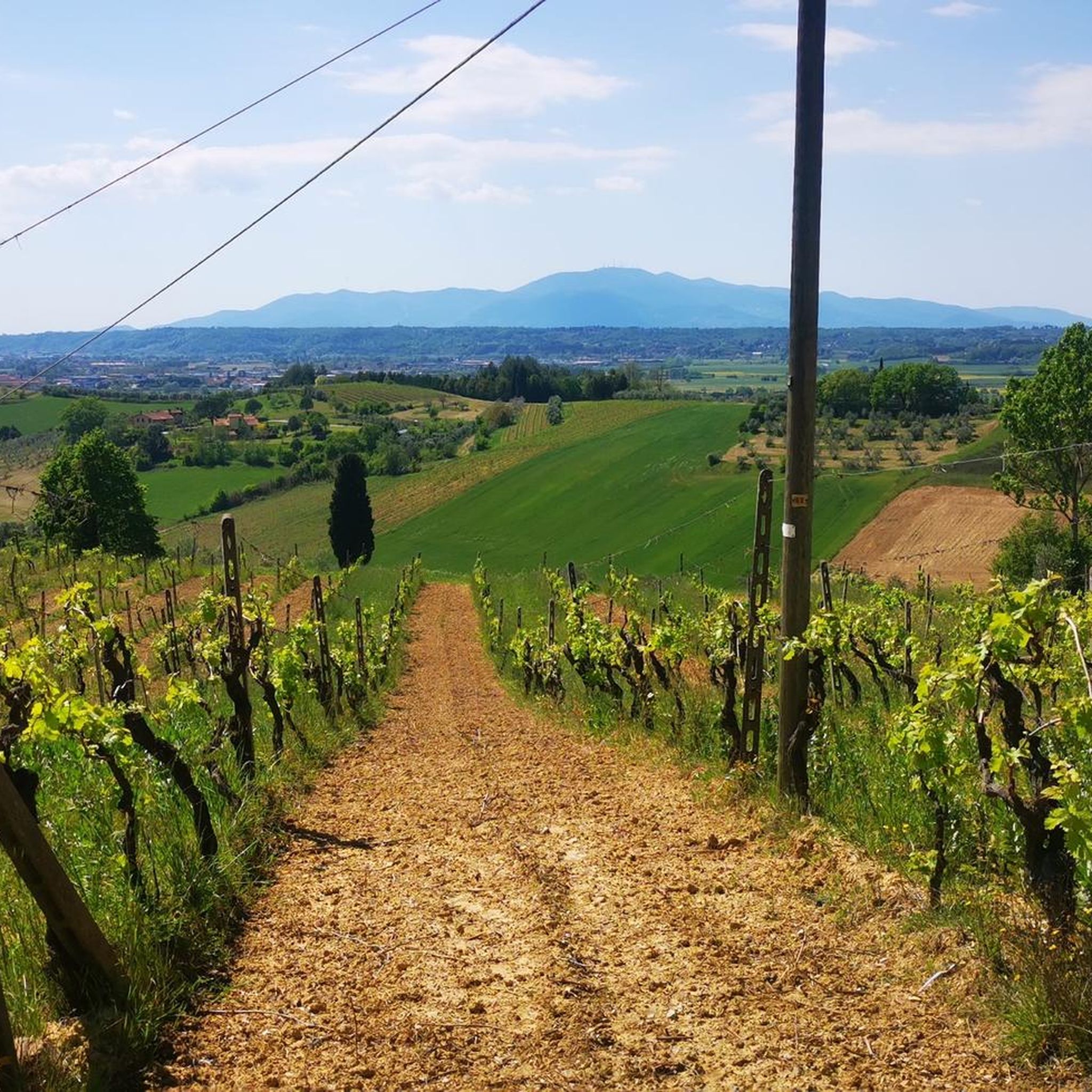
View of Montecarlo and the Valdinievole Valley
Highlight • Viewpoint
Inside the Castle you won't be able to see too much from the surrounding area.
Tip by

Start today with a free account
Your next adventure awaits.
Login or Signup

Other adventures around Fucecchio

Tips from the Community

a village definitely worth visiting!
0
0

very intimate and typical village, with a beautiful view of the reserve.
0
0

Fantastic village with a view and a place to stop; there is also public water with fountains.
0
0

Beautiful, tranquil place that invites you to linger!👍
0
0

I was lucky enough to stay right under the fortress of this beautiful town.
3
0

Montecarlo is a charming medieval village located in the province of Lucca, in Tuscany. It stands on a hill overlooking the Valdinievole and the Lucca plain, offering breathtaking panoramic views. The town is famous for its fortress, the Rocca del Cerruglio, built in the 14th century to defend against external attacks, and for its well-preserved walls.
0
0

San Miniato, city of good cuisine and white truffles, looks from a hill over the plain through which the Arno flows. The monumental palaces prove its grandeur, but all its charm lies in two esplanades formed by the unexpected Prato del Duomo and the square in front of the castle of Emperor Frederick II. The name San Miniato was previously followed by 'al Tedesco' (from the German.), because the city was the Tuscan residence of the German emperors from the 10th century.
5
0

Ancient village with a rich historic center worthy of a visit. The capital of the Tuscan truffle
2
0
Frequently Asked Questions
What is the historical significance of Fucecchio's castles?
Fucecchio's fortifications, particularly the Salamarzana Castle, have a rich history dating back to the 10th century. They were strategically important, controlling a crucial ford over the Arno River and part of the Via Francigena pilgrimage route. Later, the area was reinforced by the Florentines as the Rocca Fiorentina, playing a key role in regional conflicts. The site's evolution from a medieval stronghold to the Palazzo Corsini reflects centuries of Tuscan history.
Which historical sites should I visit in Fucecchio?
Beyond the main complex of the Salamarzana Castle, Rocca Fiorentina, and Palazzo Corsini, you can explore other significant sites. Don't miss the Larciano Castle Tower, built on Roman settlements and once a possession of the Guidi Counts. Also, visit San Miniato Cathedral and Clock Tower, a religious and historical site offering views over the Arno plain. Further afield, the Rocca del Cerruglio in Montecarlo is a triangular fortress established between the 12th and 14th centuries.
What natural features can I see near Fucecchio's castles?
The Fucecchio area is known for the expansive Fucecchio Marsh, Italy's largest inland wetland, which is a paradise for birdwatching. From the Torre di Mezzo of the Rocca Fiorentina, you can get panoramic views of this marsh. The region also features rolling hills, offering scenic landscapes around the historical sites.
Are there outdoor activities or routes near the castles?
Yes, the Fucecchio area offers various outdoor activities. You can find numerous routes for hiking, including moderate trails like the 'Panoramic Cypress-Lined Path loop from Fucecchio'. For cyclists, there are gravel biking routes, such as the 'Lake Roffia loop from Fucecchio'. If you prefer running, explore the running trails, including the 'Big Bench of Capiano loop from Ponte a Cappiano'.
What is the best time of year to visit Fucecchio's castles?
The best time to visit Fucecchio's castles and explore the surrounding area is generally during spring (April-May) and autumn (September-October). During these seasons, the weather is pleasant for walking and outdoor activities, and the landscapes are particularly beautiful. Summer can be hot, while winter might be cooler and potentially rainy.
Are there family-friendly options when visiting Fucecchio's historical sites?
Visiting the Palazzo Corsini, which houses the Civic and Diocesan Museum of Fucecchio, can be a family-friendly activity. The museum features archaeological artifacts, sacred art, and an ornithological collection, offering engaging exhibits for various ages. Exploring the grounds of the Rocca Fiorentina and the Parco Corsini also provides space for families to enjoy.
What can I expect to see at the Palazzo Corsini?
The Palazzo Corsini, which incorporates elements of earlier medieval constructions, now serves as a cultural hub. It houses the Civic and Diocesan Museum of Fucecchio, featuring archaeological artifacts from the Paleolithic period to the 18th century, sacred art, and an ornithological collection highlighting the rich birdlife of the nearby Fucecchio Marsh. You can learn about the Salamarzana Castle's history, pottery production, and river trade along the Arno.
Can I get panoramic views from the castles?
Yes, several locations offer excellent panoramic views. The Torre di Mezzo of the Rocca Fiorentina can be visited by request and provides expansive views of the Fucecchio Marsh. Additionally, the San Miniato Cathedral and Clock Tower offers views over the Arno plain, and the View of Montecarlo and the Valdinievole Valley is a great viewpoint near the Rocca del Cerruglio.
What do visitors enjoy most about the castles and historical sites in Fucecchio?
Visitors appreciate the deep historical significance and the architectural evolution visible in sites like the Rocca Fiorentina, where you can trace layers from the 10th century to later Florentine and Medici additions. The cultural offerings at the Palazzo Corsini museum and the panoramic views, especially of the Fucecchio Marsh, are also highly valued. Many find the tranquil atmosphere and the connection to figures like Leonardo da Vinci particularly engaging.
How long should I plan for a visit to the main historical complex in Fucecchio?
To fully appreciate the Salamarzana Castle / Rocca Fiorentina / Palazzo Corsini complex and its museum, plan for at least 2-3 hours. This allows time to explore the museum exhibits, walk around the Parco Corsini, and potentially arrange a visit to the Torre di Mezzo for panoramic views. If you wish to visit other nearby castles like Larciano or San Miniato, allocate additional time for travel and exploration.
Is there public transport available to reach the castles?
Fucecchio is accessible by public transport, primarily buses, connecting it to larger towns in Tuscany. Once in Fucecchio, the main historical complex (Rocca Fiorentina/Palazzo Corsini) is centrally located and can be reached on foot. For castles further afield, such as Larciano or Montecarlo, you may need to combine bus travel with local taxis or consider driving for more flexibility.
Where can I find more information about the Fucecchio Museum?
For more detailed information about the Fucecchio Museum, including current exhibitions and opening hours, you can visit the official tourism website for Tuscany: visittuscany.com/en/attractions/museum-of-fucecchio/.
Most popular routes around Fucecchio
Most popular attractions around Fucecchio

Get inspired with the komoot mobile app


Explore more
Looking for the best castles somewhere else? Discover other guides around Fucecchio:
