The best MTB trails around Fucecchio
4.2
(48)
219
riders
28
rides
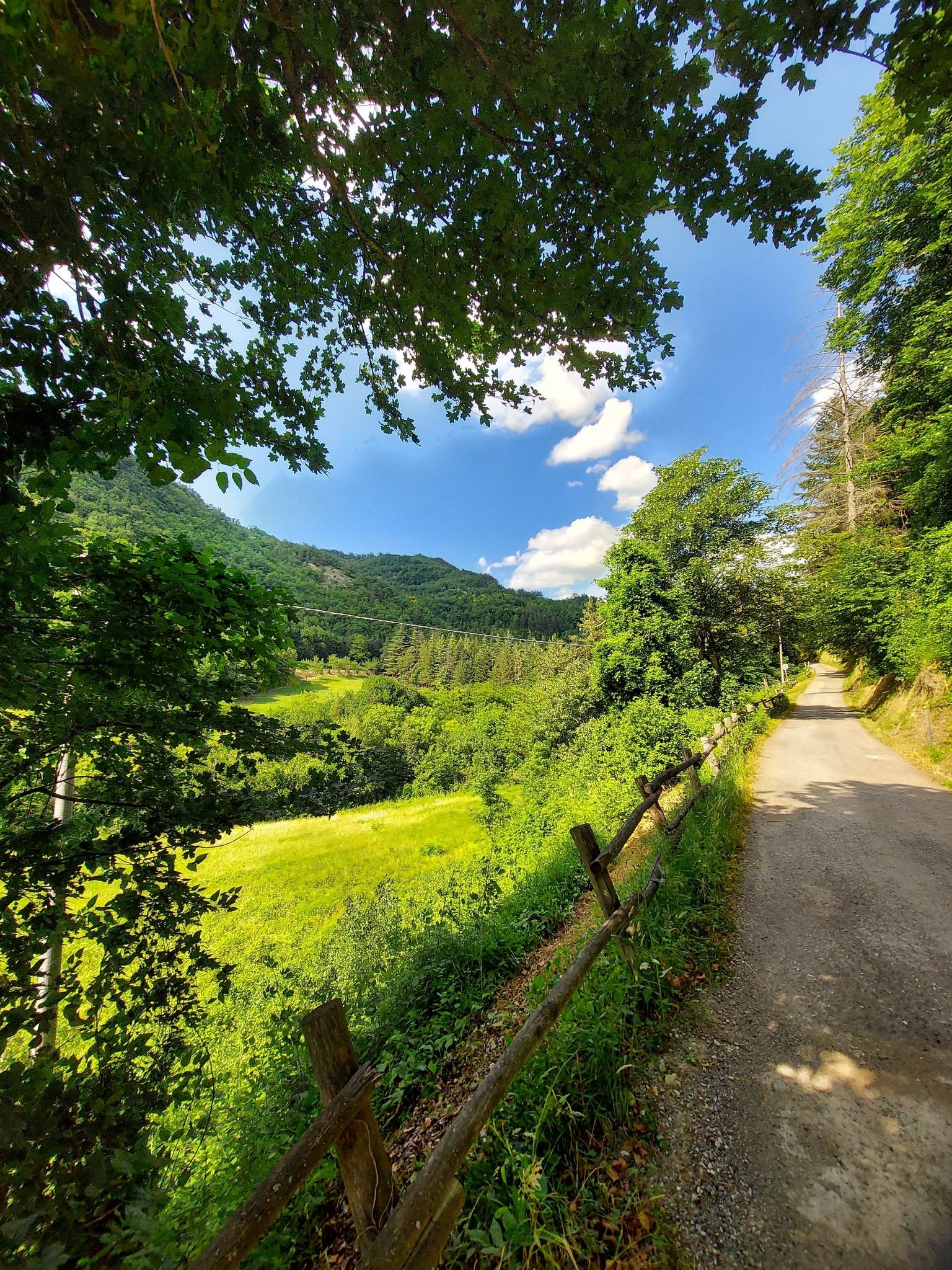
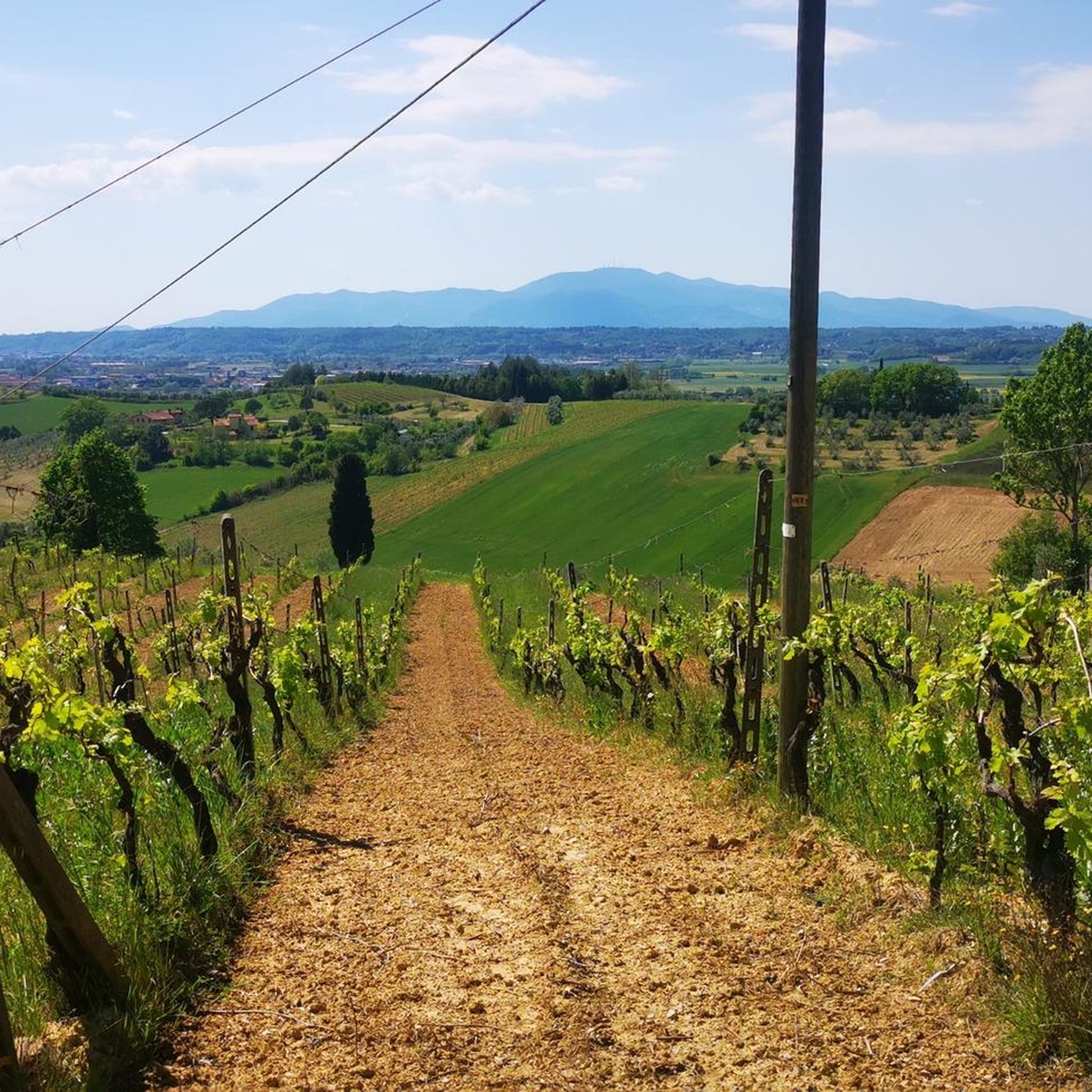
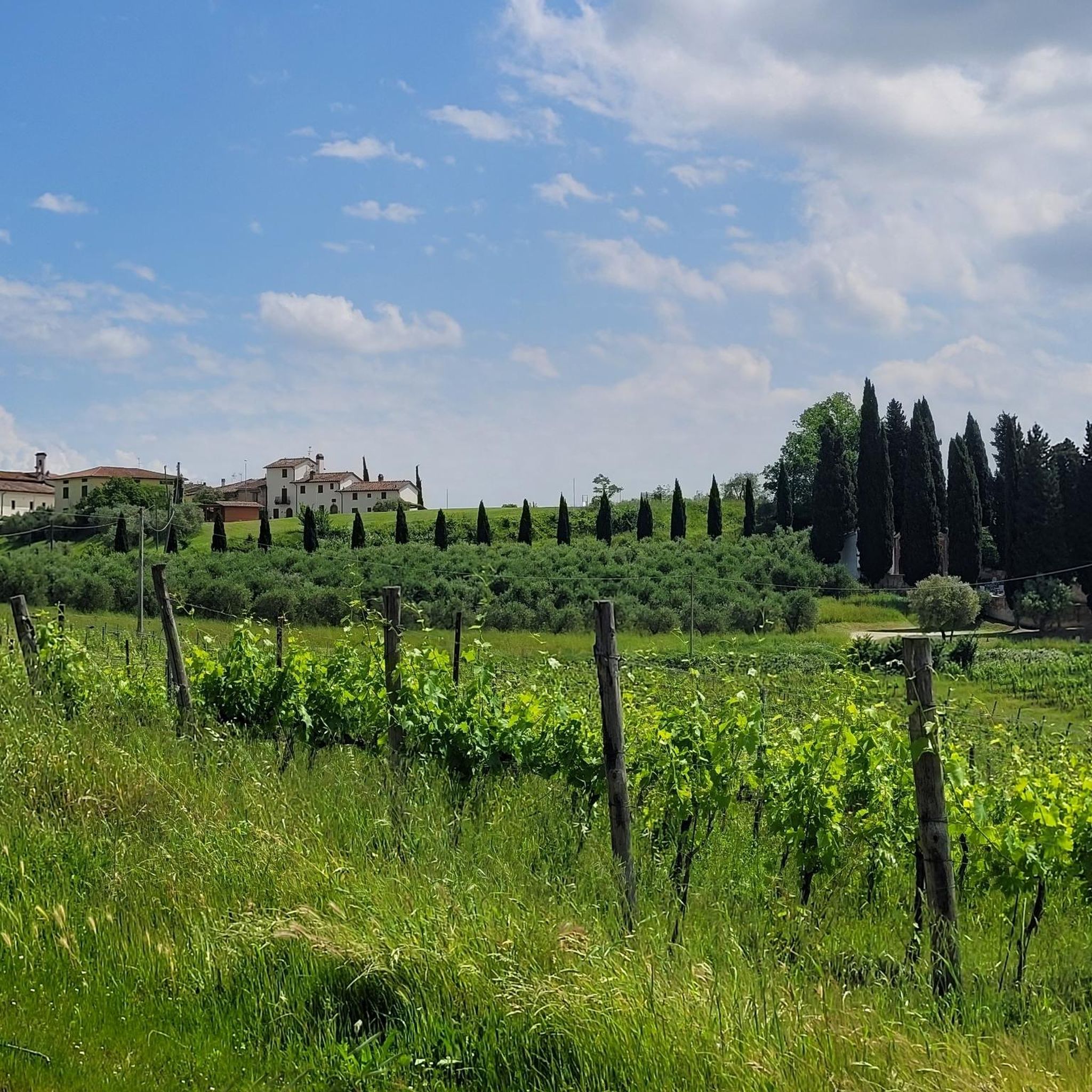
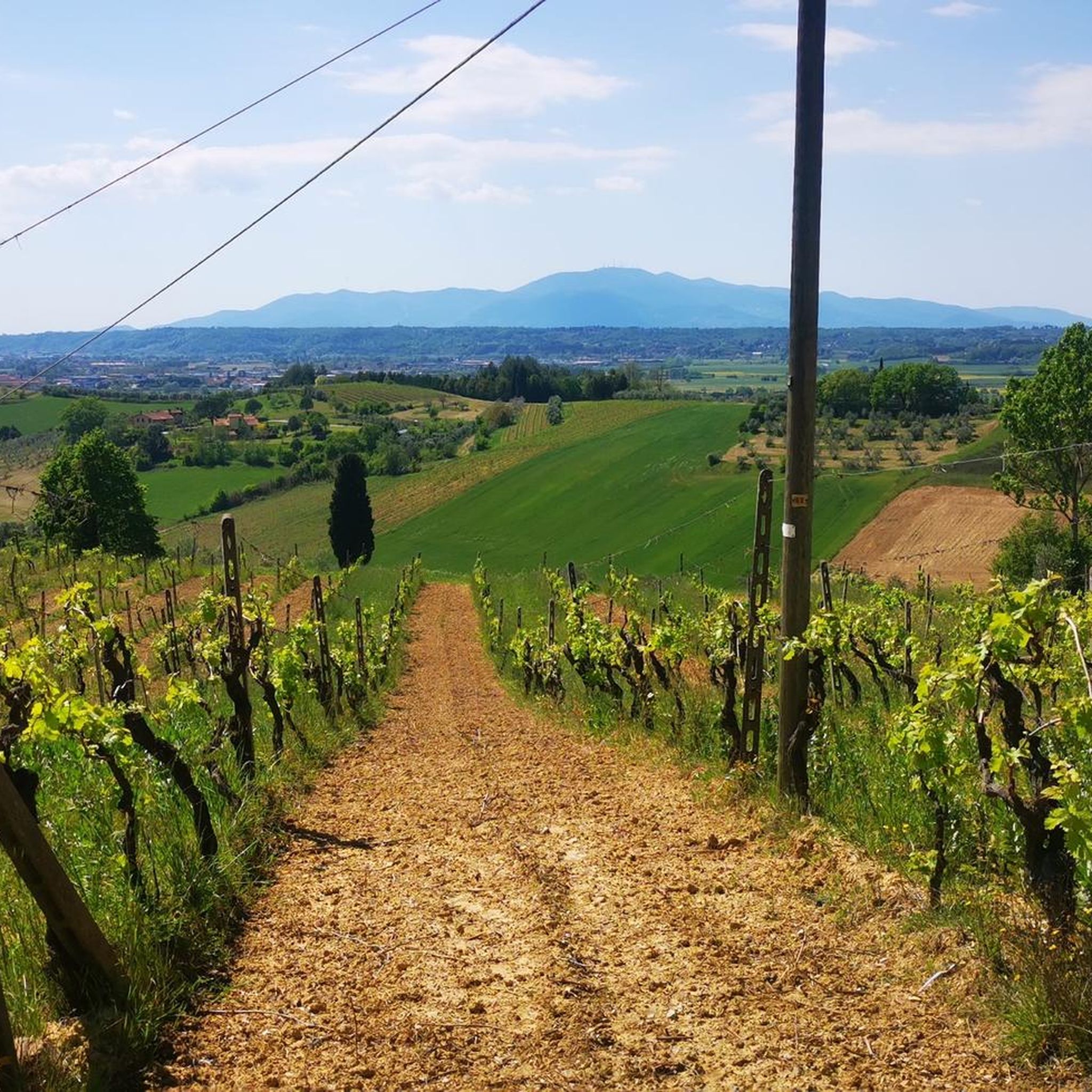
Mountain biking around Fucecchio features diverse terrain, from the expansive wetlands of the Padule di Fucecchio to the gentle profiles of the Cerbaie Hills and wooded areas of Montalbano. The region is characterized by a network of trails, including "strade bianche" (gravel roads), that traverse varied landscapes. Riders can explore areas around Lago di Roffia and follow scenic paths along the Usciana Canal, offering a mix of flat sections and moderate climbs. This area provides a range of natural features…
Last updated: August 30, 2026
4.0
(1)
2
riders
50.7km
03:47
140m
140m
Moderate mountain bike ride. Good fitness required. Advanced riding skills necessary.
4.3
(10)
34
riders
34.4km
01:58
60m
60m
Easy mountain bike ride. Great for any fitness level. Suitable for all skill levels.

Sign up for free
5.0
(2)
31
riders
Moderate mountain bike ride. Good fitness required. Suitable for all skill levels.
5.0
(4)
18
riders
50.7km
04:07
960m
960m
Hard mountain bike ride. Very good fitness required. Advanced riding skills necessary.
13
riders
51.6km
03:28
790m
790m
Moderate mountain bike ride. Good fitness required. Suitable for all skill levels.
Get access to more routes and recommendations from other explorers.
Sign up for free
Already have an account?
Our route recommendations are based on thousands of hikes, rides, and runs completed by other people on komoot.
Start today with a free account
Your next adventure awaits.
Login or Signup

Other adventures around Fucecchio

Tips from the Community

A bit of tall grass along this stretch
0
0

Lake Roffia (also known as the Roffia Rowing Basin) is a body of water located in the hamlet of Roffia, in the municipality of San Miniato in the province of Pisa, originally formed by the overflows of the Arno River. Today the area is an important expansion basin for the hydraulic safety of the territory and a lively river park dedicated to water sports and leisure.
0
0

Piazza dei Guidi, designed by Mimmo Paladino in 2006, reorganizes the urban space with stone slabs arranged in a geometric grid. The surfaces are engraved with motifs typical of his artistic universe, recalling symbols and archetypes. The work seeks to create a dialogue between contemporary and traditional, transforming the square into a place of reflection and encounter, where everyday space also becomes an aesthetic experience.
1
0
In Piazza Guido Masi, beneath Vinci Castle, stands a wooden sculpture depicting the Vitruvian Man in three dimensions. It was created by Mario Ceroli in 1967, titled Squilibrio (Imbalance), and donated to the Municipality twenty years later. The work does not faithfully reproduce Leonardo's drawing: the figure is inserted into a cube and a sphere, but the proportions are not perfect. Ceroli thus sought to evoke the gap between the ideal harmony of the Renaissance and the uncertainty of the contemporary world.
1
0
Cycling through the hills of Montalbano, a region that is part of the Chianti DOCG denomination, you come across a timeless place: the Abbey of San Giusto al Pinone. This Romanesque church dates back to the 12th century, and it is said that its bell, the "Sperduta," was rung to guide travelers lost in the dense surrounding woods. Today, the imposing stone apse and its solitary naves tell the story of a glorious past, retaining a unique, timeless charm.
1
0

Impressive place and beautiful hike from the city of Vinci along the "Strada Verde" hiking trail.
1
0

You have to have been there at least once.
2
0

Here, visitors can visit the birthplace of the Italian polymath LEONARDO da VINCI (1452 to 1519). Throughout his life, he was involved in various arts (especially painting, sculpture and architecture) as well as in scientific research (e.g. anatomy), and was an inventor and engineer. The place of burial, however, is located in Amboise (Ile-de-France) in France. The assumption that he was buried there in the Hubertus Chapel (if you are interested, see https://www.komoot.com/de-de/highlight/958658 ) is not scientifically proven, but is not implausible either, because da VINCI spent the last years of his life in the neighboring castle Le Clos Lucé, where the French king had invited him, and died there on May 2, 1519.
2
0
Frequently Asked Questions
What kind of terrain can I expect on mountain bike trails around Fucecchio?
Mountain biking around Fucecchio offers diverse terrain, ranging from the expansive wetlands of the Padule di Fucecchio to the gentle profiles of the Cerbaie Hills and wooded areas of Montalbano. Many routes utilize "strade bianche" (gravel roads) and scenic paths along the Usciana Canal, providing a mix of flat sections and moderate climbs.
How many mountain bike trails are available in the Fucecchio area?
There are 29 mountain bike tours available around Fucecchio. These include 10 easy routes, 17 moderate routes, and 2 difficult routes, catering to various skill levels.
Are there any family-friendly mountain bike trails in Fucecchio?
Yes, Fucecchio offers several easy and moderate trails suitable for families. The region's gentle hills and well-maintained gravel roads, particularly within the Padule di Fucecchio, provide accessible options for a pleasant family outing. Look for routes marked as 'easy' or 'moderate' on komoot for suitable choices.
What are some scenic points of interest I can see while mountain biking in Fucecchio?
The Fucecchio area is rich in natural beauty and historical sites. You can cycle through the unique landscapes of the Padule di Fucecchio, Italy's largest inland marsh, offering excellent birdwatching opportunities. Other notable sights include the Vitruvian Man Sculpture in Vinci, the historic Medici Bridge at Ponte a Cappiano, and various castles like Rocca del Cerruglio. The View from the Via Francigena – View of San Miniato loop offers historical context and scenic vistas.
Are dogs allowed on the mountain bike trails in Fucecchio?
While many natural areas in Italy are generally dog-friendly, it's always best to keep dogs on a leash, especially in protected areas like the Padule di Fucecchio, which is a significant wetland for birdlife. Always ensure your dog is well-behaved and that you clean up after them. Check local signage for specific restrictions.
What is the best time of year for mountain biking in Fucecchio?
The best seasons for mountain biking in Fucecchio are typically spring (April-June) and autumn (September-October). During these months, the weather is milder, and the landscapes are particularly vibrant. Summer can be hot, especially in July and August, while winter can bring cooler, wetter conditions.
Are there any circular mountain bike routes in Fucecchio?
Yes, many of the mountain bike routes in Fucecchio are designed as loops, allowing you to start and finish at the same point. Examples include the Fucecchio Marshes Loop and the Vineyard Trail Near Montecarlo – Lake Roffia loop. These circular routes make planning your ride more convenient.
What do other mountain bikers say about the trails in Fucecchio?
The mountain bike routes in Fucecchio are highly rated by the komoot community, with an average score of 4.2 stars from over 39 reviews. Riders often praise the diverse terrain, the unique experience of cycling through the marshlands, and the scenic views of the Tuscan countryside.
Is there parking available near the mountain bike trails in Fucecchio?
Yes, parking is generally available at various access points to the trails, particularly near the Padule di Fucecchio and in the towns surrounding the trailheads. Specific parking information can often be found on individual komoot tour pages or local tourism websites.
Can I access Fucecchio's mountain bike trails using public transport?
Fucecchio is accessible by public transport, primarily buses, which connect it to larger towns and cities in Tuscany. While public transport can get you to Fucecchio, reaching specific trailheads within the Padule or Cerbaie Hills might require a short ride or walk from the nearest bus stop. Planning your route in advance with local transport schedules is recommended.
Are there any cafes or pubs near the mountain bike trails in Fucecchio?
Yes, you'll find various cafes, restaurants, and pubs in Fucecchio itself and in the charming villages scattered throughout the region. Many of these establishments are accustomed to cyclists and offer a welcoming stop for refreshments before or after your ride. The area around the Padule di Fucecchio also has some local eateries.
What are the most challenging mountain bike trails in Fucecchio?
For experienced mountain bikers seeking a challenge, Fucecchio offers a couple of difficult routes. These include the View from the Via Francigena – View of San Miniato loop, which covers nearly 60 km with significant elevation gain, and the Sant'Alluccio Tower – Start of Etrusco Trail loop, also featuring substantial climbs and distance.
Most popular routes around Fucecchio
Most popular attractions around Fucecchio

Get inspired with the komoot mobile app


Explore more
Browse the best MTB trails in other regions.
