Top 11 Castles around Senerchia
Best castles around Senerchia are found in a region characterized by its historical depth and natural landscape, situated on the border with the Monti Picentini Regional Park. The area features ancient settlements and fortresses, offering insights into medieval architecture and feudal history. Positioned overlooking the Sele Valley, these sites provide expansive views of the surrounding terrain. The combination of historical ruins and the natural environment makes Senerchia a notable destination for exploring the past.
Best castles around Senerchia
- The most…
Last updated: June 30, 2026
Ruins of the Castle of Senerchia
Highlight • Castle
Translated by Google •
Tip by

Old Senerchia: the ghost village
Highlight (Segment) • Historical Site
Translated by Google •
Tip by

Sign up now to discover places like this
Get recommendations on the best single tracks, peaks, & plenty of other exciting outdoor places.
Sign up for free
Medieval Village of Quaglietta
Highlight • Historical Site
Translated by Google •
Tip by

Alleys of the Castle of Quaglietta
Highlight • Castle
Translated by Google •
Tip by
Senerchia
Highlight • Settlement
Translated by Google •
Tip by
Sign up for free to discover even more castles around Senerchia.
Sign up for free
Already have an account?
Start today with a free account
Your next adventure awaits.
Login or Signup
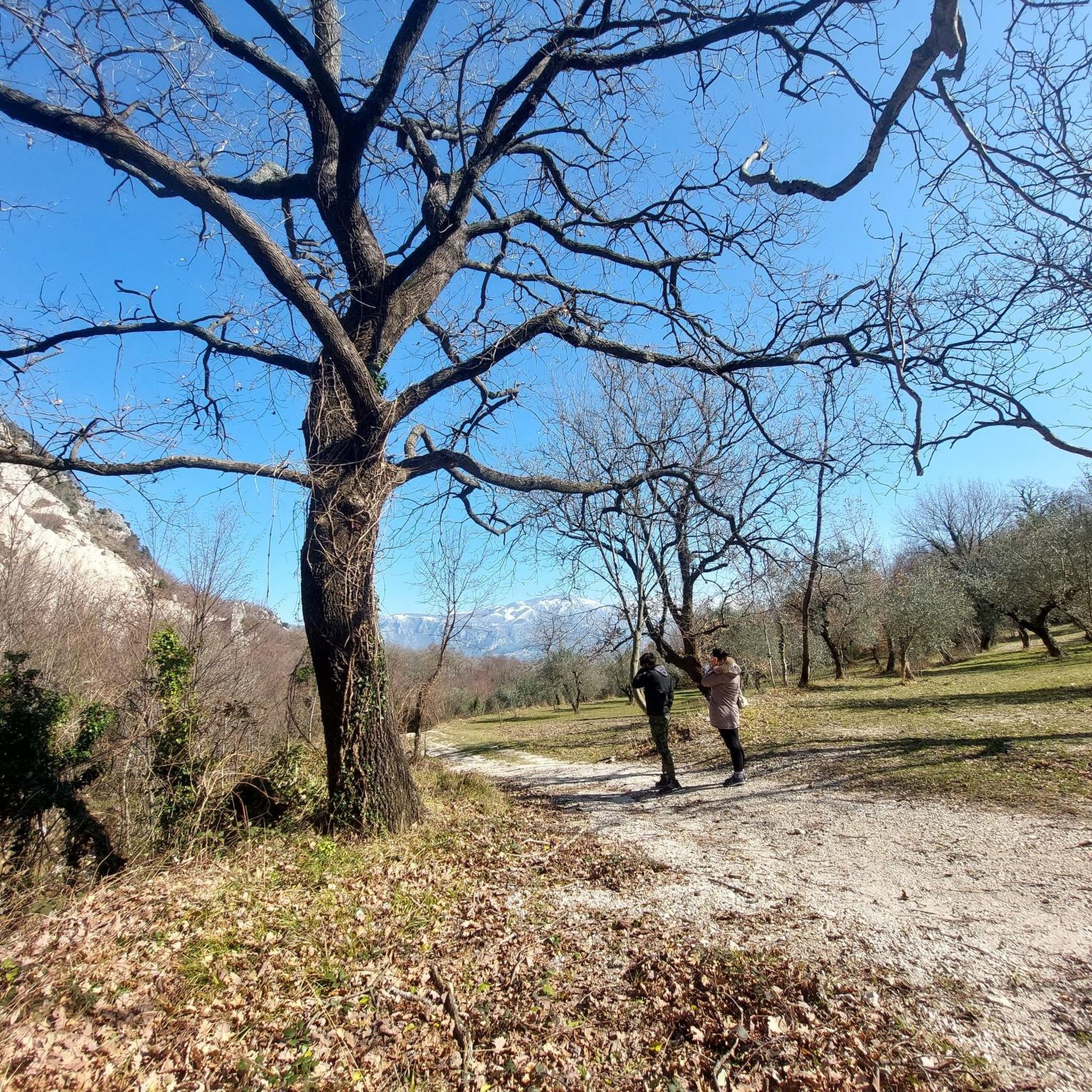
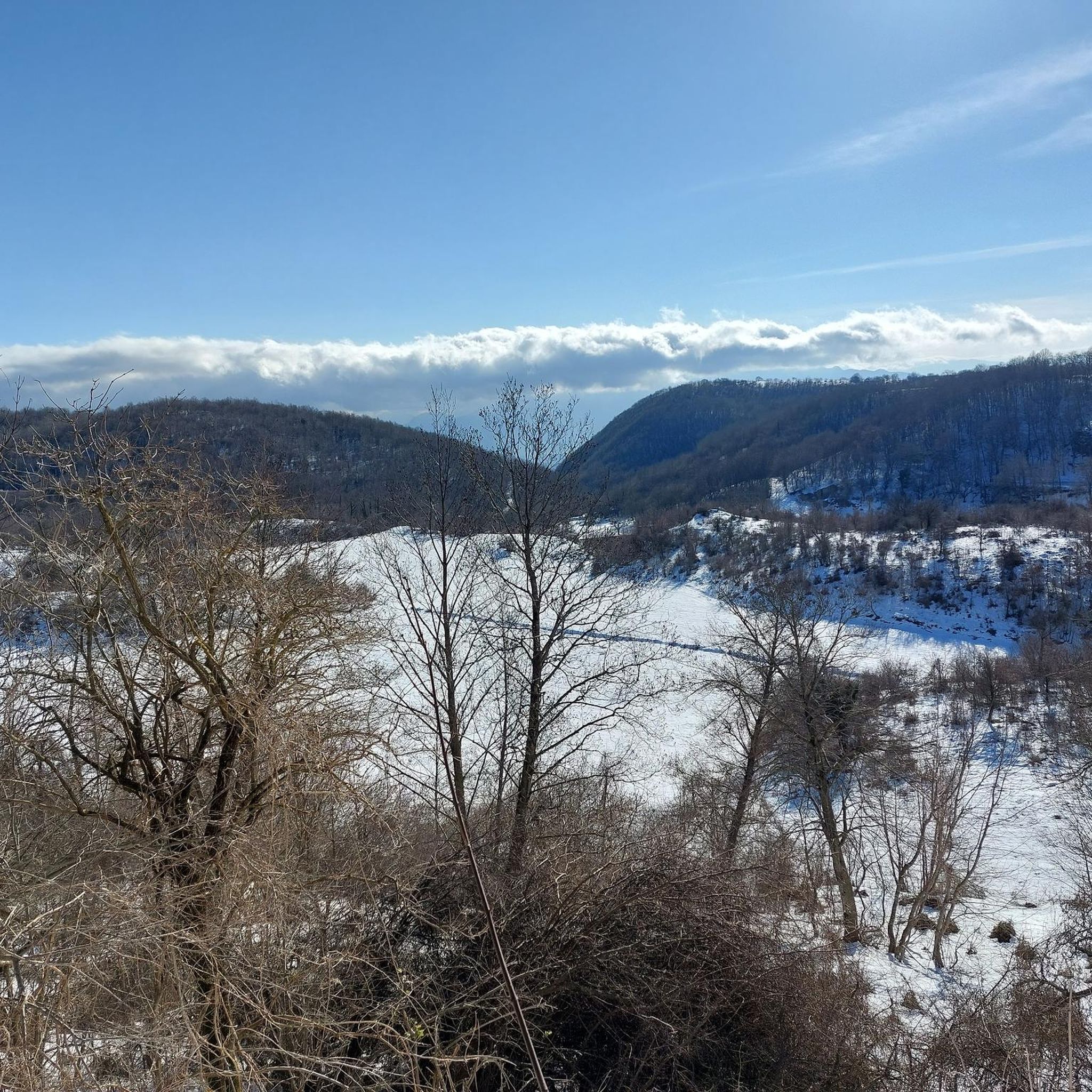
Other adventures around Senerchia

Tips from the Community

Some images of the small town of Senerchia. https://it.wikipedia.org/wiki/Senerchia
2
0
Beautiful effigy of Saint Rocco.
3
0
A sign of centuries-old charm that has remained unchanged over time, the medieval village of Quaglietta is an important historical testimony to the Lombard domination in Irpinia: with its castle and its Albergo Diffuso, it offers unique sensations in a magical and fairytale setting.
8
0
Effigy of Saint Rocco, patron saint of the hamlet of Quaglietta, a small hamlet in the municipality of Calabritto, in the province of Avellino.
10
0
Houses overlooking Senerchia's main street, Corso Garibaldi.
12
0
Effigy of San Rocco, patron saint of the small hamlet of Quaglietta.
12
0
The rocky outcrop on which the medieval village of Quaglietta and its castle stand.
12
0
A beautiful view of Quaglietta Castle. The fortified village of Quaglietta, located in the municipality of Calabritto, is home to a castle that, according to legend, was built as a military garrison, a Lombard organizational and defensive structure, undoubtedly favored by its strategic location on the rocky outcrop on which it stands, in the center of the valley. The fort created a barrier against Saracen attacks.
12
0
Frequently Asked Questions
What historical sites can I explore near the castles in Senerchia?
Beyond the castles, you can explore the fascinating Old Senerchia: the ghost village. This ancient settlement, dating back to the Middle Ages, was largely abandoned after a devastating earthquake in 1980, offering a poignant glimpse into the area's past and resilience.
Are there any fortified villages to visit in the Senerchia area?
Yes, the Fortified Village of Quaglietta is a must-see. This unique medieval village, built entirely of stone, hosts a castle that served as a military garrison, strategically positioned on a rocky outcrop in the center of the valley.
What kind of views can I expect from the castles in Senerchia?
The Ruins of the Castle of Senerchia, situated on the highest part of the town, offer breathtaking panoramic views of the surrounding Sele Valley and the modern town below. Similarly, the Alleys of the Castle of Quaglietta also provide beautiful vistas of the fortified village and its surroundings.
What are the best outdoor activities to do near the castles?
The region around Senerchia, bordering the Monti Picentini Regional Park, offers various outdoor activities. You can find numerous hiking trails, including easy walks like the Tuorno Waterfall Trail, or more challenging routes like Monte Altillo. There are also running trails and road cycling routes available.
Are there family-friendly options for exploring the castles?
While the primary castle ruins might involve some demanding sections, exploring the ancient settlements like the Old Senerchia: the ghost village can be an engaging experience for families interested in history. For walks, consider easier hiking trails nearby, such as the Tuorno Waterfall Trail, which is rated as easy.
What is the best time of year to visit the castles in Senerchia?
Spring and autumn are generally ideal for visiting the castles and exploring the surrounding area. The weather is milder, making it comfortable for walking and enjoying the panoramic views without the intense heat of summer or the potential for snow in winter. These seasons also offer beautiful natural scenery.
What should I wear when visiting the castles, especially in autumn?
For autumn visits, it's recommended to wear layers as temperatures can vary. Sturdy shoes are suggested, especially for exploring the Ruins of the Castle of Senerchia and the Old Senerchia: the ghost village, as the terrain can be uneven and the final stretch to the castle ruins is demanding.
Is parking available near the Senerchia castle ruins?
While specific parking details for the immediate castle ruins are not extensively documented, visitors typically park in the modern town of Senerchia and then proceed towards the ancient village and castle ruins. It's advisable to check local signage upon arrival.
How long does it take to visit the main castle sites in Senerchia?
To fully appreciate the Ruins of the Castle of Senerchia and the adjacent Old Senerchia: the ghost village, allow at least half a day. If you plan to include the Fortified Village of Quaglietta, which is in a nearby municipality, a full day or more would be ideal to explore at a relaxed pace.
Are there any easy walking paths near the castles for a relaxed stroll?
Yes, while some paths to the castle ruins can be demanding, there are easier walking paths in the broader Senerchia area. For example, the Tuorno Waterfall Trail, part of the hiking routes around Senerchia, is rated as easy and offers a pleasant experience.
Can I bring my dog to the castle areas and nearby trails?
Many outdoor areas and trails in the Monti Picentini Regional Park, which borders Senerchia, are generally dog-friendly. When visiting historical sites like the castle ruins or the ghost village, it's best to keep dogs on a leash and be mindful of other visitors and any specific local regulations.
What are the historical origins of the castles in Senerchia?
The Ruins of the Castle of Senerchia have a long history, believed to have been built and expanded by the Lombards and Normans between the 8th and 9th centuries AD, with documented history dating back to 1230. The Fortified Village of Quaglietta also has medieval origins, serving as a military garrison.
Are there any cafes or restaurants near the Senerchia castle sites?
The modern town of Senerchia, located below the ancient castle ruins, offers local amenities including cafes and restaurants where you can find refreshments and traditional cuisine after exploring the historical sites.
Most popular attractions around Senerchia

Get inspired with the komoot mobile app


Explore more
Looking for the best castles somewhere else? Discover other guides around Senerchia:
