Top 5 Castles around Serramezzana
Best castles around Serramezzana are found within the ancient town of Serramezzana, located in Italy's Cilento and Vallo di Diano National Park. This region's historical architectural heritage is primarily represented by fortified palaces and ancient churches, rather than traditional medieval castles. Serramezzana offers a journey through narrow streets and old houses, reflecting its origins dating back to 1073. The area features notable historical sites around Serramezzana, providing insight into its rich past.
Best castles around Serramezzana
- The most popular castles…
Last updated: August 23, 2026
Castello dell'Abate
Highlight • Castle
Translated by Google •
Tip by

Museo Vivo del Mare, Palazzo Vinciprova
Highlight • Historical Site
Translated by Google •
Tip by

Sign up now to discover places like this
Get recommendations on the best single tracks, peaks, & plenty of other exciting outdoor places.
Sign up for free
Rocca Cilento Castle
Highlight • Castle
Translated by Google •
Tip by

De Vargas Castle and Ala Pila Fountain
Highlight • Castle
Translated by Google •
Tip by
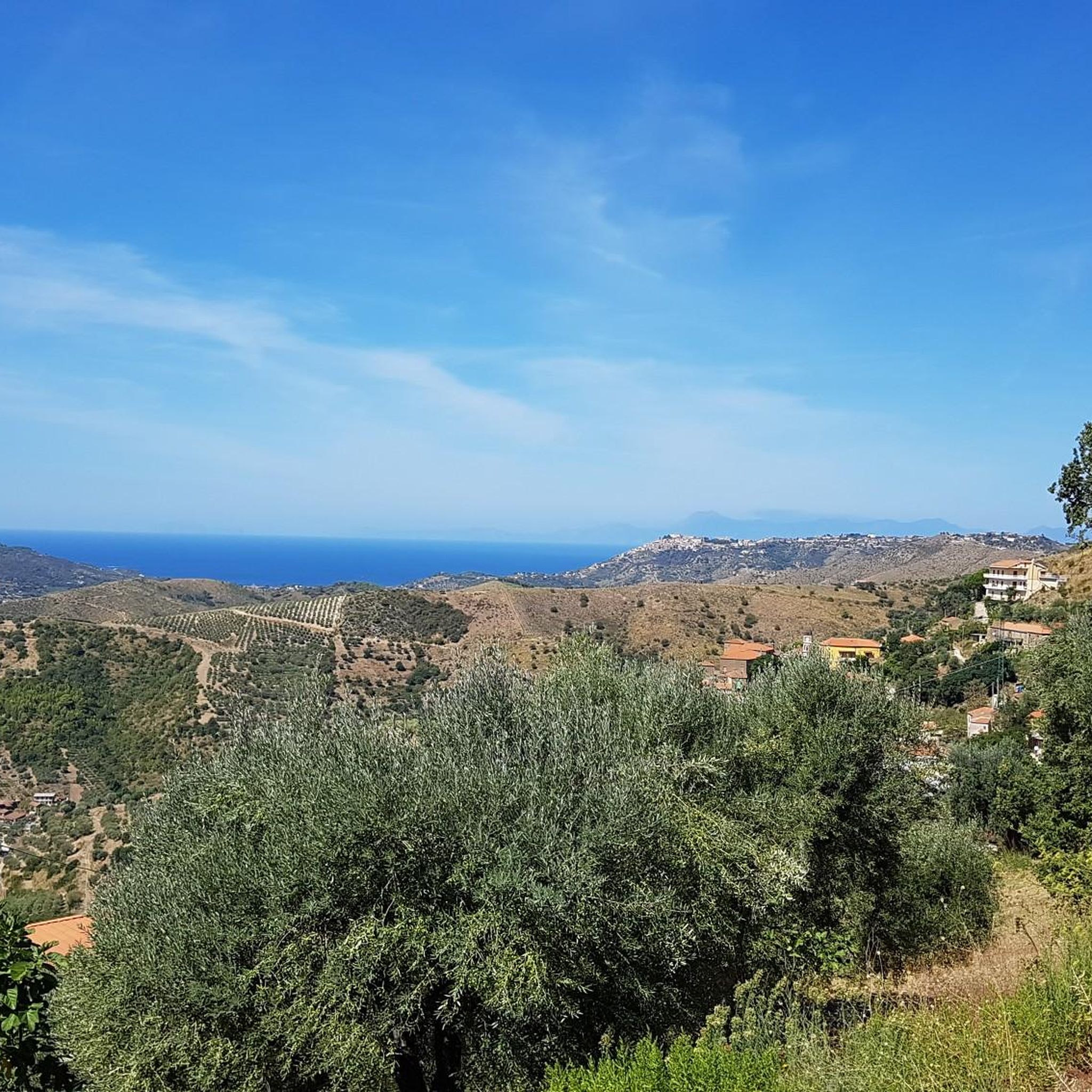
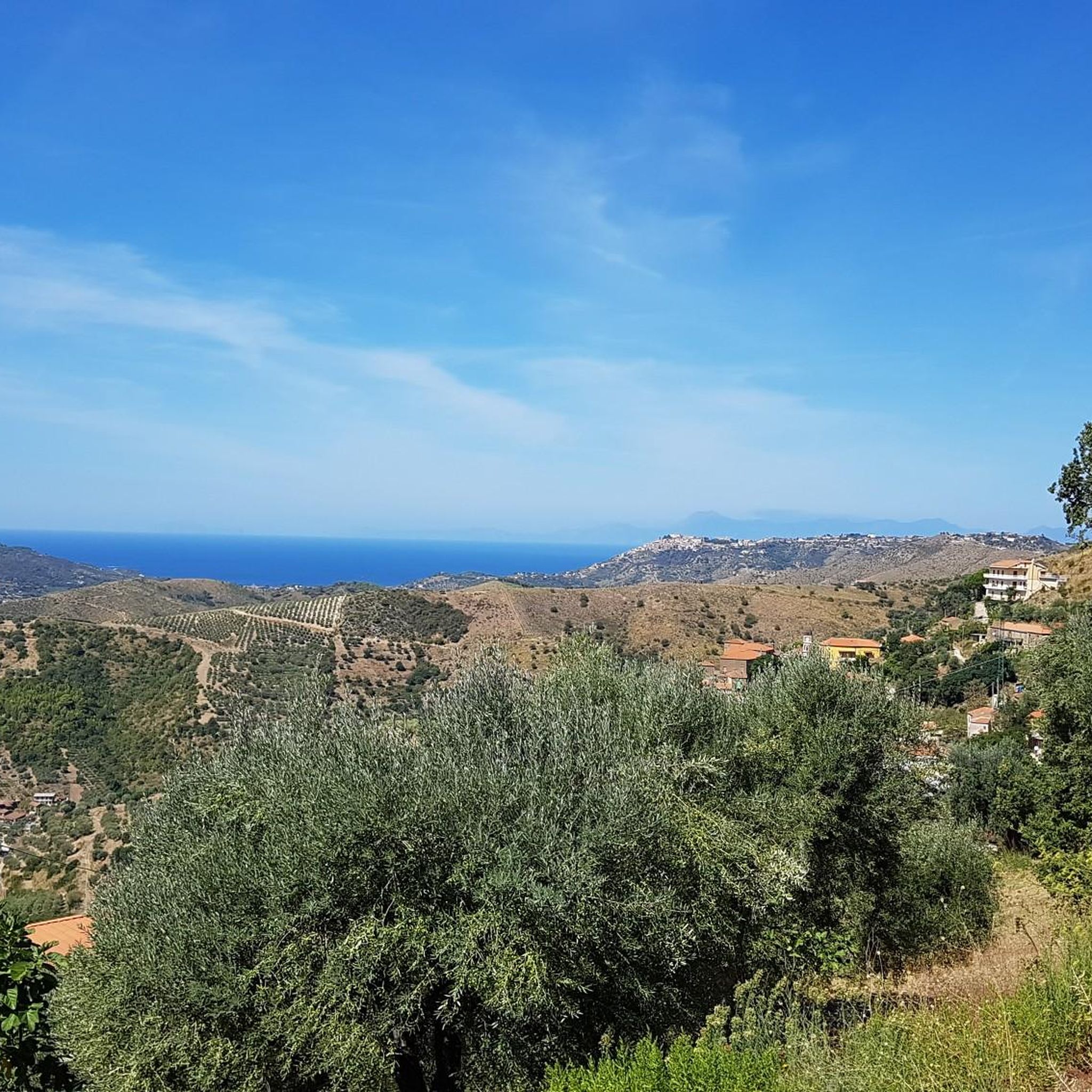
View of Rocca Cilento and the coast
Highlight • Viewpoint
Translated by Google •
Tip by

Start today with a free account
Your next adventure awaits.
Login or Signup
Tips from the Community

Spectacular arrival at Rocca Cilento in front of its spectacular castle
0
0

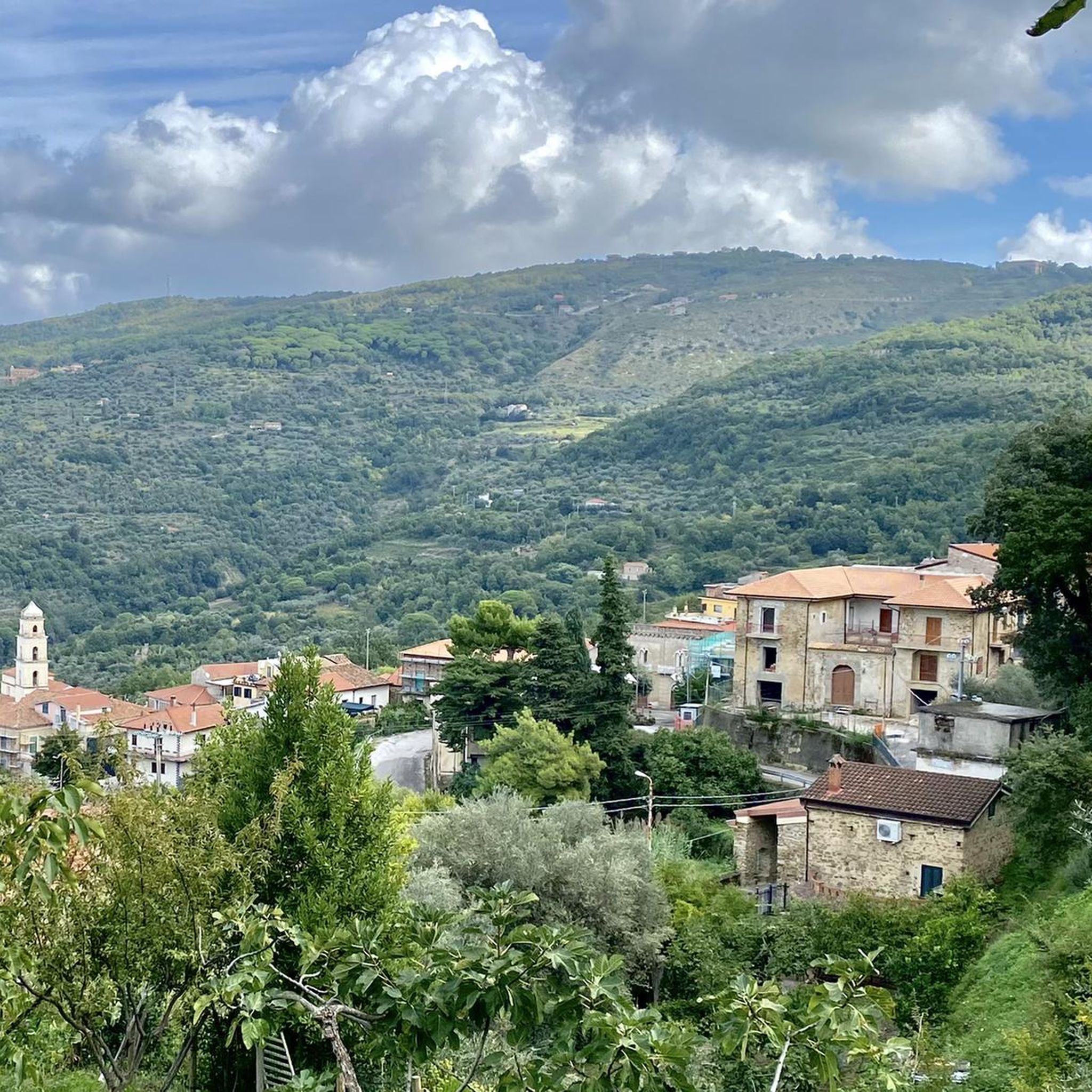
Splendid al fresco village with a huge castle, transformed into a residence for parties and conferences.
1
0

Nice to look at and good for biking
1
0

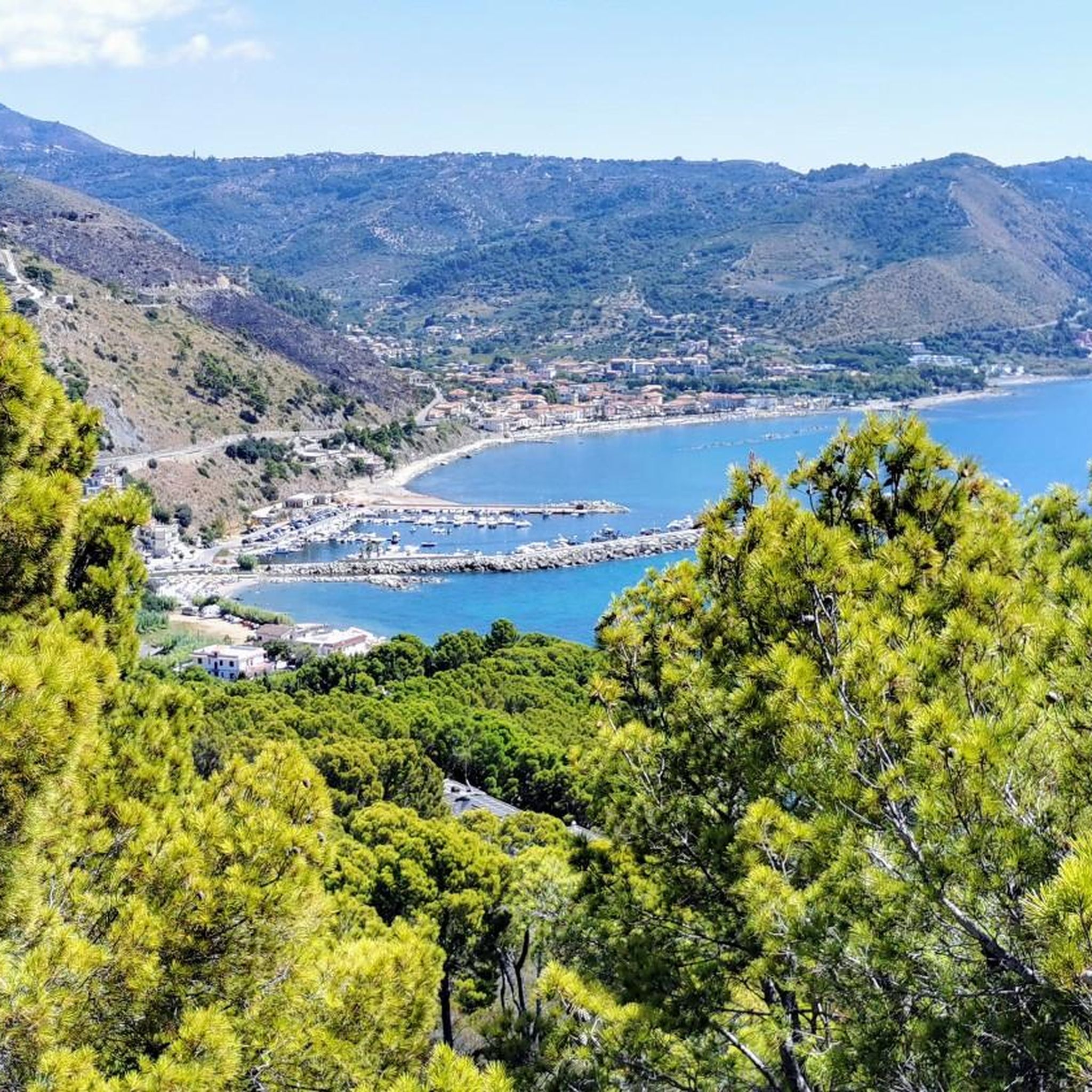
View of the seaside town a few meters earlier. At the highlight there is only an overgrown football pitch to see
1
1
Super cool from the outside. In summer there is a sunbar that is open from 6 p.m., then you can also see it from the inside
0
0
Museum in a small town
2
0
Museum in a small town.
1
0

Its toponym derives from the castle of Sant'Angelo, built by the abbot Costabile Gentilcore on the homonymous hill. After his death, the fortress was named by the local population after its creator, giving rise to the name of the village according to this etymological line: Castrum abbatis > Castello de lo abbate > Castello dell'abbate > Castellabate.
0
0
Frequently Asked Questions
What kind of historical structures can I expect to find around Serramezzana?
While traditional medieval castles are less common directly in Serramezzana, the area is rich in fortified structures and historical sites. You'll find notable fortified palaces, such as the 18th-century Palazzo Materazzi in Serramezzana itself, and medieval castles in nearby towns like Castello dell'Abate and Rocca Cilento Castle.
Are there any castles near Serramezzana that offer panoramic views?
Yes, several castles in the region provide stunning views. Castello dell'Abate in Castellabate offers breathtaking views over the Cilento coast and the Tyrrhenian Sea. Similarly, from Rocca Cilento Castle, you can see the entire coast from Capo Palinuro to Punta Campanella.
What is Palazzo Materazzi in Serramezzana, and can I visit it?
Palazzo Materazzi is a significant historical fortified palace in Serramezzana, with parts dating back to the early 18th century. It features unique architectural elements, including a tower built with ancient stones bearing Greek letters, and ornate interiors. While some parts are available for rent, access for visitors is often upon request to the owners. It offers a deep dive into the region's noble history and architectural evolution.
Are there family-friendly historical sites or castles near Serramezzana?
Yes, the Museo Vivo del Mare, Palazzo Vinciprova in Pioppi is categorized as family-friendly. Housed in the historic Vinciprova Palace, it's a living museum of the sea, offering an engaging experience for all ages within a historical setting. The De Vargas Castle and Ala Pila Fountain in Vatolla is also considered family-friendly.
What outdoor activities can I do near the castles around Serramezzana?
The area around Serramezzana, being part of the Cilento National Park, offers various outdoor activities. You can find numerous routes for mountain biking, cycling, and gravel biking. For example, there are challenging MTB trails like the 'Monte Stella Loop from San Mauro Cilento' and scenic cycling routes such as the 'View of Pollica – Castello dell'Abate loop from Serramezzana'. You can explore more options in the MTB Trails around Serramezzana, Cycling around Serramezzana, and Gravel biking around Serramezzana guides.
Is there a castle near Serramezzana that has been converted into a hotel?
Yes, Castello di Laurino has been extensively restored and converted into a hotel. While it's not always open to the public for tours, its exterior architecture is highly appreciated, and you can visit the bar after 6 p.m.
What is the best time of year to visit the castles and historical sites in the Serramezzana region?
The Cilento region generally enjoys a mild Mediterranean climate. Spring (April-May) and early autumn (September-October) are often ideal, offering pleasant temperatures for exploring historical sites and engaging in outdoor activities without the intense heat of summer or the cooler, potentially wetter conditions of winter.
Are there any specific historical figures associated with the castles or palaces in this area?
Yes, for instance, the De Vargas Castle in Vatolla is notable for having hosted the Neapolitan philosopher Giovanbattista Vico for nine years in the 17th century. Additionally, Palazzo Vinciprova, which houses the Museo Vivo del Mare, has connections to Giuseppe Garibaldi's expedition through Pier Leone Vinciprova, one of the 'Thousand'.
What kind of natural features or viewpoints can I find near the castles?
The castles are often situated in locations that offer stunning natural vistas. For example, Castello dell'Abate provides views over the Cilento coast and the Tyrrhenian Sea. The entire region is part of the Cilento National Park, meaning you'll be surrounded by diverse landscapes, from coastal views to rolling hills.
What do visitors particularly enjoy about the castles and historical sites around Serramezzana?
Visitors appreciate the historical significance and the breathtaking views offered by many of these structures. The blend of ancient architecture with stunning natural backdrops, especially the coastal panoramas from places like Castello dell'Abate and Rocca Cilento Castle, is a major draw. The unique character of fortified palaces like Palazzo Materazzi also provides a deep cultural insight into the region's past.
Are there options for easy walks or beginner-friendly routes near the castles?
While specific 'easy castle walks' are not detailed, the historical villages where many of these structures are located, such as Serramezzana itself with its narrow streets, offer pleasant strolls. For outdoor activities, you can look for 'moderate' difficulty routes in the cycling or MTB guides, which might be suitable for beginners or those seeking less strenuous options. For example, the 'Start of the Punta Licosa Loop – Punta Licosa loop from San Marco' is a moderate gravel biking route.
Most popular attractions around Serramezzana

Get inspired with the komoot mobile app


Explore more
Looking for the best castles somewhere else? Discover other guides around Serramezzana:
