Top 6 Castles around Castellabate
Best castles around Castellabate are situated in a region known for its historical significance and elevated coastal views. The area features a charming medieval village perched on a hilltop, offering panoramic vistas of the Cilento Coast and the Tyrrhenian Sea. This location combines historical architecture with natural landscapes, providing a setting for exploration.
Best castles around Castellabate
- The most popular castles is Castello dell'Abate, a castle that stands 300 meters high, offering views over the Cilento coast and the…
Last updated: June 30, 2026
Agropoli Castle
Highlight • Castle
Translated by Google •
Tip by

Castello dell'Abate
Highlight • Castle
Translated by Google •
Tip by

Sign up now to discover places like this
Get recommendations on the best single tracks, peaks, & plenty of other exciting outdoor places.
Sign up for free
Rocca Cilento Castle
Highlight • Castle
Translated by Google •
Tip by

De Vargas Castle and Ala Pila Fountain
Highlight • Castle
Translated by Google •
Tip by
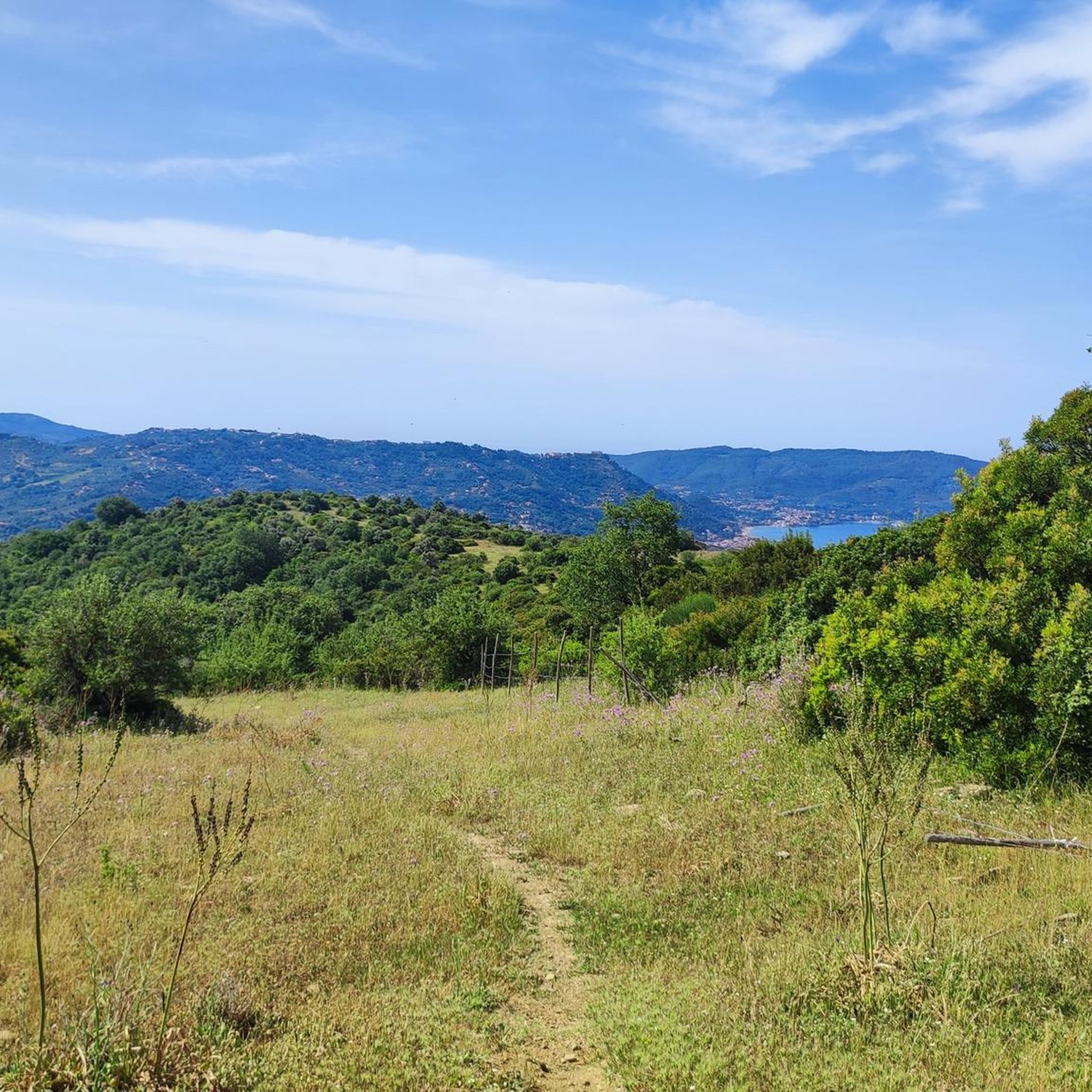
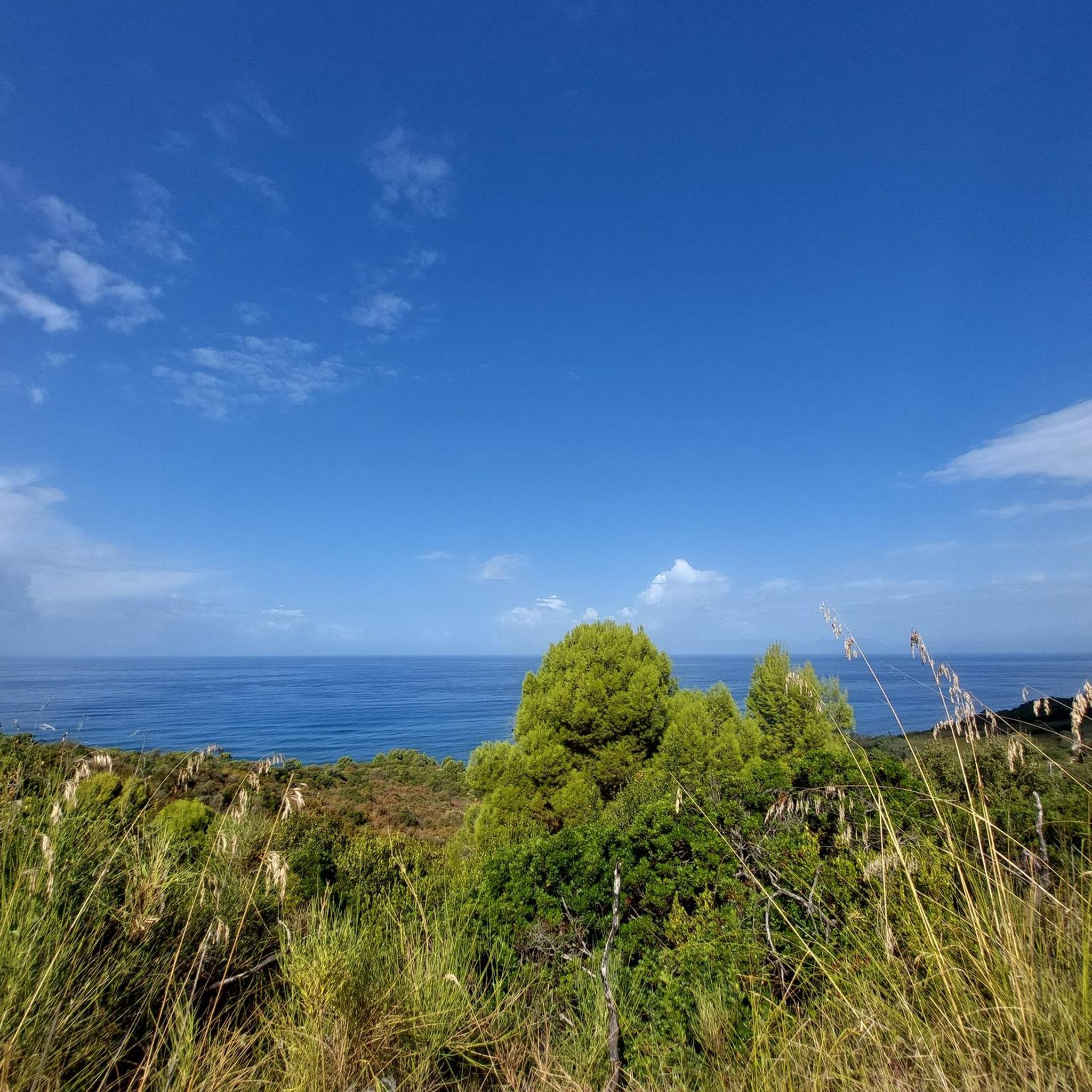
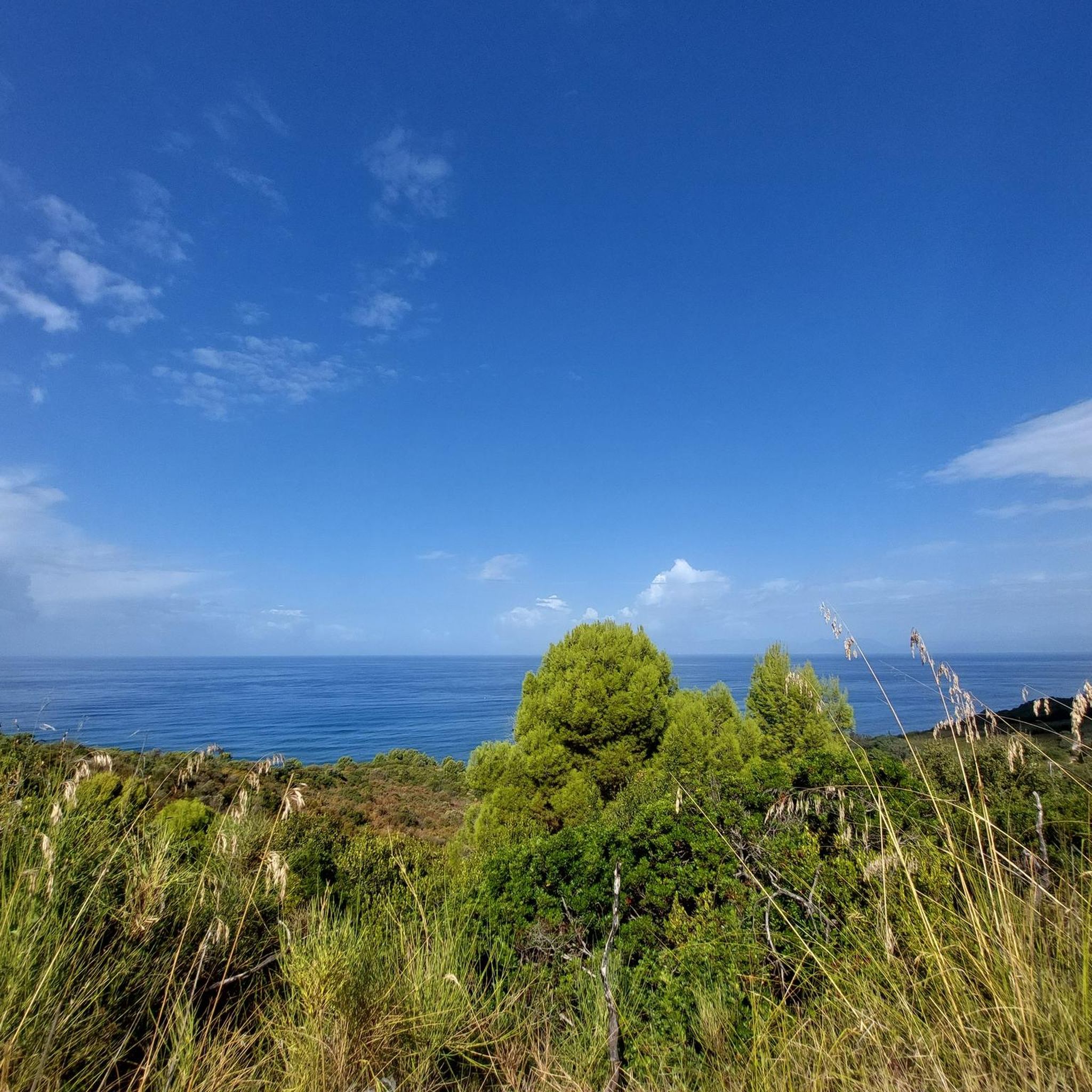
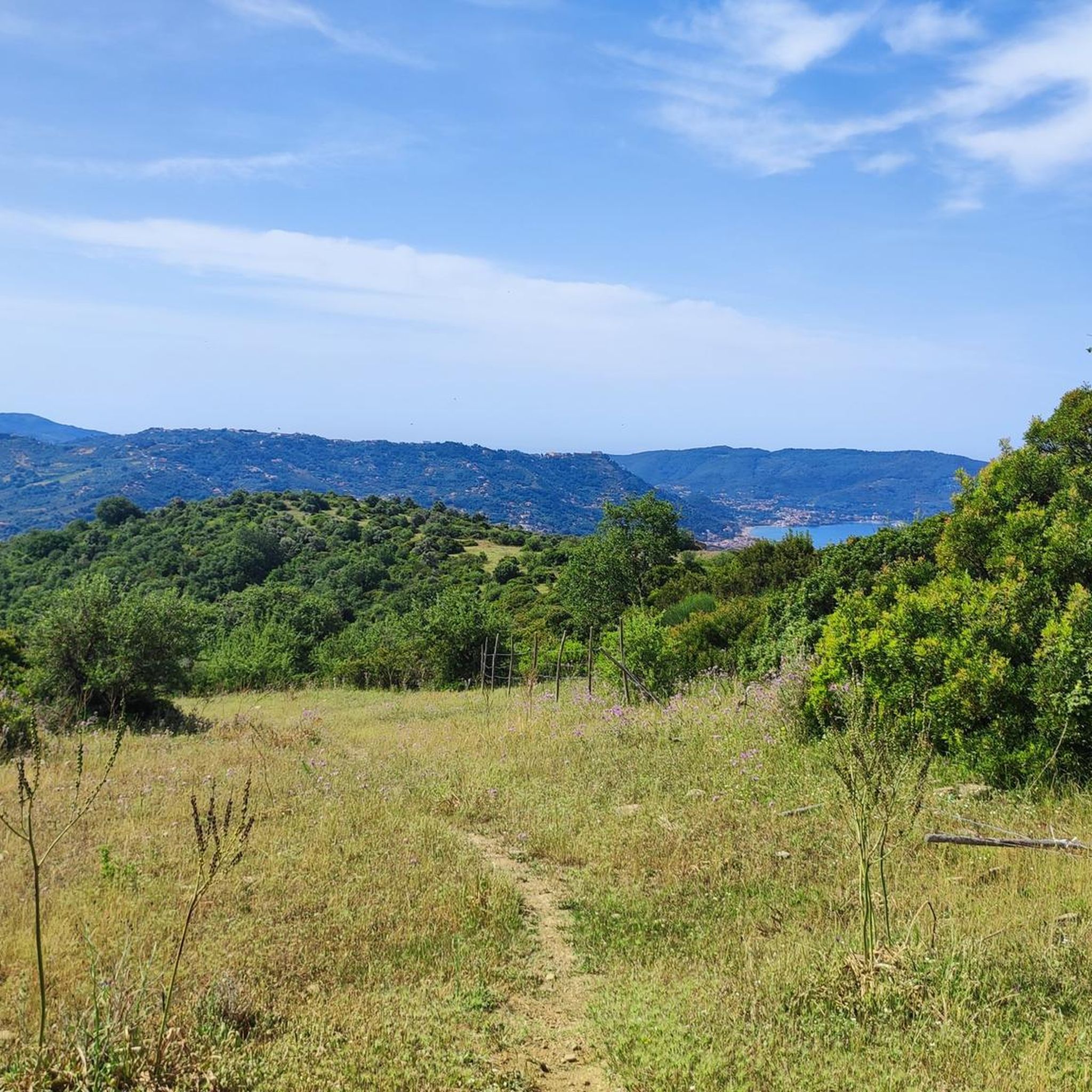
View of Rocca Cilento and the coast
Highlight • Viewpoint
Translated by Google •
Tip by

Sign up for free to discover even more castles around Castellabate.
Sign up for free
Already have an account?
Start today with a free account
Your next adventure awaits.
Login or Signup
Tips from the Community

Spectacular arrival at Rocca Cilento in front of its spectacular castle
0
0

Splendid al fresco village with a huge castle, transformed into a residence for parties and conferences.
1
0

View of the seaside town a few meters earlier. At the highlight there is only an overgrown football pitch to see
1
1
Super cool from the outside. In summer there is a sunbar that is open from 6 p.m., then you can also see it from the inside
0
0

Its toponym derives from the castle of Sant'Angelo, built by the abbot Costabile Gentilcore on the homonymous hill. After his death, the fortress was named by the local population after its creator, giving rise to the name of the village according to this etymological line: Castrum abbatis > Castello de lo abbate > Castello dell'abbate > Castellabate.
0
0

The castle is a hotel and unfortunately cannot be visited.
1
0

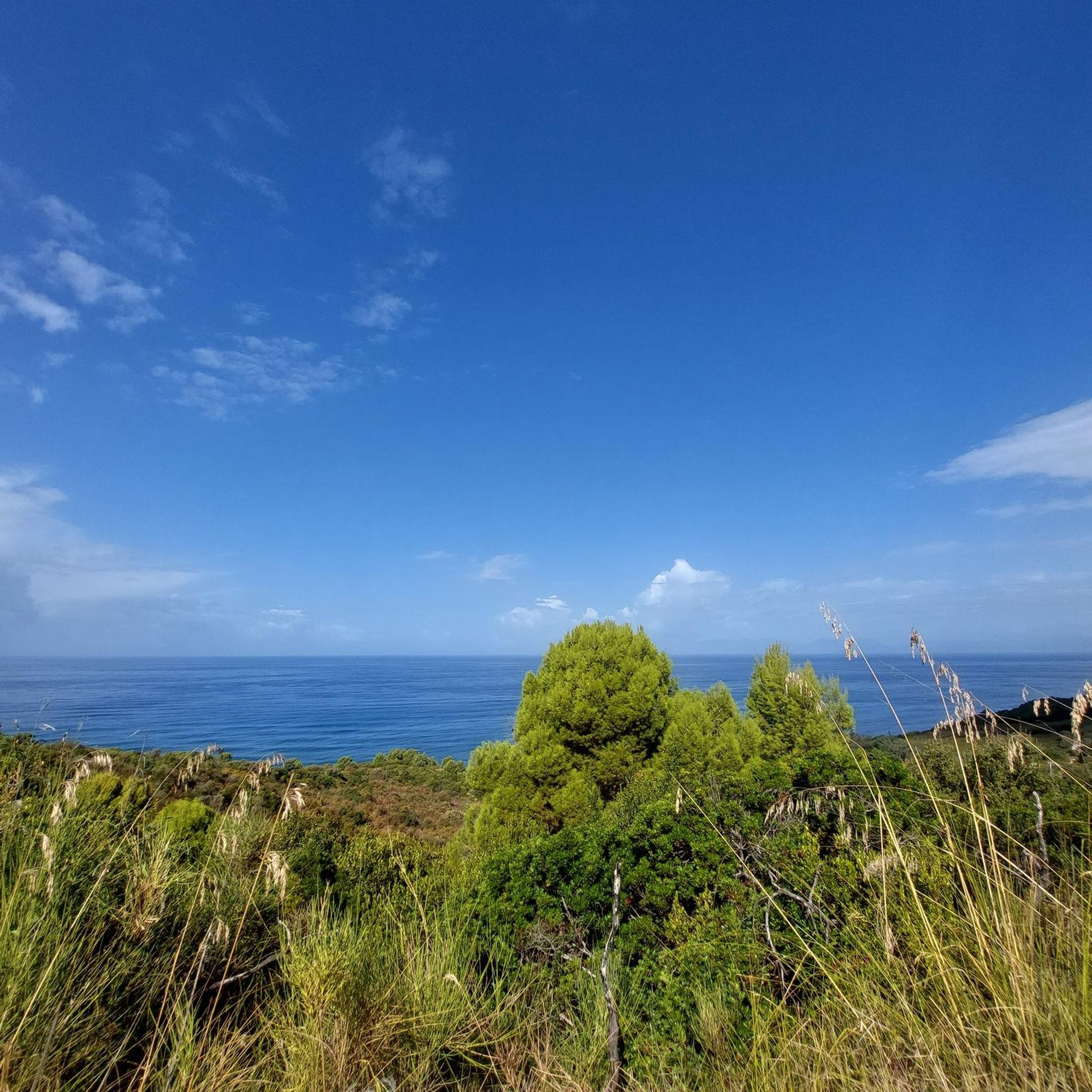
since 1119 the Norman castle of Rocca Cilento allows you to have a clear view of the entire coast from Capo Palinuro to Punta Campanella
1
0

The castle of Rocca Cilento, a fraction of the municipality of Lustra, probably dates back to the end of the 9th century in the Norman age. From here you dominate the whole valley, with breathtaking views and panoramas.
3
0
Frequently Asked Questions
What is the historical significance of the castles around Castellabate?
The castles in the Castellabate region are deeply rooted in its history. For instance, Castello dell'Abate, built in 1123 by Saint Costabile Gentilcore, was crucial for defending against Saracen attacks, giving the town its name, 'Castrum Abbatis'. Agropoli Castle showcases the Aragonese dominion, while Rocca Cilento Castle dates back to the Norman age in the 9th century, offering insights into the region's strategic past.
What kind of panoramic views can I expect from the castles?
Many castles in the area offer stunning panoramic views. From Castello dell'Abate, perched 300 meters high, you can see the entire Cilento Coast, extending to the Amalfi Coast and even Capri on clear days. Similarly, Rocca Cilento Castle provides a clear view of the coast from Capo Palinuro to Punta Campanella.
Are there family-friendly castles to visit near Castellabate?
Yes, several castles are suitable for family visits. Agropoli Castle is often open to the public for free and is categorized as family-friendly. The De Vargas Castle in Vatolla is also noted as a family-friendly historical site, offering a glimpse into local history.
What outdoor activities can I do near the castles in Castellabate?
The region around Castellabate offers various outdoor activities. You can explore the area on two wheels with numerous cycling routes. For mountain biking, check out the MTB Trails around Castellabate. Road cycling enthusiasts can find routes in the Road Cycling Routes around Castellabate guide, and there are also options for Gravel biking around Castellabate.
What is the best time of year to visit the castles in Castellabate?
The best time to visit the castles around Castellabate is generally during the spring (April-June) and autumn (September-October) months. During these periods, the weather is pleasant for exploring, and the views are often clear. Summer can be hot, while winter might bring cooler temperatures and occasional rain, though the historical sites remain accessible.
Are there any less-known or 'hidden' castles worth visiting?
While Castello dell'Abate and Agropoli Castle are well-known, the De Vargas Castle in Vatolla offers a unique historical context, having been home to philosopher Giovanbattista Vico. Another interesting site is Castello di Laurino, which has been extensively restored and now functions as a hotel, offering a different perspective on historical preservation.
How long does it typically take to visit a castle in the region?
The time required to visit a castle varies. For a prominent site like Castello dell'Abate, you might spend 1-2 hours exploring its historical elements, art museum, and enjoying the panoramic views from the Belvedere di San Costabile. Smaller castles or those integrated into villages might take less time, allowing for exploration of the surrounding area as well.
What are the parking options for exploring castles around Castellabate?
For castles located within or near historic villages, such as Castello dell'Abate in Castellabate or Agropoli Castle, parking is typically available in designated areas outside the historic centers. It's advisable to check local signage for parking regulations and fees, especially during peak season.
Are there cafes or restaurants near the castles?
Yes, the castles are often situated in or near charming villages that offer dining options. For example, Castello dell'Abate is located in the medieval village of Castellabate, which has numerous cafes and restaurants. Similarly, Agropoli Castle is close to the amenities of Agropoli's historic center.
What makes the village of Castellabate special in relation to its castle?
The village of Castellabate is intrinsically linked to Castello dell'Abate. The town's name itself, 'Castellabate,' means 'the castle of the abbot.' Perched on a hilltop, the castle forms the heart of this charming medieval village, recognized as one of Italy's most beautiful. Exploring the castle naturally leads to wandering through the village's cobbled streets and winding alleyways, offering an authentic historical atmosphere.
Can I visit the interior of the castles?
Many castles in the region offer interior access. Castello dell'Abate has remodeled interiors that now host an art museum and cultural events, with underground areas featuring original stairs and passageways open for tours. Agropoli Castle is also often open to the public, allowing visitors to explore its historical structure.
Most popular attractions around Castellabate

Get inspired with the komoot mobile app


Explore more
Looking for the best castles somewhere else? Discover other guides around Castellabate:
