Top 5 Castles around Postiglione
Best castles around Postiglione are situated in the Alburni Mountains, within the Cilento, Vallo di Diano and Alburni National Park. This region is characterized by its mountainous terrain and historical significance, offering insights into medieval fortifications. The area provides panoramic views of the surrounding valleys and coastlines. Postiglione's strategic location has made its castles notable landmarks.
Best castles around Postiglione
- The most popular castles is Sicignano degli Alburni, a settlement that retains many medieval features, offering a historical experience.…
Last updated: June 30, 2026
Sicignano degli Alburni
Highlight • Settlement
Translated by Google •
Tip by

Historic Center of Postiglione
Highlight (Segment) • Historical Site
Translated by Google •
Tip by

Sign up now to discover places like this
Get recommendations on the best single tracks, peaks, & plenty of other exciting outdoor places.
Sign up for free
Castello Guerritore
Highlight • Castle
Translated by Google •
Tip by
View of Oliveto Citra
Highlight • Viewpoint
Translated by Google •
Tip by
Start today with a free account
Your next adventure awaits.
Login or Signup
Tips from the Community

Imposing and steep staircase that leads to the Guerritore Castle from the north side.
17
0
The Castle of Oliveto Citra, of which few walls are left standing due to the earthquake of November 23, 1980, although it does not appear frequently in the literature of significant castles in Irpinia, has an important significance. It stands out among the many examples of towns with castles, so widespread throughout the mountainous south, and this due to a particular natural and urban situation. At the top of the sloping village stands a high rock formation on which the current ruins rest, which dominate the whole surrounding valley. A beautiful frame of mountains forms the background between drawings of clouds that frequently linger there, contributing to a particularly suggestive effect. This magical beauty is perceived in an accentuated way along the beautiful vertical country; the chain of small squares at its first peak, then, the mysterious avenue beyond the gate, not surprisingly the site of the recent apparitions of the Madonna.
18
0

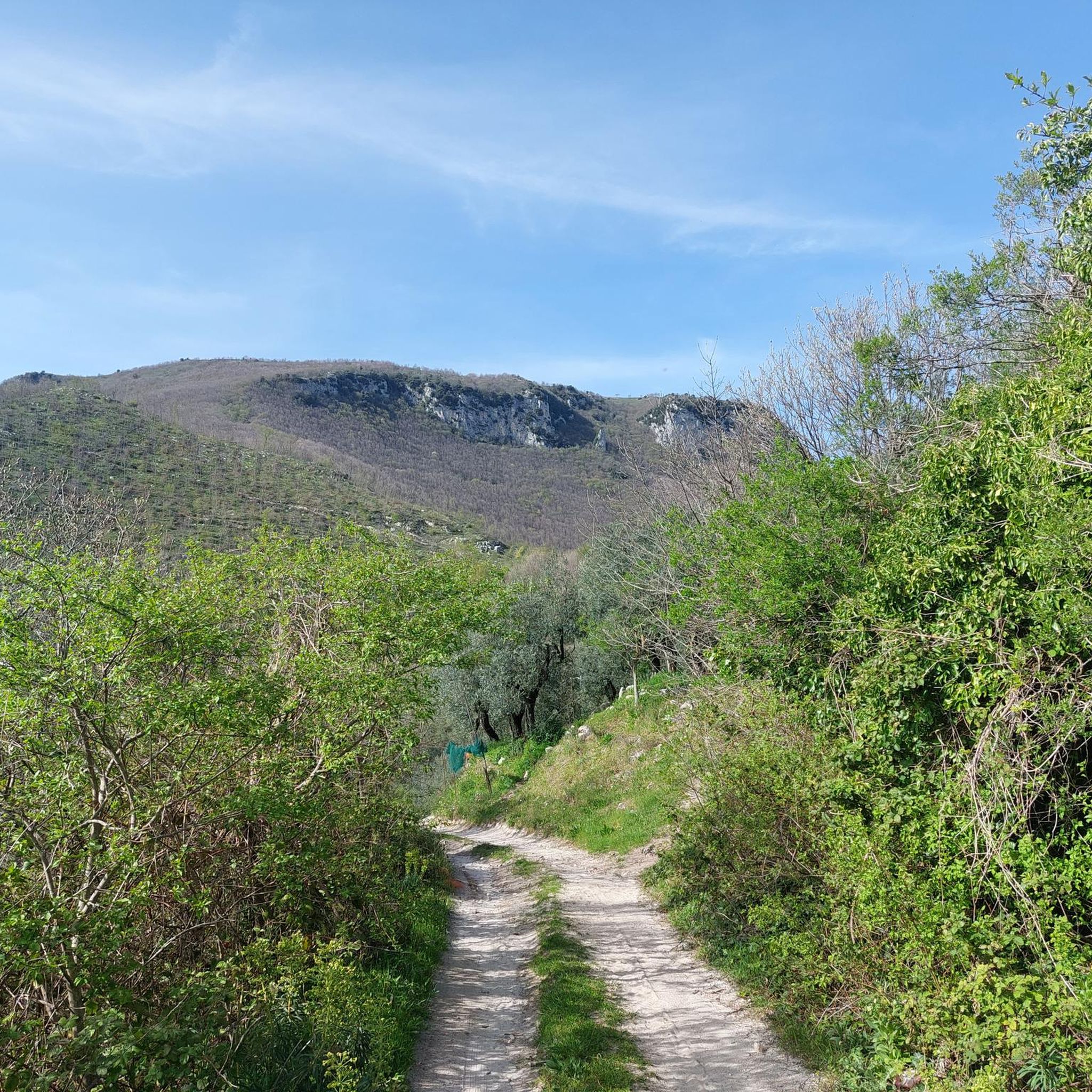
Sicignano degli Alburni is a small town in the province of Salerno. Part of the municipality is inserted within the boundaries of the Cilento, Vallo di Diano and Alburni National Park. Giusso Castle and the villages of Fontanella, Rupa and San Matteo still have many medieval features: a real leap into history!
3
0
Postiglione rises on the Alburni mountains and is part of the Cilento, Vallo di Diano and Alburni national park. The origins of Postiglione go back to the tenth century when the inhabitants of ancient Paestum, forced by the incursions of the Saracens and Turkish pirates, to abandon their land, took refuge in this place considered suitable for defense. It is possible to visit the Norman castle of the eleventh century; the parish church of San Giorgio (14th century), built in the Middle Ages; the Sanctuary of the Ss. Annunziata and monastery of the Carmelites dating back to the 16th century; the Chapel of San Rocco (17th century), was built by some survivors of a cholera epidemic in 1656 as a tribute to the Saint; the Chapel of San Vito (16th century), is the oldest chapel in the town.
4
0
The whole village of Oliveto is characteristic. You can also admire the whole Sele valley.
21
0
The term Oliveto derives from the Latin olivetum (ie olive grove), while the term "Citra" refers to the ancient principality that was on this side of the Picentini Mountains, separated from the Principato Ultra. The territory is largely mountainous and hilly, occupied by the south-eastern offshoots of the Picentini mountains. To visit the Guerritore Castle; Church of Santa Maria della Misericordia; Church of the Madonna delle Grazie; Sanctuary of the Madonna della Consolazione (17th century); Bell tower and clock tower (XII century); "Piano di Canale" nature area; Lucan Archaeological Museum of the Alta Valle del Sele.
15
0

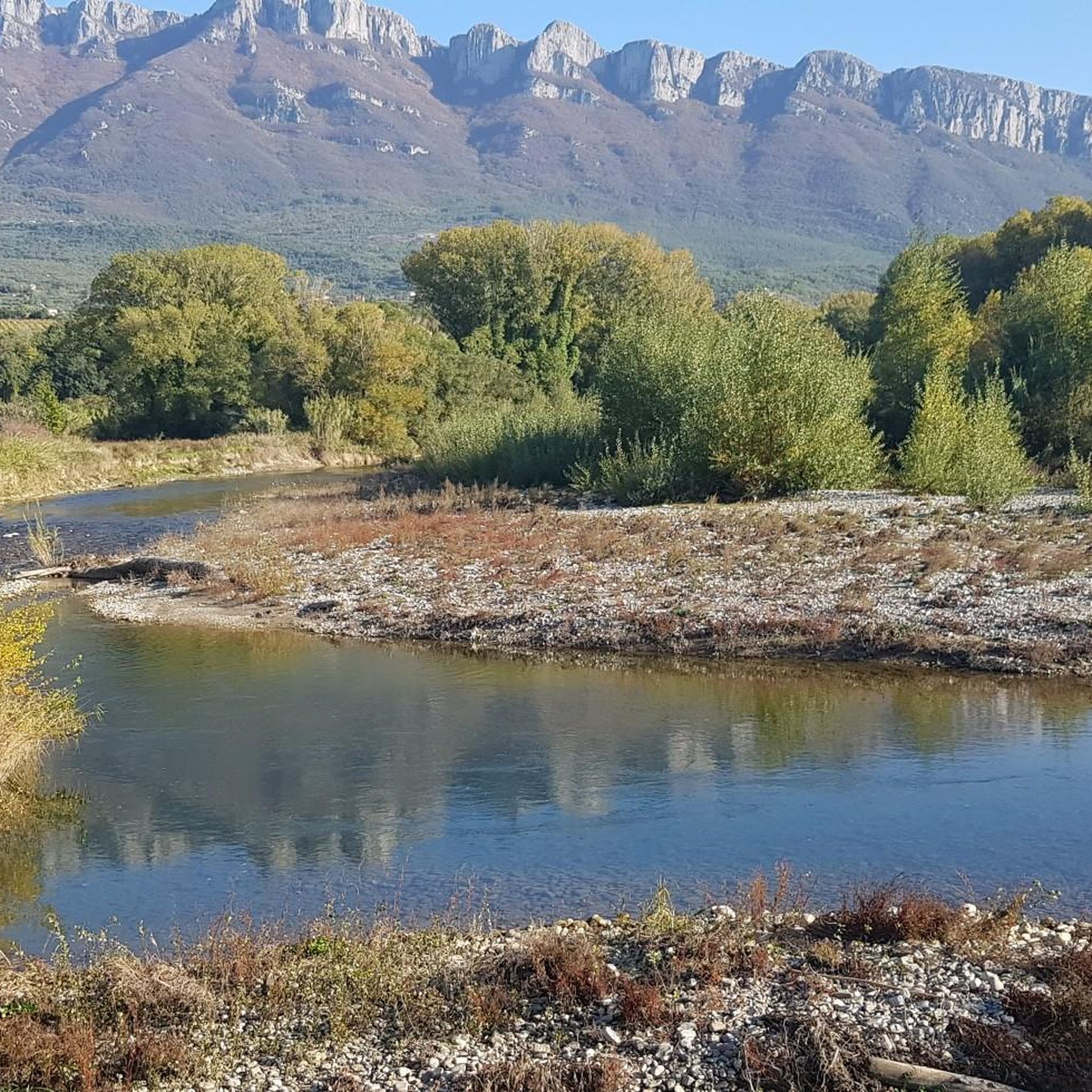
Sicignano degli Alburni is an Italian town of 3,181 inhabitants in the province of Salerno in Campania. The municipal territory rises between the Tanagro valley and the Alburni Mountains, and is largely included in the Cilento and Vallo di Diano national park. https://it.wikipedia.org/wiki/Sicignano_degli_Alburni
3
1

The church tower is located around 50 m from the church. - beautiful old town
3
0
Frequently Asked Questions
What historical castles can I visit around Postiglione?
The region around Postiglione is rich in history. You can explore the medieval features of Sicignano degli Alburni, which includes the Giusso Castle. The Historic Center of Postiglione itself is home to an 11th-century Norman castle, along with other historical sites like the parish church of San Giorgio. Further afield, you can see the ruins of Castello Guerritore in Oliveto Citra, which offers a glimpse into the area's past despite earthquake damage.
Are there any castles with panoramic views in the Postiglione area?
Yes, the Norman Castle "G. Da Procida" in Postiglione offers breathtaking panoramic views. From its strategic position, you can admire the Gulf of Salerno, a significant portion of the Cilento and Amalfi coasts, the Cilento, Vallo di Diano and Alburni National Park, and even the island of Capri. Additionally, Castello Guerritore, though largely in ruins, is situated on a high rock formation that dominates the surrounding valley, providing a beautiful mountain backdrop.
What is the best time of year to visit the castles around Postiglione?
The region enjoys a Mediterranean climate. Spring (April-May) and early autumn (September-October) are generally ideal, offering pleasant temperatures for exploring and clear skies for enjoying the panoramic views from the castles. Summer can be hot, while winter visits might be less comfortable due to cooler weather, though the castles remain accessible.
Are there any family-friendly activities or castles suitable for children?
While specific family-focused activities at the castles are not detailed, exploring the medieval features of places like Sicignano degli Alburni and the Historic Center of Postiglione can be an engaging experience for families. The historical context and the impressive structures can spark imagination. The panoramic views from the Norman Castle in Postiglione are also a highlight for all ages.
What outdoor activities can I do near the castles in Postiglione?
The area around Postiglione, being part of the Cilento, Vallo di Diano and Alburni National Park, offers various outdoor activities. You can find numerous cycling routes, including traffic-free bike rides and road cycling routes. For example, there are routes like the "Piazza San Vito loop from Contursi Terme" or the "Alburni Mountains – Controne Historic Alleyways loop from Albanella." You can explore more options for cycling in the region by checking out the traffic-free bike rides guide or the road cycling routes guide for Postiglione.
Are there any viewpoints near the castles where I can enjoy the scenery?
Absolutely. The Norman Castle "G. Da Procida" in Postiglione is renowned for its commanding views over the Gulf of Salerno and the national park. Additionally, the View of Oliveto Citra offers a characteristic perspective of the village and the entire Sele valley, with the ruins of Castello Guerritore also providing a scenic backdrop from its elevated position.
How much time should I allocate to visit the castles around Postiglione?
To fully appreciate the historical sites and panoramic views, a visit to the Norman Castle in Postiglione and its historic center could take a few hours. If you plan to visit other sites like Sicignano degli Alburni and Castello Guerritore in Oliveto Citra, consider dedicating a full day to explore the various locations and enjoy the scenic drives between them.
What makes the Norman Castle in Postiglione significant?
The Norman Castle "G. Da Procida" in Postiglione is considered the most significant castle in the area due to its strategic position and architectural features. Built around the year 1000, it was designed as a system of articulated fortifications with six towers. Its commanding location made it highly contested throughout history, and it offers unparalleled panoramic views of the Gulf of Salerno and the surrounding national park.
Can I combine a castle visit with exploring natural parks?
Yes, the castles around Postiglione are located within or very close to the Cilento, Vallo di Diano and Alburni National Park. This allows for easy combination of historical exploration with natural beauty. You can enjoy the views from the castles and then embark on cycling or hiking routes within the park, such as those found in the traffic-free bike rides guide.
Are there other historical sites to see in Postiglione besides the castle?
Yes, the Historic Center of Postiglione offers more than just the Norman castle. You can visit the parish church of San Giorgio (14th century), the Sanctuary of the Ss. Annunziata and monastery of the Carmelites (16th century), the Chapel of San Rocco (17th century), and the Chapel of San Vito (16th century), which is the oldest chapel in town.
Most popular attractions around Postiglione

Get inspired with the komoot mobile app


Explore more
Looking for the best castles somewhere else? Discover other guides around Postiglione:
