Top 8 Caves around Postiglione
Caves around Postiglione are located in a municipality nestled at the foot of the Alburni Mountains in Italy. This region features a blend of natural beauty and historical significance, characterized by its karst formations. The area offers intriguing cave systems that serve as natural landmarks within the landscape. These underground environments provide opportunities for exploration and insight into the geological features of the Alburni mountains.
Best caves around Postiglione
- The most popular caves is The “Grotta Profunnata” in the Oasi…
Last updated: August 23, 2026
The “Grotta Profunnata” in the Oasi Valle della Caccia
Highlight • Cave
This place, already known as a refuge for brigands in the …
Translated by Google •
Tip by

Tana del cinghiale - Natural rock cavity
Highlight • Cave
Trekking clothes and sturdy shoes!
Translated by Google •
Tip by
Sign up now to discover places like this
Get recommendations on the best single tracks, peaks, & plenty of other exciting outdoor places.
Sign up for free
The Brigand's Cave
Highlight • Cave
Translated by Google •
Tip by
Moss Cave
Highlight (Segment) • Cave
Translated by Google •
Tip by
Sant'Elia Cave
Highlight • Cave
The entrance to the Grotta di Sant'Elia opens onto one of the most evocative "balconies" of the Alburni. From here it …
Translated by Google •
Tip by
Sign up for free to discover even more caves around Postiglione.
Sign up for free
Already have an account?
Start today with a free account
Your next adventure awaits.
Login or Signup
Tips from the Community

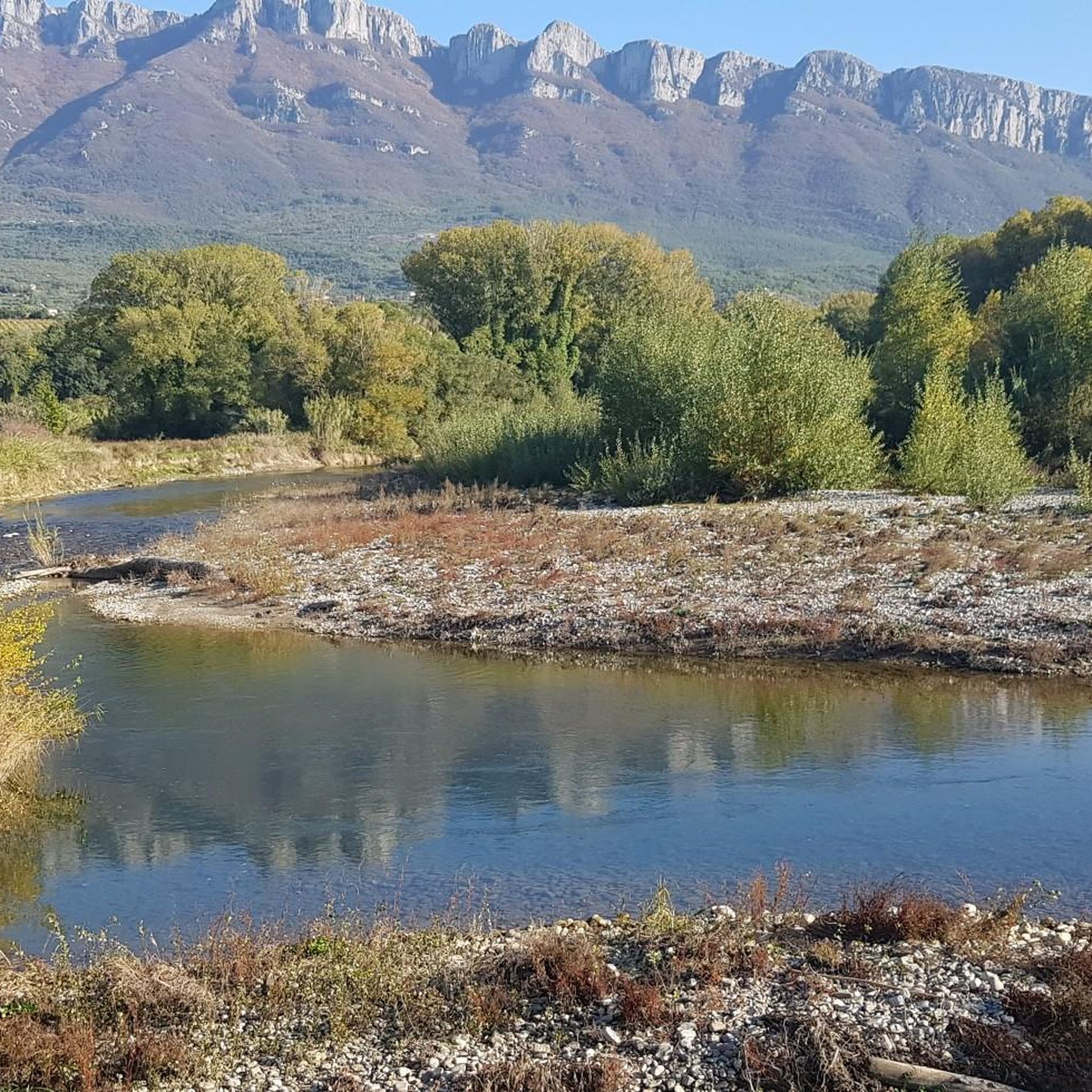
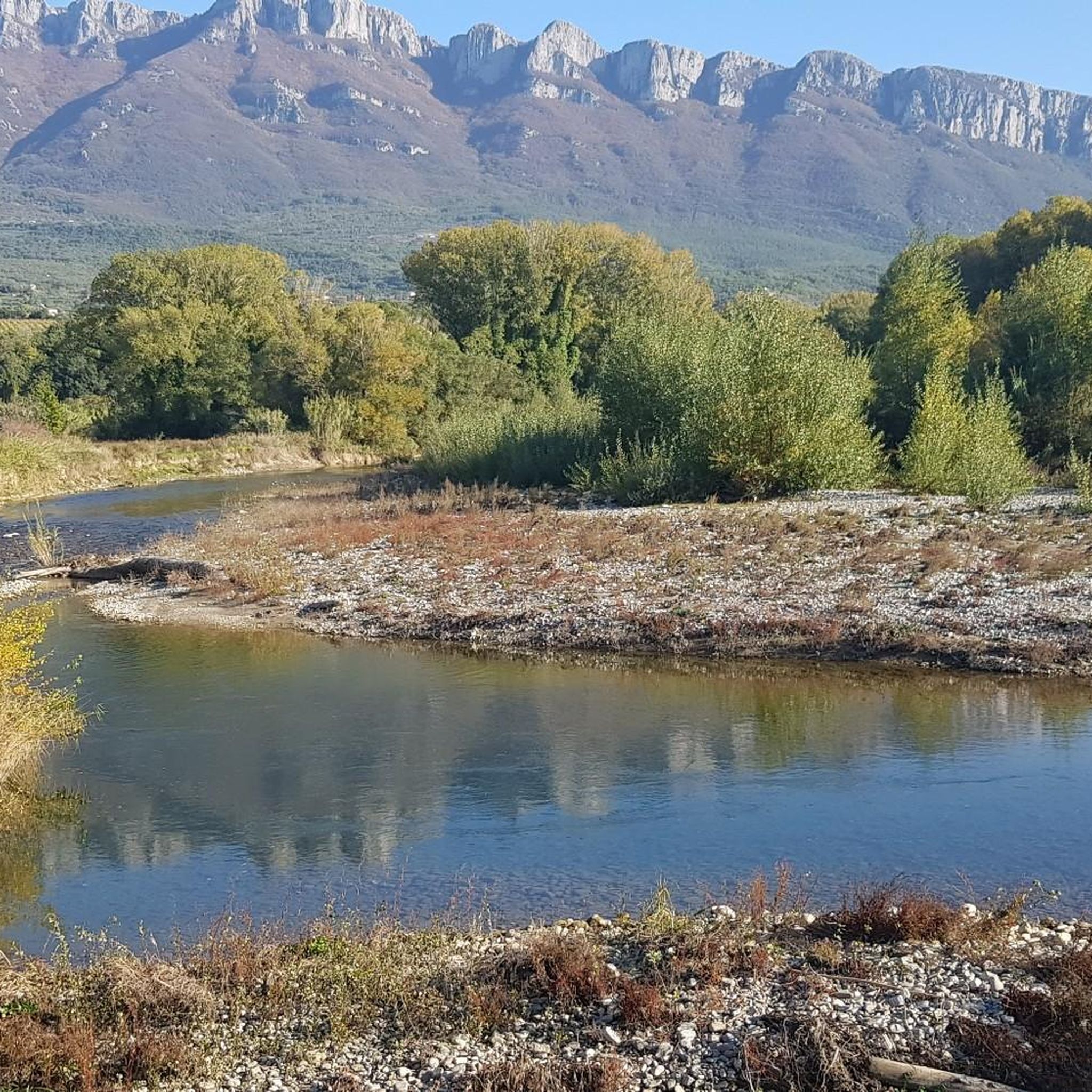
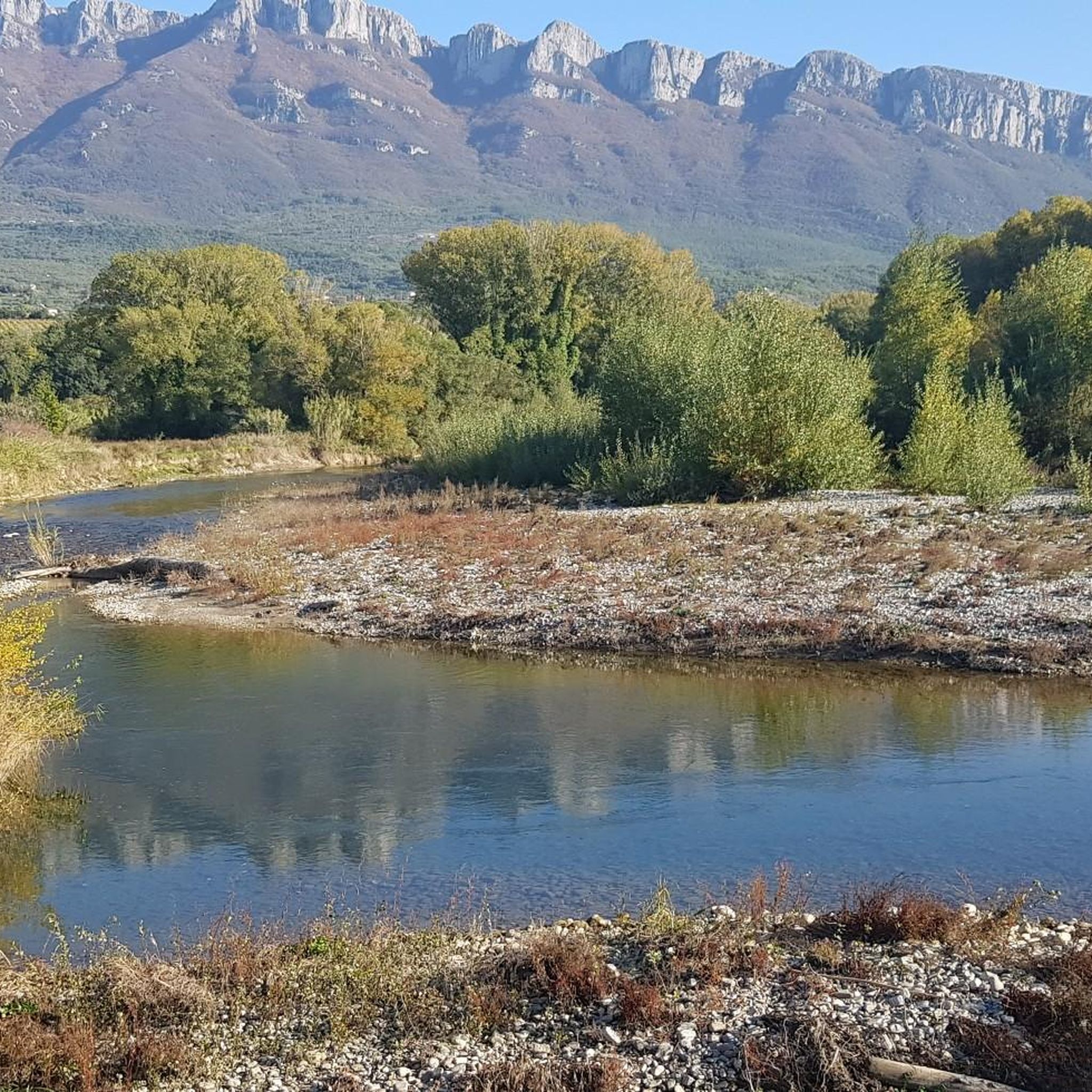
The Grotta Profunnata is one of the most interesting attractions of the Oasi Valle della Caccia. It has different environments, and is only partially accessible to visitors, with the help of suitable equipment and under the guidance of an expert.
2
0

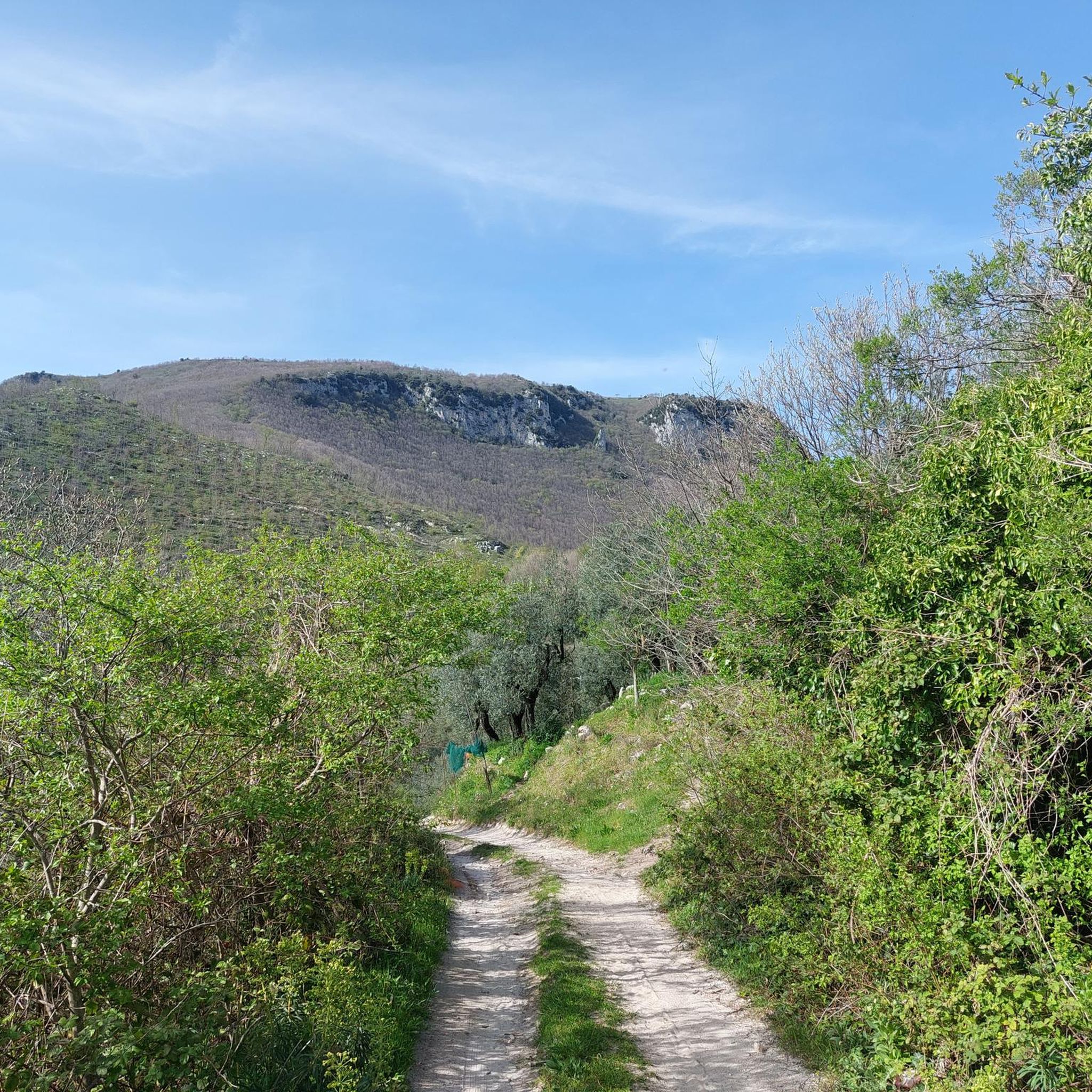
Along the path that leads from the Valle della Caccia WWF Oasis to the "Grotta Profunnata" you come across a natural rock cavity called the "Boar's Den". Trekking clothes and sturdy shoes!
5
0
One of the jewels of the Picentini Mountains is the "Grotta Profunnata", an interesting discovery inside the mountain massif. This place, already known as a refuge for brigands in the second half of the 19th century, saw its first official exploration only in 2004. The speleologists who ventured there managed to identify real "environments" within it: a small cave joined by a corridor to a larger one, which overlooks the Valle del Trientale. Continuing along the path, stalactites and stagmites dominate, leading to a small lake, characterized by crystal clear water. Unfortunately, the cave in its entirety is not a place accessible to everyone: in its entirety it can only be visited by speleologists or, in any case, experts equipped with the appropriate equipment. For ordinary visitors, the excursion is only possible in the initial part, always with the aid of suitable equipment and under the guidance of an expert. https://grandecampania.it/oasi-valle-della-caccia/
4
1
Along the Nature Trail to reach the Acquabianca waterfall, you come across the "grotta del moss", the result of a calcareous concretion that opens onto a rock wall. A thousand rivulets of water fall from the top of the wall, feeding large layers of moss. The drops that descend profusely seem to originate from the roots of the trees above and give life to suggestive chromatic effects. Appropriate clothing and sturdy shoes.
4
0
To reach this place trekking clothing and sturdy shoes! The entrance to the Grotta di Sant'Elia opens onto one of the most evocative "balconies" of the Alburni. From here it is possible to see the Piana del Sele, the Amalfi Coast and in the clearest days, Capri, and obviously the underlying medieval village of Postiglione, faithful to the cult of the Saint for centuries. https://monacincammino.it/luoghi/la-grotta-di-santelia-a-postiglione/#:~:text=The entrance%20alla%20Grotta%20di,fedele%20al%20culto%20del%20Santo.
3
0
The "grotta dei Briganti", located at the foot of Monte Ripalta, is one of the many caves in the countryside of the countryside, it has been for years a safe haven for criminals, Brigands or for those who had problems in the town, as its position did not it was easy to access. In fact, until the 70s of the last century, the road below did not exist, the steep slope plunged directly into the nearby river Atri, it could be reached either via the river or from the Patia bridge located near the chapel of the Madonna dell Thanks to the fattening of the Old Town. In the present cave we can still see an opening at the top left, which leads to a path that, through considerable difficulties, at 850 m a.s.l., leads to the so-called 2grotta del Prete ", the cave where the" Banda Giardullo "held hostage the priest Giuseppe Olivieri during the kidnapping which took place in 1864. These events fall within the historical period of the "Brigandage" and what resulted from the unification of Italy.
1
0
Frequently Asked Questions
What unique natural features can I expect to see in the caves around Postiglione?
The caves in the Postiglione area, particularly the Grotta Profunnata, showcase impressive geological formations. You can observe stalactites and stalagmites, and even a small lake with crystal clear water within the cave system. The region itself is characterized by its karst formations within the Alburni and Picentini Mountains.
Are there any caves with significant historical or cultural importance in the Postiglione area?
Yes, the Grotta di Sant'Elia is a rock cave with deep religious and historical roots, serving as a pilgrimage site for centuries and housing an 18th-century statue of Saint Elias. The Grotta Profunnata also has historical significance, known as a refuge for brigands in the 19th century. Additionally, The Brigand's Cave at the foot of Monte Ripalta was historically a safe haven for criminals and brigands.
Is the Grotta Profunnata accessible to ordinary visitors?
The initial part of the Grotta Profunnata is accessible to ordinary visitors. However, it requires appropriate equipment and must be explored under the guidance of an expert. The entire cave system is primarily reserved for speleologists and experts due to its challenging nature.
What is the best way to reach the Grotta di Sant'Elia?
Access to the Grotta di Sant'Elia is typically via a scenic naturalistic path. This path offers a blend of nature and spirituality, leading to the cave situated approximately 900 meters above sea level in the Alburni mountains.
Are there other interesting natural formations to see near the Grotta Profunnata?
Yes, along the path leading to the Grotta Profunnata, you can find the Tana del cinghiale - Natural rock cavity, also known as the 'Boar's Den'. Another natural feature in the area is the Moss Cave, located along the nature trail to the Acquabianca waterfall, known for its calcareous concretions and moss-covered rock walls.
What kind of views can I expect from the caves in Postiglione?
From the entrance of the Grotta di Sant'Elia, which is considered one of the most evocative 'balconies' of the Alburni, you can enjoy panoramic views of the Piana del Sele, the Amalfi Coast, and on clear days, even Capri. The underlying medieval village of Postiglione is also visible from this vantage point.
What outdoor activities can I do near the caves around Postiglione?
The region around Postiglione offers various outdoor activities. You can explore numerous MTB trails, with options ranging from moderate to difficult, such as the 'Castelluccio di Battipaglia – Ascent to Raione loop'. There are also cycling routes, including the 'Piazza San Vito loop', and challenging road cycling routes like the 'Roscigno Vecchia loop'. For more details, refer to the komoot guides for MTB Trails around Postiglione, Cycling around Postiglione, and Road Cycling Routes around Postiglione.
What is the best time of year to visit the caves in Postiglione?
While specific seasonal recommendations for cave visits are not provided, the naturalistic paths leading to caves like the Grotta di Sant'Elia and Grotta Profunnata are best enjoyed in mild weather. Spring and autumn typically offer pleasant temperatures for hiking and exploring the surrounding Alburni Mountains.
Are there any family-friendly activities or trails near the Postiglione caves?
The naturalistic paths leading to the caves, such as the one for the Grotta di Sant'Elia, offer an experience that connects nature and spirituality, which can be suitable for families. For the Grotta Profunnata, the initial accessible part with an expert guide could be an adventurous family activity, provided children are old enough and properly equipped.
What should I wear or bring when visiting the caves?
For exploring the caves and their surrounding trails, it is highly recommended to wear trekking clothing and sturdy shoes. For the accessible part of the Grotta Profunnata, suitable equipment and an expert guide are mandatory.
What is the elevation of the caves in the Postiglione area?
The Grotta di Sant'Elia is situated approximately 900 meters above sea level within the Alburni mountains. The other caves are also located within the mountainous terrain of the region, offering varying elevations along their access paths.
Most popular attractions around Postiglione

Get inspired with the komoot mobile app


Explore more
Extend your search for the best caves by checking out these guides of the top ones around Postiglione:
