Top 20 Caves around Velo D'Astico
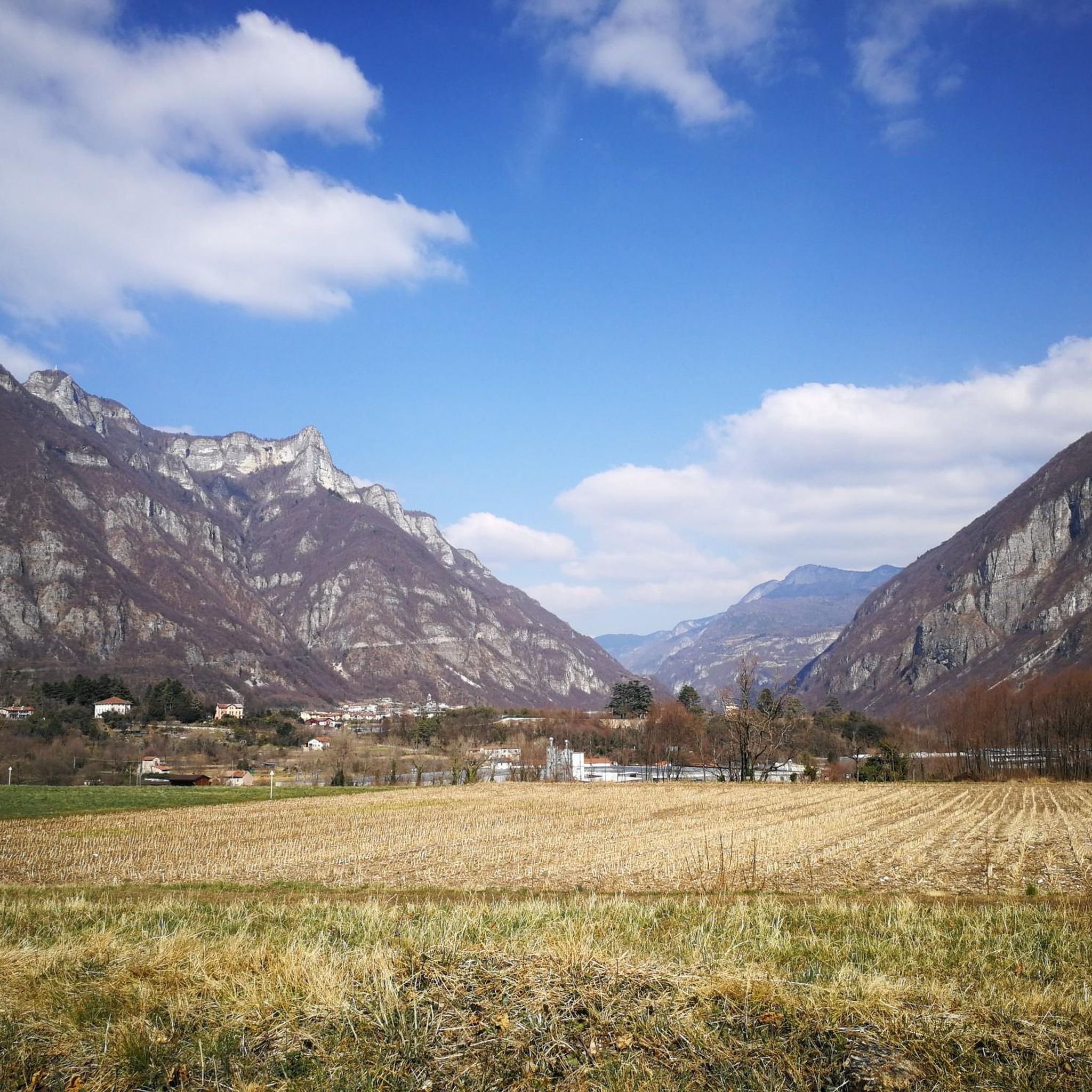
Best caves around Velo D'Astico are found in a region characterized by its karstic landscape and historical significance. Situated in the Vicenza Prealps, the area features a mix of natural geological formations and man-made structures. This mountainous terrain has played a role in historical events, particularly during World War I, leading to unique underground constructions. The local geology offers insights into ancient marine environments and active water systems.
Best caves around Velo D'Astico
- The most popular caves is Gun Emplacement…
Last updated: August 9, 2026
Gun Emplacement Tunnel of Monte Cengio
Highlight • Historical Site
Translated by Google •
Tip by

WW1 Command Gallery
Highlight • Historical Site
Translated by Google •
Tip by
Sign up now to discover places like this
Get recommendations on the best single tracks, peaks, & plenty of other exciting outdoor places.
Sign up for free
The WWI Fort
Highlight • Historical Site
With the great Spring Offensive of 1916—nicknamed the 'Strafexpedition,' or Punitive Expedition—the Imperial Army aimed to break through the …
Translated by Google •
Tip by
Neutral Elevation Tunnel (Cimone)
Highlight • Cave
Translated by Google •
Tip by
Bocca Lorenza (cave)
Highlight • Cave
Translated by Google •
Tip by
Sign up for free to discover even more caves around Velo D'Astico.
Sign up for free
Already have an account?
Start today with a free account
Your next adventure awaits.
Login or Signup
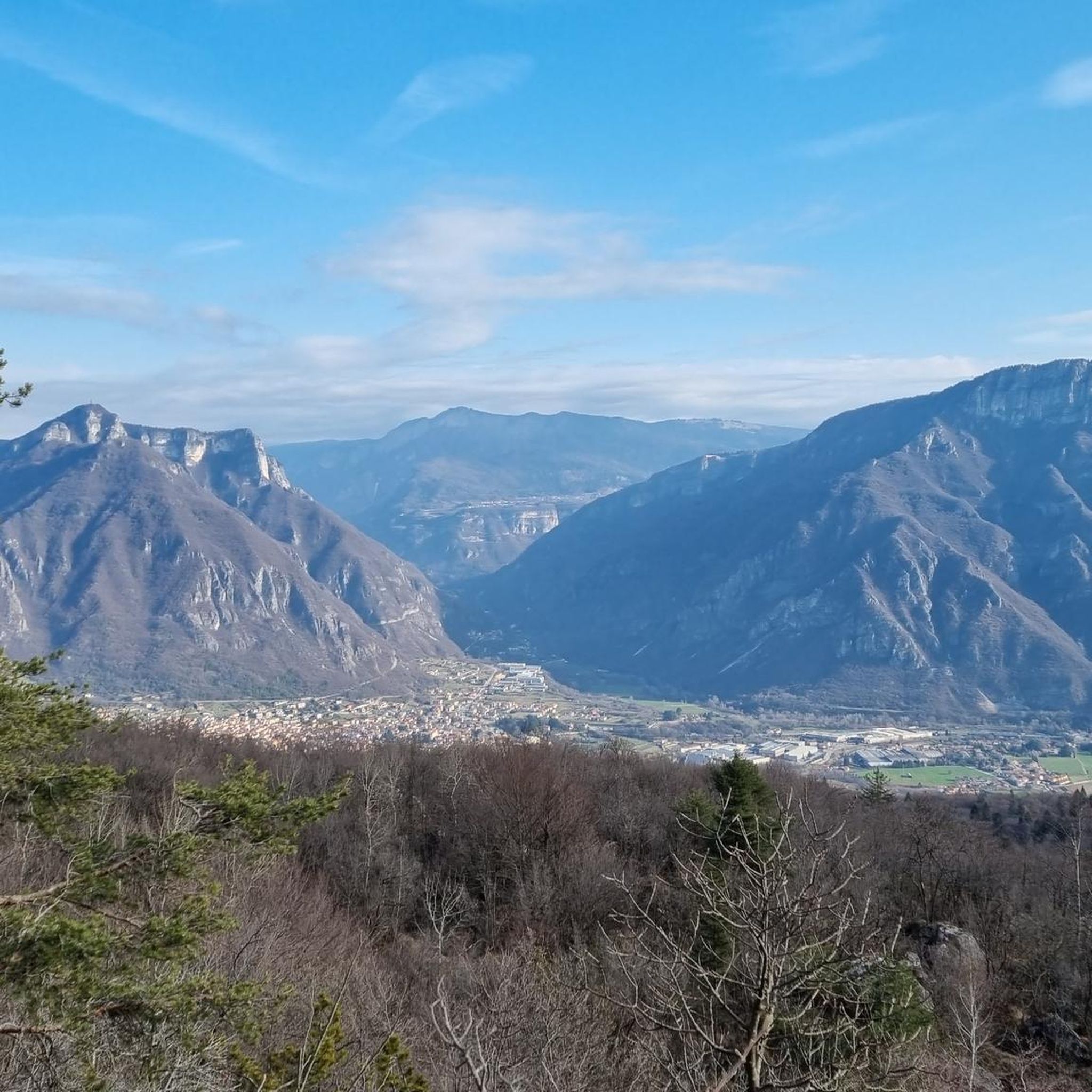
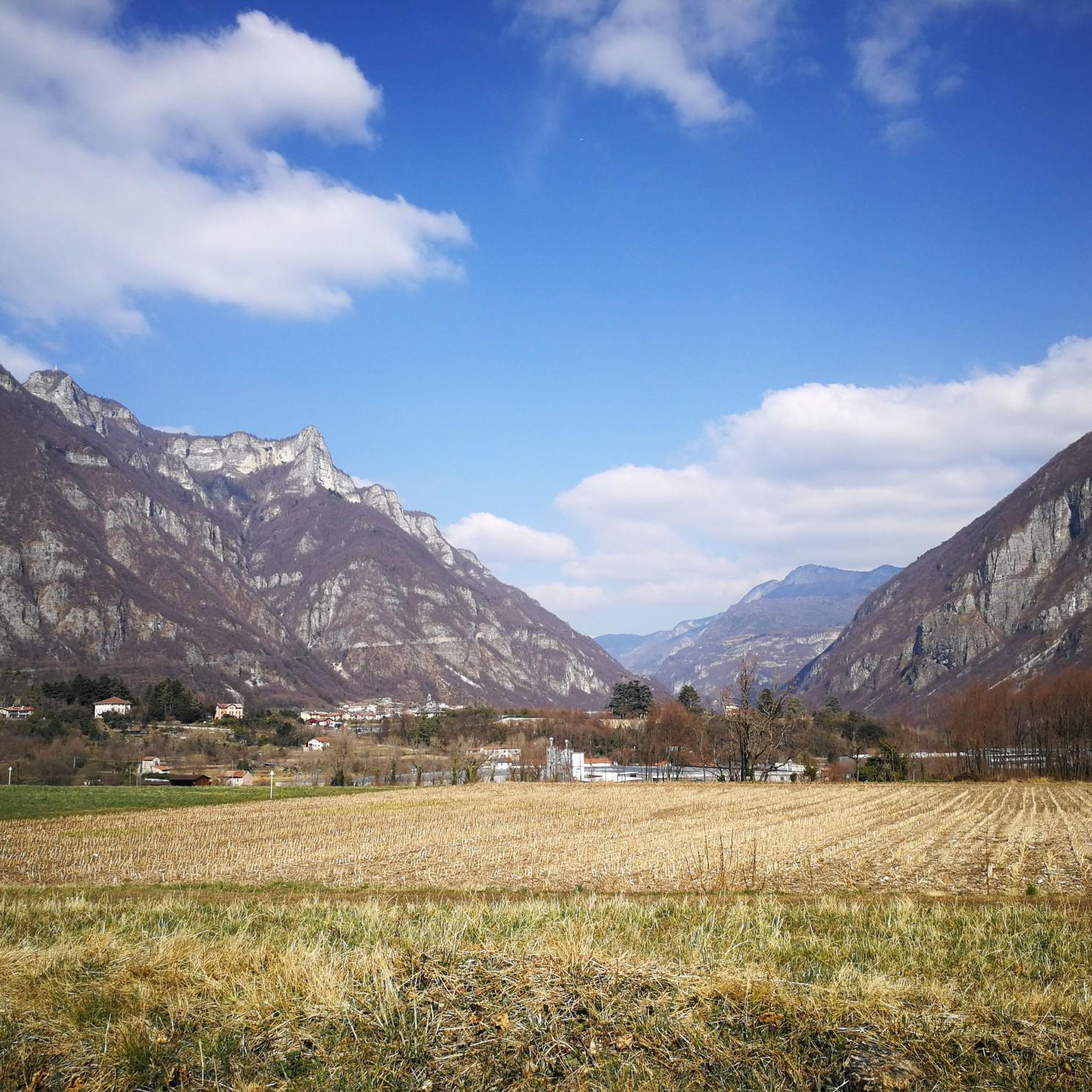
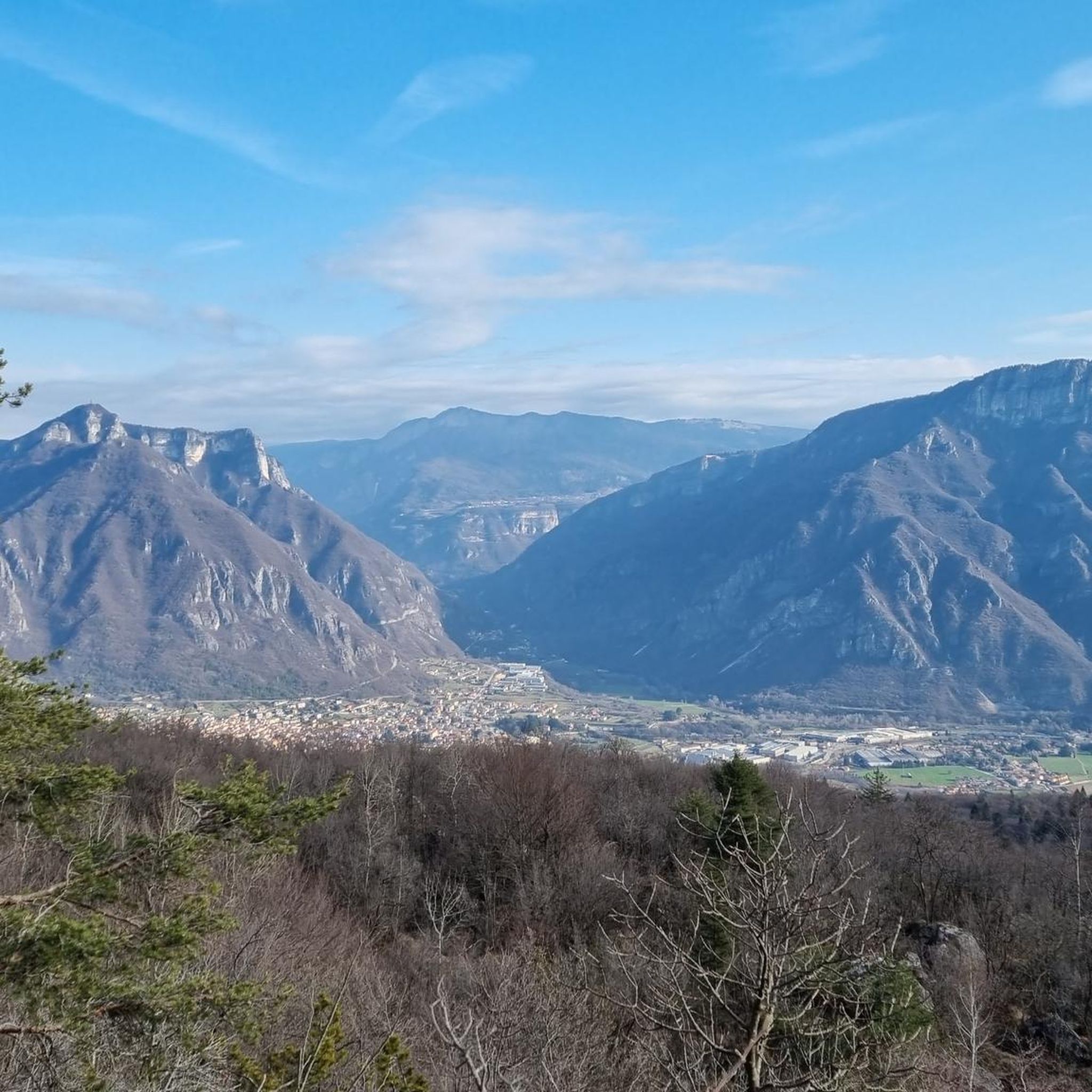
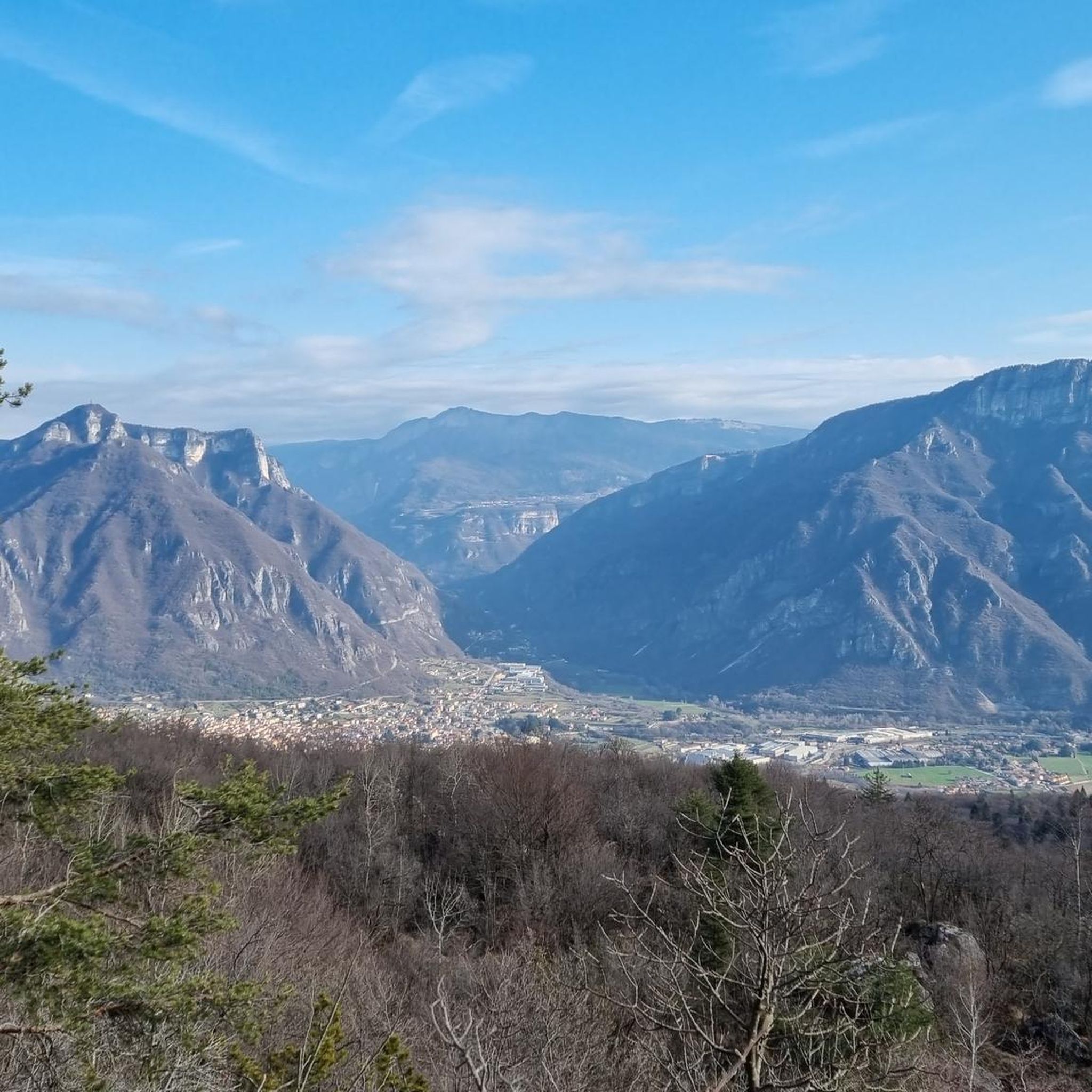

Tips from the Community

When you pass by and observe this place, try to imagine the work done by young people in their early twenties in prohibitive conditions.
0
0

It is very useful to bring a headlamp with you.
0
0

Bring a flashlight and go dark.
0
1

74 meter long tunnel with no exit and 4 final outlets where the artillery was positioned. A light was needed.
0
0


Grandiose work of the engineers of the Great War. It is a daring helical gallery inside a large spire with the aim of rising in altitude. Requires a torch.
0
0
Frequently Asked Questions
What types of caves can I explore near Velo D'Astico?
The region around Velo D'Astico offers a mix of natural karstic systems and significant man-made military tunnels from World War I. You can explore historical fortifications like the Gun Emplacement Tunnel of Monte Cengio and the WW1 Command Gallery, or venture into natural caves such as Bocca Lorenza.
Are there any extensive natural cave systems in the area?
Yes, the most significant natural cave system nearby is the Buso della Rana, located in Monte di Malo. It's considered the largest in Veneto, boasting nearly 40 kilometers of explored tunnels with active water systems, underground lakes, and unique geological formations. It offers a true underground adventure for those seeking a natural caving experience.
What are the historical highlights related to caves near Velo D'Astico?
The area is rich in World War I history. You can visit sites like the Gun Emplacement Tunnel of Monte Cengio, which housed artillery, or the WW1 Command Gallery, which served as a command post and first aid station. Another impressive site is the Neutral Elevation Tunnel (Cimone), a helical tunnel built to protect soldiers during ascent.
Are there family-friendly caving options or tours for beginners?
While many historical tunnels are accessible, natural caves like Bocca Lorenza require experience and equipment. For a guided natural caving experience, the Buso della Rana offers tours ranging from easier excursions suitable for beginners to more challenging routes. These tours typically provide necessary equipment like helmets and headlamps.
What kind of geological features can I expect to see in the natural caves?
In natural caves like the Buso della Rana, you can observe extensive karstic formations, including underground lakes, chimneys, and siphons formed by continuous water flow. The caves also hold paleontological significance, with discoveries like shark teeth, indicating an ancient marine environment. Bocca Lorenza also features natural cavities with historical finds.
What should I wear or bring for a caving experience?
For natural caves, especially those with active water systems like Buso della Rana, be prepared for wet and muddy conditions. Sturdy footwear, waterproof clothing, and a change of clothes are recommended. For any cave exploration, a headlamp and helmet are essential. Guided tours often provide specialized equipment.
What is the best time to visit the caves around Velo D'Astico?
The consistent temperature inside natural caves, around 10-13°C (50-55°F), makes them accessible year-round, regardless of external weather. Historical tunnels are also generally open throughout the year. However, always check with tour operators for specific natural caves like Buso della Rana, as water levels can affect accessibility.
Are there advanced caving experiences available for experienced speleologists?
Yes, the Buso della Rana complex offers challenging routes for experienced speleologists, extending through its nearly 40 kilometers of tunnels and active water systems. Bocca Lorenza also requires experience and adequate equipment for full exploration beyond its entrance.
What outdoor activities can I combine with a visit to the caves?
The region around Velo D'Astico is excellent for various outdoor activities. You can find numerous MTB Trails, Road Cycling Routes, and Running Trails. Many of these routes pass near or lead to the historical tunnels and natural cave entrances, allowing you to combine caving with hiking, cycling, or running.
Where can I find more information about guided tours for the Buso della Rana?
For detailed information on guided tours, accessibility, and booking for the Buso della Rana, it is best to consult local tourism resources. You can find more details on the Monte di Malo tourism website: visitmontedimalo.it.
What makes the Buso della Rana a unique caving destination?
The Buso della Rana stands out due to its immense size (nearly 40 km of explored passages), its active water systems including underground lakes and siphons, and its significant geological and paleontological findings. It offers a comprehensive underground adventure, from navigating challenging passages to witnessing ancient marine relics, all within a Natura 2000 network site.
Most popular routes around Velo D'Astico
Most popular attractions around Velo D'Astico

Get inspired with the komoot mobile app


Explore more
Extend your search for the best caves by checking out these guides of the top ones around Velo D'Astico:
