Top 9 Caves around Lanuvio
Best caves around Lanuvio are found in a historic town nestled in the Alban Hills, offering insights into ancient traditions and human adaptations. The area features significant historical and archaeological underground structures. These sites provide a glimpse into the region's past, from ancient religious practices to agricultural heritage. Visitors can explore a variety of unique subterranean environments.
Best caves around Lanuvio
- The most popular caves is Forest Path with Pond and Cave, a trail that features varied terrain with…
Last updated: August 23, 2026
Funerary Monument "Le Grotticelle"
Highlight • Monument
Among the various hypothesized dates, …
Translated by Google •
Tip by

The Cisternoni of Albano
Highlight • Monument
Translated by Google •
Tip by

Sign up now to discover places like this
Get recommendations on the best single tracks, peaks, & plenty of other exciting outdoor places.
Sign up for free
Albano Lake Emissary 400 BC
Highlight • Historical Site
Translated by Google •
Tip by
Forest Path with Pond and Cave
Highlight (Segment) • Trail
Translated by Google •
Tip by

Speco di San Michele
Highlight • Religious Site
The person who takes care of the hermitage is usually present on Saturday mornings, the other days the gate is closed. We met him by chance on Sunday.
Translated by Google •
Tip by

Sign up for free to discover even more caves around Lanuvio.
Sign up for free
Already have an account?
Start today with a free account
Your next adventure awaits.
Login or Signup

Tips from the Community

The entrance is subject to a fee and has opening hours for the public, the entrance costs €3 and the exact address is this: Via Aurelio Saffi, 96 - 00041 Albano Laziale RM
0
0
The cistern was built by the architects of the II Praetorian Legion to ensure the necessary water supply for the camp and surrounding dwellings. They could store 10,000 m³ of drinking water. However, their importance is not only due to this, but also because they are still perfectly functional today, being fed by Roman-era pipelines that receive water from springs located along the sides of Lake Albano.
0
0

The path that leads up to the hermitage is steep and rugged. The person who takes care of the hermitage is usually present on Saturday mornings, the other days the gate is closed. We met him by chance on Sunday.
1
0

The small iron door framed by the peperino architrave goes almost unnoticed but if it is found open it allows access to the entrance tunnel of this work of hydraulic engineering from the Roman era. The emissary of Lake Albano was presumably excavated at the beginning of the 4th century BC to regulate the level of the lake and, both for the technical difficulties encountered in the excavation and resolved with limited means and for the functionality that remained intact until the 1960s of the last century, it can be considered one of the most important hydraulic testimonies of our past. Some historical sources also speak of the emissary: Titus Livius links its construction to the final results of the war between Rome and Veii.
2
0

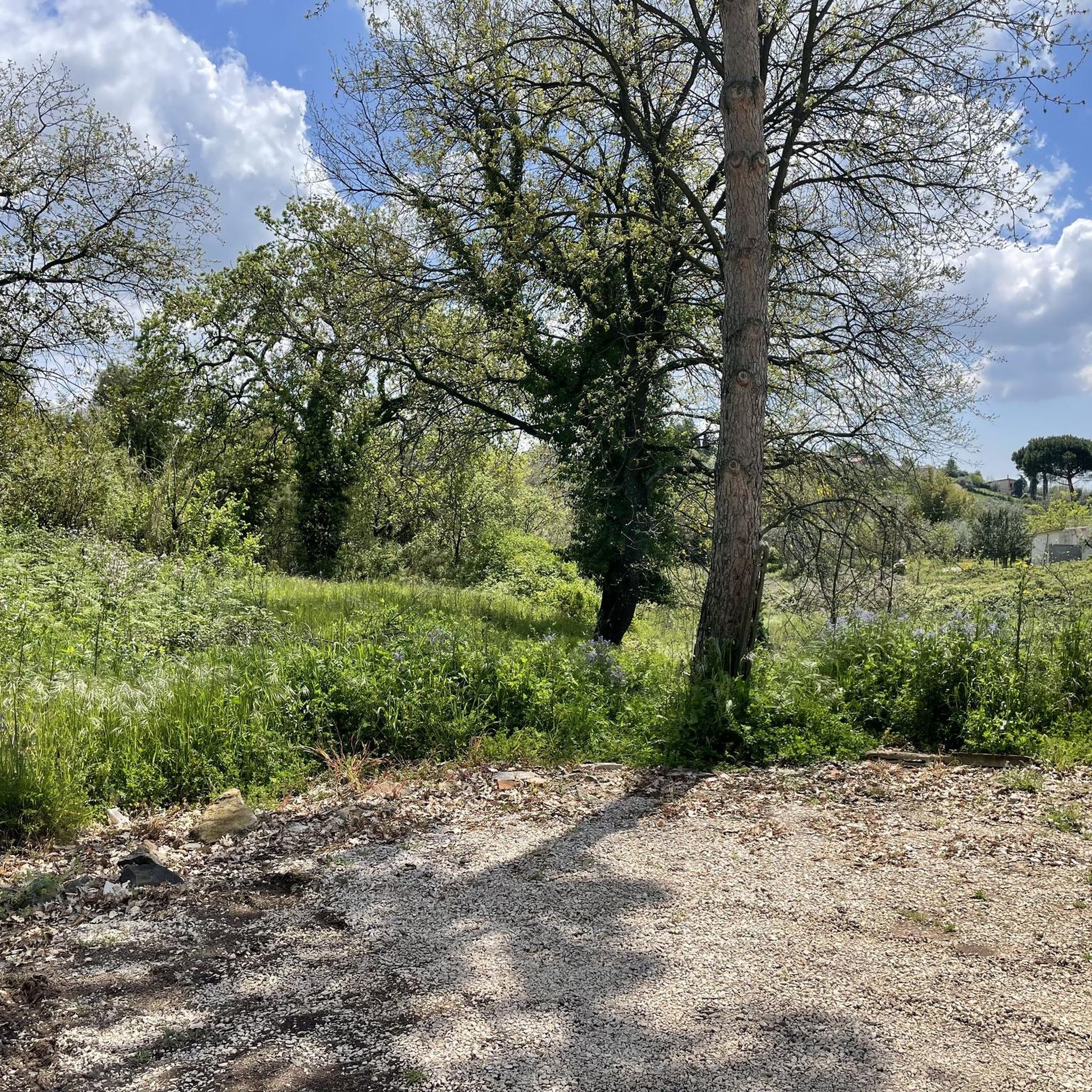
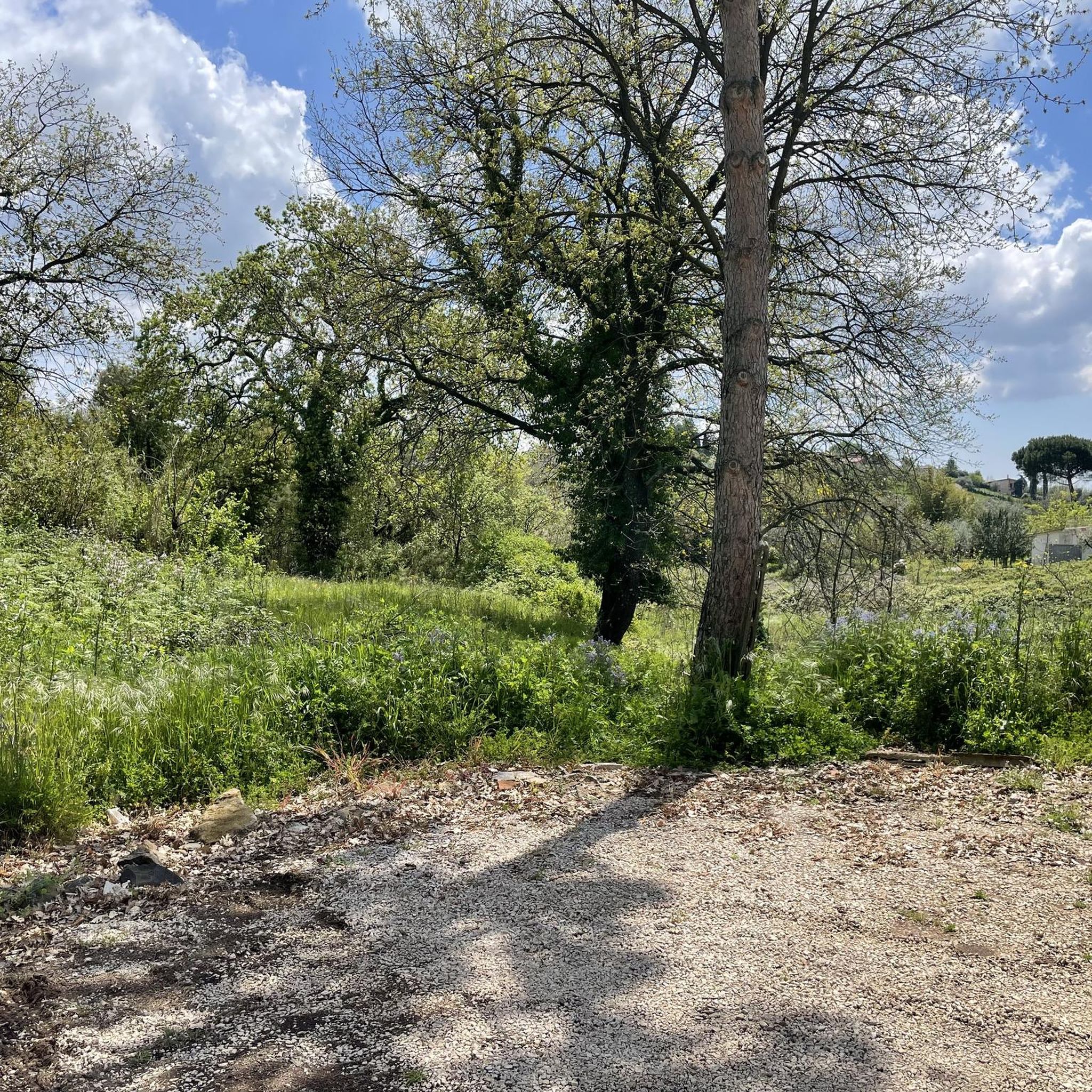
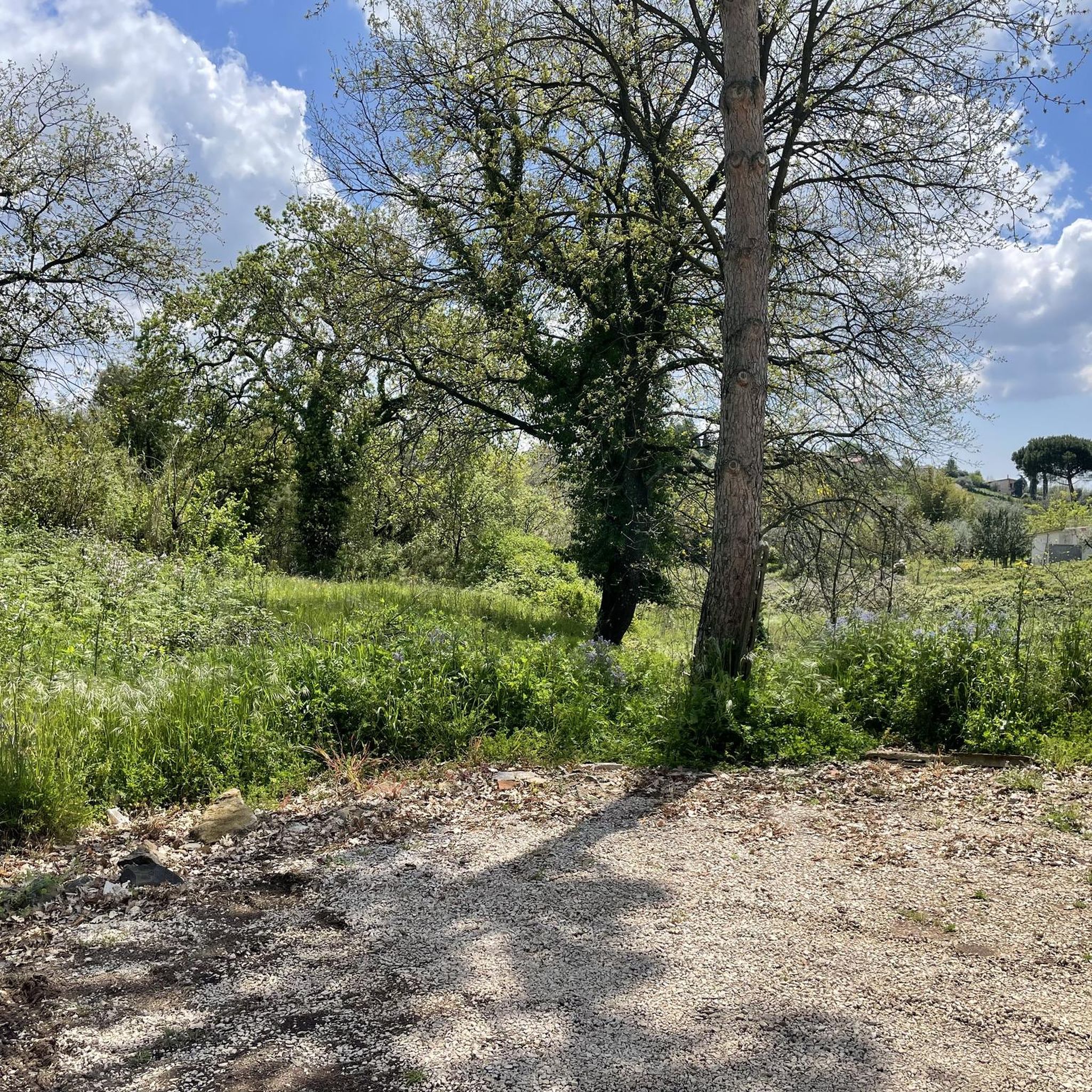
There are wild boars in this forest. So be careful!
0
0

The cisterns, the work of Septimius Severus, had the function of providing water for the Second Parthian legion. On some occasions it is possible to visit them, it is necessary to contact the Civic Museum of Albano.
3
0

A unique monument of its kind in this area. To visit. It is not easy to get there by bike, but there are no difficulties on foot
0
0
To visit. the recent cuts make it difficult to reach the place and without the coolness of the trees you lose some of the charm of the place.
0
0
Frequently Asked Questions
What types of caves can I explore around Lanuvio?
Lanuvio is known for its diverse underground structures, primarily historical and archaeological rather than natural geological formations. You can find ancient burial sites like the Funerary Monument "Le Grotticelle", Roman hydraulic engineering works such as the Albano Lake Emissary 400 BC, and religious grottoes like the Speco di San Michele. The region also features man-made cellars carved into volcanic rock, offering a blend of history and viticulture.
Are there any caves with historical or religious significance in Lanuvio?
Yes, the area is rich in historical and religious caves. The Grotta del Serpente, though not fully accessible in its original form, was central to ancient propitiatory rituals for the goddess Juno Sospita. A recreation of this sacred cave and archaeological finds are displayed in the Sala della Stipe di Pantanacci within Lanuvio's Scattered Museum, offering insight into ancient religious practices. Additionally, the Speco di San Michele is a hermitage with religious importance.
Can I visit ancient man-made caves related to local traditions, like winemaking?
Absolutely. The Tenimenti Leone winery features ancient cellars excavated over centuries into the pozzolana volcanic rock. These man-made caves were historically used by monks for storage and are now integral to the winery's operations. Tours are often available, providing a unique blend of history, archaeology, and viticulture, where you can learn about ancient winemaking methods and the stable environment these caves provide for aging wine.
Are there any natural cave formations to explore near Lanuvio?
While the region is more noted for its historical and archaeological underground sites, you can explore natural cave elements. The Grotta dei Cappuccini (Castel Gandolfo) offers a direct experience of a natural cave formation and is accessible from Via dei Cappuccini, especially recommended in suitable weather conditions.
What archaeological sites with underground elements can I visit?
The Funerary Monument "Le Grotticelle" is a significant archaeological site, consisting of tombs discovered in 1982. These burials date back to approximately 2,500 BC and represent a unique enigma in the Castelli Romani territory. Another notable site is the Albano Lake Emissary 400 BC, an impressive Roman hydraulic engineering work.
Are there hiking trails that incorporate cave exploration around Lanuvio?
Yes, you can find trails that combine hiking with cave elements. For instance, the Forest Path with Pond and Cave offers varied terrain with ups and downs, providing a natural setting for exploration that includes both forest and cave features.
What is the best time of year to visit the caves and surrounding areas in Lanuvio?
The Castelli Romani region, including Lanuvio, is generally pleasant to visit during spring (April-June) and autumn (September-October) when the weather is mild and ideal for outdoor activities like hiking and exploring historical sites. Summer can be hot, while winter might be cooler and wetter, potentially affecting accessibility to some outdoor cave entrances.
Are there family-friendly options for exploring caves or related sites in Lanuvio?
While some sites like the ancient emissary or funerary monuments might be more suited for older children due to historical context, the museum recreation of the Grotta del Serpente offers an engaging way for families to learn about ancient rituals. Exploring the grounds of Tenimenti Leone and its historical cellars can also be an interesting experience for families, blending history with a pleasant outdoor setting.
What other outdoor activities can I do near the caves in Lanuvio?
The area around Lanuvio offers various outdoor activities. You can find numerous routes for gravel biking, running, and general cycling. For gravel biking, explore routes like the 'Lake Albano Gravel Loop' or 'Pratoni del Vivaro' via the Gravel biking around Lanuvio guide. Running enthusiasts can find trails such as the 'Running loop from Pavino' or 'Palazzo Sforza-Cesarini loop' in the Running Trails around Lanuvio guide. For cycling, routes like 'Nemi Village and Lake View' are available in the Cycling around Lanuvio guide.
What should I know about the difficulty level of exploring caves in Lanuvio?
The difficulty varies depending on the site. Many historical and archaeological sites are accessible, but some, like the path leading to Speco di San Michele, can be steep and rugged. The Albano Lake Emissary 400 BC is considered challenging. Always check specific highlight details for difficulty ratings and tips, and wear appropriate footwear.
Are there any specific tips for visiting the Speco di San Michele?
The path to the Speco di San Michele hermitage is steep and rugged, so be prepared for a challenging ascent. The gate to the hermitage is often closed on weekdays, with the person who cares for it usually present on Saturday mornings. Planning your visit for a Saturday morning might increase your chances of finding it open.
What do visitors enjoy most about the caves and underground sites in Lanuvio?
Visitors appreciate the unique blend of history, archaeology, and natural beauty. The historical significance of sites like the Funerary Monument "Le Grotticelle" and the ingenuity of Roman engineering at the Albano Lake Emissary are often highlighted. The opportunity to explore varied terrain, including forest and cave elements, as seen on the Forest Path with Pond and Cave, is also a popular aspect.
Most popular routes around Lanuvio
Most popular attractions around Lanuvio

Get inspired with the komoot mobile app


Explore more
Extend your search for the best caves by checking out these guides of the top ones around Lanuvio:
