Top 9 Caves around Aprilia
Best caves around Aprilia are found within the Lazio region, offering diverse subterranean experiences. Aprilia, situated in the heart of Lazio, serves as a convenient base for exploring these natural features. The landscape surrounding Aprilia is characterized by its historical significance and varied terrain, including coastal areas and inland hills. This region provides access to several notable cave systems, showcasing geological formations and historical remnants.
Best caves around Aprilia
- The most popular caves is Forest Path with Pond and Cave…
Last updated: June 30, 2026
Albano Caves
Highlight • Cave
The path is traveled by many people on mountain bikes …
Translated by Google •
Tip by

The Cisternoni of Albano
Highlight • Monument
Translated by Google •
Tip by

Sign up now to discover places like this
Get recommendations on the best single tracks, peaks, & plenty of other exciting outdoor places.
Sign up for free
Nero's Caves
Highlight • Cave
Translated by Google •
Tip by

Albano Lake Emissary 400 BC
Highlight • Historical Site
Translated by Google •
Tip by

Grotta dei Cappuccini (Castel Gandolfo)
Highlight • Cave
Translated by Google •
Tip by
Sign up for free to discover even more caves around Aprilia.
Sign up for free
Already have an account?
Start today with a free account
Your next adventure awaits.
Login or Signup

Tips from the Community

The entrance is subject to a fee and has opening hours for the public, the entrance costs €3 and the exact address is this: Via Aurelio Saffi, 96 - 00041 Albano Laziale RM
0
0
The cistern was built by the architects of the II Praetorian Legion to ensure the necessary water supply for the camp and surrounding dwellings. They could store 10,000 m³ of drinking water. However, their importance is not only due to this, but also because they are still perfectly functional today, being fed by Roman-era pipelines that receive water from springs located along the sides of Lake Albano.
0
0

The small iron door framed by the peperino architrave goes almost unnoticed but if it is found open it allows access to the entrance tunnel of this work of hydraulic engineering from the Roman era. The emissary of Lake Albano was presumably excavated at the beginning of the 4th century BC to regulate the level of the lake and, both for the technical difficulties encountered in the excavation and resolved with limited means and for the functionality that remained intact until the 1960s of the last century, it can be considered one of the most important hydraulic testimonies of our past. Some historical sources also speak of the emissary: Titus Livius links its construction to the final results of the war between Rome and Veii.
2
0

Mysterious Caves of Palazzolo, a short distance from Rocca di Papa and Albano, with a balcony view of Lake Castel Gandolfo. Close to a medieval convent, these cavities were used as stone mines in the Roman and medieval periods but some scholars hypothesize that they also functioned as prisons in unspecified periods. The frequenting of the area by brigand gangs in the eighteenth and nineteenth centuries is documented by reliable historical sources. In recent times, however, these mirrors have apparently hosted satanic masses and other similar rites.
0
0

a beautiful place under the villa of nerone
0
0

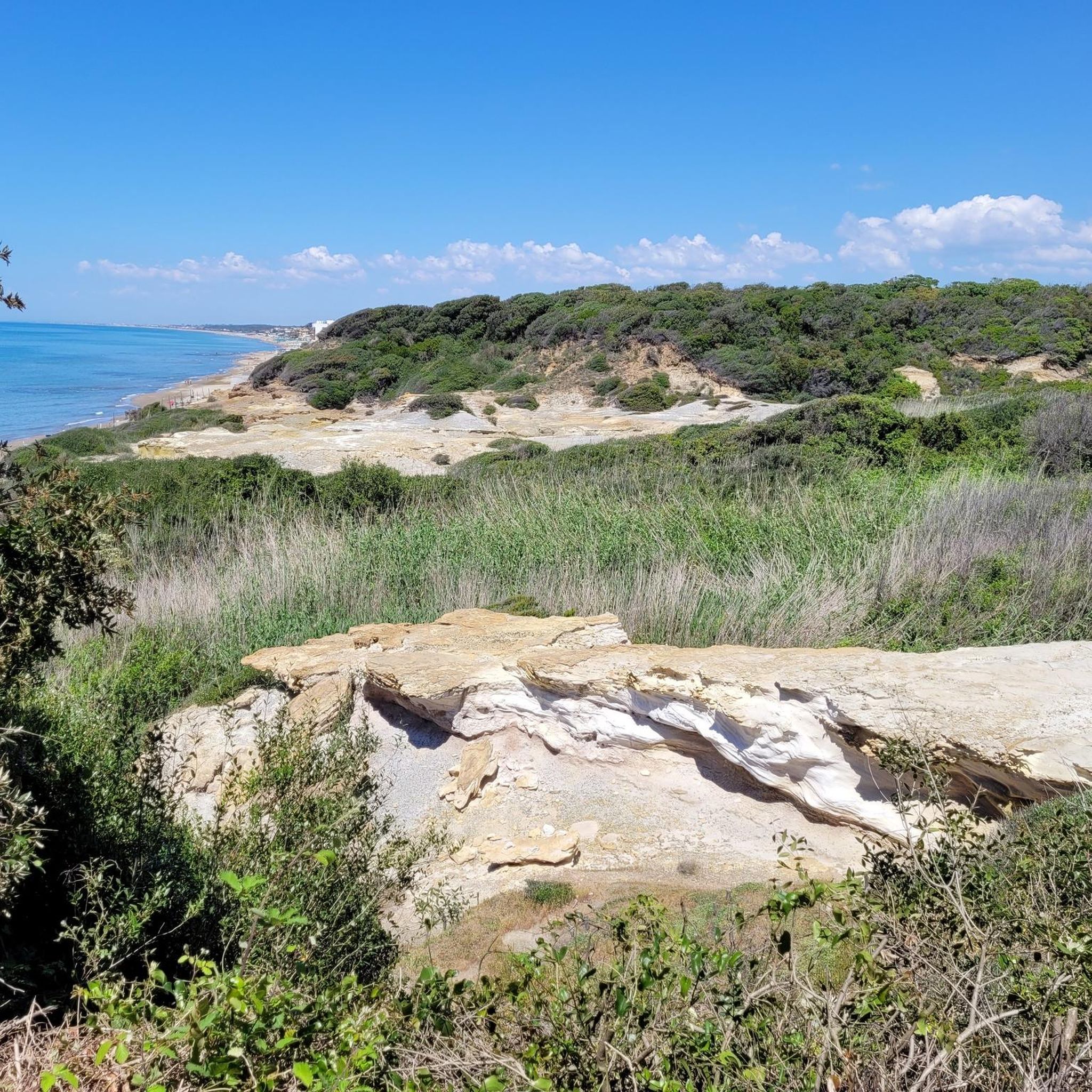
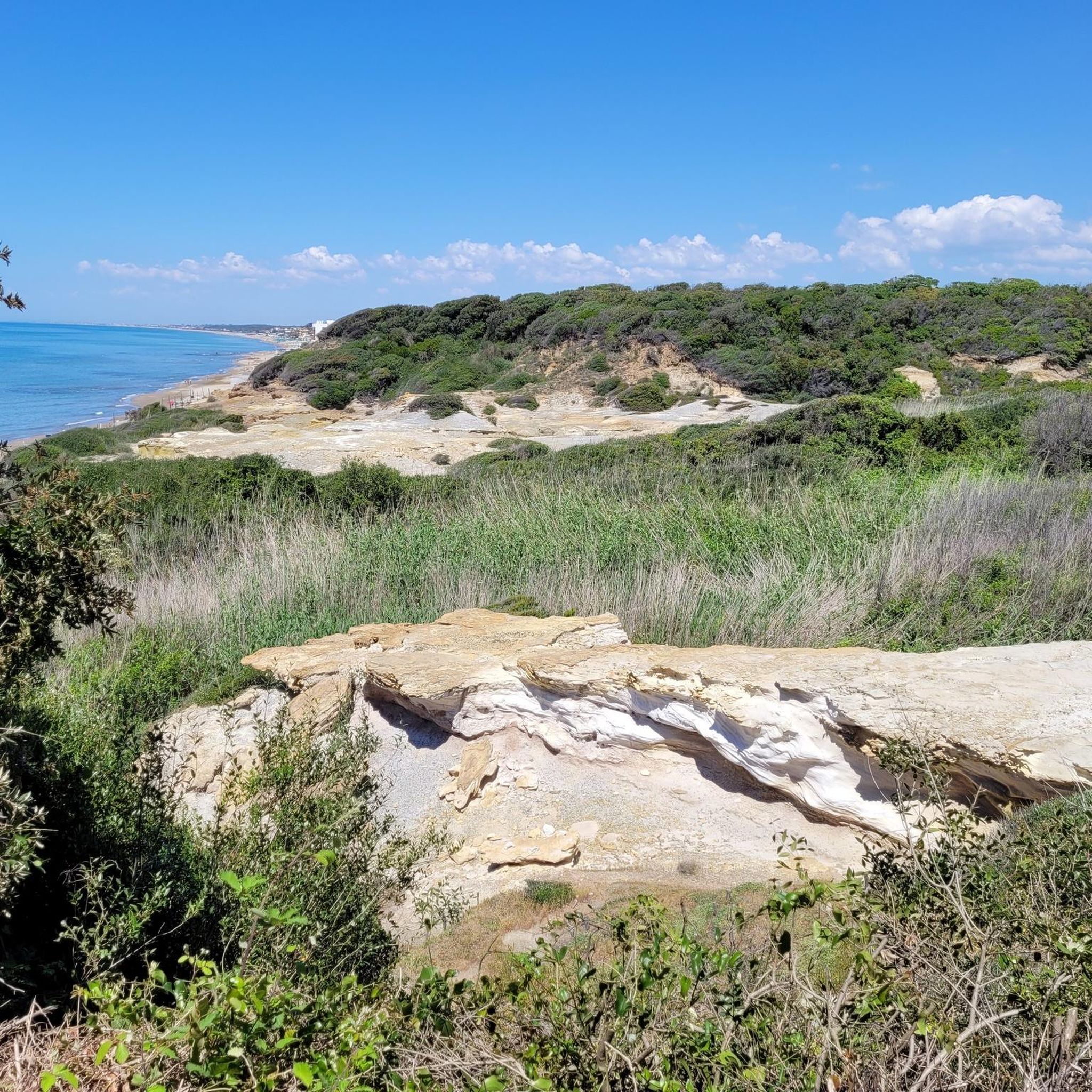
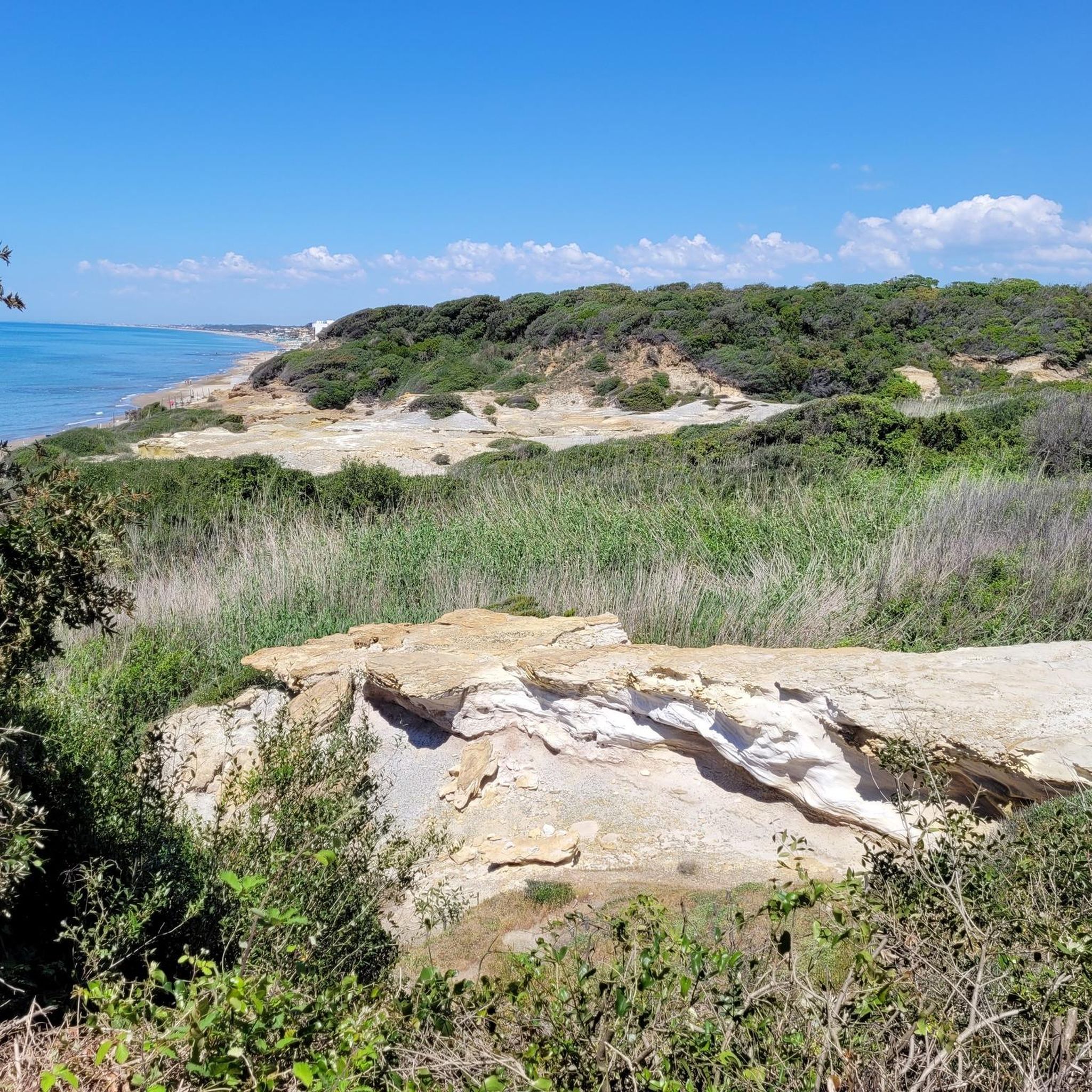
Under the Imperial Villa of Nero as well as adjacent to "Il Turcotto", one of the most beautiful and most popular beaches in all of Anzio, there are the warehouses of the imposing Villa Imperiale which, over the centuries, have been excavated by the erosion of the water and wind, assuming the particular shape of "Caves", giving the name to the place. Despite the neglect of man and time, Nero's caves do not lose their charm and in the summer, between a dip in the sea and a walk on the beach, you can still admire their eternal beauty.
0
0

The cisterns, the work of Septimius Severus, had the function of providing water for the Second Parthian legion. On some occasions it is possible to visit them, it is necessary to contact the Civic Museum of Albano.
3
0

spectacular single track .... but beware of people walking around
1
0
Frequently Asked Questions
What are the most notable caves accessible from Aprilia?
While Aprilia itself doesn't have major cave systems, the wider Lazio region offers several impressive options. These include the Grotte di Pastena, known for their extensive karst formations and underground river, the Grotte di Falvaterra e Rio Obaco with an active underground river, and the Grotte di Collepardo, famous for unique stalactite shapes. Additionally, the Nero's Caves in Anzio, formed from ancient Roman warehouses, offer a historical perspective.
Are there historical caves to explore near Aprilia?
Yes, the region offers caves with significant historical value. Nero's Caves in Anzio are remnants of Emperor Nero's Imperial Villa. The Grotte di Pastena also have a rich history, having been used as a place of worship 3,000 years ago and as a hideout during WWII. Another historical site is the Albano Lake Emissary 400 BC, an ancient Roman hydraulic engineering marvel.
What kind of natural formations can I expect to see in the caves?
The caves in the Lazio region are rich in diverse natural formations. You can expect to see magnificent stalactites, stalagmites, and columns, often forming imaginative shapes. For example, the Grotte di Pastena feature formations like 'Niagara Falls' and the 'Weeping Willow Room,' along with an underground river and lake. The Grotte di Falvaterra e Rio Obaco also boast pure white concretions and active waterfalls.
Are there any family-friendly cave options?
Many of the caves offer accessible tours suitable for families. The Grotte di Pastena, for instance, provide a visually stunning experience with well-maintained paths. The Grotte di Falvaterra e Rio Obaco also cater to casual tourists. It's always recommended to check specific tour details and difficulty levels directly with the cave management before visiting with children.
What is the best time of year to visit the caves in the Lazio region?
Many caves in the Lazio region are open year-round. Visiting in April, after the winter rains, can be particularly rewarding for caves with underground rivers, as the water flow is often at its strongest, enhancing the experience at places like Grotte di Pastena and Grotte di Falvaterra e Rio Obaco. Always check the specific cave's opening hours and conditions before planning your trip.
Are guided tours available for these caves?
Yes, guided tours are typically available for the major cave systems like Grotte di Pastena, Grotte di Falvaterra e Rio Obaco, and Grotta del Cervo. These tours often provide insights into the geological and historical significance of the caves. For the Grotta del Cervo, there are even different routes available for varying difficulty levels, offering both casual and more adventurous experiences.
What are the accessibility considerations for caves near Aprilia?
Accessibility varies significantly between caves. Some, like the Grotte di Pastena, have established tourist paths. Others, such as the Speco di San Michele, involve steep and rugged paths. The Grotta del Cervo maintains a natural state without artificial lighting, requiring visitors to be prepared for a more authentic caving experience. It's crucial to inquire about specific accessibility features and tour requirements directly with each cave site.
Can I find hiking or cycling routes near the caves?
Yes, the region around Aprilia offers various outdoor activities. You can find numerous hiking and cycling routes. For example, you can explore hiking trails around Aprilia or enjoy cycling routes that pass through scenic areas. Some highlights, like the Forest Path with Pond and Cave, combine natural features with trails.
Are there any caves with underground rivers or lakes?
Yes, the Grotte di Pastena are famous for their 'active' inferior branch which features an underground river and a lake, including the 'Sala del Lago Blu' with a 10-meter waterfall. The Grotte di Falvaterra e Rio Obaco also boast an active underground river with waterfalls and rapids, making them particularly dynamic to explore.
What should I know about visiting the Grotta del Cervo?
The Grotta del Cervo in Abruzzo, a neighboring region, is known for its exceptional beauty and scientific value. It extends over 2.5 kilometers with rich concretions, magnificent stalactites, stalagmites, and crystal-covered basins. It maintains a natural state without artificial lighting, offering an authentic caving experience. Paleontological finds, including ancient animal bones, add to its allure. It's advisable to be prepared for this type of exploration.
Are there any caves that are currently closed or have limited access?
Yes, it's important to check the current status of each cave before planning your visit. For example, the Grotte di Collepardo have been noted as temporarily closed until further notice. Always consult official websites or contact the caves directly for the most up-to-date information on opening hours, tour availability, and any specific requirements.
What kind of wildlife might I encounter in the caves around Aprilia?
The caves in the region can be home to various forms of wildlife adapted to subterranean environments. The Grotte di Pastena, for instance, include a 'Sala dei Pipistrelli' (Bat Room) and continue to serve as a refuge for bats. The Grotte di Falvaterra e Rio Obaco are also known to host various cave-dwelling insects, bats, and aquatic life.
How long do typical cave visits last?
The duration of a cave visit can vary depending on the specific cave and the type of tour. Standard guided tours for major caves like Grotte di Pastena or Grotte di Falvaterra e Rio Obaco typically last between 1 to 2 hours. More adventurous or extensive routes, such as some offered at Grotta del Cervo, might take longer.
Most popular routes around Aprilia
Most popular attractions around Aprilia

Get inspired with the komoot mobile app


