Top 4 Caves around Grimacco
Best caves around Grimacco are situated within the Natisone Valleys of Friuli Venezia Giulia, Italy. This region is characterized by its natural landscapes and significant karst phenomena. While some local caves are primarily of speleological or archaeological interest, the broader area offers diverse underground explorations. The municipality provides access to a network of natural features and historical sites.
Best caves around Grimacco
- The most popular caves is Duga Baba and Zadlaška Cave, a cave that offers accessible initial sections…
Last updated: June 29, 2026
Duga Baba and Zadlaška Cave
Highlight • Cave
Translated by Google •
Tip by

Kozlov Rob Castle
Highlight • Castle
Translated by Google •
Tip by

Sign up now to discover places like this
Get recommendations on the best single tracks, peaks, & plenty of other exciting outdoor places.
Sign up for free
Cave entrance in the Soča Valley
Highlight • Cave
Translated by Google •
Tip by

Kozlov Rob Cave
Highlight • Cave
Translated by Google •
Tip by

San Giovanni d'Antro Cave and Church
Highlight • Cave
Translated by Google •
Tip by

Sign up for free to discover even more caves around Grimacco.
Sign up for free
Already have an account?
Start today with a free account
Your next adventure awaits.
Login or Signup


Tips from the Community

Short tour up the mountain to the castle (currently under construction 24.7.2025)
2
0

2 more highlights at the end of the gorge
0
0
There are plenty of caves in this area
1
0


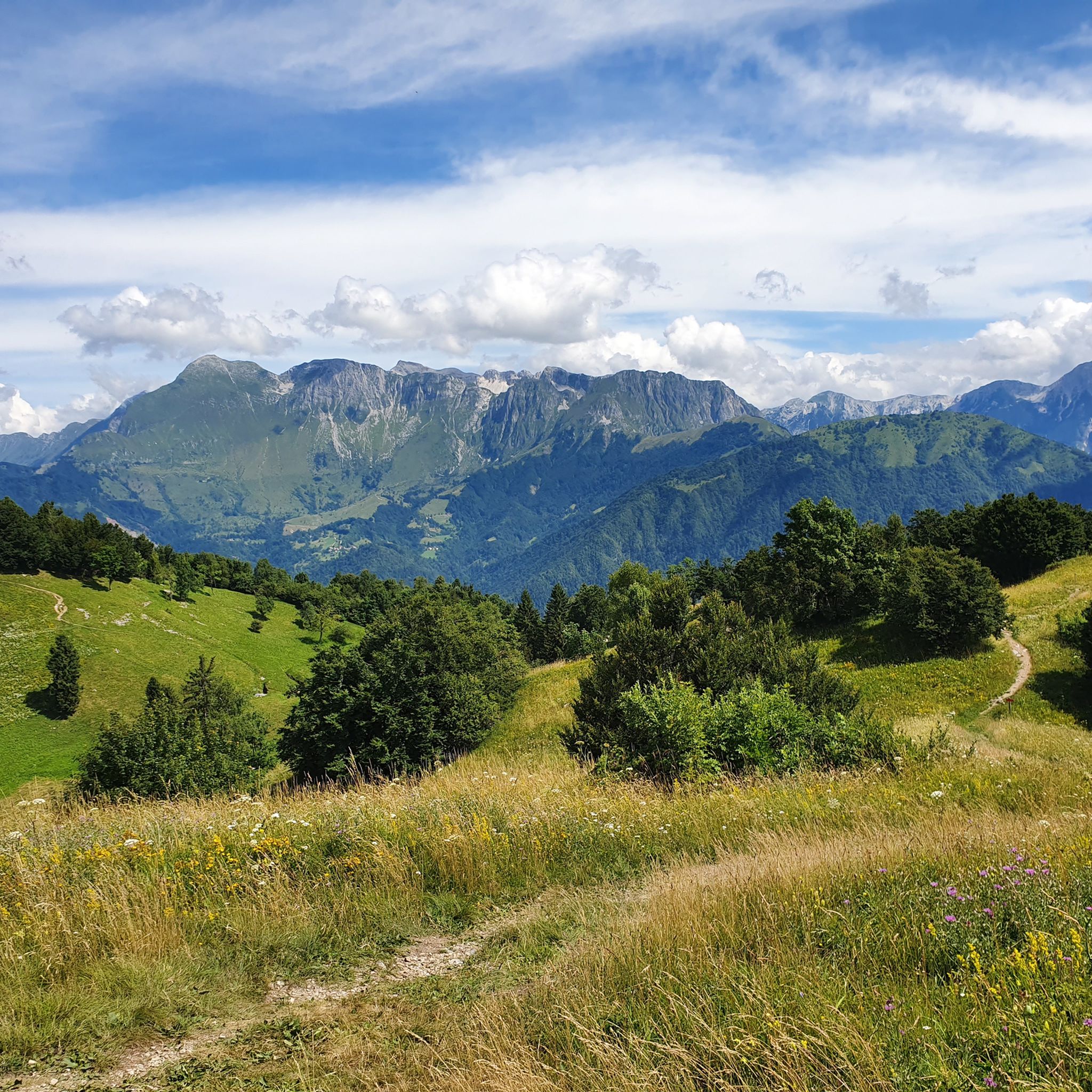
The castle ruins show the preserved foundations of a castle that was fought over for centuries and has a strategic location. There are many benches from which you can admire the magnificent 360-degree panorama of the Soča Valley and the surrounding mountains on the edge of Triglav National Park.
0
0

The cave has long been known by two names: Zadlaška jama cave (named after the nearby village of Zadlaz) or Dante's cave (named after the famous Italian poet Danter Alighieri). It is 1,140 m long and 41 m deep. The cave was first explored in 1911 by the Slovenian expat society Società Alpina Friulana. Further explorations were made in 1922 by members of the mountaineering club Planinski klub Krpelj and in 1977 by the cave department of the Tolmin Alpine Club. The cave is home to the endemic beetle species Anophthalmus tolminensis and is also a wintering area for two bat species, Rhinklafus hipposideros and Rhinklafus ferrumequinum.
0
0
Frequently Asked Questions
What types of caves can I explore in the Grimacco area and the wider Friuli Venezia Giulia region?
Grimacco itself features caves primarily of speleological or archaeological interest, such as Grotta II di Trusgne and Grotta ad E di Grimacco Superiore, which are more suited for experienced cavers and researchers. For more developed and tourist-friendly experiences, the broader Friuli Venezia Giulia region offers spectacular options like the New Cave of Villanova, Grotta di Pradis, and the colossal Grotta Gigante.
Are there any caves in the Grimacco area with historical or archaeological significance?
Yes, several caves in the region hold significant historical and archaeological value. Grotta II di Trusgne in Grimacco shows evidence of human presence from the Mesolithic to the Copper-Bronze Age. The Grotta di Paciuch in nearby Drenchia has yielded prehistoric findings, including animal bones and Neolithic pottery. Further afield, Grotta di Pradis is considered an important prehistoric monument with archaeological excavations revealing human and animal remains, and it has a dedicated museum.
Which caves near Grimacco are suitable for families or beginners?
While Grimacco's immediate caves are more specialized, the wider region offers accessible options. The New Cave of Villanova in Lusevera provides guided tours through well-lit stairways, making it suitable for a wide range of visitors, including families. Similarly, Grotta di Pradis offers guided tours to explore its unique beauty and historical significance. The Grotta Gigante, though further away, also offers guided tours along an 850-meter path accessible to most visitors.
What unique geological features can I expect to see in the caves around Grimacco?
The caves in the region showcase diverse geological formations. The New Cave of Villanova is known for its impressive stalactites, stalagmites, natural rooms, and a small internal lake. Grotta di Pradis, also known as the 'Green Grottoes,' features diverse karst formations within a dramatic gorge. The Grotta Gigante boasts an immense chamber with striking stalactites and imposing stalagmites, recognized as the world's largest single-chamber tourist cave.
Are there any caves that offer a unique cultural or religious experience?
Yes, the San Giovanni d'Antro Cave and Church is a unique site located in Pulfero. It is special for housing a church built directly inside the cave cavity, offering a blend of natural wonder and religious history.
What outdoor activities can I combine with a visit to the caves around Grimacco?
The Grimacco area is excellent for various outdoor activities. You can find numerous routes for cycling, hiking, and gravel biking. For instance, you can explore routes like the 'Historic military road to Tribil Superiore' for hiking or the 'Rifugio Pelizzo loop from Savogna / Sauodnja' for cycling. You can find more details on these activities and routes in the Hiking around Grimacco, Cycling around Grimacco, and Gravel biking around Grimacco guides.
Are there any caves in the area that are particularly challenging or suited for experienced cavers?
Yes, for those seeking a more challenging experience, Duga Baba and Zadlaška Cave offers accessible initial sections but becomes more difficult further in, with opportunities for crawling that require no claustrophobia. Additionally, Grimacco's local caves like Grotta II di Trusgne and Grotta ad E di Grimacco Superiore are primarily of speleological interest, often requiring navigation of steep slopes or narrow passages, making them more suited for experienced cavers and researchers.
What is the best time of year to visit the caves near Grimacco?
Caves generally maintain a constant temperature year-round, making them a good option in various seasons. However, for surface activities and comfortable access, spring and autumn offer pleasant weather. Summer can be a good time to visit caves for a cool escape from the heat, while some caves might have reduced accessibility or specific opening hours during winter. Always check specific cave opening times before planning your visit.
Can I find guided tours for cave exploration in the Grimacco region?
Yes, for the more developed caves in the wider Friuli Venezia Giulia region, guided tours are available. The New Cave of Villanova and Grotta Gigante both offer guided tours that enhance the visitor experience by providing insights into their geology and history. For Grotta di Pradis, guided tours are also available and recommended to fully appreciate its unique beauty and historical significance. It's advisable to check their official websites for tour schedules and booking information.
What should I bring when visiting caves in the Grimacco area?
Even in summer, cave temperatures are consistently cool (e.g., 11°C in Grotta Gigante), so bring warm layers or a light jacket. Comfortable, sturdy shoes with good grip are essential for navigating uneven terrain. For less developed caves, a headlamp or flashlight is crucial. If you plan to explore more challenging caves, consider appropriate caving gear. Always check specific requirements for each cave you plan to visit.
Are there any caves that offer a unique natural experience, like cooling water or scenic views?
Yes, the Cave entrance in the Soča Valley is noted for its cooling water and is located inconspicuously on the right side of a scenic hiking trail, offering a refreshing stop. The Grotta di Paciuch is a permanent resurgence cave with an internal stream flowing through most of its length, featuring an ample room with a small lake.
Where can I find amenities like cafes or restaurants near the caves?
While Grimacco is a smaller municipality, amenities like cafes and restaurants can be found in nearby towns and villages within the Natisone Valleys. For caves like the New Cave of Villanova, Grotta di Pradis, or Grotta Gigante, visitor centers often have facilities, or you'll find dining options in the closest settlements. It's always a good idea to check local listings or plan your meals in advance, especially when visiting more remote cave locations.
Most popular routes around Grimacco
Most popular attractions around Grimacco

Get inspired with the komoot mobile app


Explore more
Extend your search for the best caves by checking out these guides of the top ones around Grimacco:
