Top 13 Castles around Bettola
Best castles around Bettola are found in the surrounding Piacenza province, a region characterized by its historical fortresses and varied landscapes. Bettola serves as a gateway to exploring these sites, which are often situated in strategic positions overlooking valleys. The area offers a rich tapestry of historical architecture, from medieval strongholds to renovated noble residences.
Best castles around Bettola
- The most popular castles is Statto Castle, a castle that is a medieval fortress from the 13th century in a…
Last updated: October 3, 2026
Monticello Castle and Partisan Memorial
Highlight • Castle
Showing Translation
Tip by

Statto Castle
Highlight • Castle
Translated by Google •
Tip by

Sign up now to discover places like this
Get recommendations on the best single tracks, peaks, & plenty of other exciting outdoor places.
Gropparello Castle
Highlight • Castle
Translated by Google •
Tip by

Riva Castle
Highlight • Castle
it.wikipedia.org/wiki/Castello_di_Riva
Translated by Google •
Tip by

Torre di Bobbiano
Highlight • Castle
Translated by Google •
Tip by

Sign up for free to discover even more castles around Bettola.
Already have an account?
Start today with a free account
Your next adventure awaits.
Tips from the Community

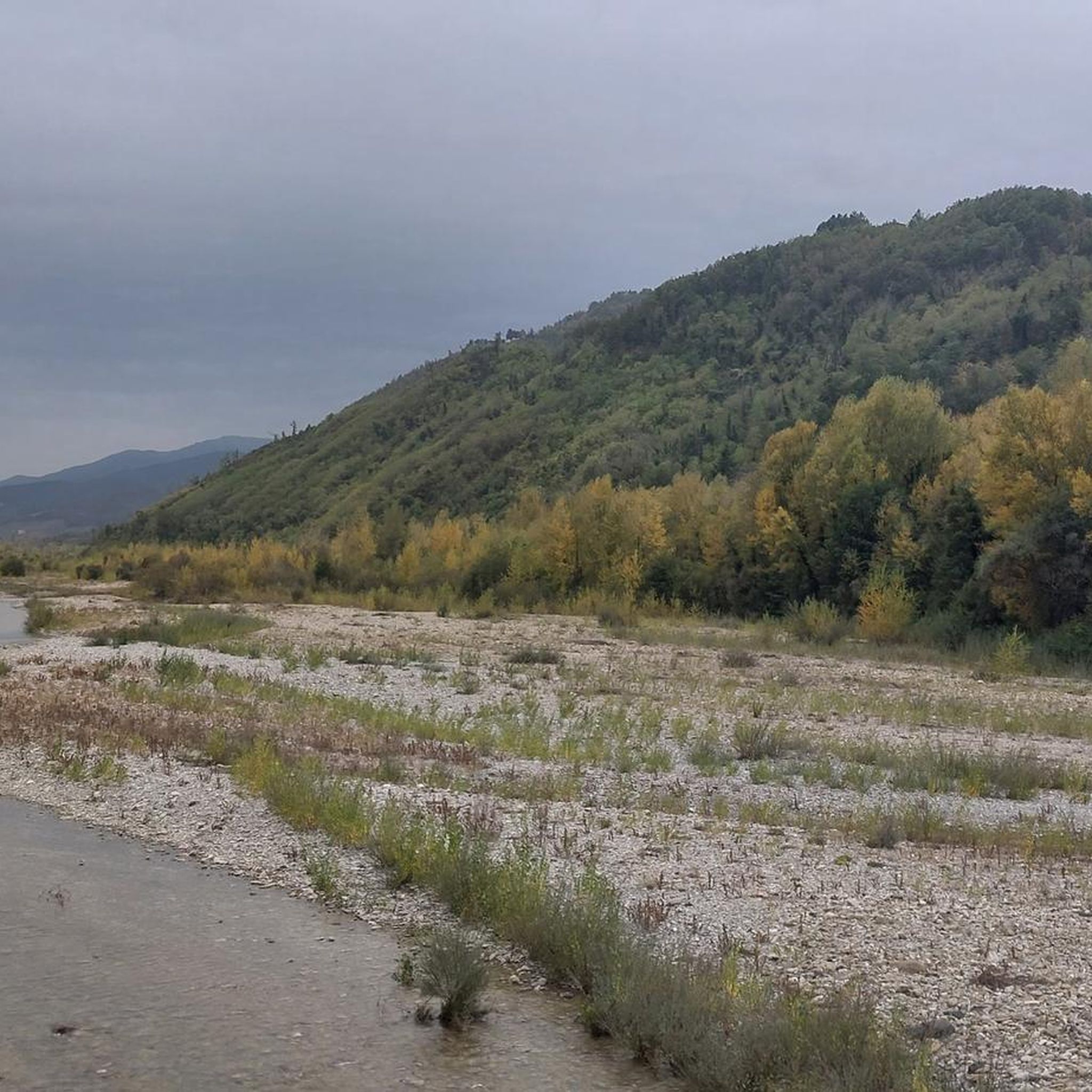
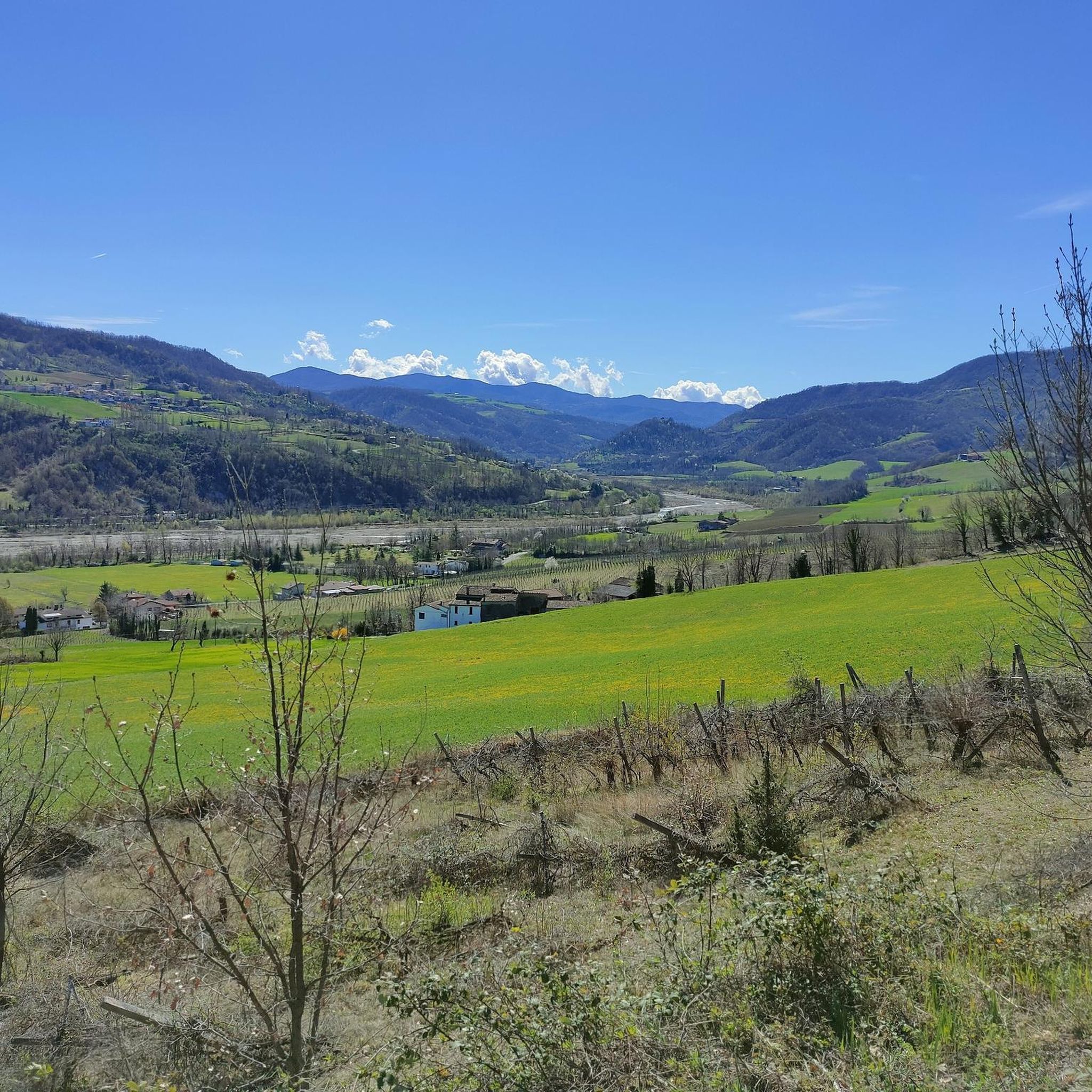
Il Castello di Monticello (Gazzola, PC) is a 14th-century medieval fortification strategically located between Val Trebbia and Val Luretta. Mentioned since 1372, it is known for its war events, including a battle in 1945. It was a fief of the Arcelli family and, despite war damage, retains its quadrangular structure.
15
0

Monticello Castle, of strategic importance due to its location on the ridge of the Trebbia and Luretta valleys and its role in the entrenched camp, was first mentioned in 1372 when it was occupied by papal troops.
2
0

An important battle of the Liberation struggle took place here at the castle of Monticello, between 15 and 16 April 1945, in which a handful of partisans barricaded in the castle resisted and repelled a large Nazi-fascist troop of 450 men. Here is an exciting documentation: https://www.rivalta-trebbia.it/battaglia-di-monticello/
2
0

The castle was born as a medieval fortification in the Vezzeno Valley. The manor, surrounded by Guelph battlements, is defended by towers, the entrance one with a drawbridge and the mighty central keep. The Castle of Gropparello, known in ancient times as "Rocca di Cagnano", is a characteristic example of a medieval fortification built to defend the access route to a valley, conceived as a true eagle's nest overlooking the cliff, and therefore absolutely unassailable .. The oldest document known so far about Gropparello dates back to the year 810, and is the deed with which the emperor Charlemagne granted the place as a fief to the then bishop of Piacenza Giuliano II.
2
0
The Riva castle is a fortified complex located in Ponte dell'Olio, in the province of Piacenza. It is so called as it is located in the district of the same name in the town, whose name derives, in all probability, from its proximity to the Nure stream; the castle was, in fact, built on the right bank of the stream to control the passage along the Nure valley. Its location, near the point where the Nure begins to flow into the Po Valley, was strategic as it allowed control of the passage towards the sea: via the Aveto valley towards Liguria and via the Taro valley towards Lunigiana.
0
0
The castle, mentioned in a sale deed of 1296, was built on a hill on the left bank of the Trebbia river, in front of Rivergaro, to control access to the valley together with the castles of Rivalta, Montechiaro and Rivergaro, located on the opposite bank. The castle has a rectangular plan with an internal courtyard and four cylindrical corner towers. Made of stones and pebbles from Trebbia, it is composed of three buildings and a single curtain wall, to the south, modified at the end of the 17th century with the addition of battlements and windows. The south-west corner tower has large Renaissance-style arched openings.
0
0

The Torre di Bobbiano is a medieval tower located in Bobbiano, a hamlet in the Italian municipality of Travo, in the province of Piacenza. It is located on a rocky outcrop in the center of the Chiosi basin, in a dominant position with respect to the surrounding landscape. The fortification, whose date of foundation is not known, was mentioned for the first time in a document dating back to 1037 which testifies that Theodosius bought it from Isembrando, canon of the parish church of San Faustino di Tuna, for an amount of 3,000 lire , several farms and fortified buildings located in the Piacenza area including the castle of Bobbiano with the tower and the neighboring church of San Michele - Wikipedia
2
0

Currently private property. We organize visits with activities for children inspired by the medieval world
1
0
Frequently Asked Questions
What are some historically significant castles near Bettola?
The Piacenza province, accessible from Bettola, is rich in historical fortresses. Notable examples include Statto Castle, a 13th-century medieval fortress, and Gropparello Castle, an ancient medieval fortification known as an "eagle's nest." Other significant sites include Castello di Agazzano, a renovated noble residence, and Castello di Castano, dating back to the 13th century with a blend of medieval and Renaissance styles.
Are there castles with unique architectural features around Bettola?
Yes, several castles boast unique architecture. Caminata-Bramaiano Castle features solid medieval construction enhanced with 16th-century hanging loggias. Statto Castle has a rectangular plan with an internal courtyard and four cylindrical corner towers. Castello di Montechiaro is notable for its distinctive structure and a very tall tower dominating its courtyard. Castello di Grazzano Visconti, built in 1395, has a quadrangular structure with four towers—two cylindrical and two square.
Which castles near Bettola are family-friendly?
Gropparello Castle is particularly family-friendly, organizing visits with activities inspired by the medieval world. Many castles in the region, while historical, also host events and unique experiences that can be engaging for families.
Can I visit castles near Bettola with my dog?
While specific dog policies vary by castle, many outdoor areas and parks surrounding the castles are often dog-friendly. For instance, Castello di Grazzano Visconti has an expansive park. It's advisable to check individual castle websites or contact them directly for their specific dog-friendly policies, especially regarding interior access.
When is the best time to visit the castles near Bettola?
The Emilia-Romagna region, where Bettola is located, offers pleasant weather for exploring castles from spring through early autumn. This period allows for comfortable outdoor exploration of castle grounds and surrounding nature. Many castles also host events during these months. Some castles may have seasonal opening times, so it's good to check in advance.
What outdoor activities can I do near these castles?
The area around Bettola offers various outdoor activities. You can find numerous running trails, MTB trails, and road cycling routes. For example, there's a 'Bettola – Rossoreggio Tower loop' for MTB and a 'Monte Osero loop from Bettola' for running. Many castles are situated in scenic locations, offering opportunities for walks and enjoying natural viewpoints.
Are there hiking trails near the castles around Bettola?
Yes, the region offers several hiking opportunities. For example, Rossoreggio Tower can be reached via a path from the opposite valley in the Costa della Mora area. Gropparello Castle is surrounded by nature trails. You can explore various running trails around Bettola, which often double as hiking paths, with options ranging in difficulty.
What are some lesser-known or 'hidden gem' castles to visit?
While not as widely known as some others, Riva Castle, a 12th-century fortress near Ponte dell'Olio, offers a glimpse into the region's strategic past. Torre di Bobbiano, a medieval tower on a rocky outcrop, provides a dominant position and historical intrigue without the crowds of larger castles.
What kind of local cuisine can I find near the castles?
The castles are located within Italy's "Food Valley," the Emilia-Romagna region, renowned for its culinary delights. You can expect to find local specialties such as cured meats (like Coppa Piacentina and Salame Piacentino), various pasta dishes (tortelli, anolini), and delicious cheeses. Many towns near the castles will have local trattorias and restaurants offering authentic Piacenza cuisine.
Are there accommodations available near the castles?
Yes, Bettola itself offers accommodation options, and many towns surrounding the castles also provide places to stay, ranging from hotels to agriturismos (farm stays). Some castles, like Castello di Grazzano Visconti, even have artisan shops and dining options, and some in the wider Emilia-Romagna region offer unique experiences like overnight stays, allowing for a full immersion.
How long should I plan for a visit to the castles around Bettola?
The time needed varies depending on the castle. For a single castle like Gropparello Castle, which offers activities, you might spend half a day. For others, like Caminata-Bramaiano Castle, which is primarily visible from the outside, a shorter visit might suffice. If you plan to visit multiple castles and explore the surrounding areas or trails, dedicating a full day or even a weekend would be ideal.
What are the general accessibility options for castles in the Piacenza province?
Access to castles in the Piacenza province typically involves driving, as many are located in rural or elevated positions. Parking is often available near the sites. Public transport options might be limited, especially for more isolated castles. It's recommended to check specific visitor information for each castle regarding parking and public transport availability, as well as any accessibility features for visitors with mobility challenges.
Most popular routes around Bettola
Most popular attractions around Bettola

Get inspired with the komoot mobile app


Explore more
Looking for the best castles somewhere else? Discover other guides around Bettola:
