Top 8 Castles around Deruta
Best castles around Deruta offer a glimpse into the region's strategic past. Deruta itself originated as a fortified settlement, serving as a defensive outpost for Perugia, with its historic center retaining elements of ancient walls and medieval streets. The area features notable fortified structures and castles that reflect its historical significance between Perugia and Todi. Exploring these sites provides insight into Umbria's rich heritage.
Best castles around Deruta
- The most popular castles is Rocca Paolina — The Underground City,…
Last updated: August 23, 2026
Rocca Paolina — The Underground City
Highlight • Historical Site
Translated by Google •
Tip by

Gualdo Cattaneo: Historic Village and Fortress
Highlight • Settlement
Located between the Umbrian and Tiber valleys, …
Translated by Google •
Tip by

Sign up now to discover places like this
Get recommendations on the best single tracks, peaks, & plenty of other exciting outdoor places.
Sign up for free
Castle of St. Apollinaris
Highlight • Castle
Translated by Google •
Tip by

Rocca di Gualdo Cattaneo
Highlight • Castle
The direct link with a famous figure like Alessandro Borgia and its singularity on an …
Translated by Google •
Tip by

Fratta Todina
Highlight • Settlement
Translated by Google •
Tip by

Sign up for free to discover even more castles around Deruta.
Sign up for free
Already have an account?
Start today with a free account
Your next adventure awaits.
Login or Signup
Tips from the Community

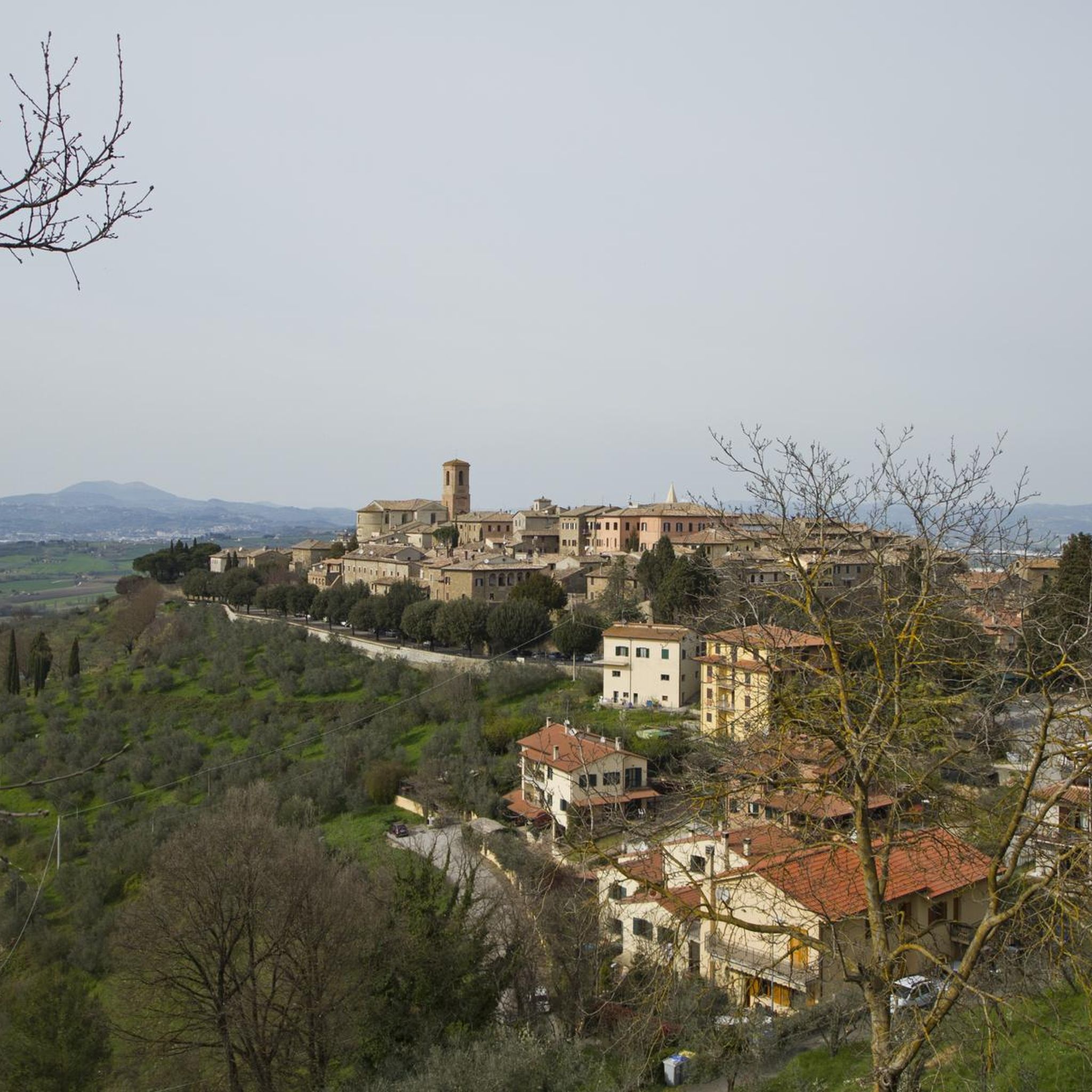
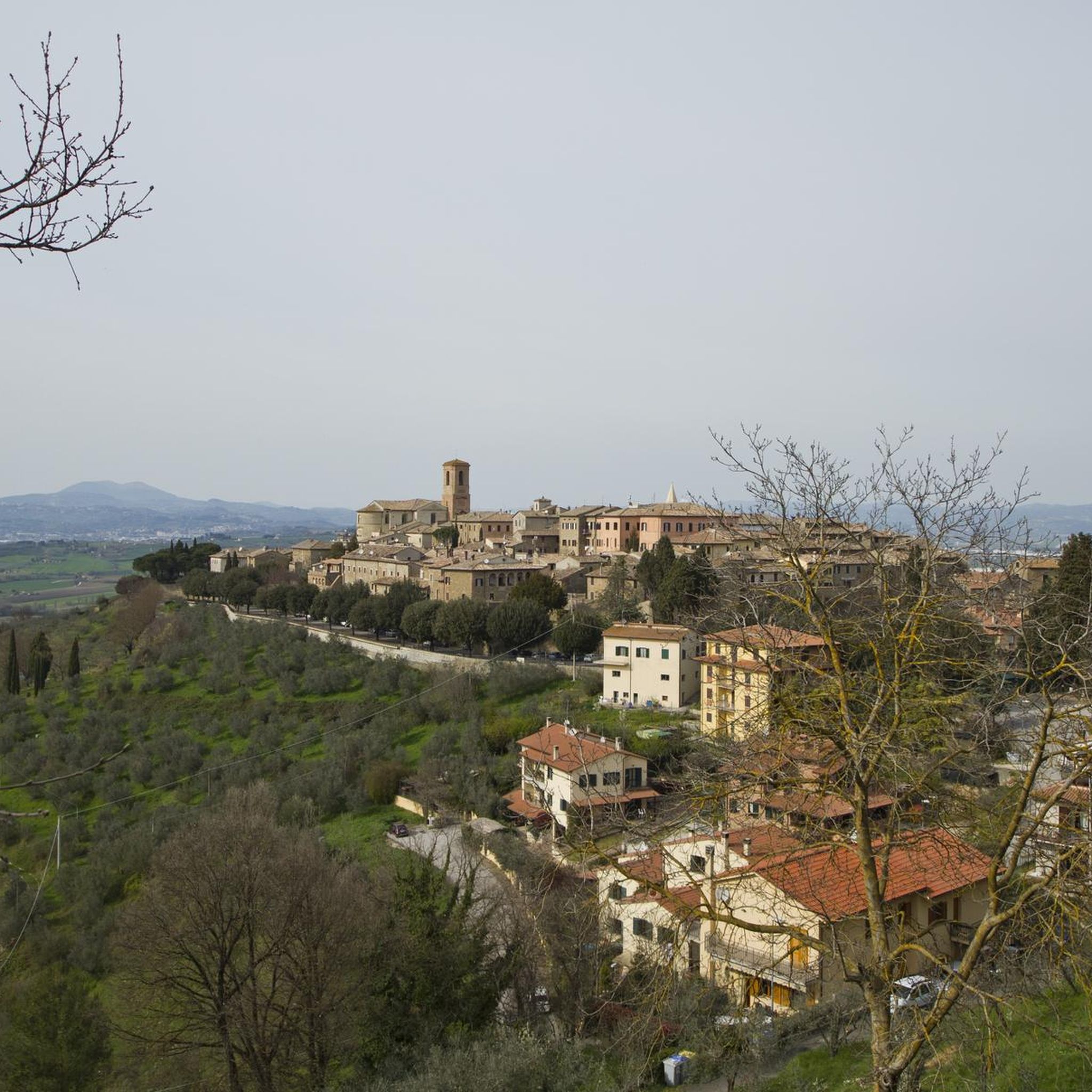
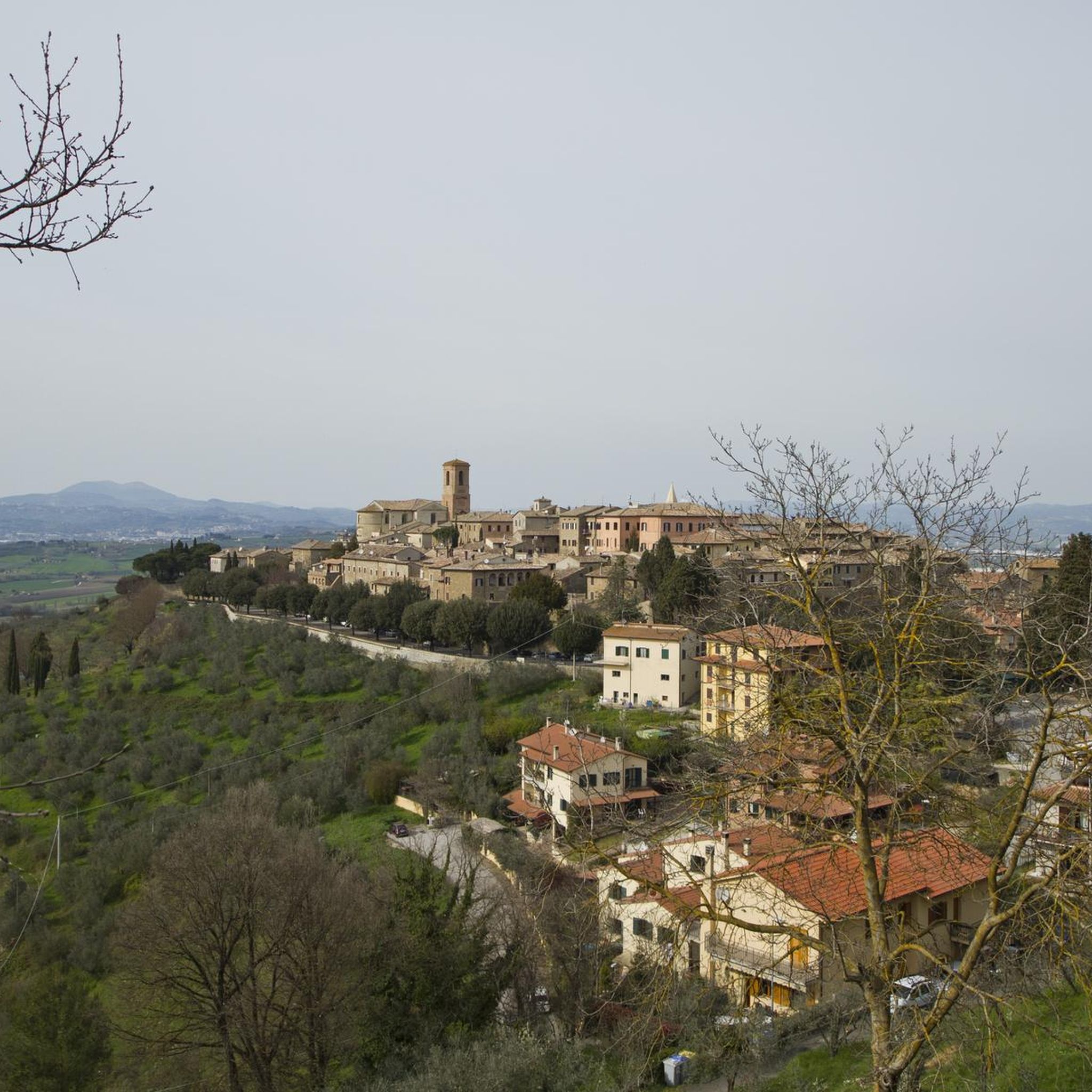
Located near the village of Spina, the Rocca di Sant'Apollinare is a place rich in history and timeless images. Once a defensive fortress, it became a place of worship and production, and today it is immersed in a centuries-old olive grove. Getting there requires a bit of effort, but the reward is guaranteed.
0
0

Bring some cash to climb the tower 😀
0
0

ARCHITECTURAL STRATIFICATIONS Visiting this area of the Rocca, where Via Bagliona meets the shorter Via alla Piazza Gran-de, the complex and fascinating interplay between the remains of the medieval quarter and the structures of the papal fortress can be seen more clearly. The limestone and travertine walls of the ground floor of the medieval buildings, the pointed arches of the entrances to houses and shops and the base of Gentile Ba-glioni's tower blend with the brick vaults that cover the streets and the great foundation columns of the fortress. The old buildings were gutted and the underground chambers of the Rocca Paolina made. The destruction of a large part of the city and the construction of the Rocca in its place was a tearing wound for Perugia, which thus lost the quarter with its most elegant houses and the church of Santa Maria dei Servi, which housed many tombs of noble families and remarkable works of art. The keystone of its entrance is still visible. One of the frescoes by Benedetto Bonfigli (second half of the 15th century) in the chapel of the Palazzo dei Priori (now part of the National Gallery of Umbria) represents precisely this area of the medieval city and remains the most important evidence of how it was before the construction of the fortress.
1
0
ROCCA PAOLINA This underground structure, known as Rocca Paolina ("Pauline Fortress"), is the result of the building on buildings that took place in different eras. In the Middle Ages (12th-16th centuries) in this district stood the tower houses of some aristocratic Perugian families. In the 15th century the most important of these buildings belonged to the Baglioni family, the most powerful in Renaissance Perugia. In 1540, after the Salt War, which broke out following the rise in the price of salt and the refusal of Perugia to accept the rule of the Pope, Perugia lost its independence and was annexed to the Papal States. Pope Paul II had a fortress built to definitively subjugate the city and commissioned the architect Antonio da Sangallo the Younger to build it in this area, raising it above the medieval buildings. The fortress was called "Rocca Paolina" because Paul Ill ordered its construction. To speed up the works, which were completed in 1543, the fortress did not completely eliminate the existing buildings, but instead integrated them, preserving many parts (walls, corners, streets, arches), creating the effect of a practically unique underground city. The ancient road network, and in particular the long Via Bagliona that runs through the entire fortress, is still clearly visible today; in the Middle Ages these streets were of course open to the sky, and above the buildings rose tall towers, the instruments and symbols of power and prestige. Only one of the many towers that existed in the medieval city remains intact today in another area of the historic center, the Torre degli Sciri (or Torre degli Scalzi), but more or less considerable fragments can still be identified of about thirty of the forty towers remembered by tradition.
2
0

Rocca Sonora, the undisputed symbol of Gualdo Cattaneo.
0
0

From the Partigiani car park, the big surprise! Escalators take you back a thousand years. You enter a medieval landscape with buildings and narrow streets that are as intact as they were centuries ago.
1
0

Bogo dominating the Puglia valley, a tributary of the Tiber; very well renovated, it is surrounded by mighty fifteenth-century walls
0
0
The Rocca Borgia (or Rocca Sonora) is the true protagonist of the village of GualdoCattaneo. The direct link with a famous figure like Alessandro Borgia and its singularity on an architectural level make this building truly unique in the Umbrian defensive panorama. It was built between 1494 and 1498, designed by Francesco di Bartolomeo da Pietrasanta according to the military canons of the time, which with the advent of artillery were substantially changing the appearance of all the defensive structures. It is a triangular fortress with a central keep and two lateral walls communicating with each other through a complex system of underground tunnels.
1
0
Frequently Asked Questions
What is the historical significance of castles around Deruta?
The castles and fortified structures around Deruta reflect the region's strategic past. Deruta itself originated as a fortified settlement, acting as a defensive outpost for Perugia. These sites, including the historic center of Deruta and nearby castles, showcase Umbria's rich heritage and its role in defending the area between Perugia and Todi.
Are there specific historical sites within Deruta's fortified town?
Yes, the historic center of Deruta retains elements of its past as a fortified town. You can still see remains of ancient walls, particularly when entering through the Porta di San Michele Arcangelo. Within the medieval streets, the Palazzetto Municipale (Town Hall) from 1300, which houses the Museum of Ceramics, and the Gothic Church of San Francesco, consecrated in 1388, are notable examples.
What makes Castello di Castelleone a significant site to visit?
Located on a hill in the municipality of Deruta, Castello di Castelleone is an outstanding early medieval castle. It's a historical, artistic, and architectural monument dating from the 12th, 16th, and 19th centuries, protected by the Umbria region. Its blend of medieval, Renaissance, and Neo-Gothic elements, along with its expansive grounds and the 'Torre degli Sposi' (Tower of the Newlyweds), offers a traditional and impressive castle experience.
What is Rocca Paolina known for?
Rocca Paolina — The Underground City is a unique historical site. It was a Renaissance fortress built for Pope Paul III, featuring a mysterious series of tunnels and arched stairwells. Today, these underground passages form a popular route into the city of Perugia, offering a glimpse into a lost world with its hidden shops and art exhibitions.
What can I expect when visiting Gualdo Cattaneo?
Gualdo Cattaneo: Historic Village and Fortress is a picturesque Umbrian village standing majestically on a rock, offering breathtaking views of vineyards, olive groves, and the Sibillini mountains. Its most significant monument is the Rocca Borgia (or Rocca Sonora), a unique triangular fortress built between 1494 and 1498, featuring a complex system of underground tunnels. The village also has historic churches like Saints Anthony and Antoninus and Sant'Agostino.
Are there family-friendly castles or sites to visit near Deruta?
Yes, several sites are considered family-friendly. Rocca Paolina — The Underground City offers an engaging experience with its tunnels and escalators. The village of Fratta Todina, built around a medieval castle, is a lively small town with over a thousand inhabitants, making it an interesting stop for families. Additionally, the historic village of Gualdo Cattaneo is also listed as family-friendly.
What outdoor activities can I do near the castles around Deruta?
The area around Deruta offers various outdoor activities. You can find numerous routes for running, hiking, and mountain biking. For example, there are several running loops, such as the 'Running loop from Deruta' (6.8 km, moderate). Hiking options include the 'Perugia Vecchia Park from Castelleone – loop tour' (16 km, moderate). Mountain biking enthusiasts can explore routes like 'Perugia Vecchia Park da Deruta – giro ad anello' (20.3 km, difficult). You can find more details on these activities in the Running Trails around Deruta, Hiking around Deruta, and MTB Trails around Deruta guides.
Are there hiking trails near the castles in Deruta?
Yes, there are several hiking trails available. For instance, near Castelleone, you can find the 'Perugia Vecchia Park from Castelleone – loop tour' (16 km, moderate) or a shorter 'Perugia Vecchia Park loop from Castelleone' (7.7 km, moderate). An easy option is the 'Hiking loop from Santuario della Madonna dei Bagni' (5.5 km). For more hiking ideas, refer to the Hiking around Deruta guide.
Can I find viewpoints near these castles?
Many of the castles and fortified villages offer excellent viewpoints. Castle of St. Apollinaris is noted as a beautiful panoramic point over the Fersenone Valley. Rocca di Gualdo Cattaneo and the village of Gualdo Cattaneo itself provide astonishing views of vineyards, olive groves, and the Sibillini mountains.
What is the best time of year to visit the castles around Deruta?
While specific opening times vary, the region of Umbria generally enjoys pleasant weather in spring (April-May) and autumn (September-October), making these ideal times for exploring historical sites and enjoying outdoor activities. Summers can be hot, but many sites remain open. Visiting in these shoulder seasons allows for comfortable exploration of the fortified towns and castles.
Are there any cafes or facilities available near these castles?
Yes, particularly in the larger fortified villages and towns. The historic center of Deruta, for example, has various facilities due to its active town life and the presence of the Museum of Ceramics. The village of Gualdo Cattaneo is also listed as having cafes and shops, providing amenities for visitors.
What is the Castle of St. Apollinaris known for?
Castle of St. Apollinaris was designed as a military building to defend Perugia from the south side, with origins likely dating back to the 10th century. It is also known for its beautiful panoramic views over the Fersenone Valley and is immersed in a centuries-old olive grove, offering a rich historical experience.
Most popular attractions around Deruta

Get inspired with the komoot mobile app


Explore more
Looking for the best castles somewhere else? Discover other guides around Deruta:
